
There are places on Earth that stop you. Not because a guidebook told you they would, and not because a photograph prepared you. They stop you because you arrive, and your brain momentarily fails to process what your eyes are seeing.
The New Seven Wonders of the World — chosen by more than 100 million votes in the most ambitious democratic cultural poll ever conducted — are exactly those places. Each one is an argument for the impossible: that human beings, with no modern machinery, no satellite imaging, and no industrial supply chains, built things that can still make the 21st century feel small.
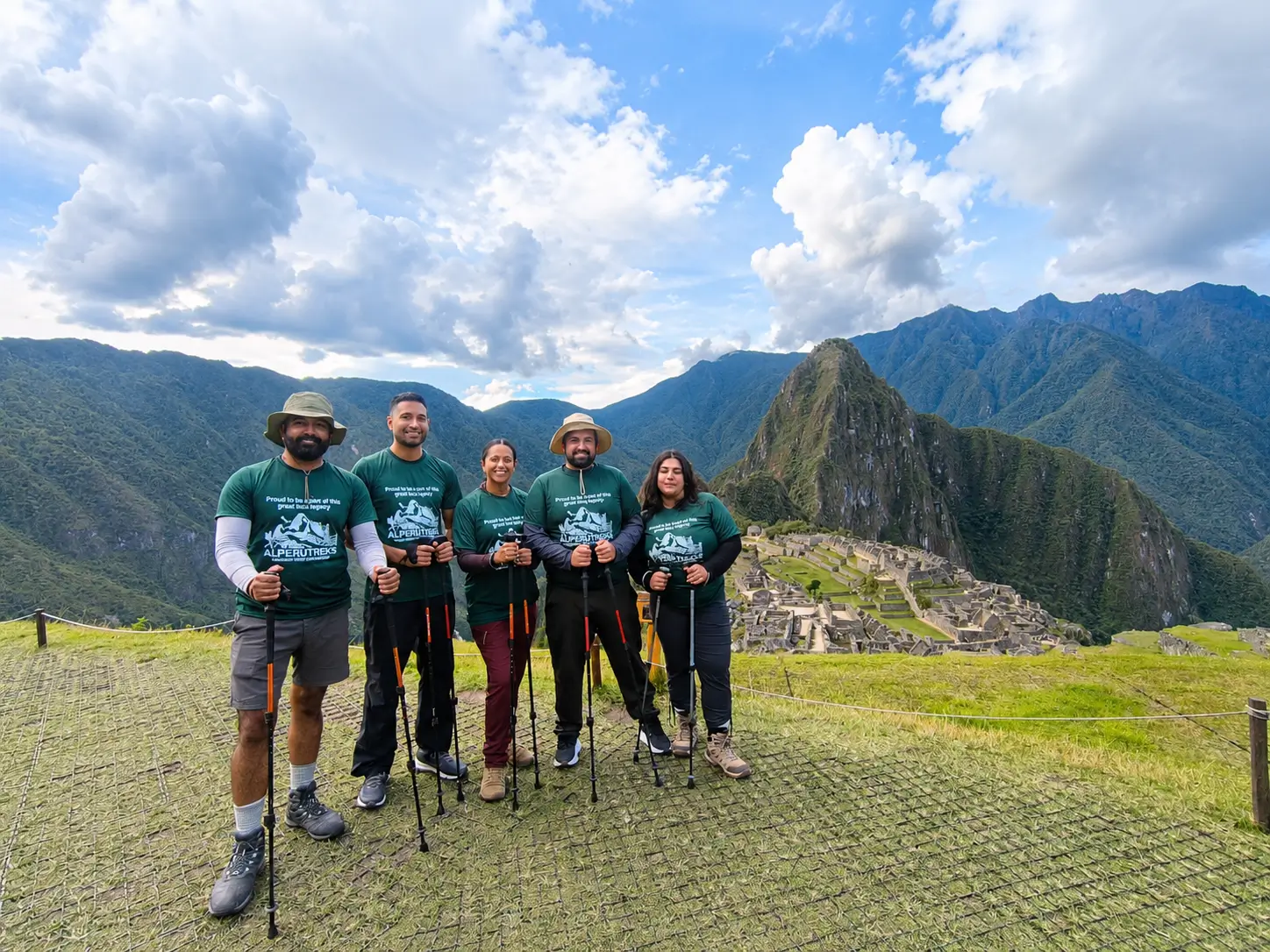
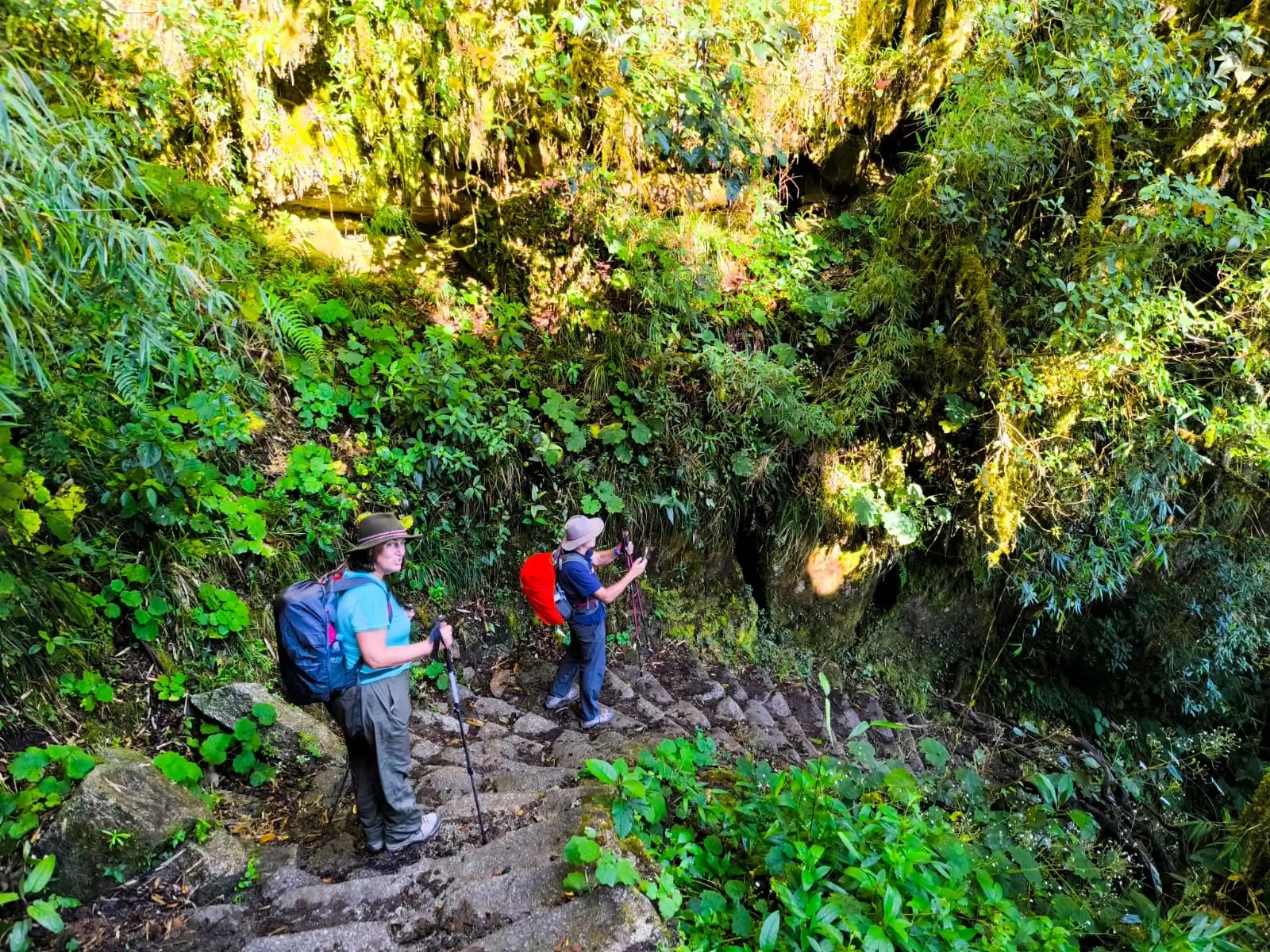
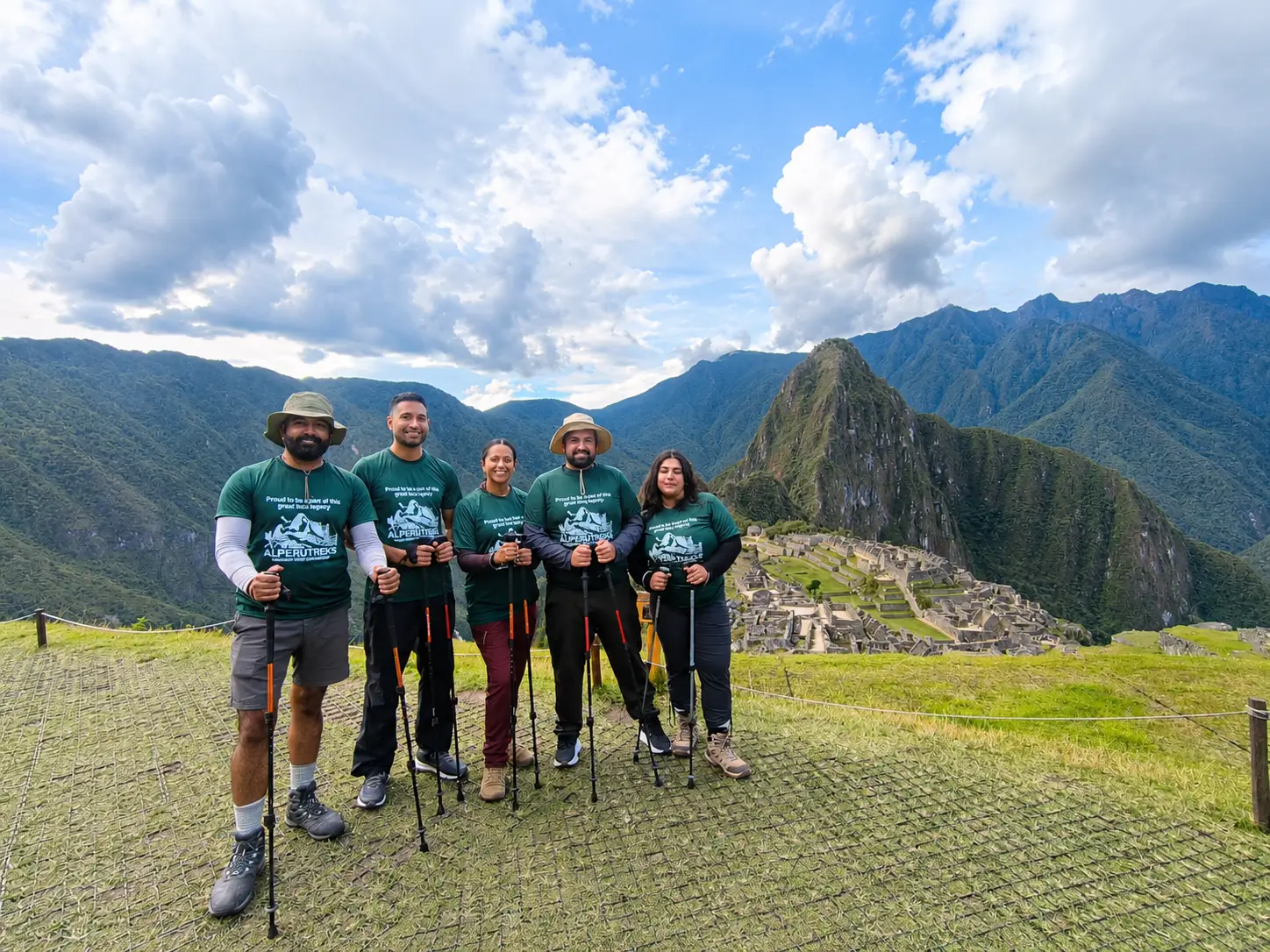
This guide covers all seven. It ranks them, contextualizes them, and tells you what no one bothers to mention in the standard listicle version. And it starts where it should: in the Andes of southern Peru, at 2,430 meters above the world, where one ancient citadel — best reached on foot via the Classic Inca Trail — has become the single most powerful symbol of pre-Columbian civilization on the planet.

Why Machu Picchu Leads This List
Before the complete ranking, a note on methodology.
Every list of the Seven Wonders arranges them alphabetically or geographically. This one doesn’t. Machu Picchu appears first because, by most meaningful measures, it is the most complex wonder to visit, the most misunderstood, the most photographed without being truly seen, and the one that rewards preparation and context more than any other.
It is also, for travelers coming from Latin America, Europe, or North America, the most logistically intricate — and the one where a poor visit plan wastes the most irreplaceable experience.
Start here.
1. Machu Picchu — Peru
Where: Cusco Region, southeastern Peru, 2,430 meters above sea level
Built: c. 1450 CE, by order of Inca emperor Pachacuti
UNESCO World Heritage Site: Yes (1983)
Annual visitors: 1.5 million
Best time to visit: May–September (dry season); January–March for mist photography
What It Is
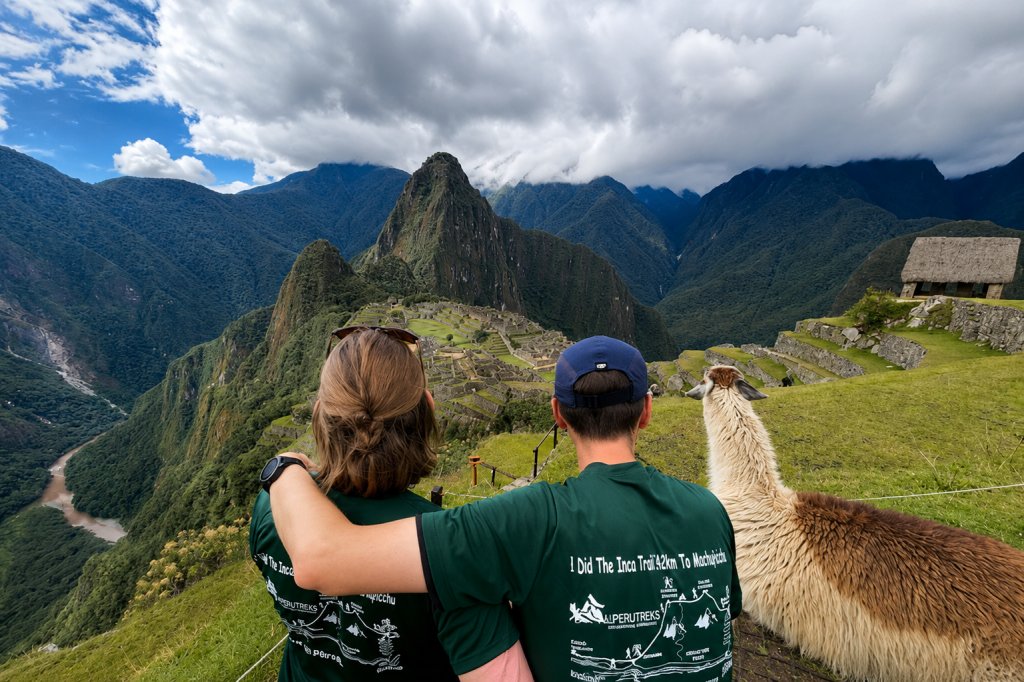
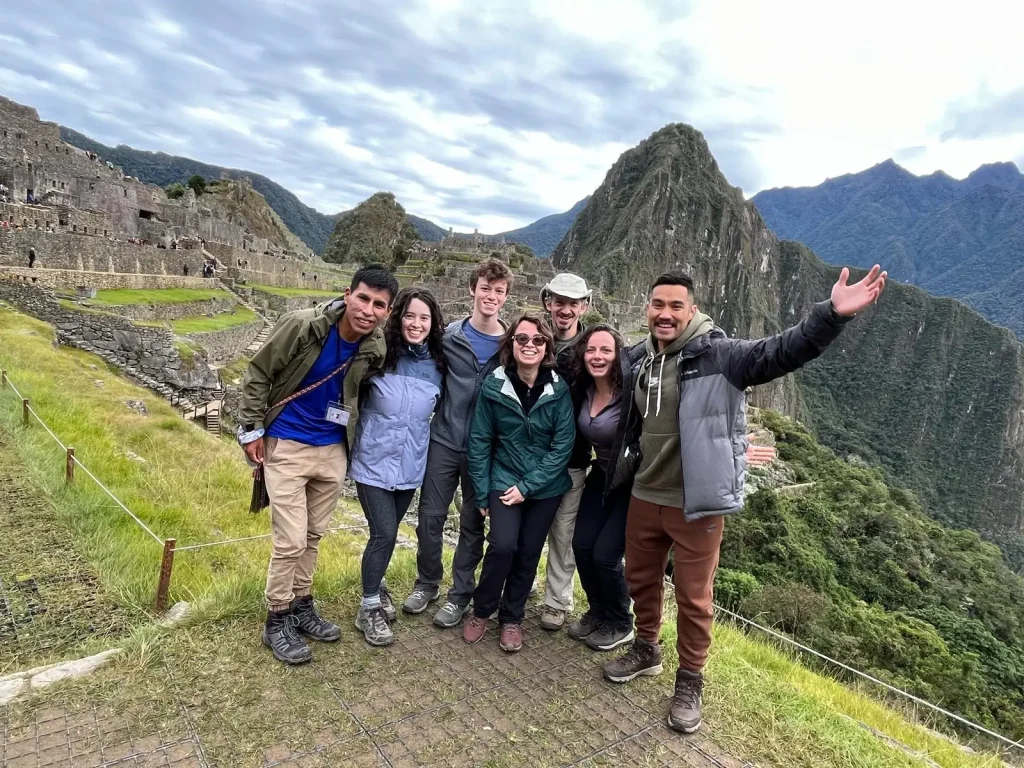
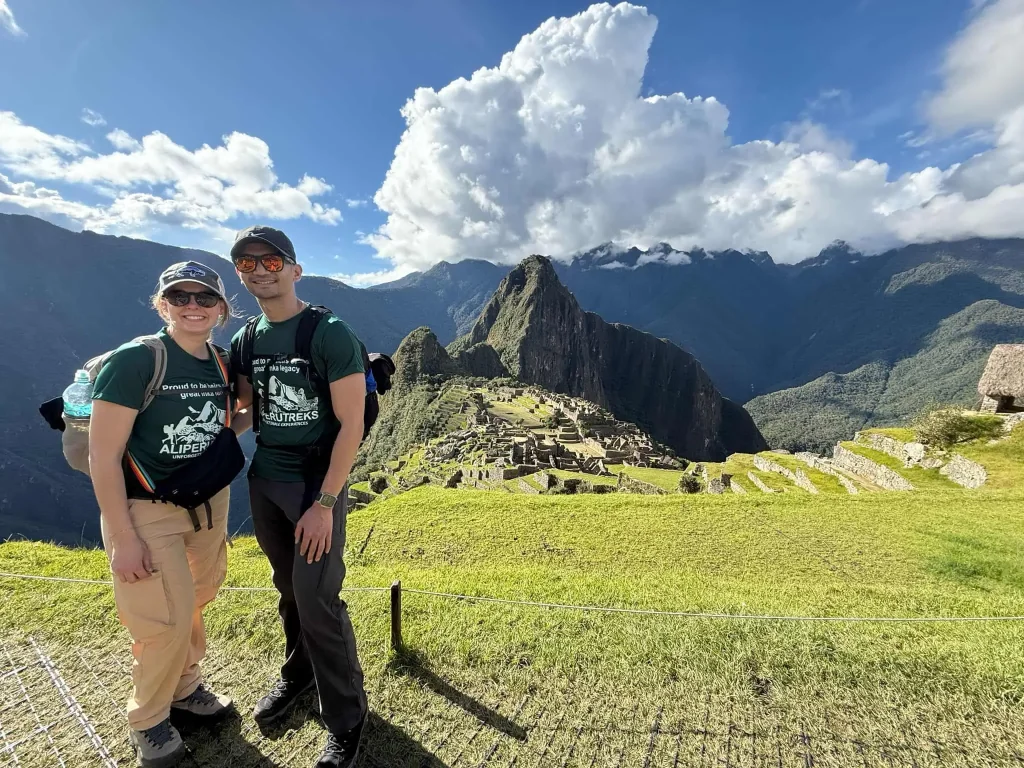
Machu Picchu is not a city in the conventional sense. It is a royal estate — a sacred retreat built for the Inca emperor and his court, perched on a narrow mountain ridge between the peaks of Machu Picchu (“old summit”) and Huayna Picchu (“young summit”), above a tight bend of the Urubamba River 450 meters below.
The site contains approximately 200 stone structures — temples, residences, ceremonial plazas, agricultural terraces, and hydraulic systems — built using the signature Inca technique of ashlar masonry: stone cut and fitted with such precision that no mortar was needed, and the joints are too tight to insert a credit card. This dry-stone construction is not merely aesthetic. Peru sits on two tectonic plates. Machu Picchu was built over two fault lines. During earthquakes, the stones “dance” — they shift slightly and return to position. The citadel has survived centuries of seismic activity because of this engineering, not despite it.
The site was never found by Spanish conquistadors. It was abandoned — likely due to a smallpox epidemic and the collapse of the Inca Empire — and largely forgotten by the outside world until 1911, when American explorer Hiram Bingham III was guided there by a local farmer and recognized its significance. He secured funding from Yale University and the National Geographic Society, and the site’s global story began.
What Most Visitors Miss
The Intihuatana Stone — a carved granite protrusion at the highest point of the ceremonial district — is one of the few such stones in the Inca world that Spanish missionaries never destroyed. Its four corners align with the cardinal points; during the spring and autumn equinoxes, the sun stands almost directly above it, casting no shadow. It was, in effect, a solar calendar and a cosmological anchor.
The Temple of the Three Windows is linked to the foundational myth of Inca origin: according to legend, the first Inca and his siblings emerged from a mountain with three caves. The three trapezoidal windows of this temple — larger than any practical architecture requires — are a statement of cosmology, not construction convenience.
The agricultural terraces are not decoration. They represent the most sophisticated high-altitude farming system of the ancient world, designed with different soil layers at different depths to support distinct crops at different temperature microclimates. Machu Picchu is a working machine, not a monument.
How to Visit Machu Picchu as a Wonder of the World
Tickets: Book through Peru’s official ticket portal a minimum of 3–6 months in advance for peak season (May–September). Daily capacity is capped at approximately 4,500 visitors across timed entry slots. Morning slots (6 a.m., 7 a.m.) sell out first and fastest.
Getting there: Fly to Cusco (CUZ). Spend 2–3 days acclimatizing — Cusco sits at 3,400 meters and altitude sickness is real. Take the train from Ollantaytambo to Aguas Calientes (1.5 hours), then the bus from Aguas Calientes to the ruins (25 minutes). The first bus departs at 5:30 a.m.
Circuits: Since 2019, the site operates on defined one-way circuits. Circuit 1 covers the classic panoramic viewpoint from the Guardian’s House and the path to the Sun Gate (Inti Punku). Circuit 2 covers the temple district and architectural detail. Serious visitors should book both, on consecutive days.
Photography: The hour between 6 a.m. and 7:30 a.m. offers the softest light and fewest people. The hours between 3 p.m. and 5 p.m. offer warm amber tones and less crowding. The wet season (December–March) produces the mist-and-emerald-green images seen in magazines.
2. The Great Wall of China — China
Where: Northern China, spanning 15 provinces
Built: 7th century BCE–17th century CE (multiple dynasties)
Length: 21,196 km (China’s National Cultural Heritage Administration)
UNESCO World Heritage Site: Yes (1987)
The Great Wall is not a wall. It is a system of walls — built, rebuilt, extended, and abandoned by successive Chinese dynasties across more than two millennia. The most photographed sections, near Beijing (Badaling, Mutianyu, Jinshanling), date primarily from the Ming Dynasty (1368–1644) and represent only a fraction of the total structure.
The wall’s most photographed sections snake across ridgelines, which explains the dramatic silhouette familiar from every postcard. This was deliberate engineering: placing walls on high ground maximized visibility and defensive advantage.
Best section for photography: Jinshanling, less restored and less crowded than Badaling, with dramatic ridge-following segments and wild vegetation reclaiming the stones.
What most visitors don’t know: The wall never successfully kept out the Mongols. Its most important function was logistical — controlling the movement of goods and people across the frontier, not military defense.
3. Petra — Jordan
Where: Ma’an Governorate, southwestern Jordan
Built: 4th century BCE by the Nabataean civilization
UNESCO World Heritage Site: Yes (1985)
Annual visitors: 1 million
Petra is a city carved into rose-colored sandstone cliffs by the Nabataeans — an Arab trading civilization that controlled the incense and spice routes between Arabia, Egypt, and the Mediterranean. At its peak, Petra had a population of 30,000 and a hydraulic system of channels, cisterns, and pipes that supplied water across a desert landscape.
The site’s most famous structure, Al-Khazneh (the Treasury), is not a treasury at all — it is a tomb, its facade carved directly from the cliff face with extraordinary architectural precision. It is reached through the Siq, a 1.2-kilometer slot canyon barely wide enough for two camels to pass abreast.
Practical note: Petra requires a full day minimum. The Treasury is 800 meters from the entrance; the Monastery (Ad Deir), often described as the site’s greatest structure, is another 850 steps uphill. Most tourists never reach it.
4. The Colosseum — Italy
Where: Rome, Italy
Built: 70–80 CE, under Emperor Vespasian and Titus
Capacity: 50,000–80,000 spectators
UNESCO World Heritage Site: Yes (as part of the Historic Centre of Rome, 1980)
The Colosseum is the largest amphitheater ever built in human history, constructed primarily from concrete and travertine limestone over a decade. It hosted gladiatorial combat, animal hunts (venationes), public executions, and — according to some accounts — naval battles with the arena flooded.
The engineering is as remarkable as the scale. The Colosseum’s 76 entrances and complex internal circulation system could empty 50,000 spectators in under 15 minutes. The velarium — a retractable awning covering the seating area — was operated by sailors from the Roman fleet.
Photography note: The interior is most dramatic in early morning before group tours arrive. The exterior at golden hour from the Via Sacra offers the classic profile shot.
5. Chichén Itzá — Mexico
Where: Yucatán Peninsula, Mexico
Built: 5th–13th centuries CE by the Maya civilization
UNESCO World Heritage Site: Yes (1988)
Annual visitors: 2.7 million
Chichén Itzá is the most visited archaeological site in Mexico and the most architecturally sophisticated of the Mesoamerican wonders. Its centerpiece, El Castillo (the Temple of Kukulcán), is a step pyramid with 365 stairs — one for each day of the solar year — aligned with astronomical precision.
During the spring and autumn equinoxes, the angle of sunlight creates a shadow effect on the pyramid’s northern staircase that resembles a feathered serpent descending toward the earth. This was not accidental. The Maya were among the most advanced astronomers of the ancient world, and Chichén Itzá was as much an observatory as a city.
Visitor note: Climbing El Castillo is now prohibited. The site is most comfortably visited in the early morning before heat and crowd peak. The Sacred Cenote — a large natural sinkhole where offerings and human remains were cast — is located 300 meters north of El Castillo and is often bypassed by hurried visitors.
6. The Taj Mahal — India
Where: Agra, Uttar Pradesh, India
Built: 1632–1653 CE by Mughal Emperor Shah Jahan
UNESCO World Heritage Site: Yes (1983)
Annual visitors: 7–8 million
The Taj Mahal is the most visited wonder on this list and, by most assessments, the finest example of Mughal architecture ever built. It is a mausoleum — built by Emperor Shah Jahan in memory of his third wife, Mumtaz Mahal, who died in childbirth in 1631.
The structure is faced entirely in white Makrana marble from Rajasthan, inlaid with semi-precious stones (carnelian, lapis lazuli, jade, crystal, turquoise) in intricate floral and geometric patterns. The marble appears to change color across the day — bluish at dawn, white at midday, golden at sunset, silver under moonlight. This was engineered: the marble was quarried specifically for its translucency.
Photography note: Arrive at the east gate for sunrise. The reflecting pool is most effective in the first hour of light. Avoid Fridays (closed to non-worshippers for Friday prayers).
7. Christ the Redeemer — Brazil
Where: Corcovado Mountain, Rio de Janeiro, Brazil
Built: 1922–1931 CE
Height: 30 meters (statue) + 8-meter pedestal
Annual visitors: 2 million
The youngest of the New Seven Wonders, Christ the Redeemer is a 30-meter reinforced concrete and soapstone statue of Jesus Christ with arms extended 28 meters wide, standing at 710 meters above Rio de Janeiro on the summit of Corcovado Mountain.
The statue was proposed in 1921 by the Roman Catholic Archdiocese of Rio de Janeiro, funded largely by donations from Brazilian Catholics, and constructed by Polish-French sculptor Paul Landowski in Paris, with the concrete structure built on-site by Brazilian engineers. It was completed in 1931.
Practical note: Access is via a 20-minute cog railway (trem do corcovado) from Cosme Velho station or by minibus. Clear days only — the summit is frequently in cloud. Check the forecast before booking.
The Ancient Seven Wonders: A Brief Context
The New Seven Wonders replaced — though did not erase — the original list compiled in classical antiquity. Of the Seven Ancient Wonders, only one survives: the Great Pyramid of Giza, which was voted an honorary candidate in the 2007 New Wonders selection and stands apart from the official seven.
The other six ancient wonders — the Hanging Gardens of Babylon, the Temple of Artemis at Ephesus, the Statue of Zeus at Olympia, the Mausoleum at Halicarnassus, the Colossus of Rhodes, and the Lighthouse of Alexandria — survive only in historical accounts and partial archaeological evidence.
The 7 Wonders of the World: Quick Reference Table
| Wonder | Country | Year Built | UNESCO | Est. Annual Visitors |
|---|---|---|---|---|
| Machu Picchu | 🇵🇪 Peru | c. 1450 CE | 1983 | 1.5 million |
| Great Wall of China | 🇨🇳 China | 7th c. BCE–17th c. CE | 1987 | 10 million |
| Petra | 🇯🇴 Jordan | 4th c. BCE | 1985 | 1 million |
| Colosseum | 🇮🇹 Italy | 70–80 CE | 1980 | 7 million |
| Chichén Itzá | 🇲🇽 Mexico | 5th–13th c. CE | 1988 | 2.7 million |
| Taj Mahal | 🇮🇳 India | 1632–1653 CE | 1983 | 7–8 million |
| Christ the Redeemer | 🇧🇷 Brazil | 1922–1931 CE | (Rio Historic) | 2 million |
FAQs: 7 Wonders of the World
The New Seven Wonders of the World are: Machu Picchu (Peru), the Great Wall of China (China), Petra (Jordan), the Colosseum (Italy), Chichén Itzá (Mexico), the Taj Mahal (India), and Christ the Redeemer (Brazil). They were chosen by a global vote of over 100 million people, organized by the New7Wonders Foundation, and officially announced on July 7, 2007.
Yes. All seven of the New Wonders are also UNESCO World Heritage Sites, though they were recognized by UNESCO independently of the New7Wonders vote.
The Seven Ancient Wonders were a list compiled in classical antiquity (around the 2nd century BCE) cataloguing the most remarkable human-made structures of the ancient Mediterranean world. Of those seven, only the Great Pyramid of Giza survives. The New Seven Wonders, announced in 2007, were chosen by global popular vote to reflect the world’s most significant surviving monuments across all continents and civilizations.
Yes. Machu Picchu is one of the New Seven Wonders of the World. The 15th-century Inca citadel in Cusco Region, Peru, received among the highest vote totals in the 2007 global poll and was officially declared one of the seven wonders on July 7, 2007. It is also a UNESCO World Heritage Site.
Fly to Cusco (CUZ), Peru’s closest major airport. After 2–3 days of altitude acclimatization in Cusco, take a train from Ollantaytambo to Aguas Calientes (90 minutes), then a bus from Aguas Calientes to the ruins (25 minutes). Tickets for the site must be booked in advance online; daily entry is strictly capped.
This depends entirely on your interests, but Machu Picchu consistently ranks highest for experiential depth. Its combination of high-altitude Andean landscape, architectural precision, historical mystery, and limited daily entry creates an intimacy that mass-visited wonders like the Taj Mahal or Chichén Itzá cannot replicate. If your bucket list allows only one, start in Peru.
There are three primary lists: the Seven Ancient Wonders (of which only the Great Pyramid survives), the New Seven Wonders of the World (announced 2007), and the Seven Natural Wonders (including the Amazon, the Grand Canyon, and the Great Barrier Reef). The most referenced list globally is the New Seven Wonders.
Not realistically in a single trip — the seven wonders span five continents. A dedicated “7 Wonders” circumnavigation is possible in 3–4 weeks of continuous travel but requires careful logistics, significant budget, and advance ticket booking for sites like Machu Picchu and the Taj Mahal. Most travelers visit them across multiple trips over several years.
The Colosseum in Rome is among the most accessible — direct flights from most European and North American cities, central location within a walkable city, and no special altitude or climate adaptation required. The Taj Mahal is similarly well-connected via Agra, two hours from New Delhi.
Machu Picchu is not closing, but access is increasingly restricted to protect the site. Daily visitor caps, timed entry tickets, and defined one-way circuits have been in place since 2017–2019. Peru’s Ministry of Culture periodically revises visitor limits; as of 2026, the daily maximum is approximately 4,500 visitors. Booking far in advance is essential.
Conclusion: Why These Seven Places Still Matter
The New Seven Wonders are not the world’s most beautiful places. They are not the rarest. They are not even, in every case, the most historically significant. They are the places where human ambition overreached what seemed physically possible — and then the structures stayed.
Machu Picchu stayed because no one found it for four centuries, and because the Inca built into mountainsides with a seismic intelligence we still study. The Great Wall stayed because scale alone became preservation. Petra stayed because rock is harder to erase than history. The Colosseum stayed in ruin, and the ruin is more honest than restoration.
Visit them not as items on a checklist, but as questions. Who built this? With what tools? Under what pressure? For what purpose? The answers, in every case, are less complete than you expect — and that incompleteness is exactly what makes these places wonders.