
Planning a trip to Machu Picchu often comes with one big question: should you hike the world-famous Classic Inca Trail, or take the road less traveled? If you’ve been researching Inca Quarry Trek vs Inca Trail, you’re already on the right track — both literally and figuratively.
Both routes will get you to the “Lost City of the Incas,” but the experience along the way is completely different. In this guide, we’ll break down altitude, difficulty, scenery, permits, and budget so you can choose the trek that fits your travel style, fitness level, and trip dates.
What Is the Classic Inca Trail?
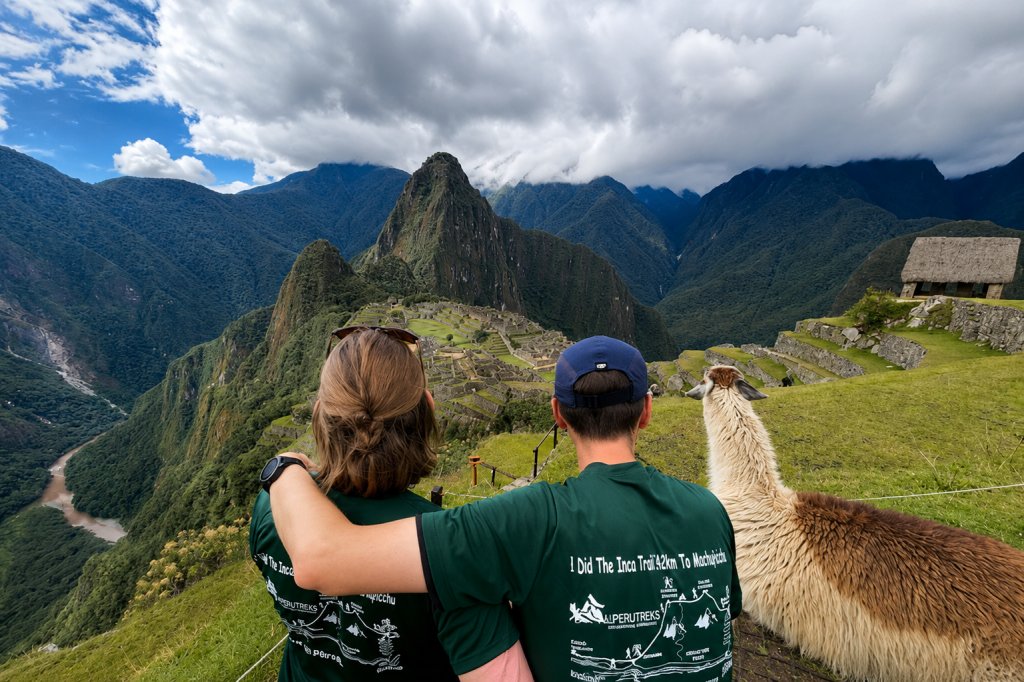
The Classic Inca Trail is the most iconic multi-day hike in South America, and for good reason. It’s the only trekking route that ends with a walk directly through the Sun Gate (Inti Punku) into Machu Picchu — an entrance no other trek offers.
Quick Facts:
- Distance: ~26 miles (42 km)
- Duration: 4 days / 3 nights
- Max Altitude: 13,828 ft (4,215 m) at Dead Woman’s Pass (Warmiwañusca)
- Difficulty: Moderate to challenging
- Permits: Required and limited to 500 people per day (including guides and porters)
Because Inca Trail permits sell out months in advance—especially during June through August, the busiest months—booking 4 to 6 months ahead is essential if this is your priority route.
What Is the Inca Quarry Trek?
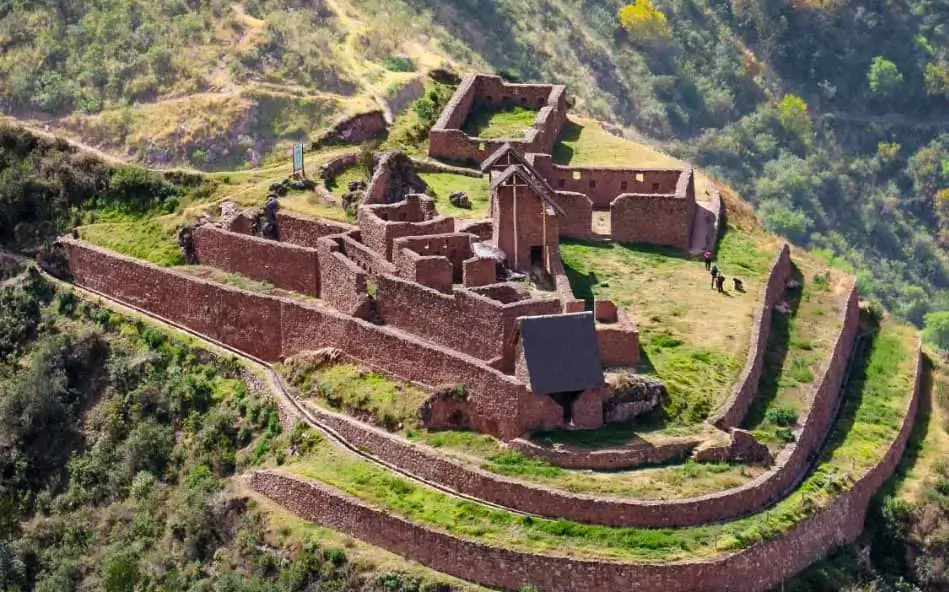
Also known as the Cachicata Trek, this route follows ancient paths used by the Incas to transport massive stones from quarries to construction sites like Ollantaytambo. It’s quickly becoming one of the most popular Inca Trail alternatives for travelers who want authenticity without the crowds.
Quick Facts:
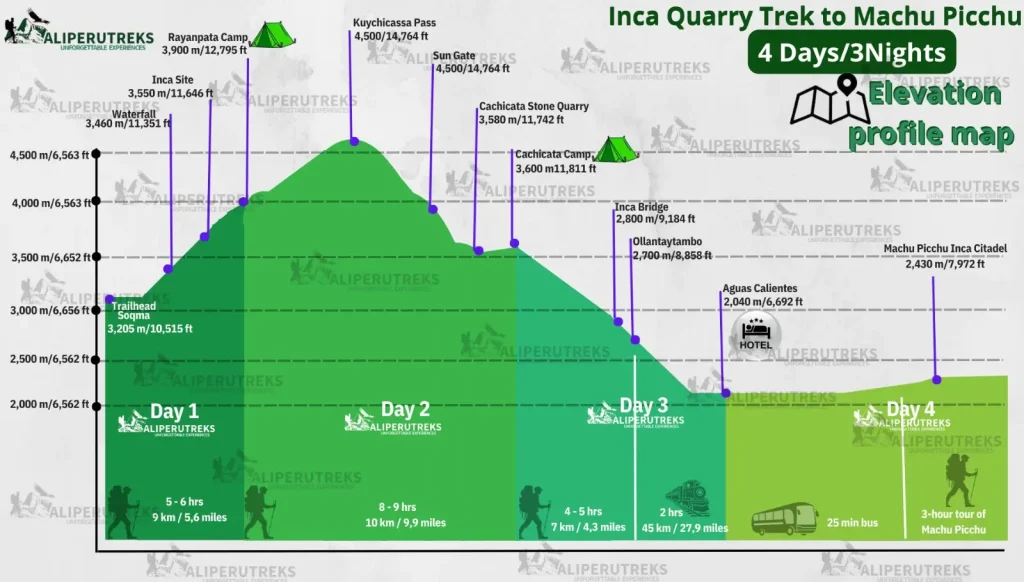
- Distance: ~15-19 miles (25-30 km), depending on the itinerary
- Duration: 4 days / 3 nights (shorter 2-day options also available)
- Max Altitude: 14,500 ft (4,450 m) at Inca Chiriasca Pass
- Difficulty: Moderate to challenging (similar or slightly higher altitude than the Inca Trail)
- Permits: Not required — available year-round, including when the Inca Trail is closed
This trek includes hot springs, ancient quarry sites, condor-spotting opportunities, and a scenic train or bus ride into Machu Picchu on the final day.
Inca Quarry Trek vs Inca Trail: Key Differences
When comparing Inca Quarry Trek vs Inca Trail, the decision usually comes down to five factors: availability, crowds, scenery, entry experience, and budget.
1. Availability and Permits
The Classic Inca Trail closes every February for annual maintenance and requires permits booked far in advance. The Inca Quarry Trek has no permit restrictions, making it perfect for last-minute travelers or anyone visiting in February.
2. Crowd Levels
With only 500 daily permits (roughly 200 of which go to tourists, the rest to staff), the Inca Trail still feels busy on peak days. The Inca Quarry Trek sees a fraction of that traffic, offering a quieter, more immersive experience with nature and local communities.
3. Scenery and Highlights
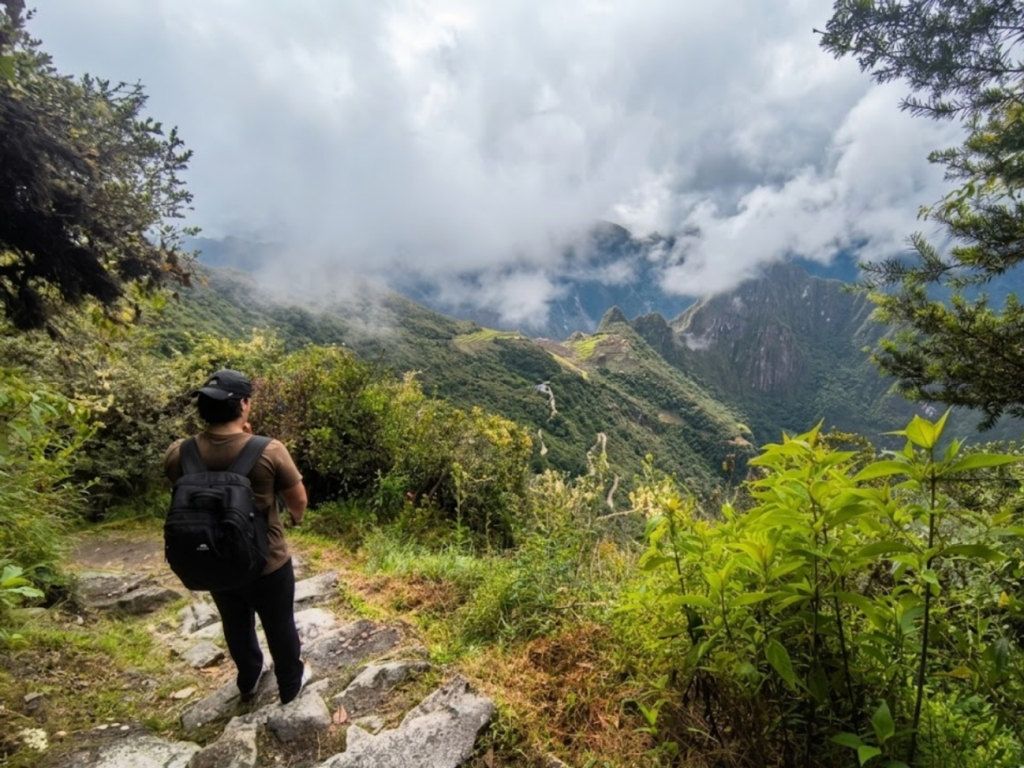
- Inca Trail: Cloud forests, dozens of Inca ruins along the route (Wiñay Wayna, Phuyupatamarca), and the unforgettable arrival at the Sun Gate.
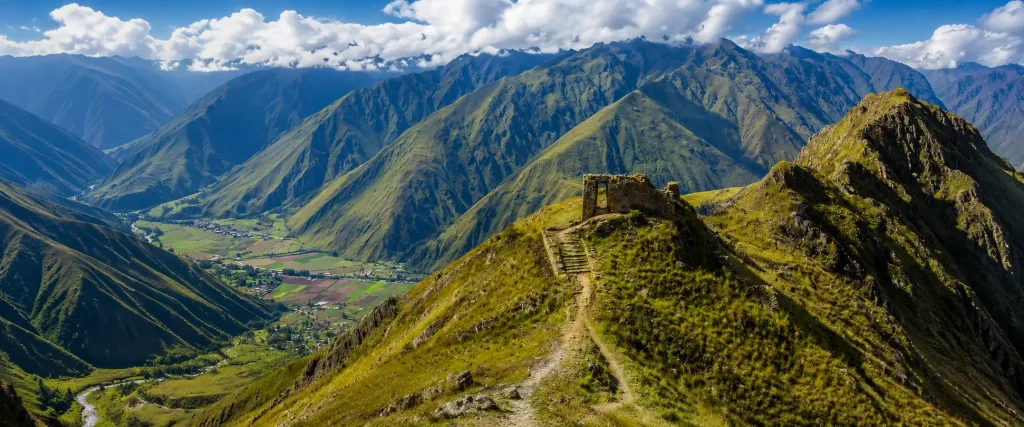
- Inca Quarry Trek: Dramatic high-altitude lakes, the Cachicata stone quarries, hot springs at Lares, and panoramic views of the Urubamba mountain range.
4. The Machu Picchu Entrance
This is the biggest practical difference. The Inca Trail ends with hikers walking into Machu Picchu through the Sun Gate at sunrise — a bucket-list moment.
The Inca Quarry Trek ends in Ollantaytambo or Aguas Calientes, and travelers take a train or bus up to Machu Picchu the next morning, like most non-trekking visitors do.
5. Cost
The Inca Quarry Trek is generally more affordable, since it doesn’t require the special Inca Trail permit fee (which has been rising each year). It’s a great option for travelers balancing a tight budget without sacrificing adventure.

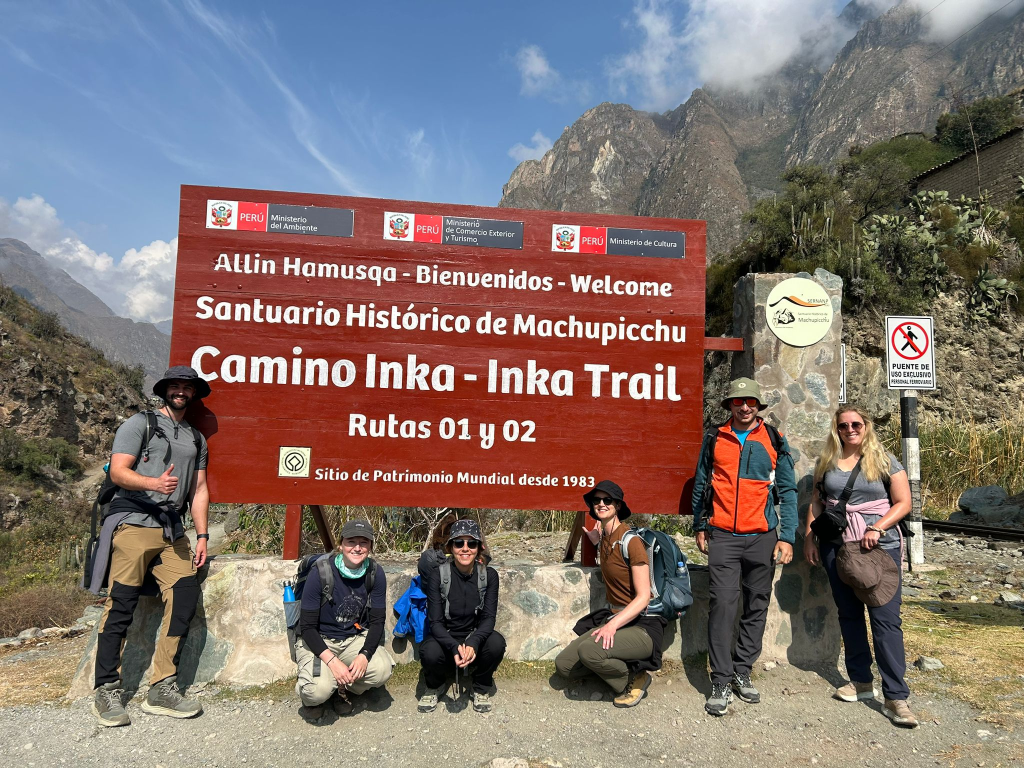
Why the Inca Quarry Trek Is One of the Best Machu Picchu Alternative Treks
If you’re searching for Machu Picchu alternative treks, the Inca Quarry Trek checks nearly every box: fewer crowds, flexible scheduling, rich Inca history, and stunning Andean landscapes that rival (and some say surpass) the Inca Trail.
When people compare the Cachicata Trek vs Inca Trail, it’s worth remembering these are essentially the same route — “Cachicata” refers to the ancient quarry that gives the trek its name. So if an agency mentions either term, they’re talking about the same incredible journey.
Other popular alternatives include the Salkantay Trek and Lares Trek, but the Inca Quarry Trek stands out for its combination of moderate length, manageable cost, and proximity to Ollantaytambo, making logistics simple.
Best Time to Go, Climate, and Altitude
Both treks share Peru’s Andean dry season as the ideal window:
- Best months: May to September (dry season, clear skies, cold nights)
- Shoulder season: April and October (fewer crowds, occasional rain)
- Rainy season: November to March (the Inca Trail closes entirely in February)
Altitude matters. Both routes climb above 13,800 ft (4,200 m), which is higher than most U.S. national parks. Spending 2-3 nights in Cusco (11,150 ft / 3,400 m) before your trek to acclimatize is strongly recommended to avoid altitude sickness.
What to Pack for Either Trek
- Layered clothing – mornings can be near freezing, afternoons sunny and warm
- Waterproof jacket and pants – even in dry season, mountain weather changes fast
- Broken-in hiking boots – never wear brand-new boots on trek day one
- Sun protection – high-altitude UV is intense; bring SPF 50+, sunglasses, and a hat
- Reusable water bottle or hydration bladder – staying hydrated helps with altitude
- Cash in Peruvian soles – for tips, snacks, or souvenirs along the way
- A basic first-aid kit – including altitude sickness medication if prescribed by your doctor
Expert Tips From a Local Cusco-Based Agency
- Arrive in Cusco at least 2 full days early. Acclimatization is the #1 factor that determines how much you’ll enjoy either trek.
- Choose the Inca Quarry Trek if you’re traveling in February — it’s one of the only multi-day routes open while the Inca Trail is closed for maintenance.
- Book the Classic Inca Trail at least 4-6 months in advance for June-August travel dates; permits for this period sell out fastest.
- Pack a small daypack even if porters or horses carry your main bag — you’ll want quick access to water, snacks, and your camera.
- Bring small bills (S/10 and S/20 notes) for bathroom stops and local vendors along the trail.
- Trekking poles aren’t optional for the steep descents on both routes — they save your knees significantly.
- Train your legs and lungs with stair workouts or hiking 1-2 months before your trip, especially if you’re coming from a low-altitude city.
Final Thoughts: Which Trek Should You Choose?
There’s no wrong answer when comparing the Inca Quarry Trek vs Inca Trail — it really comes down to what matters most to you. If walking through the Sun Gate at sunrise is a dream you can’t let go of, the Classic Inca Trail is worth the early booking and permit hassle.
But if you want a quieter, more flexible, budget-friendly adventure through equally stunning Andean scenery — with the bonus of being available year-round (yes, even in February) — the Inca Quarry Trek (Cachicata Trek) is hard to beat.
Ready to start planning your Andean adventure? Our team at Ali Peru Treks can help you compare itineraries, check real-time permit availability, and build the perfect trip around your travel dates. Contact us today for a free quote and let’s find the trek that’s right for you.