
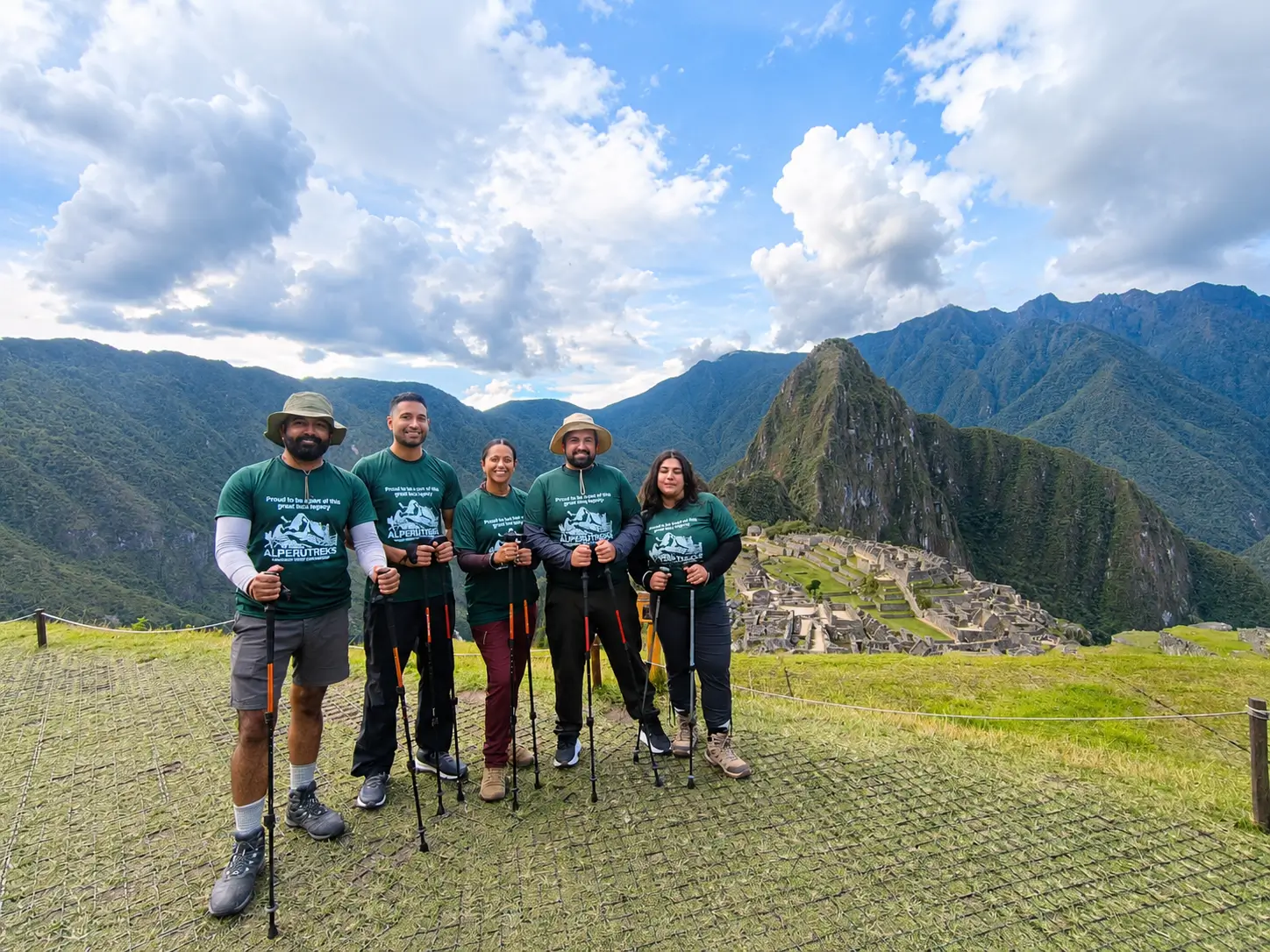

Short Treks to Machu Picchu: Huchuy Qosqo, Short Inca Trail and More
The shortest treks to Machu Picchu take two days. The Short Inca Trail covers about 12 km (7.5 miles) from Km 104, and the Huchuy Qosqo trek covers up to about 14 km (8.7 miles) before a night in Aguas Calientes. Both end with a guided visit to Machu Picchu the next morning. Three- and four-day versions add camping, higher passes and more mileage.
This guide compares the short options side by side, explains the history of Huchuy Qosqo, and covers the practical details that affect your choice: altitude, permits, cost and season. Prices come from Ali Peru Treks, the operator that publishes this blog, so check other operators’ rates when you compare.
Short treks to Machu Picchu at a glance
| Trek | Days | Distance | Highest point | Sleeping | Price from (shared group) |
|---|---|---|---|---|---|
| Huchuy Qosqo Trek 2 Days | 2 | Up to ~14 km (8.7 mi) | 4,100 m (13,450 ft) | Hotel | $450 |
| Huchuy Qosqo Trek 3 Days | 3 | 23 km (14.3 mi) | 4,200 m (13,780 ft) | 1 night camping, 1 night hotel | $500 |
| Short Inca Trail 2 Days | 2 | 12 km (7.5 mi) | 2,720 m (8,920 ft) | Hotel | $500 |
| Classic Inca Trail 4 Days (benchmark) | 4 | 43 km (27 mi) | 4,215 m (13,828 ft) | 3 nights camping | $775 |
The Short Inca Trail has the lowest high point of the group. It also gives you a first view of the citadel from the Sun Gate. The Huchuy Qosqo routes climb higher but avoid the Inca Trail permit system.
A short history of Huchuy Qosqo
Huchuy Qosqo means “Little Cusco” in Quechua. Archaeologists believe it was built as a royal estate for the Inca ruler Viracocha around AD 1420, at about 3,650 m (11,975 ft) above the Sacred Valley. The Spanish looted it around 1534 and later turned it into a farm. What remains includes a 40 m (131 ft) assembly hall, terraces, an irrigation channel and restored storehouses. For the full story, read our Huchuy Qosqo history and visitor guide.


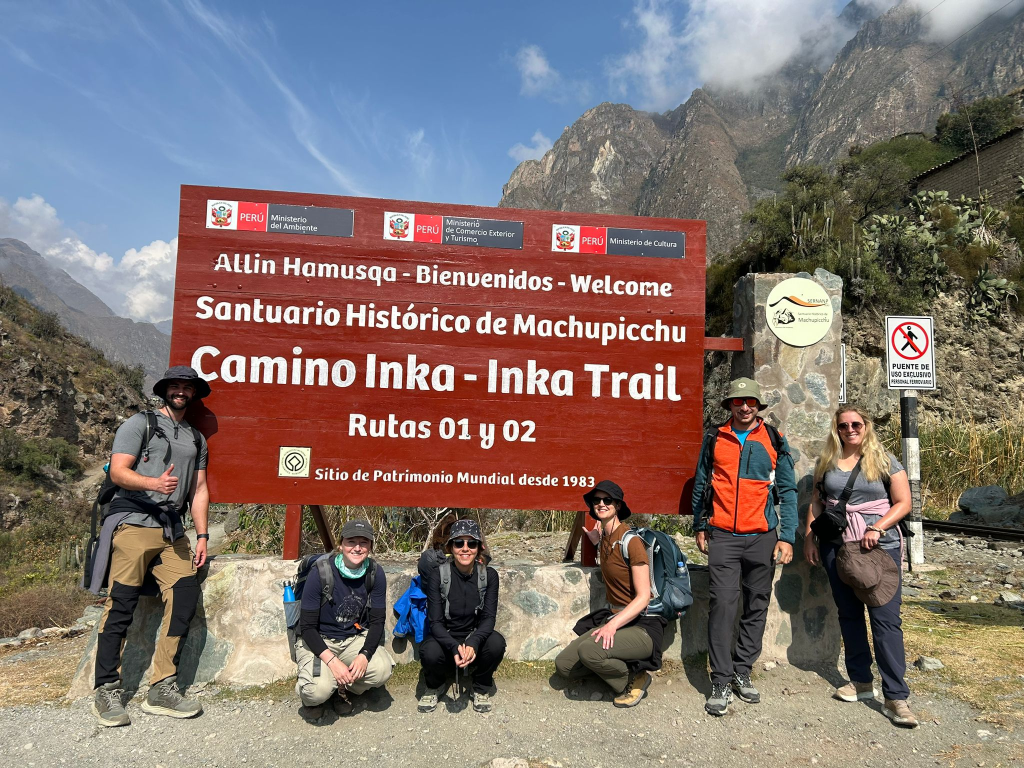
How to visit Huchuy Qosqo
Both Ali Peru Treks routes start near Cusco, cross a high pass and descend to Huchuy Qosqo before heading to Machu Picchu by train and bus.
The 2-day version
Day 1 is long. Pickup in Cusco is at 5:00 a.m., followed by about 1.5 hours of driving to Quencco (about 3,800 m / 12,467 ft). From there you climb to a pass at about 4,100 m (13,450 ft), follow an Inca path down to Huchuy Qosqo for a guided visit and lunch, then descend to Lamay at about 2,920 m (9,580 ft). A van takes you to Ollantaytambo, and an evening train brings you to a 3-star hotel in Aguas Calientes.
Day 2 starts with a bus up to Machu Picchu for a guided tour of about two hours on Circuit 2. You then take an afternoon train and van back to Cusco, arriving around 7:00 to 7:30 p.m. Our new Machu Picchu circuits guide explains what each circuit covers.
The 3-day version
The 3-day route spreads the walking out. Day 1 goes from Tambomachay past two lagoons to a campsite near Qencco at about 3,800 m (12,467 ft). Day 2 reaches Huchuy Qosqo, descends toward Lamay and continues by train to Aguas Calientes. Day 3 is the Machu Picchu visit. Total walking is about 23 km (14.3 miles), with a high point near 4,200 m (13,780 ft).
How hard is it
The route is graded moderate. The challenge is altitude more than distance. Cusco sits at about 3,400 m (11,200 ft), and the pass is roughly 700 m (2,300 ft) higher. Plan at least two days in Cusco first. Our guides on altitude sickness in Cusco and how to acclimate in Cusco cover what to expect.
When to go
The 3-day route runs year-round, with April to October listed as the better window for drier weather. Our guide to the best time to visit Machu Picchu breaks it down by month.
The Short Inca Trail in brief
The Short Inca Trail follows the last section of the Classic route. You take a morning train to Km 104, visit Chachabamba, climb through cloud forest to Wiñay Wayna and reach the Sun Gate (Inti Punku) in the afternoon, usually between 3:00 and 4:30 p.m. A bus then takes you down to Aguas Calientes. You enter Machu Picchu the next morning.
The walking totals about 12 km (7.5 miles) in 6 to 7 hours, with a high point of about 2,720 m (8,920 ft). That makes it lower than Huchuy Qosqo, though the day is still demanding.
The main limit is permits. The trail has its own quota of 250 people per day, including staff, and it closes every February. Permits are tied to your passport and cannot be changed or transferred. For details, read our posts on Short Inca Trail permits and hotel vs. camping. If you are weighing it against the four-day route, see Short Inca Trail vs. Classic Inca Trail. For fitness expectations, see the 2-day Inca Trail difficulty guide, and for gear, the Short Inca Trail packing list.
Four-day alternatives that are still short
If you have four days and want more trekking without the Classic Inca Trail’s permit pressure, two other routes are worth checking. Neither is as short as the options above.
| Trek | Distance | Highest point | Sleeping | Price from (shared group) |
|---|---|---|---|---|
| Lares Trek 4 Days | 38 km (24 mi) | 4,700 m (15,420 ft) | 2 nights camping, 1 night hotel | $640 |
| Inca Quarry Trek 4 Days | 35 km (22 mi) | 4,450 m (14,600 ft) | 2 nights camping, 1 night hotel | $650 |
Both reach Machu Picchu by bus from Aguas Calientes, not on foot through the Sun Gate. You can browse the full range in our alternative treks category.
Which short trek fits you?
Huchuy Qosqo, 2 days
- Pros: Fewer visitors on the trail, a real Inca site with historical depth, hotel bed on both nights, and no Inca Trail permit quota to fight for.
- Cons: A 5:00 a.m. start, a high pass on the first full day in the mountains, a late hotel arrival, and only about two hours at Machu Picchu.
Huchuy Qosqo, 3 days
- Pros: Slower pace, one night of camping, and a more gradual altitude gain.
- Cons: Higher cost than the 2-day version and a night in a tent.
Short Inca Trail, 2 days
- Pros: Real Inca Trail stonework, Wiñay Wayna, and the Sun Gate view. Lower altitude.
- Cons: Permits are limited and non-transferable, February is closed, and you must book months ahead. Check permit availability first.
If you are short on time and permits are sold out, Huchuy Qosqo is the practical fallback. If you want the Inca Trail experience in two days, the Short Inca Trail is the closer match.
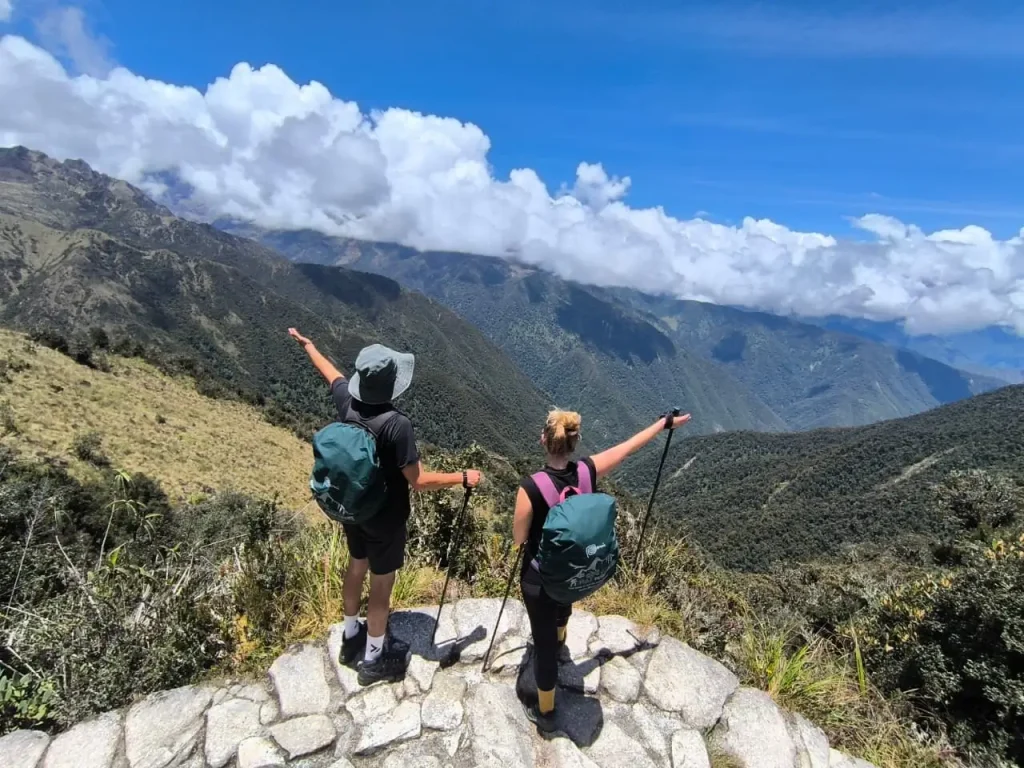
Planning tips
- Acclimate first. Spend at least two nights in Cusco or the Sacred Valley before any of these treks.
- Book early for permit routes. The Short Inca Trail is the one with a hard quota.
- Pack for fast changes. Mornings can be cold, and afternoons warm at lower elevations.
- Plan time in town. The Aguas Calientes stop is brief, so read our Aguas Calientes guide if you want to use the evening well.
- No time to trek? The Sacred Valley and Machu Picchu 2-day tour reaches the site by train, with no hiking.
Frequently asked questions
The shortest are the 2-day treks: the Short Inca Trail (about 12 km / 7.5 miles) and the 2-day Huchuy Qosqo trek (up to about 14 km / 8.7 miles). Both finish with a guided visit to Machu Picchu on day two.
It is rated moderate. The distance is manageable, but the pass reaches about 4,100 m (13,450 ft), so altitude is the main difficulty. Acclimating in Cusco for two days first helps.
The trek does not use the Inca Trail permit system, so it is not subject to the 250-per-day Short Inca Trail quota. Entry to Huchuy Qosqo and Machu Picchu is included in the tour price.
No. The Inca Trail routes, including the Short Inca Trail, close every February for maintenance.
It depends on your priorities. The Short Inca Trail has the lowest altitude, but permits sell out. Huchuy Qosqo is easier to book but climbs higher.