
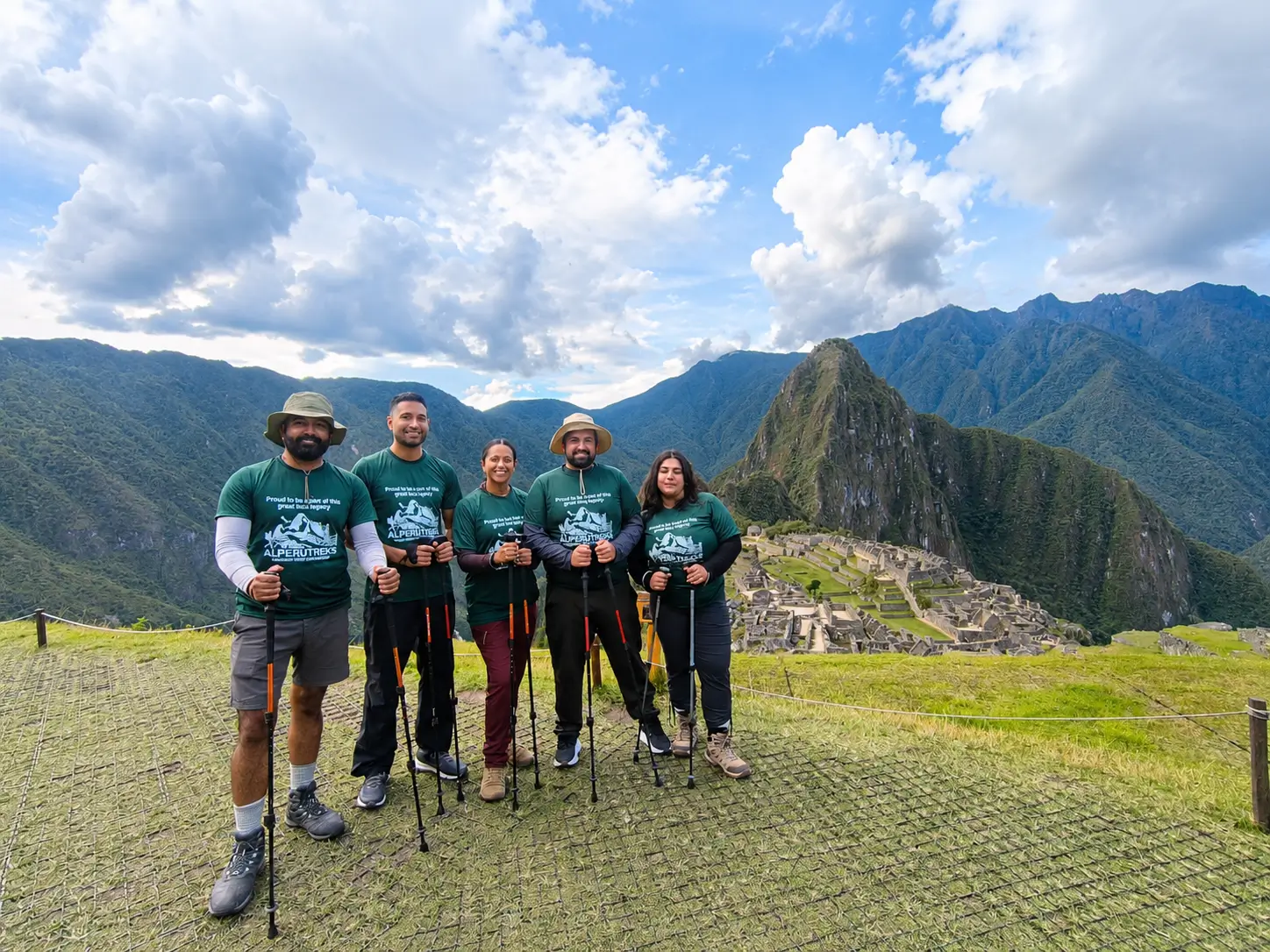

What Does Ancascocha Mean? The Quechua Origins Behind This Hidden Trek in Peru
Ancascocha comes from two Quechua words: anqas (or anqa), meaning “blue,” and qucha (also spelled cocha or qocha), meaning “lake.” Put together, Ancascocha translates to “blue lake” — a fitting name for the turquoise glacial lake the Ancascocha Trek is named after.
That’s the short answer. But if you’re planning a trip to Cusco, it’s worth understanding why Quechua place names work this way, how confident linguists actually are about this specific translation, and why there’s more than one “Ancascocha” in Peru — because that last part can genuinely trip up your trip planning.
Breaking Down the Word: Anqas + Qucha
Quechua, the language family spoken across the Andes since long before the Inca Empire, names places descriptively far more often than most European languages do. A lake gets called what it looks like, a mountain gets called what it resembles, and a village often takes its name from the terrain around it.
- Anqas / Anqa — the Quechua root for “blue,” sometimes also translated as “sky-blue” or “azure” depending on the regional dialect and the source dictionary consulted.
- Qucha / Qocha / Cocha — one of the most common words in Andean toponymy, simply meaning “lake” or “lagoon.” You’ll see it everywhere in the Cusco region: Ausangate’s Qomer Qocha (“green lake”), Humantay Qocha, and dozens of smaller lakes across the Vilcabamba range.
Combined, Anqas-qucha becomes Ancascocha in its Hispanicized spelling — the version that appears on trekking maps and in Spanish-language records after the colonial period standardized (and often simplified) Quechua spellings.
It’s worth being upfront about the limits of this etymology: Quechua place names were passed down orally for centuries before anyone wrote them down, and regional dictionaries don’t always agree on precise nuances (some translate anqas closer to “gray-blue” or “pale blue” rather than a vivid blue). The core meaning — a lake named for its blue color — is consistent across the sources that discuss it, but it isn’t backed by a single official linguistic register the way a modern word might be.

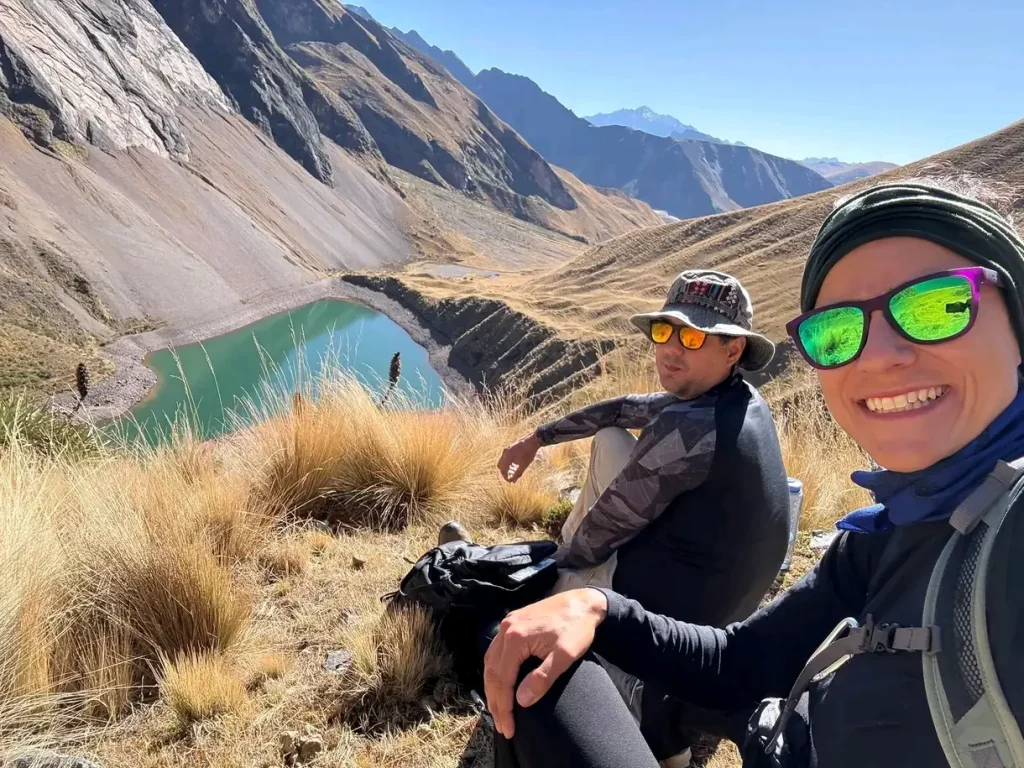
Table: Quechua Meanings Behind Other Cusco Trek Names
Ancascocha isn’t an outlier. Most of the major trekking routes around Machu Picchu carry descriptive Quechua names. Seeing them side by side helps make sense of the pattern:
| Trek / Place Name | Quechua Roots | English Meaning |
|---|---|---|
| Ancascocha | anqas (blue) + qucha (lake) | “Blue Lake” |
| Salkantay | salqa (wild/savage) + anta (unclear, possibly a mineral or copper reference) | Often glossed as “Savage Mountain,” though the second root is debated |
| Choquequirao | chuqi (gold) + k’iraw (cradle) | “Cradle of Gold” |
| Huchuy Qosqo | huch’uy (small) + Qosqo (Cusco) | “Little Cusco” |
| Wiñay Wayna | wiñay (forever) + wayna (young man) | “Forever Young” |
The pattern is clear: these aren’t arbitrary brand names invented for tourism. They’re descriptions of terrain, color, or history that predate any trekking company by centuries.
Does the Name Actually Fit? The Real Lake on the Trail
Yes — with a caveat about which “blue” you’re seeing. The lake at Ancascocha sits at high altitude in a glacial valley, and its color comes from a mix of glacial meltwater and mineral sediment, which scatters light in a way that produces the turquoise-to-deep-blue tone typical of Andean glacial lakes (the same optical effect responsible for the color at places like Humantay Lake). Travelers who’ve hiked the route consistently describe the lake and its surrounding lagoons as a visual highlight of the trek, particularly on a clear morning when the water reflects the surrounding peaks, including views toward Nevado Salkantay along the way.
The lake itself sits roughly midway through the standard route, near the village that shares its name, at an elevation in the range of 3,800–3,900 m (12,470–12,795 ft) — well below the trek’s highest point.
Where Is Ancascocha, and What Does the Trek Look Like?
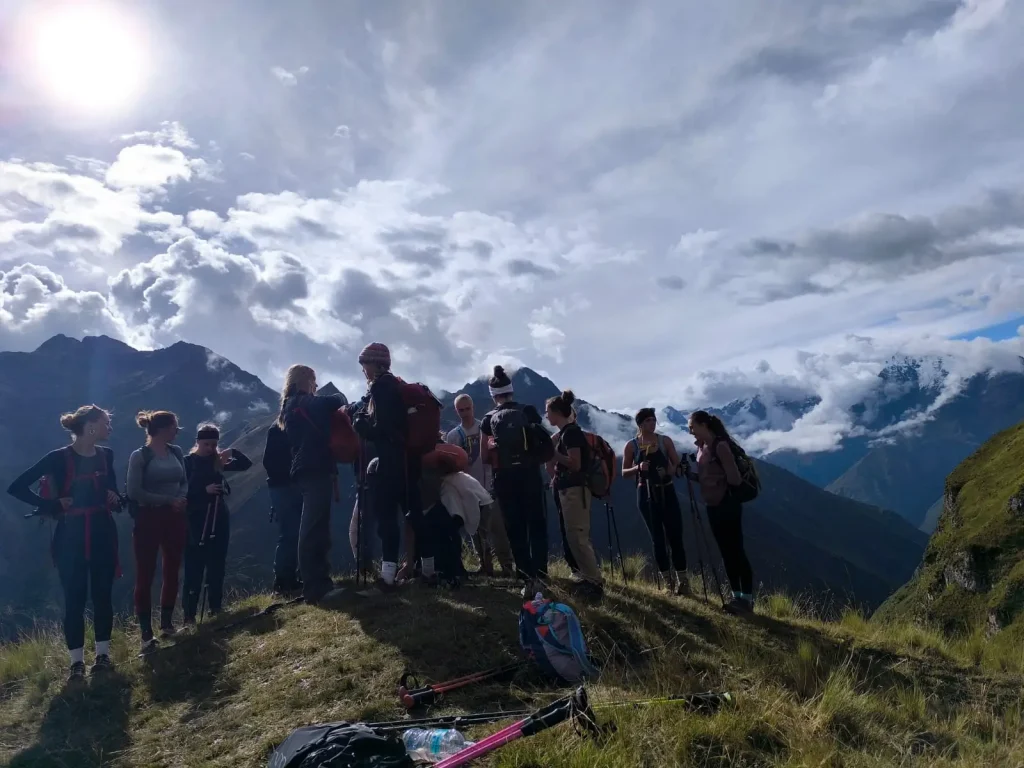
The Ancascocha Trek is a remote alternative to the Classic Inca Trail, starting from the community of Soqma near the Sacred Valley and crossing the Vilcabamba mountain range before descending toward Machu Picchu. Unlike the Classic Inca Trail, it isn’t limited by a government permit cap, which means it can be booked closer to your travel dates — though that also means far fewer people know it exists, and infrastructure along the route (campsites, signage) is more basic than on regulated trails.
Key numbers, based on publicly available itineraries for the route:
- Highest point: Huayanay Pass, around 4,650 m (15,255 ft)
- Duration options: 4 days/3 nights or 5 days/4 nights, depending on pacing and whether it’s combined with a section of the Inca Trail
- Difficulty: Generally rated moderate to challenging, mainly due to two high-altitude passes and multiple consecutive days at elevation
- Crowd level: Considerably lower than the Classic Inca Trail or the Salkantay Trek, both of which see far more daily traffic
For travelers who want the remoteness of Ancascocha but also want to walk through the Sun Gate, there’s a combined option that links the Ancascocha Trek with the Classic Inca Trail over 7 days, and a shorter combined version with the Short Inca Trail over 5 days. A glamping-style luxury version also exists for travelers who want the same route with upgraded camp comforts. The trek has been cited by several Cusco-based operators as one of National Geographic’s 20 best hikes in the world, though it’s worth noting this claim traces back to a list published years ago and isn’t something travelers can independently verify through a current, linkable Nat Geo source — treat it as a widely repeated industry claim rather than a confirmed citation.
An Honest Note: There’s More Than One “Ancascocha” in Peru
Here’s something that’s easy to miss and worth flagging clearly: Ancascocha is not a unique place name. There’s a separate, unrelated lake called Ancascocha (also translated from Quechua as “blue lake”) located in the Ayacucho region, roughly 300 km southeast of Cusco, at a reservoir with its own dam and irrigation system. If you’re researching the trek and stumble on results about a dam, irrigation capacity, or a completely different province, you’ve likely found this other Ancascocha.
This kind of naming overlap is common with descriptive Quechua toponyms — “blue lake” is a natural, repeatable description, so multiple unrelated locations across the Andes carry some version of the name. When booking a trek, always confirm you’re looking at the Cusco-region Ancascocha near Soqma and the Sacred Valley, not the Ayacucho reservoir of the same name.
How This Compares to Other Trek Names You’ll See While Planning
If you’re comparing routes, it helps to know that a trek’s Quechua name rarely tells you anything about difficulty, crowd levels, or permit requirements — it’s purely descriptive of geography or history. For an actual side-by-side on logistics, difficulty, and what each route includes, see the comparisons already published for Ancascocha vs. Salkantay and Ancascocha vs. the Classic Inca Trail. Both are more useful for decision-making than the etymology alone. If altitude is a bigger concern for you than naming trivia, it’s also worth reading up on altitude sickness in Cusco before committing to any route that crosses a 4,600+ m pass, since Ancascocha’s Huayanay Pass sits higher than Dead Woman’s Pass on the Classic Inca Trail.
FAQ: Ancascocha Meaning and Origins
Quechua, the indigenous language family spoken across the Andes, predating and surviving the Inca Empire. It remains widely spoken in the Cusco region today.
It’s the most consistently cited translation across Quechua-Spanish dictionaries and regional sources, but exact shades of “blue” vary by source, and Quechua toponymy is based on oral tradition rather than a single standardized written register, so minor variations in translation exist.
Both share the name. The lake and the small settlement near it are both called Ancascocha, and the trekking route is named after the point on the trail where it passes closest to them.
Yes. There’s a separate, unrelated Ancascocha (also a lake, also translated as “blue lake” from Quechua) in the Ayacucho region, with its own dam and reservoir. It has no connection to the Cusco trekking route.
Not directly — the name doesn’t affect difficulty, permits, or logistics. What matters more for trip planning is altitude, trek duration, and how it compares to routes like the Classic Inca Trail or Salkantay, which don’t require a government-issued Inca Trail permit the way the Classic route does.