

Huchuy Qosqo: History of the Inca Royal Estate and How to Visit
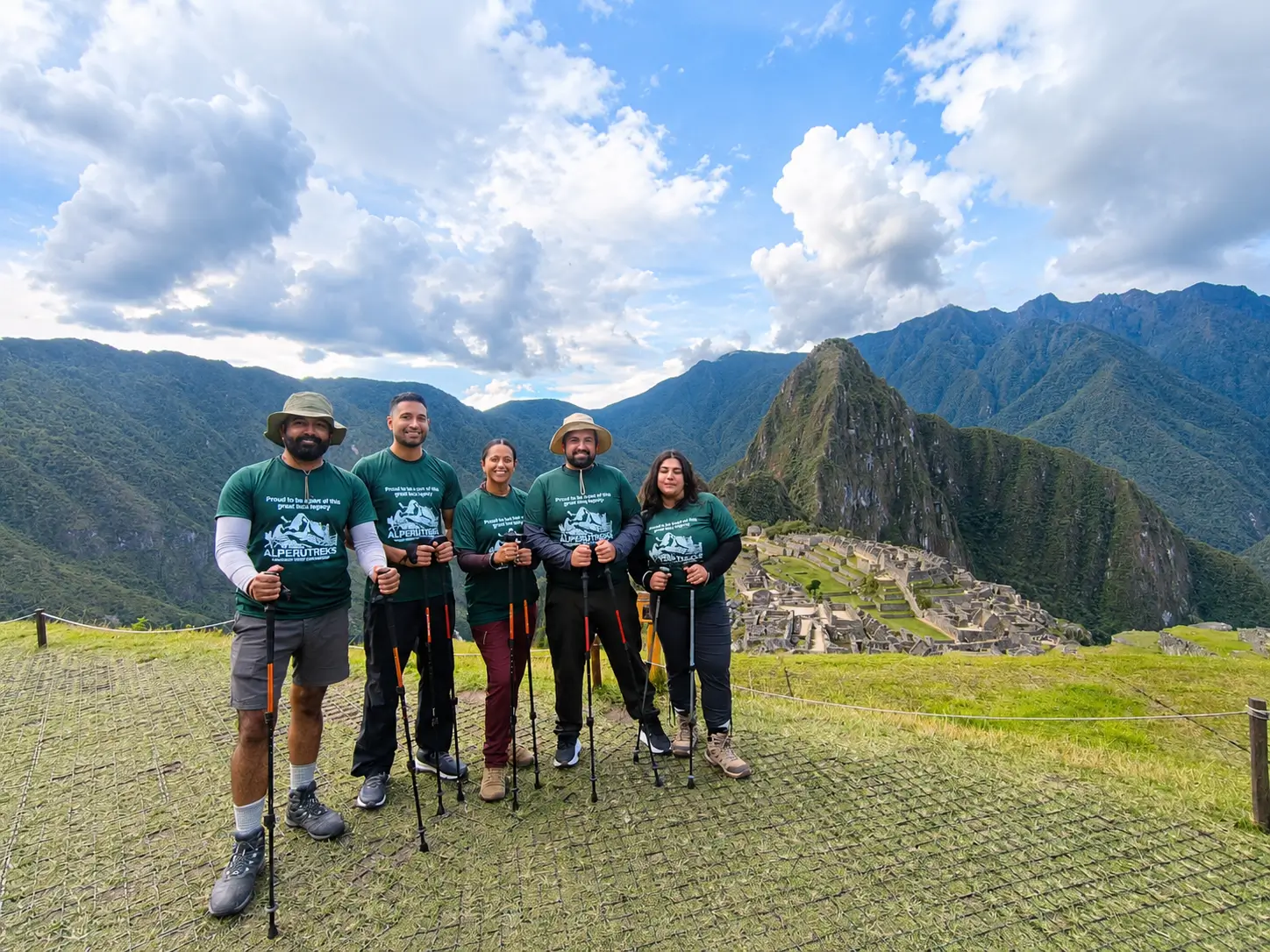
Huchuy Qosqo, meaning “Little Cusco” in Quechua, is an Inca royal estate perched at about 3,650 m (11,975 ft) above the Sacred Valley, north of Cusco. Archaeologists believe it was built around AD 1420 for the Inca ruler Viracocha. Today you can reach it on a 2- or 3-day trek that ends at Machu Picchu, or on a one-day hike from Cusco.
This guide covers who built the site, what you can still see, and the practical details of getting there: routes, altitude, season and what to expect.
What is Huchuy Qosqo?
Huchuy Qosqo is an archaeological site above the town of Lamay, in the Sacred Valley of the Incas. It is a royal estate: a rural palace and administrative center built to serve a ruler, rather than a fortress or a religious complex.
The name “Little Cusco” is modern. It dates only to the twentieth century, and earlier sources call the site Caquia Xaquixaguana or Kakya Qawani. The name reflects the idea that the estate was modeled on the Inca capital.

The history of Huchuy Qosqo
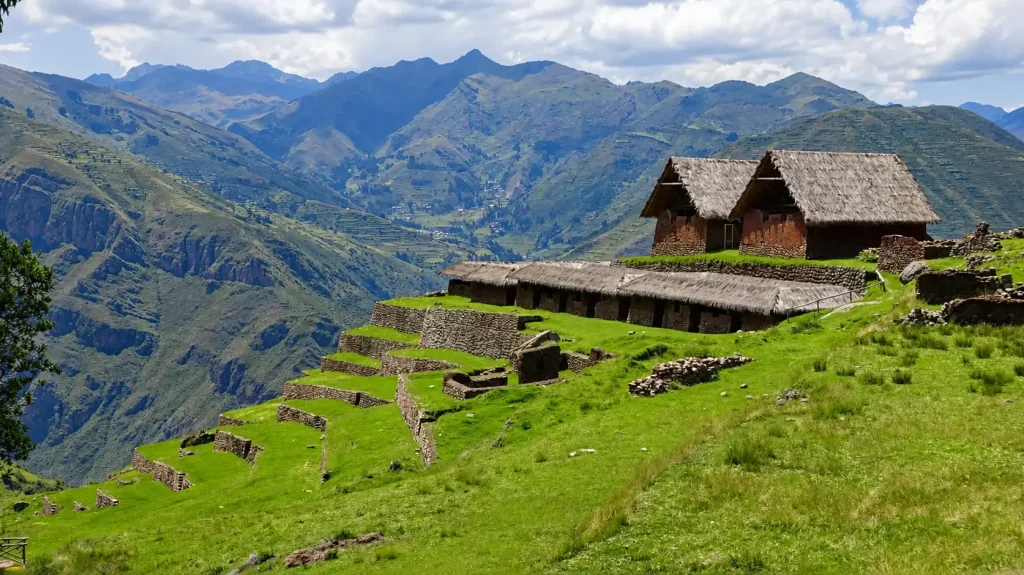
Settlement in the area goes back well before the Incas, to roughly AD 1000. The royal complex came later. Radiocarbon dating places construction between about 1420 and 1530, and the colonial chronicler Pedro de Cieza de León credited Viracocha with the palaces.
Viracocha and the Chanca revolt
The best-known story ties the site to a crisis. Viracocha, the Inca ruler of the time, faced a revolt by the Chanca people. According to the accounts historians rely on, he took refuge at Huchuy Qosqo while his son Pachacuti defended Cusco. Pachacuti defeated the Chanca, deposed his father and became emperor in 1438.
Those accounts come from colonial-era chronicles, and historians still debate some of the details. Treat the story as the leading interpretation rather than settled fact.
How the estate worked
Estates like this one controlled farmland, grazing land and other resources. They relied on state labor, resettled communities, permanent servants and women who wove textiles and brewed fermented drinks. The site expanded after Viracocha lost power, which suggests it stayed in use under later rulers.
The Spanish period
Around 1534, the conquistador Gonzalo Pizarro looted Huchuy Qosqo and burned the mummy of Viracocha. After the Manco Inca rebellion of about 1540, the Spanish turned the estate into a farm. They demolished some Inca buildings to build a larger reservoir, which is still visible.
What you can see today
The ruins are smaller and less polished than Machu Picchu’s, and that is part of the appeal. The main features are:
- The kallanka. A long assembly hall about 40 m (131 ft) in length, used for gatherings and ceremonies.
- A stone-lined irrigation channel. It runs roughly 800 m (about half a mile) and feeds small reservoirs.
- Agricultural terraces. They step down the slope and show how the estate fed itself.
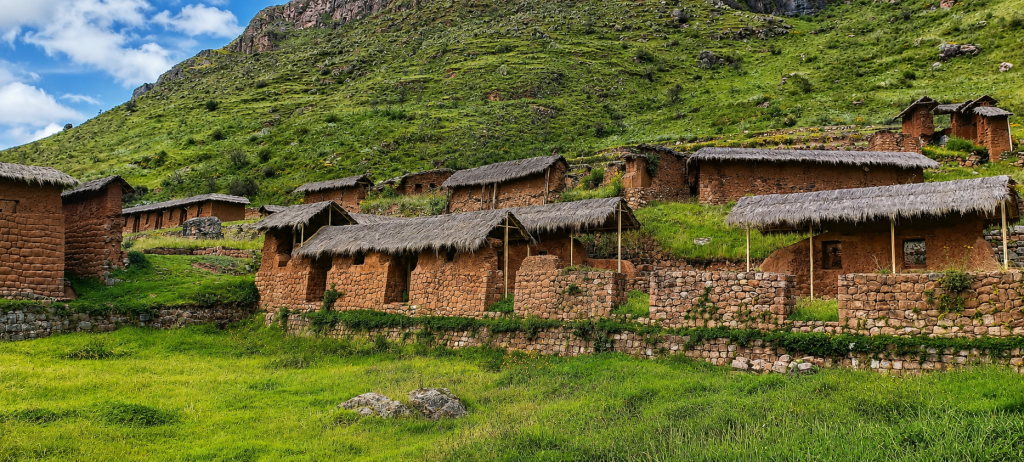
- Two-story storehouses (qolqas). They sit below the main settlement and stored dried meat, maize, potatoes, quinoa and beans. They include cooling systems called conjeras, and have been restored.
The buildings mix stone and adobe. The views are the other draw: the site looks over Lamay and the Sacred Valley toward snow-capped peaks such as Verónica, Chicón and Pitusiray.
How to get to Huchuy Qosqo
There is no road to the site. You reach it on foot, and the usual starting point is Quencco, about 1.5 hours by road from Cusco at roughly 3,800 m (12,467 ft). From there, the trail climbs to a pass and descends to the ruins, then continues down to Lamay at about 2,920 m (9,580 ft).
There are three common ways to do it:
| Option | Length | What it includes | Notes |
|---|---|---|---|
| One-day hike from Cusco | 1 day | Hike to the site and down to Lamay | No Machu Picchu |
| 2-day trek to Machu Picchu | 2 days / 1 night | Hike, train, hotel in Aguas Calientes, guided Machu Picchu visit | Long first day |
| 3-day trek to Machu Picchu | 3 days / 2 nights | One camp night, one hotel night, guided Machu Picchu visit | About 23 km (14.3 mi) total |
On the Ali Peru Treks routes, the 2-day version starts with a 5:00 a.m. pickup in Cusco. It crosses a pass at about 4,100 m (13,450 ft), visits the ruins with lunch on site, then takes a van and an evening train to Aguas Calientes. The next day is the Machu Picchu visit and the return to Cusco. The 3-day version starts from Tambomachay and camps near Quencco on the first night. Prices start at $450 and $500 per person for shared departures, and entrance fees to Huchuy Qosqo and Machu Picchu are included.
If you want a side-by-side comparison with other short routes, see our guide to short treks to Machu Picchu.
How hard is the Huchuy Qosqo trek?
The route is graded moderate. The distances are not extreme, but the altitude is. Cusco sits at about 3,400 m (11,200 ft), and the pass is several hundred meters higher. The final stretch down to Lamay is a long descent, which can be hard on the knees.
Give yourself at least two days in Cusco before you start. Our guides on altitude sickness in Cusco and how to acclimate in Cusco explain the symptoms and the first-48-hours routine.
Best time to visit
The 3-day route runs year-round, and April to October is listed as the better window because it is drier. The rainy season brings muddy sections, cloud and fewer long views. Our best time to visit Machu Picchu guide gives a month-by-month breakdown.
What to bring
- Broken-in hiking boots with good tread for the long descent
- Layers, a rain jacket and a warm hat for the pass
- Sun protection, since much of the route is exposed
- Water, snacks and cash for small purchases
- Your passport, which you need for the train and for Machu Picchu entry
Trekking poles help on the descent. Most operators rent them for about $10 per pair.
Pros and cons of visiting Huchuy Qosqo
Pros
- Few visitors compared with the Classic Inca Trail
- A real Inca site with documented history
- Short enough for a tight schedule
- No Inca Trail permit quota, so it is easier to book late
Cons
- The ruins are modest next to Machu Picchu
- The 2-day version packs a long first day
- A high pass early in your trip if you have not acclimated
- Machu Picchu gets only about two hours on the 2-day version
Combining Huchuy Qosqo with Machu Picchu
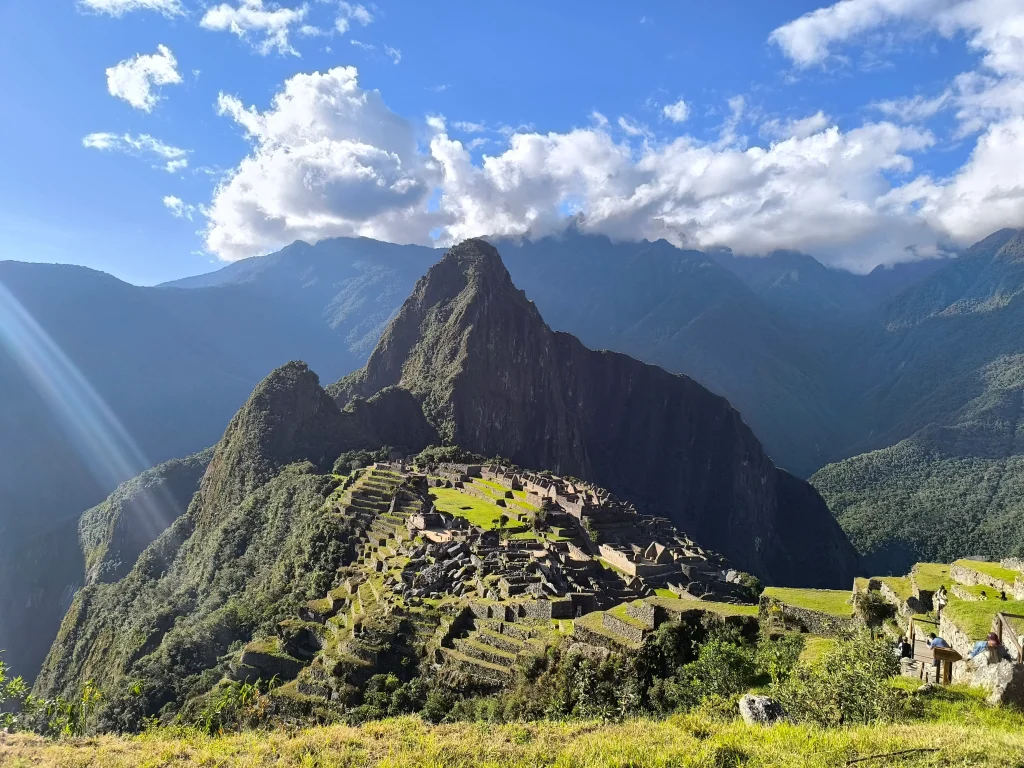
Both multi-day options reach Machu Picchu by train and bus from Aguas Calientes, and the tours include a guided visit on Circuit 2. The new Machu Picchu circuits guide explains what each circuit covers, and our Aguas Calientes guide covers the town where you spend the night. If you want a version that enters Machu Picchu on foot through the Sun Gate, look at the Short Inca Trail instead. You can browse more routes in the alternative treks category.
Frequently asked questions
It is in the Sacred Valley, north of Cusco and above the town of Lamay, at about 3,650 m (11,975 ft). You reach it on foot from trailheads near Cusco.
It means “Little Cusco” in Quechua. The name dates to the twentieth century; earlier sources call the site Caquia Xaquixaguana.
It was probably built as a royal estate for the Inca ruler Viracocha around AD 1420. Construction continued until about 1530.
The hike takes one long day. Most travelers combine it with Machu Picchu on a 2- or 3-day trek.
It suits travelers who want an Inca site with few crowds and a shorter route to Machu Picchu. If you want large, well-restored ruins, Machu Picchu itself or the Sacred Valley sites will be a better fit.