
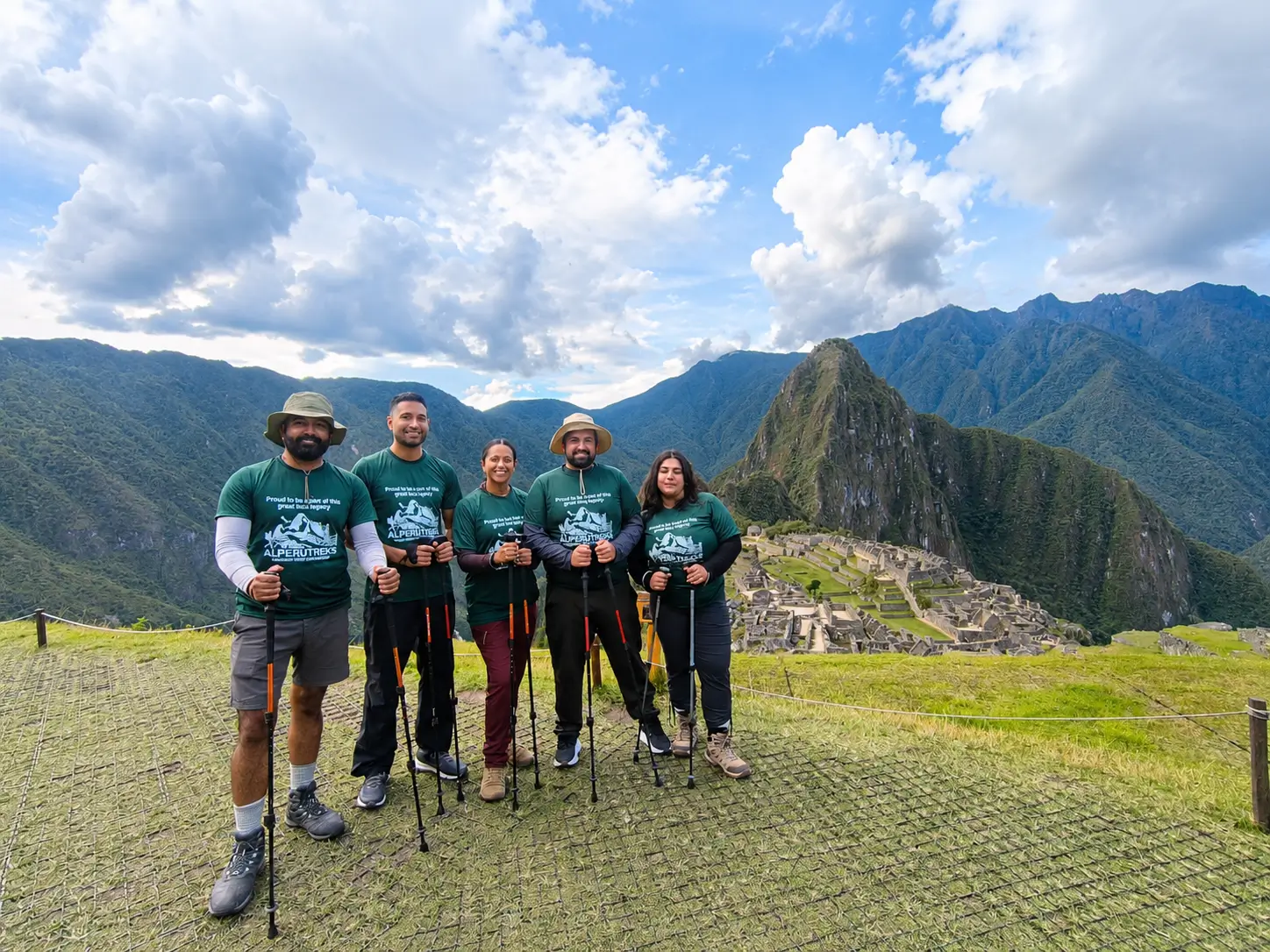
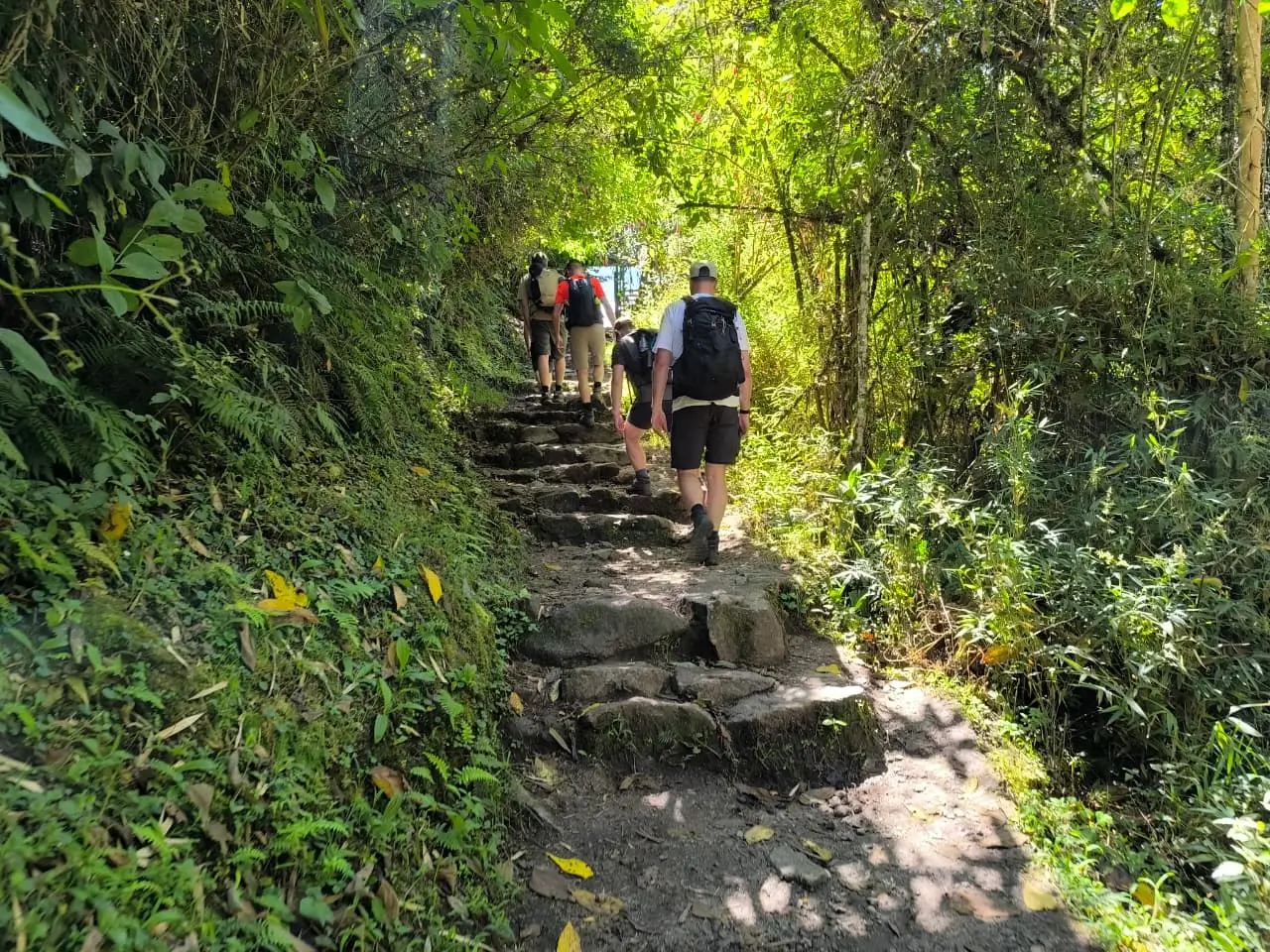
How to Choose the Best Inca Trail Operator in Cusco
You’ve been dreaming about the Inca Trail for years. You’ve saved up, booked your flight to Cusco, and now comes the most important decision of your trip: choosing the best Inca Trail operator to get you there safely, comfortably, and with an unforgettable experience.
Here’s the hard truth — not all agencies are created equal. With dozens of options flooding your search results, picking the wrong one can mean poor equipment, unqualified guides, hidden fees, and a hike that falls far short of the magic you imagined.
This guide will walk you through exactly what to look for so you can make a confident, informed choice.
Why Choosing the Right Inca Trail Tour Operator in Cusco Matters
The Inca Trail to Machu Picchu is one of the most regulated treks in the world. Peru’s Ministry of Culture limits daily permits to just 500 people (including trekkers, guides, cooks, and porters), and permits sell out 6 to 12 months in advance, especially for the peak season between May and September.
This means:
- You cannot walk the Classic Inca Trail independently — a licensed operator is legally required
- Permits are non-transferable and tied to your passport number
- Once permits are gone, they’re gone — there are no last-minute alternatives for the Classic route
Choosing a reputable Inca Trail agency isn’t just about comfort — it’s about securing your spot, protecting your investment, and ensuring your safety at altitude.
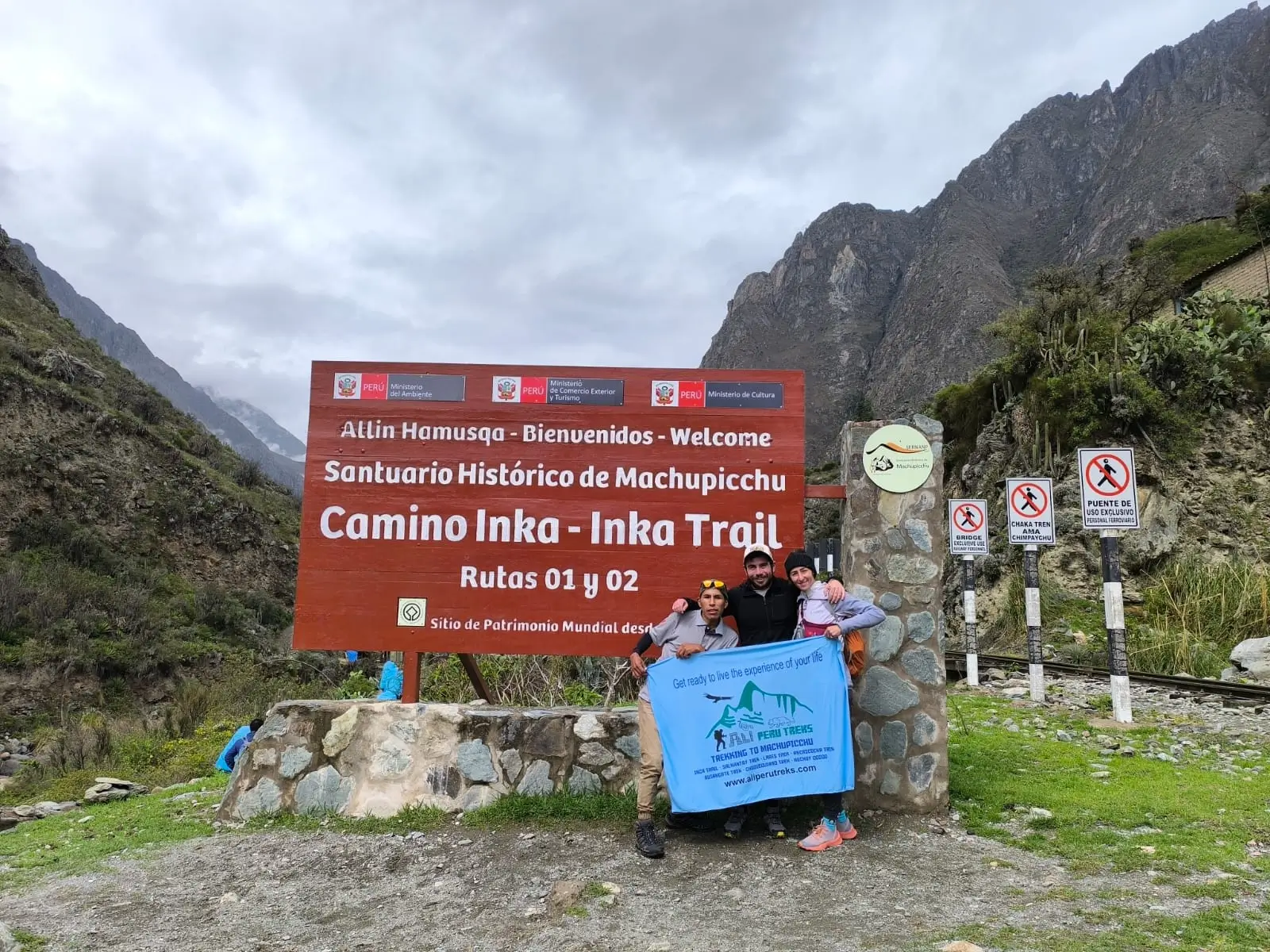
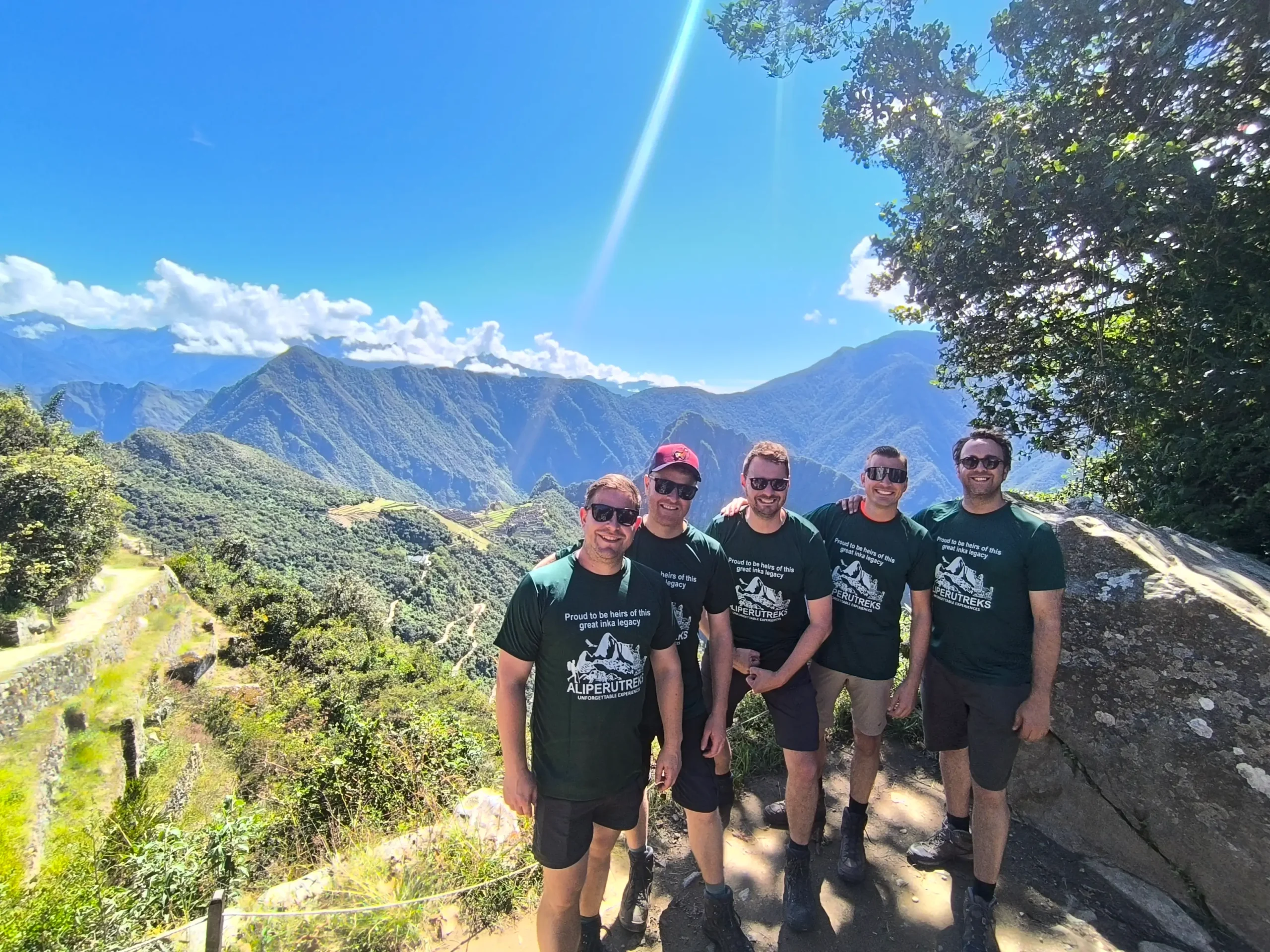
7 Key Factors to Evaluate Any Inca Trail Agency
1. Official Government Licensing
Any legitimate Inca trail tour operator in Cusco must hold an official license issued by Peru’s Ministry of Culture. This license authorizes them to purchase Inca Trail permits on behalf of clients.
What to do: Ask the agency directly for their license number and verify it at www.cultura.gob.pe. If they hesitate or can’t provide it, walk away.
2. Certified and Bilingual Local Guides
Your guide is the heart of your experience. A great Inca Trail local guide won’t just walk you through the ruins — they’ll bring the history, archaeology, and culture to life in a way no guidebook can.
Look for:
- Certified guides registered with Peru’s Ministry of Foreign Trade and Tourism (MINCETUR)
- Fluent English (or your language of choice)
- Deep knowledge of Inca history, flora, and Andean culture
- Wilderness First Responder (WFR) or basic first aid training
A knowledgeable local guide is what separates a forgettable hike from a life-changing journey.
3. Transparent Pricing — What’s Actually Included?
Price is often the first thing travelers compare, but the cheapest option is almost never the best value on the Inca Trail. Budget operators often cut corners on porter welfare, food quality, and camping equipment.
Always ask for a full breakdown:
- Government permit fee ($200–$250 USD included?)
- All meals during the trek
- Quality tents, sleeping mats, and dining tent
- Emergency oxygen canister
- Porters’ gear, wages, and insurance
- Bus from Aguas Calientes to Machu Picchu gate
- Machu Picchu entrance fee
Typical price range: A reputable Classic 4-Day/3-Night Inca Trail package from a quality agency costs between $700 and $1,100 USD per person. Be skeptical of anything significantly below $600.
4. Ethical Porter Treatment
This is a non-negotiable ethical standard. Porters are the backbone of every Inca Trail trek, and their working conditions should meet or exceed Peruvian law.
A responsible Inca trail agency will:
- Limit porter loads to 25 kg (55 lbs) maximum, per Peruvian law
- Provide porters with adequate food, shelter, and clothing
- Pay fair wages above the minimum
- Ensure porter insurance is covered
Organizations like Porter’s Progress and Responsible Travel Peru can help you verify an agency’s labor practices. Don’t be afraid to ask directly.
5. Group Size and Personalized Attention
Smaller groups mean a better experience. Ideally, look for groups of 8 to 14 trekkers maximum. Large groups slow everyone down, create more noise, and reduce the quality of interaction with your guide.
Private tours are available for those willing to invest more, and they offer complete flexibility on pace, stops, and personal attention.
6. Emergency Protocols and Safety Standards
At altitudes reaching 4,215 meters (13,828 feet) at Dead Woman’s Pass — the highest point on the trail — altitude sickness is a real risk, even for fit hikers.
A reliable operator will have:
- Emergency oxygen available throughout the trek
- A dedicated porter assigned to carry medical supplies
- A clear evacuation protocol and communication system
- Guides trained to recognize and respond to altitude sickness (AMS)
Ask the agency: “What happens if I get altitude sickness on the trail?” Their answer will tell you everything.
7. Verified Reviews and Reputation
Before booking, do your homework:
- TripAdvisor — look for agencies with consistent 4.5–5 star ratings across 100+ reviews
- Google Reviews — check for recent, detailed reviews from English-speaking travelers
- Reddit (r/solotravel, r/MachuPicchu) — real traveler discussions with no incentive to sugarcoat
- Trustpilot — increasingly used by international travel agencies
Look for patterns in the reviews, not just the star rating. Consistent mentions of guide quality, food, and problem-solving in difficult situations are great signs.
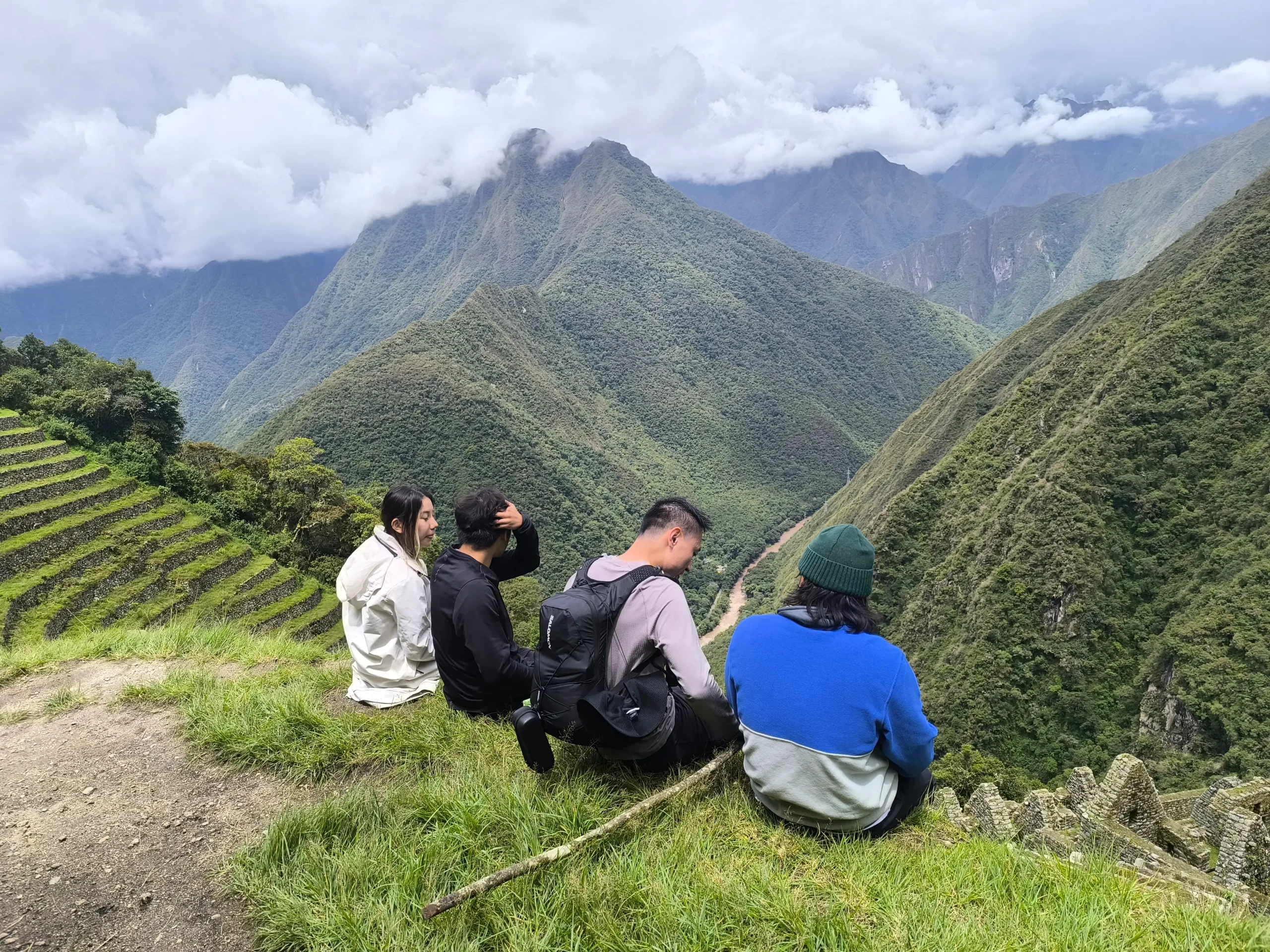
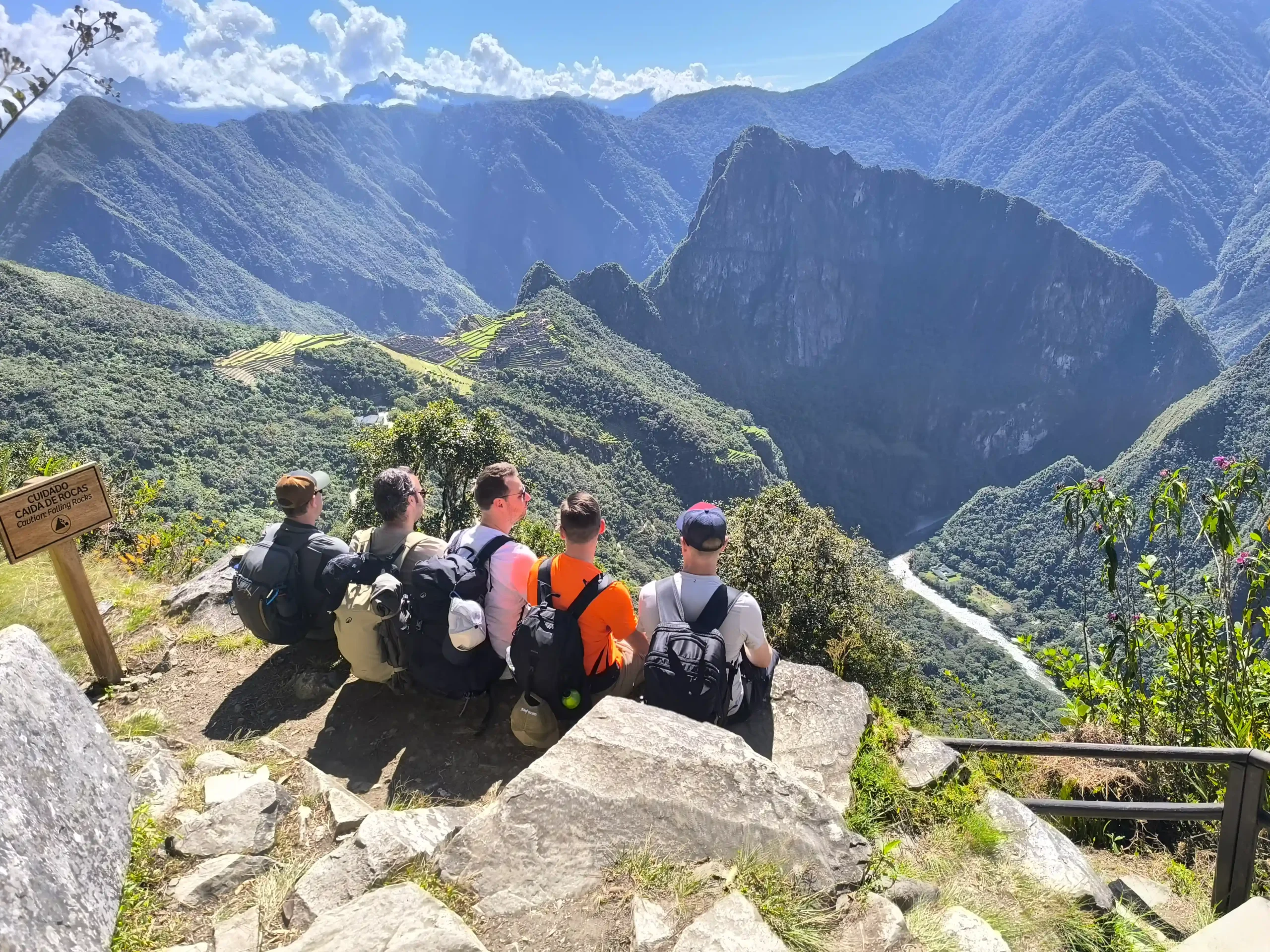
Expert Tips: What Only a Local Inca Trail Agency Would Tell You
These are the insider insights that most websites won’t mention:
- Acclimatize in Cusco first. Spend at least 2 full days in Cusco (3,400m / 11,150 ft) before starting the trek. Visit the Sacred Valley (lower altitude) on Day 1. This dramatically reduces altitude sickness risk.
- Book your permit 6–8 months in advance. For May through September departures, permits are often sold out within weeks of opening. For February (the only month the trail closes), permits are unavailable.
- The best campsites are on the 2nd night. Sites at Wiñaywayna (2,650m) are arguably the most beautiful. Ask your operator which campsite they use on night 2.
- Bring broken-in hiking boots. New boots = blisters. Wear your hiking boots on multiple walks at home before your trip. Your feet will thank you.
- Layers are essential, not optional. Temperatures can swing from 10°C (50°F) at night to 25°C (77°F) during the day. A lightweight down jacket, rain poncho, and moisture-wicking base layers are must-haves.
- Tip your porters and cook. This is culturally expected and genuinely appreciated. A standard tip is $20–$30 USD per porter for a 4-day trek, and $30–$50 USD for the cook.
- The Sun Gate (Inti Punku) is worth the extra push. On Day 4, most trekkers reach Machu Picchu at dawn. Push slightly further up to the Sun Gate for a panoramic view that relatively few people see — and that no bus tourist will ever experience.
What to Expect: Inca Trail at a Glance
| Detail | Information |
|---|---|
| Route | Classic Inca Trail (KM 82 to Machu Picchu) |
| Distance | 43 km (26.7 miles) |
| Duration | 4 Days / 3 Nights (most popular) |
| Max Altitude | 4,215 m / 13,828 ft (Dead Woman’s Pass) |
| Difficulty | Moderate to Challenging |
| Best Season | April to October (dry season) |
| Rainy Season | November to March (trail closes in February) |
| Permits Required | Yes — book 6–12 months in advance |
| Starting Point | KM 82, Piscacucho, Sacred Valley |
| End Point | Machu Picchu, via Sun Gate |
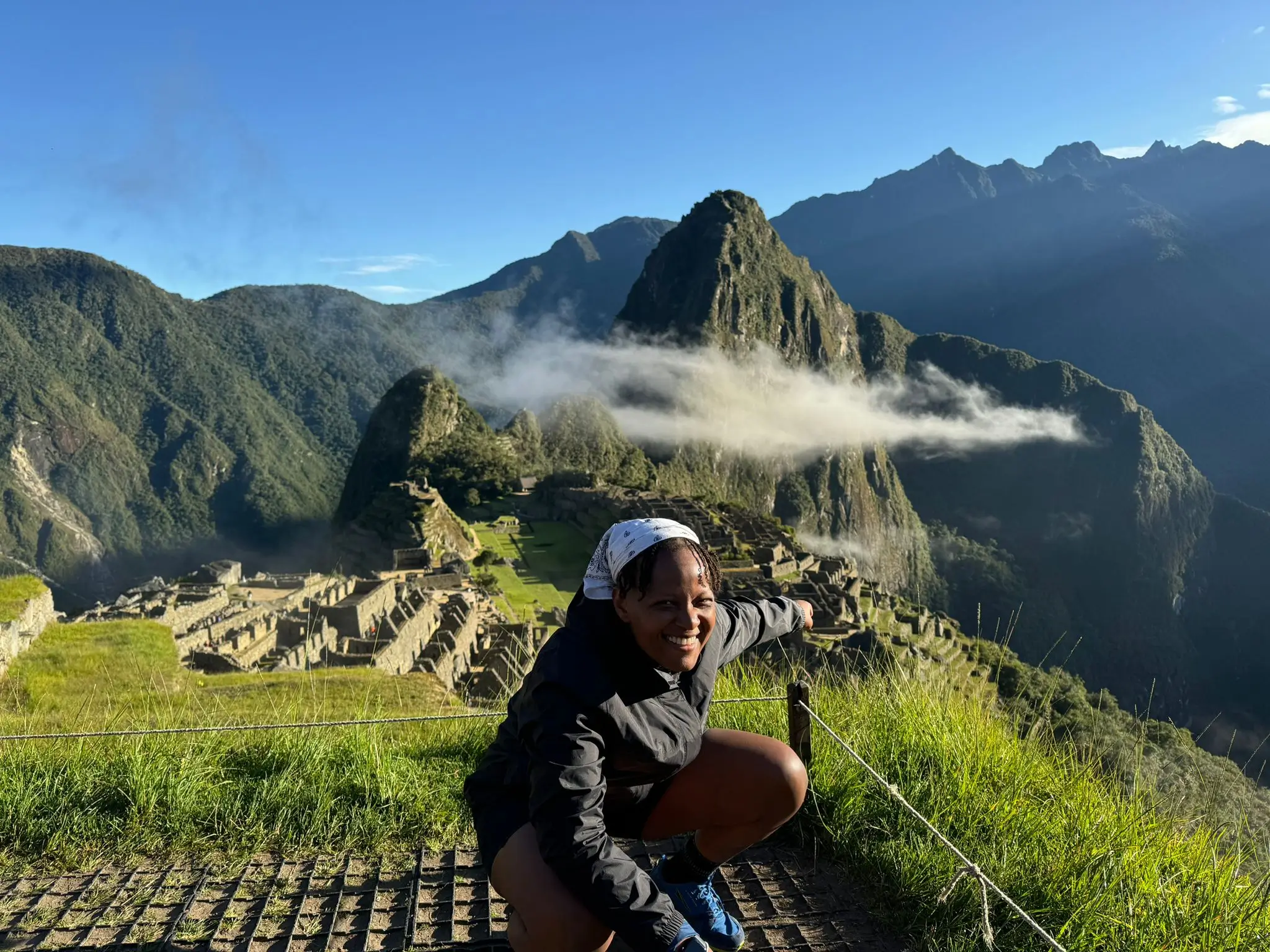
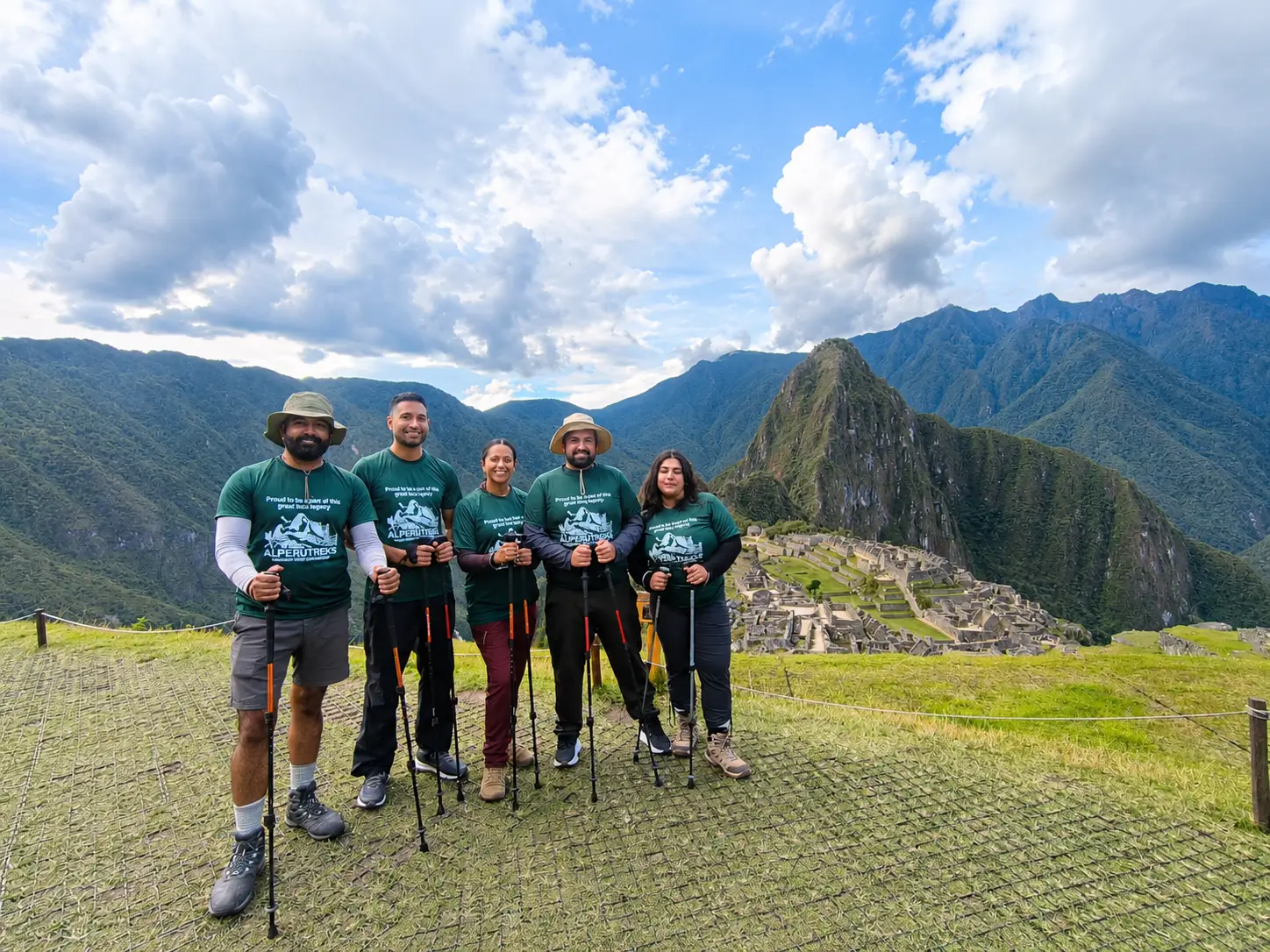
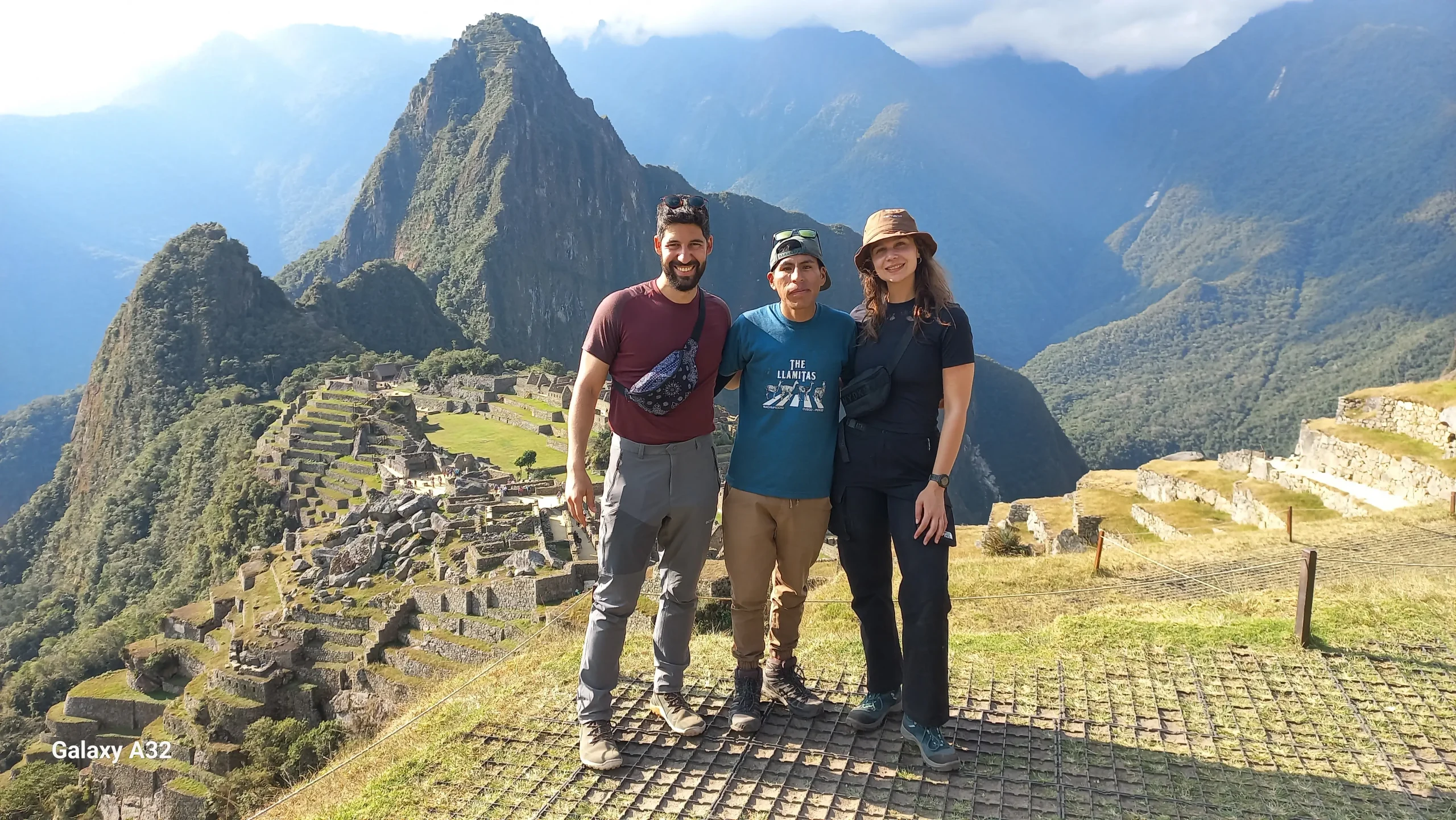
Red Flags: When to Avoid an Inca Trail Operator
Walk away if an agency:
- Cannot provide their Ministry of Culture license number
- Offers permits at the last minute (these are often fraudulent)
- Has overwhelmingly negative reviews about food, safety, or guide quality
- Is vague about what’s included in the price
- Doesn’t mention porter welfare or maximum load weights
- Pressures you to book immediately without time to research
Conclusion: Choose Wisely, Trek Confidently
The Inca Trail is a bucket-list experience that deserves a bucket-list operator. Choosing the best Inca Trail operator means doing your due diligence — verifying licenses, comparing inclusions, reading real reviews, and asking the hard questions about safety and ethics.
When you get it right, you won’t just hike to Machu Picchu — you’ll arrive with stories, connections, and memories that last a lifetime.
At Ali Peru Treks, we are a licensed, locally-owned Cusco-based agency with certified bilingual guides, ethical porter practices, and a decade of experience leading international travelers through the Andes. We handle your permit, your logistics, and your safety — so all you have to do is show up and be amazed.
View Our Inca Trail Packages & Request a Free Quote →
Spots are extremely limited and fill up fast — don’t wait until it’s too late.