
You’ve been dreaming about hiking the Inca Trail to Machu Picchu — and rightfully so. It’s one of the most iconic treks on the planet. But there’s one challenge that catches many travelers off guard: inca trail altitude sickness. If you don’t prepare for it, it can turn your dream adventure into a miserable experience — or even force you to turn back.
The good news? With the right knowledge and preparation, altitude sickness is largely preventable. In this guide, the experts at Ali Peru Treks walk you through everything you need to know: what causes it, how to recognize it, and — most importantly — how to beat it.
What Is Altitude Sickness and Why Does It Happen on the Inca Trail?
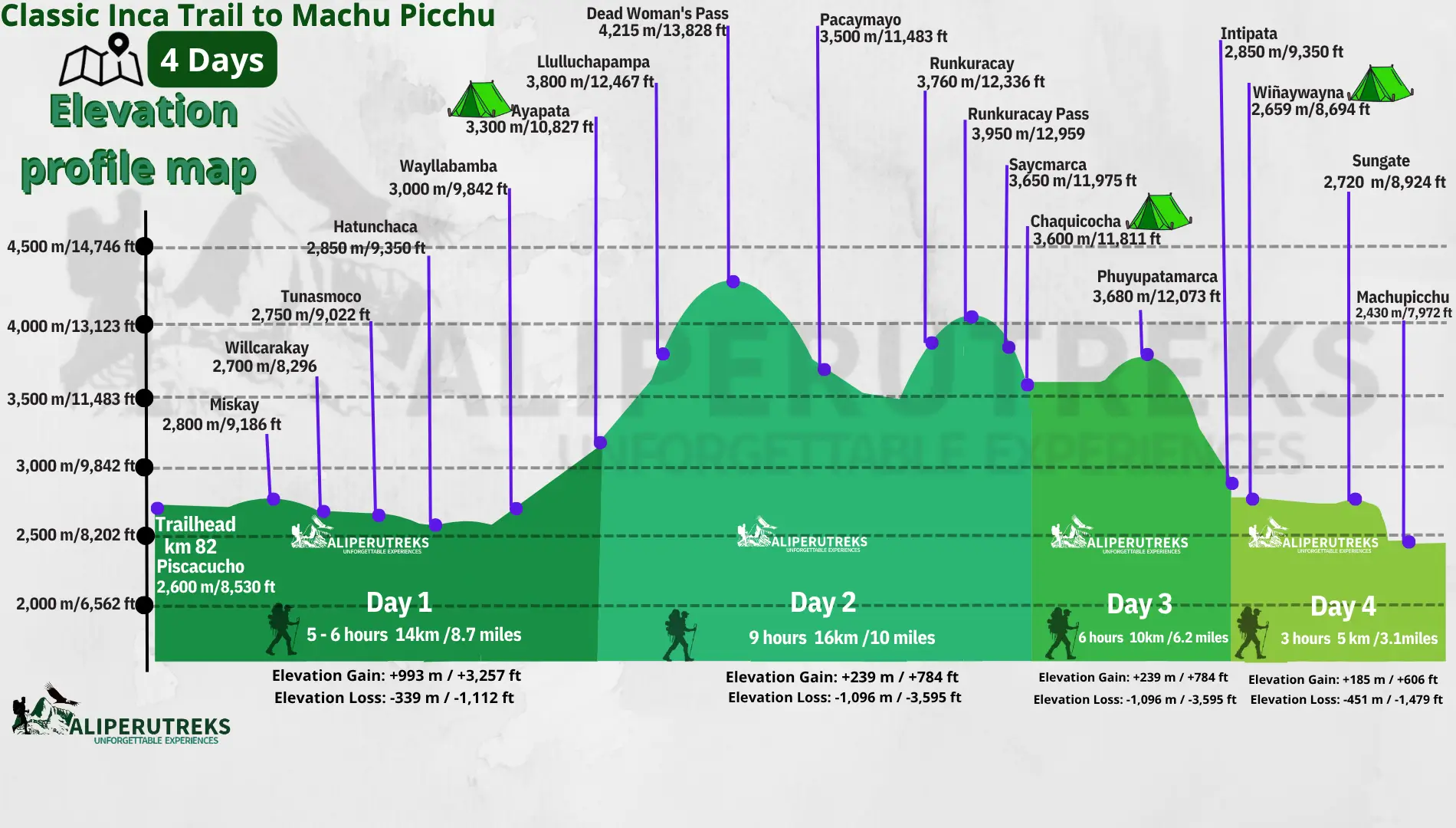
Altitude sickness, medically known as Acute Mountain Sickness (AMS), occurs when your body doesn’t get enough oxygen due to lower air pressure at high elevation. The Inca Trail ranges from approximately 8,900 ft (2,720 m) at the starting point (Km 82) to its highest point, Dead Woman’s Pass (Abra de Huarmihuañusca), at a formidable 13,776 ft (4,200 m) above sea level.
Even fit, healthy adults are susceptible. Altitude sickness doesn’t discriminate based on age or fitness level — it’s all about how your body responds to reduced oxygen.
Recognizing the Symptoms of AMS on the Inca Trail
Catching the symptoms early is critical. Watch for:
- Headache (the most common early sign)
- Nausea or vomiting
- Fatigue and weakness
- Dizziness or lightheadedness
- Shortness of breath at rest
- Difficulty sleeping
- Loss of appetite
If symptoms escalate to confusion, inability to walk straight, or severe shortness of breath, this may indicate a more dangerous condition — High Altitude Pulmonary Edema (HAPE) or High Altitude Cerebral Edema (HACE). These are medical emergencies requiring immediate descent.
Altitude Sickness in Cusco: Your First Battle Begins Here
Most trekkers fly into Cusco (elevation: 11,152 ft / 3,400 m) one to two days before starting the trail. Altitude sickness in Cusco is extremely common and often the first sign your body needs time to adjust.
Many travelers make the mistake of arriving in Cusco and immediately heading out to explore. Instead:
- Plan at least 2 full days in Cusco before your trek begins.
- Take it easy the first day — no rushing, no alcohol, no heavy meals.
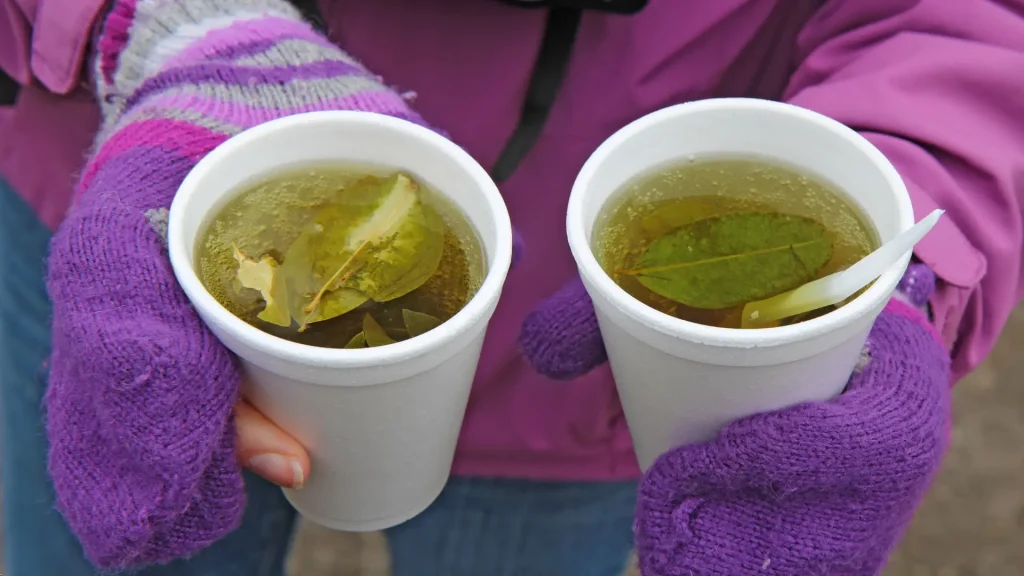
- Stay well hydrated with water and coca tea (mate de coca), a traditional Andean remedy widely available and highly effective for mild symptoms.
Think of Cusco as your acclimatization base camp — not just a stopover.
Inca Trail Acclimatization: The Most Important Strategy
Inca Trail acclimatization is the foundation of a successful trek. Proper altitude adjustment takes time, and there are no shortcuts.
Before You Arrive in Peru
- Schedule your arrival 3–5 days before the trek start date if possible.
- Avoid alcohol and sleeping pills in the days before departure — both suppress your breathing.
- Consider visiting Pisac or Ollantaytambo (towns in the Sacred Valley at lower elevations ~9,000–9,500 ft / 2,700–2,900 m) before ascending to Cusco. Sleeping lower and exploring higher is a proven strategy.
During the Trek
- “Climb high, sleep low” — this is the golden rule of acclimatization.
- Slow your pace, especially on Day 2 of the Inca Trail (the hardest day, culminating at Dead Woman’s Pass).
- Take short, deliberate breaths through your nose to maximize oxygen absorption.
- Eat light, carbohydrate-rich foods — your body processes carbs more efficiently at altitude.
Medication Options for AMS on the Inca Trail
Acetazolamide (Diamox)
The most commonly recommended prescription medication for altitude sickness prevention. It works by stimulating faster, deeper breathing, helping your body absorb more oxygen.
- Dosage: Typically 125–250 mg twice daily, starting 24–48 hours before ascent.
- Side effects: Increased urination, tingling in fingers and toes, sensitivity to sunlight.
- Consult your doctor before taking it — it’s a sulfa-based drug and not suitable for everyone.
Ibuprofen
Studies show that ibuprofen (600 mg, three times daily) can significantly reduce the risk and severity of altitude headaches. It’s a good over-the-counter option for mild AMS management.
What to Avoid
- Alcohol: Dehydrates you and suppresses your breathing response.
- Sedatives and sleeping aids: Further reduce oxygen intake during sleep.
- Overexertion on Day 1: Give your body time to settle.
AMS on the Inca Trail: Day-by-Day Altitude Profile
Understanding what your body is facing each day helps you plan:
| Day | Route | Elevation |
|---|---|---|
| Day 1 | Km 82 → Wayllabamba | 9,842 ft (3,000 m) |
| Day 2 | Wayllabamba → Dead Woman’s Pass → Pacaymayo | 13,776 ft (4,200 m) |
| Day 3 | Pacaymayo → Wiñay Wayna | 8,924 ft (2,720 m) |
| Day 4 | Wiñay Wayna → Machu Picchu | 7,972 ft (2,430 m) |
Day 2 is the most critical day for AMS — this is when the majority of altitude-related symptoms hit hardest. A slow, steady pace and proper hydration are non-negotiable.
Hydration: Your Secret Weapon Against Altitude Sickness
Dehydration dramatically worsens the effects of AMS. At altitude, you lose moisture faster through increased respiration. Follow these hydration rules:
- Drink at least 3–4 liters of water per day on the trail.
- Electrolyte tablets are a great addition to your water.
- Avoid caffeine in excess, as it can worsen dehydration.
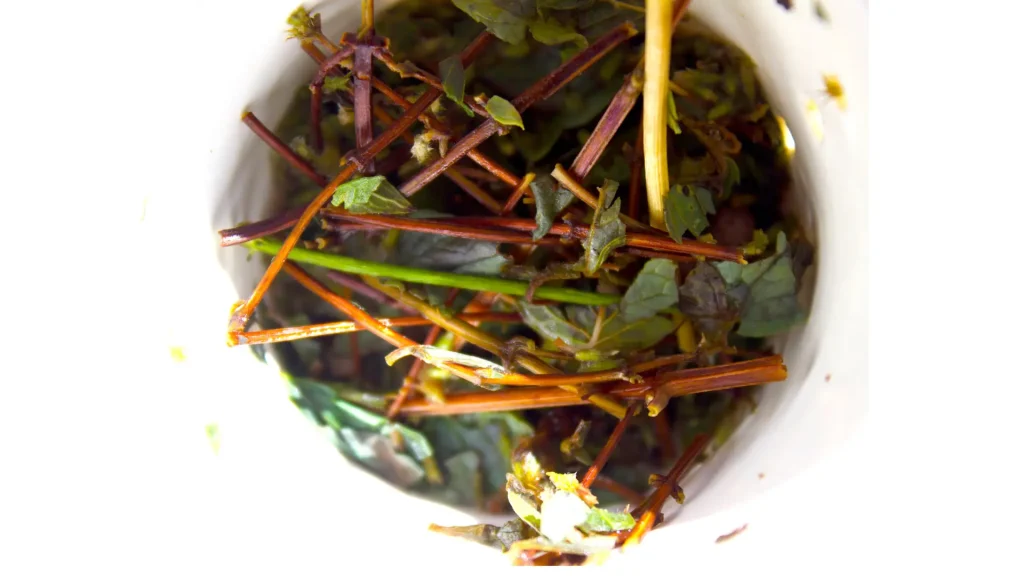
- Coca leaves or coca tea are your Andean allies — widely used by locals and hikers alike.
Expert Tips from Ali Peru Treks: What Only a Local Agency Knows
After years of guiding trekkers on the Inca Trail, here’s what our local experts recommend that you won’t find in most travel guides:
- Arrive 4–5 days early, not 2. Most agencies say 2 days is enough. Our guides recommend 4–5 for optimal acclimatization, especially for trekkers coming from sea level.
- Drink coca tea from day one in Cusco. Don’t wait for symptoms — start drinking it immediately upon arrival as a preventive measure.
- Never hike faster than your slowest group member on Day 2. Your pace on the climb to Dead Woman’s Pass sets the tone for your entire trek.
- Talk to your doctor 4–6 weeks before departure. Getting a Diamox prescription takes time, and it can make a dramatic difference.
- Your first night at altitude will be rough. Expect disrupted sleep — this is normal. Let your body rest and don’t panic.
- Pack light. Every pound matters at altitude. Let our porters carry the weight — that’s what they’re there for.
- Always tell your guide how you feel. Our guides are trained in altitude illness recognition and carry emergency oxygen. There is no shame in speaking up.
What Happens If You Get Severe AMS on the Trail?
If a trekker develops severe symptoms, the standard protocol is:
- Stop ascending immediately.
- Descend at least 1,000 ft (300 m) — even a small descent provides significant relief.
- Administer supplemental oxygen if available (our guides carry emergency oxygen).
- Seek medical attention — the nearest clinic is in Aguas Calientes (Machu Picchu Pueblo), accessible by train from certain trail points.
Our guides are trained in Wilderness First Aid and are equipped to handle altitude emergencies. You are never alone on the trail with Ali Peru Treks.
Who Is Most at Risk?
There is no foolproof way to predict who will get altitude sickness. However, these factors increase risk:
- Coming from sea level (e.g., Florida, coastal California)
- Previous history of AMS
- Rapid ascent without proper acclimatization
- Respiratory conditions like asthma (consult your doctor)
- Age over 60 or under 10 (though altitude sickness affects all ages)
Fitness level is not a reliable predictor — elite athletes can suffer just as much as casual hikers.
What to Pack to Prevent and Manage Altitude Sickness
Here’s your essential altitude sickness kit for the Inca Trail:
- Acetazolamide (Diamox) — by prescription
- Ibuprofen 600 mg (over-the-counter)
- Electrolyte sachets or tablets
- Rehydration salts (ORS packets)
- Coca leaf tea bags (available in Cusco)
- Pulse oximeter (optional but useful — tracks your blood oxygen levels)
- Lightweight, layered clothing (cold nights intensify AMS symptoms)
- High-quality sleeping bag (warm sleep improves recovery)
Conclusion: Don’t Let Altitude Sickness Steal Your Inca Trail Experience
Inca trail altitude sickness is real, but it doesn’t have to be your story. With smart preparation — arriving early, acclimatizing in Cusco, staying hydrated, and following expert guidance — the vast majority of trekkers complete the Inca Trail in good health and with unforgettable memories.
At Ali Peru Treks, we’ve guided thousands of international travelers safely through this journey. Our local expertise, certified guides, and personalized approach mean you’re not just booking a trek — you’re investing in a safe, life-changing adventure.
Ready to conquer the Inca Trail? Browse our Inca Trail packages and let’s start planning your trip today. Our team is available to answer all your questions — including altitude concerns — before you book.