
Salkantay Trek Packing List: The Complete Gear Guide
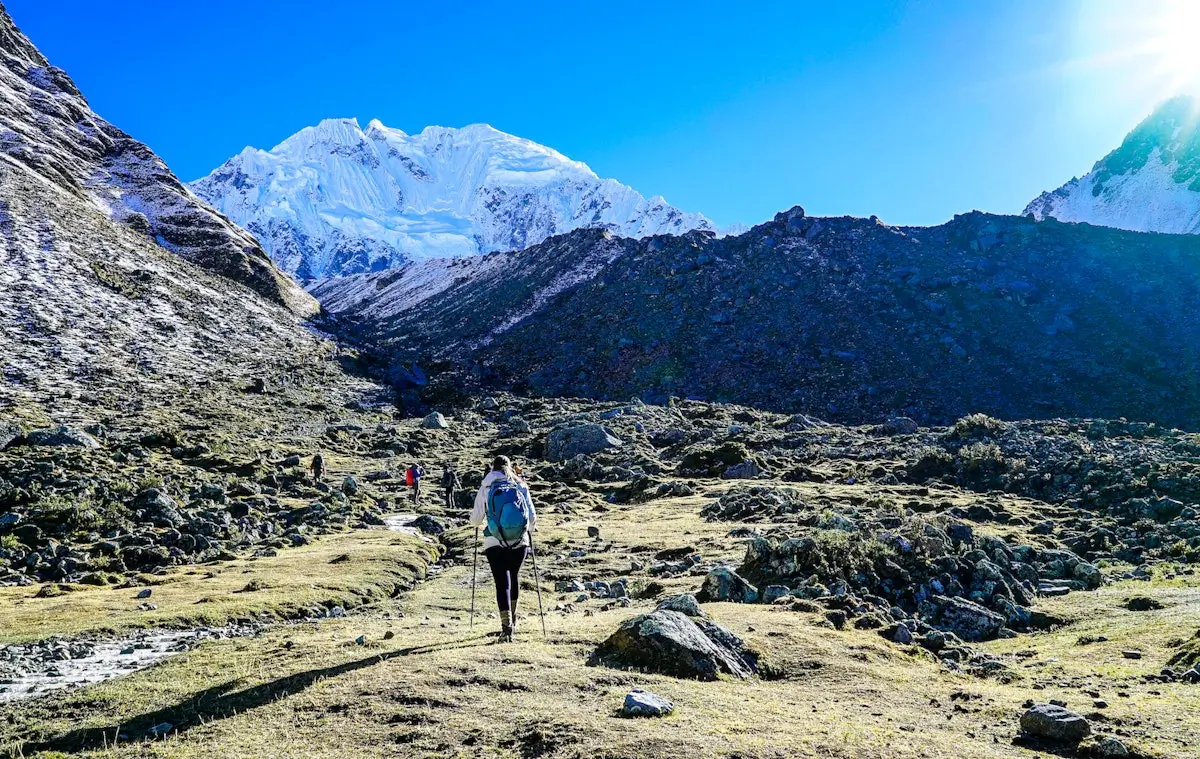
Dreaming of standing beneath the towering Salkantay Mountain on your way to Machu Picchu, but staring at an empty backpack with no idea what to bring? You’re not alone. Packing wrong for this trek can mean freezing at 4,600 meters one hour and sweating through a humid cloud forest the next.
This complete Salkantay trek packing list is built from years of guiding travelers along this route. We’ll walk you through exactly what to pack for the Salkantay trek, why each item matters, and the insider tips that keep you warm, dry, and enjoying the trail instead of suffering through it.
At Ali Peru Treks, we believe a well-prepared trekker is a happy trekker. Let’s get your gear dialed in.
Why the Salkantay Trek Demands Smart Packing
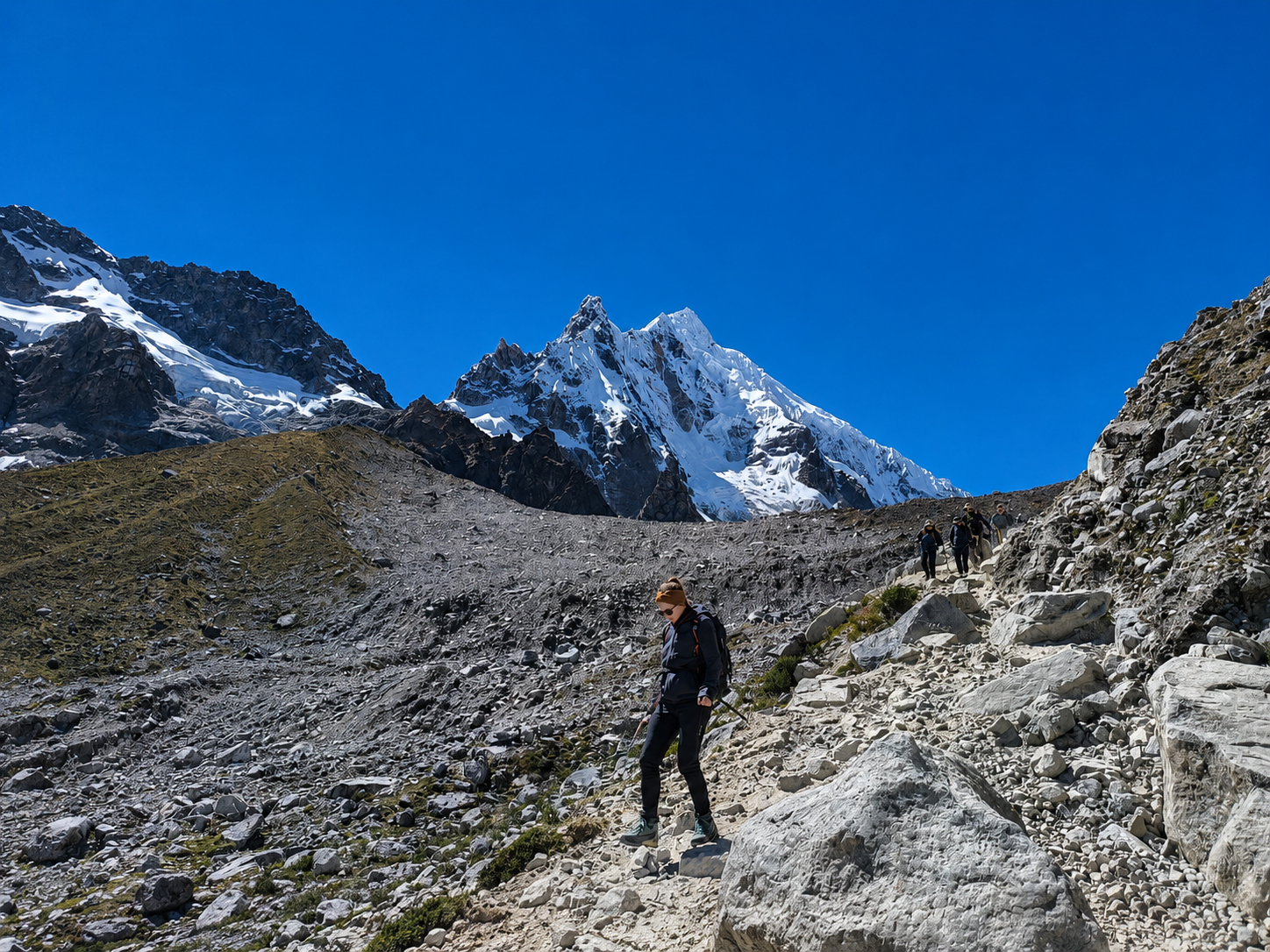
The Salkantay Trek is one of the most spectacular alternatives to the Classic Inca Trail, and its biggest challenge is also its biggest reward: extreme variety in climate and altitude.
In a single journey you’ll pass through four distinct ecosystems, from high-alpine terrain to subtropical jungle. Here are the key facts you need to plan around:
- Distance: Approximately 74 km (46 miles), usually completed in 5 days / 4 nights.
- Highest point: The Salkantay Pass (Abra Salkantay) at 4,630 m / 15,190 ft.
- Lowest point: The cloud forest near La Playa at around 1,900 m / 6,200 ft.
- Difficulty: Moderate to challenging. Good fitness helps, but proper acclimatization matters more.
- Best season: The dry season, from May to September. April and October are quieter shoulder months.
Because temperatures can swing from below freezing at the high camps to warm and humid in the jungle, your Salkantay trek gear list has to cover both extremes without weighing you down.
The Golden Rule: Layering Is Everything
Before we get into the full list, understand this one principle: dress in layers, not in bulk.
A smart layering system lets you add or remove clothing as the temperature changes throughout the day. It’s the single most important concept for knowing what to pack for the Salkantay trek.
Your layering system has three parts:
- Base layer: Moisture-wicking shirts (merino wool or synthetic). Avoid cotton, it stays wet and cold.
- Mid layer: A fleece or light down jacket for insulation.
- Outer layer: A waterproof, breathable rain jacket that also blocks wind.
The Complete Salkantay Trek Packing List
Here’s the full breakdown, organized by category so nothing slips through the cracks.
Clothing
- 2–3 moisture-wicking t-shirts (base layer)
- 1 long-sleeve thermal shirt for cold mornings and nights
- 1 fleece or insulated mid-layer jacket
- 1 warm down jacket for the high-altitude camps
- 1 waterproof rain jacket (breathable is best)
- 1 pair of quick-dry trekking pants (convertible zip-off pants are ideal)
- 1 pair of thermal leggings for sleeping and cold sections
- 3–4 pairs of hiking socks (wool or synthetic, not cotton)
- Underwear (quick-dry recommended)
- Warm hat/beanie and sun hat or cap
- Gloves (lightweight, but essential for the pass)
- Buff or neck gaiter to protect against dust, sun, and cold
Footwear
- Broken-in waterproof hiking boots with good ankle support. Never bring brand-new boots.
- Camp sandals or lightweight shoes to rest your feet in the evenings.
- Gaiters (optional, useful in the muddy jungle sections).
Backpack & Daypack
- A 25–35L daypack for the items you carry each day (water, snacks, rain gear, camera).
- A duffel bag for gear carried by horses or porters (your agency usually provides one).
- A rain cover for both packs.
Most quality operators, including Ali Peru Treks, transport your main luggage by horse, so you only hike with your daypack.
Sleeping Gear
- A warm sleeping bag rated to at least -10°C / 14°F (often included in your tour, always confirm).
- An inflatable pillow for comfort (optional but worth it).
- A headlamp with spare batteries, essential for early starts and campsites.
Health, Hydration & Altitude
This is where your Salkantay trek equipment can make or break the experience:
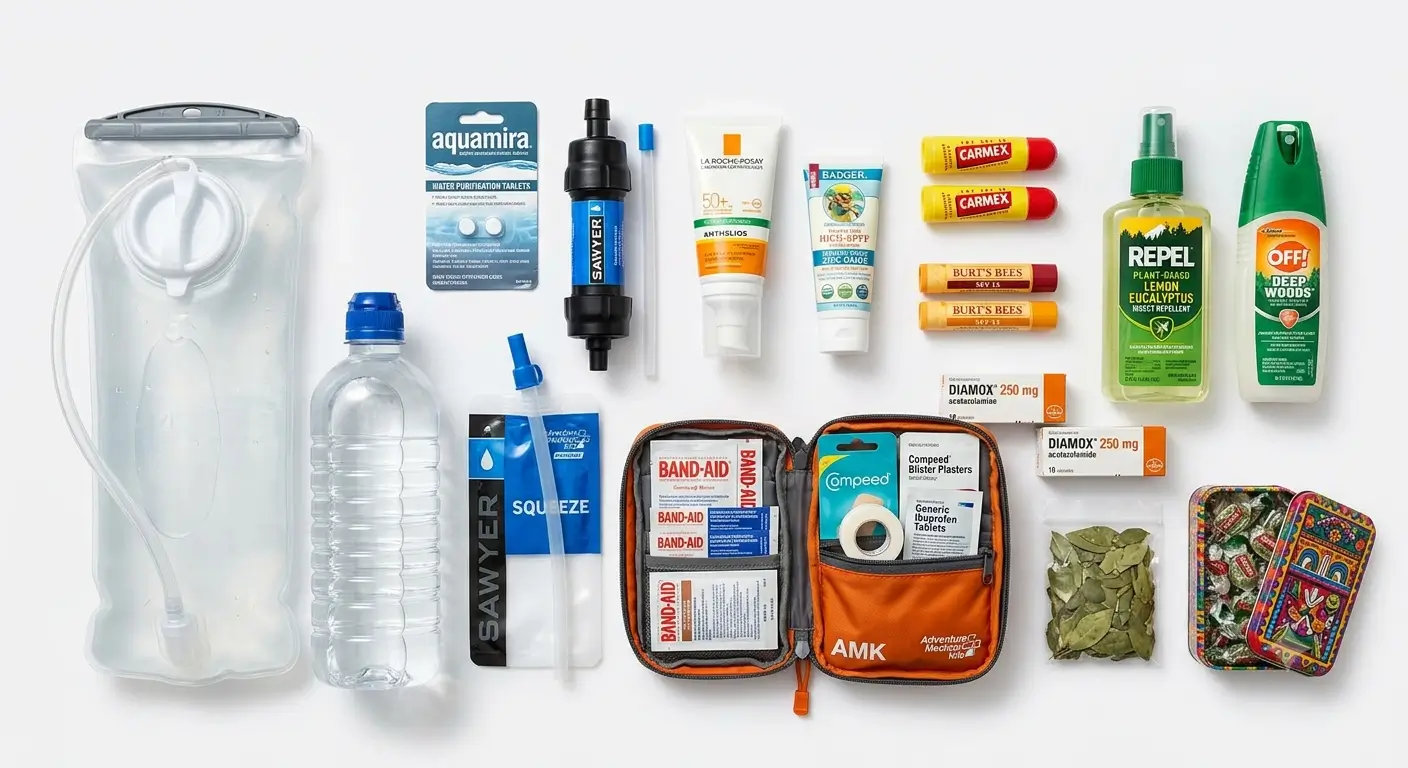
- 2–3 liters of water capacity (bottles or a hydration bladder).
- Water purification tablets or a filter as backup.
- High-SPF sunscreen (the UV is intense at altitude).
- Lip balm with SPF.
- Insect repellent (crucial for the lower jungle days).
- Personal first-aid kit: blister plasters, painkillers, band-aids, any personal medication.
- Altitude sickness medication (Diamox) if recommended by your doctor.
- Coca leaves or coca candies to help with altitude, easy to buy in Cusco.
Toiletries & Personal Care
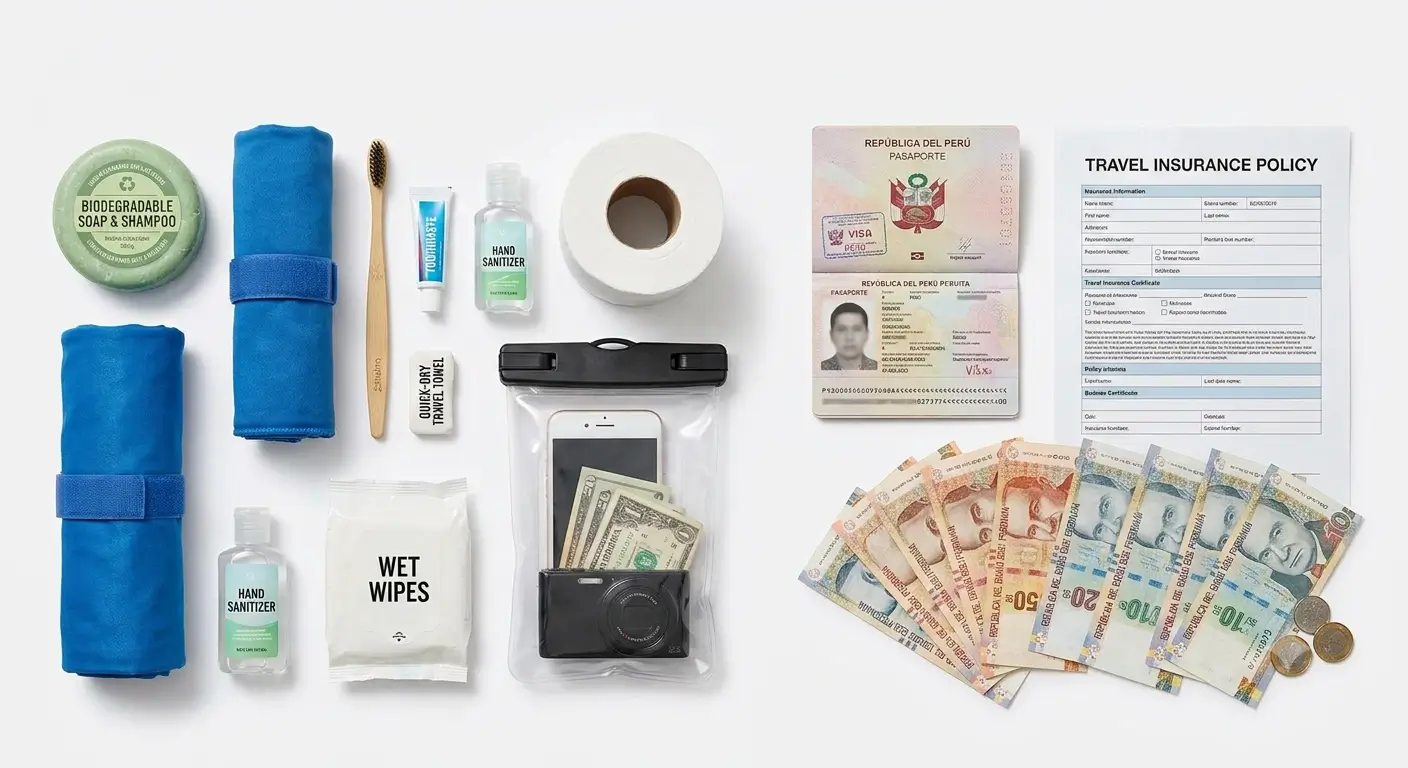
- Biodegradable soap and shampoo.
- Quick-dry travel towel.
- Toothbrush, toothpaste, and hand sanitizer.
- Wet wipes and toilet paper.
- A small dry bag to keep valuables and electronics dry.
Documents & Money
- Original passport (required to enter Machu Picchu, must match your ticket).
- Travel insurance documents.
- Cash in Peruvian soles for tips, snacks, and hot showers along the route.
Electronics & Extras
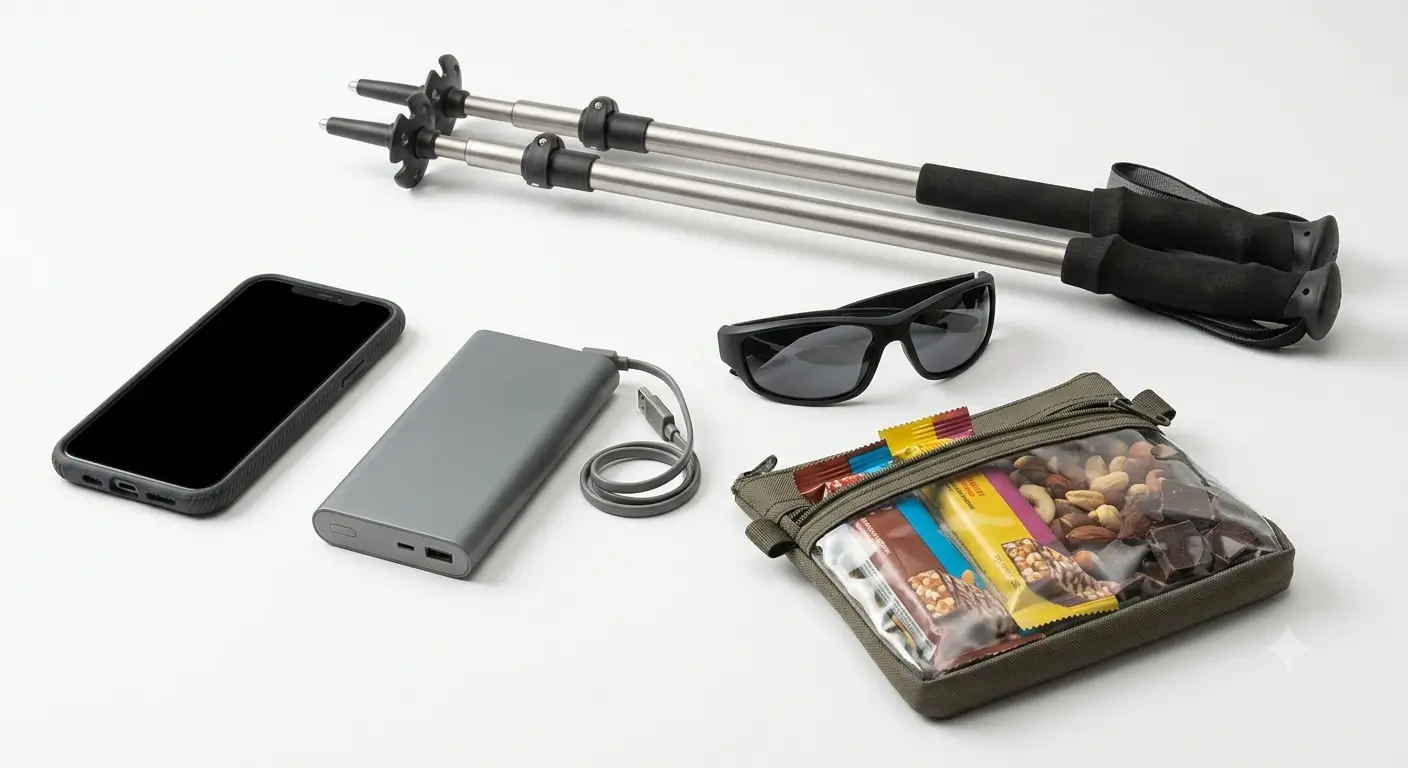
- Camera or smartphone with plenty of storage.
- Power bank (there’s limited charging on the trail).
- Trekking poles, which dramatically reduce strain on your knees during descents.
- Sunglasses with UV protection.
- Reusable snack bag for energy bars, nuts, and chocolate.
Expert Tips From Your Local Guides
Anyone can list gear. Here’s what only a local agency learns after guiding this route hundreds of times.
Spend 2–3 days acclimatizing in Cusco first. Cusco sits at 3,400 m. Arriving and trekking the next day is the fastest way to get altitude sickness. Give your body time to adjust.
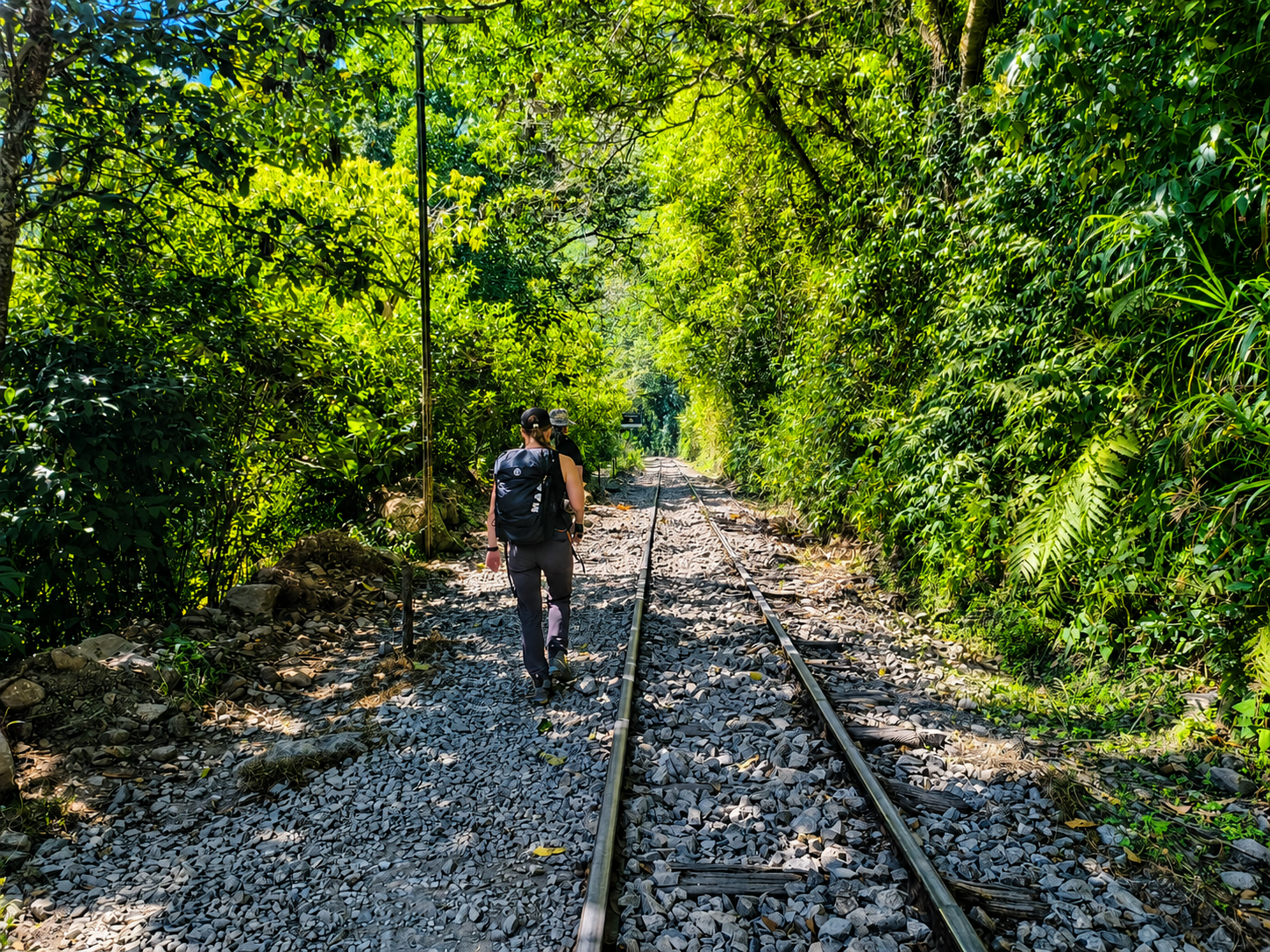
Pack for the pass, but plan for the jungle. Day 2 takes you over the freezing Salkantay Pass, but by Day 3 you’ll be in a warm, humid cloud forest. Keep your warm layers accessible and your rain gear even more so.
Keep your daypack under 6–7 kg. You carry this every step. Anything you won’t use during the hiking day goes in the duffel bag with the horses.
Bring small bills for tips and comforts. Hot showers, extra snacks, and cold drinks are available at some camps, but only cash is accepted. Tipping your guides, cooks, and horsemen is also customary.
Start early, always. Mornings are clearer, cooler for climbing, and you avoid afternoon rain. Your guide will set early departure times for good reason, trust the schedule.
Test everything before you fly. Break in your boots, try on your full Salkantay trail packing list with your loaded pack, and make sure nothing rubs or pinches. The trail is not the place to discover a problem.
What NOT to Bring
Overpacking is the most common mistake. Leave these behind:
- Cotton clothing (it stays wet and cold).
- Jeans or heavy fabrics.
- Brand-new, unworn boots.
- Excess toiletries or full-size bottles.
- Valuables and jewelry you don’t need on a trail.
Final Thoughts: Pack Smart, Trek Happy
A great trek starts long before you hit the trail, it starts with your backpack. This Salkantay trek packing list covers everything you need to stay warm, dry, and comfortable across every climate zone on the way to Machu Picchu.
Remember the essentials: layer smartly, break in your boots, acclimatize properly, and pack light. Get those right, and you’ll spend your energy soaking in the scenery instead of struggling with your gear. The same principles apply to any Machu Picchu trek packing list, so this guide will serve you well on future adventures too.
Ready to make it happen? At Ali Peru Treks, our expert local guides provide much of the essential trekking gear for Salkantay, from sleeping bags to trekking poles, and handle every logistical detail so you can focus on the journey.
Browse our Salkantay Trek packages or request a free quote today, and let’s get you to the top of the pass.