
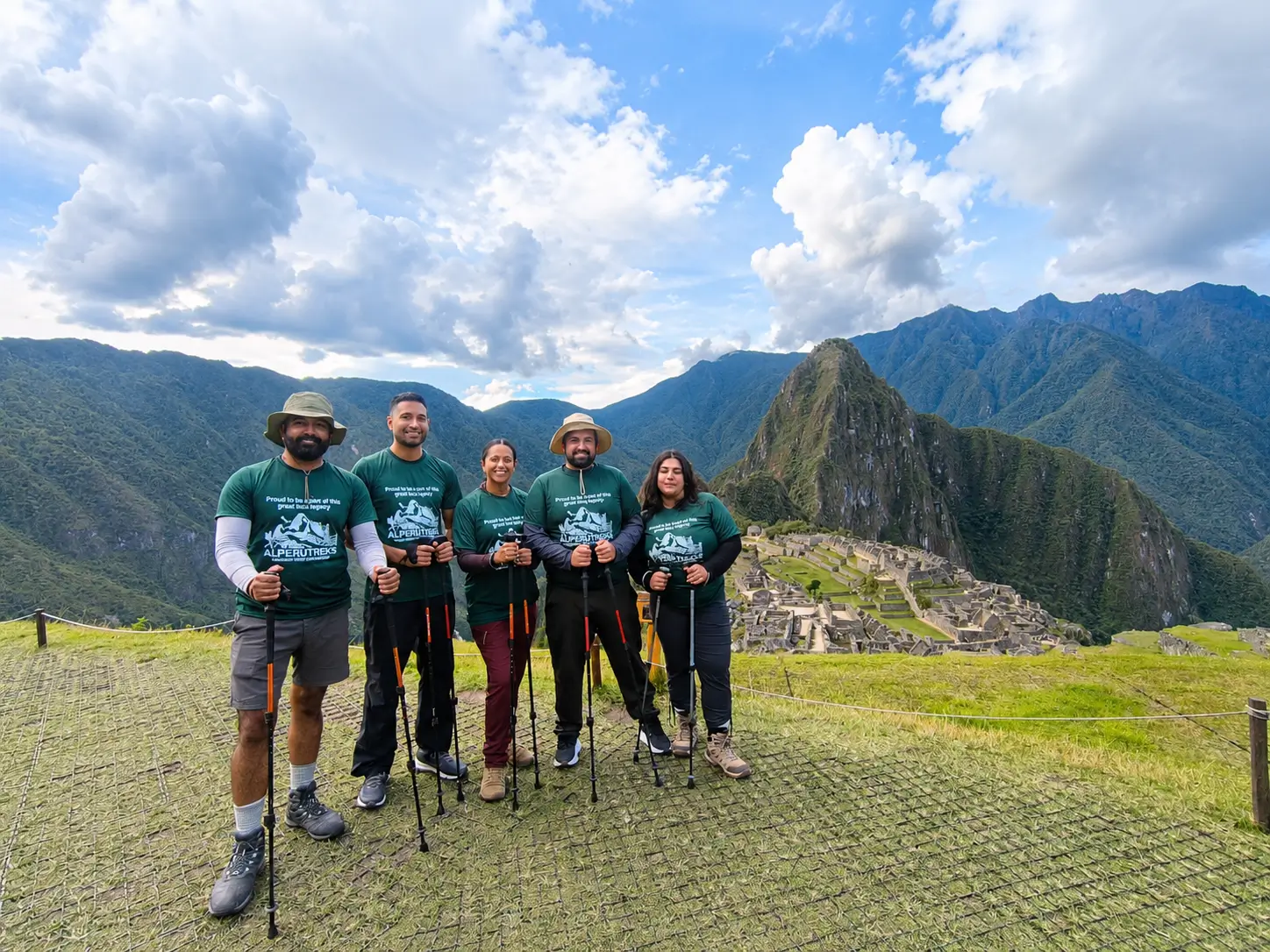
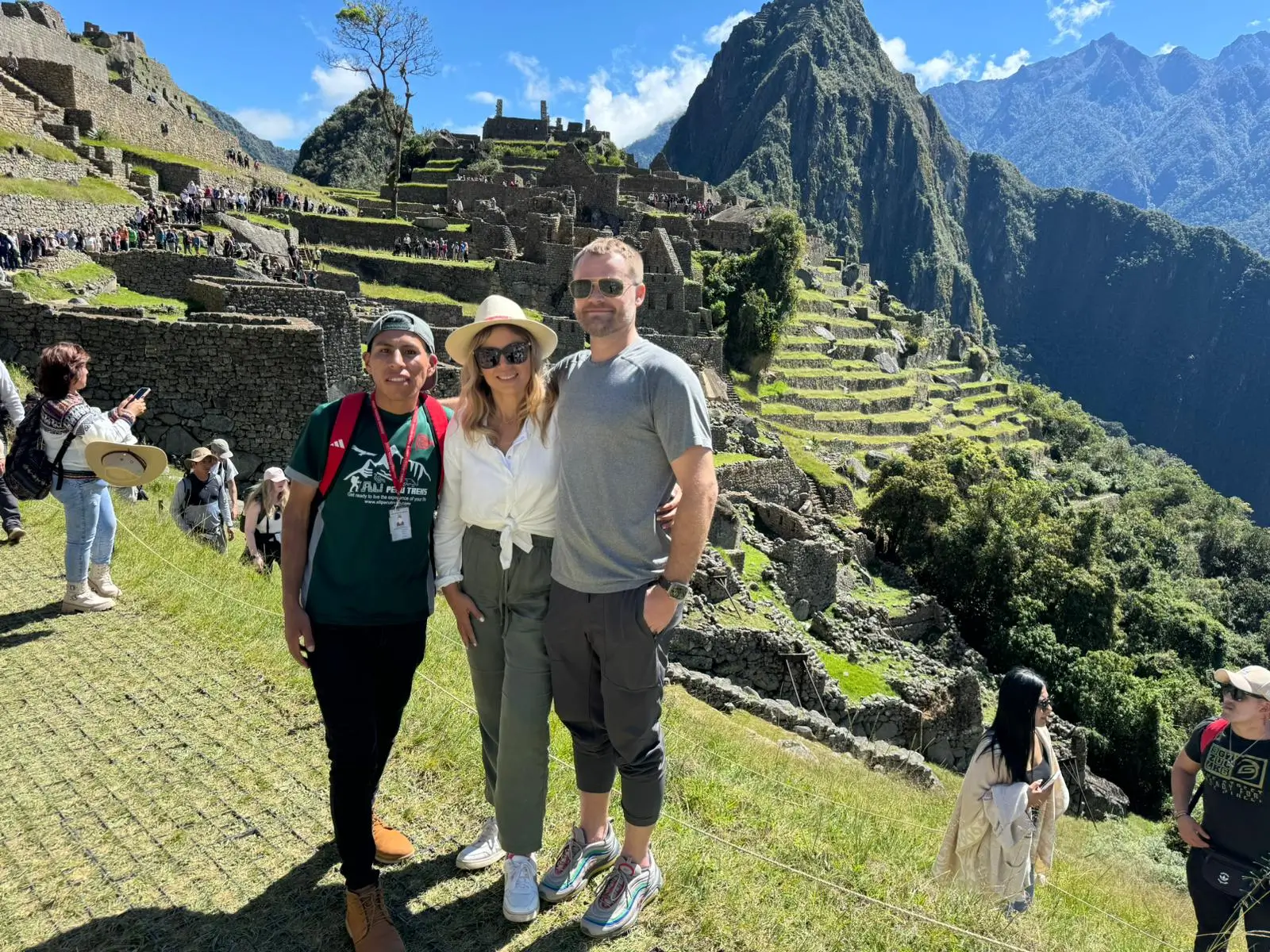
Why You Should Never Chase the Sunrise at Machu Picchu (And What to Do Instead)
Every travel blog tells you the same thing: wake up before dawn, queue in Aguas Calientes before the first bus, and sprint to the Guardian’s House to catch the iconic sunrise over the ancient Inca citadel. It sounds poetic. And on some mornings, it truly is. But if you’ve made the journey all the way to Cusco and the Sacred Valley, chasing that one postcardworthy moment might actually cost you the far richer experience waiting just beyond the crowds.
This is what seasoned travel photographers know — and rarely write about.
The Myth of the Machu Picchu Sunrise
Let’s set expectations straight before you set that 4 a.m. alarm.
Machu Picchu sits inside a cloud forest at roughly 2,430 meters above sea level, surrounded by jagged Andean peaks on every side. There is no clean horizon. The sun doesn’t appear as a dramatic golden orb cresting over a mountain ridge — it gradually brightens a sky that, most mornings, is wrapped in rolling mist and low cloud. On many days during the wet season (November through April), the citadel is completely obscured until mid-morning.
That doesn’t make an early entry useless. Far from it. But it does mean that building your entire trip around a specific optical event — one that is meteorologically unpredictable and architecturally complicated — is a gamble that many first-time visitors lose.
What the early morning does reliably offer is something subtler and arguably more powerful: near-silence, cool air, soft diffused light that wraps around the Inca stonework, and the rare luxury of standing in one of the world’s most visited sites without the crush of daytime crowds. That, not a particular angle of the sun, is the real reason to arrive at 6 a.m.
What Cusco Tells You Before You Even Get There
Cusco is not just a transit hub. It is a destination in its own right, and how you treat your time there will determine the quality of your entire trip.
The city sits at 3,400 meters — roughly 1,000 meters higher than Machu Picchu itself — and altitude sickness is real. Most travelers who rush straight from the airport to catch a train to Aguas Calientes end up spending their first hours at the ruins nursing a headache, nauseated, and unable to appreciate what they’re looking at. Giving yourself two or three days in Cusco before heading to Machu Picchu isn’t just a logistical courtesy. It’s how you ensure you’ll actually feel the place when you arrive.
Cusco rewards slow attention. The colonial architecture built directly over Inca foundations. The precision of the pre-Columbian stonework at Qorikancha, the Temple of the Sun. The Sacsayhuamán citadel at dusk, when tour groups thin out and the scale of the place becomes comprehensible. The Mercado de San Pedro in the morning, where locals shop for fresh produce, chicha, and coca leaves — none of it staged for tourists.
A photographer who spends two days wandering Cusco before heading south to the Sacred Valley returns to the ruins at Machu Picchu with a fundamentally different eye than one who arrives by overnight bus and immediately boards the first train.
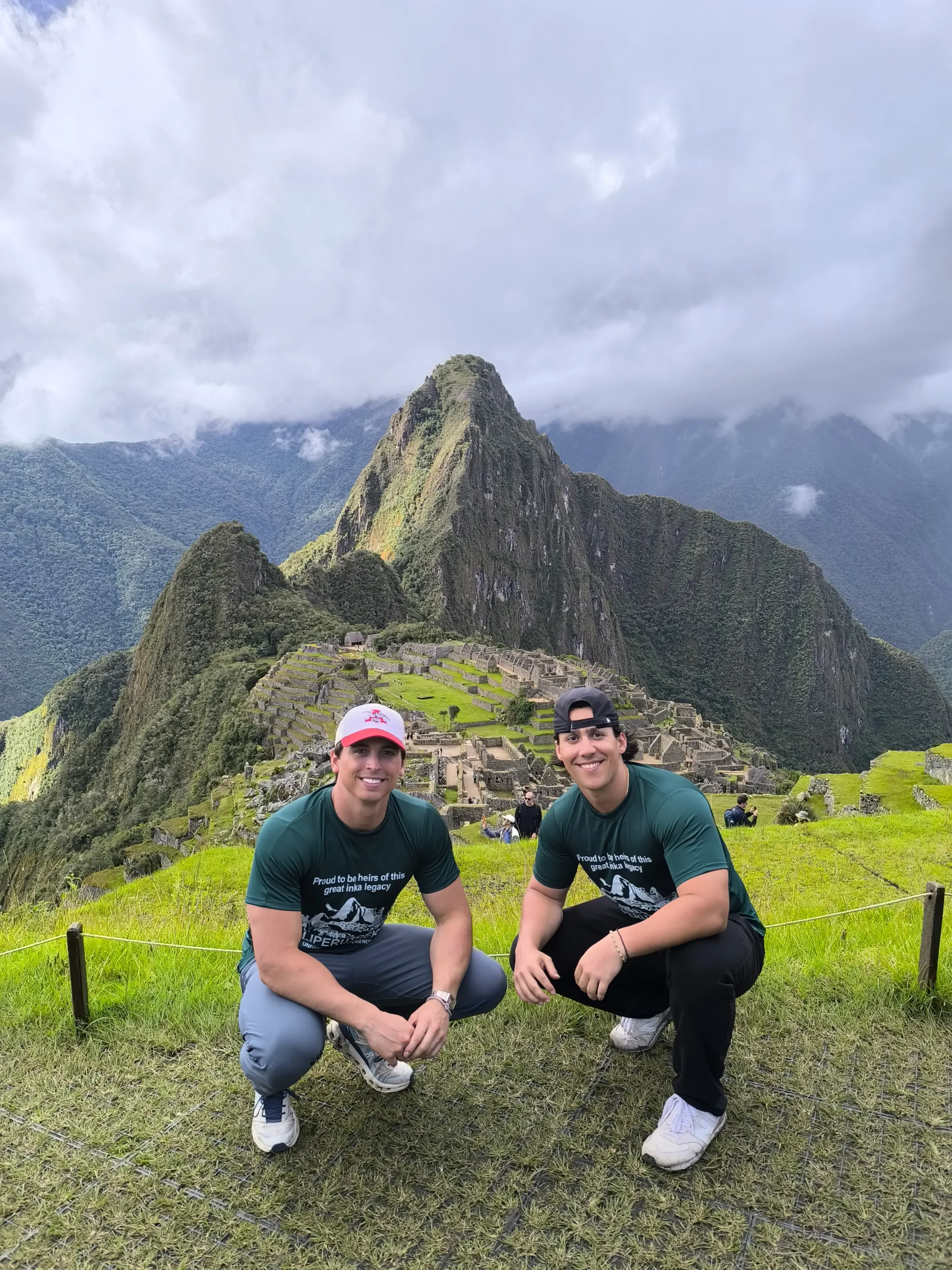
The Sacred Valley: Where the Real Journey Begins
Between Cusco and Aguas Calientes lies the Sacred Valley of the Incas — Ollantaytambo, Pisac, Chinchero, Moray — a corridor of archaeological sites and living Andean culture that most visitors treat as scenery glimpsed through a train window.
Ollantaytambo deserves at least half a day. The military and ceremonial terraces cut into the cliff face above the town are among the most photogenic in the entire region, and the town below is one of the few places in Peru where the original Inca urban grid — long narrow streets called callejones — is still intact and inhabited. Arrive in late afternoon when the sun angles low across the terraces and the stone glows amber.
Pisac market on Sundays is overrun; the ruins above the town on a Tuesday morning are not. The agricultural terraces here, in some ways more complete than those at Machu Picchu, spiral up the mountainside in a way that genuinely challenges your understanding of pre-Columbian engineering.
None of this is a detour from Machu Picchu. It is context for it.
Getting the Most Out of Machu Picchu: An Honest Photography Strategy
Book Tickets Months in Advance
Daily entry is capped. As of 2024, the limit stands at roughly 4,500 visitors per day across all time slots, and morning entries — particularly the 6 a.m. slot — sell out months ahead during peak season (May through September). Tickets are date- and time-specific, non-transferable, and non-refundable. If you arrive without a booking, you will not enter.
Book directly through the official Peruvian Ministry of Culture portal, or through a reputable Cusco-based operator. Do not rely on third-party resellers.
Understand the Circuits
Since 2019, Machu Picchu operates on defined one-way circuits. You cannot wander freely. This changes the photography strategy significantly.
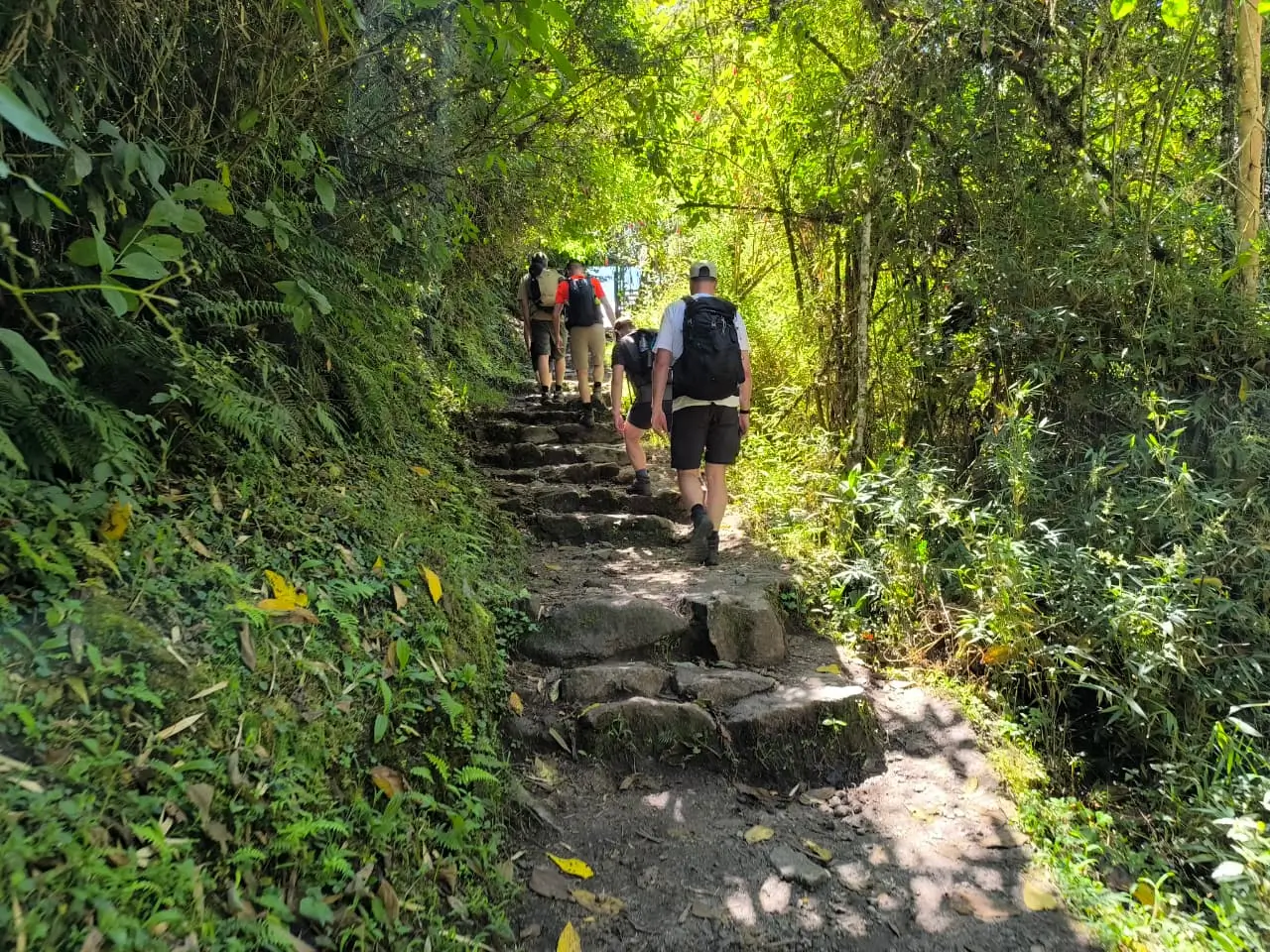
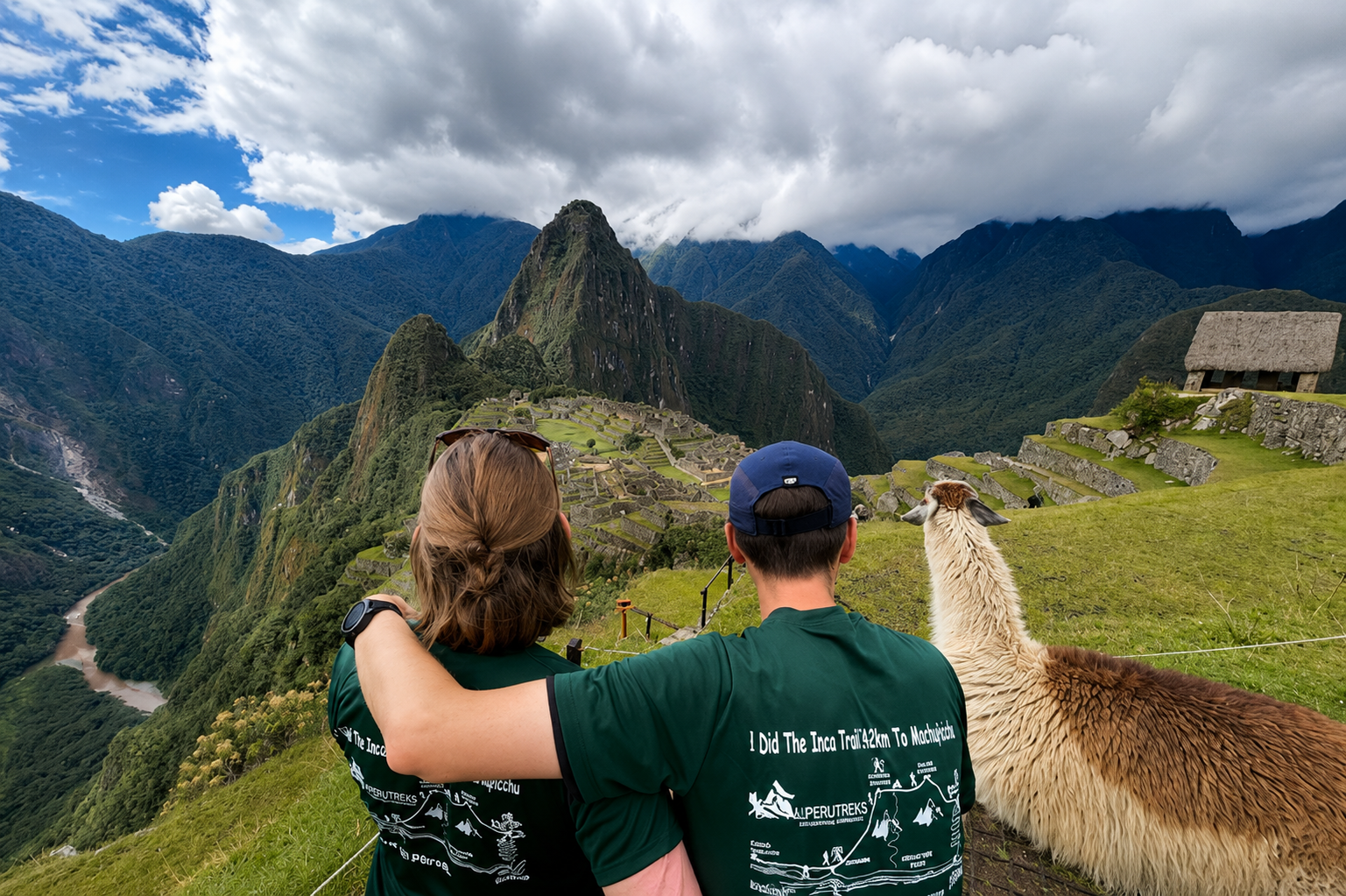
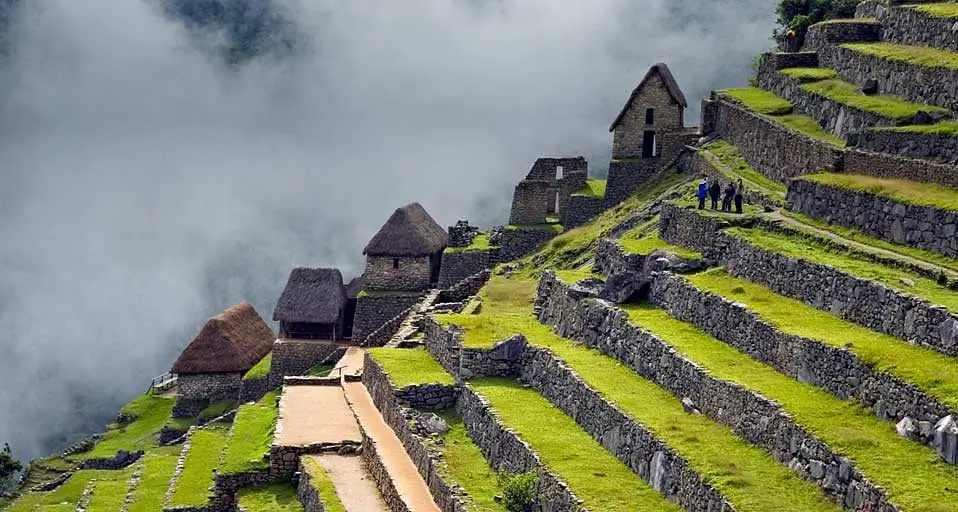
Circuit 1 takes you through the upper agricultural terraces and along the classic viewpoint near the Guardian’s House — the thatched-roof hut that appears in most aerial photographs of the citadel. This is the best circuit for the wide panoramic shot with Huayna Picchu in the background. It also includes the path toward the Sun Gate (Inti Punku), a 45-minute uphill walk that rewards with an elevated view of the entire citadel. At 6 a.m., in good weather, the light from the Sun Gate reaches the ruins before it reaches the main entrance area.
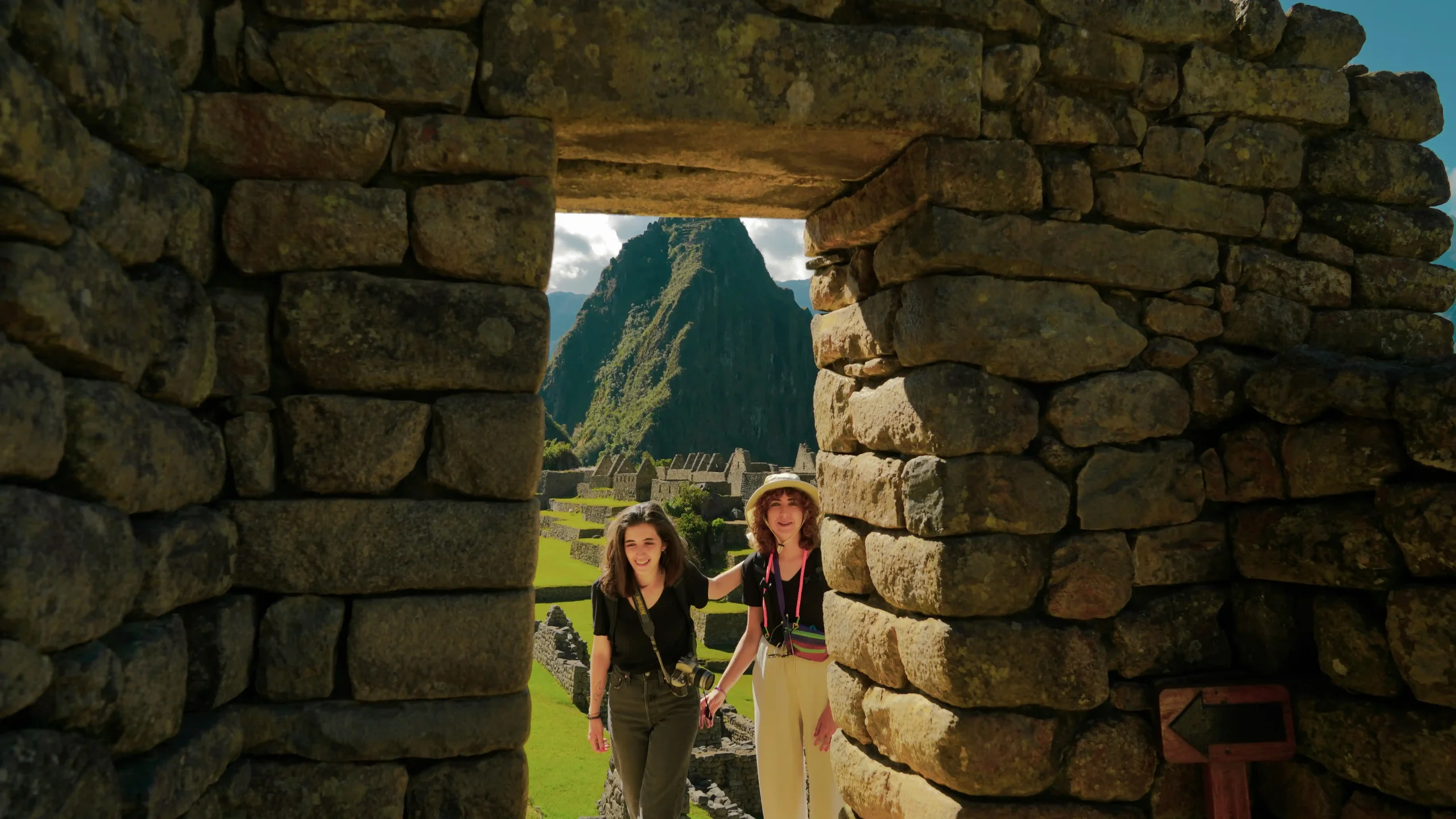
Circuit 2 provides a more intimate ground-level experience: the Temple of the Sun, the Royal Tomb, the Temple of the Three Windows. This is where the architectural detail work happens — the dry-stone masonry so precise that no mortar was ever used, the trapezoidal doorways, the alignment of windows with celestial events.
Many photographers book two separate entries on consecutive days — one on Circuit 1 for the wide landscape shots, one on Circuit 2 for the detail and architectural work. If your schedule allows it, this is the most comprehensive approach.
The Best Light Is Not Always at Sunrise
Here is something worth considering: the hours between 3 p.m. and 5 p.m., as the afternoon light moves across the ruins from the west, produce warm amber tones that many photographers consider superior to the cold, misty light of early morning. Late afternoon also means fewer visitors on the paths, softer shadows that reveal stone texture, and a schedule that allows you to travel from Cusco on the same day without an overnight stay in Aguas Calientes.
The trade-off is that some upper sections may close earlier in the afternoon, and Andean afternoons during the wet season bring rain reliably after 2 p.m. In the dry season, the afternoon window is more reliable.
What the Wet Season Offers That Nothing Else Does
The photographs that make magazine covers — Machu Picchu wrapped in emerald mist, the ruins barely visible through rising cloud — are almost universally taken between December and March. The wet season is not the enemy of photography. It is the source of the site’s most dramatic and singular images.
Rain falls, but rarely for the entire day. Mornings tend to clear by mid-morning. Afternoon showers arrive and pass. The landscape is saturated green rather than the dusty ochre of the dry season. If your primary goal is images that don’t look like everyone else’s images, consider traveling in January or February — accepting that you will get wet, accepting that some days will be completely overcast, and accepting that on other days, you will see something no amount of careful planning during peak season can buy.
The Details That Most Visitors Miss
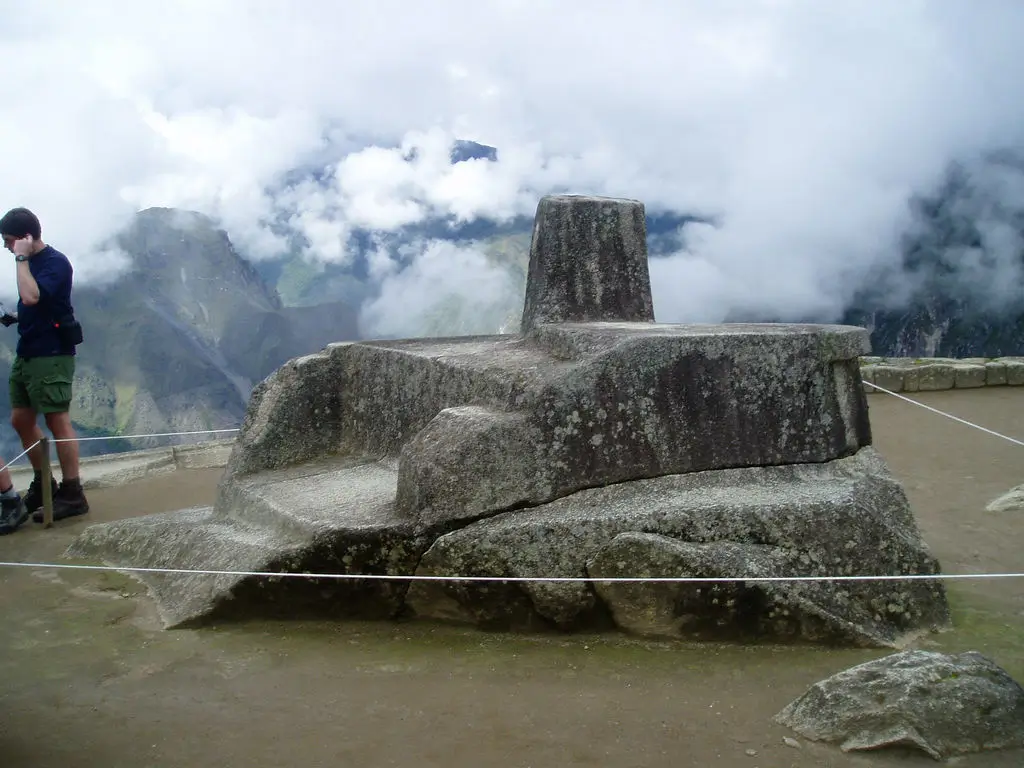
The Intihuatana Stone — the carved granite post at the highest point of the ceremonial district — is not just a visual curiosity. Archaeologists believe it functioned as an astronomical calendar, its four corners aligned with the solstices. Touching it is prohibited; viewing it from the correct angle, with the Andes framing it from behind, requires patience and timing. Most tour groups pass through in under three minutes.
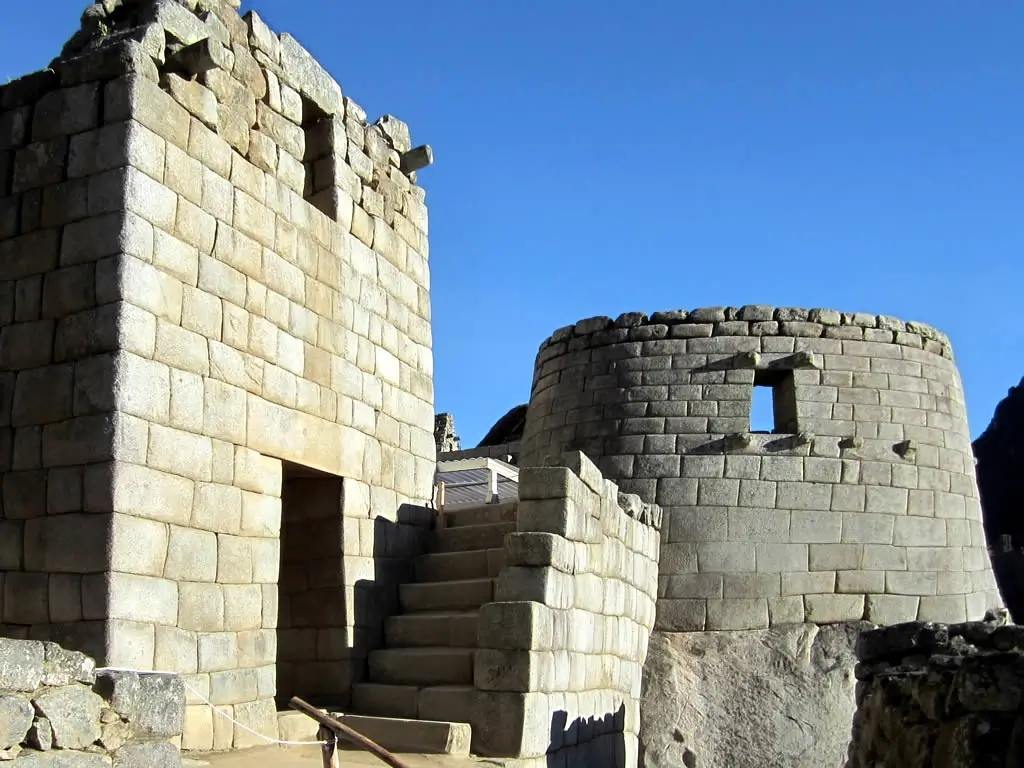
The Temple of the Sun, a semi-circular tower built over a natural granite outcrop, was used for ceremonies tied to the June solstice. On the solstice, light passes directly through one of its windows and illuminates a specific stone below. You won’t witness that unless you’re there on June 21 — but understanding it changes how you look at the structure.
The terraces themselves are not decorative. They represent one of the most sophisticated agricultural engineering systems in the ancient world, designed to prevent soil erosion on steep mountain slopes, regulate temperature across microclimates, and support crop diversity at high altitude. The ones you photograph as backdrop were once productive farmland supplying the citadel.
Practical Notes for the Visit
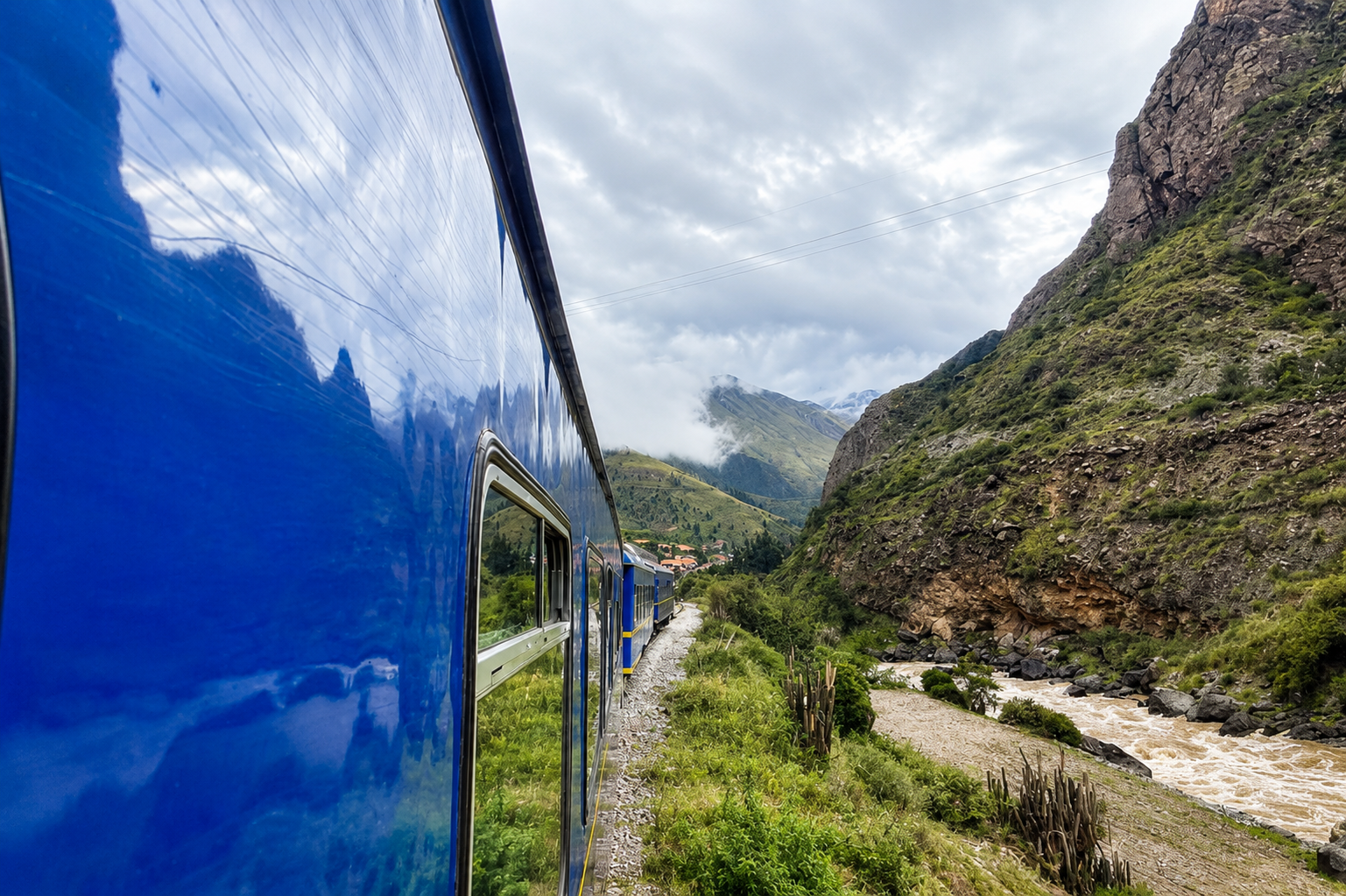
Getting there: Train from Cusco (Poroy station) or Ollantaytambo to Aguas Calientes takes between 1.5 and 3.5 hours depending on your departure point. Peru Rail and Inca Rail are the two operators. The journey through the Urubamba gorge is genuinely spectacular and worth booking a window seat. From Aguas Calientes, buses to the ruins depart from 5:30 a.m. and run every 20 minutes. The ride takes 25–30 minutes.
Altitude: At 2,430 meters, Machu Picchu is lower than Cusco, so most visitors feel better at the ruins than in the city. Still, drink plenty of water, avoid alcohol the night before, and do not attempt Huayna Picchu or Machu Picchu Mountain if you are not yet acclimatized.
Camera gear: Tripods were historically permitted during early morning; regulations have changed and enforcement varies. Check current rules before packing. A wide-angle lens (16–35mm equivalent) handles the landscape; a 50mm or short telephoto renders the stonework detail. Extra batteries are essential — cold air drains them fast.
What to bring: Layers, waterproof jacket, sunscreen, small backpack (large bags are not permitted inside), and your printed or digital ticket with the QR code clearly visible.
A Final Thought on Expectations
Machu Picchu can disappoint, and understanding why helps avoid it.
It disappoints when visitors have spent two weeks building toward a single image — the one they’ve seen on Instagram a hundred times — and then find the path crowded, the morning cloudy, and the experience feeling strangely managed and controlled. It rewards when visitors arrive having already spent time in Cusco and the Sacred Valley, having already developed some sense of what the Inca world was, and having already let go of the idea that any single photograph can capture what it means to stand on a mountain ridge surrounded by cloud forest, looking at something built with remarkable intelligence six centuries ago.
The sunrise is worth attempting. The mist, if it comes, is worth staying for. But neither is the point.
The point is the stones.