
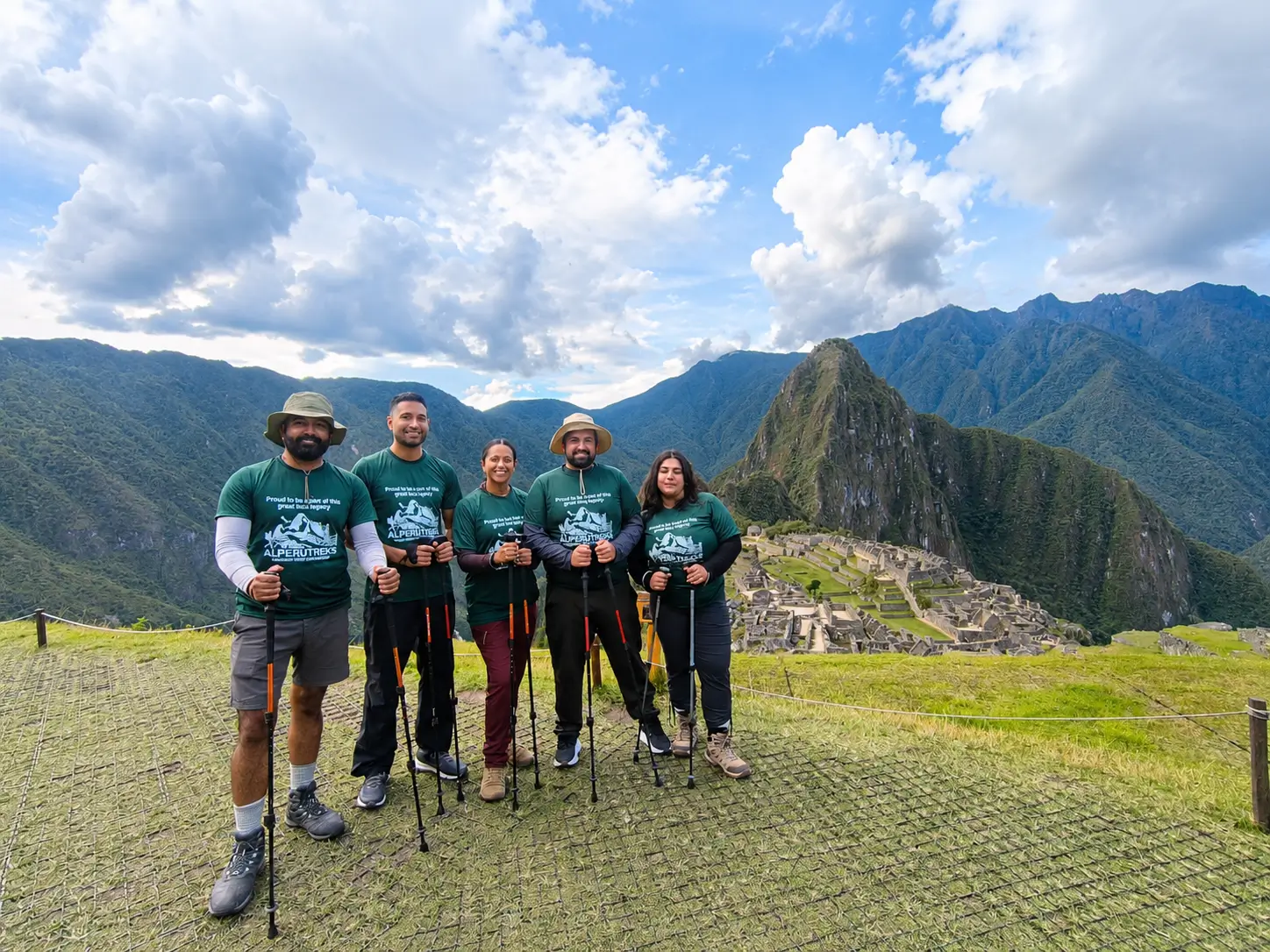
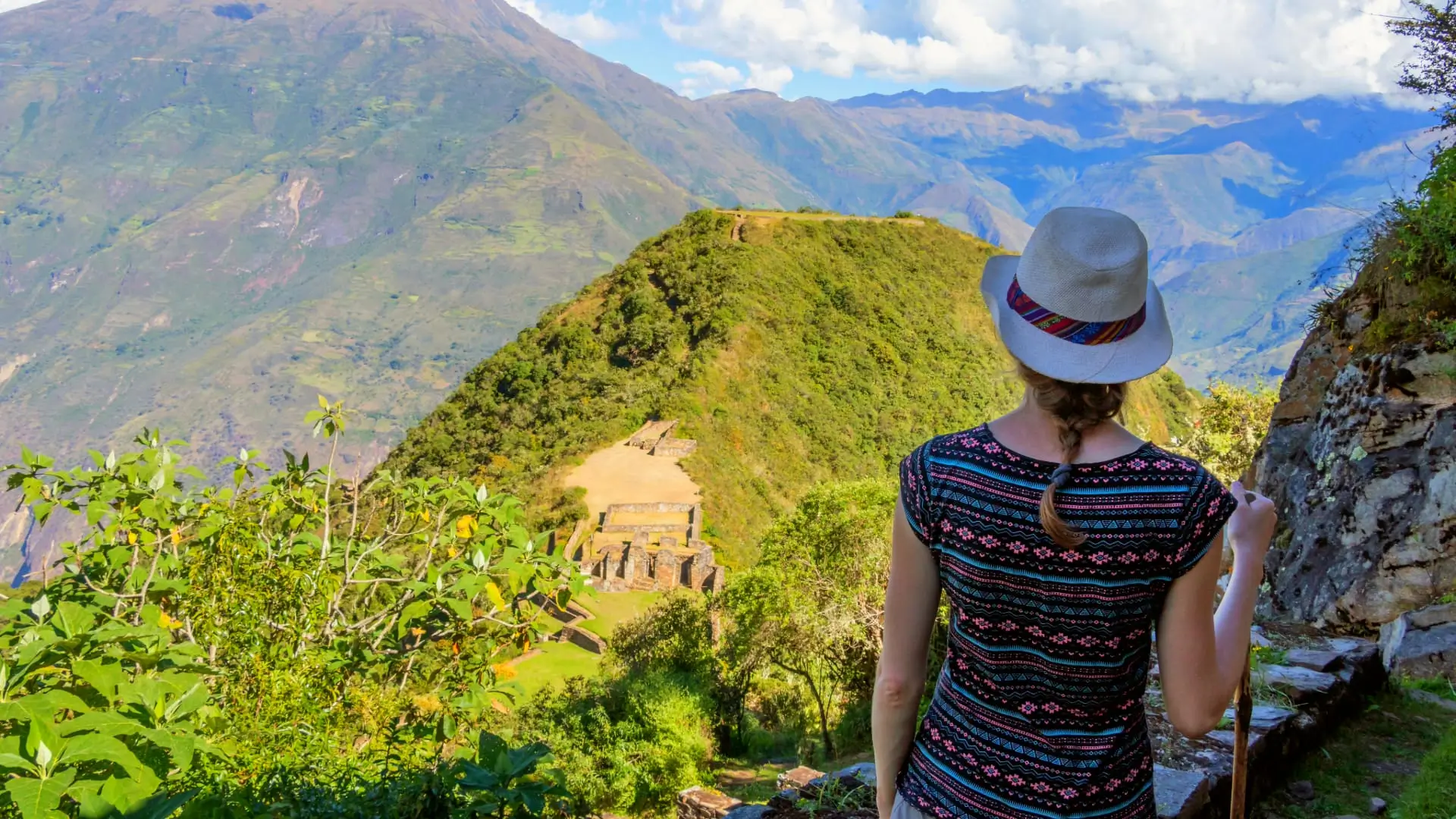
If you’re searching for an authentic Inca adventure far from the crowds, the choquequirao trek should be at the top of your Peru bucket list. Known as the “sister city” of Machu Picchu, Choquequirao offers the same breathtaking stone architecture, jungle-covered ruins, and Andean mystery — but without the tourist masses.
For travelers seeking a genuine off-the-beaten-path experience, this choquequirao trek peru adventure delivers raw nature, dramatic canyon views, and a true sense of discovery. In this guide, we’ll cover everything you need to know: difficulty, altitude, costs, best time to go, and expert insider tips.
What Is Choquequirao?
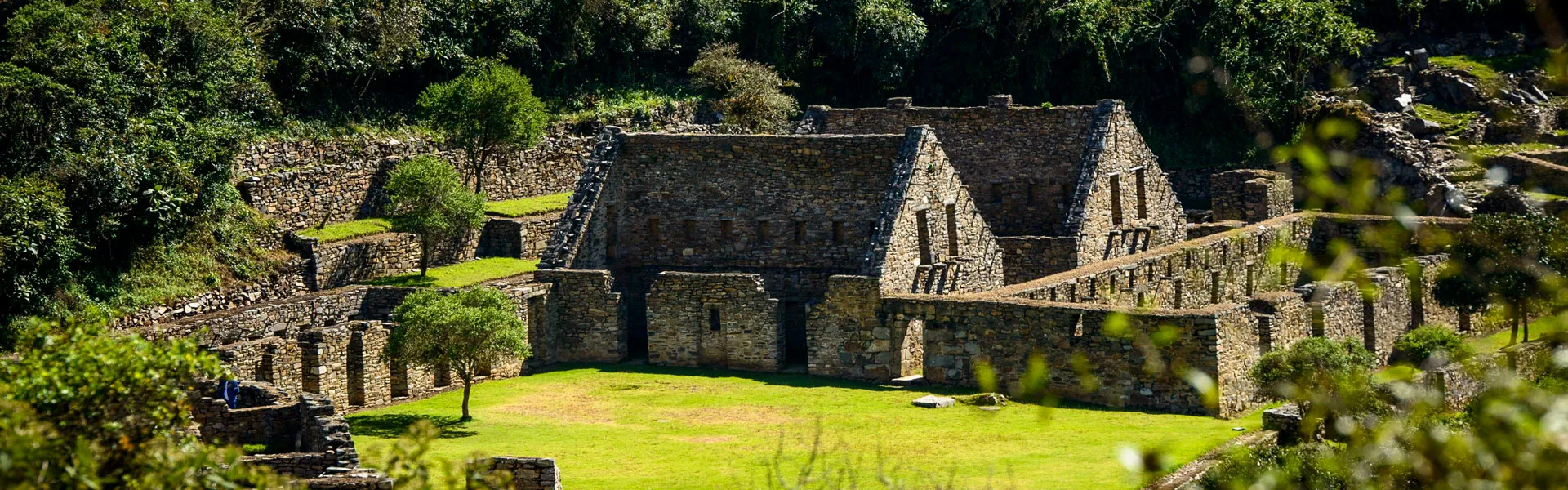
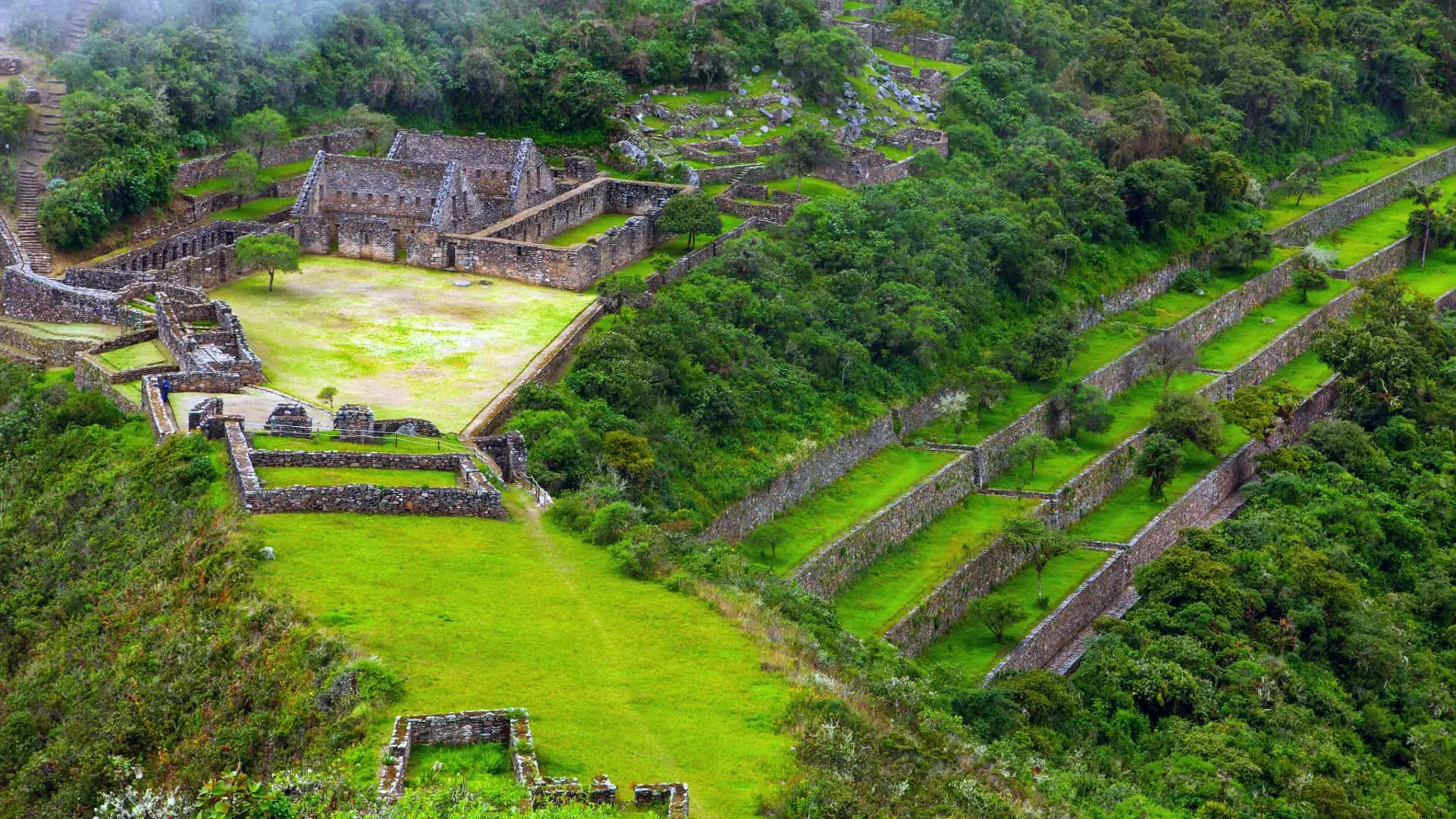
Choquequirao (“Cradle of Gold” in Quechua) is a massive Inca archaeological complex perched at 3,050 meters (10,010 feet) above sea level, overlooking the dramatic Apurímac Canyon. Archaeologists estimate that only about 30-40% of the site has been excavated, meaning much of it remains hidden under jungle vegetation.
Unlike Machu Picchu, which receives thousands of visitors daily, Choquequirao sees only a handful of trekkers per day — making this choquequirao ruins hike one of the most exclusive ancient sites you can visit in South America.
Choquequirao Trek Difficulty: Is It Right for You?
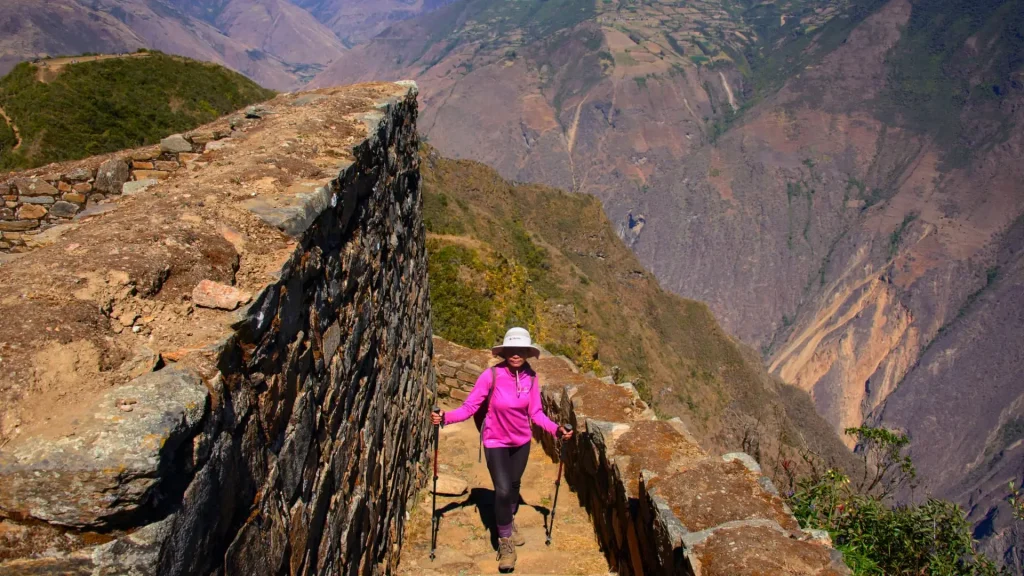
Let’s be honest: this is a challenging trek. The choquequirao trek difficulty is often rated as moderate to strenuous, mainly due to the dramatic elevation changes rather than extreme altitude.
Key physical demands:
- Steep descents and ascents of over 1,500 meters (5,000 feet) in a single day
- Trail conditions range from well-maintained paths to rocky, exposed sections
- Hot, humid conditions in the canyon bottom contrasted with cold nights at camp
Who should attempt this trek?
This hike is best suited for travelers with good physical fitness and prior hiking experience. If you’ve done multi-day treks before (even at lower altitudes), you’ll be well-prepared.

Choquequirao Altitude: What to Expect
Understanding choquequirao altitude changes is crucial for planning your trip:
- Starting point (Cachora): approximately 2,875 m (9,432 ft)
- Lowest point (Apurímac River): approximately 1,550 m (5,085 ft)
- Choquequirao ruins: approximately 3,050 m (10,010 ft)
- Highest campsite (depending on route): up to 3,200 m (10,500 ft)
Unlike the Salkantay or Inca Trail routes, Choquequirao doesn’t push you above 4,000 meters, so altitude sickness risk is generally lower — but the constant elevation gain and loss is physically demanding regardless.
Choquequirao Trek 4 Days vs 5 Days: Which Should You Choose?
Choquequirao Trek 4 Days (Out-and-Back)
This is the classic, most popular itinerary, ideal for travelers with limited time.
Sample itinerary:
- Day 1: Cachora → Descend to Apurímac River → Ascend to Marampata (camp)
- Day 2: Marampata → Explore Choquequirao ruins → Return to camp
- Day 3: Marampata → Descend and re-cross river → Ascend to Chiquisca (camp)
- Day 4: Chiquisca → Return to Cachora → Transfer to Cusco
This choquequirao trek 4 days option is perfect if you want to experience the ruins without dedicating an entire week to the trail.
Choquequirao Trek 5 Days (Extended Route)
The choquequirao trek 5 days version adds an extra exploration day, giving you more time to wander through the lesser-visited sectors of the complex, including the famous llama-shaped terraces (a unique feature not found at any other Inca site).
This extra day is especially valuable for photographers, history enthusiasts, or anyone wanting a slower-paced, more immersive experience.
Choquequirao Trek to Machu Picchu: The Ultimate Combo
For adventurers seeking the trip of a lifetime, the choquequirao trek to Machu Picchu combines two legendary sites in one epic journey.
This extended route (typically 7-9 days) connects Choquequirao with Machu Picchu via remote Andean villages, high mountain passes, and the hot springs town of Santa Teresa. It’s considered one of the most spectacular multi-day treks in all of South America — combining canyon landscapes, glacier views, cloud forest, and two of Peru’s most important archaeological sites.
Choquequirao vs Machu Picchu: How Do They Compare?
Many travelers ask: choquequirao vs Machu Picchu — which is better?
| Feature | Choquequirao | Machu Picchu |
|---|---|---|
| Crowds | Very few visitors (5-30 per day) | Thousands per day |
| Access | Multi-day trek only | Train or short hike |
| Excavation | Partially excavated (30-40%) | Fully excavated |
| Experience | Wild, remote, adventurous | Iconic, polished, accessible |
| Permits | Not required | Required, limited entries |
The honest answer: they’re not competitors — they’re complements. Many travelers choose to do both, since the contrast between Choquequirao’s untouched wilderness and Machu Picchu’s grandeur creates a complete picture of Inca civilization.
Best Time to Hike Choquequirao
Timing your trip correctly makes a huge difference in comfort and safety.
Dry season (May to September): This is the best time to hike Choquequirao. Expect:
- Clear skies and excellent mountain views
- Cooler nights (can drop near freezing at higher camps)
- Hot days in the canyon (up to 30°C / 86°F)
Shoulder season (April, October): Good weather with fewer trekkers — a great balance.
Wet season (November to March): Trails can become muddy and slippery, with increased landslide risk in the canyon sections. Generally not recommended for this route.
Choquequirao Trek Cost: What to Budget
The choquequirao trek cost varies depending on group size, trek length, and service level (basic camping vs. fully guided with mules and cooks).
General price ranges (per person):
- 4-day guided trek: Typically ranges from $350 to $600 USD
- 5-day guided trek: Typically ranges from $450 to $750 USD
- Choquequirao to Machu Picchu (7-9 days): Typically ranges from $900 to $1,500+ USD
What’s usually included:
- Professional bilingual guide
- Mules/horses for equipment
- Cook and meals (breakfast, lunch, dinner)
- Camping equipment (tents, sleeping pads)
- Transportation to/from Cachora
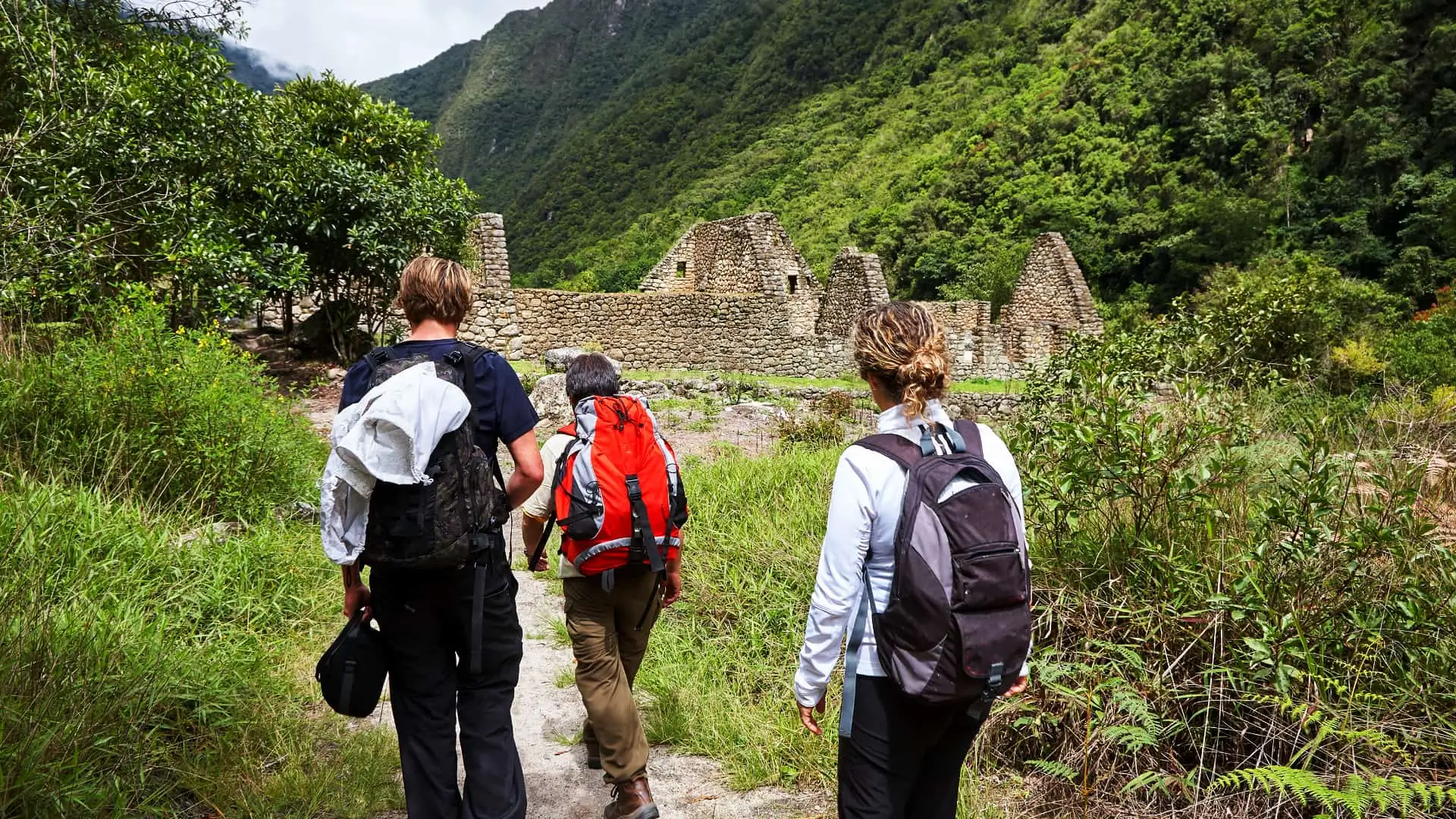
A choquequirao guided tour is strongly recommended over independent trekking — trail navigation can be confusing, and having local support for emergencies is invaluable in such a remote area.
What to Pack: Essential Gear
- Layered clothing (temperatures swing from 30°C to near 0°C in a single day)
- Sturdy broken-in hiking boots
- Trekking poles (crucial for steep descents)
- Sun protection: hat, sunscreen (SPF 50+), sunglasses
- Headlamp with extra batteries
- Reusable water bottle + water purification tablets
- Rain jacket (even in dry season, afternoon showers happen)
- Cash in Peruvian soles (no ATMs along the route)
Expert Tips: Insider Advice from a Local Agency
- Start early. Begin hiking before sunrise to avoid the brutal midday heat in the canyon, especially on the river-crossing days.
- Train your knees, not just your lungs. The steep, prolonged descents are often harder on the body than the ascents — incorporate downhill training before your trip.
- Acclimatize in Cusco first. Spend at least 2 full days in Cusco (3,400 m) before starting the trek to adjust to elevation.
- Bring small bills. Local families along the route sell snacks, drinks, and fruit — having cash in small denominations helps.
- Pack electrolyte tablets. Combined with heat and exertion, dehydration is one of the most common issues on this trek.
- Choose a small group. Smaller groups (4-8 people) move faster, generate less environmental impact, and offer a more personal guide experience.
Choquequirao Trek Itinerary: Sample Day-by-Day Breakdown
A typical choquequirao trek itinerary (6-day version) looks like this:
- Day 1: Cusco → Capuliyoc → Chikiska
- Day 2: Chikiska → Santa Rosa → Marampata
- Day 3: Marampata → Choquequirao → Marampata
- Day 4: Marampata → La Playa → Coca Masana
- Day 4: Coca Masana → Capuliyoc → Aguas Calientes
- Day 4: Machu Picchu → Return To Cusco
Choquequirao: An Alternative Inca Trail Worth Considering
If the classic Inca Trail permits are sold out, or you simply want something different, Choquequirao stands as one of the best alternative Inca trail options in Peru. It offers comparable historical significance, dramatic scenery, and a genuine sense of adventure — without needing to book permits months in advance.
Final Thoughts: Is the Choquequirao Trek Worth It?
The choquequirao trek is one of the most rewarding hiking experiences in Peru for travelers who crave authenticity, solitude, and a true connection with Inca history. While physically demanding, the payoff — standing among ancient ruins with almost no one else around — is unforgettable.
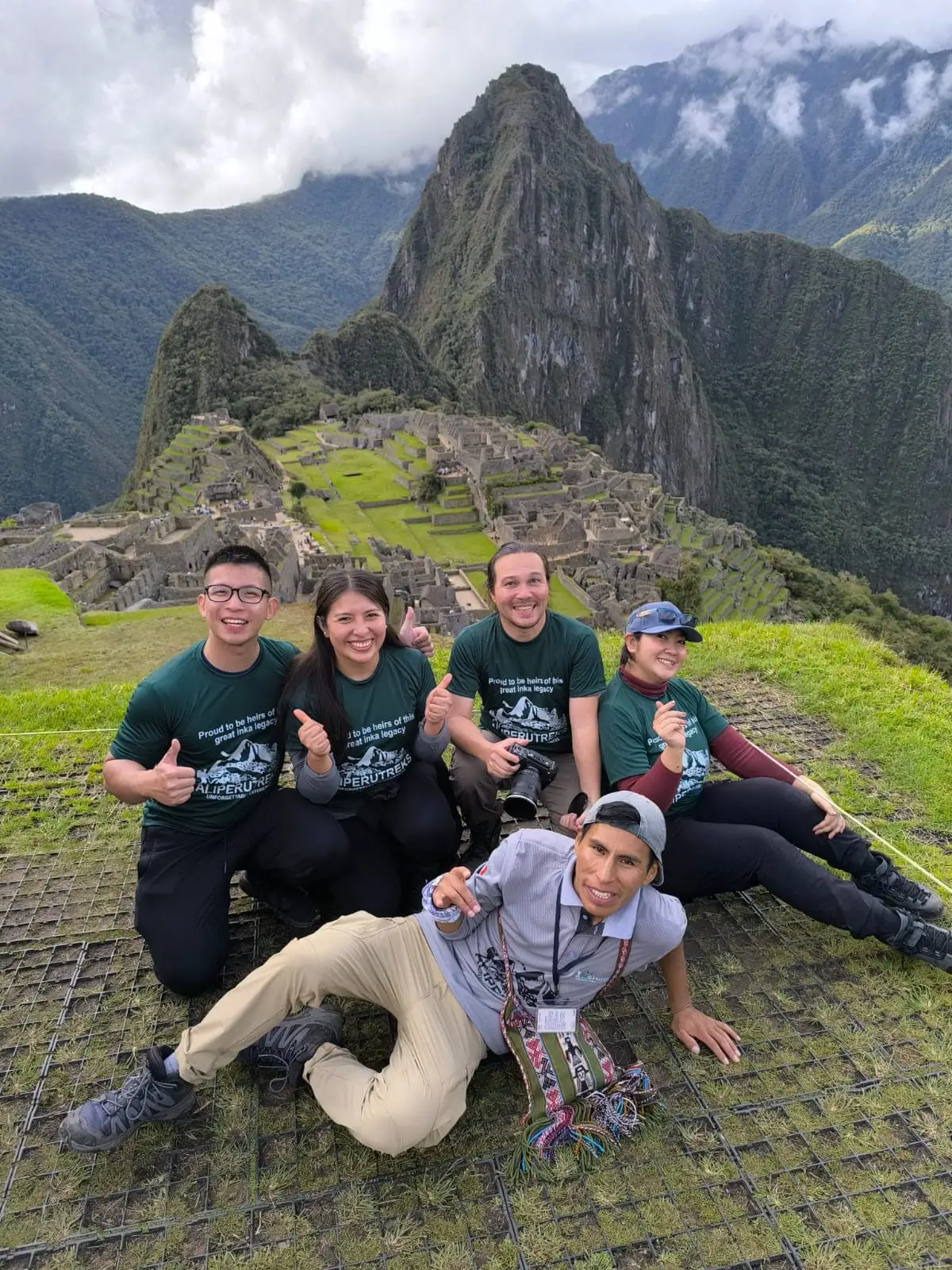
Ready to start planning your adventure? Contact Ali Peru Treks today to get a personalized quote and explore our Choquequirao trek packages, designed by local experts who know this trail inside and out.