If you’ve been dreaming of hiking to Machu Picchu the legendary way — through misty cloud forests, ancient Incan ruins, and breathtaking mountain passes — then you’ve probably already Googled: how hard is the Inca Trail? The honest answer: it’s challenging, but absolutely achievable. Thousands of travelers from the United States complete it every year, many of them with little to no prior trekking experience. The key is knowing exactly what to expect and preparing the right way.
This complete guide breaks down Inca Trail difficulty by day, covers everything from altitude to terrain, and gives you the insider knowledge you need to not just survive the trek — but truly enjoy it.
Contents
- 1 What Is the 4-Day Inca Trail? A Quick Overview
- 2 Inca Trail Difficulty: Day-by-Day Breakdown
- 3 Inca Trail Fitness Requirements: What Shape Do You Need to Be In?
- 4 Altitude: The Hidden Inca Trail Challenge
- 5 Expert Tips from Ali Peru Treks: What Only a Local Guide Knows
- 6 Best Time to Hike the Inca Trail
- 7 What to Pack: Inca Trail Essentials
- 8 Is the Inca Trail Worth It?
- 9 Ready to Take on the Inca Trail?
What Is the 4-Day Inca Trail? A Quick Overview
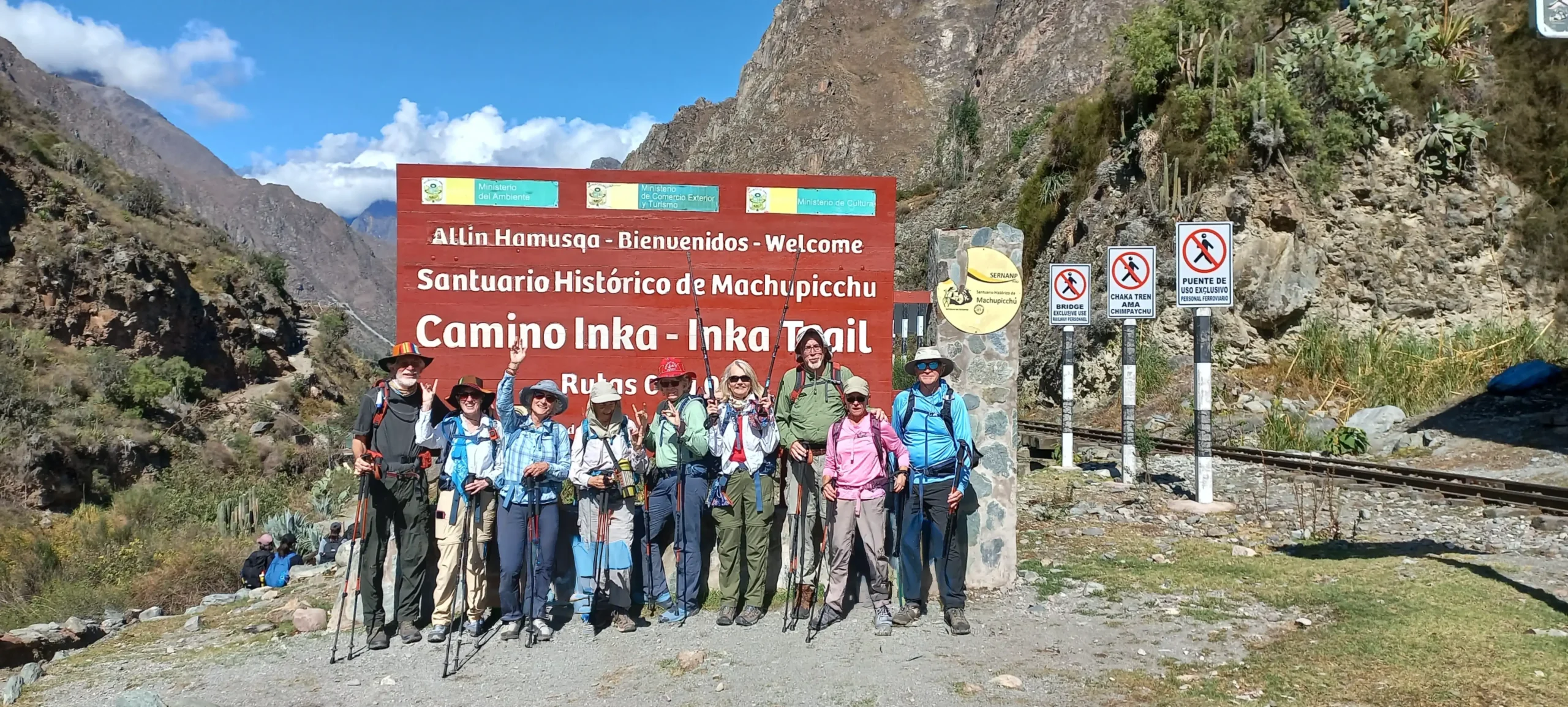
The Classic Inca Trail is a 26-mile (42 km) trek through the Peruvian Andes that ends with a sunrise entrance into Machu Picchu through the iconic Sun Gate (Inti Punku). It runs through UNESCO World Heritage land and is one of the most sought-after hikes in the world.
- Starting point: Km 82 (Piscacucho), near Ollantaytambo in the Sacred Valley
- Ending point: Machu Picchu, the Lost City of the Incas
- Total distance: 26 miles (42 km)
- Elevation range: 8,924 ft (2,720 m) to 13,780 ft (4,200 m)
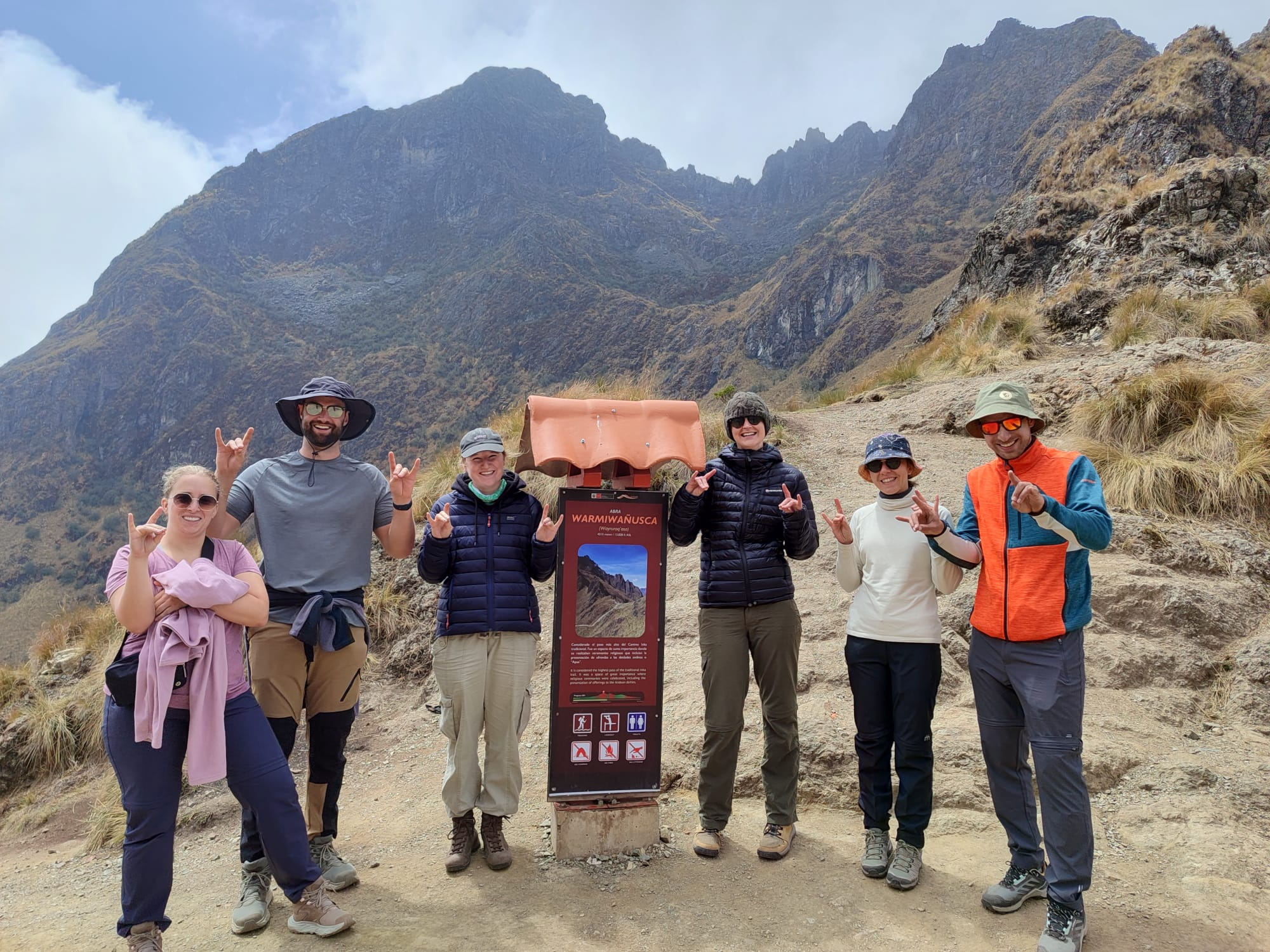
- Highest point: Dead Woman’s Pass (Warmiwañusca) at 13,780 ft (4,200 m)
- Permits: Limited to 500 people per day — they sell out months in advance
Inca Trail Difficulty: Day-by-Day Breakdown
Understanding the Inca Trail challenge means looking at it day by day. Each day has a very different character.
Day 1 — Warm-Up Day (Easy to Moderate)
Distance: 7.5 miles (12 km) | Max elevation: 9,842 ft (3,000 m)
Day 1 is your warm-up. You’ll walk through farming communities, cross the Urubamba River, and explore your first Incan ruins at Llactapata. The trail is mostly flat to gently rolling, and the scenery shifts from Andean grasslands to lush vegetation.
Most hikers find Day 1 enjoyable and manageable — a great chance to settle into the rhythm of the trail and bond with your group.
Note for Americans: The starting elevation (8,924 ft) is already higher than Denver, Colorado. If you’re arriving directly from sea level, you’ll feel the altitude here.
Day 2 — The Hardest Day (Strenuous)
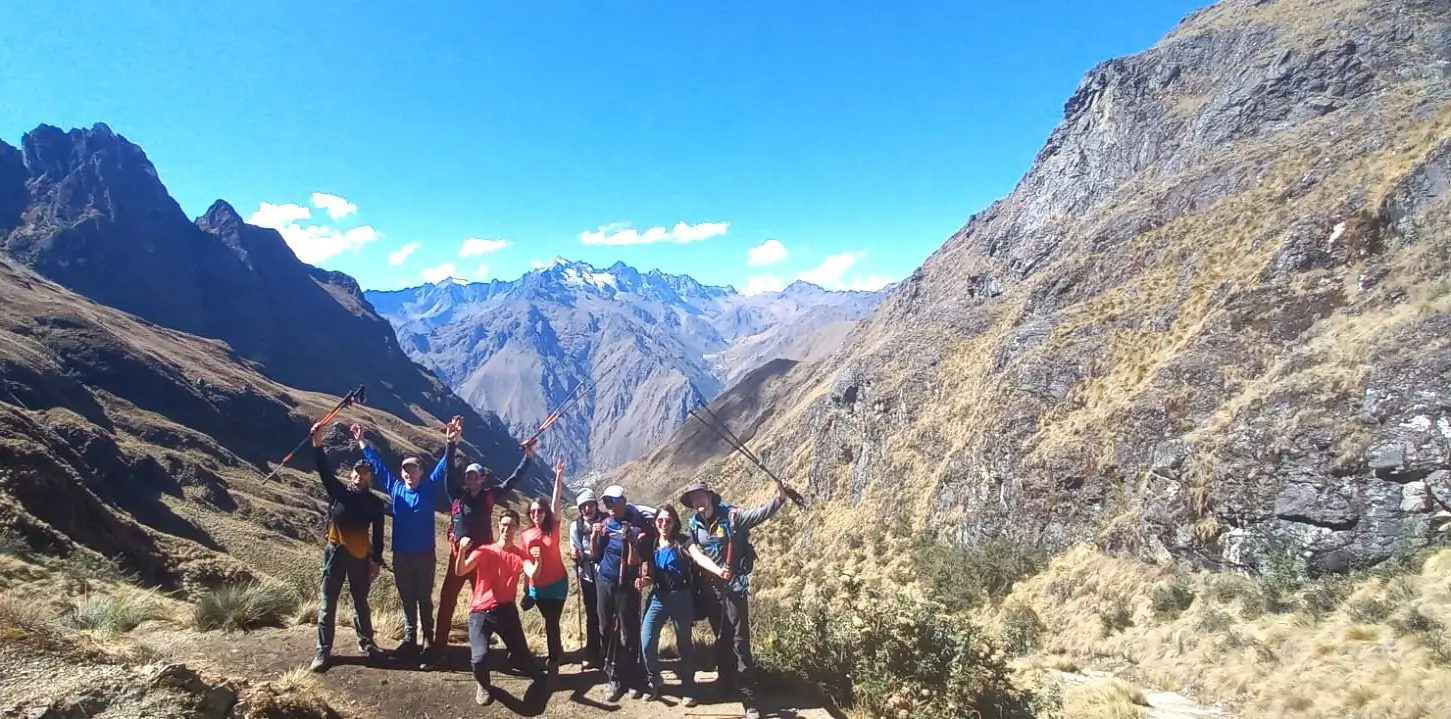
Distance: 9 miles (15 km) | Max elevation: 13,780 ft (4,200 m) at Dead Woman’s Pass
This is it. Day 2 is the most physically demanding day of the entire trek and the main reason the Inca Trail gets its reputation for difficulty. You’ll climb roughly 3,900 ft (1,200 m) in the first half of the day to reach Dead Woman’s Pass — the highest point on the trail.
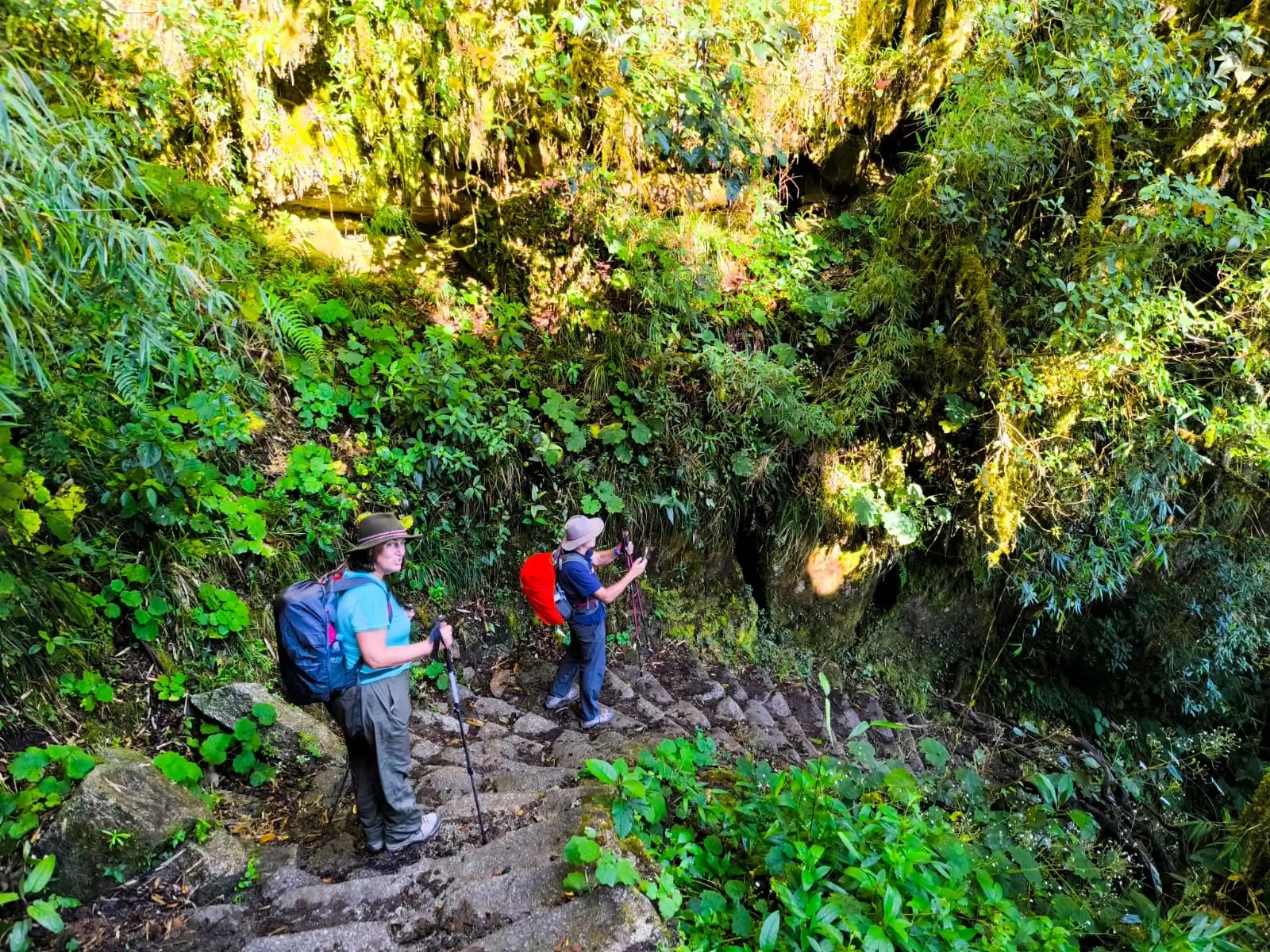
The ascent is steep and unrelenting. The stone steps, called “Incan steps” or escalones, require slow, deliberate movement. After the first pass, you’ll descend into a valley and then climb again to a second pass at 12,631 ft (3,850 m).
What makes it so tough:
- Thin air at altitude — your breathing will be noticeably labored
- Steep stone stairways with no flat sections for relief
- Cold temperatures at the summit (can drop to near freezing)
- Physical and mental fatigue
The good news? The views from Dead Woman’s Pass are absolutely worth it. On a clear day, you’ll see Andean peaks in every direction.
Day 3 — The Most Beautiful Day (Moderate to Strenuous)
Distance: 10 miles (16 km) | Elevation changes: Up and down all day
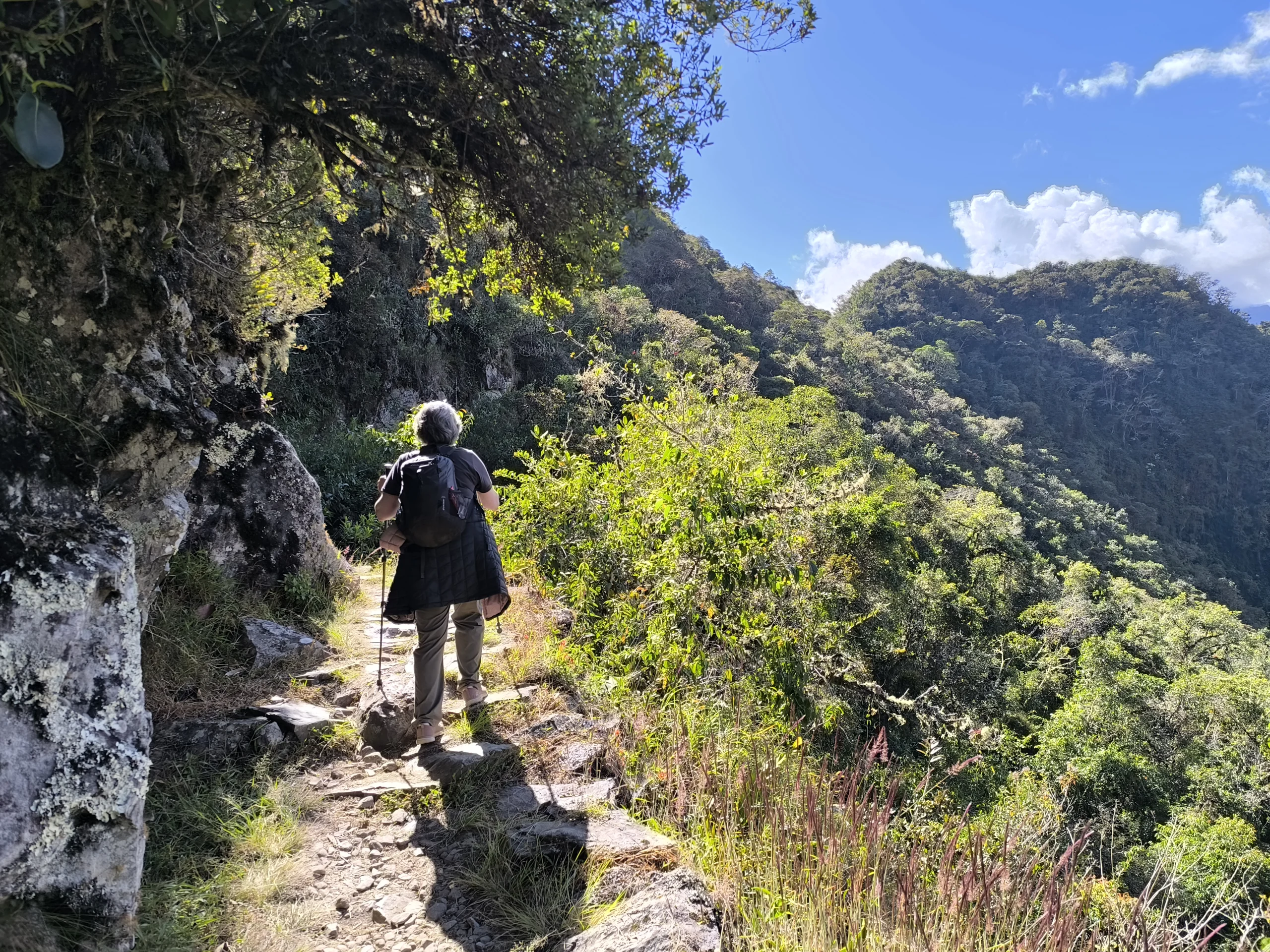
Day 3 is widely considered the most scenic day on the trail. You’ll pass through cloud forest, visit multiple Incan ruins including Runkurakay, Sayacmarca, Phuyupatamarca, and experience the dramatic shift from highland to jungle environment.
The terrain on Day 3 is varied — you’ll face more steep descents on uneven stone steps than ascents. Descending is harder on the knees than climbing, so trekking poles are especially valuable here.
Day 4 — The Emotional Finale (Easy to Moderate)
Distance: 3 miles (5 km) | Early wake-up: 3:30 AM
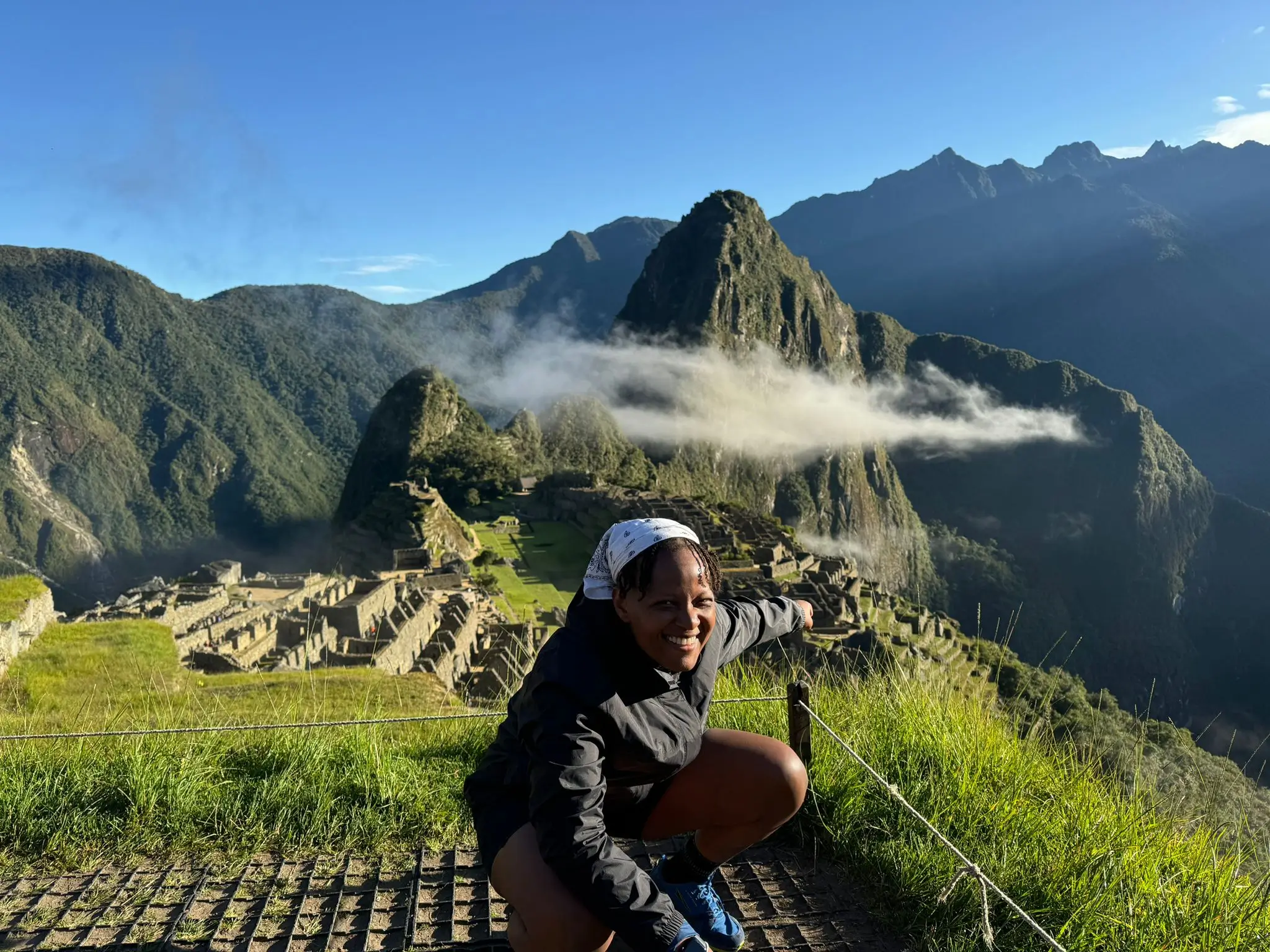
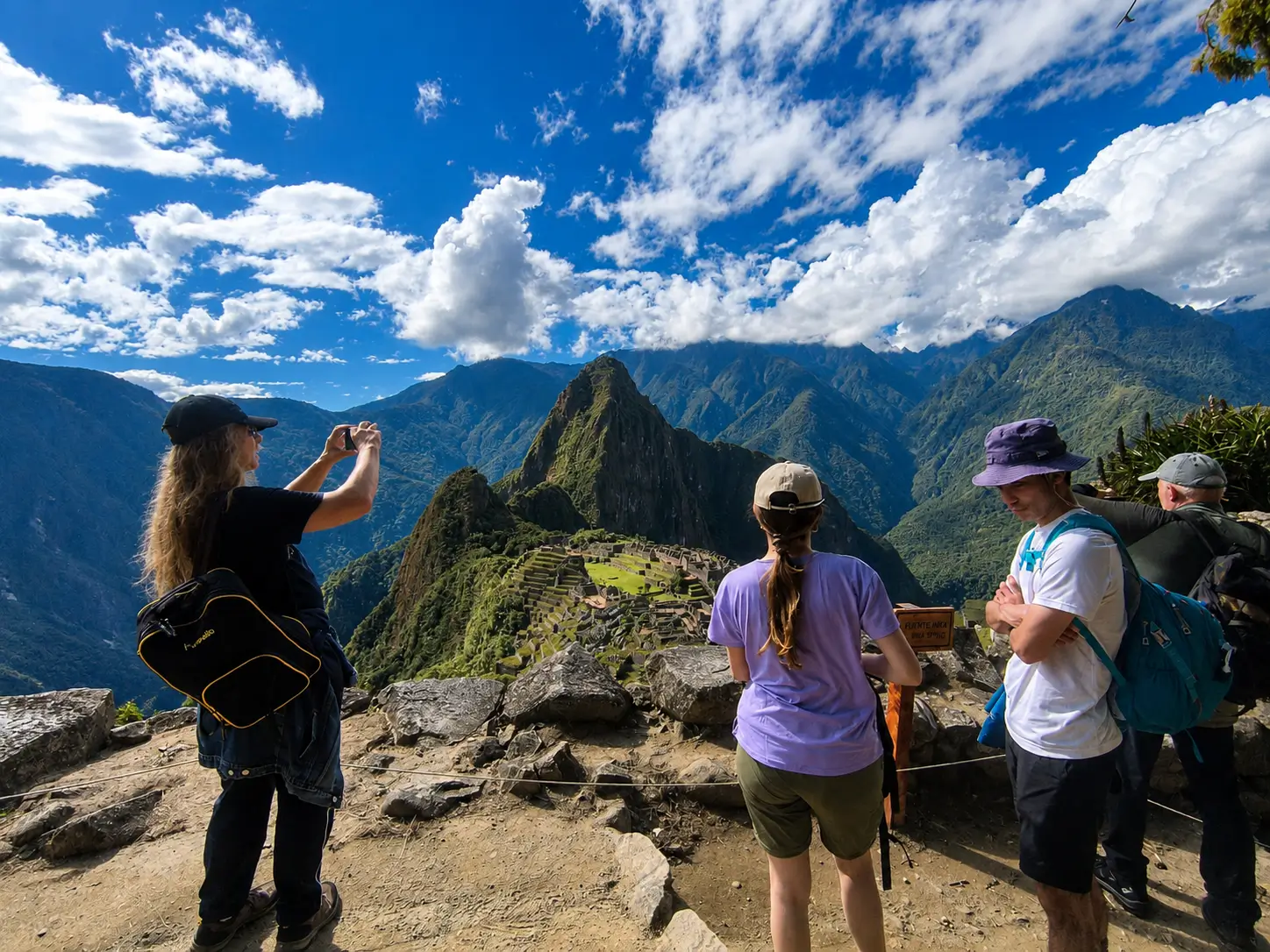
The final day is short but emotionally powerful. You’ll hike by headlamp in the dark through the jungle to reach the Sun Gate (Inti Punku) just as sunrise begins to illuminate Machu Picchu below. It’s a moment that hikers describe as life-changing.
From the Sun Gate, it’s about a 45-minute downhill walk to Machu Picchu itself, where you’ll explore the citadel with your guide.
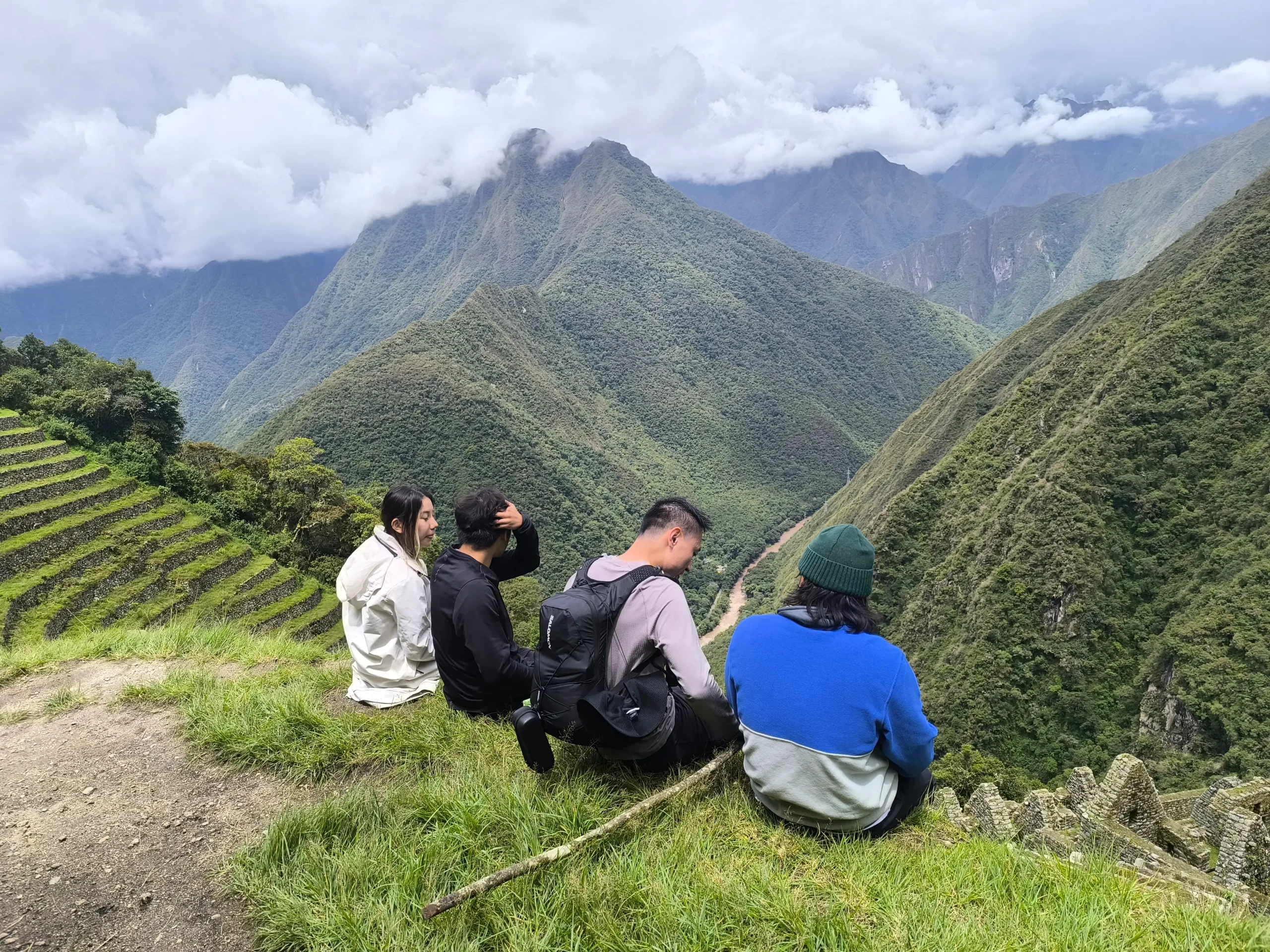
Inca Trail Fitness Requirements: What Shape Do You Need to Be In?
Let’s be direct about Inca Trail fitness requirements: you don’t need to be an athlete, but you do need to prepare.
Minimum Fitness Level
You should be comfortable with:
- Hiking 5–8 miles on uneven terrain in a single day
- Carrying a daypack of 15–20 lbs (porters carry the main gear)
- Walking 6–8 hours per day across multiple consecutive days
- Managing physical exertion at high altitude (above 10,000 ft)
Recommended Training (12 Weeks Before)
| Week | Training Focus |
|---|---|
| Weeks 1–4 | Build base: 30–45 min walks/hikes 4x per week |
| Weeks 5–8 | Add elevation: hike hills or use stair machines; increase duration |
| Weeks 9–12 | Weekend hikes of 8–12 miles with a loaded backpack |
Cardio matters more than strength. Focus on hiking, cycling, swimming, or stair climbing rather than heavy weight training.
Altitude: The Hidden Inca Trail Challenge
For most American trekkers, altitude is the #1 factor that affects performance on the Inca Trail — not leg strength or cardiovascular fitness.
Altitude Sickness (AMS — Acute Mountain Sickness) can cause:
- Headache and dizziness
- Nausea or vomiting
- Fatigue and shortness of breath
- Poor sleep
How to Avoid Altitude Sickness
- Acclimatize in Cusco first — arrive at least 2 full days before the trek. Cusco sits at 11,152 ft (3,400 m)
- Drink coca leaf tea — widely available in Cusco and used by locals for centuries to combat altitude effects
- Stay hydrated — drink at least 3 liters of water per day on the trail
- Avoid alcohol the first 1–2 days in Cusco
- Ask your doctor about Acetazolamide (Diamox) — a prescription medication that helps your body adapt to altitude
Expert Tips from Ali Peru Treks: What Only a Local Guide Knows
Our team has guided hundreds of American trekkers on the Inca Trail. Here are the tips that make the biggest difference:
- Break in your hiking boots — Do NOT start the trail in brand-new boots. Blisters on Day 2 can ruin the entire experience. Wear them for several weeks before departure.
- Trekking poles are non-negotiable on Day 3 — The descent involves thousands of steep stone steps. Poles take 30% of the impact off your knees.
- Pack a quality rain poncho — The cloud forest on Day 3 lives up to its name. Waterproof gear is essential from October to April. Even in dry season, afternoon showers are common.
- Walk slower than you think you need to — The Incan phrase “poco a poco” (little by little) is the mantra of the trail. Rushing causes altitude-related problems and exhaustion.
- Layer your clothing — Temperatures swing dramatically: freezing mornings, warm middays, cold nights. Merino wool base layers are ideal.
- Bring high-energy snacks — Nuts, energy bars, dried fruit, and chocolate are your best friends on Day 2’s climb. Your agency will provide three meals per day, but extra fuel helps.
- Trust your porter team — The porters on the Inca Trail are experienced, professional, and essential to the experience. Tip generously (a minimum of $20 USD per porter is standard and deeply appreciated).
- Book 5–6 months in advance — Permits sell out extremely fast, especially for the May–September high season. Don’t wait.
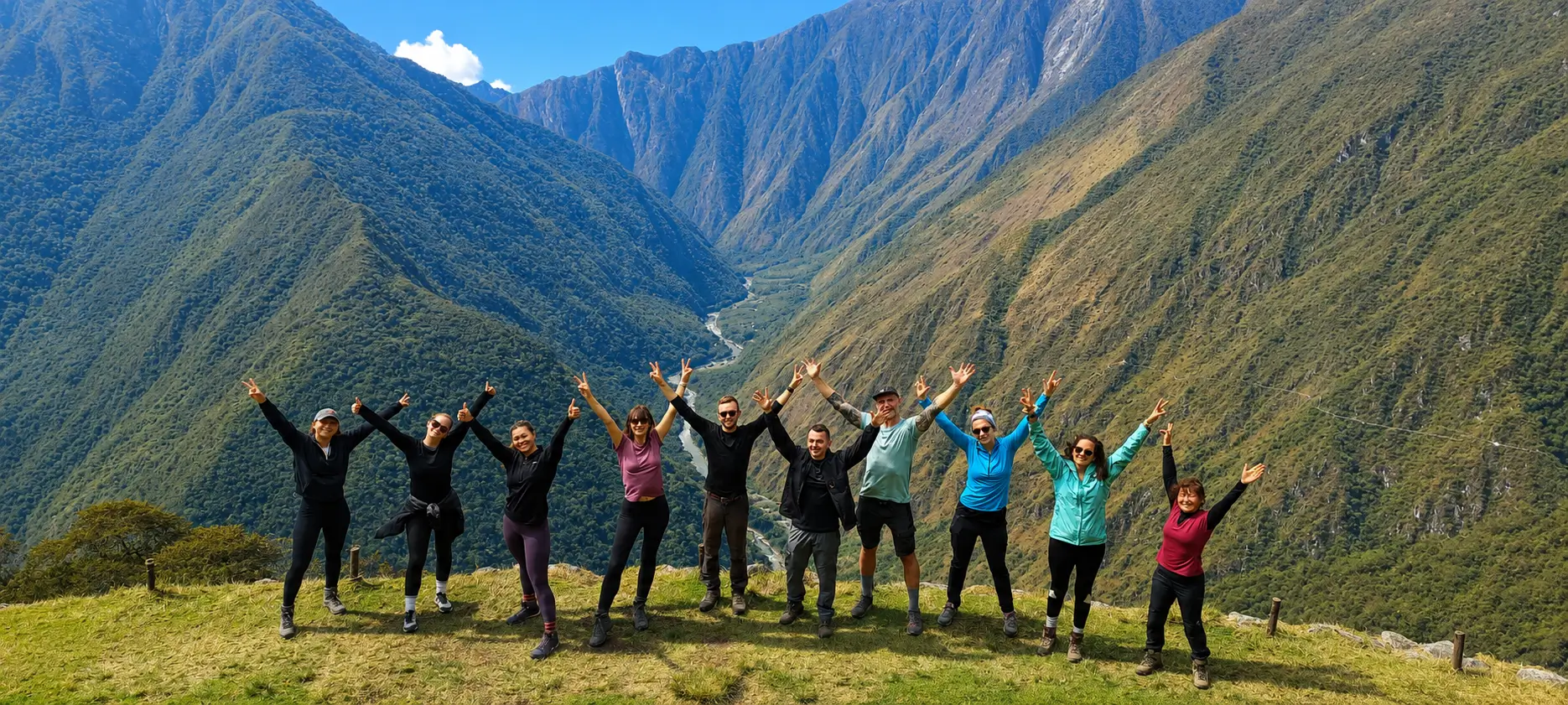
Best Time to Hike the Inca Trail
| Season | Months | Conditions | Recommendation |
|---|---|---|---|
| Dry Season | May–September | Clear skies, cold nights, crowded | Best for first-timers |
| Shoulder | April & October | Some rain, fewer crowds, lush scenery | Great for photographers |
| Wet Season | November–March | Rain, mud, lush green | Experienced hikers only |
Note: The Inca Trail closes for maintenance every February. No treks operate that month.
What to Pack: Inca Trail Essentials
Your main bag will be carried by porters (max weight: 15 lbs / 7 kg). Your daypack should include:
- Trekking poles
- Waterproof rain poncho or jacket
- Layers (fleece, thermal base, light jacket)
- Sunscreen SPF 50+ and sunglasses (UV at altitude is intense)
- Headlamp + extra batteries (for Day 4’s 3:30 AM start)
- Reusable water bottle or hydration bladder (3L capacity)
- Altitude sickness medication (consult your doctor)
- Blister prevention (moleskin or Body Glide)
- Passport (required at every checkpoint on the trail)
- Snacks and energy bars
Is the Inca Trail Worth It?
Absolutely — and the numbers back it up. Trekkers who complete the 4-Day Inca Trail consistently rate it among the top travel experiences of their lives. Arriving at the Sun Gate at dawn, exhausted but exhilarated, watching Machu Picchu emerge from the morning mist below… there’s nothing quite like it.
The Inca Trail difficulty is real, but it’s manageable with preparation, the right guide, and the right mindset. You don’t need to be an elite athlete. You need to be determined, prepared, and open to one of the most extraordinary journeys on Earth.
Ready to Take on the Inca Trail?
At Ali Peru Treks, we specialize in guiding American travelers through the Inca Trail safely and memorably. Our experienced, licensed local guides know every stone on this trail — and we’ll make sure you’re fully prepared before you ever take your first step.
What we offer:
- 4-Day Classic Inca Trail packages with all permits included
- Small group and private trek options
- Professional, bilingual guides (Spanish/English)
- Full porter service, quality camping gear, and gourmet trail meals
- Pre-trek acclimatization support and logistics in Cusco
Get your free Inca Trail quote today → — Our team responds within 24 hours and will help you find the perfect departure date and package for your fitness level and travel style.
Don’t let permits sell out. Your Machu Picchu moment is waiting.