
Planning a trip to Peru can feel overwhelming. Machu Picchu, the Sacred Valley, Lake Titicaca, the Amazon rainforest — there’s so much to see, and only so many vacation days to use.
If you’re searching for the perfect peru itinerary 7 days, you’re in the right place. Whether you have a full week or can stretch it to ten days, this guide breaks down exactly how to plan your trip, what to expect, and how to avoid the common mistakes first-time visitors make.
At Ali Peru Treks, we’ve helped hundreds of travelers from the United States and Canada design their dream Peru vacation. Below, we’ll walk you through the best routes, altitude tips, budget considerations, and everything else you need for a smooth, unforgettable journey.
Why 7 to 10 Days Is the Sweet Spot for Visiting Peru
Peru is a large country, and distances between destinations (Lima, Cusco, the Sacred Valley, and Machu Picchu) require careful planning. A week gives you enough time to see the highlights without feeling rushed, while ten days allows for deeper exploration, better acclimatization, and less stress.
Most American travelers ask the same question: “Is 7 days enough for Peru?” The short answer is yes — if you plan your peru itinerary 7 days strategically, prioritizing Cusco, the Sacred Valley, and Machu Picchu.
If you can add a few extra days, a peru itinerary 10 days lets you include Lake Titicaca, the Rainbow Mountain, or even a short Amazon jungle experience.
Peru Itinerary: 7 Days (The Classic Route)
This is considered the best peru itinerary for travelers with limited vacation time who still want to experience the country’s must-see destinations.
Day 1-2: Arrival in Lima
Most international flights land in Lima. Spend a day exploring the historic center (a UNESCO World Heritage Site), the coastal neighborhood of Miraflores, and sampling Peru’s world-renowned cuisine.
- Altitude: Sea level (0 ft / 0 m) — no acclimatization needed here
- Recommendation: Fly to Cusco the next morning; most flights depart early (5:00–8:00 AM)
Day 3: Cusco City & Acclimatization
Cusco sits at 11,152 feet (3,400 meters), significantly higher than most U.S. cities. This is the single most important day for altitude adjustment.
- Take it slow, drink plenty of water, and avoid alcohol
- Visit the main square (Plaza de Armas) and nearby ruins like Sacsayhuamán
- Try coca tea, a traditional remedy locals use for altitude symptoms
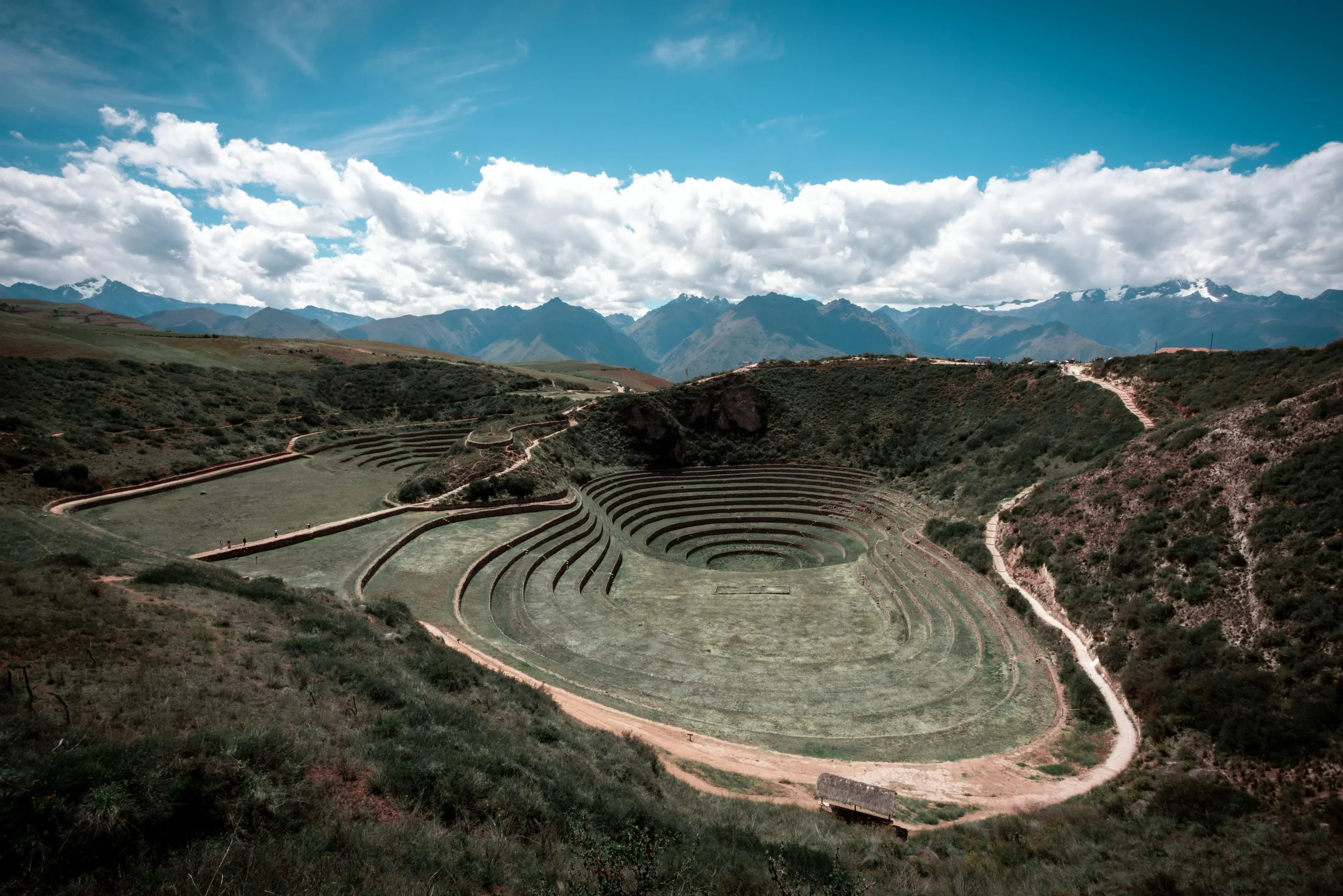
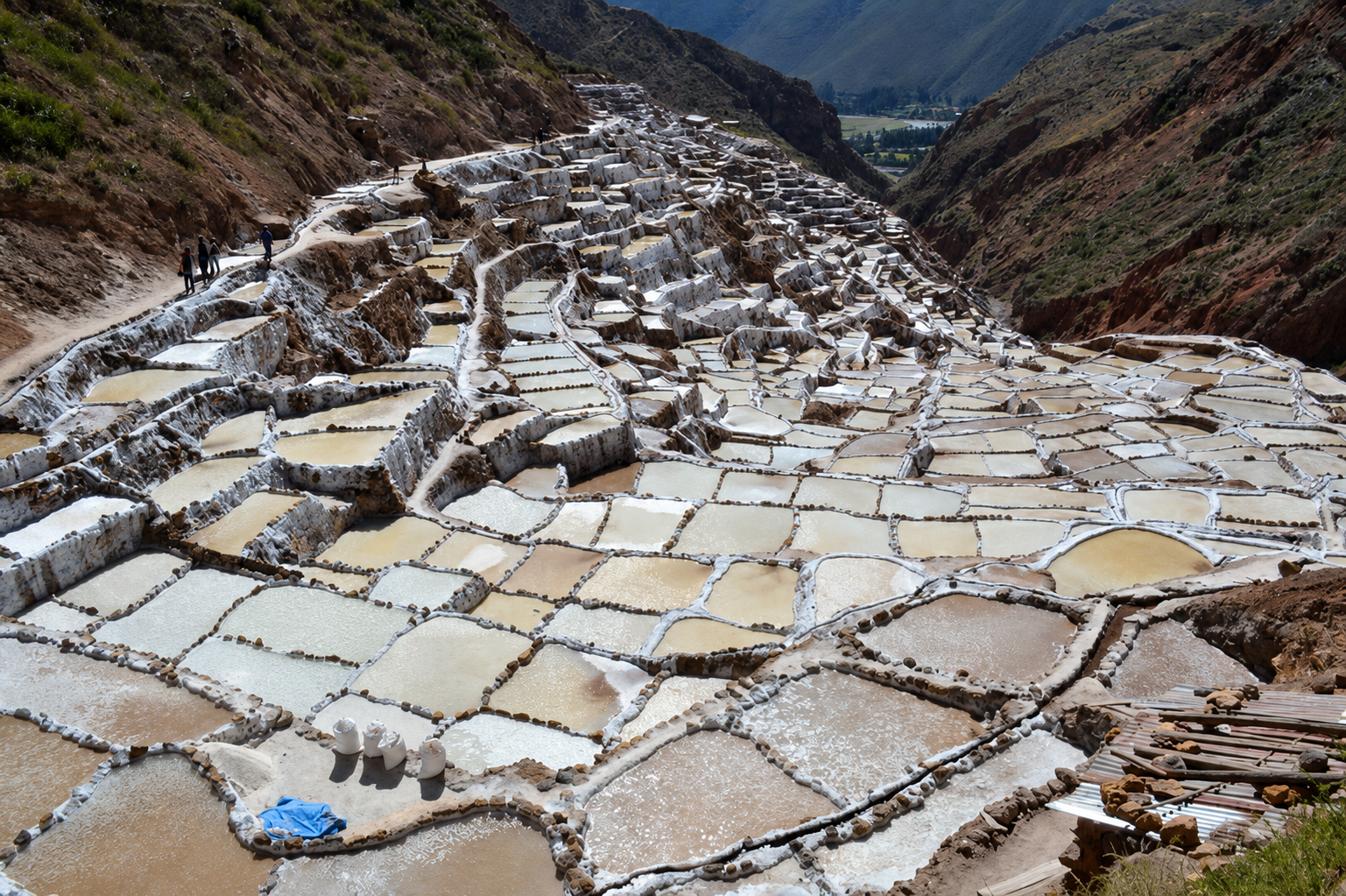
Day 4: The Sacred Valley
The Sacred Valley sits lower than Cusco (roughly 9,000 ft / 2,750 m), making it an ideal stop to continue acclimatizing while sightseeing.
- Visit the Pisac market and archaeological site
- Explore the Ollantaytambo fortress, one of the few places the Spanish never conquered
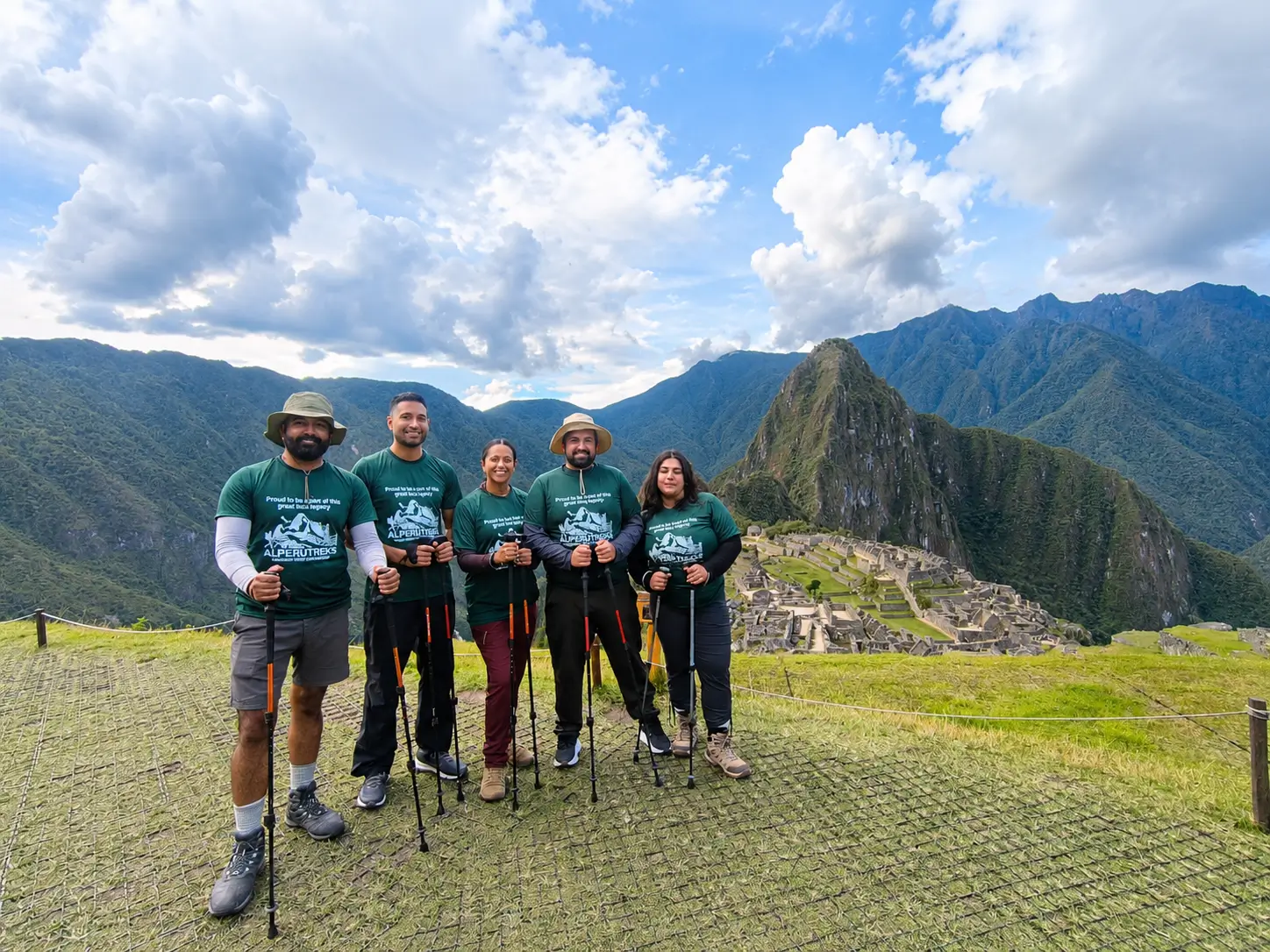
Day 5: Machu Picchu
This is the heart of any machu picchu itinerary — the day travelers plan their entire trip around.
- Altitude: 7,970 ft (2,430 m) — lower than Cusco, which helps most visitors feel great
- Take the train from Ollantaytambo to Aguas Calientes, then a shuttle bus up the mountain
- Best time to visit: Early morning (6:00–8:00 AM) for fewer crowds and softer light
Day 6: Return to Cusco or Extend Your Trip
Head back to Cusco for a final day of shopping, local markets, and traditional Peruvian dishes like lomo saltado or cuy (guinea pig, for the adventurous eaters).
Day 7: Departure
Fly back to Lima and connect to your international flight home.
Peru Itinerary: 10 Days (For a Deeper Experience)
If your schedule allows, extending to a peru itinerary 10 days gives you room to explore beyond the classic route without feeling rushed.
Add These Destinations:
- Rainbow Mountain (Vinicunca): A striking, multicolored peak at 17,100 feet (5,200 meters) — the highest point most tourists will reach in Peru. Requires good acclimatization.
- Lake Titicaca: The highest navigable lake in the world, home to the Uros floating islands and Taquile Island communities.
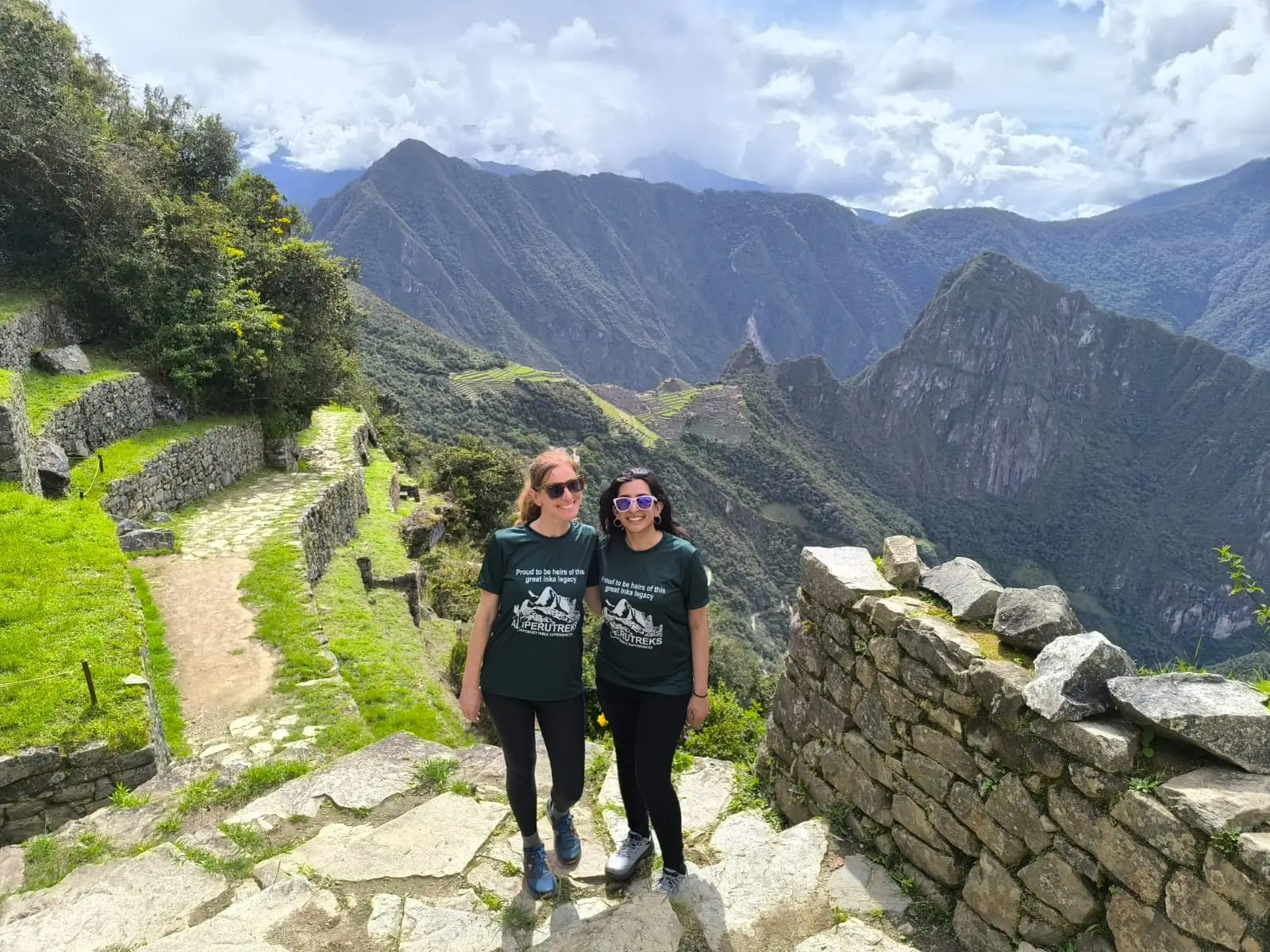
- Inca Trail (optional): A 4-day trek is the most iconic way to reach Machu Picchu, but requires permits booked 6+ months in advance, especially for June–August departures.
Best Time to Visit Peru
| Season | Months | What to Expect |
|---|---|---|
| Dry Season (Best) | May – September | Clear skies, cold nights, peak tourist season |
| Shoulder Season | April, October | Fewer crowds, decent weather, better prices |
| Rainy Season | November – March | Lower prices, lush landscapes, occasional trail closures |
For first-time visitors, the dry season (May–September) is widely considered the best time for any machu picchu itinerary, since trails are clear and visibility is excellent.
Difficulty Level: What to Expect Physically
Not every part of Peru requires trekking experience, but some altitude preparation is essential.
- Machu Picchu (with train): Easy — minimal walking, ideal for all fitness levels
- Inca Trail (4 days): Moderate to challenging — daily hikes of 6-10 hours at high altitude
- Rainbow Mountain: Moderate — short but steep hike above 16,000 feet
What to Pack for Your Peru Trip
- Layers: Temperatures swing from 70°F (21°C) during the day to near freezing at night
- Sun protection: High-altitude sun is intense even on cloudy days
- Comfortable walking shoes: Cobblestone streets in Cusco are uneven
- Reusable water bottle: Staying hydrated helps significantly with altitude symptoms
- Cash (soles): Small vendors and local markets often don’t accept cards
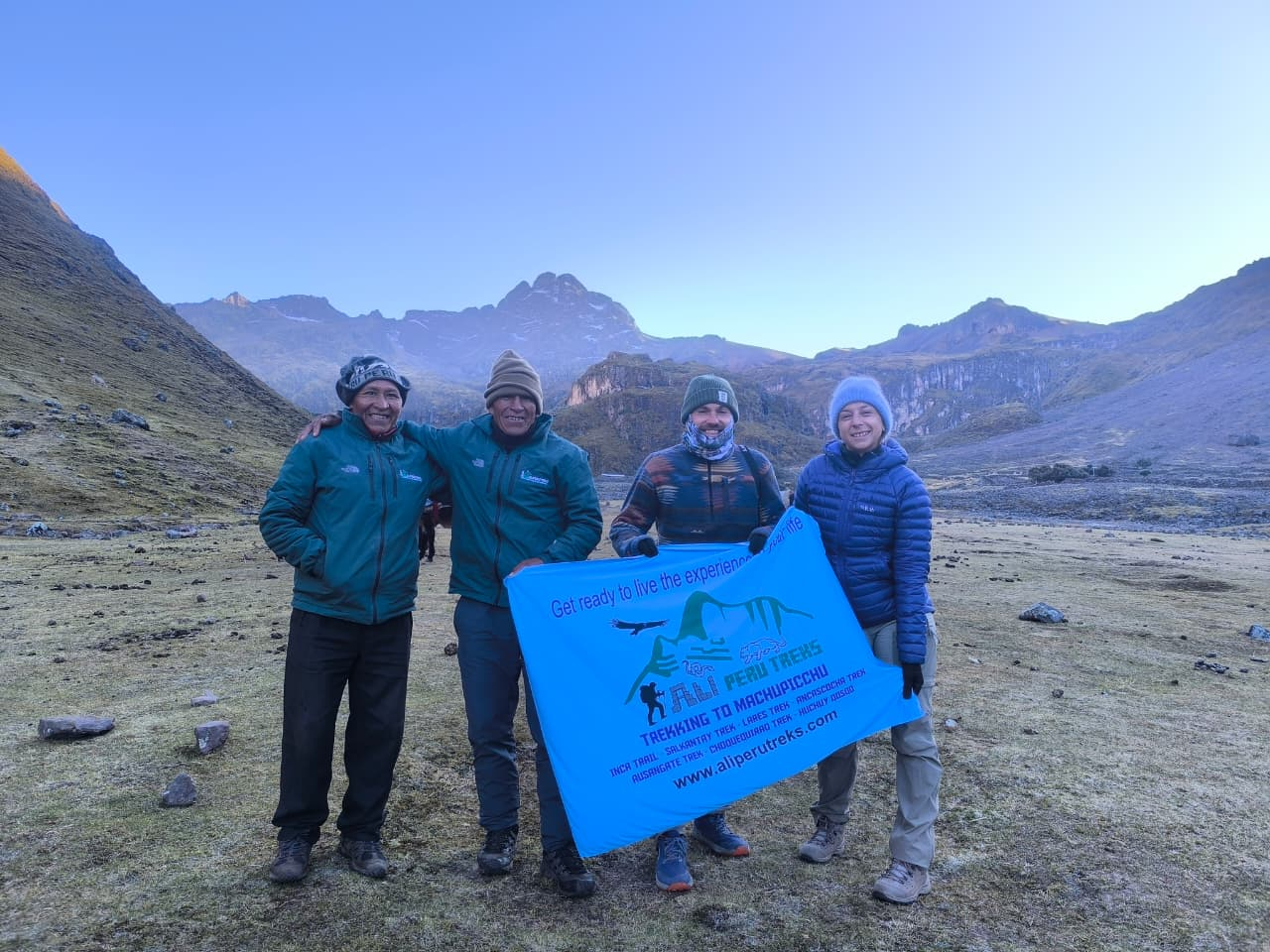
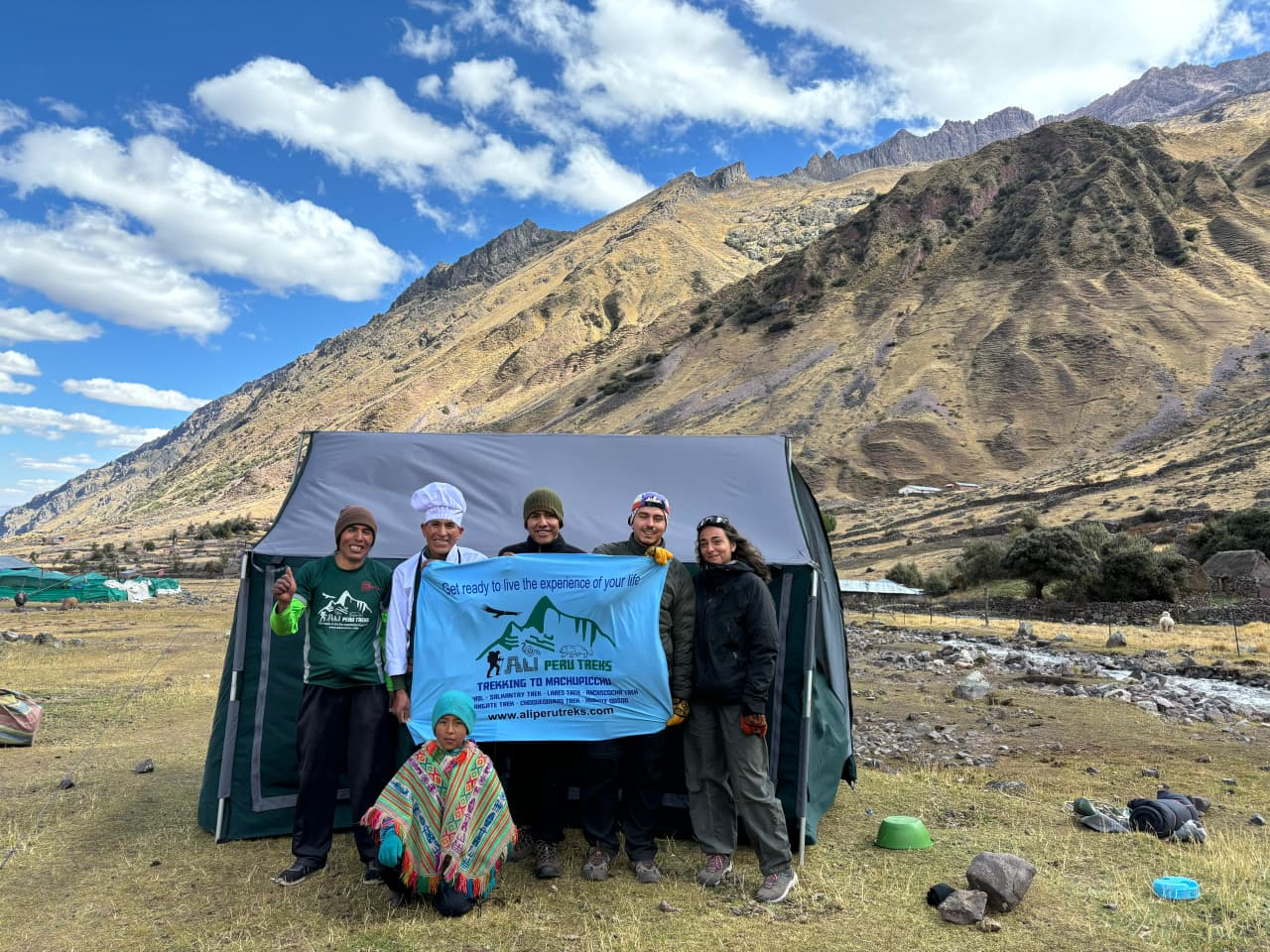
Expert Tips From a Local Peru Travel Agency
These are the details that make the difference between a good trip and a great one — insights we’ve gathered from years of guiding travelers through Peru.
- Fly into Cusco early in the day. Afternoon flights are more likely to face weather delays or cancellations due to mountain winds.
- Spend your first night in Cusco resting, not sightseeing. Altitude sickness typically hits within the first 24 hours.
- Book Machu Picchu tickets in advance. Daily entries are limited by the Peruvian government, and popular time slots sell out weeks ahead during peak season.
- Consider the “reverse” acclimatization route: Starting in the Sacred Valley (lower altitude) before heading to Cusco reduces altitude sickness risk significantly.
- Keep your passport with you at all times. It’s required to enter Machu Picchu, board certain trains, and check into hotels.
- Tipping is customary but not automatic. Guides and porters rely on tips as a significant part of their income — budget accordingly.
Sample Budget: What to Expect
While costs vary based on hotel category and activities, here’s a general range U.S. travelers can expect:
- Budget travelers: $80-120 per day
- Mid-range travelers: $150-250 per day
- Luxury travelers: $300+ per day
This typically includes accommodation, domestic transportation, guided tours, and most meals.
Final Thoughts: Choosing the Right Peru Itinerary
Whether you go with a peru itinerary 7 days or extend to ten, the key to a great trip is smart planning around altitude, timing, and logistics. Seven days is enough to experience Machu Picchu and the Sacred Valley comfortably, while ten days opens the door to Lake Titicaca, Rainbow Mountain, and a slower, richer pace.
There’s no single “perfect” itinerary — the best peru itinerary is the one tailored to your travel style, fitness level, and interests.
Ready to plan your trip to Peru? At Ali Peru Treks, our local experts design custom itineraries based on your travel dates, budget, and bucket list — no generic packages, just a trip built around you. Contact us today to get a free, personalized quote and start turning your Peru trip from a Pinterest board into a plane ticket.