
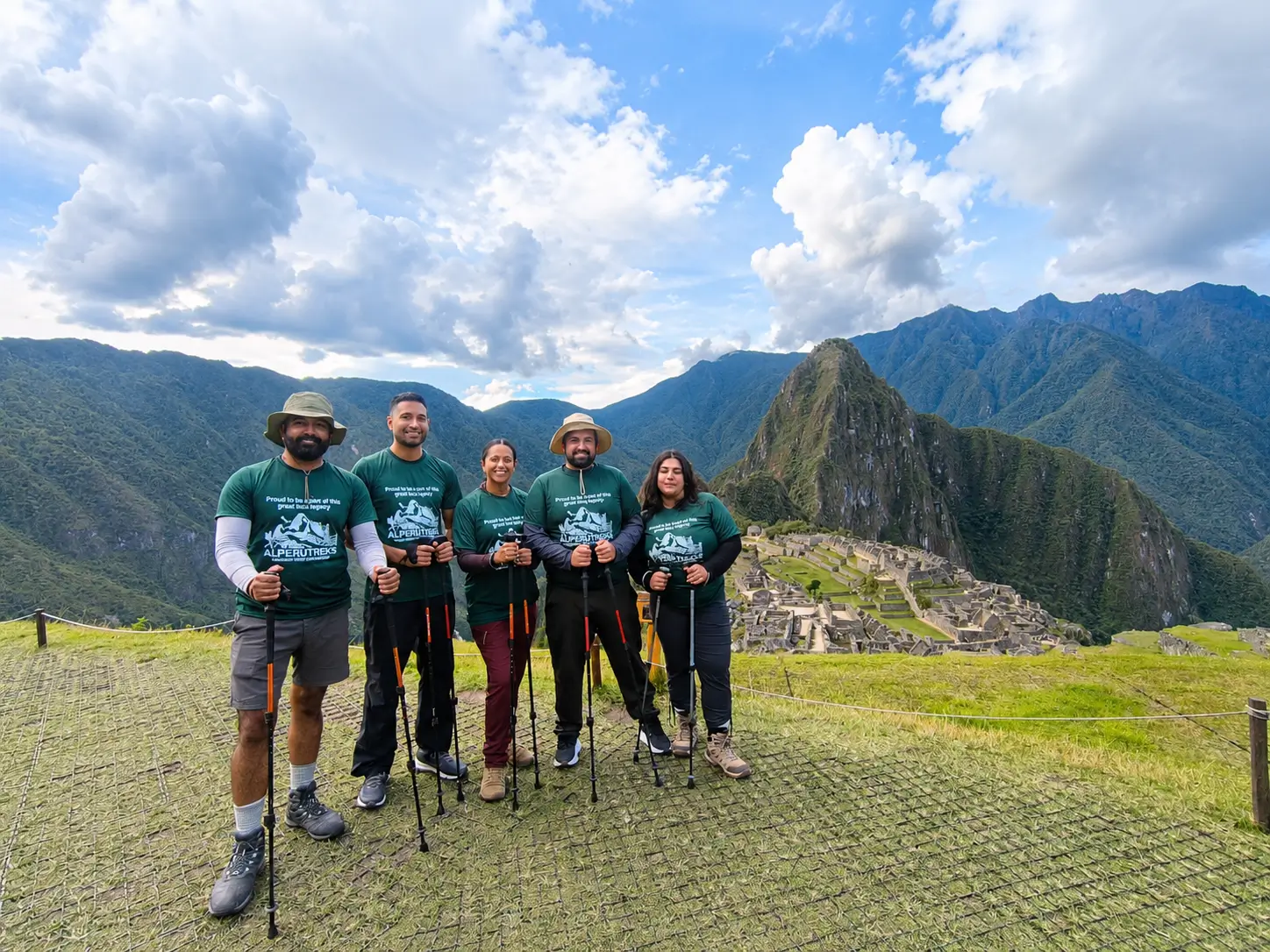
If you’re dreaming of hiking to Machu Picchu, wandering the cobblestone streets of Cusco, or exploring the Amazon rainforest, chances are one question keeps popping up before you book that flight: is Peru safe to visit?
The short answer is yes — millions of travelers from the United States and around the world visit Peru every year without incident. Like any international destination, Peru has areas and situations that require extra awareness, but with the right preparation, common sense, and local guidance, it’s a country you can explore with confidence.
In this guide, we’ll break down everything an American traveler needs to know about Peru travel safety in 2026, from Lima and Cusco to the trails of Machu Picchu, so you can focus on what really matters: enjoying one of the most spectacular destinations in South America.
Is Peru Safe to Visit in 2026? The General Overview
Peru remains one of the top tourist destinations in Latin America, and its major travel hubs — Lima, Cusco, and the Sacred Valley — are well-equipped for international visitors. Tourist police units, well-marked routes, and English-speaking guides are common in the areas most travelers frequent.
That said, petty theft (pickpocketing, bag-snatching, and scams targeting tourists) is the most realistic risk you’ll face, not violent crime. This is true in most major cities worldwide, and Peru is no exception. Staying alert in crowded markets, bus terminals, and tourist zones goes a long way.
Key safety facts for travelers:
- Violent crime against tourists is rare, especially in areas with heavy tourism infrastructure.
- Natural hazards (altitude sickness, sudden weather changes) are a bigger day-to-day concern than crime.
- Political demonstrations occasionally occur in Lima or regional capitals; they’re usually localized and short-lived, but worth monitoring.
- The U.S. State Department periodically updates its Peru travel advisory — it’s always smart to check the latest guidance before your trip.
Is Cusco Safe for Tourists?
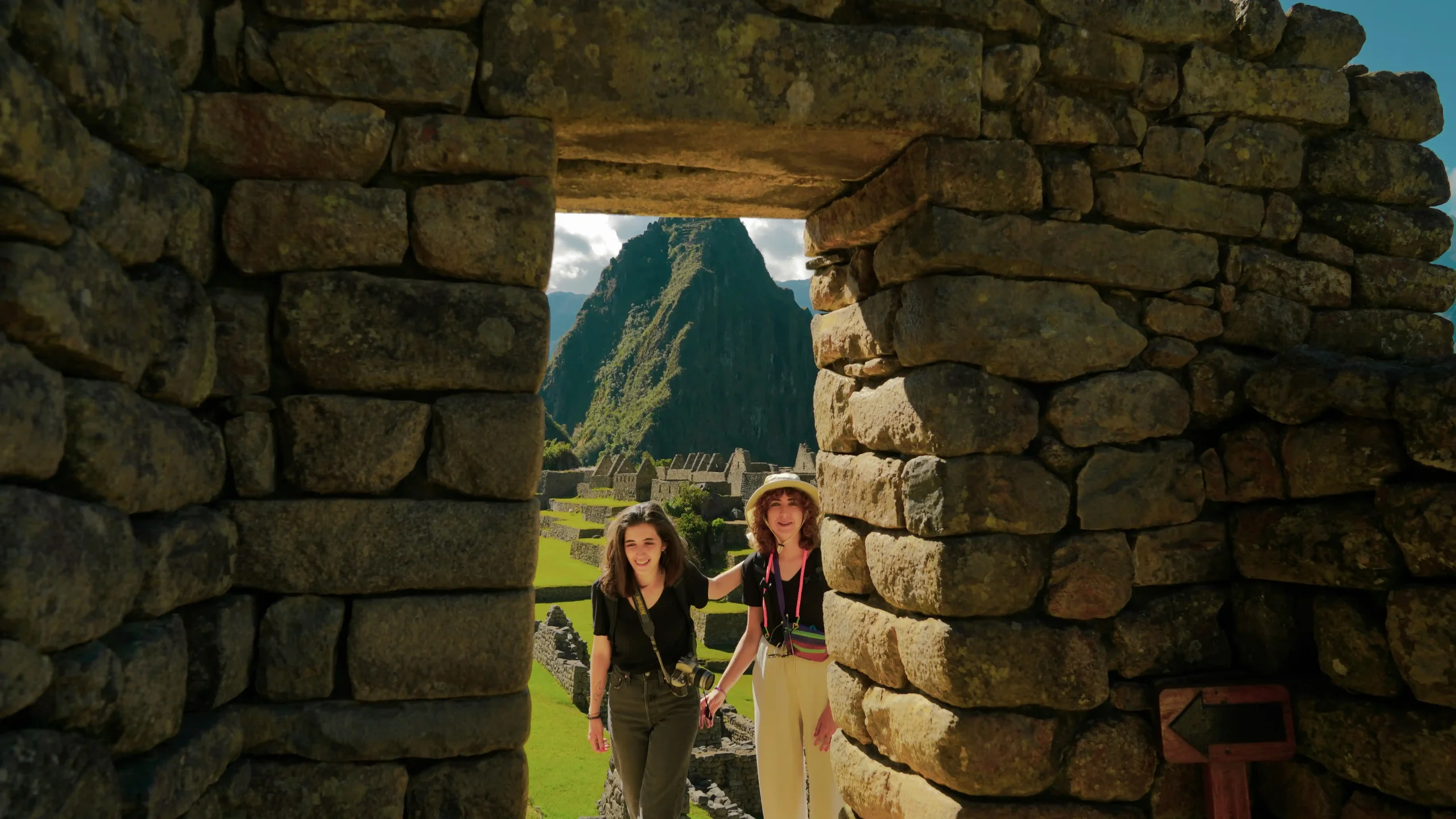
Cusco, the historic capital of the Inca Empire and gateway to Machu Picchu, is one of the safest and most tourist-friendly cities in Peru. The historic center (where most visitors stay) has a visible tourist police presence and is walkable during the day and early evening.
What to keep in mind in Cusco:
- Altitude: Cusco sits at 3,399 meters (11,152 feet) above sea level. Altitude sickness (soroche) is far more likely to affect your trip than crime — plan for 1-2 days of acclimatization before any strenuous activity.
- Nightlife areas: Around Plaza de Armas and San Blas, keep an eye on your belongings late at night, as this is where opportunistic theft is most common.
- Taxis: Use registered taxis or apps rather than hailing random cars off the street, especially at night.
- Scams: Be cautious of unsolicited “tour guides” or “official” ticket sellers near major sites — always book through a licensed, established agency.
Overall, Cusco is safe for tourists who take normal precautions, and it’s genuinely one of the friendliest cities in Peru for first-time international visitors.
Is Machu Picchu Safe?
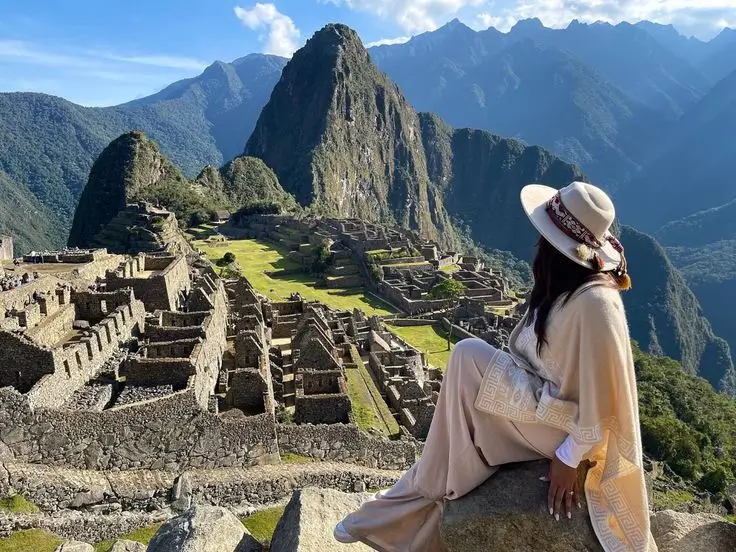
Yes — Machu Picchu is one of the safest attractions in Peru, thanks to strict visitor management by Peru’s Ministry of Culture. Entry is regulated with timed tickets, marked trails, and mandatory guides for certain circuits, which keeps both crowds and risk well controlled.
Practical safety details for Machu Picchu:
- Altitude: Machu Picchu sits at 2,430 meters (7,972 feet) — lower than Cusco, which actually makes it easier on your body than the city itself.
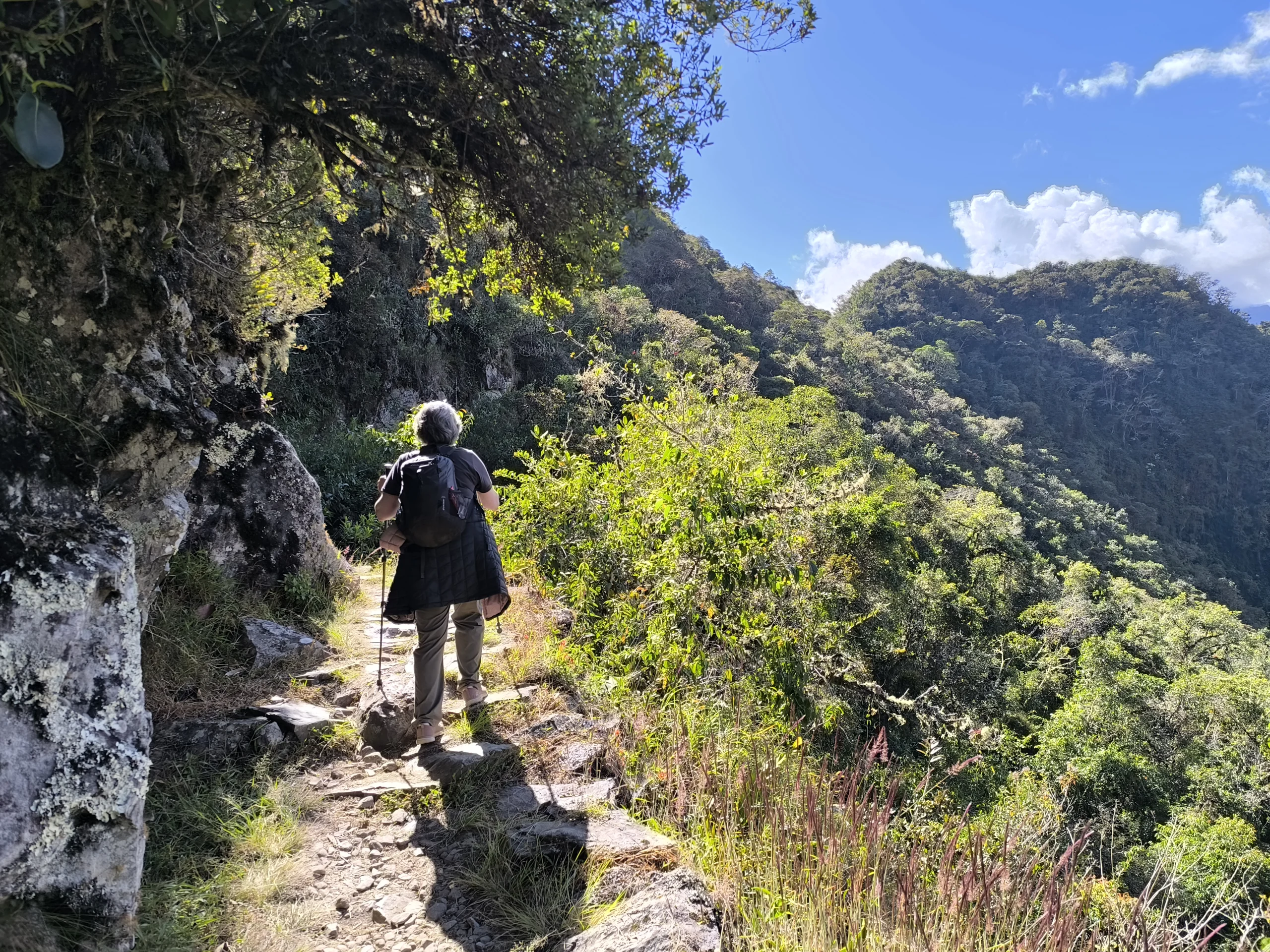
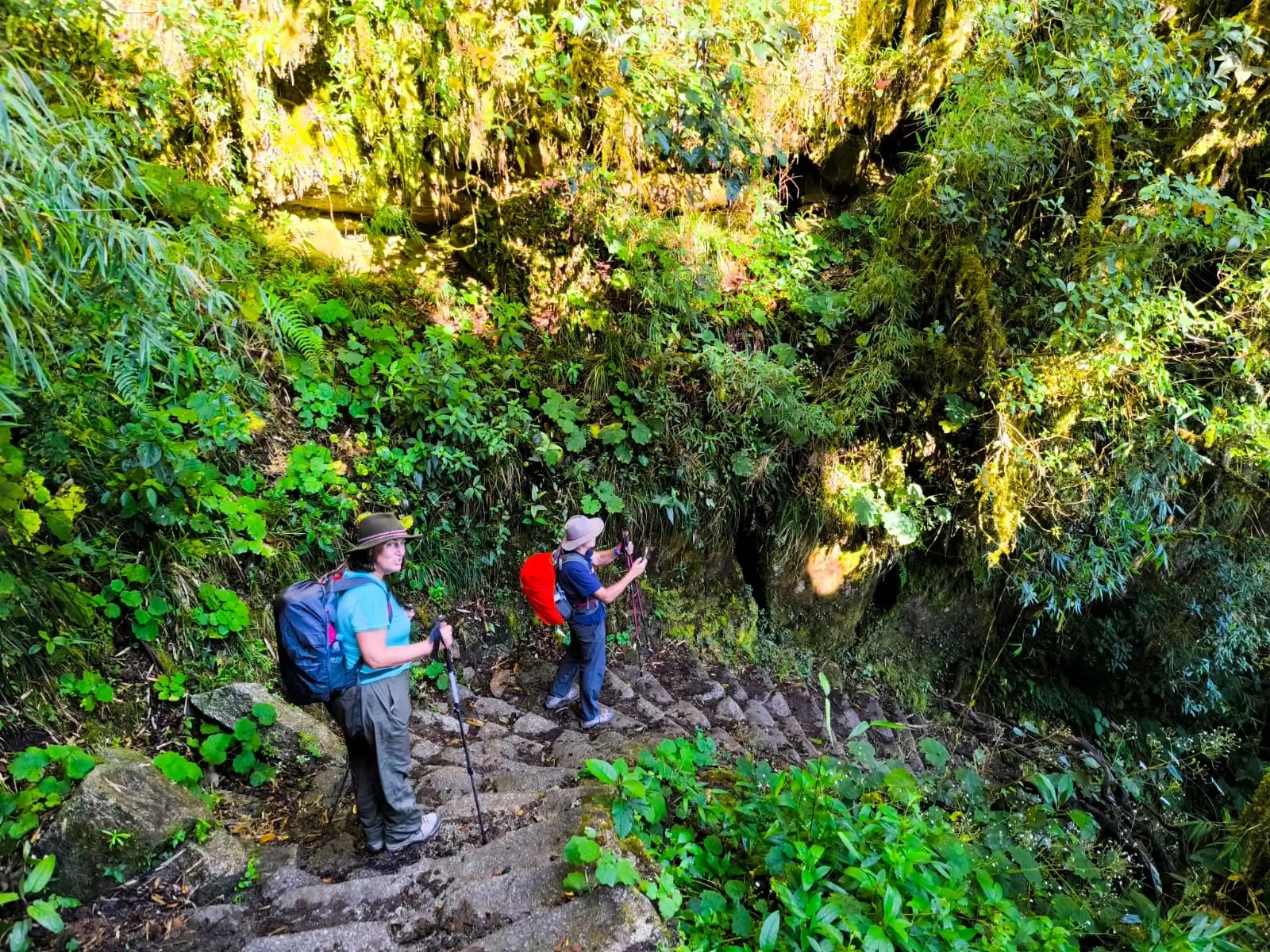
- Trail conditions: Stone steps can be steep, narrow, and slippery, especially during the rainy season. Sturdy hiking shoes are essential.
- Weather: Conditions change quickly; a sunny morning can turn into a rainy afternoon within the hour.
- Sun exposure: The Andean sun is intense even on cloudy days — sunscreen and a hat are non-negotiable.
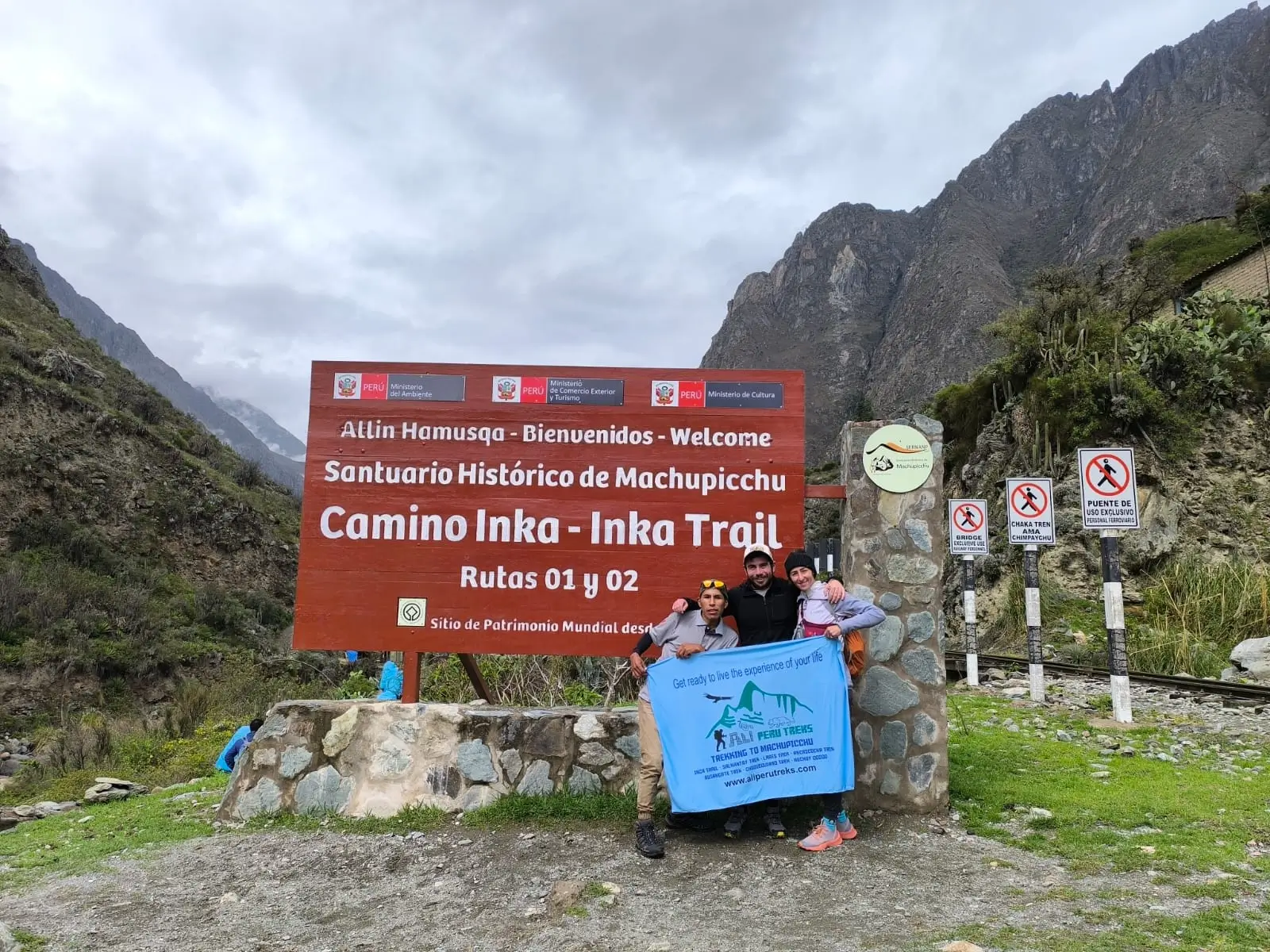
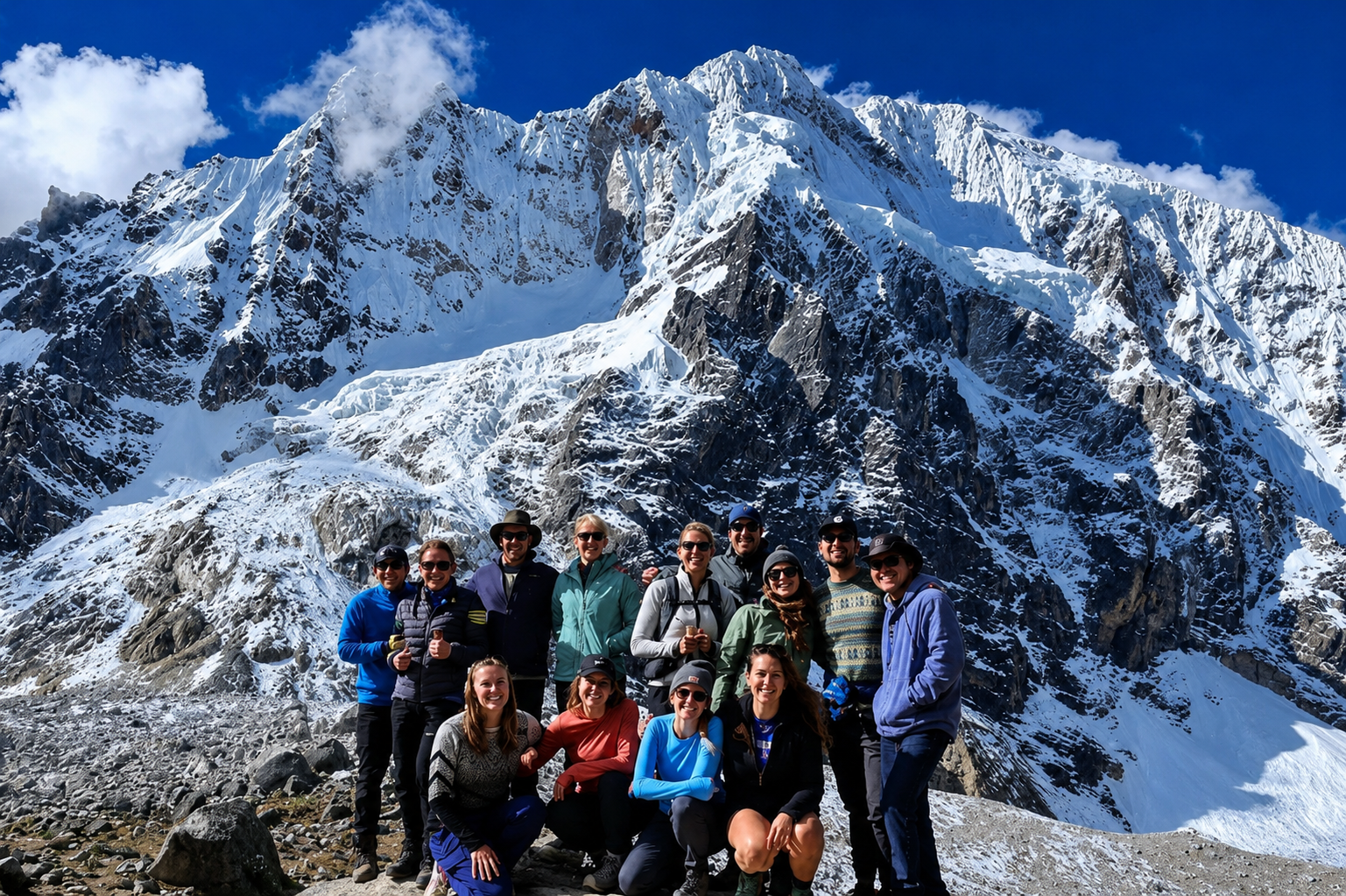
If you’re hiking the Inca Trail or alternative routes like Salkantay, going with a licensed operator is not just recommended, it’s legally required for the classic Inca Trail, and it ensures you’re hiking with trained guides who know the terrain, weather patterns, and emergency protocols.
Best Time to Visit Peru for Safety and Weather
Timing your trip well reduces risk and dramatically improves your experience.
Dry Season (May to September)
This is the best season for trekking, including Machu Picchu and the Inca Trail. Trails are less slippery, visibility is better, and days are typically clear and sunny — though nights in the highlands can get cold, dropping close to freezing.
Rainy Season (November to March)
Expect afternoon showers, muddier trails, and occasional landslide-related road closures in remote areas. It’s still possible to visit, but requires more flexibility and appropriate gear.
Shoulder Months (April and October)
A great compromise — fewer crowds, decent weather, and lower prices than peak season.
Difficulty Level: What to Expect Physically
Not every part of Peru requires intense fitness, but if your itinerary includes trekking, here’s what to know:
- Machu Picchu (via train): Low difficulty — accessible to nearly all fitness levels.
- Classic Inca Trail (4 days): Moderate to challenging — involves multiple high-altitude passes, the highest at 4,215 meters (13,829 feet).
- Salkantay Trek: Challenging — longer distances and a higher maximum altitude around 4,600 meters (15,090 feet).
- Rainbow Mountain (Vinicunca): Moderate — short but steep, at a demanding 5,036 meters (16,522 feet).
Altitude, not distance, is usually the biggest physical challenge for American travelers coming from sea-level cities.
What to Pack for a Safe, Comfortable Trip
- Layered clothing — mornings and nights are cold, midday sun can be intense.
- Broken-in hiking boots with good ankle support.
- Reusable water bottle with a built-in filter or purification tablets.
- Rain jacket, regardless of season.
- High-SPF sunscreen and polarized sunglasses.
- Basic first-aid kit, including altitude sickness medication (consult your doctor before traveling).
- Cash in small soles bills for local markets and rural areas where cards aren’t accepted.
Expert Tips: What Only a Local Agency Would Tell You
This is where local knowledge makes the real difference between a stressful trip and a smooth one.
- Acclimatize in Cusco for at least 24-48 hours before any trek or visit to high-altitude sites like Rainbow Mountain — this single step prevents most altitude-related emergencies.
- Drink coca tea (mate de coca) upon arrival; it’s a traditional, widely used remedy that helps many travelers adjust to elevation.
- Avoid tap water everywhere in Peru — stick to bottled or filtered water, even for brushing your teeth.
- Book your Inca Trail permit months in advance; Peru’s government limits daily permits to 500 people (including guides and porters), and they sell out fast, especially May through August.
- Keep a digital and physical copy of your passport separate from the original — required for entry to Machu Picchu and useful in case of loss.
- Travel with a licensed, registered operator, not informal street vendors offering “cheap” tours — this protects both your safety and your trip’s quality.
- Register with the U.S. Embassy’s STEP program (Smart Traveler Enrollment Program) before your trip for real-time safety alerts.
Final Verdict: Is Peru Safe to Visit?
So, is Peru safe to visit? For the vast majority of travelers, yes. The real risks you’ll encounter are altitude, weather, and everyday petty theft — all of which are manageable with preparation, awareness, and the right local support.
Cusco is welcoming and well-organized for tourists, and Machu Picchu is one of the most carefully managed archaeological sites in the world. With sensible precautions, Peru travel safety in 2026 is well within reach for first-time visitors and seasoned travelers alike.
Ready to explore Peru with peace of mind? At Ali Peru Treks, our local, licensed guides handle the logistics, permits, and safety planning so you can focus on the adventure. Check out our Machu Picchu and Cusco trekking packages and let’s start planning your safe, unforgettable Peruvian journey today.