
Planning a trip to Peru is an exciting adventure, but if you want to skip the crowded trails and experience authentic Andean culture, the Lares Trek is likely on your radar. Often called the “Weaver’s Route,” this path takes you through remote alpine villages where locals still wear traditional, vibrant textiles and herd llamas.
However, before booking your flight to Cusco, one critical question probably crosses your mind: how hard is lares trek compared to other famous routes like the classic Inca Trail or Salkantay?
While it does not require technical climbing skills, the high altitude and mountainous environment mean you shouldn’t take it lightly. Let’s break down exactly what to expect so you can prepare like a pro.
Quick Facts: The Lares Trek at a Glance
To give you an immediate idea of what you are up against, here are the baseline logistics of a standard 4-day/3-night itinerary:
| Feature | Details |
| Total Distance | Approximately 33 kilometers (20.5 miles) |
| Highest Point | Ipsaycocha Pass at 4,450 meters (14,599 feet) |
| Average Daily Hiking | 5 to 7 hours |
| Overall Difficulty | Moderate |
| Best Time to Travel | May to October (Peru’s dry winter season) |


The Ultimate Breakdown: How Hard is the Lares Trek?
When evaluating if how hard is lares trek fits your fitness level, it is best to compare it to the classic Inca Trail. The main differentiator isn’t your physical endurance, but rather how your body reacts to the elevation.
The Lares route actually reaches a higher maximum altitude than the Inca Trail (14,599 feet vs. 13,828 feet). This means your heart and lungs will work significantly harder to pump oxygen.
However, the physical toll on your joints is often much lighter. If you are asking yourself, is lares trek hard on the knees, the answer is generally no. Unlike the thousands of unforgiving, steep stone steps found on the Inca Trail, Lares offers a completely different landscape underfoot.
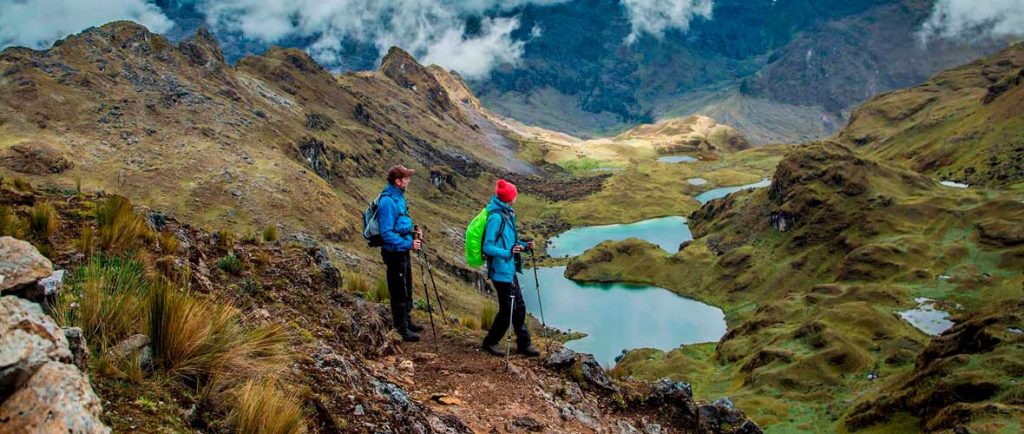
As you can see in the image above, the lares trek terrain consists primarily of wide-open mountain valleys, grassy paths, and gradual dirt switchbacks. You will be walking along natural trails carved out by local communities and their livestock over centuries.
Because the paths are wider and smoother, managing the lares valley hike difficulty comes down to maintaining a steady, rhythmic pace rather than conquering endless vertical stairs.
Is the Lares Trek for Beginners?
If you don’t have years of backpacking experience under your belt, you might wonder if this is the right choice. Fortunately, the lares trek for beginners is highly accessible, provided you prepare correctly.
Unlike more isolated routes, the Lares Trek is fully supported by pack horses and mules. This means you only need to carry a lightweight daypack containing your water, camera, rain jacket, and sunblock. The heavy lifting—including tents, sleeping bags, and cooking gear—is handled entirely by the local porters and horsemen.
Additionally, if an emergency arises or you find yourself completely exhausted, horse support is readily available along most sections of the trail to give you a ride over the toughest passes.
Expert Tips for a Successful Trek
As a premier local agency based right here in Cusco, our team at Ali Peru Treks knows exactly what makes or breaks an Andean expedition. Here are our non-negotiable rules for a seamless journey:
- Prioritize Acclimatization: Spend at least 2 to 3 days in Cusco (11,150 feet) or the nearby Sacred Valley before hitting the trail. This allows your body to produce more red blood cells to handle the thin air.
- Invest in Trekking Poles: Even though the terrain is smoother than stone steps, the descents can still be slick, especially if a sudden Andean cloudburst hits. Poles protect your joints and keep your balance secure.
- Layer Up Safely: High-altitude weather changes in minutes. Expect warm, intense sunshine during the day (up to 70°F) and freezing temperatures at night (down to 30°F or lower). Packing thermal base layers, a fleece, and a waterproof windbreaker is vital.
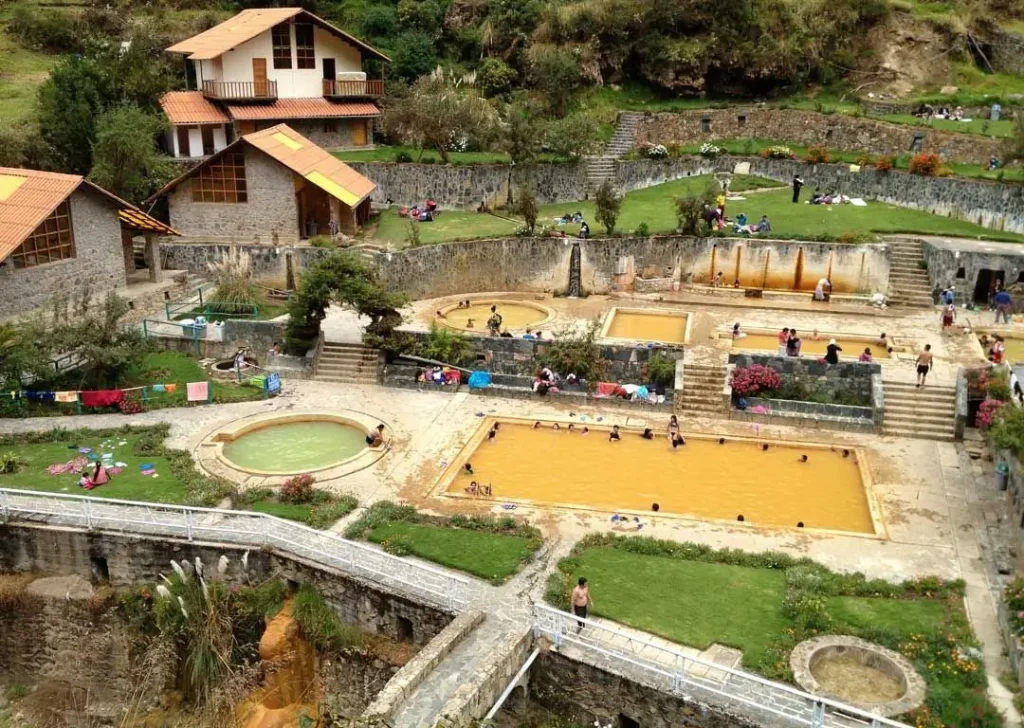
- Enjoy the Hot Springs: Most Lares itineraries start at the natural thermal pools of the Lares town. Take advantage of this to relax your muscles before the uphill climbing begins.
Conclusion: Ready to Conquer the Andes?
So, how hard is lares trek in reality? It is a rewarding, moderate challenge that trades relentless stone stairs for breathtaking alpine passes and unforgettable cultural interactions with local communities. Anyone with a reasonable level of physical fitness, a positive attitude, and proper acclimatization can successfully complete this beautiful journey.
By choosing a trusted local operator, you ensure that safety, top-tier camping equipment, and expert guide support are by your side every step of the way.
Are you ready to experience the magic of the real Andes? Contact Ali Peru Treks today to get a personalized quote and start planning your tailor-made Peruvian adventure!