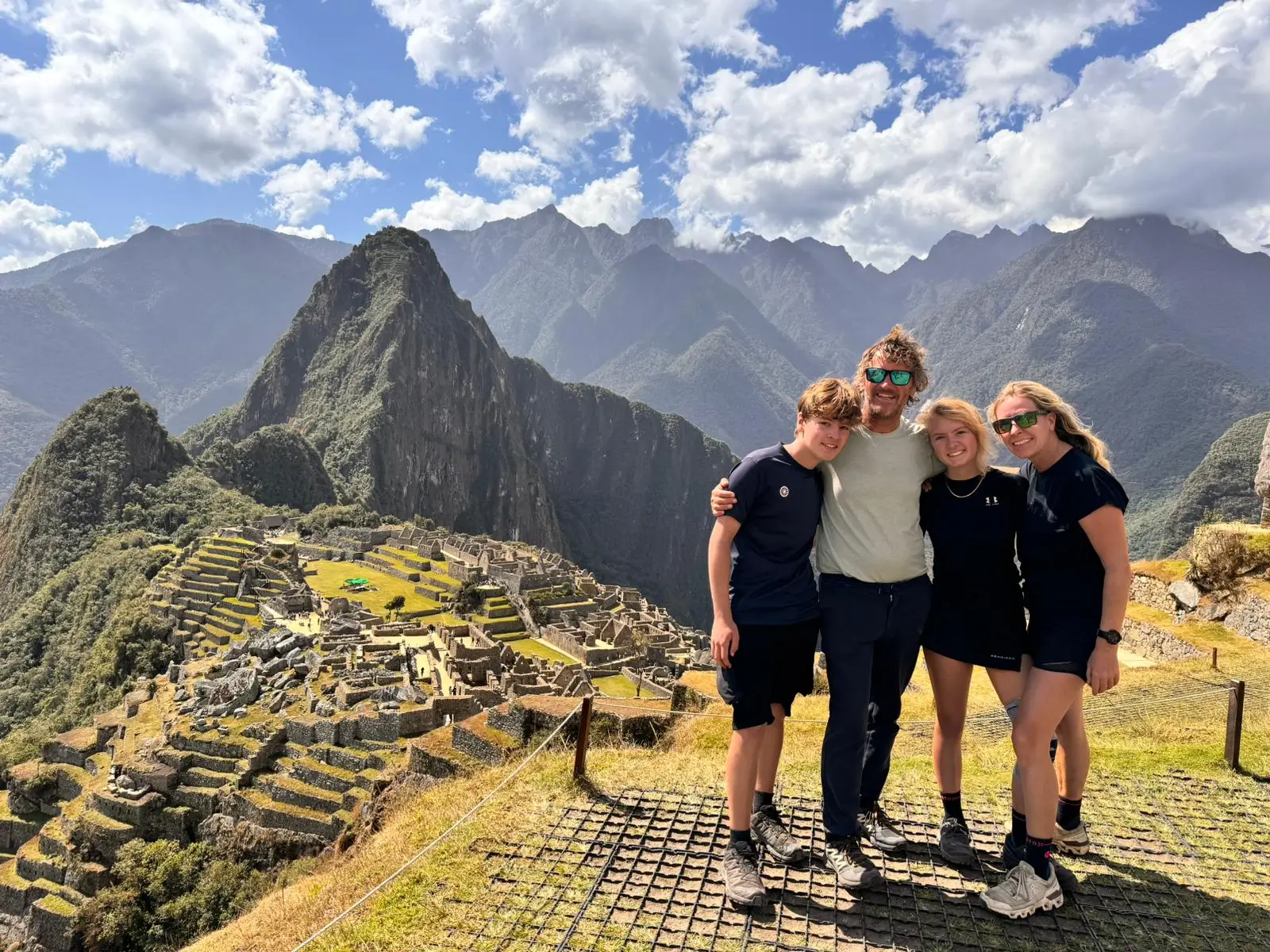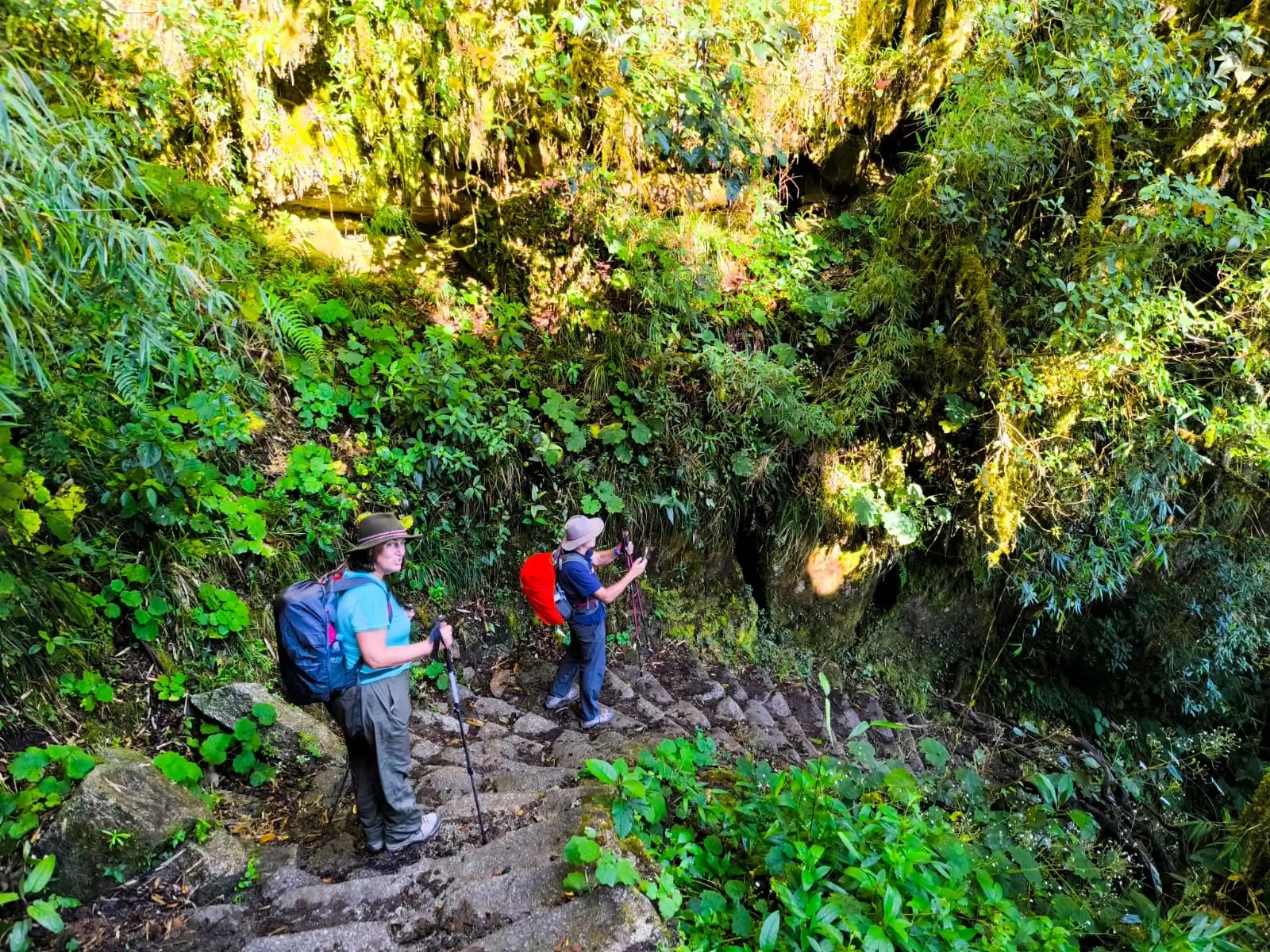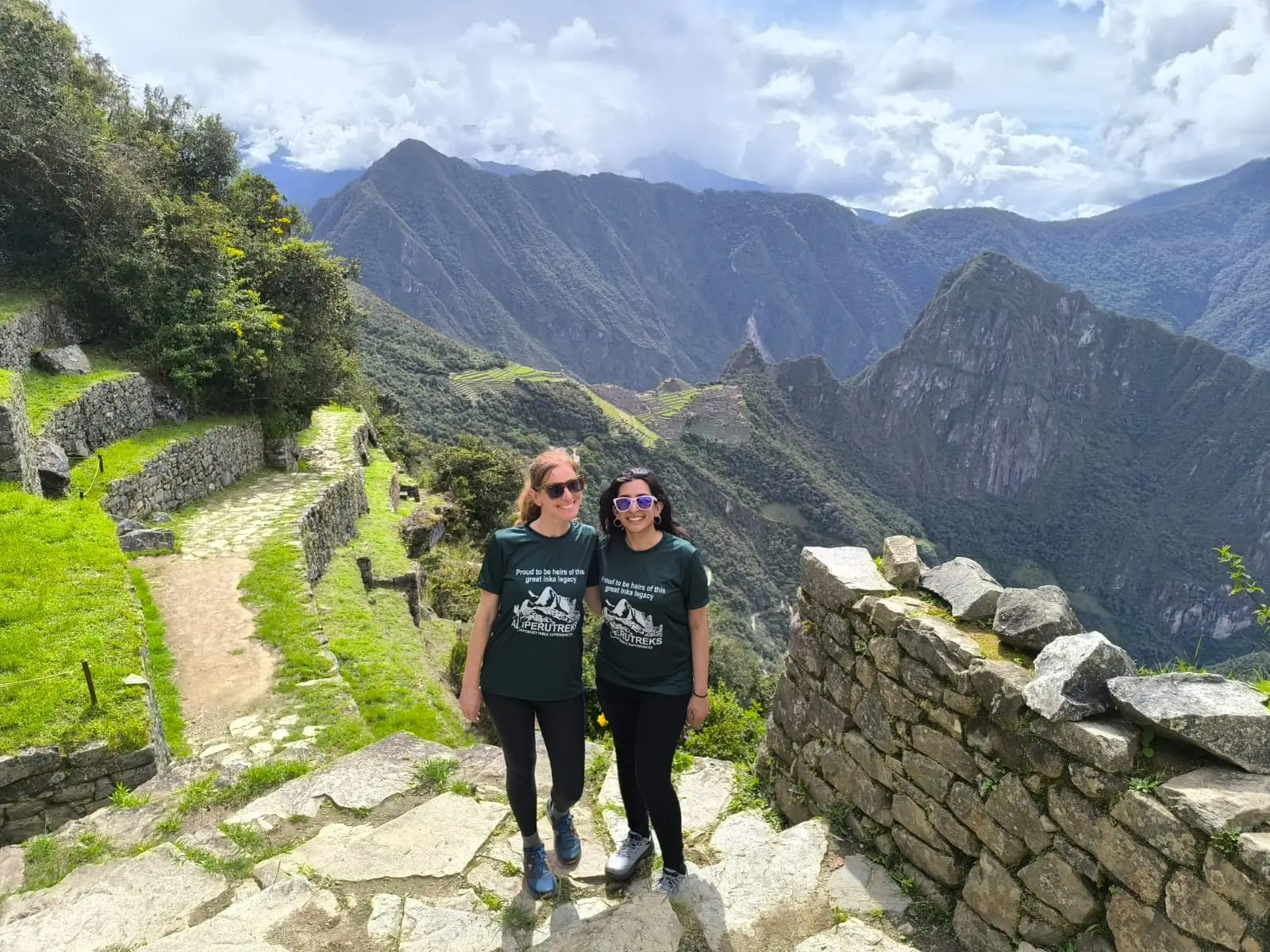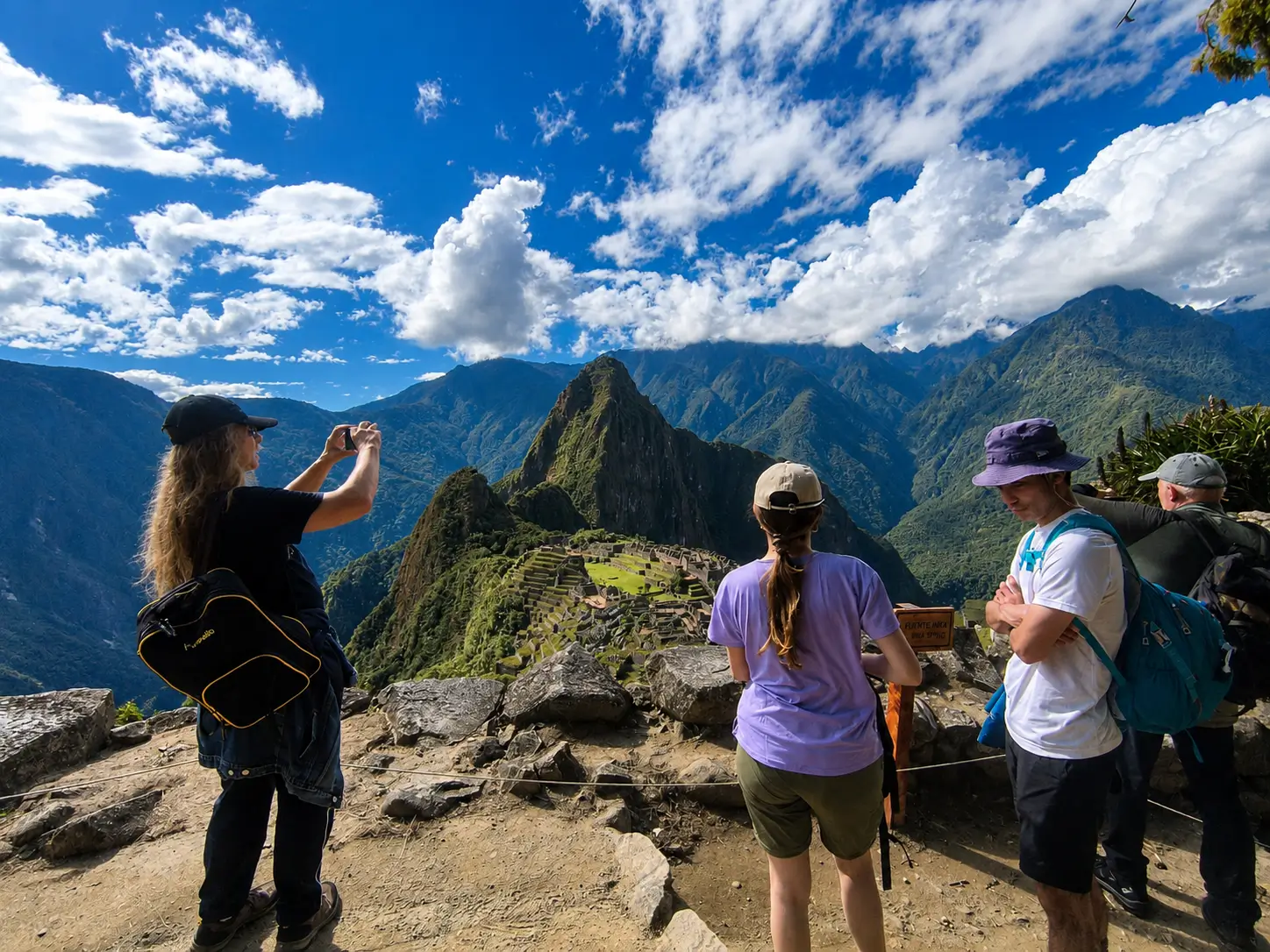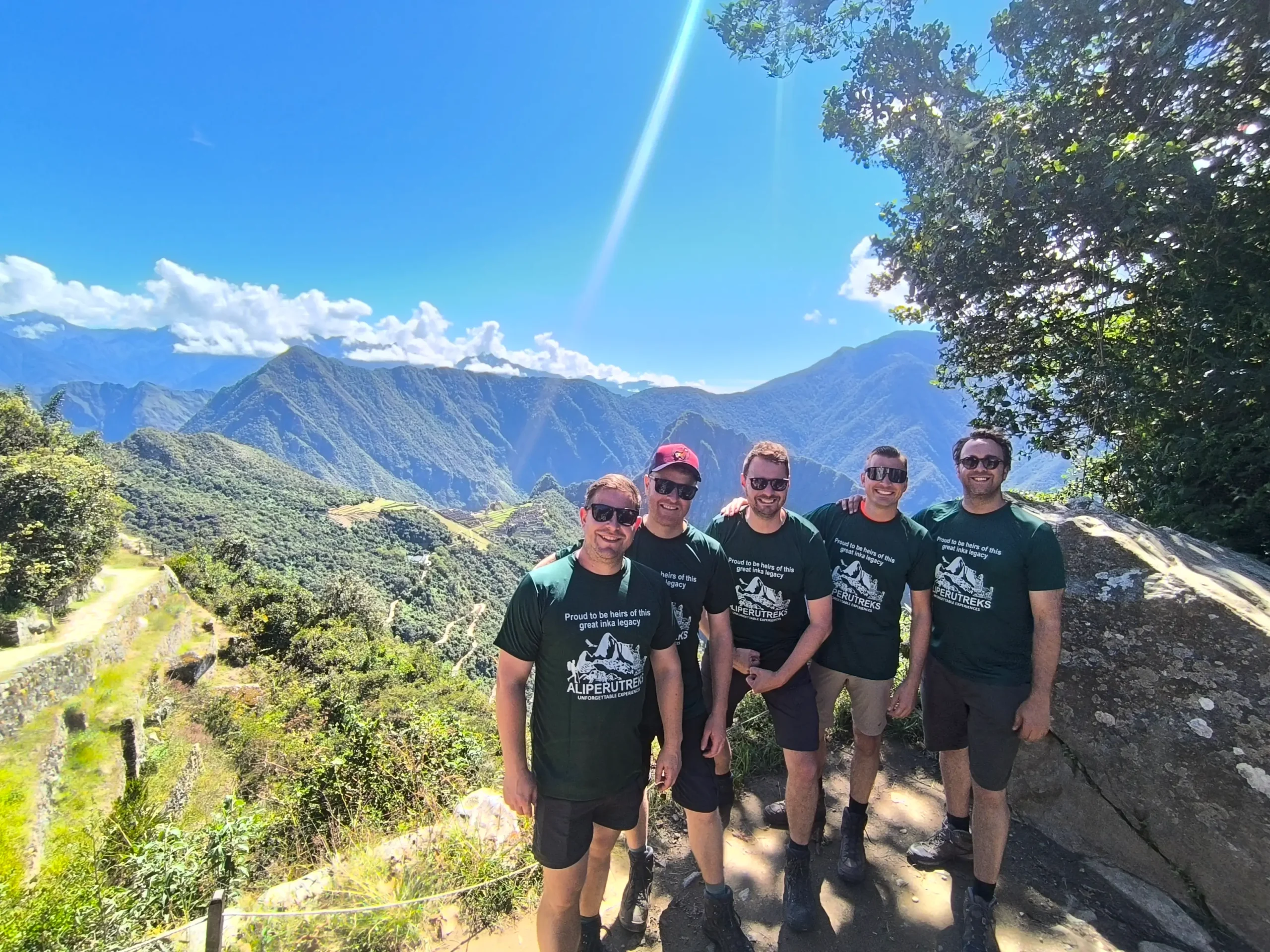
A mountainous landscape that is part of the hiking trails leading to Machu Picchu in Peru
General information

Inca Trail 4 Days vs 5 Days: Which Trek to Machu Picchu Is Right for You?

Ali Peru Treks
15 min read
Jun 23, 2026
10 views

You’ve finally decided to hike to Machu Picchu the legendary way—on foot, along the same stone paths the Incas built centuries ago. Then you hit your first real decision, and it’s a confusing one: should you book the Inca Trail 4 days vs 5 days version? Both follow the same world-famous route, both end at the Sun Gate, and both sell out months in advance. Yet the experience, the pace, and even your odds of enjoying the trek can differ a lot depending on which one you choose.

The 4-day Inca Trail guided tour is faster with longer hiking days, while the 5-day Inca Trail allows for a slower pace and more time to acclimatize and enjoy the scenery. Which Inca Trail trekking package is better for beginners or people not used to high altitude? This guide breaks down every meaningful difference between the two itineraries — daily distances, wake-up times, altitude, cost, crowds, and who each option suits best — so you can book with confidence instead of second-guessing yourself at 3 a.m. on the trail.

What’s the Difference Between the Inca Trail 4 Days vs 5 Days?

Here’s the part that surprises most travelers: there is essentially one Classic Inca Trail, roughly 43 kilometers (about 26 miles) long, and both versions hike the exact same path to Machu Picchu. The 5-day trek doesn’t add new scenery or a different trail — it simply stretches the same route across an extra day.

That single change has a domino effect. Shorter daily distances mean later wake-ups, longer breaks, quieter campsites, and far more time to explore the ruins you’d otherwise rush past. The 4-day version, by contrast, is the iconic, faster, more intense option that the majority of trekkers book.

Here’s how the two stack up at a glance:

FeatureInca Trail 4 DaysInca Trail 5 Days
Total distance43 km / 26 mi43 km / 26 mi (same route)
Longest hiking dayUp to 16 km / 10 miShorter, more balanced days
Dead Woman’s Pass crossed onDay 2Day 3 (extra acclimatization night)
Typical wake-up on summit day3:00–3:30 a.m.Later; arrive at Machu Picchu in the afternoon
CampsitesBusy, shared with most groupsQuieter, less crowded sites
Visits to Machu PicchuOnce (Day 4)Twice (Day 4 afternoon + Day 5)
Crowds at the Sun GateHigh (morning rush)Lower (afternoon)
Best forFit hikers, tight schedulesSlower pace, better acclimatization

The takeaway: choosing between the Inca Trail 4 days vs 5 days isn’t about what you’ll see — it’s about how you’ll experience it.

Inca Trail 4-Day Itinerary: The Classic Route

The 4-day trek is the version most people picture when they imagine the Classic Inca Trail to Machu Picchu. It’s demanding but iconic, and it’s the most commonly booked itinerary by a wide margin. Here’s how a typical day-by-day schedule looks:

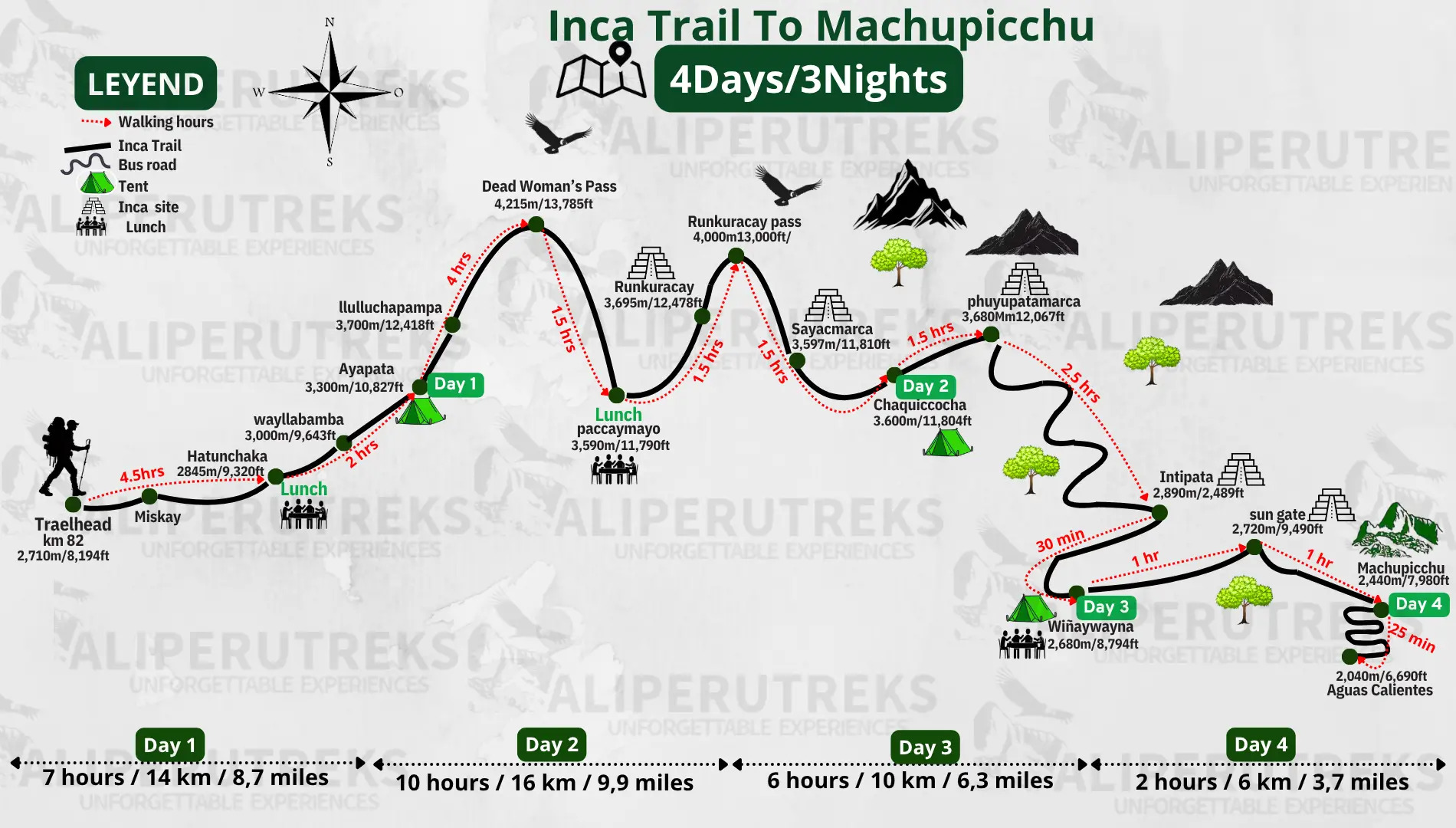
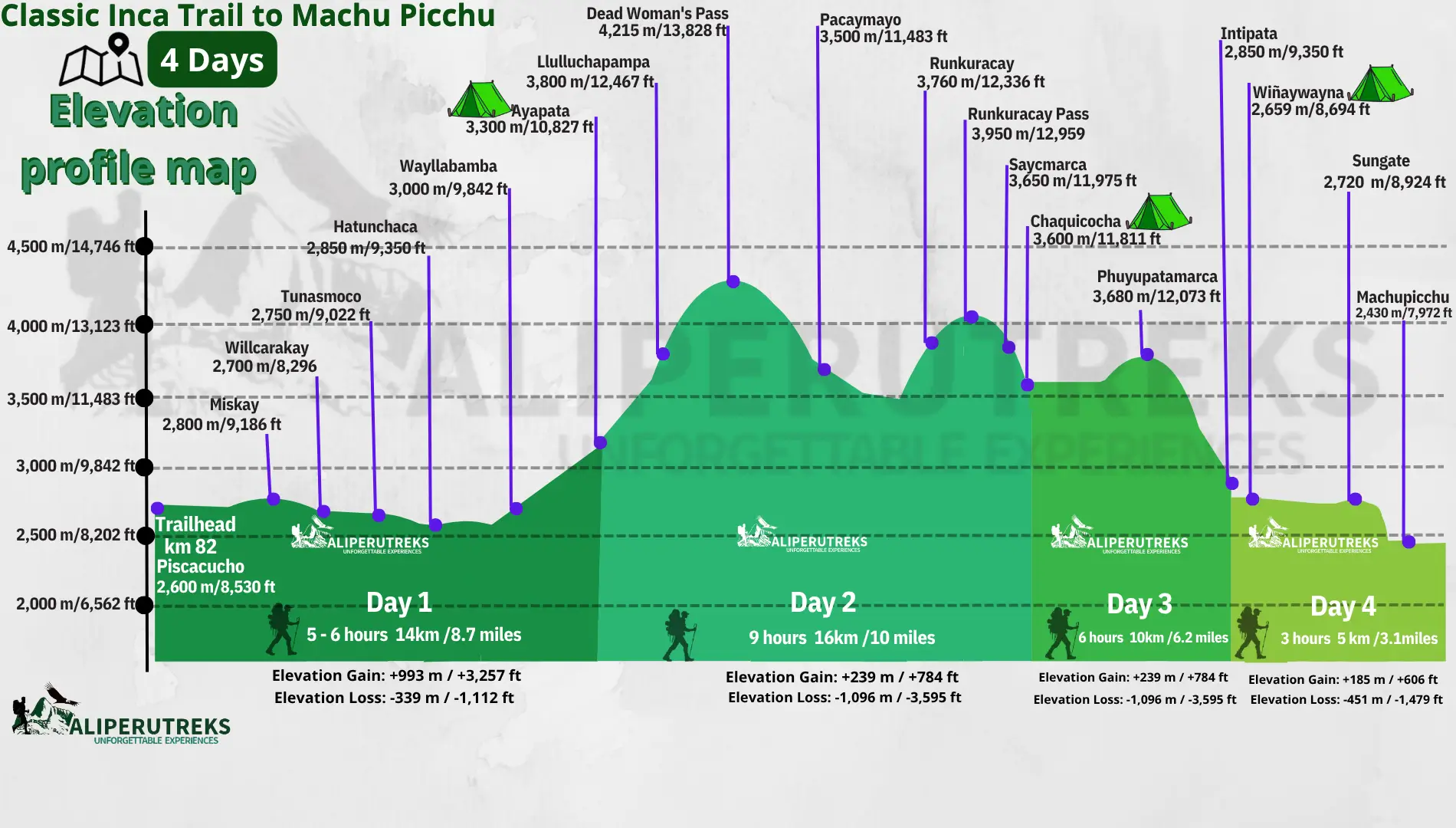
  1. Day 1 — Km 82 to Wayllabamba. After crossing the Urubamba River at the Km 82 checkpoint, you ease into the trek with a relatively gentle 12 km (7.5 mi). You’ll pass the ruins of Llactapata before settling into your first campsite.
  2. Day 2 — Wayllabamba to Pacaymayo. The hardest day. You climb to Dead Woman’s Pass (Warmiwañusca), the highest point of the trail at about 4,215 m (13,828 ft), then descend steeply. Expect 6–8 hours of demanding hiking.
  3. Day 3 — Pacaymayo to Wiñay Wayna. A long but rewarding day over a second pass, passing Runkurakay, Sayacmarca, and Phuyupatamarca, the “town above the clouds,” before camping near the spectacular Wiñay Wayna ruins.
  4. Day 4 — Wiñay Wayna to Machu Picchu. The very early start. Hikers typically wake around 3:00–3:30 a.m. and line up in the cold to be first through the checkpoint, reaching the Sun Gate (Inti Punku) for that first glimpse of Machu Picchu, then descending for a guided tour of the citadel.

The trade-off is clear: it’s efficient and unforgettable, but the long days and pre-dawn finish leave little room to slow down.

Inca Trail 5-Day Itinerary: The Relaxed Alternative

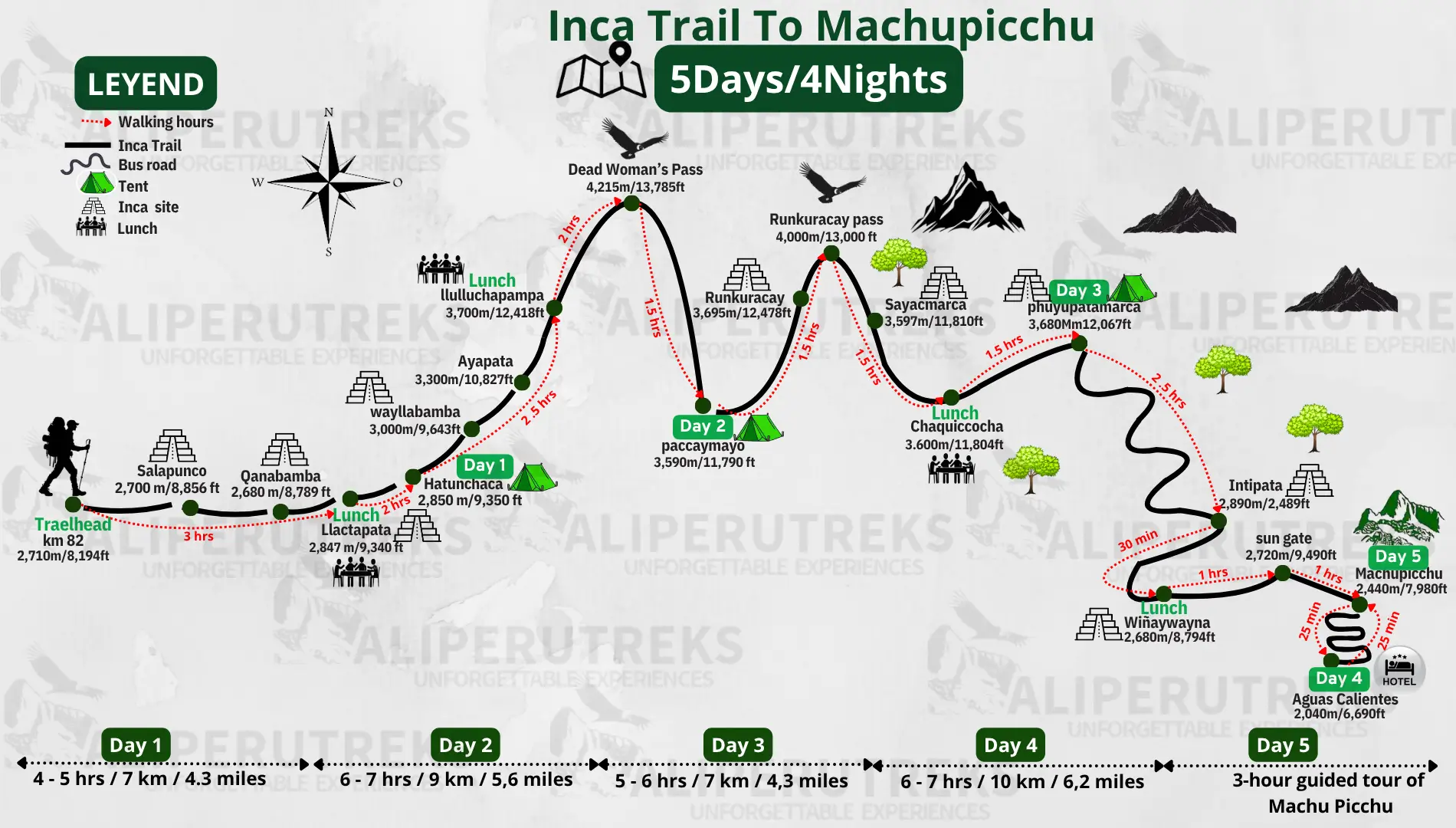
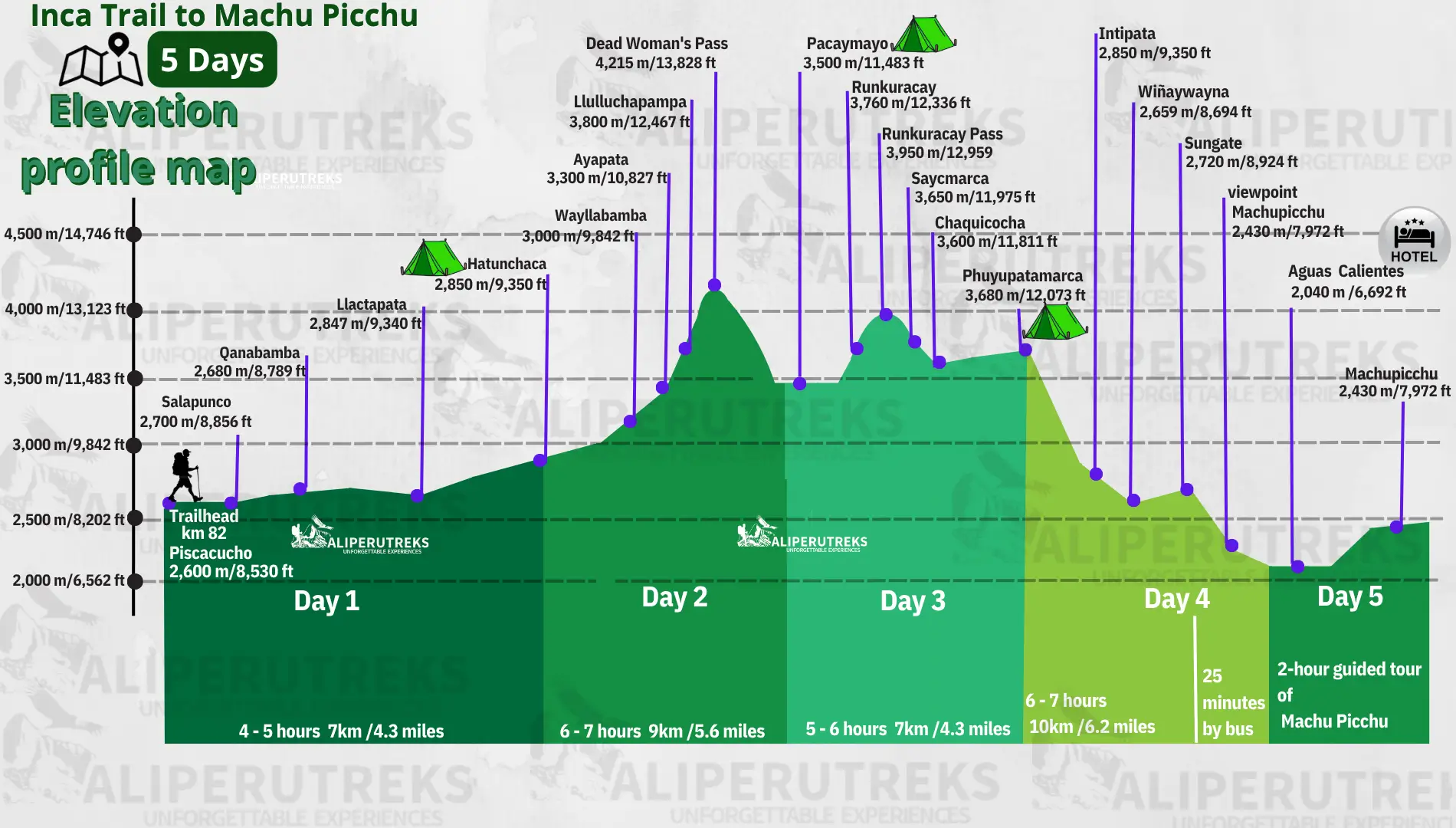
The 5-day trek follows the identical path but redistributes the effort. The biggest structural change is when you tackle the toughest section: you cross Dead Woman’s Pass on Day 3 instead of Day 2, giving your body an extra night to adjust to the altitude.

  1. Day 1 — A late, easy start. Many operators pick you up later in the morning, so you hike a short, gentle stretch and camp at a lower-elevation site — sometimes lower than Cusco itself, which aids acclimatization. You also miss the morning crowds at the checkpoint.
  2. Day 2 — Gradual ascent. Shorter distances let you take long lunch breaks and actually enjoy the cloud-forest scenery, the orchids, and the birdlife instead of racing past them.
  3. Day 3 — Dead Woman’s Pass. You cross the high point a full day later than 4-day groups, which improves both your odds of finishing and your enjoyment.
  4. Day 4 — Wiñay Wayna and the Sun Gate. This is where the 5-day shines. You reach the Sun Gate in the afternoon, when the morning rush has cleared, often with far fewer people around. You then descend to a hotel in Aguas Calientes for a hot shower and a real bed.
  5. Day 5 — A fresh visit to Machu Picchu. Rested and clean, you return to the citadel for a full guided tour without the exhaustion of having just hiked four days straight.

In short, the extra day buys you breathing room — literally and figuratively.

Inca Trail 4 Days vs 5 Days: Pros and Cons Compared

When travelers weigh the Inca Trail 4 days vs 5 days, the decision usually comes down to time, budget, fitness, and how much they hate crowds and early alarms. Here’s an honest breakdown:

Inca Trail 4 days — advantages

  • The classic, most popular itinerary with the widest range of departure dates.
  • One day less time off work and one less night of camping.
  • Generally lower cost than the 5-day version.
  • The dramatic, fast-paced “conquer it” experience many hikers want.

Inca Trail 4 days — drawbacks

  • Long daily distances, including a 10-mile day.
  • A 3:00–3:30 a.m. start on the final morning, often waiting in the cold.
  • Busier, shared campsites and a crowded Sun Gate at sunrise.
  • Less time to explore ruins like Intipata and Wiñay Wayna.

Inca Trail 5 days — advantages

  • Better acclimatization (Dead Woman’s Pass crossed on Day 3).
  • Quieter campsites, fewer crowds, and a more hygienic experience.
  • More time at the archaeological sites and longer rest stops.
  • A hotel night in Aguas Calientes and two visits to Machu Picchu.

Inca Trail 5 days — drawbacks

  • Higher cost, partly because it often runs as a smaller, more private group.
  • Requires an extra day in your overall Peru itinerary.
  • A wet-weather day can feel like a “wasted” extra day if conditions are poor.

So is the 5 day Inca Trail worth it? If your priority is comfort, acclimatization, and avoiding crowds — yes. If it’s budget and efficiency, the 4-day still delivers the full bucket-list experience.

Difficulty and Altitude: How Hard Is Each Trek?

Both itineraries are physically demanding high-altitude treks, not casual walks. The trail climbs above 4,200 meters, involves thousands of stone steps, and is best tackled by anyone in reasonable health who has spent a few days acclimatizing in Cusco beforehand.

How hard is the 4 day Inca Trail?

The 4-day trek is the more challenging of the two simply because the effort is compressed. You cover more ground each day, summit Dead Woman’s Pass on Day 2 (when your body is least adjusted), and finish with a pre-dawn push to the Sun Gate. It’s very doable for fit hikers, but it punishes anyone who underestimates the altitude.

Acclimatization and the altitude advantage

This is where the 5-day earns its reputation. Crossing the highest pass a day later, plus a lower first campsite and shorter daily distances, gives your body more time to adapt. For travelers who worry about altitude sickness or aren’t used to multi-day hiking, that extra buffer can be the difference between struggling and savoring the trek.

Regardless of which you pick, spending 2–3 days in Cusco (around 3,400 m / 11,150 ft) before you start is the single best thing you can do to acclimatize.

Cost Comparison: 4-Day vs 5-Day Inca Trail

Pricing depends heavily on the operator, group size, and level of service, so treat the figures below as approximate and referential — always confirm current rates with a licensed agency before booking.

Cost elementInca Trail 4 DaysInca Trail 5 Days
Adult permit fee (2026, referential)$90 USD$90 USD
Student permit (under 25, referential)$45 USD$45 USD
Typical full package range$600–$1,200 USDUsually higher (often more private)
Group styleStandard small groupOften smaller / semi-private
Hotel night in Aguas CalientesNot includedIncluded

A few things worth knowing about how much the Inca Trail costs: the permit itself is only a fraction of the total. Your package price reflects guides, porters, cooks, meals, camping gear, transport, and the Machu Picchu entrance ticket — and, importantly, fair wages for the porters who make the trek possible. Suspiciously cheap operators often cut corners on staff welfare, so price isn’t the only thing to compare.

Permits, Booking, and the Best Time to Hike

No matter which itinerary you choose, the Inca Trail permit system is identical and strict. Access to the Classic Inca Trail is capped at 500 people per day, and that number includes guides, cooks, and porters — leaving only about 200 spots for trekkers. Permits are issued per passport, are non-transferable and non-refundable, and can only be purchased through a licensed tour operator. Independent hiking is not allowed.

When to book Inca Trail permits 2026

Permits for the year are typically released in October of the previous year, and peak-season dates can sell out within hours or days. As a rule of thumb:

  • June–August (peak): book 4–6 months ahead, sometimes more.
  • April–May & September–October (shoulder): 2–3 months ahead is usually safe.
  • November–January (low/wet): more flexibility, but a higher chance of rain.

One more critical detail: the Inca Trail closes for all of February every year for maintenance and conservation, reopening around March 1. If your travel window is February-only, you’ll need an alternative route to Machu Picchu, such as the Salkantay or Lares treks.

Best time to hike the Inca Trail

The dry season from May to September offers the clearest skies and the most reliable trail conditions, which is exactly why those months book up first. The wet season (roughly November to March) brings slippery paths and cloud cover, though it also means smaller crowds.

SeasonMonthsWeatherCrowds
Dry / peakMay – SeptemberClear, dry, cold nightsHighest
ShoulderApril & OctoberVariable, fewer crowdsModerate
WetNovember – March (closed Feb)Rain, mud, cloudsLowest

Which Inca Trail Option Should You Choose?

By now the Inca Trail 4 days vs 5 days choice should feel a lot clearer. To make it concrete, here’s a quick match-up by traveler type:

  • Choose the 4-day if: you’re reasonably fit, short on vacation days, watching your budget, and want the classic, fast-paced bucket-list experience.
  • Choose the 5-day if: you want the best chance to acclimatize, you’d rather avoid crowds and pre-dawn alarms, you have an extra day to spare, and a hotel night plus two Machu Picchu visits appeal to you.
  • Best for beginners / altitude-sensitive travelers: the 5-day, hands down, thanks to the gentler pace and extra acclimatization night.
  • Best for crowd-averse photographers: the 5-day, for that quieter afternoon arrival at the Sun Gate.

If you can’t get a permit for either, don’t panic — the Salkantay Trek and Lares Trek reach Machu Picchu without an Inca Trail permit and are excellent alternatives.

Frequently Asked Questions

Can you do the Inca Trail without a guide?

No. Independent hiking on the Classic Inca Trail is not permitted. The Peruvian government requires all trekkers to book through a licensed tour operator, which means your permit, guide, cook, and porter team are all part of the same regulated package.
There are no walk-in permits and no self-guided options — this applies to both the 4-day and 5-day itinerary.

How fit do you need to be for the Inca Trail?

You don’t need to be an athlete, but you should be comfortable hiking 6–8 hours a day at altitude. A good benchmark: if you can hike uphill for 2+ hours without stopping, you’re in reasonable shape.
Ideally, spend 6–8 weeks before your trip doing cardio (running, cycling, stair climbing) 4–5 times a week. The 5-day itinerary is more forgiving for those who aren’t seasoned hikers, since shorter daily distances reduce the physical demand considerably.

What happens if it rains on the Inca Trail?

The trail stays open (except February) regardless of rain — hikes are not cancelled due to weather. Expect muddy stone steps, lower visibility at the passes, and colder camp nights during the wet season (November–March). The key is preparation: waterproof jacket, gaiters, and dry bags for your gear.
One advantage of the 5-day itinerary in wet conditions is that shorter daily distances reduce the misery of hiking long hours in the rain.

Do Inca Trail porters carry your bag?

Yes — porters carry the group equipment (tents, kitchen, food) and a personal duffel bag you hand off each morning, typically limited to 5–7 kg depending on the operator. You hike with a daypack carrying water, snacks, rain gear, and a camera.
Reputable operators cap porter loads at 20 kg total (personal + equipment) to protect their welfare — well below the legal 25 kg limit. Always ask your operator about their porter policy before booking.

Is altitude sickness common on the Inca Trail?

It’s one of the most common reasons trekkers struggle or turn back. The trail peaks at 4,215 m (Dead Woman’s Pass), and symptoms like headache, nausea, and fatigue can hit anyone regardless of fitness.
The best prevention is spending 2–3 days acclimatizing in Cusco (3,400 m) before the trek begins.
The 5-day itinerary reduces risk further because its first campsite sits lower than Cusco, and Dead Woman’s Pass is crossed a full day later — giving your body more time to adapt.

What should I pack for the Inca Trail?

Your daypack should include: waterproof jacket and pants, hiking poles (highly recommended for the descents), 2–3 liters of water capacity, sunscreen and lip balm (UV intensity is extreme at altitude), headlamp with extra batteries for the pre-dawn Day 4 start, snacks, and a small first-aid kit with blister care.
In your porter duffel: a warm sleeping bag rated to at least -5°C, thermal base layers, a fleece, and a change of clothes. Leave anything non-essential at your hotel in Cusco.

Can beginners do the Inca Trail?

Yes, but with preparation. The Inca Trail is not a casual hike — it involves altitude, steep stone steps, and multiple days of consecutive effort.
For first-time multi-day hikers, the 5-day itinerary is the clear recommendation: shorter daily distances, an extra acclimatization night, and a later start on Day 1 all reduce the risk of burning out before the Sun Gate.
Spending at least 2 days in Cusco beforehand and doing basic cardio training for 4–6 weeks before departure makes a significant difference.

What food is served on the Inca Trail?

Most licensed operators serve three full meals a day prepared by a dedicated trail cook, often including hot breakfast (porridge, eggs, bread), a cooked lunch with soup and a main course, and a hot dinner at camp.
Quality varies by operator — higher-end tours are known for impressive trail cooking. If you have dietary restrictions (vegetarian, vegan, gluten-free), notify your operator at booking; most can accommodate with advance notice.
Bring personal snacks like energy bars for the long stretches between meals.

Can you do the Inca Trail if you’re over 50?

Absolutely — many trekkers in their 50s, 60s, and beyond complete it successfully every year. The key variables are general fitness, altitude tolerance, and choosing the right itinerary.
For hikers over 50, the 5-day option is strongly recommended: the gentler pace, extra acclimatization time, and a hotel night in Aguas Calientes before the Machu Picchu visit make the experience far more enjoyable than the intense 4-day schedule.
Consulting a doctor before booking and spending several days in Cusco beforehand is especially important for this age group.

What is the Inca Trail permit lottery?

No — there is no lottery. Inca Trail permits are released on a first-come, first-served basis through licensed tour operators, typically starting in October for the following year.
The confusion arises because peak-season dates (June–August) sell out within hours of release, which makes it feel like a lottery.
The correct approach is to identify your travel dates, choose a reputable licensed operator, and book as early as possible — ideally 4–6 months before peak season. You cannot buy a permit directly; it always goes through an authorized agency.

Final Thoughts: Book Early and Choose the Pace That Fits You

Whichever way you lean in the Inca Trail 4 days vs 5 days debate, remember that the single most important step is to secure your permit early — months in advance for peak season — because no decision matters if the dates are already sold out. The 4-day delivers the iconic, efficient adventure; the 5-day gives you room to breathe, acclimatize, and truly soak in one of the world’s greatest hikes.

Ready to walk the same stone path the Incas built to Machu Picchu? Decide on the pace that fits your fitness, schedule, and travel style, then reach out to a licensed operator today to lock in your permit before your dream dates disappear. Your once-in-a-lifetime trek to the Sun Gate is closer than you think — claim your spot now.