
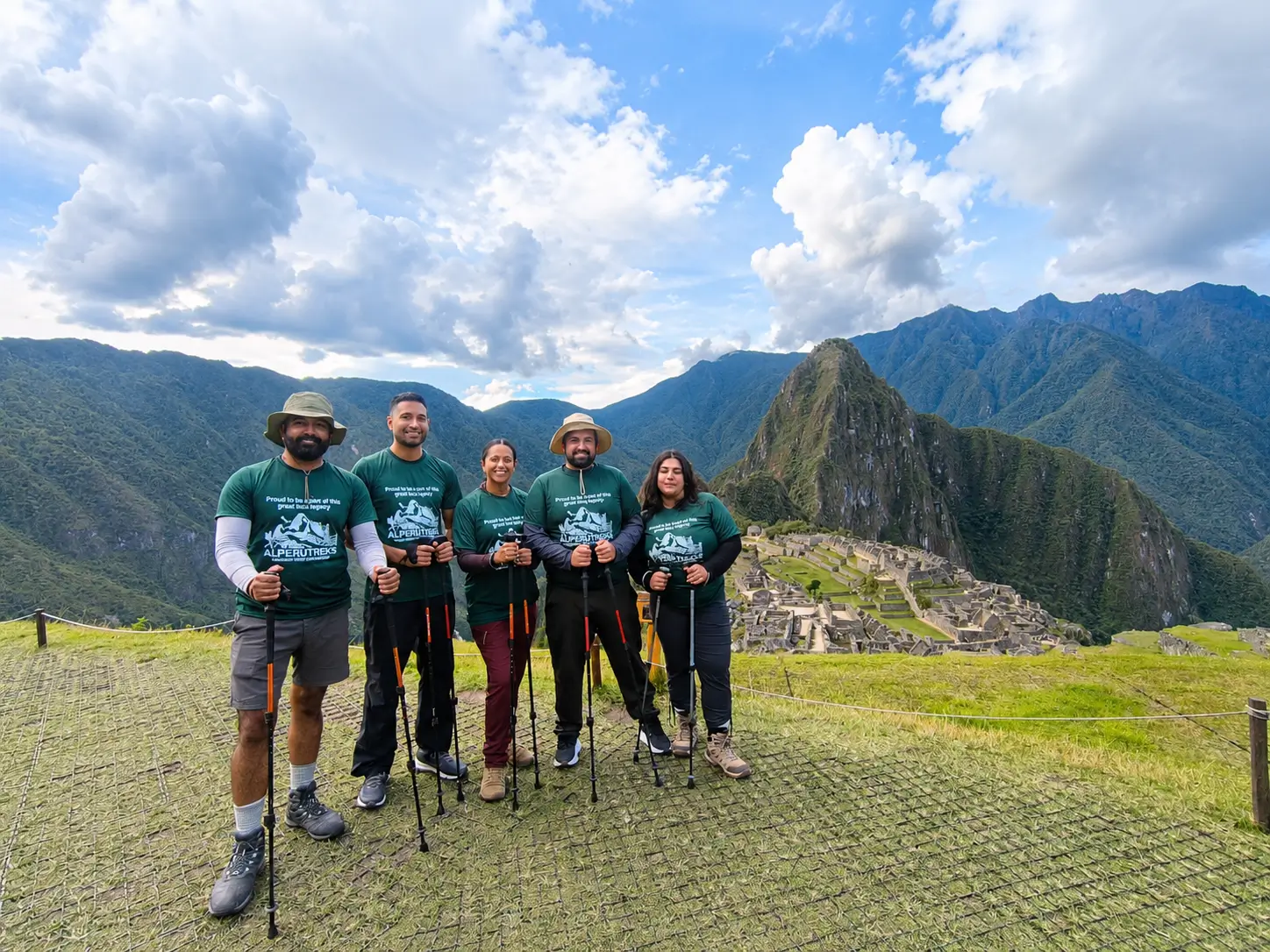
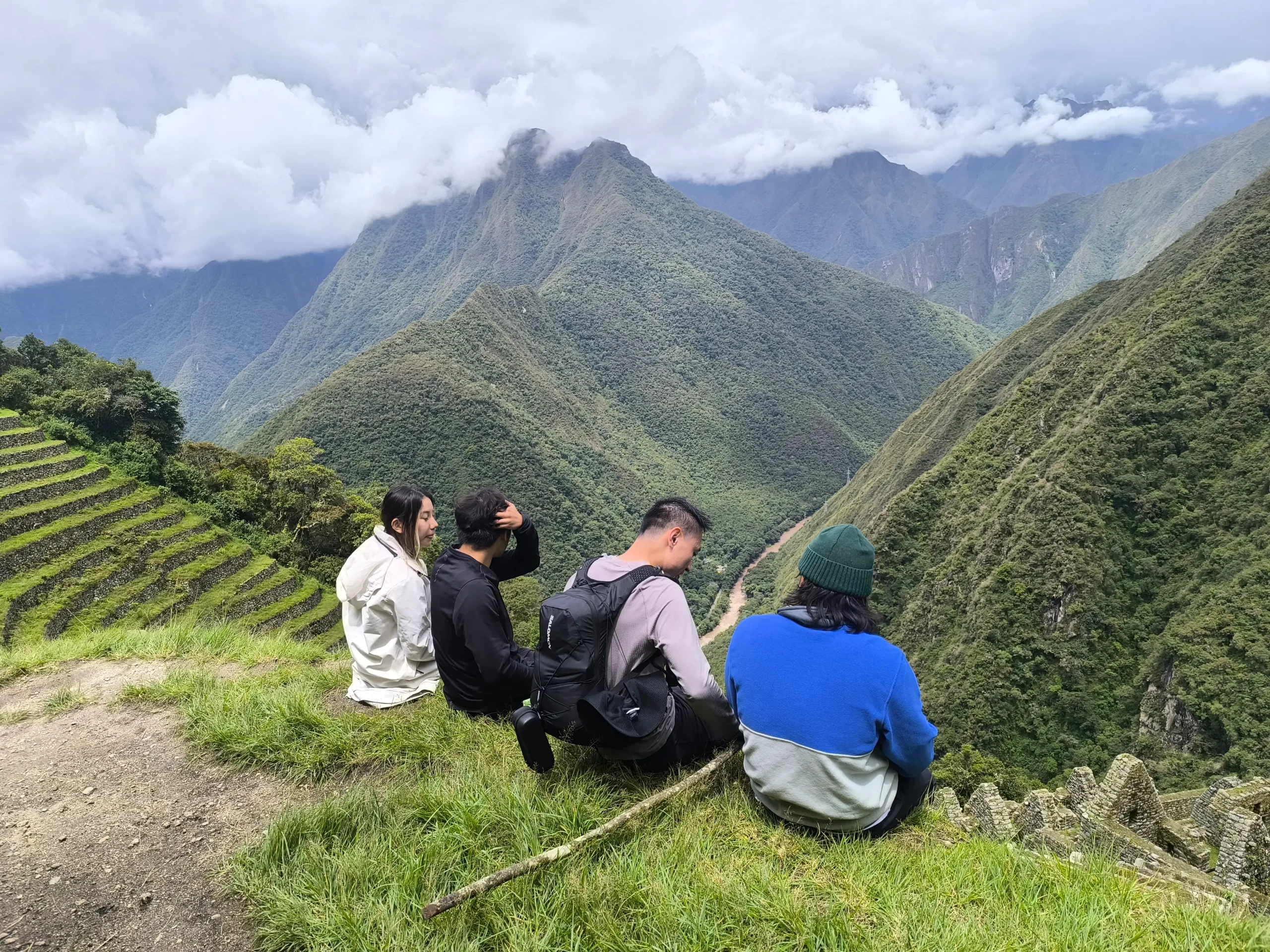
Dreaming of standing at the Sun Gate as Machu Picchu emerges from the morning mist? Then you’re already thinking about the Inca Trail, the most famous trek in South America. But here’s the catch most first-time travelers don’t realize until it’s too late: you can’t just show up and walk it.
Permits are strictly capped, sell out months ahead, and can only be booked through a licensed operator. If you’re planning for 2026 or 2027, the smartest thing you can do is understand the system before you book your flights. This guide walks you through permits, costs, the best time to go, the day-by-day route, and what to do if your dates are already gone.
What Is the Inca Trail and Why Is It So Restricted?
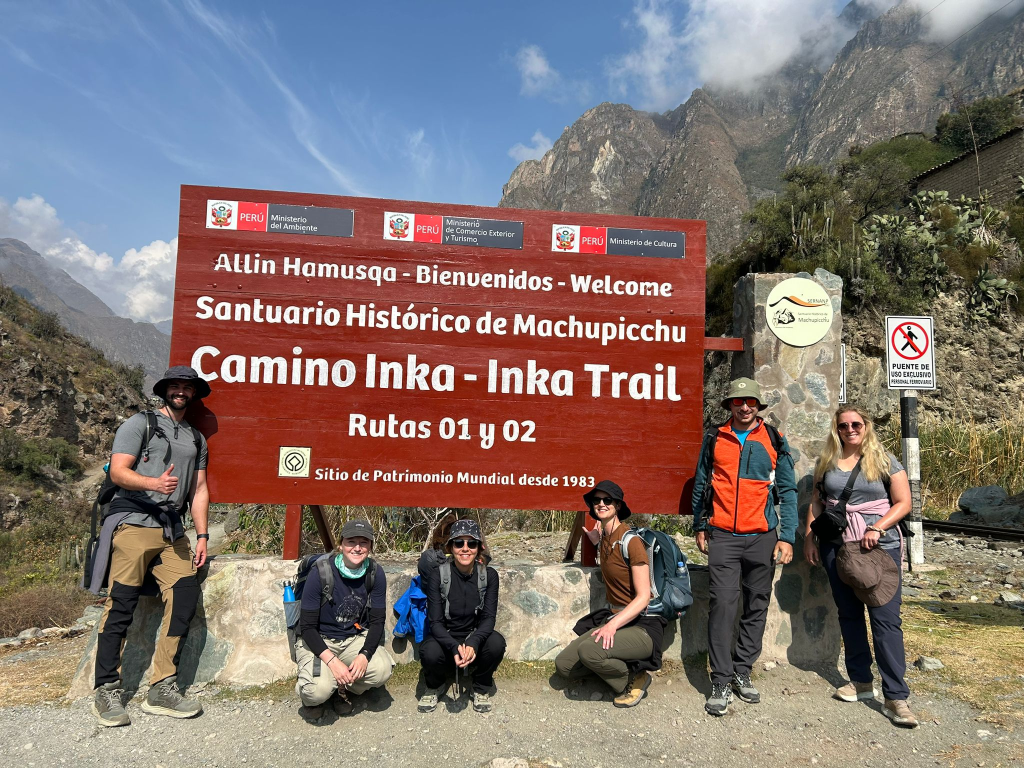
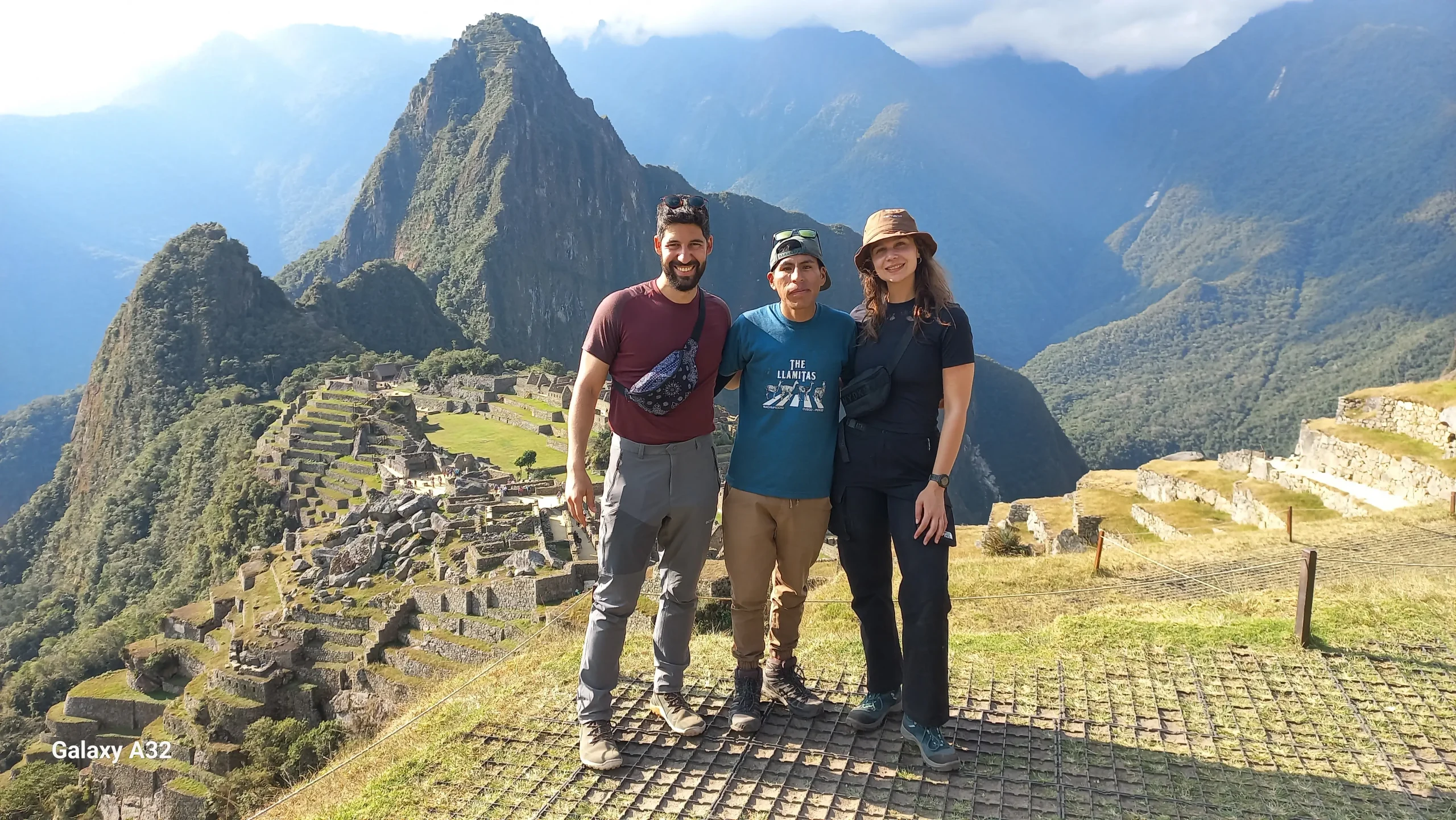
The classic Inca Trail to Machu Picchu is a roughly 43-kilometer (26-mile) stone pathway built nearly 500 years ago, winding through cloud forest, high Andean passes, and remote ruins you can only reach on foot. It ends at Inti Punku, the Sun Gate, with that first unforgettable view of the citadel.
Because the route sits inside a UNESCO World Heritage setting, Peru’s Ministry of Culture tightly limits access. Around the year 2000, authorities capped daily entry at 500 people after rising visitor numbers caused erosion and damage to the archaeological sites.
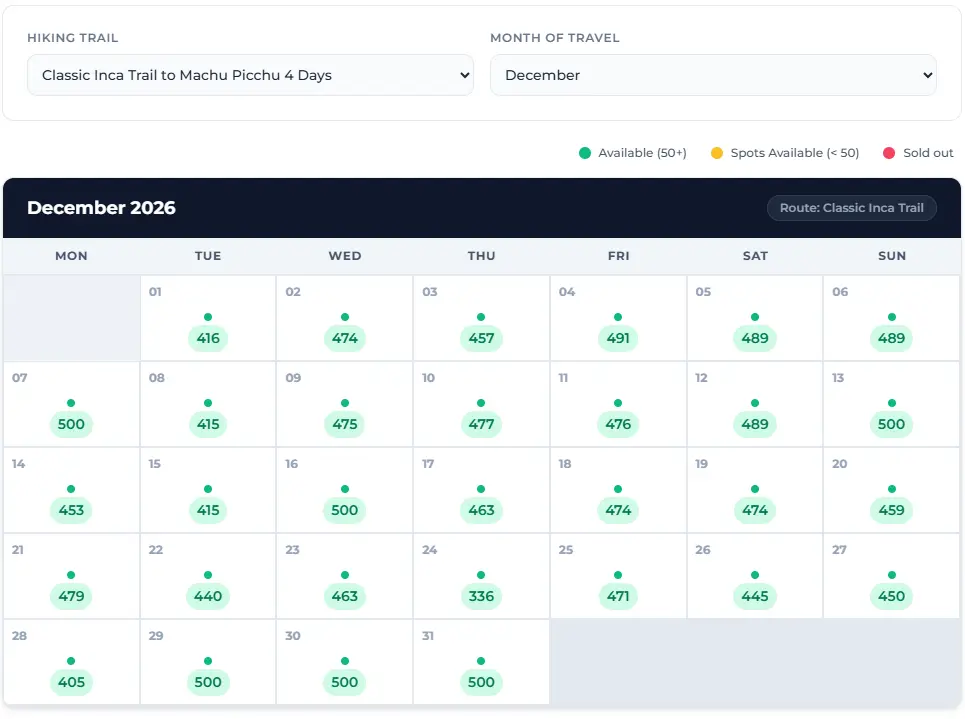
That 500-person cap is the single most important fact for planning. It includes everyone on the trail that day — not just hikers, but the guides, cooks, and porters who make each trek possible.
- 200 spots per day go to trekkers (tourists)
- 300 spots per day go to support staff (guides, cooks, porters)
- A group of 2 travelers can use 9 permits once staff are counted
- The trail is closed every February for maintenance and restoration
Inca Trail Permits 2026 & 2027: How They Work
Here’s the rule that surprises everyone: Inca Trail permits cannot be purchased on your own. Only authorized operators registered with Peru’s Ministry of Culture, SERNANP, and DIRCETUR can buy them through the official government system. Each permit is tied to your exact passport name and number, and it is non-refundable and non-transferable.
Permits are released on a staggered, month-by-month schedule, and Inca trail availability disappears fast once the system opens. The table below shows the typical release pattern. Note that dates can shift — in 2025, the release was delayed twice due to technical issues with the government system, so treat these as referential.
| Departure Season | 2026 Release (approx.) | 2027 Release (expected) | How Fast It Sells |
| Jan & March | Mid-Oct to Nov 2025 | Early Oct 2026 | Days to weeks |
| April (shoulder) | Nov 2025 | Oct 2026 | 3–5 days |
| May–August (peak) | Nov 2025 | Oct 2026 | Hours to a few days |
| Sept–Dec | Late Nov 2025 | Mid-Oct 2026 | Days to weeks |
For 2027 departures, the calendar will likely show “100% availability” until the government actually releases permits to operators — usually the first week of October 2026. That placeholder doesn’t mean spots are open; it means the season hasn’t been released yet.
How to Book the Inca Trail for 2026 or 2027
- Choose flexible dates within your travel window — flexibility dramatically improves your odds.
- Pick a licensed operator and verify their DIRCETUR registration number.
- Submit exact passport details — name and number must match your passport at the checkpoint, no exceptions.
- Pay a deposit (often around $200) so the operator can lock in your permit the moment it’s released.
- Request a copy of your confirmed permit as proof for the trail.
A practical rule: if you want June, July, or August, book 5–8 months ahead. For 2027, contact an operator in September 2026 so they’re ready the instant permits drop.
How Much Does the Inca Trail Cost in 2026 & 2027?
The Inca trail cost has two layers: the government permit fee and the tour package that wraps around it. As of 2026, the permit is about $90 for adults and $45 for students under 25 with a valid international student ID. (Always confirm current rates with your operator, as the Ministry can adjust them.)
The permit alone doesn’t get you up the trail — you need the full package, which covers guides, porters, camping gear, meals, and transport. Here’s a realistic breakdown:
| Service Level | Price per Person (approx.) | What’s Typically Included |
| Budget | $600–$750 | Permit, guide, shared gear, basic meals, larger group |
| Mid-range | $900–$1,200 | Smaller groups, better food, extra porter support |
| Premium | $1,300–$1,500 | Small private groups, upgraded gear, top guides |
Important to know: as of 2026, the Inca Trail permit and the Machu Picchu entrance ticket are two separate things. A full tour package usually bundles both, but the citadel ticket (which now includes Circuit 1 and Circuit 3 for trail hikers) is technically a separate reservation.
Best Time to Hike the Inca Trail
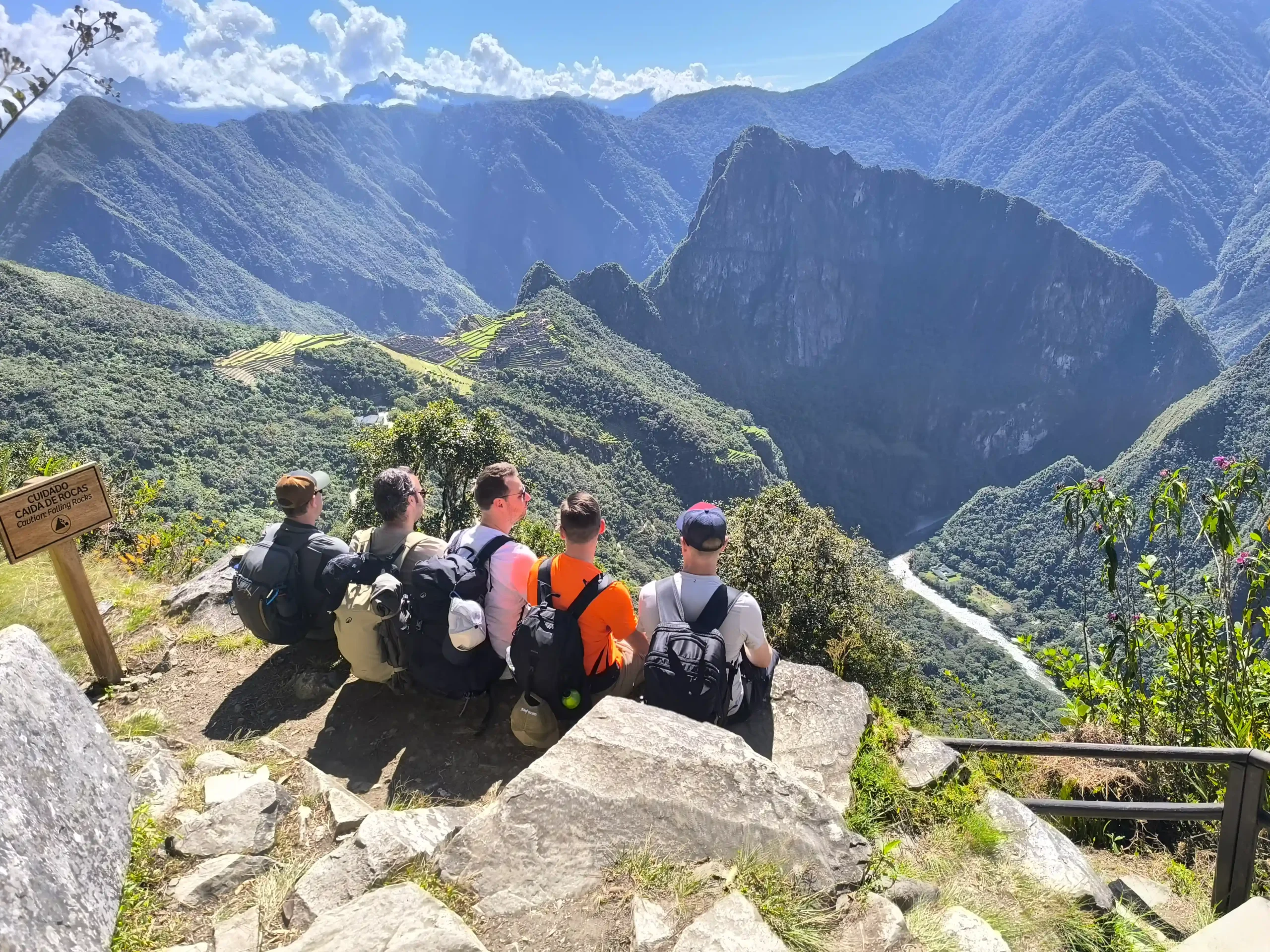
Peru’s Andes have two broad seasons, and the best time to hike the Inca trail depends on whether you prioritize dry weather or smaller crowds. The dry season delivers clearer skies but fierce competition for permits; the green season is lush and quiet but wetter.
| Season | Months | Weather | Crowds & Permits |
| Peak / Dry | May–Sept | Dry days, cold nights | Sells out fastest (book 6–8 mo. ahead) |
| Shoulder | March–April, Oct–Nov | Mild, occasional rain, blooming flora | Moderate, books 1–5 days after release |
| Green / Wet | Dec & Jan | Lush, frequent rain | Most available, fewer hikers |
| Closed | February | Heavy rain | Trail closed for maintenance |
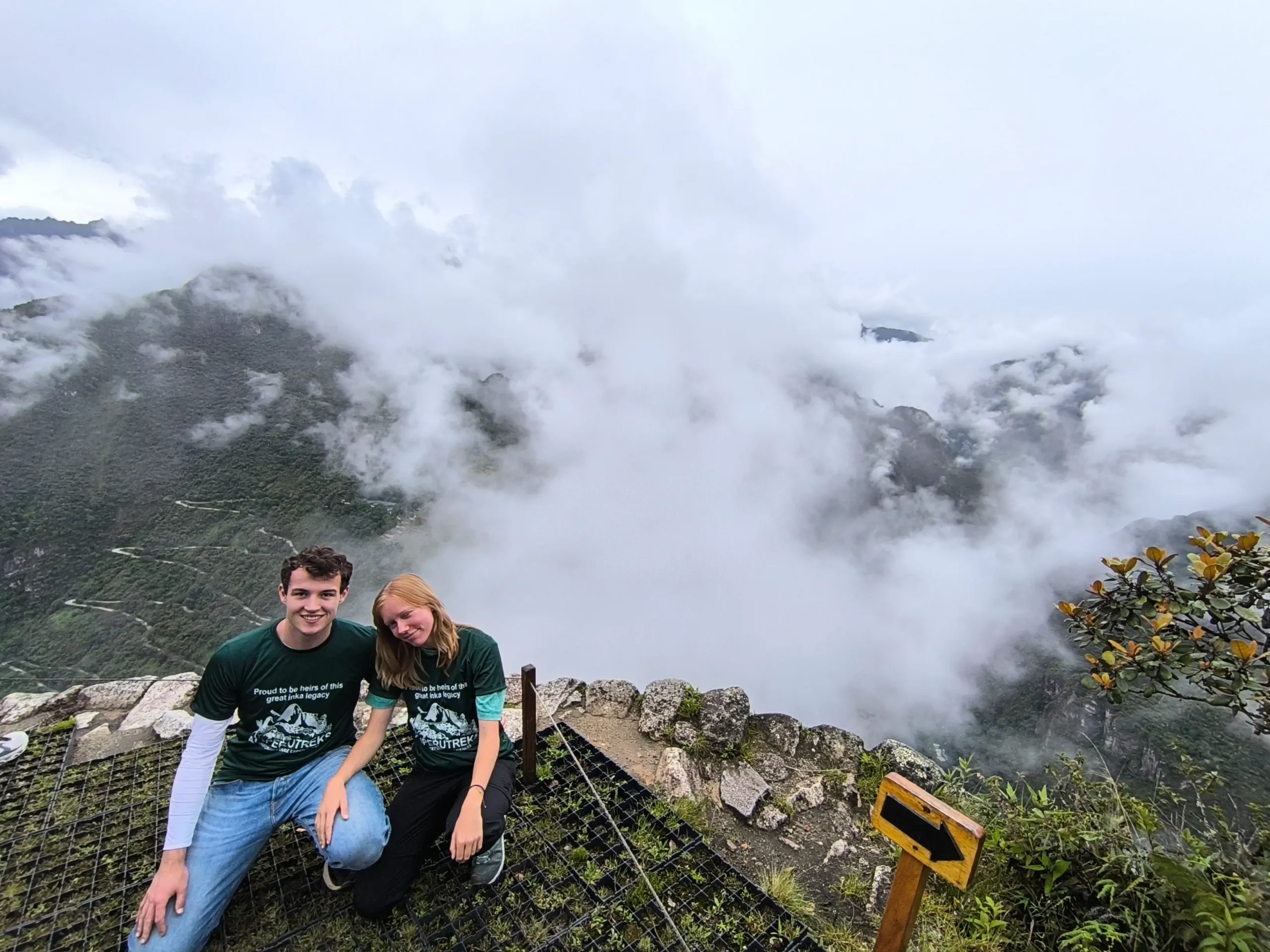
Temperatures swing widely — anywhere from around -5°C (23°F) at night near the high camps to 25°C (77°F) in the lower cloud forest. Pack for both extremes regardless of season.
4-Day Classic Inca Trail Itinerary
The classic Inca trail runs 4 days and 3 nights, averaging 6–7 hours of walking per day. You’ll start at Km 82 near Ollantaytambo (around 2,720m / 8,920 ft) and finish at Machu Picchu. Here’s the day-by-day flow:
- Day 1 — Km 82 to first camp. A gentle warm-up day past the Patallacta (Llactapata) ruins, easing you into the altitude and terrain.
- Day 2 — Dead Woman’s Pass. The hardest and most rewarding day. You climb to Warmiwañusca, or Dead Woman’s Pass, at 4,215m (13,828 ft), the highest point on the trail, before descending.
- Day 3 — Ruins and cloud forest. Pass Runkurakay, Sayacmarca, Phuyupatamarka, and Intipata, then descend to camp near Wiñay Wayna (2,650m), sleeping low before the finale.
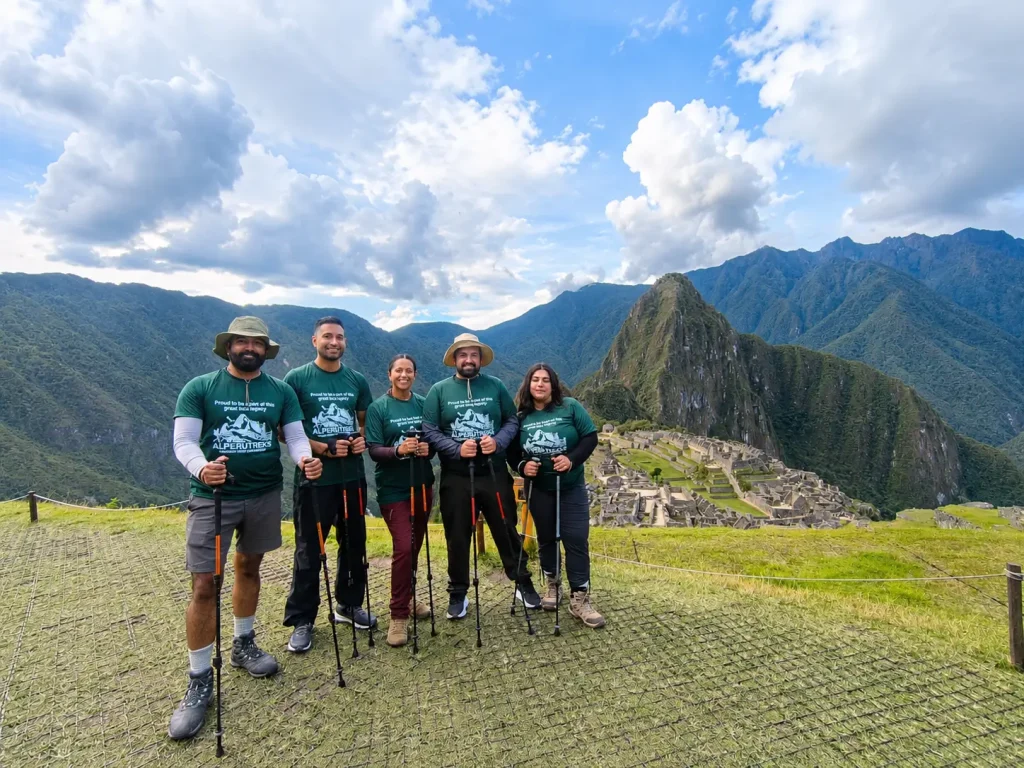
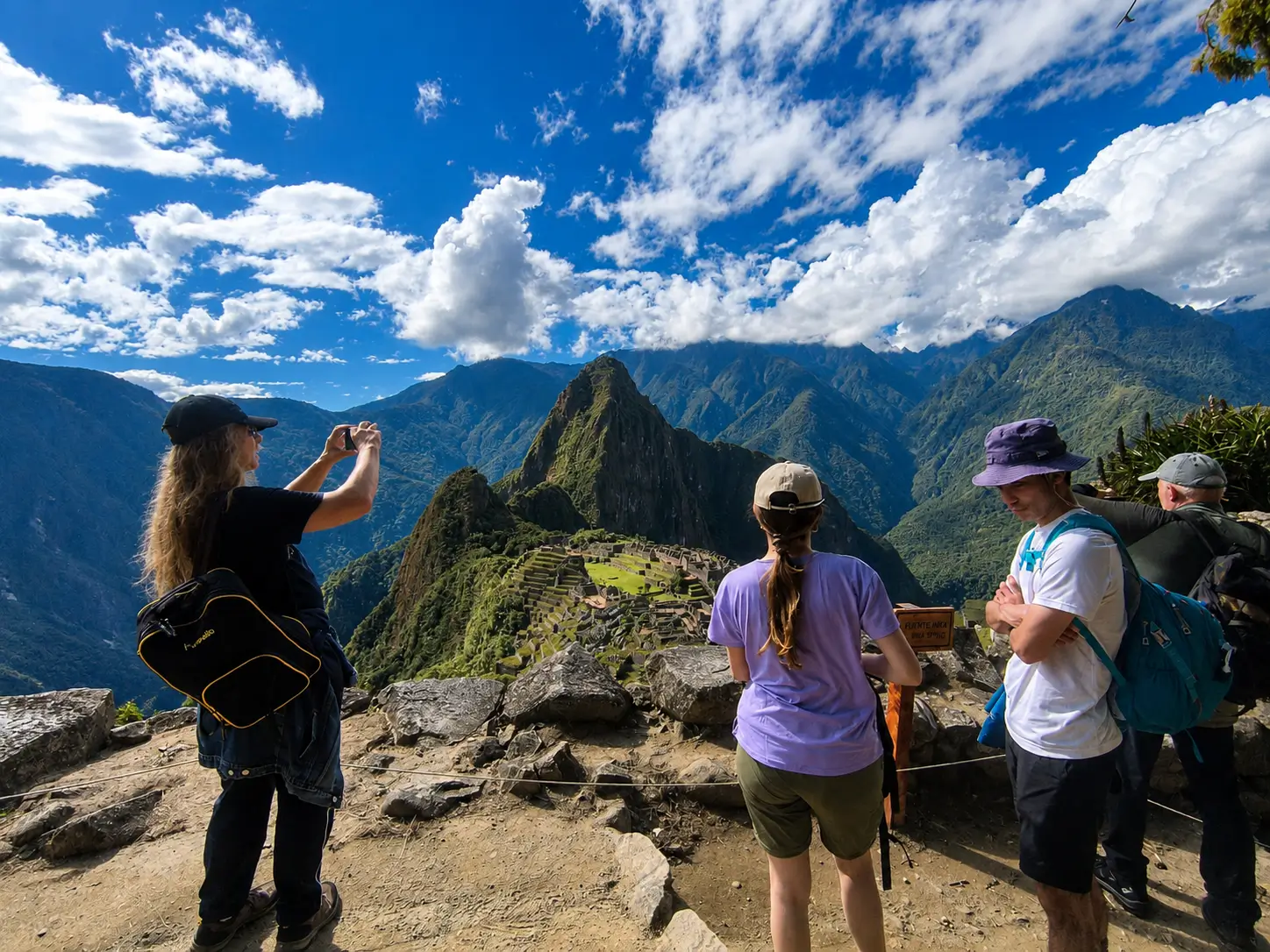
- Day 4 — The Sun Gate. An early start to reach Inti Punku for sunrise over Machu Picchu, then a guided tour of the citadel through Circuits 1 and 3.
The trail is rated challenging — not because of technical climbing, but because of altitude. Spend 2–3 days acclimatizing in Cusco first, stay hydrated, and skip alcohol before the trek.
What to Pack for the Inca Trail
Porters carry the heavy gear (usually a 7kg duffel limit), but you’ll need a smart daypack. Essentials include:
- Broken-in hiking boots and moisture-wicking layers
- A warm jacket plus rain jacket and rain pants
- Sun protection: hat, sunglasses, high-SPF sunscreen
- A headlamp for the pre-dawn Day 4 start
- Refillable water bottle, personal first-aid items, and any altitude medication
- Sleeping bag (often available to rent for $25 if you don’t bring one)
Inca Trail Alternatives if Permits Sell Out
If your dates are gone, don’t panic — a sold-out Inca trail doesn’t mean a sold-out trip to Machu Picchu. Several spectacular routes deliver similar landscapes with far more flexibility, since they’re not bound by the same permit cap.
| Alternative | Duration | Why Choose It |
| Short Inca Trail | 2 days | Walks the final stretch through the Sun Gate; permits free up more often |
| Salkantay Trek | 5 days | Most popular alternative; Humantay Lake and high glaciers |
| Lares Trek | 3–4 days | Cultural route through Andean villages |
| Choquequirao Trek | 4–5 days | Remote “sister site” to Machu Picchu, very few crowds |
The short Inca trail is the closest substitute, letting you still pass through Inti Punku in a single hiking day. The longer alternatives end at Machu Picchu by train or final-day hike rather than the classic trail itself.
Frequently Asked Questions
Yes. Every hiker needs one, and it must be booked through a licensed operator — you can’t buy it directly from the government.
No. A licensed guide has been mandatory since 2001 for all classic trail treks.
Good cardiovascular fitness helps, but technical experience isn’t required. The altitude is the real challenge, so acclimatize first.
Planning the Inca Trail in 2026 or 2027 comes down to one principle: book early, book through a licensed operator, and stay flexible with your dates. Permits are limited, February is off the table, and the best months vanish within hours of release. If Machu Picchu through the Sun Gate is on your list, start your reservation now and lock in a deposit before your dates disappear — your once-in-a-lifetime trek is worth the early planning. Reach out to an authorized operator today and secure your spot on the trail.