
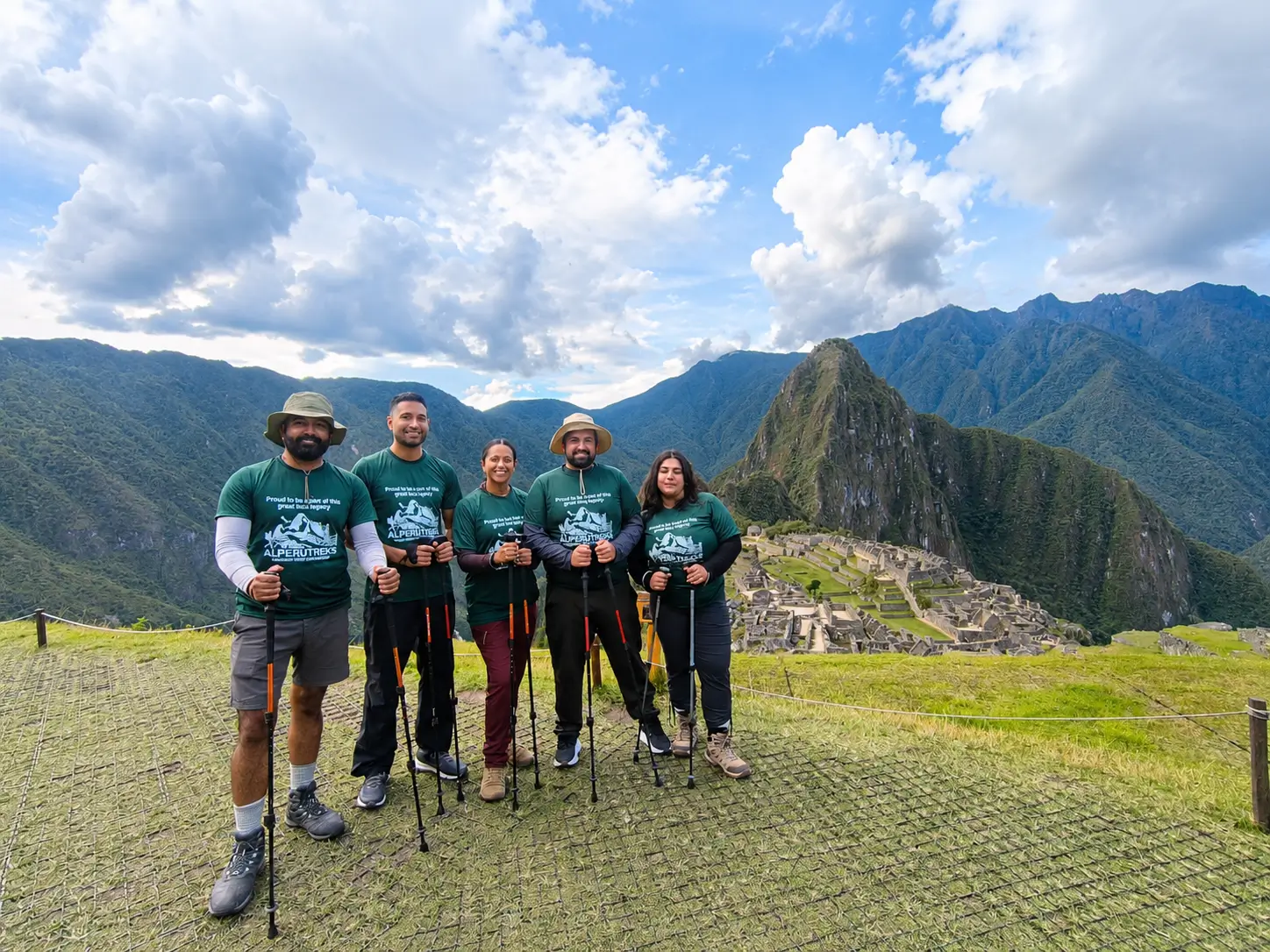
Hiking the classic Inca Trail to Machu Picchu is, without a doubt, the most famous and coveted adventure trek in South America. Walking the exact stone pathways laid down by the Inca emperors, crossing mystical cloud forests, and discovering ancient archaeological citadels accessible only on foot is a truly life-changing experience. However, because this is a highly regulated, high-altitude mountain route, the success of your trek depends entirely on meticulous preparation.
As a 100% local tour operator based right here in Cusco, our team lives and breathes these mountains every single day. In this comprehensive Inca Trail tips complete guide, we reveal the ultimate insider secrets, logistical warnings, and preparation strategies to optimize your budget, protect your health, and ensure you enjoy every single step toward the Wonder of the World.
Timing is everything: When to book inca trail machu picchu?
The single biggest mistake international travelers make is assuming they can purchase Inca Trail permits upon arrival in Cusco. To protect the trail’s environmental and structural integrity, the Peruvian government enforces a strict daily limit on permits, and these spaces sell out up to half a year in advance.
If you plan to travel during the peak dry season (May to September), the gold standard rule is to secure your permits 6 to 8 months in advance. Even if you travel during the shoulder months, waiting until the last minute will likely leave you locked out of the route. Additionally, keep in mind that the entire trail is completely closed for the month of February for environmental conservation and maintenance. To help you choose your ideal departure date, review our seasonal matrix below:
| Season / Months | Main Advantages | Disadvantages / Key Requirements |
| Dry Season (May to October) | Clear skies, minimal chance of rain, crisp and flawless photographic conditions. | Highest tourist crowds; freezing night temperatures at upper campsites. |
| Rainy Season (November to April) | Intensely vibrant green landscapes, fewer crowds on the trail, lower flight rates. | Frequent downpours, slippery trail sections. February is completely closed. |
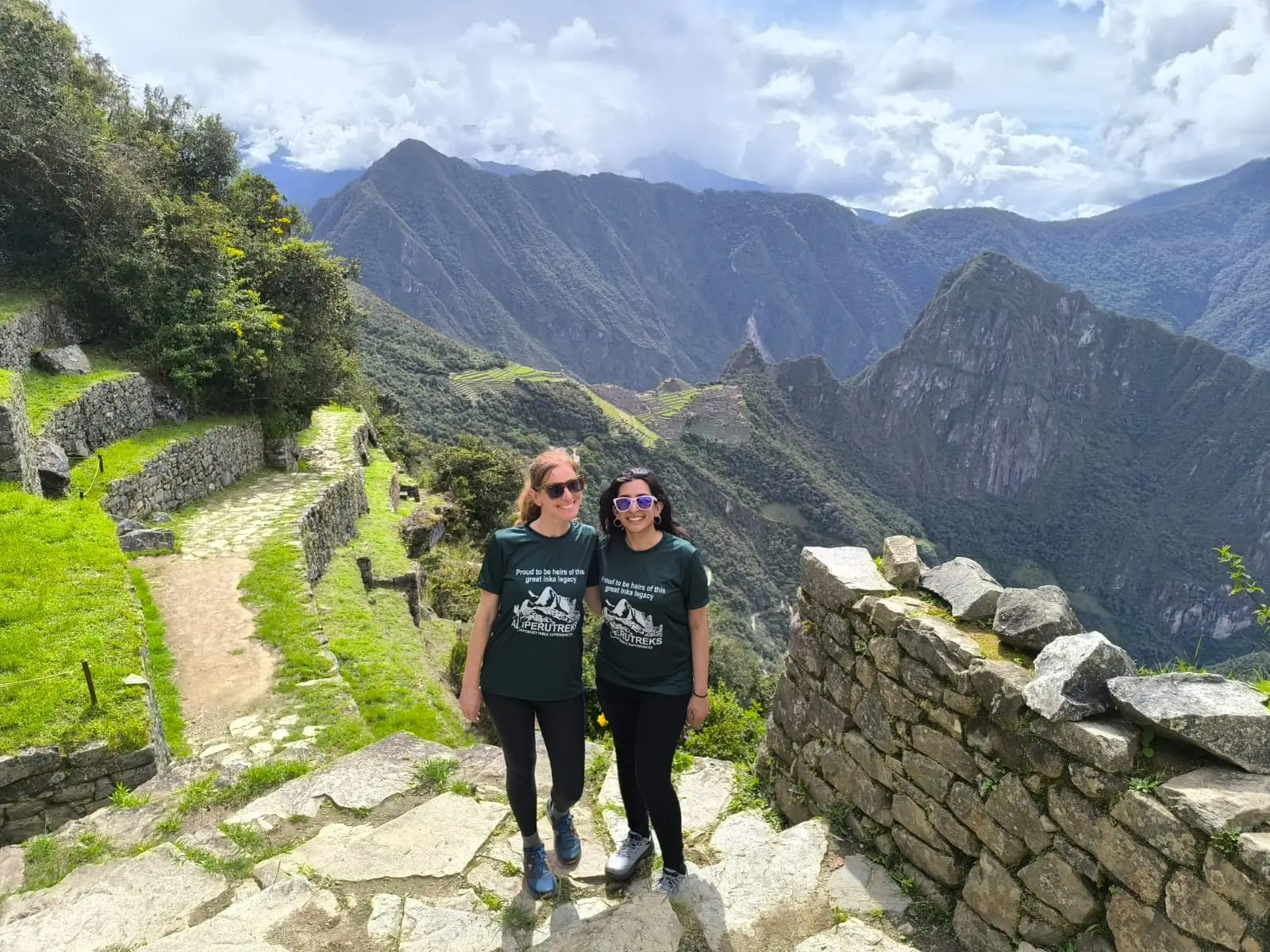
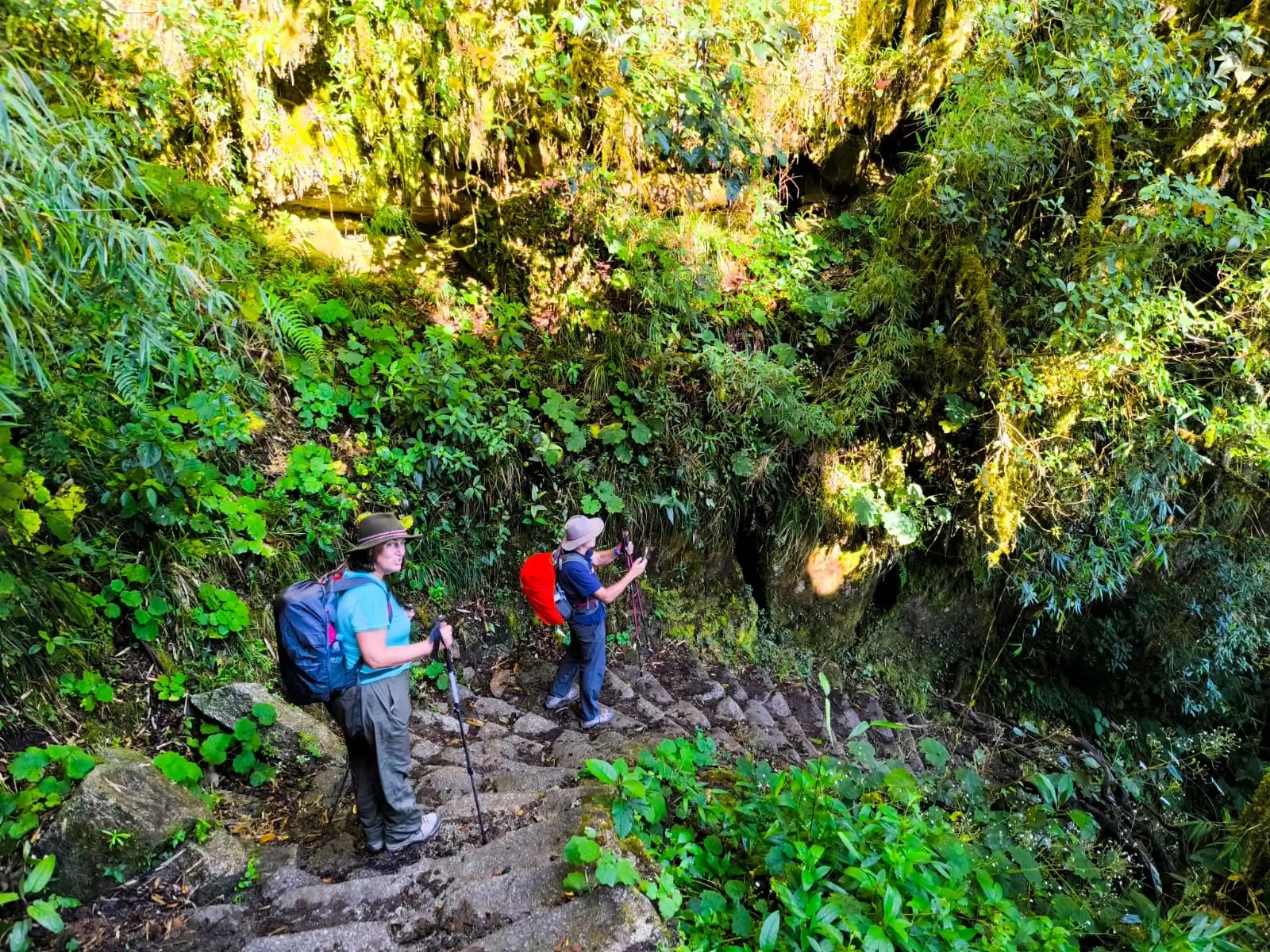
Physical preparation for inca trail and acclimatization
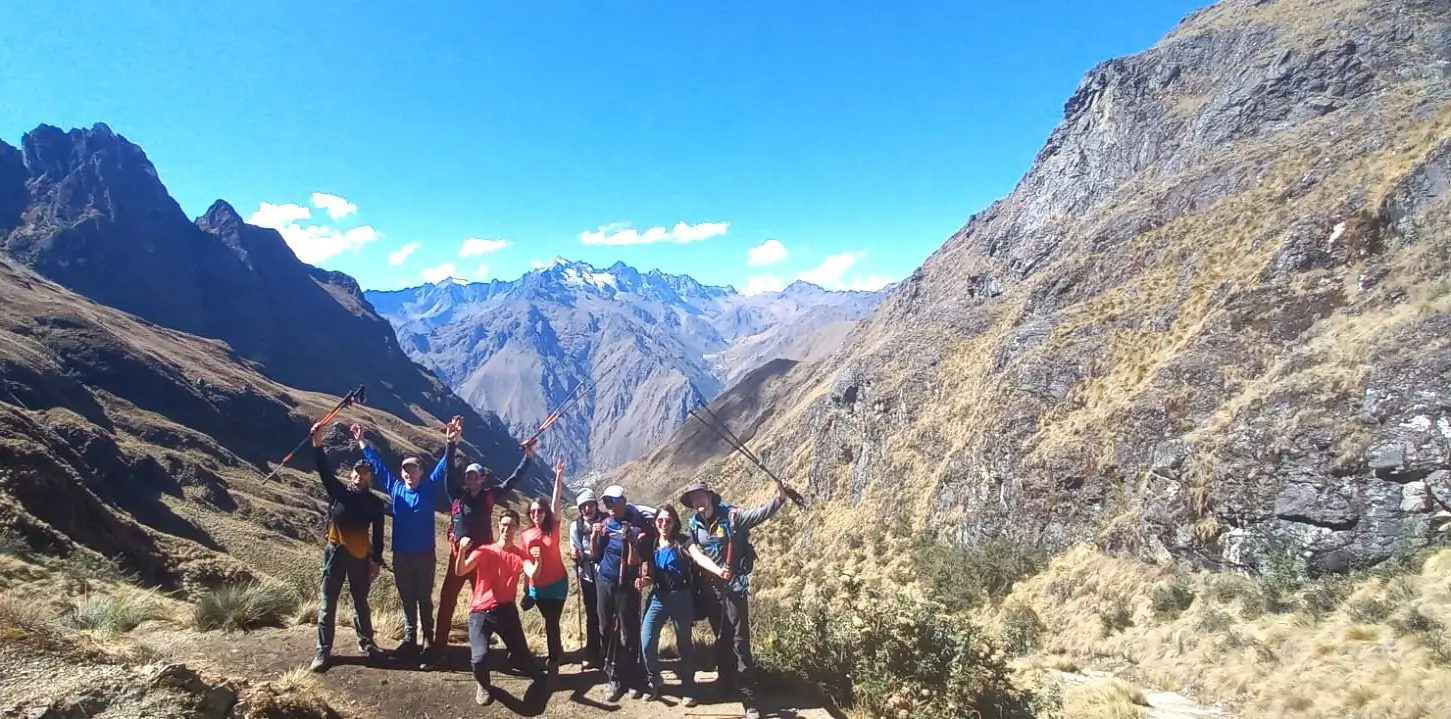
You do not need to be an elite marathon runner to complete the 26-mile/43 km trek, but underestimating the Andean geography is a guarantee for a rough time. The critical crux of the trek occurs on Day 2, where you will ascend to the infamous Dead Woman’s Pass (Warmiwañusqa), sitting at a towering 13,828 feet /4,215 meters above sea level.
- Cardiovascular endurance training: Start your physical preparation for inca trail at least 4 to 6 weeks before your flight. Focus on stamina-building exercises like jogging, swimming, stair climbing, or hiking with incline while wearing a weighted backpack.
- The 48-hour rule in Cusco: Acute Mountain Sickness (AMS) is real and can affect anyone regardless of physical fitness. We strongly advise arriving in Cusco a minimum of 2 to 3 days before your trek begins. Use this time to rest, drink plenty of fluids, eat light meals, and sip traditional coca tea to help your body adapt naturally.
- Break in your hiking footwear: Never, under any circumstances, wear brand-new boots on the Inca Trail. Deep blisters caused by stiff, unyielding footwear will ruin your journey. Wear your boots consistently during your home training sessions to mold them to your feet.
The Ultimate Packing Checklist: What to pack for inca trail 4 days
When it comes to mountain trekking, every single ounce on your back is magnified during the climbs. Your luggage will be split into two parts: your main travel bag, which stays in secure storage at your Cusco hotel, and your daily 20-to-30-liter daypack that you carry yourself. This is your essential, budget-saving list:
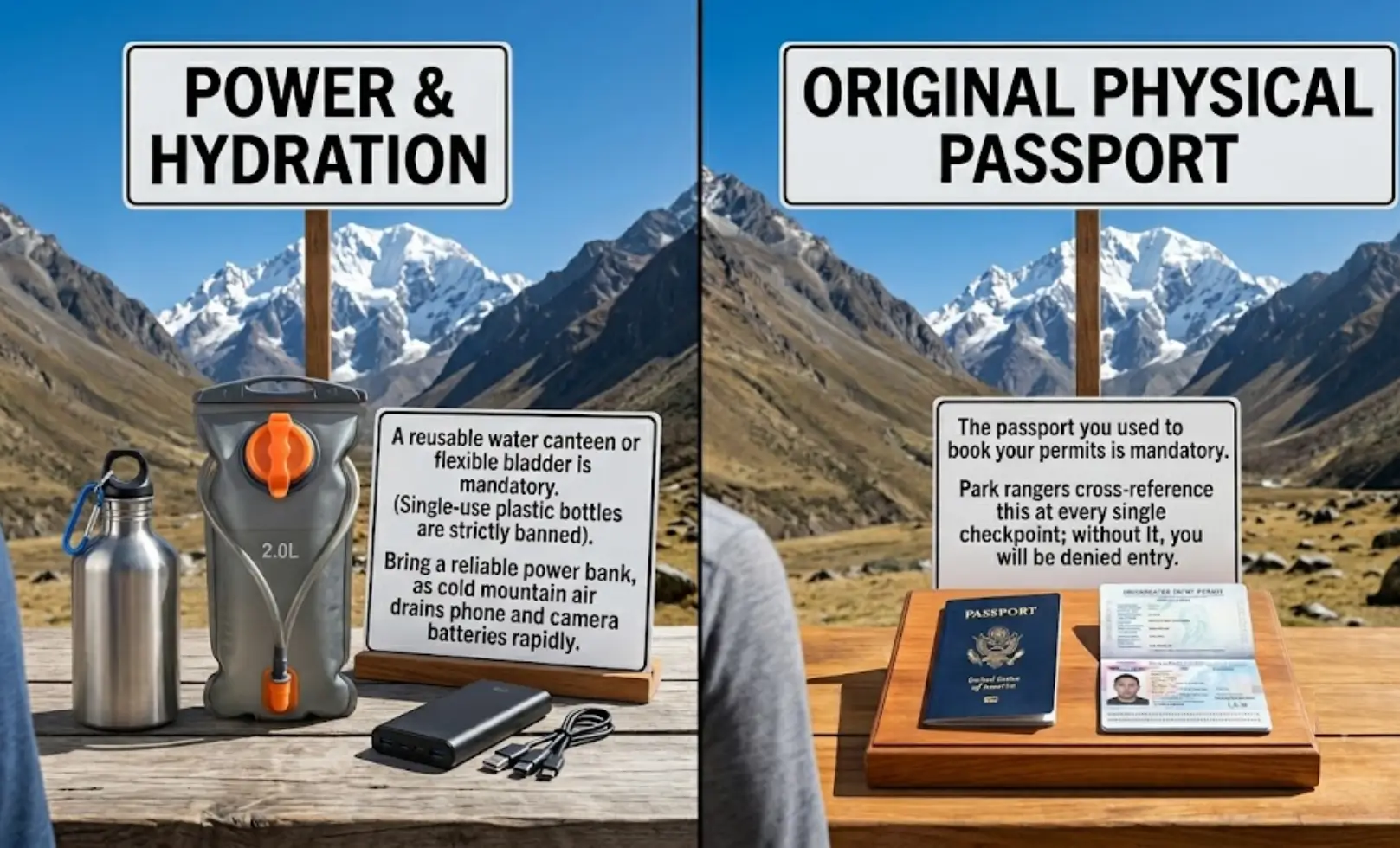
- Original Physical Passport: The passport you used to book your permits is mandatory. Park rangers cross-reference this at every single checkpoint; without it, you will be denied entry.
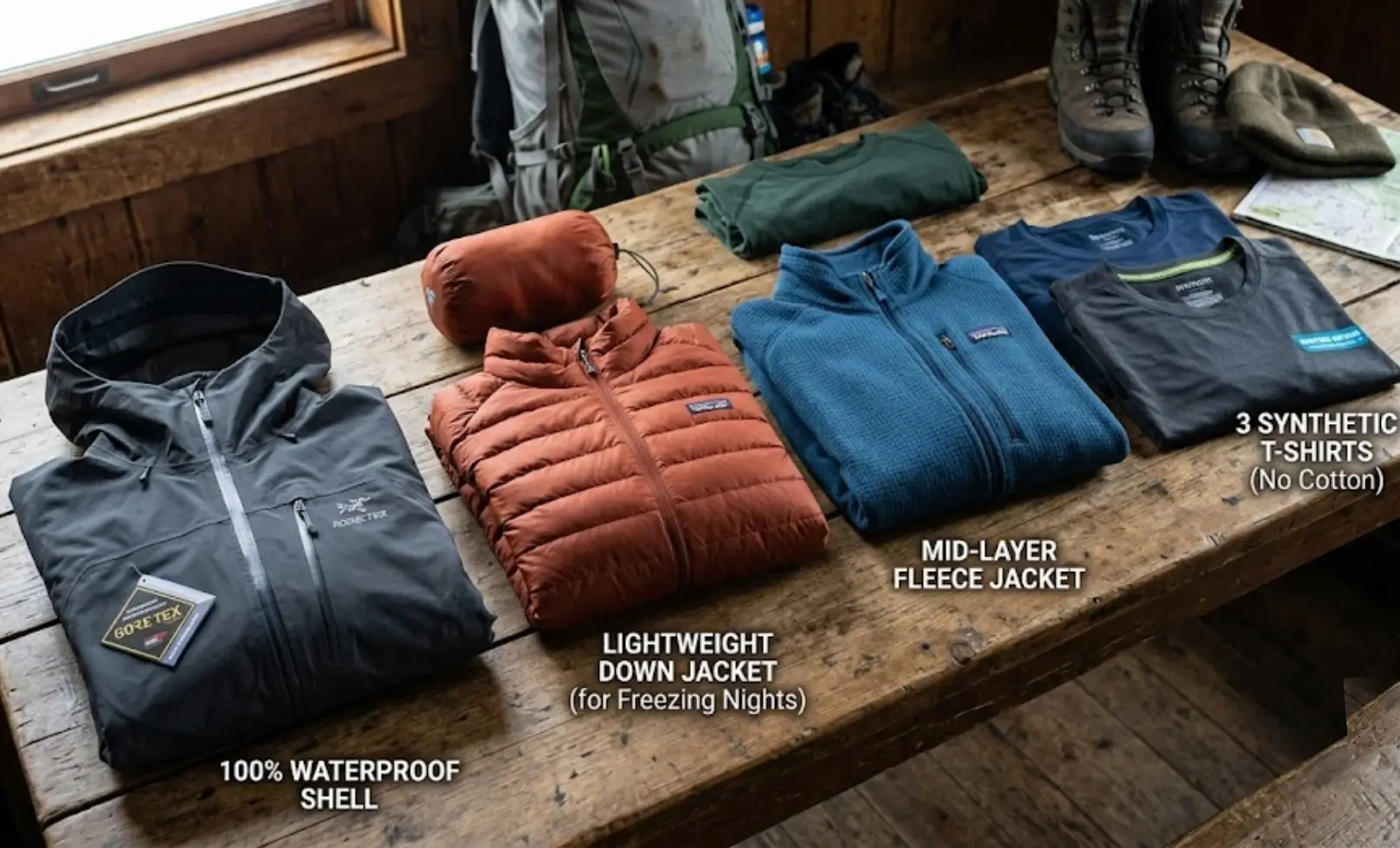
- The Three-Layer Clothing System: Pack 3 moisture-wicking synthetic t-shirts (no cotton), 1 mid-layer fleece jacket, 1 lightweight down jacket for freezing nights, and a 100% waterproof shell or windbreaker.
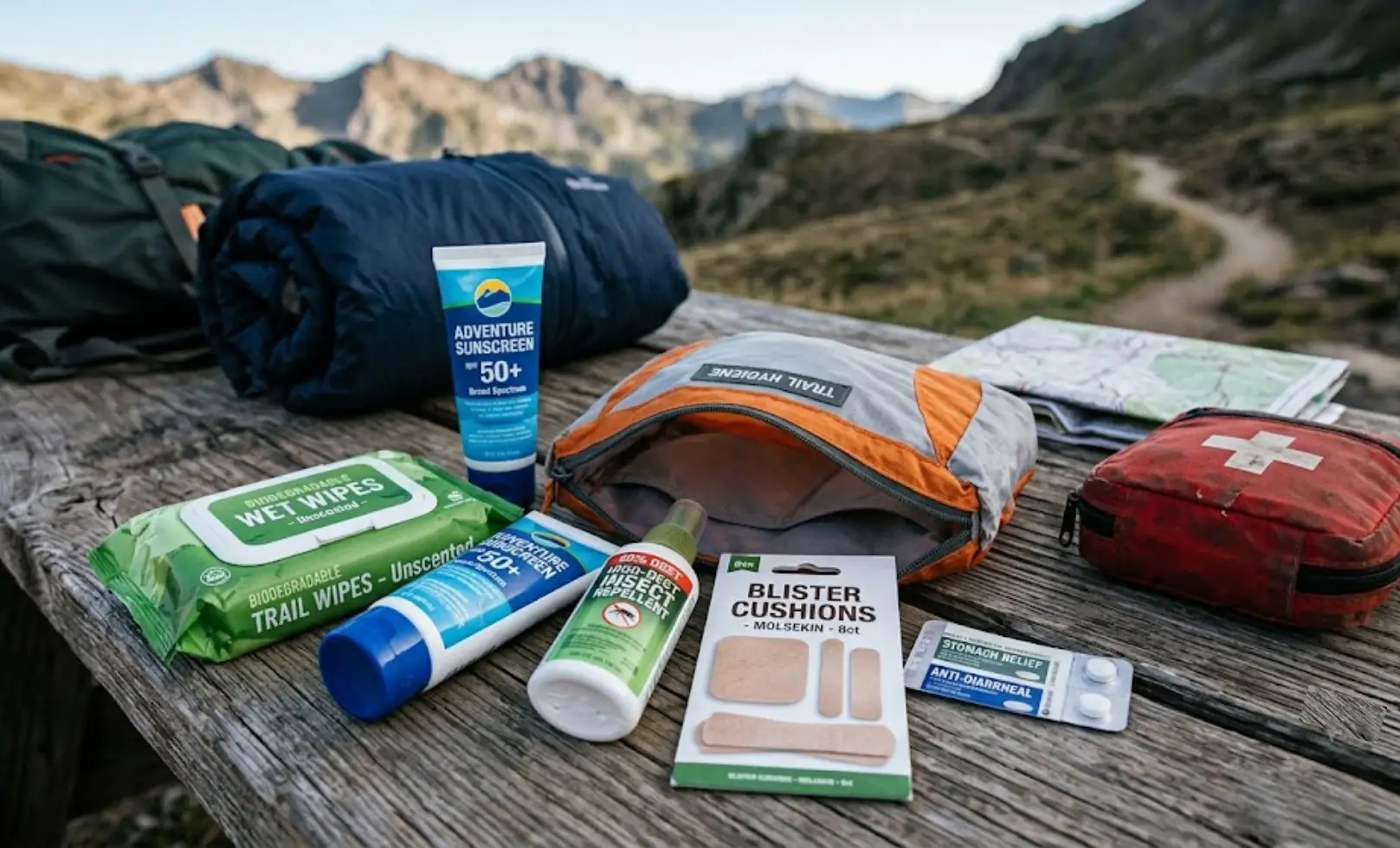
- Personal Hygiene & First Aid: Pack wet wipes (hot showers are not standard on the trail), SPF 50+ sunscreen, high-DEET insect repellent, blister cushions (moleskin), and basic stomach remedies.
- Power & Hydration: A reusable water canteen or flexible bladder is mandatory (single-use plastic bottles are strictly banned). Bring a reliable power bank, as cold mountain air drains phone and camera batteries rapidly.
The Backbone of the Trail: Porter Welfare and Sustainability
Behind every single successful expedition to Machu Picchu is an extraordinary team of porters, chefs, and guides who make the magic happen. They carry the heavy camp gear, pitch the tents before you arrive, and cook hot, nutritious gourmet meals in the middle of nowhere.
When researching inca trail tips local agencies, make sure to partner with a company that practices authentic ethical tourism. At Ali Perú Treks, our human team is our highest priority. Providing fair wages, quality gear, legal weight limits, and dignified warm sleeping arrangements for our porters is not just a checkbox—it directly impacts the warmth, safety, and energy of your service. A well-cared-for porter is the heart and soul of the mountain.
Can you hike the Inca Trail independently?
A very common question among backpackers is whether they can bypass agency fees and hike the trail solo. The legal answer is a definitive no. To protect the ancient stonework, manage waste, and ensure visitor safety, the Peruvian government mandates that every hiker must be accompanied by a licensed tour guide and backed by an authorized, registered local operator. Choosing a specialized, local operator ensures your money goes directly back into the Cusco community rather than large international consolidators.
Conquer the Historic Path with Ali Perú Treks
Completing the Inca Trail is an achievement that stays with you forever. The physical burning of the uphill climbs completely vanishes the moment you step through Intipunku (the Sun Gate) and witness Machu Picchu spread out before you in the quiet hours of the morning.
At Ali Perú Treks, we know this journey represents a lifelong dream. As an agency run by native guides from Cusco, we provide elite wilderness professionals, high-quality camping equipment, and pristine safety protocols, including constant tracking and medical oxygen. We handle the stressful permit bureaucracy and heavy mountain logistics so you can focus entirely on walking light, breathing the crisp mountain air, and connecting with our ancestors’ living history.
Ready for the challenge? You don’t have to walk alone!
The mountains are calling, and the limited permits vanish rapidly every single day. Don’t let logistical worries hold back your adventurous spirit.
Take a close look at our detailed itinerary and click our direct WhatsApp support button to chat instantly with our expert field guides. At Ali Perú Treks, we are fully equipped to guide your preparation, clear up every doubt, and secure your permits for the journey of a lifetime. Start your expedition with us today!