
What to Expect on the Inca Trail: A First-Timer’s Complete Guide
If you’re planning your inca trail first time adventure, you’re probably feeling a mix of excitement and “what did I just sign up for?” That’s completely normal. The Inca Trail to Machu Picchu is one of the most iconic multi-day treks on the planet, and walking it for the first time can feel intimidating if you don’t know what to expect.
The good news? With the right preparation, this trek is absolutely achievable for average, healthy hikers — not just elite athletes. In this guide, we’ll walk you through the altitude, climate, difficulty level, daily itinerary, packing list, and insider tips so you can arrive in Peru feeling confident and ready.
What Is the Inca Trail, Exactly?
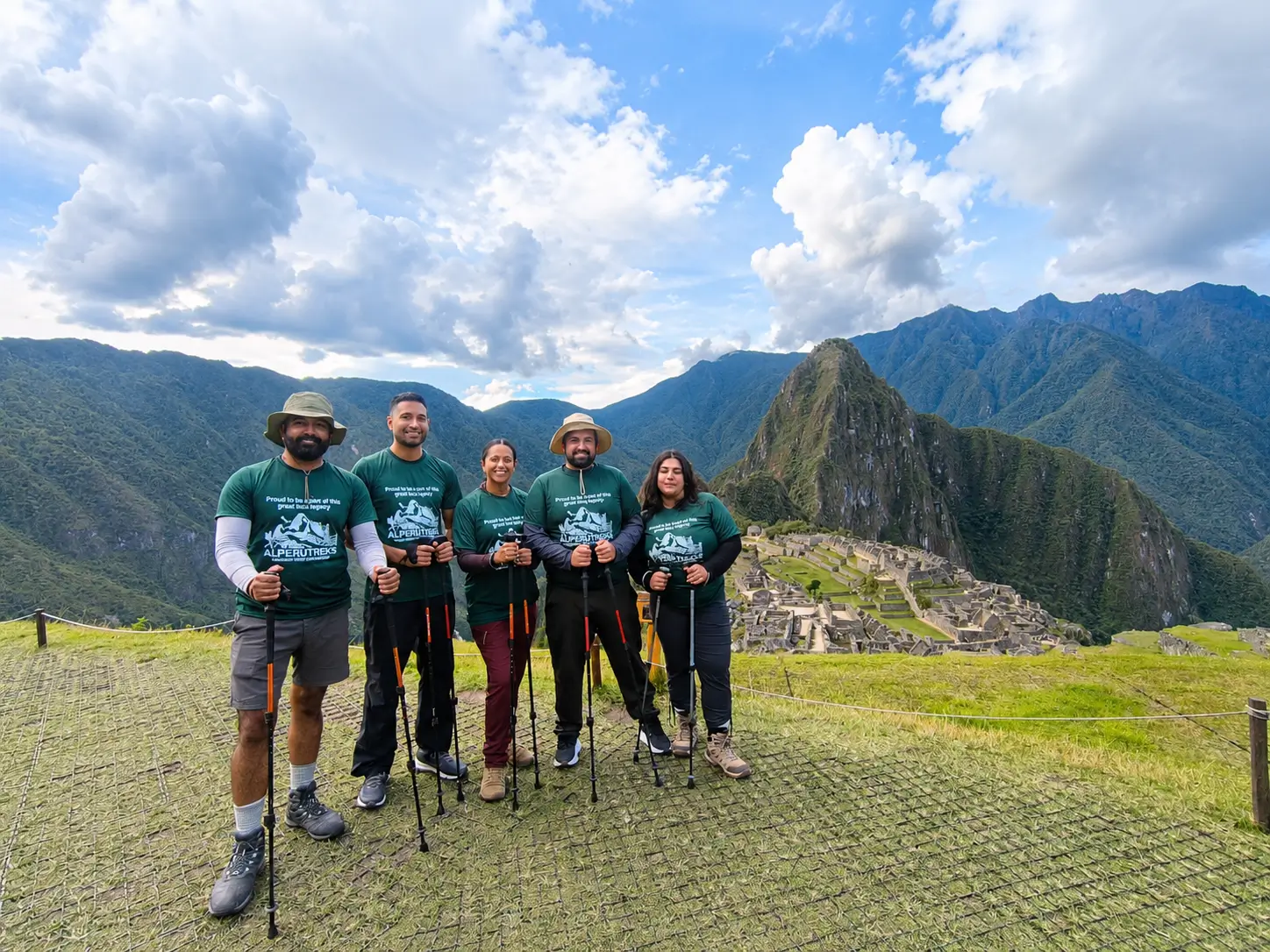
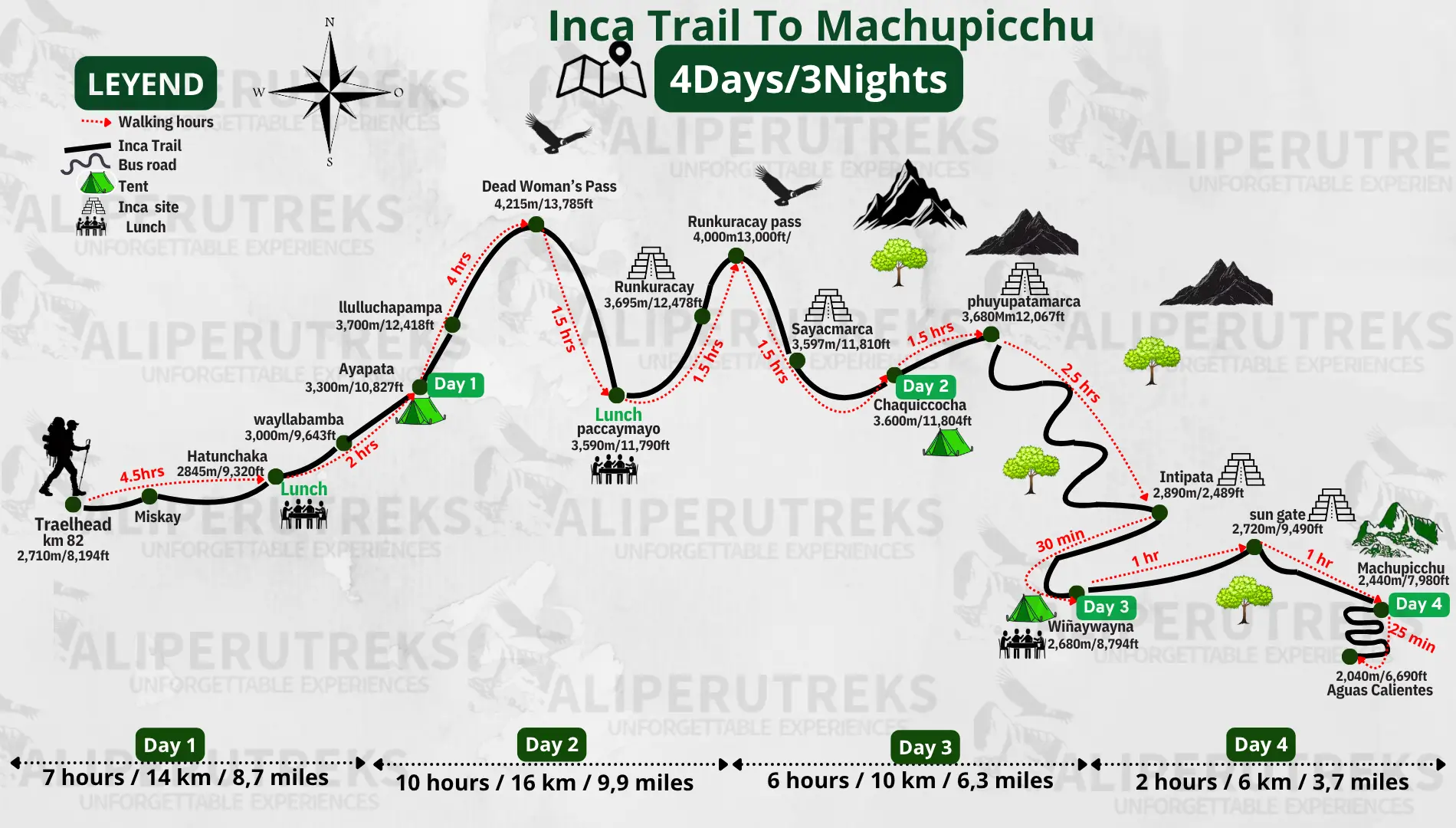
The Inca Trail is a 26-mile (42 km) historic footpath built by the Inca civilization over 500 years ago, connecting the Sacred Valley to the ancient citadel of Machu Picchu. Unlike other routes to Machu Picchu, this is the only trail that leads you directly through the Sun Gate (Inti Punku), offering the classic sunrise view over the ruins that you’ve seen in every travel magazine.
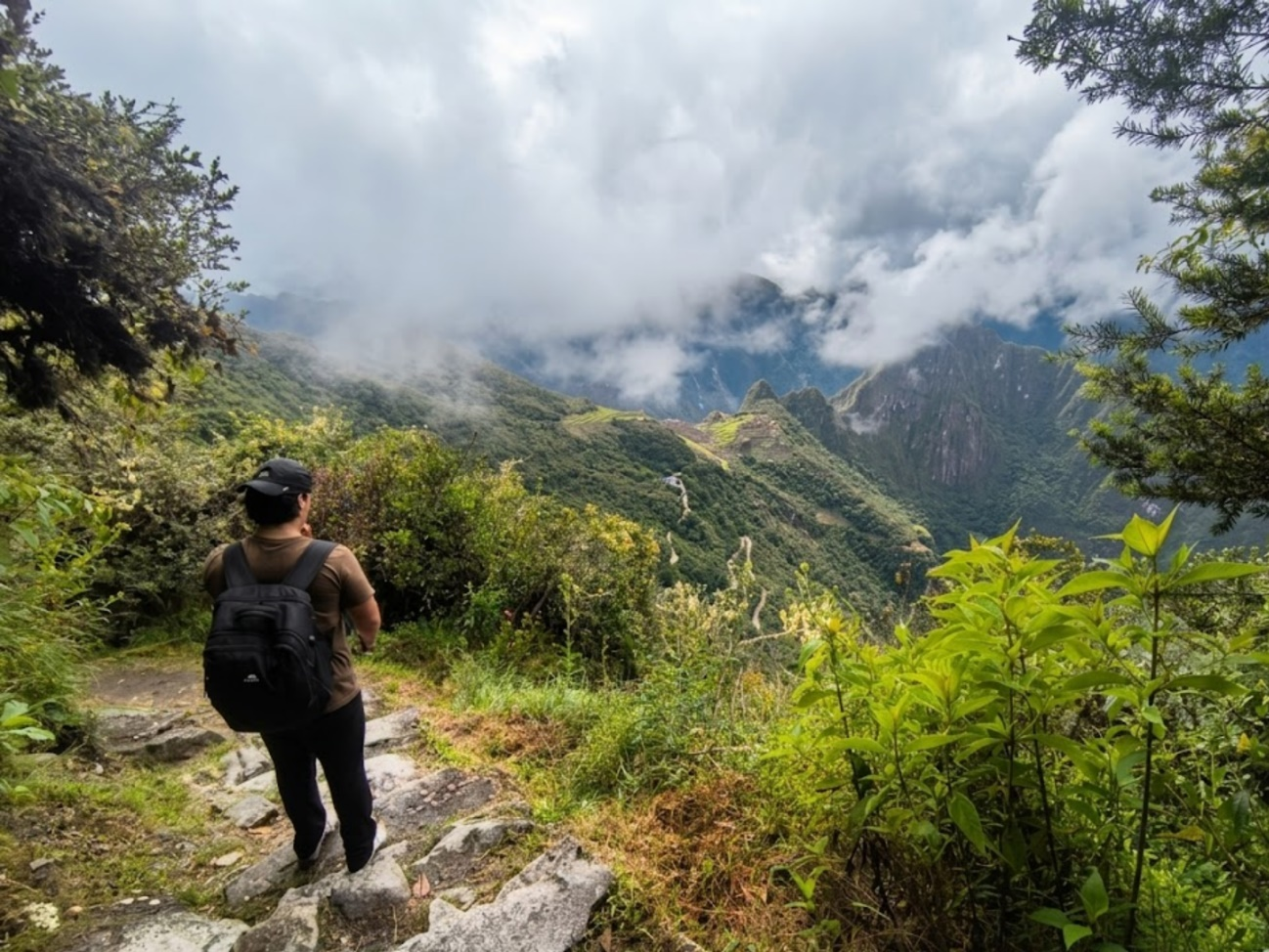
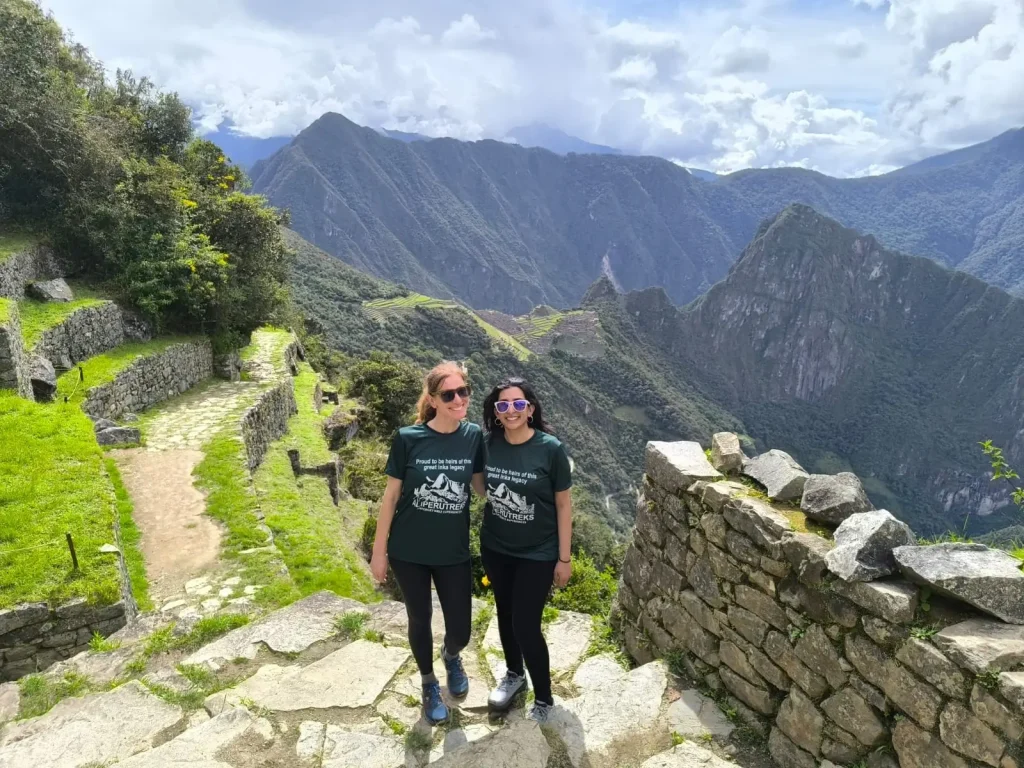
It typically takes 4 days and 3 nights to complete, passing through cloud forests, high mountain passes, and several lesser-known Inca archaeological sites along the way — Wayllabamba, Runkurakay, Sayacmarca, and Wiñay Wayna, to name a few.
Inca Trail Difficulty: Altitude, Climate, and What to Expect
This is the part most first-timers underestimate. Understanding these three factors will make or break your experience.
Altitude Facts
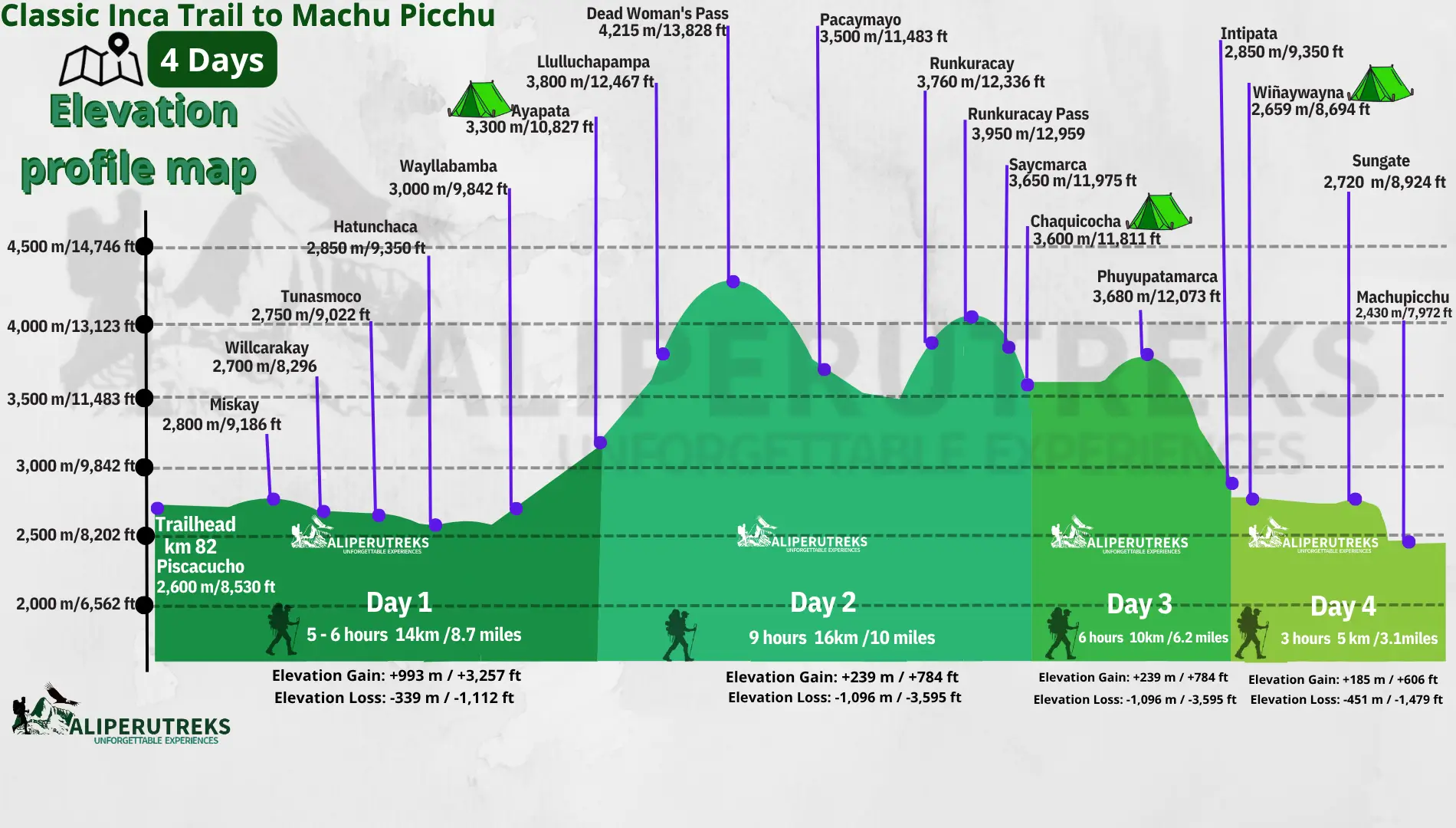
The trek starts around 8,530 ft (2,600 m) in Ollantaytambo and climbs to its highest point, Dead Woman’s Pass (Warmiwañusca), at 13,828 ft (4,215 m) on day two. That’s higher than most ski resorts in Colorado.
- Cusco itself sits at 11,150 ft (3,400 m) — always spend 2-3 nights here before the trek to acclimatize.
- Altitude sickness (soroche) can affect anyone, regardless of fitness level.
- Symptoms include headache, nausea, and fatigue — usually mild if you acclimatize properly.
Best Season to Hike the Inca Trail
- Dry season (May–September): Best weather, clear skies, colder nights (can drop below freezing). This is peak season, so book early.
- Shoulder season (April, October): Fewer crowds, still good weather.
- Rainy season (November–March): Trails are muddier and more challenging. The Inca Trail closes entirely every February for maintenance and conservation — this is important to know when planning your dates.
Difficulty Level
We’d rate the Inca Trail as moderate to challenging. It’s not technical climbing, but you’ll be walking 6-10 hours a day on uneven stone steps, at altitude, with a backpack. Day 2 (Dead Woman’s Pass) is the toughest day both physically and mentally. If you can comfortably hike for several hours on varied terrain, you can do this trek.
Inca Trail Beginners Guide: Day-by-Day Itinerary
Day 1: Easy Warm-Up
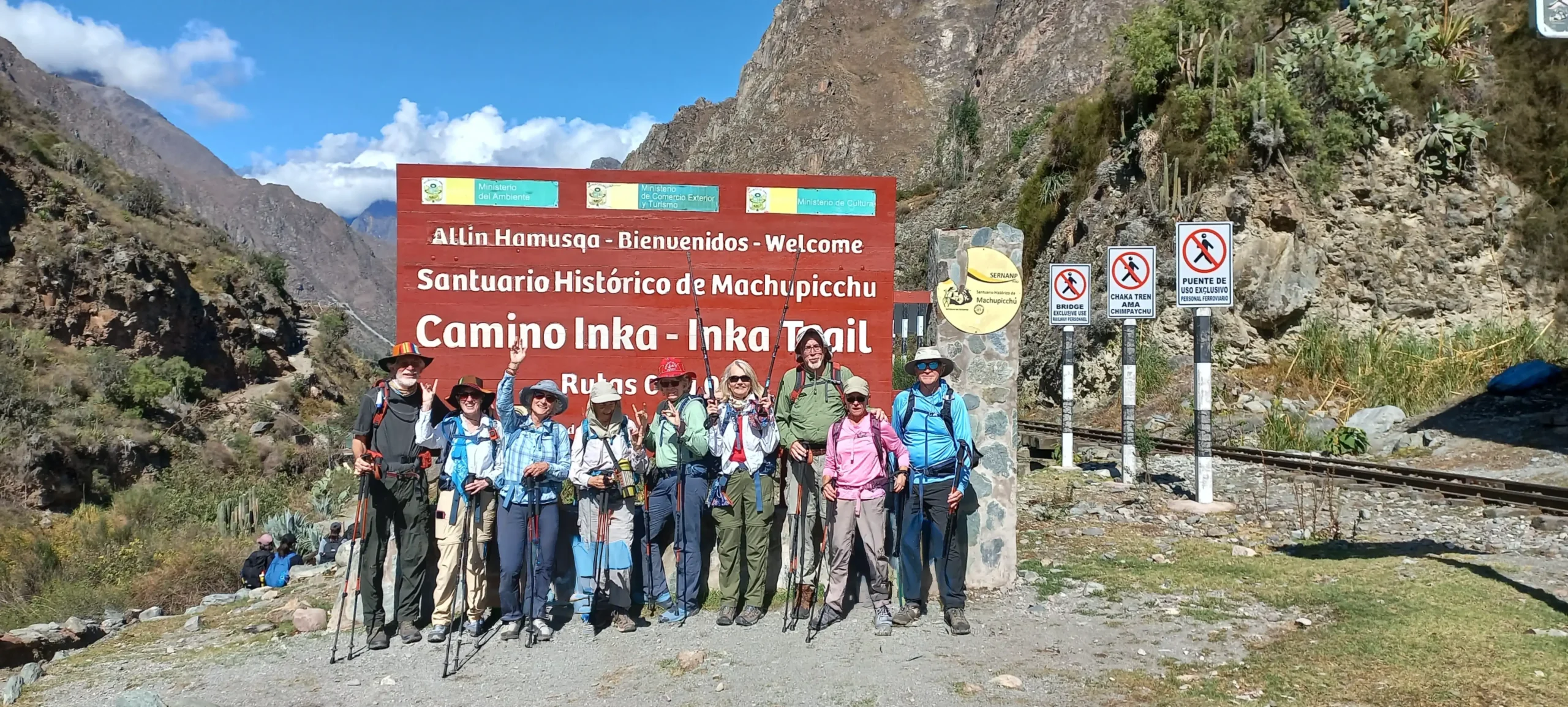
You’ll start at KM 82 near Ollantaytambo, hiking around 7-9 miles (11-14 km) through the Sacred Valley with gentle ups and downs. This day is designed to get your body moving without overwhelming you.
Day 2: The Big Challenge
Known as the hardest day, you’ll climb roughly 1,600 ft in elevation to reach Dead Woman’s Pass. Go slow, hydrate constantly, and remember — this is the day your guide will remind you most about pacing.
Day 3: The Most Scenic Day
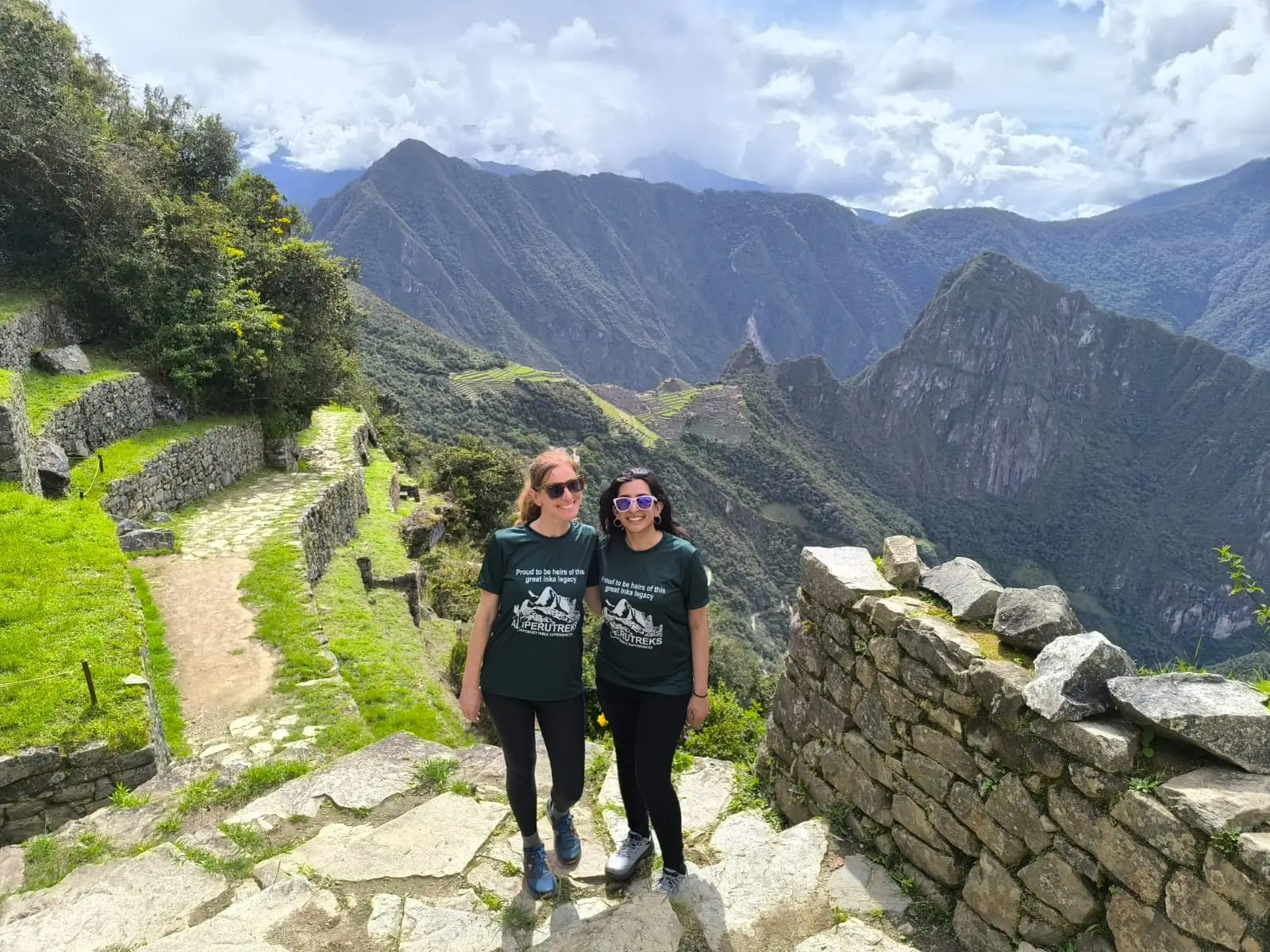
Considered the most beautiful day by most hikers, you’ll pass through cloud forest, orchids, and multiple Inca ruins, including the stunning Sayacmarca and Wiñay Wayna.
Day 4: Sunrise at Machu Picchu
An early wake-up (around 3:30-4:00 AM) to reach the Sun Gate for sunrise over Machu Picchu — the emotional payoff for everything you’ve hiked. From there, it’s a guided tour of the citadel itself.
What to Pack for the Inca Trail
Packing smart matters more than packing heavy. Here’s your essential list:
- Layered clothing — mornings/nights are cold (32-50°F), afternoons can be warm (65-75°F)
- Waterproof hiking boots, broken in before your trip
- Rain jacket and rain cover for your daypack (weather changes fast)
- Sun protection — high-altitude UV is intense: sunscreen, hat, sunglasses
- Trekking poles (highly recommended for knees on descents)
- Reusable water bottle or hydration bladder
- Headlamp for early starts and camp use
- Cash in Peruvian soles for tips and bathroom stops along the way
- Personal medications, including altitude sickness pills if prescribed by your doctor
Inca Trail Tips from Local Experts
These are the details that only a Peru-based team notices trip after trip:
- Arrive in Cusco at least 2-3 days early to acclimatize — don’t fly straight from sea level into the trek.
- Drink coca tea during your first days in Cusco; it’s a traditional, mild remedy locals use for altitude discomfort.
- Hire a licensed porter for your sleeping bag and extra gear — it’s affordable and makes a huge difference on Day 2.
- Bring small bills in soles. Public restrooms along the trail charge a small fee (1-2 soles), and card payments aren’t available on the trail.
- Break in your boots at home, not on day one of the trek.
- Pack a printed passport copy. You need your original passport at the checkpoints, but a photocopy is a smart backup.
Permits, Booking, and Logistics You Need to Know
This is critical: the Peruvian government limits Inca Trail permits to 500 people per day (including guides and porters), and permits are tied to your exact passport number.
- Permits typically sell out 4-6 months in advance, especially for June-August departures.
- You cannot hike the Classic Inca Trail independently — Peruvian law requires a licensed, authorized tour operator.
- Book your trek well ahead of your travel dates to avoid missing out on your preferred departure.
Safety and Health Considerations for First-Timers
- Travel insurance that covers high-altitude trekking is strongly recommended.
- Tell your guide immediately if you experience worsening altitude symptoms — don’t push through severe headaches or dizziness.
- Basic fitness (walking or light cardio 2-3 times a week) for 4-6 weeks before your trip will make the experience far more enjoyable.
- Trail toilets are basic; hand sanitizer and wet wipes go a long way.
Ready for Your Inca Trail First Time Adventure?
The Inca Trail is challenging, unforgettable, and absolutely worth it — especially when you’re prepared with the right information. From understanding the altitude and weather to knowing what to pack and how permits work, you now have everything you need to plan your first-time Inca Trail to Machu Picchu with confidence.
At Ali Peru Treks, we’ve guided travelers from across the U.S. and beyond through this exact journey, with licensed local guides, small groups, and full logistical support from Cusco to the Sun Gate.
Ready to start planning? Contact us for a free quote or explore our Inca Trail packages designed specifically for first-time hikers.