
Inca Trail Food: What You Actually Eat During 4 Days
If you’re getting ready to hike the Inca Trail to Machu Picchu, you’ve probably nailed down your packing list, your boots, and your fitness plan. But there’s one question almost every first-time trekker forgets to ask: what will I actually eat for four days on a mountain trail with no restaurants in sight?
The good news is that Inca Trail food is one of the most pleasant surprises of the entire trek. Far from freeze-dried camping meals, reputable trekking agencies serve fresh, hot, multi-course meals prepared by professional trail chefs — every single day, at altitude, in a tent. In this guide, we’ll walk you through exactly what’s on the menu, how it’s prepared, and what to expect if you’re vegetarian, vegan, or have food allergies.
Why Inca Trail Meals Are Better Than You’d Expect
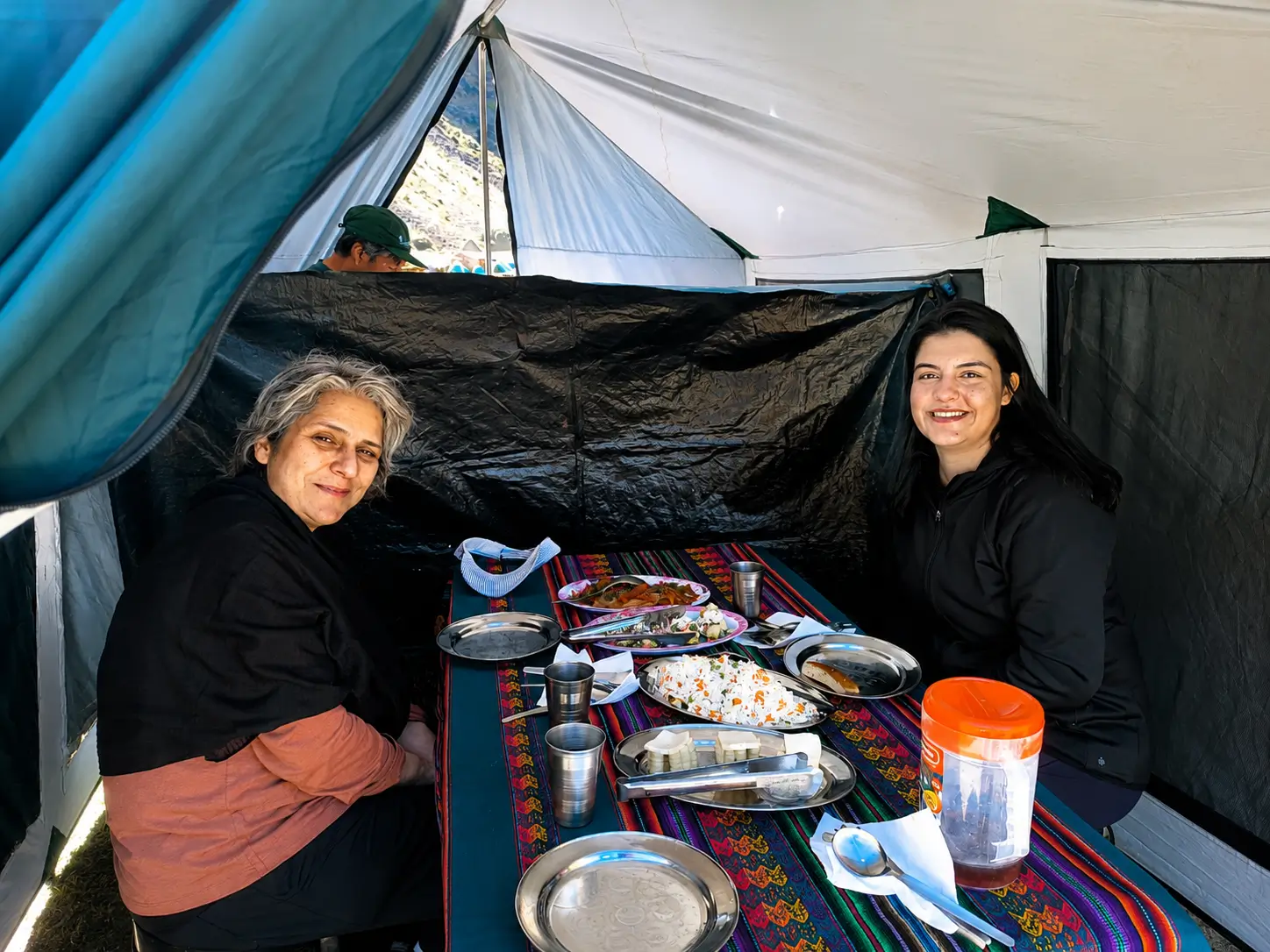
Unlike many multi-day treks around the world, the classic Inca Trail is fully supported. That means a team of porters and a dedicated trail cook hike ahead of the group each day to set up a full dining tent, complete with table, chairs, and a hot meal ready when you arrive.
This isn’t a coincidence — it’s part of Peruvian trekking culture. Local guides and cooks take enormous pride in food on Inca Trail routes, treating each meal almost like a small celebration of Andean cuisine. For many travelers, the food ends up being one of the trip highlights they talk about most.
A Typical Day of Meals on the Trail
Here’s what a standard day looks like with most licensed operators:
- Wake-up call: A porter brings hot coca tea or herbal tea to your tent — a gentle, caffeine-light way to start moving at altitude.
- Breakfast: Pancakes or omelets, fresh bread, porridge, fruit, and coffee or tea, usually served around 6:00–6:30 AM before the day’s hike begins.
- Mid-morning snack: Fresh fruit, energy bars, or trail mix handed out by your guide during a rest stop.
- Lunch: A full sit-down meal in the dining tent — often soup, a main course with rice or quinoa, and a side salad.
- Afternoon tea time: This is a beloved Andean tradition. Expect popcorn, crackers, cookies, and hot drinks when you reach camp.
- Dinner: The most elaborate meal of the day, typically three courses: soup, a hot main dish, and a simple dessert like flan or fresh fruit.
What’s Actually on the Menu
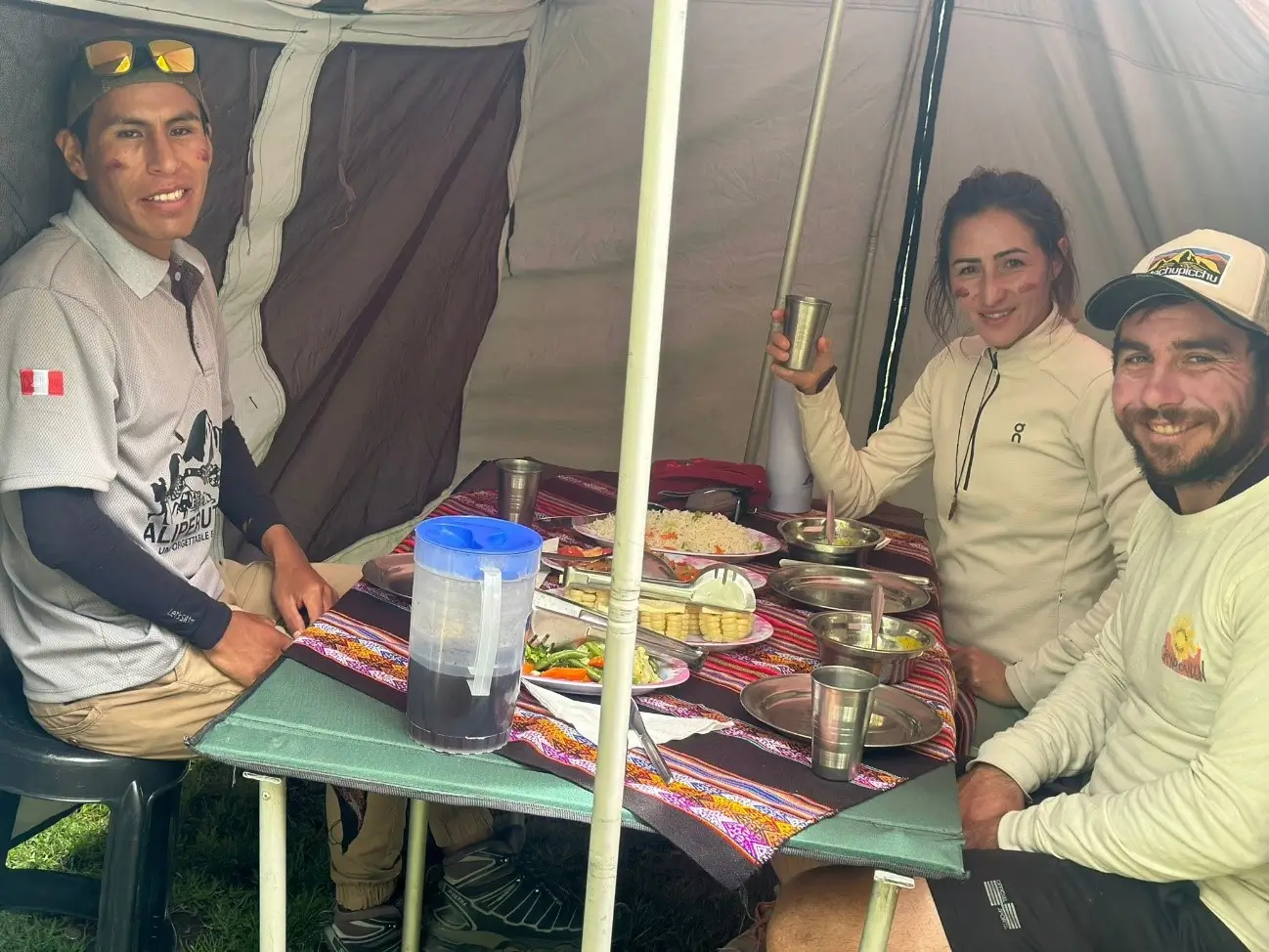
Inca Trail meals blend traditional Peruvian ingredients with international comfort food, since most trekking groups are international. Expect to see:
- Quinoa soup — a protein-rich Andean staple, often the opening course at dinner
- Lomo saltado — Peru’s famous stir-fried beef dish with onions, tomatoes, and fries
- Trout (trucha) — sourced from nearby Andean rivers and lakes
- Rice, potatoes, and Andean grains — Peru has over 3,000 native potato varieties, and you’ll taste several
- Fresh vegetables and fruit — carried in by porters and used within the first two days before supplies run low
- Pancakes, bread, and pasta dishes — familiar comfort food for travelers missing home
Meals are cooked over portable gas stoves at altitudes ranging from 8,000 to over 13,000 feet, which is genuinely impressive from a logistics standpoint — water boils at a lower temperature up there, so trail cooks adjust cooking times accordingly.
Inca Trail Vegetarian Food and Other Dietary Needs
One of the most common questions we get is whether Inca Trail vegetarian food is realistic, and the answer is a confident yes.
Most licensed agencies, including ours, can accommodate:
- Vegetarian diets (the most commonly requested and easiest to prepare)
- Vegan diets (with advance notice, since dairy and eggs appear often)
- Gluten-free diets
- Lactose intolerance
- Nut allergies and other specific restrictions
Vegetarian versions of nearly every dish exist — quinoa and vegetable stir-fries replace lomo saltado, and legumes or extra Andean grains provide protein instead of meat or trout. The key is telling your tour operator about dietary restrictions at the time of booking, ideally at least a few days before your trek starts, so the cook can plan and shop accordingly.
How Food Logistics Actually Work on the Trail
It’s worth understanding the behind-the-scenes effort, because it explains why the food is so good.
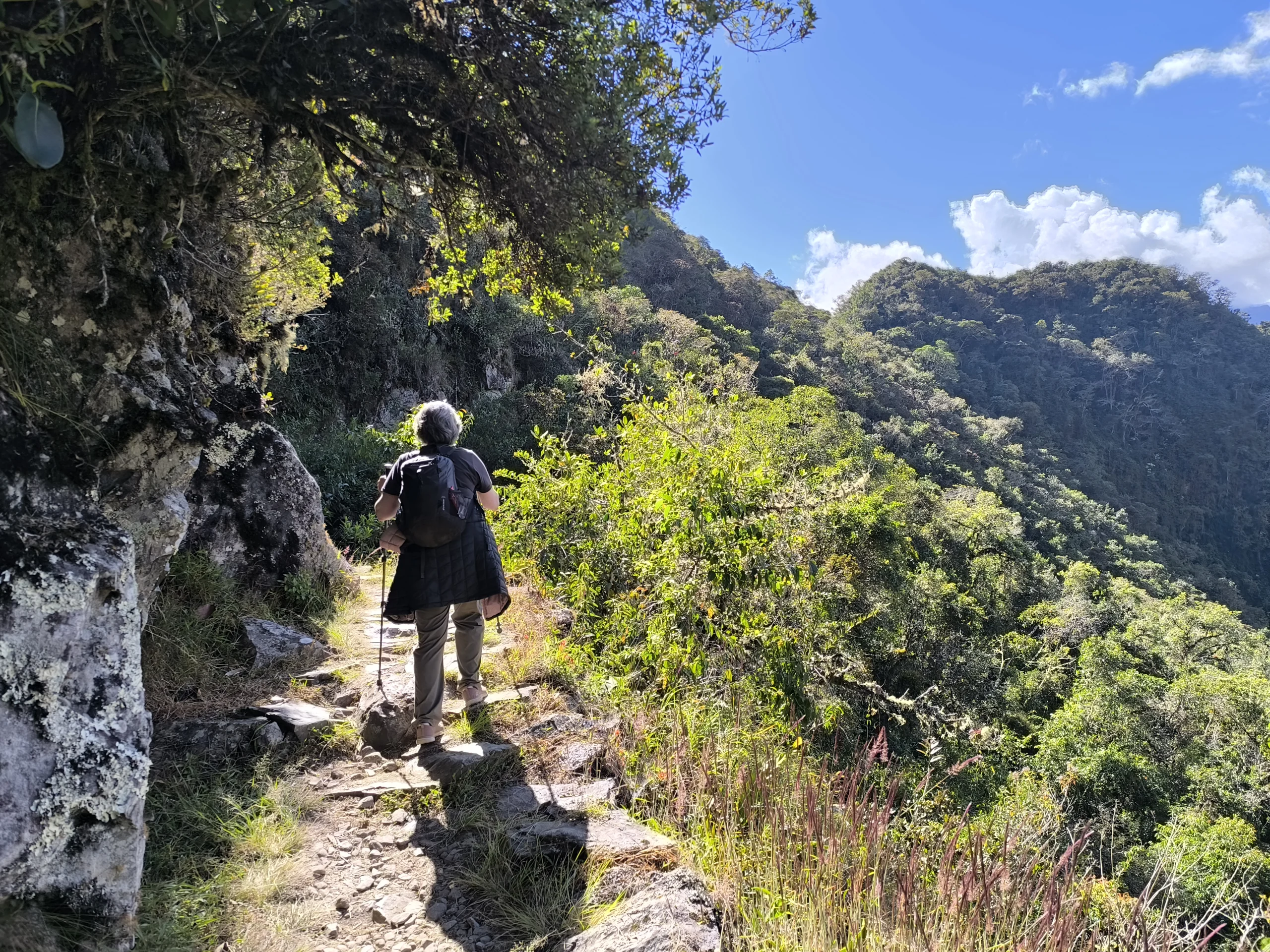
Porters carry fresh ingredients, propane tanks, cooking equipment, and even a folding table and stools — all on their backs or with the help of mules on the first stretch of trail (mules aren’t allowed past kilometer 8 on the classic four-day route due to Peruvian government regulations protecting the trail).
Because fresh produce is heavy and perishable, meals in the first two days tend to be more elaborate, while day three and four rely more on grains, legumes, and preserved ingredients. This is completely normal and still results in filling, satisfying meals.
Consejos de Experto: Local Tips for Eating Well on the Trail
As a Peru-based agency, here’s what we tell our own travelers before they hike:
- Hydrate more than you think you need to. Altitude dehydrates you faster than you’ll notice — drink at least 3-4 liters of water daily, and accept the coca tea offered each morning; it genuinely helps with altitude symptoms.
- Eat even if you’re not hungry. Appetite naturally drops above 11,000 feet. Force down a few bites at every meal to keep your energy up for the climbs.
- Pack your own snacks too. Bring familiar energy bars, electrolyte tablets, or trail mix from home as backup, especially for day two (the hardest day, crossing Dead Woman’s Pass at 13,828 feet / 4,215 meters).
- Tell your operator about allergies in writing. A verbal mention at check-in isn’t enough — confirm dietary needs by email when you book.
- Go easy on alcohol before and during the trek. It worsens altitude sickness and dehydration; save the celebratory pisco sour for Machu Picchu Pueblo afterward.
- Trust your cook’s schedule. Meal times are planned around the day’s hiking difficulty — dinner comes early on tough days so your body can rest and digest before a cold night at altitude.
Practical Details: Altitude, Season, and Difficulty
To put the trekking conditions in context:
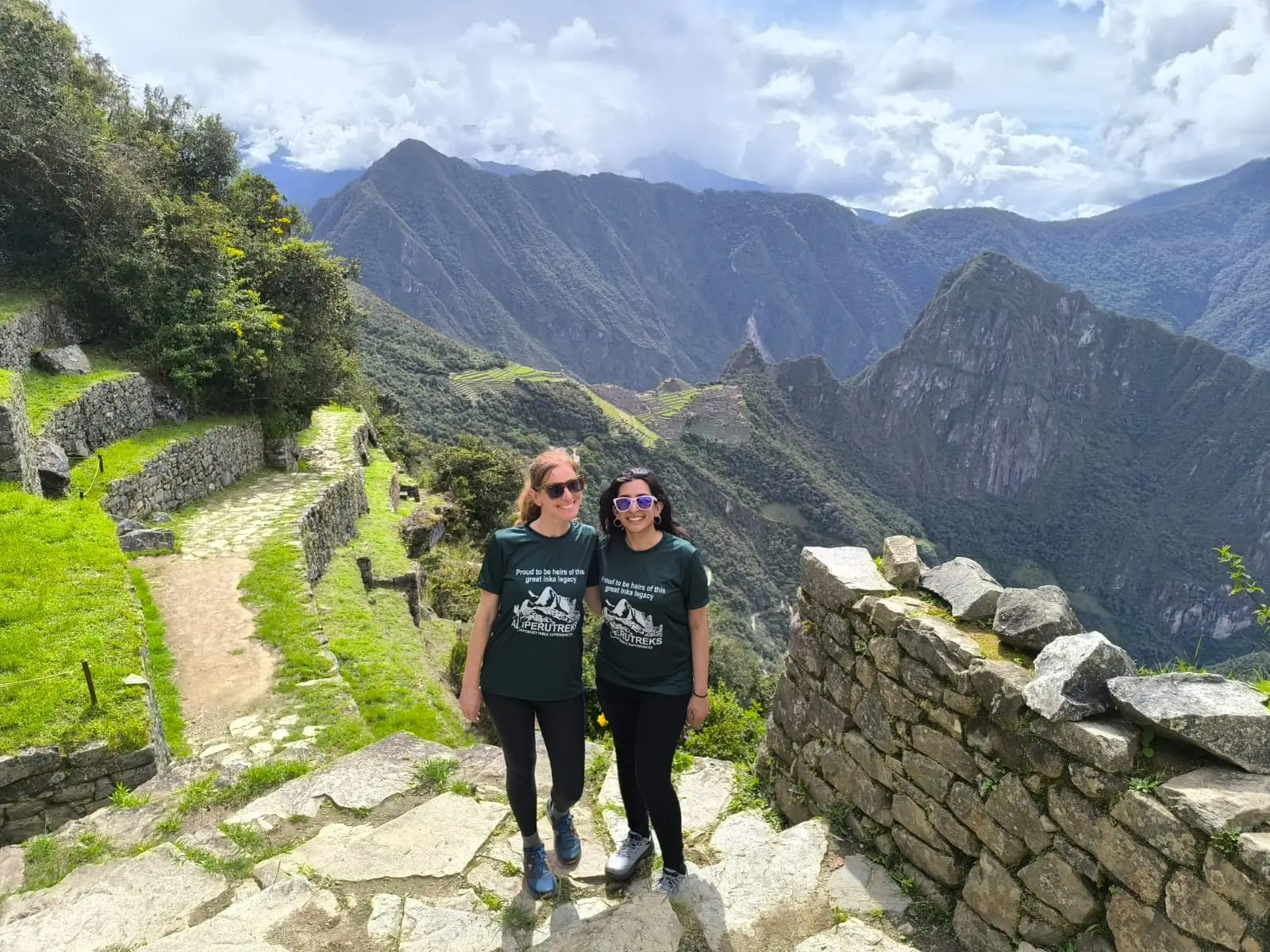
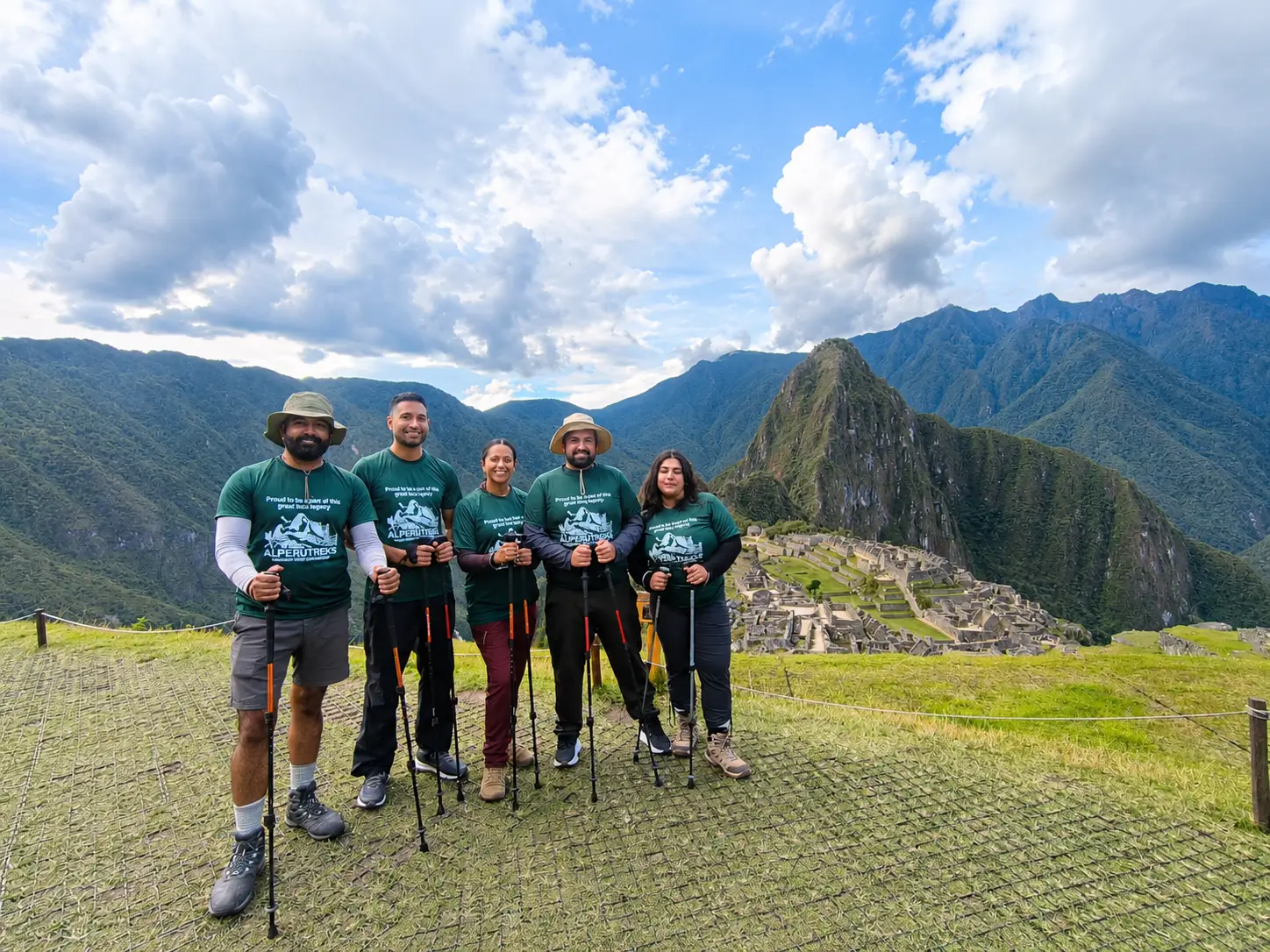
- Altitude range: Roughly 8,900 ft to 13,828 ft (2,700 m to 4,215 m) at the highest point, Dead Woman’s Pass
- Best season: May through September (dry season) offers the clearest skies and most reliable weather; June and July are the most popular months, so book 4-6 months ahead
- Difficulty: Moderate to challenging, mainly due to altitude and steep stone stairs rather than distance
- Climate: Warm during the day, cold at night, especially camps above 11,000 feet — pack layers
- What to bring for meals: A reusable water bottle or hydration bladder, water purification tablets or a filter as backup, and personal snack bars
Final Thoughts: Fuel for the Adventure of a Lifetime
Far from the granola-bar survival trip many travelers expect, Inca Trail food turns out to be one of the trek’s quiet delights — hot, flavorful, and thoughtfully prepared at altitude by a hardworking trail crew. Whether you eat meat, keep a vegetarian diet, or manage food allergies, a good operator will make sure you’re well-fed for every step toward Machu Picchu.
Ready to experience it for yourself? At Ali Peru Treks, our trail chefs are trained to deliver delicious, dietary-friendly meals throughout the classic 4-day Inca Trail. Contact us today to get a free quote or browse our Inca Trail packages to start planning your trip to Machu Picchu.