
Inca Trail Training Plan: How to Prepare for the 4-Day Hike
So you’ve booked your spot on the Inca Trail to Machu Picchu — congratulations! Now comes the question every future trekker asks: “Am I actually fit enough for this?”
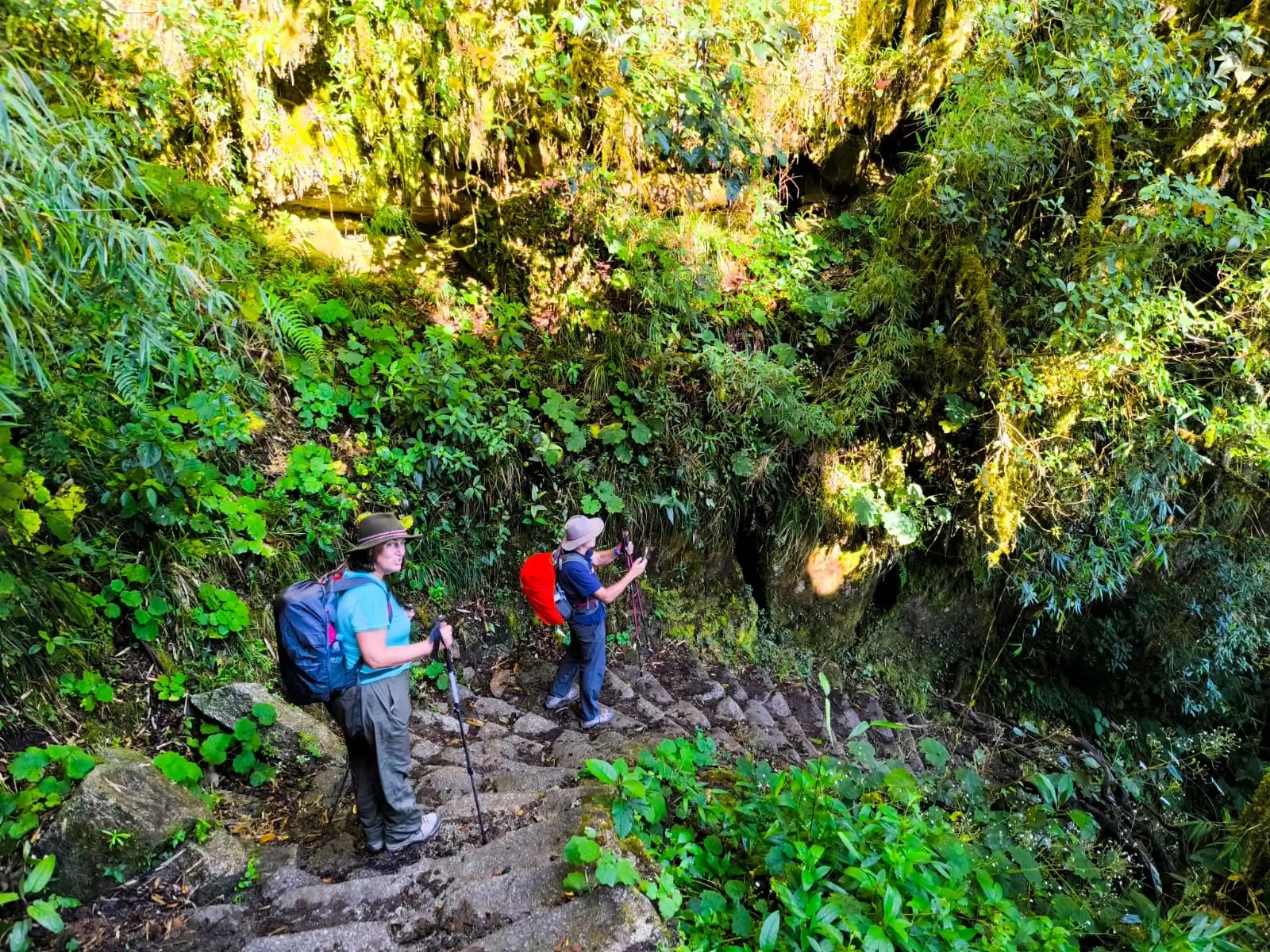
If you’re picturing a relaxed walk to a famous ruin, it’s time to reset expectations. The classic 4-Day Inca Trail covers roughly 26 miles (42 km) of mountain terrain, climbs above 13,800 feet (4,215 m), and involves steep stone staircases that were literally built for llamas, not sneakers. The good news? With the right Inca Trail training plan, hikers of almost any background — busy professionals, weekend warriors, even first-time trekkers — can complete it comfortably and actually enjoy the journey.
This guide breaks down exactly how to prepare for the Inca Trail, including a realistic Inca Trail fitness plan, altitude tips, gear essentials, and insider advice from a Peru-based trekking team who sends hikers up this trail every week.
Why Inca Trail Training Matters More Than You Think
Unlike a typical day hike, the Inca Trail combines three challenges at once: sustained elevation gain, high altitude, and multiple consecutive days of physical exertion. Each one is manageable alone — together, they catch unprepared hikers off guard.
Key trail facts you should know:
- Distance: 26 miles (42 km) over 4 days
- Maximum altitude: Dead Woman’s Pass, 13,828 ft (4,215 m)
- Starting altitude: Cusco sits at 11,152 ft (3,400 m) — already higher than most U.S. hikers have ever stood
- Difficulty level: Moderate to challenging (Day 2 is the toughest)
- Best season: May–September (dry season, clearest skies)
- Avoid: February, when the trail closes annually for maintenance
Training isn’t about becoming a marathon runner. It’s about building the stamina and lung capacity to handle thousands of stone steps at altitude without your trip turning into a struggle.
The Ideal Inca Trail Fitness Plan Timeline
A smart Inca Trail workout routine doesn’t need a gym membership or years of hiking experience — just consistency. Here’s how we recommend structuring your prep, whether you’re starting 8 weeks out or 12.
8–12 Weeks Before: Build Your Base
- Walk or hike 3–4 times per week, gradually increasing distance
- Add stair climbing (stadium stairs, StairMaster, or a local hiking trail with elevation gain)
- Start light strength training focused on legs, glutes, and core
4–6 Weeks Before: Increase Intensity
- Hike with a loaded backpack (12–15 lbs) to simulate trail conditions
- Aim for at least one longer hike per week (2–4 hours)
- Incorporate cardio sessions — cycling, swimming, or hiit — to boost lung capacity
1–2 Weeks Before: Taper and Prepare
- Reduce training intensity to let your body recover
- Focus on hydration, sleep, and nutrition
- Break in your hiking boots completely — this is not the week to wear new shoes
Sample Weekly Inca Trail Workout
A balanced week might look like this:
- Monday: 30–45 min cardio (brisk walk, cycling, or swimming)
- Tuesday: Strength training — squats, lunges, step-ups, planks
- Wednesday: Rest or light stretching/yoga
- Thursday: Stair or hill climbing, 30–40 minutes
- Friday: Strength training (repeat)
- Saturday: Long hike (2+ hours), ideally with elevation gain and a loaded pack
- Sunday: Active recovery — easy walk or rest
Consistency beats intensity. Three moderate hikes a week for two months will prepare you far better than one brutal workout the week before your flight.
What to Pack: Gear That Matches Your Training
Your body isn’t the only thing that needs preparing — your gear does too.
Essential Inca Trail packing list:
- Broken-in hiking boots with ankle support
- Moisture-wicking layers (temperatures swing from 30°F at night to 75°F midday)
- Rain jacket — even dry season sees occasional showers
- Trekking poles (highly recommended for the descents)
- Sun protection: hat, sunglasses, SPF 50+ (UV exposure is intense at altitude)
- Reusable water bottle or hydration bladder
- Headlamp for early starts and camp use
Expert Tips: What Only a Local Trekking Team Would Tell You
This is where most generic guides fall short. After years guiding trekkers from across the U.S. and beyond, here’s what actually makes a difference on the trail:
- Arrive in Cusco at least 2–3 days early. Altitude sickness is the #1 reason trekkers struggle — not fitness. Spending time in Cusco (11,152 ft) before the trek lets your body start acclimatizing.
- Skip alcohol your first 48 hours in Cusco. It dehydrates you and worsens altitude symptoms.
- Drink coca tea. It’s a traditional remedy locals swear by for altitude discomfort — safe, legal, and available everywhere in Cusco.
- Train on stairs, not just flat trails. The Inca Trail is 70% steps, not gradual slopes — your training should reflect that.
- Start Day 2 early. Guides typically wake hikers before sunrise to beat both the crowds and the afternoon weather at Dead Woman’s Pass.
- Book at least 5–6 months in advance. Permits for the Inca Trail are limited to 500 people per day (including guides and porters), and they sell out fast, especially for June–August.
- Hire a porter if your budget allows. Carrying a full pack at altitude adds real strain — many trekkers find a porter service transforms the experience from grueling to genuinely enjoyable.
Altitude Sickness: What U.S. T
ravelers Should Know
Because most U.S. cities sit near sea level, altitude is often the biggest surprise for American hikers. Symptoms of mild altitude sickness include headache, fatigue, and shortness of breath — usually manageable with hydration, rest, and time to adjust.
To reduce your risk:
- Ascend gradually; avoid flying directly into high-altitude activity
- Stay hydrated — aim for more water than you think you need
- Consider discussing altitude medication (like acetazolamide) with your doctor before the trip
- Listen to your guide — they monitor altitude symptoms daily and know when to slow the pace
Final Thoughts: You’re More Ready Than You Think
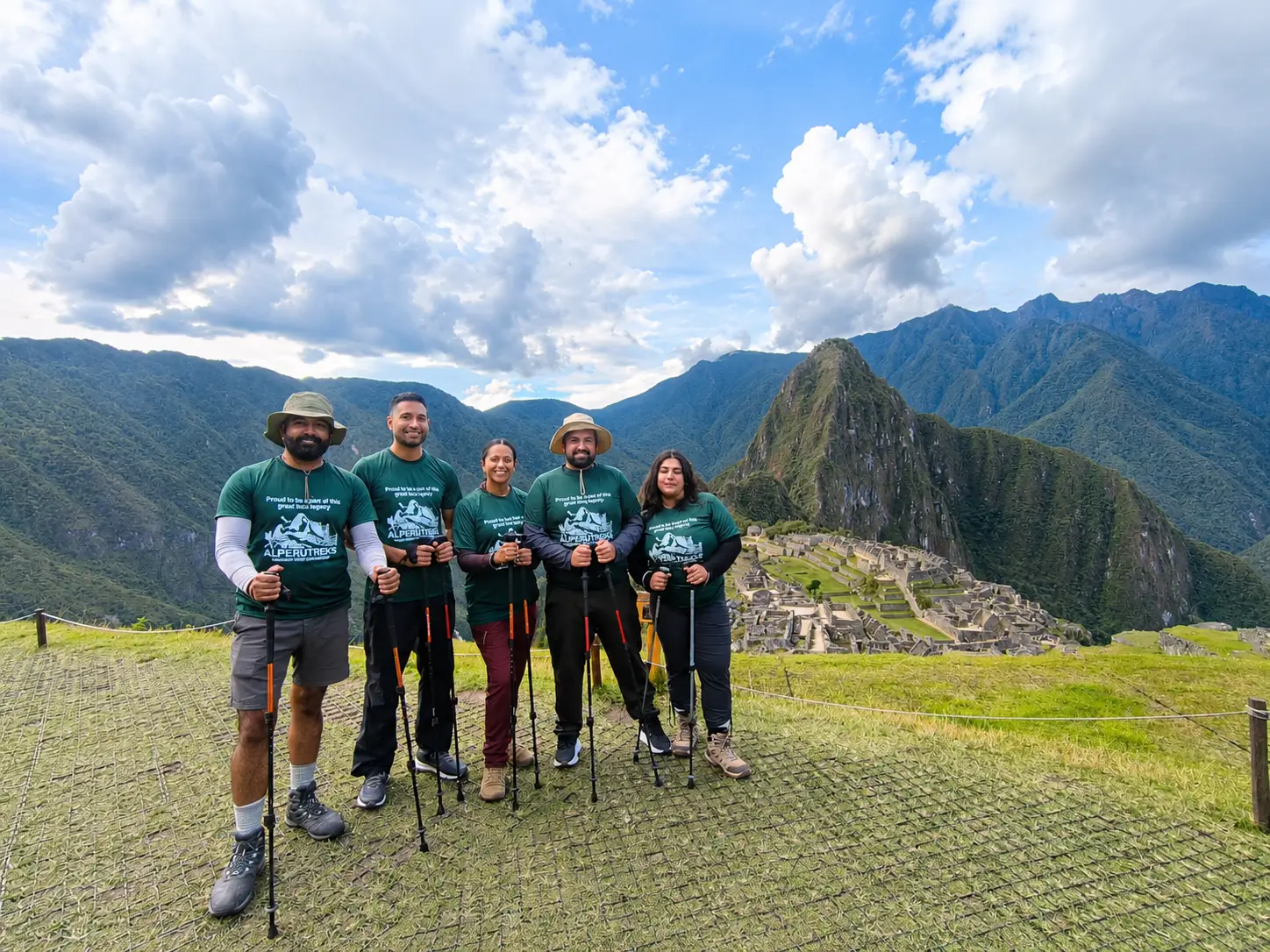
Completing the Inca Trail isn’t about being an elite athlete — it’s about showing up prepared. A solid Inca Trail training plan, a few weeks of consistent hiking and stair work, the right gear, and smart acclimatization will get almost anyone to Machu Picchu’s Sun Gate with a smile (and probably a few sore muscles worth bragging about).
Ready to turn your training into the trip of a lifetime? Ali Peru Treks has been guiding hikers from the U.S. and around the world along the classic Inca Trail for years, with expert local guides, porter support, and fully permitted departures.
Check out our Inca Trail packages and get a free quote today — let’s get you to Machu Picchu the right way.