
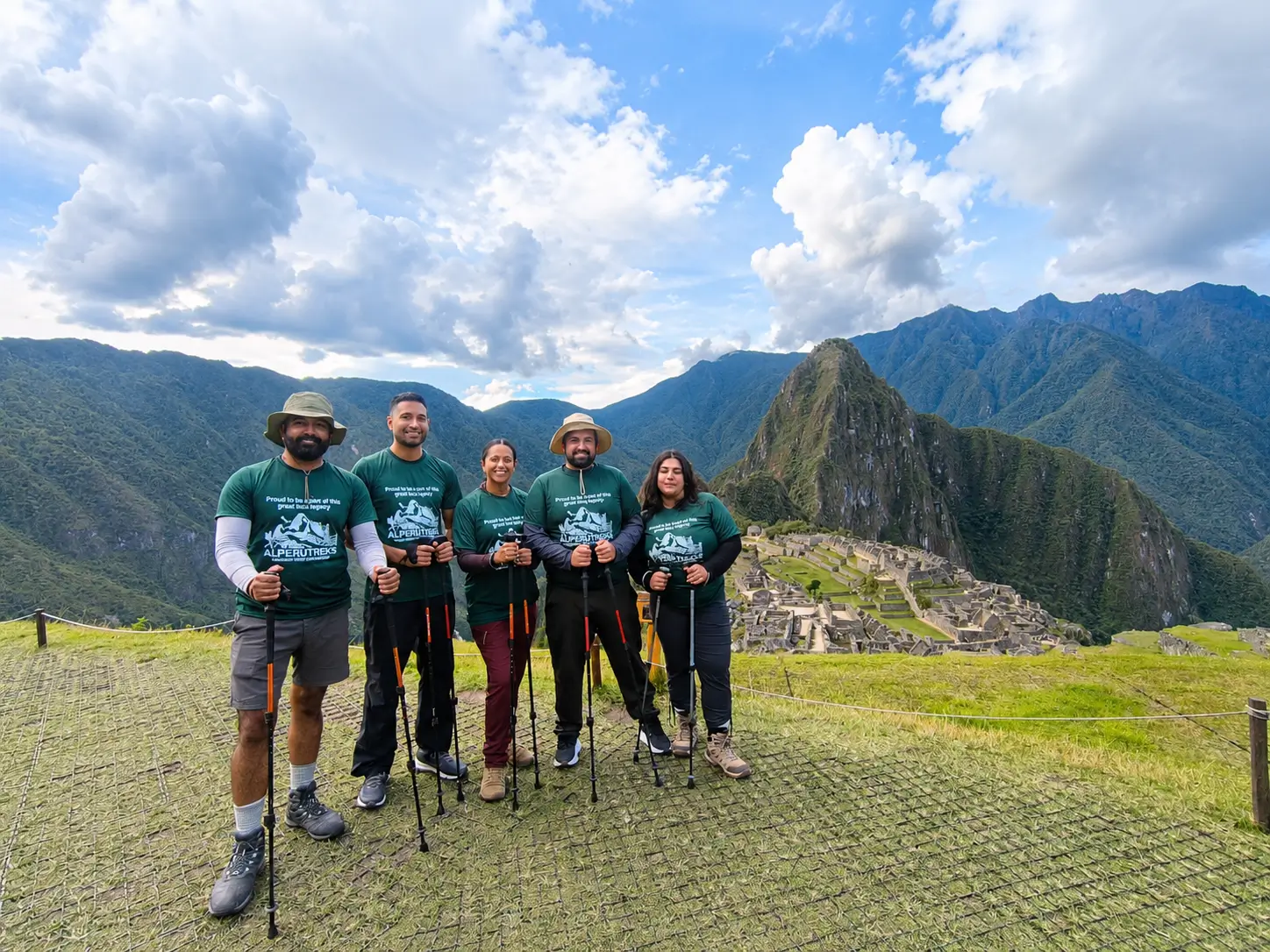
Yes, the Inca Trail is generally safe for women traveling alone, and it’s one of the more reassuring parts of a Peru trip precisely because you’re never actually hiking it solo — you’re on a permitted route with a licensed guide, porters, and a group. The real safety considerations aren’t on the trail itself; they’re in Cusco and Lima before and after it, and they’re manageable with the same precautions any solo traveler should take in an unfamiliar city.
What the Official Travel Advisory Actually Says
The U.S. State Department currently rates Peru as Level 2: Exercise Increased Caution — the same level given to countries like France, Germany, and the UK. The advisory specifically flags crime and civil unrest, and names areas to avoid entirely: the Colombia-Peru border in the Loreto region and the VRAEM valley (Ayacucho, Cusco’s outer provinces, Huancavelica, and Junín).
Importantly, the advisory explicitly notes that Cusco city and the popular tourist sites near it — the Sacred Valley, the Inca Trail, and Machu Picchu — fall outside that higher-risk area. That distinction matters: the places you’ll actually spend your trip are treated separately from the regions the warning is about.
Why the Trail Itself Isn’t the Risky Part
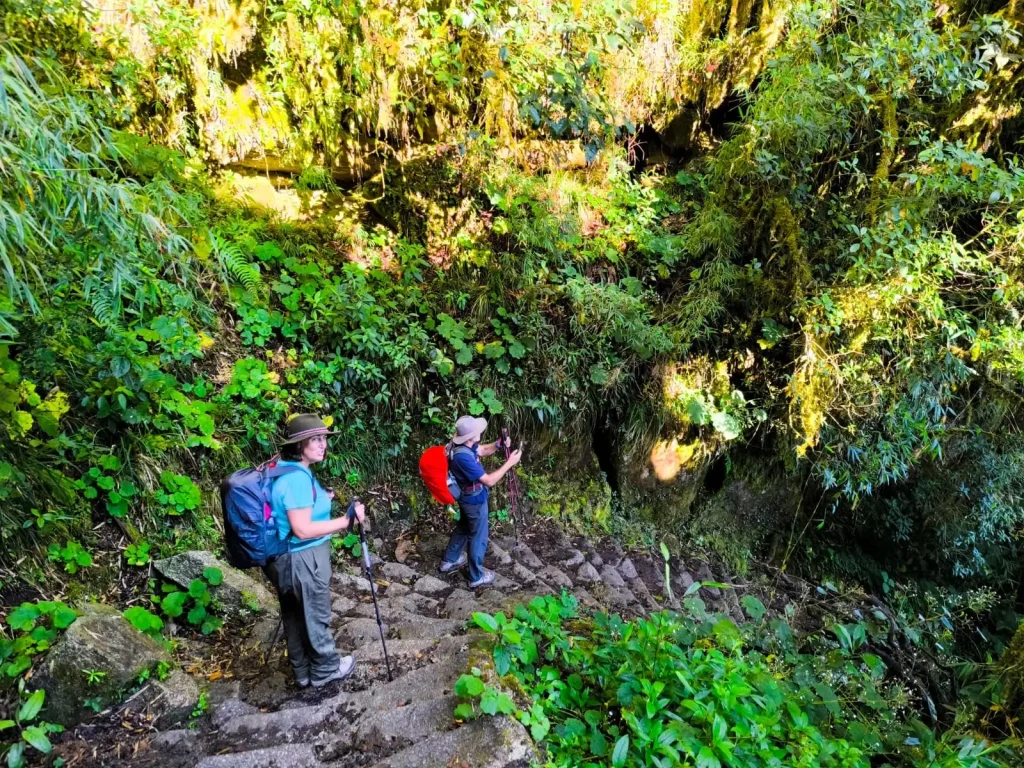
Unlike backpacking a route alone, the Inca Trail requires a government-issued permit tied to a licensed operator — solo, unguided hiking isn’t legally possible on the classic route. In practice, that means you’re on the trail with a certified guide, a cook, porters, and a group of fellow trekkers from the first morning to the last. It’s structured, permitted, and monitored in a way that most solo hiking simply isn’t. If you want a clearer picture of the physical demands rather than the safety side, our breakdown of how difficult the Inca Trail really is covers that separately.
Where Solo Women Should Actually Be Careful
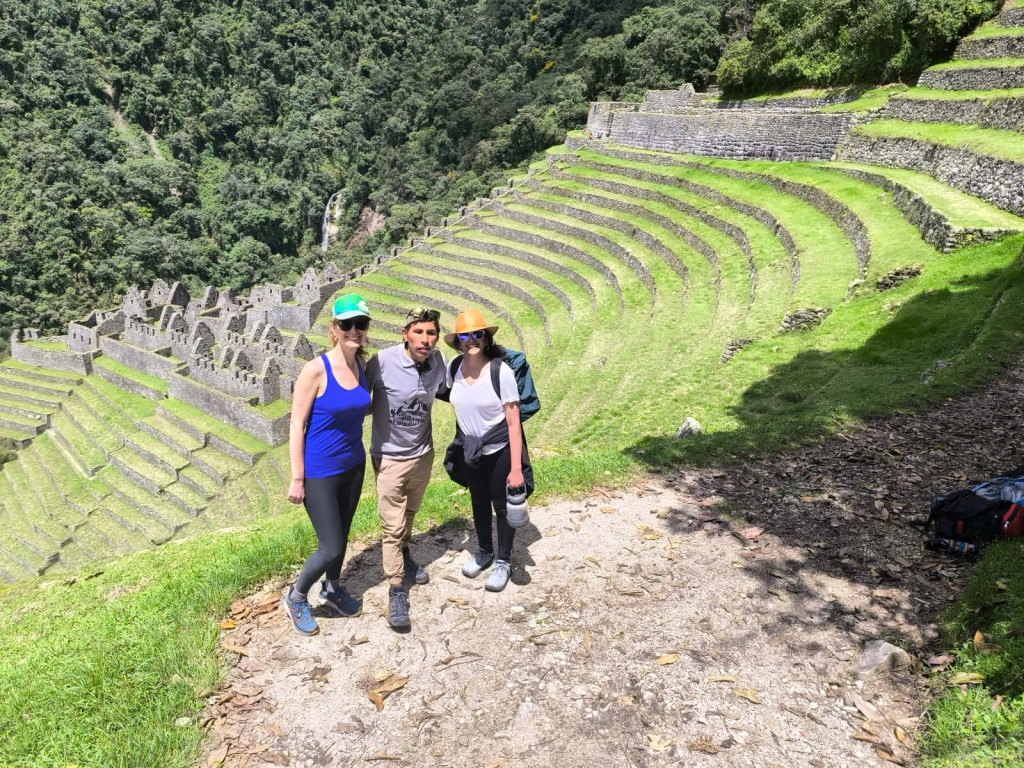
The realistic risk profile for a woman traveling alone in Peru looks a lot like it does in most tourist-heavy countries: petty theft, overcharging, and the usual scams that target visibly disoriented travelers — not violent crime aimed specifically at solo women. Common-sense precautions go a long way:
- Arrange airport and late-night transport in advance. Pre-booked taxis or your hotel’s transfer service are safer than hailing one on the street, especially arriving in Lima at night.
- Stick to well-lit, tourist-frequented areas in Cusco after dark, particularly around the Plaza de Armas and San Blas.
- Don’t flash valuables. Cameras, jewelry, and phones are the main target for opportunistic theft, not personal safety.
- Keep copies of your passport and permit details separate from the originals — losing documents is a far more common problem than any safety incident.
- Trust your gut with unlicensed tour sellers on the street. Booking with a private Inca Trail tour or a group departure from a licensed, registered operator avoids the informal, unregulated operators that generate most of the bad-trip stories you’ll read online.
Group Trek vs. Private Tour: Which Feels Safer Solo?
Both options put you with a guide and support team, but they solve for different comfort levels.
| Factor | Group Departure | Private Tour |
|---|---|---|
| Who you’re with | Other solo travelers and small groups, guide included | Just you (or your booked party) and your own guide |
| Typical group size | Up to 16 trekkers | 1 traveler, dedicated team |
| Social opportunity | High — most solo travelers meet people this way | Low — quieter, more independent pace |
| Pace flexibility | Fixed to the group | Fully adjustable to you |
| Cost | Lower per person | Higher, but pace and privacy are yours |
Many solo women choose a group departure specifically because it’s social — you’re rarely alone with strangers you don’t know well, and most people on the trail are there for the same reason you are. Others prefer the private tour route for full control over pace and schedule. Neither is inherently safer than the other; it comes down to what kind of trip you want.
What to Check Before Booking as a Solo Traveler
- Confirm the operator is licensed. A legitimate agency will be registered with Peru’s tourism authorities and able to show proof of your Inca Trail permit once booked — permits are non-transferable and tied to your passport, so Inca Trail permits need to be secured well in advance regardless of group size.
- Ask about single supplement policies. Some agencies charge extra for a single tent; others pair solo travelers of the same gender at no additional cost — ask directly before booking.
- Check what emergency equipment the guide carries. Satellite communication and oxygen are standard with reputable operators, given how limited phone coverage is on the trail.
- Read recent reviews, not just star ratings. Look specifically for other solo or solo-female reviewers describing their actual experience with the guide and group dynamic.
If you’re comparing agencies, our guide to choosing the right Inca Trail operator walks through the questions worth asking before you hand over a deposit.
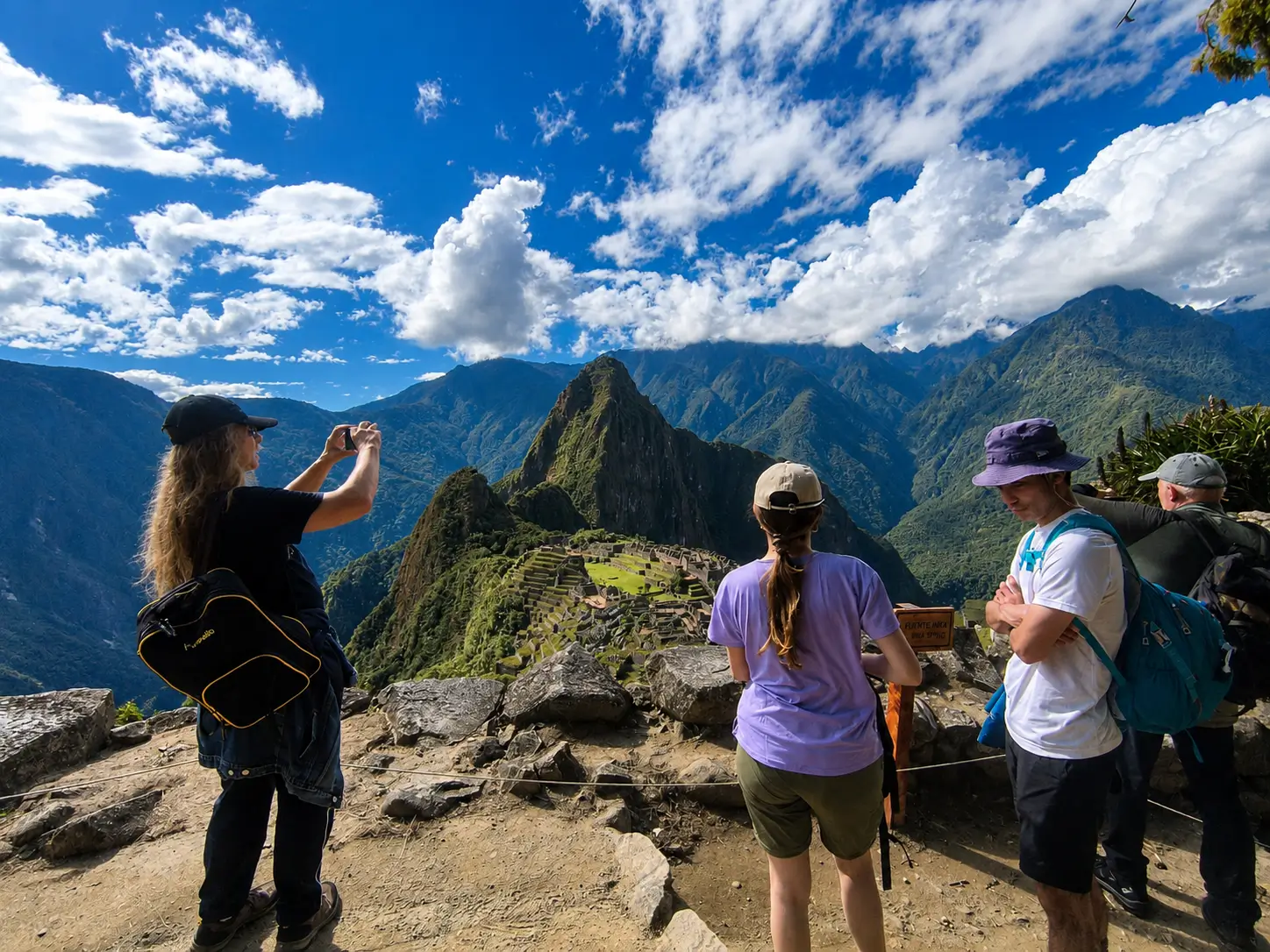
If You Want an Easier First Solo Trek
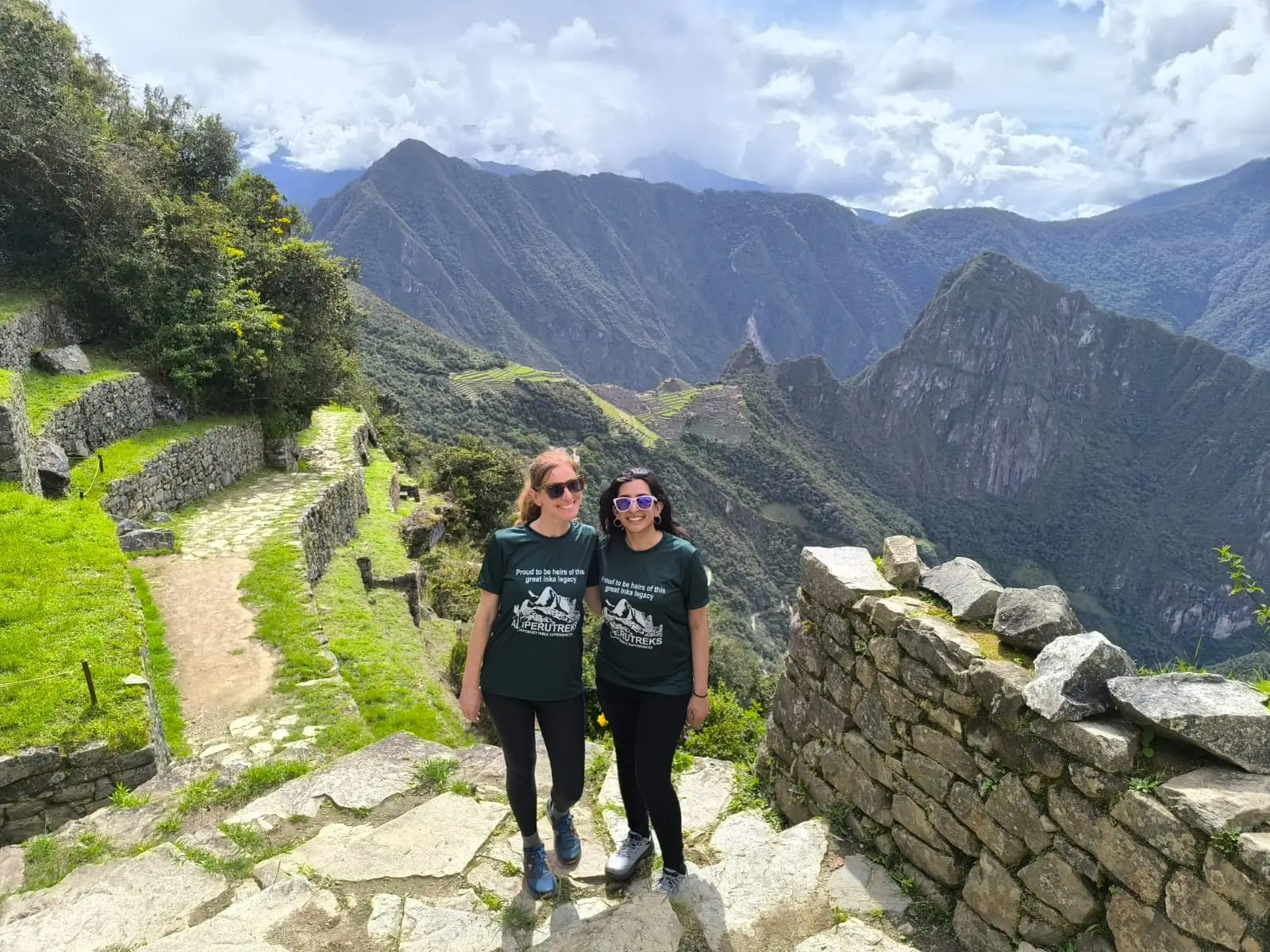
If this is your first solo international trip and the full 4-day trek feels like a lot to take on alone, easing in with a shorter or less remote route is a reasonable choice, not a compromise. The Short Inca Trail covers the Sun Gate entrance to Machu Picchu without multiple nights of camping, and the Lares Trek offers a quieter, community-based alternative with more flexibility if a section feels harder than expected. Whichever route you choose, our Inca Trail packing list applies to solo trekkers the same way it does to groups.
FAQ: Solo Female Travel on the Inca Trail
Yes, with normal city precautions. Cusco’s historic center and the areas tourists frequent have a strong police and tourism-security presence, and the main risks are petty theft and scams rather than violent crime.
No — the classic Inca Trail requires a permit issued through a licensed tour operator, so you’ll always be accompanied by a guide and support team, even if you book a private, one-person departure.
Rarely. Solo travelers make up a significant share of group departures, and it’s common to meet other solo hikers, especially in the peak May–September season.
It depends on the operator — some pair solo travelers of the same gender at no extra cost, while others charge a single-tent supplement. Confirm this directly when booking.
Petty theft and overcharging by unlicensed vendors, not personal safety incidents on the trail itself. Booking through a registered operator and taking standard city precautions addresses most of it.