
If you’re researching the Inca Trail, you’ve probably already run into some conflicting claims: that Machu Picchu was a “lost city” until 1911, that you need marathon-level fitness to hike it, or that you can just show up and walk it. Most of these ideas are either outdated, exaggerated, or flat-out wrong. Below, we go through the most common Inca Trail myths one by one and lay out what’s actually true.
Myth #1: Machu Picchu Was a “Lost City” Nobody Knew About Until 1911
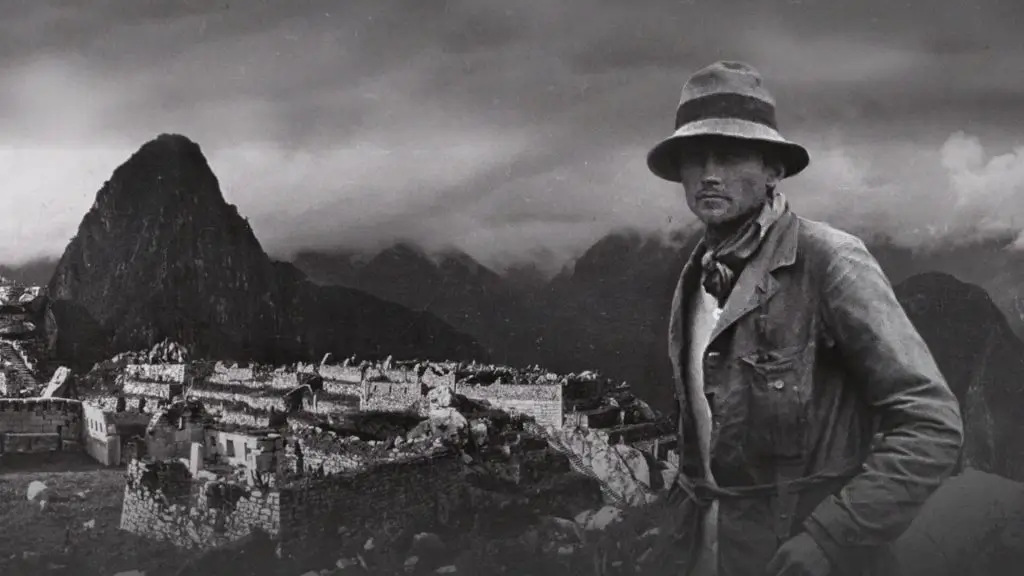
This is probably the most persistent Inca Trail myth, and it isn’t quite accurate. Hiram Bingham is often credited with “discovering” Machu Picchu in 1911, and his expedition is what brought the site to international attention through National Geographic. But local farming families in the area already knew the ruins were there, and a Cusco local named Agustín Lizárraga is documented to have visited the site around 1902 — nearly a decade before Bingham, reportedly leaving his name written on one of the walls of the Temple of the Three Windows.
The more accurate framing: Bingham didn’t discover Machu Picchu so much as he publicized it to the outside world and led the first scientific study of the site. It was never truly “lost” to the people who lived in the region.
Myth #2: You Need to Be an Elite Athlete to Hike It
The Inca Trail has a reputation as an extreme physical challenge, which scares off a lot of otherwise capable travelers. The truth is more nuanced. According to our own Inca Trail difficulty guide, the trek is rated moderate to challenging — it’s not a technical climb requiring ropes or mountaineering skills, but it is a sustained, multi-day physical effort at high altitude, covering roughly 26 miles (42 km) over four days.
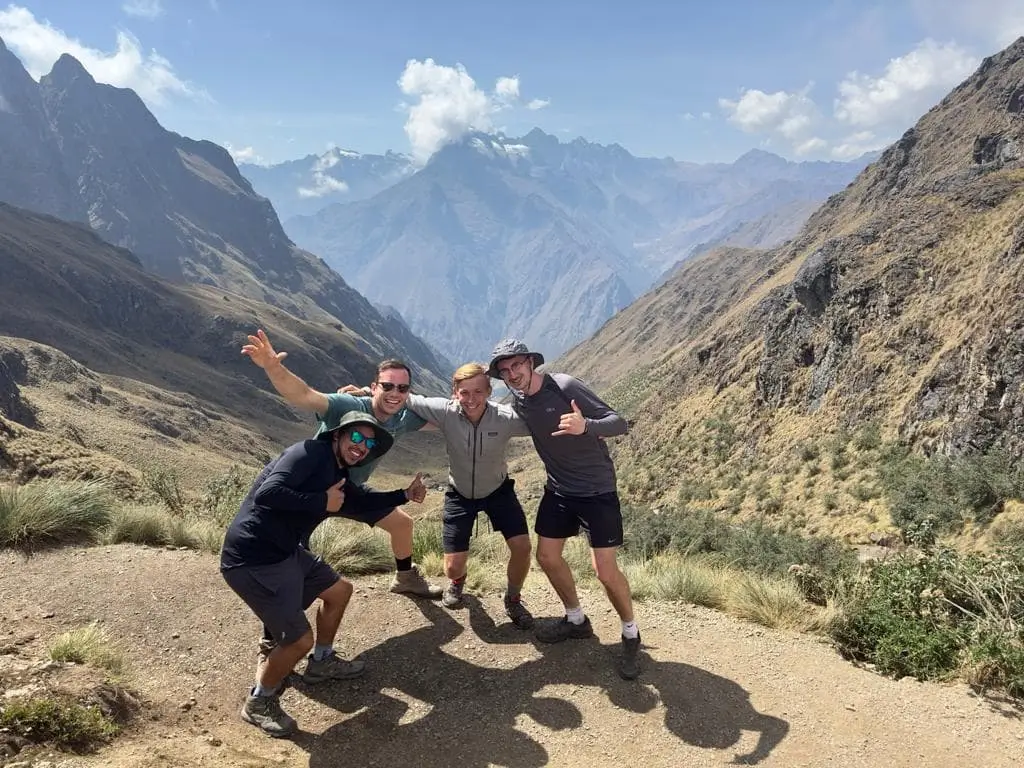
Most healthy adults with a few months of regular cardio and some hill or stair training complete it without major issues. The hardest single stretch is Day 2, the climb to Dead Woman’s Pass at 4,215 meters (13,828 ft) — that’s the section that tends to separate “manageable” from “genuinely tough,” not the trek as a whole.
Myth #3: You Can Book the Inca Trail Last-Minute
This one causes real disappointment for travelers who assume they can decide on a whim. Peru’s Ministry of Culture caps the Classic Inca Trail at roughly 500 people per day — including guides, cooks, and porters — which leaves only about 200 spots for actual hikers. High-season months (May through August) routinely sell out months in advance.
If you’re checking dates, it’s worth looking at real-time Inca Trail permit availability rather than assuming space will be there when you’re ready to book. For 2027 travel specifically, permits are expected to release in October 2026, and early dates for June through August tend to go fastest.
Myth #4: You Can Hike It Independently, Without a Guide
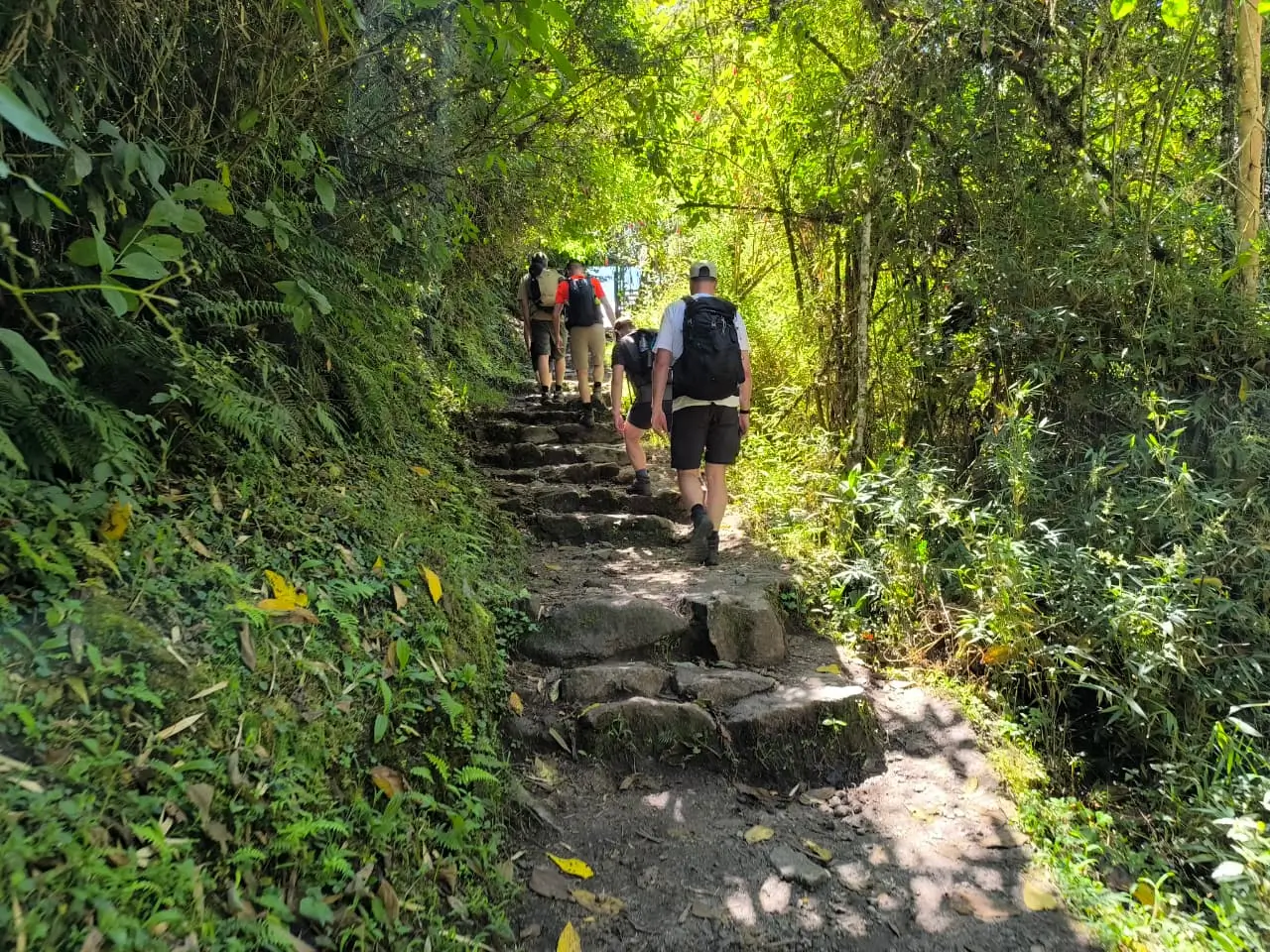
Unlike many trekking routes worldwide, the Inca Trail isn’t open to independent hikers under any circumstances. Peruvian regulation requires every trekker to be accompanied by a licensed and permitted tour operator and a certified guide. This isn’t a soft recommendation — it’s enforced at the trailhead checkpoint, where permits are checked against your passport. Solo, unguided attempts simply aren’t permitted on this specific trail (the alternative routes, like Salkantay, have different rules, which adds to the confusion).
Myth #5: The Inca Trail Is the Only Way to Reach Machu Picchu
Because it’s the most famous route, a lot of people assume the Inca Trail is synonymous with “getting to Machu Picchu.” In reality, most visitors arrive by train, not on foot. The Inca Trail (Classic 4-day or Short 2-day) is the only route that lets you walk in through the Sun Gate, Inti Punku, the way Inca-era travelers did — but alternatives like the Salkantay Trek reach Machu Picchu too, just via train on the final leg instead of on foot.
If permits for your dates are sold out, this is genuinely good news: an alternative trek isn’t a consolation prize, it’s a different (sometimes higher-altitude, sometimes more remote) experience that still ends at the citadel.
Myth #6: The Trail Is Open Year-Round
Not true. The Inca Trail closes completely every February for annual maintenance and because it coincides with the peak of the rainy season. Machu Picchu itself stays open via train and bus during this month — only the trail closes. Outside of February, the trail is open, but conditions vary a lot by season; our guide to dry vs. wet season breaks down what to expect month by month.
Myth #7: Only Out-of-Shape Travelers Get Altitude Sickness
This is a dangerous myth because it leads fit, active people to skip acclimatization altogether. Altitude sickness has little to do with fitness level and much more to do with how quickly your body adjusts to reduced oxygen — even elite athletes get it. The trail starts around 2,720 m (8,923 ft) and climbs to 4,215 m at its highest point, well within the range where symptoms are common regardless of how many marathons you’ve run.
Spending at least two to three days in Cusco or the Sacred Valley beforehand meaningfully lowers the risk. For a full rundown of symptoms and prevention, see our guide on acclimatizing to Cusco’s altitude.
Myth #8: You Can Bring Whatever Gear You Want
Between the porter weight limits (typically 5–7 kg / 11–15 lbs per trekker for your duffel), a ban on single-use plastic bottles, and rules against metal-tipped trekking poles (to protect the original Inca stonework), packing for this trek has more restrictions than most multi-day hikes. Underpacking or overpacking both cause real problems on the trail. Our complete Inca Trail packing list covers what’s actually required versus optional.
Myth #9: All the Routes to Machu Picchu Are Basically the Same
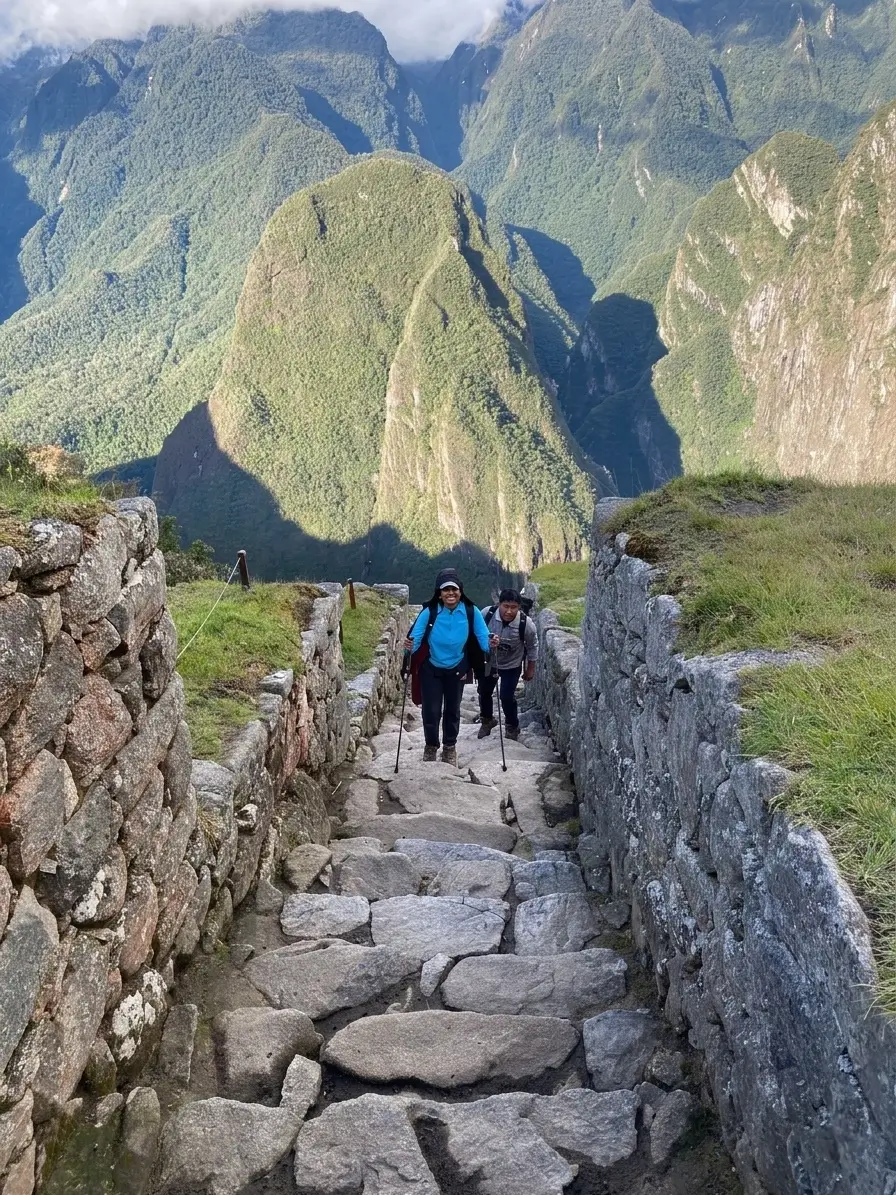
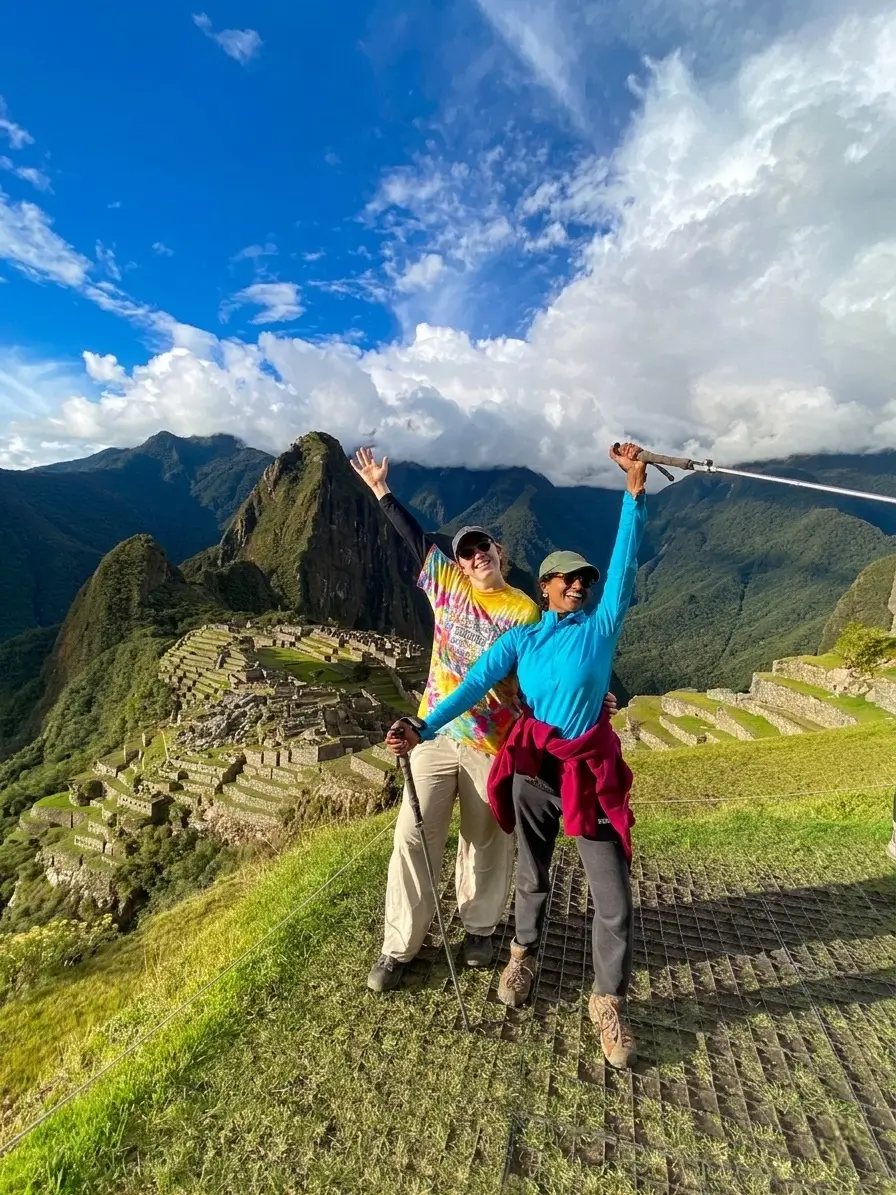
Not quite — they differ meaningfully in permit availability, terrain, and what you actually see. The Classic Inca Trail, the Short Inca Trail, Salkantay, and Lares all end at Machu Picchu, but the archaeological sites, altitude profiles, and crowd levels vary. If you’re weighing options, our Inca Trail map guide lays out the routes side by side with real distances and elevations.
Inca Trail: Myth vs. Fact at a Glance
| Myth | Fact |
|---|---|
| Machu Picchu was a “lost city” until 1911 | Local families and Agustín Lizárraga (c. 1902) knew of it before Bingham’s expedition publicized it internationally |
| You need elite athletic fitness | Rated moderate to challenging; most healthy adults with basic training complete it |
| You can book last-minute | 200 daily hiker permits; high season sells out months ahead |
| You can hike without a guide | Independent trekking isn’t permitted; a licensed operator and guide are mandatory |
| It’s the only way to Machu Picchu | Most visitors arrive by train; several alternative treks exist |
| The trail is open year-round | Closed every February for maintenance and heavy rain |
| Only unfit people get altitude sickness | Fitness doesn’t prevent altitude sickness; acclimatization does |
| Any gear works | Strict porter weight limits and equipment rules (e.g., no metal-tipped poles) apply |
| All routes to Machu Picchu are the same | Terrain, altitude, and sights differ significantly between routes |
Frequently Asked Questions
Not in the sense of being the first person to find it. Local farmers already knew of the site, and Agustín Lizárraga is documented to have visited around 1902. Bingham’s 1911 expedition is what brought Machu Picchu to international scientific and public attention.
It’s generally considered moderate to challenging, similar in difficulty to Salkantay, though the two present different kinds of demands — Salkantay reaches higher altitude, while the Inca Trail has more consistent daily elevation changes on ancient stone steps.
For May–August departures, 5–8 months ahead is realistic given the daily permit cap. For shoulder-season months like April and October, 2–3 months is often enough.
Yes, provided they train beforehand (cardio, stairs, hikes with a loaded daypack) and prioritize acclimatization in Cusco. It isn’t a casual walk, but it isn’t reserved for experienced mountaineers either.
Peru’s Ministry of Culture closes it for annual trail maintenance, and February also falls during the peak of the rainy season, when conditions are least favorable for trekking and archaeological preservation.