
You’ve trained for months, packed your gear, and booked your dream trek to Machu Picchu. But there’s one question that almost every traveler asks before hitting the trail: “How much should I tip?”
Tipping on the Inca Trail isn’t just good manners — it’s a meaningful way to directly support the local communities whose hard work makes your adventure possible. This inca trail tipping guide will walk you through exactly how much to tip, who to tip, when to do it, and how to handle the logistics — so you arrive prepared and confident.
Why Tipping on the Inca Trail Matters
The Inca Trail is one of the most iconic multi-day hikes in the world, stretching 43 km (26.7 miles) through the Andes Mountains of Peru, at altitudes ranging from 2,040 m (6,693 ft) to a high pass of 4,215 m (13,828 ft) at Dead Woman’s Pass.
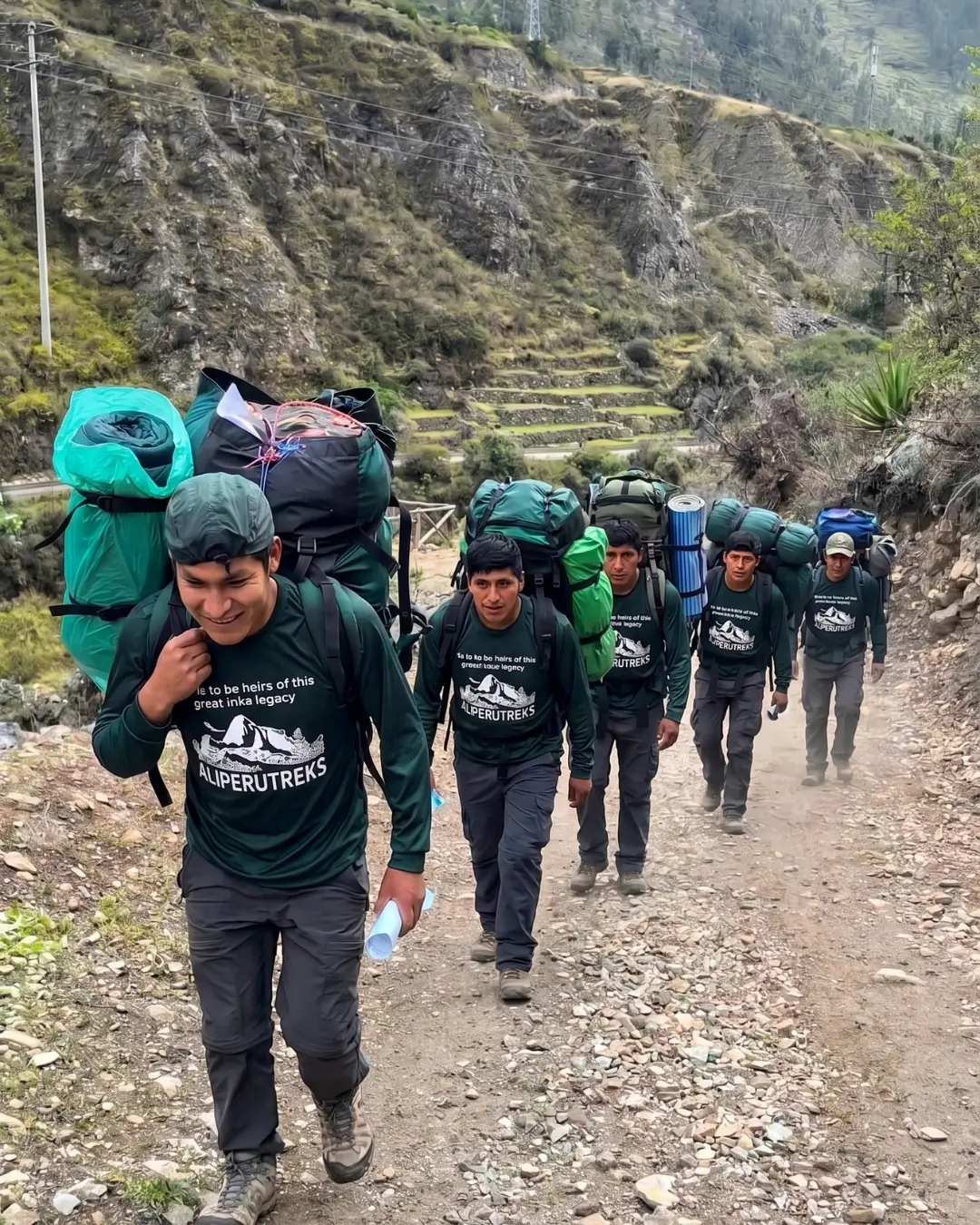
Behind every magical sunrise at the Sun Gate and every hot meal served at camp, there’s a team of dedicated Quechua-speaking professionals who carry your gear through steep mountain terrain — often in challenging weather, with minimal recognition.
Tipping in Peru’s travel culture is not automatic, like it may be in restaurants back home. On the Inca Trail, it is a deeply respected tradition and often represents a significant portion of a crew member’s income. Your tip can make a real difference.
Who You Should Tip on the Inca Trail
Before we get to the numbers, it’s important to know who is part of your crew. A standard licensed Inca Trail group is made up of:
- Lead Guide – A licensed, bilingual professional who leads the group, provides cultural context, and ensures safety.
- Assistant Guide(s) – Help manage the group, especially on larger expeditions.
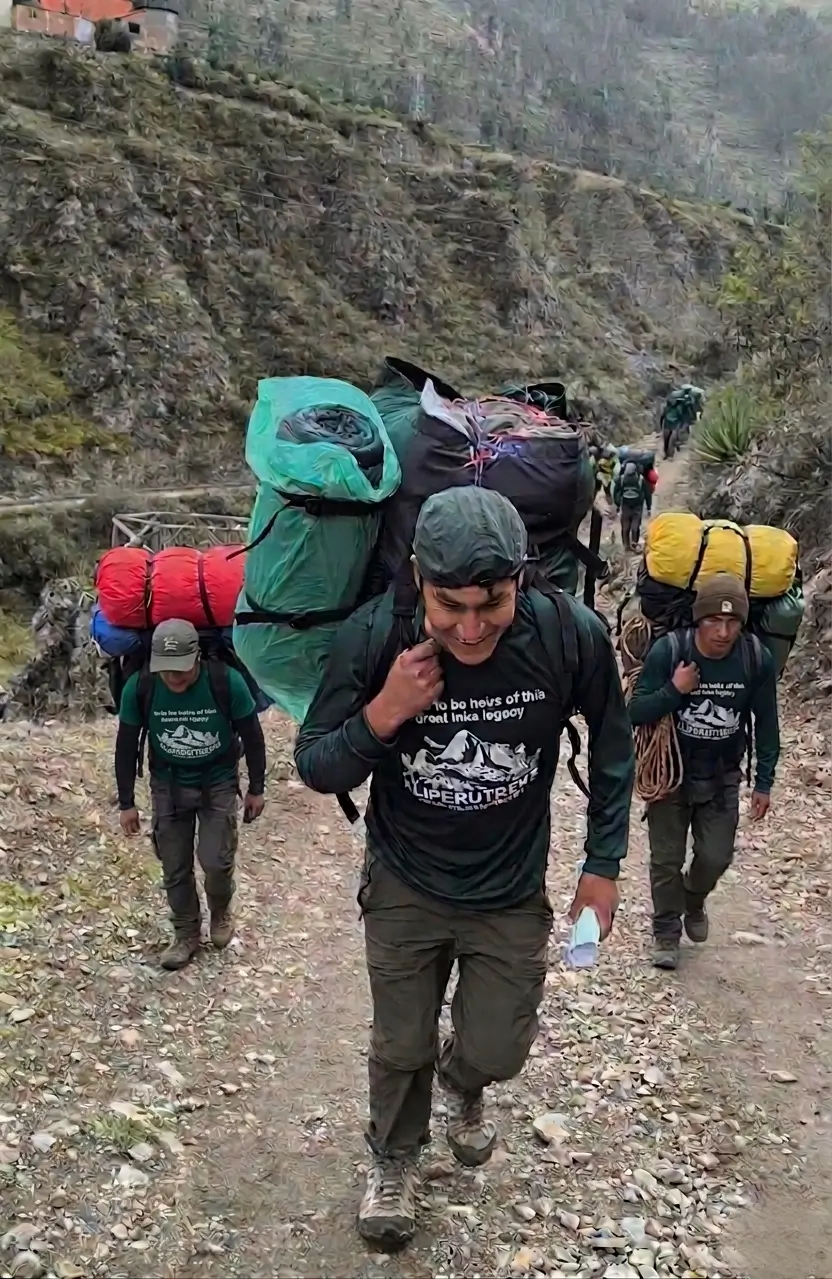
- Porters – The unsung heroes of the trail. They carry up to 25 kg (55 lbs) of gear including tents, food, and equipment — often running ahead to have camp ready before you arrive.
- Cook – Prepares three full meals a day plus snacks, using a portable kitchen kitchen at altitude.
- Camp Assistants – Help set up tents, serve meals, and keep the campsite running smoothly.
Note: Regulations from Peru’s Ministry of Culture limit how much a porter can legally carry. Always choose a licensed agency like Ali Peru Treks that respects porter welfare laws.

How Much to Tip on the Inca Trail: The Numbers
This is the section you came for. Here are the recommended tipping amounts per hiker, based on current standards from reputable local agencies and the industry average for 2024–2025:
Standard 4-Day / 3-Night Classic Inca Trail
| Role | Recommended Tip (USD per hiker) |
|---|---|
| Lead Guide | $20 – $30 |
| Assistant Guide | $15 – $20 |
| Head Cook | $10 – $15 |
| Porters (each) | $10 – $15 |
| Camp Assistants | $8 – $12 |
Example: Total Tip Budget Per Hiker
If your group has a lead guide, 1 assistant guide, 1 cook, 4 porters, and 1 camp assistant, a fair mid-range total per hiker would be approximately:
$30 + $18 + $12 + (4 × $12) + $10 = $118 USD per hiker
This is a reasonable budget to plan for on top of your overall trek costs.
Short Treks (2-Day Inca Trail)
For shorter variations, reduce proportionally:
| Role | Recommended Tip (USD per hiker) |
|---|---|
| Lead Guide | $12 – $18 |
| Assistant Guide | $8 – $12 |
| Cook | $6 – $10 |
| Porters (each) | $6 – $10 |
Tipping Porters in Peru: What You Should Know
Tipping porters in Peru is perhaps the most important gesture you can make. Porters are among the hardest-working people on the trail, yet they are often the least visible.
Here are a few key facts every hiker should know:
- Porters typically earn between $20–$35 USD per day from the agency, and tips supplement that income significantly.
- Many porters walk in sandals or light boots, sometimes in cold and rain, carrying heavy loads with a manta (traditional cloth carrier).
- Most porters return to their villages after the trek. They have no direct contact with you after the final day, so it’s critical to tip before the group disperses.
- The best moment to give tips is on the final evening of camp or at the end of the trek in Aguas Calientes (the town at the base of Machu Picchu), before your porter crew leaves.
How to Hand Out Tips: Practical Logistics
Getting the physical logistics right is just as important as knowing the right amount. Here’s how to handle it smoothly:
1. Bring Small USD Bills or Soles
Tips are accepted in both US Dollars (USD) and Peruvian Soles (PEN). Many porters prefer soles for local use, but USD is universally accepted. Avoid large bills — bring $5s, $10s, and $20s.
2. Use Envelopes
Prepare labeled envelopes in advance — one per crew member. Write the person’s name or role on the front. This prevents confusion and shows professionalism and respect.
3. Tip as a Group
If you’re trekking with a group, consider pooling tips together and handing them over collectively during a brief ceremony on the last night. This is both logistically clean and emotionally meaningful.
4. Give Tips Personally When Possible
Whenever you can, hand the envelope directly to the person and say “Gracias” — it goes a long way. Your guide will be happy to facilitate introductions to the porters and cook if you don’t know them by name.
Tipping in Peru Travel: Beyond the Trail
Understanding tipping in Peru travel more broadly will help you budget and behave appropriately throughout your trip:
- Restaurants in Cusco & Lima: A 10% tip is customary. Some upscale restaurants add a 10% service charge automatically.
- City Tour Guides: $5–$10 USD per person is standard for a half-day tour; $10–$20 for a full day.
- Hotel Staff / Bellboys: $1–$2 USD per bag or service.
- Taxi Drivers: Not expected, but rounding up to the nearest whole amount is appreciated.
- Spa / Massage: $3–$5 USD is generous.
Peru does not have an automatic tipping culture the way the U.S. does, but tipping is always welcomed and appreciated — especially in tourism.
Expert Tips from Ali Peru Treks: What Only Locals Know
Our team has guided hundreds of American and international travelers on the Classic Inca Trail, Salkantay, and Lares routes. Here are the insider insights we share with every group before departure:
- Acclimatize in Cusco first. Cusco sits at 3,400 m (11,150 ft). Arrive at least 2 days before your trek to allow your body to adjust. Altitude sickness (soroche) is real and can affect even fit hikers.
- Withdraw cash in Cusco, not Aguas Calientes. ATMs in Aguas Calientes are limited and frequently run out of cash. Prepare your tip envelopes the night before the trek begins.
- Book your permit early. The Inca Trail has a strict daily limit of 500 people (including crew). Permits for high-season months (June–August) sell out months in advance. Don’t leave it until the last minute.
- Dry Season = Best Trek Season. May through October is the ideal window, with clear skies and cooler temperatures. Avoid the rainy season (November–March) if possible, as trails get muddy and views are often obscured.
- Pack your tip money separately from your main cash. Keep it in a small accessible pocket or in your duffel bag so you can find it quickly on the last evening.
- A few words in Quechua go far. Saying “Sulpayki” (Thank you in Quechua) to a porter will get you an enormous smile and is something they remember.
Frequently Asked Questions About Tipping on the Inca Trail
Tipping is not legally required, but it is strongly expected and deeply appreciated. Think of it as an essential part of the trek culture, not an optional add-on.
No. Tips on the Inca Trail are always cash only. Plan ahead.
If a specific crew member’s performance was below expectations, you can choose to reduce or omit their individual tip. However, this is rarely the case — the crew on licensed Inca Trail expeditions is consistently professional and dedicated.
Always at the end (either on the final evening in camp or the morning of arrival in Aguas Calientes). Tipping at the start is not traditional and is unnecessary.
Conclusion: Tip Well, Trek Better
The Inca Trail is a life-changing experience — and the people who make it possible deserve to be honored for their work. By following this inca trail tipping guide, you’re not only doing the right thing, you’re contributing directly to the livelihoods of Quechua families in the Andes.
Prepare your envelopes, bring your cash, and get ready for four days of breathtaking mountain scenery, ancient Inca ruins, and warm human connections. The trek itself will be unforgettable — and the gratitude on your porter’s face when you hand them their tip will be one of the moments you carry home with you.
Ready to Plan Your Inca Trail Adventure?
At Ali Peru Treks, we are a licensed local agency based in Cusco with years of experience leading international travelers through the most iconic treks in Peru. We work with certified guides, treat our porters with dignity and fair wages, and take care of every detail so you can focus on the experience.