
Machu Picchu Sun Gate: What It Feels Like to Arrive at Dawn
There’s a moment on the Inca Trail that no photo, no documentary, and no travel blog can fully prepare you for. You’ve been hiking for three days. Your legs are tired, your backpack feels heavier than it did at the trailhead, and the pre-dawn air is biting cold. Then you round the final switchback, climb a short set of steep stone steps, and step through the Sun Gate at Machu Picchu.
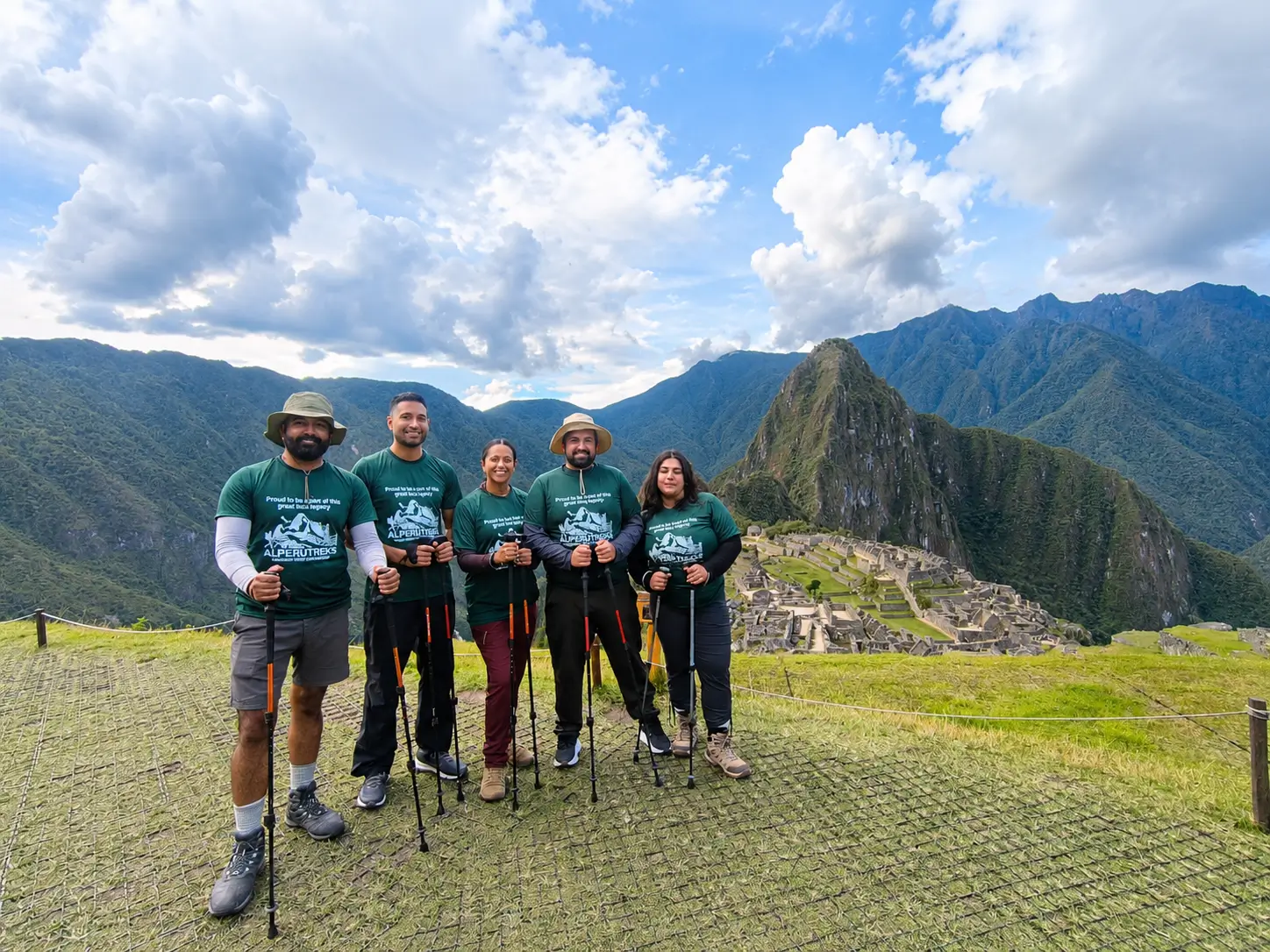
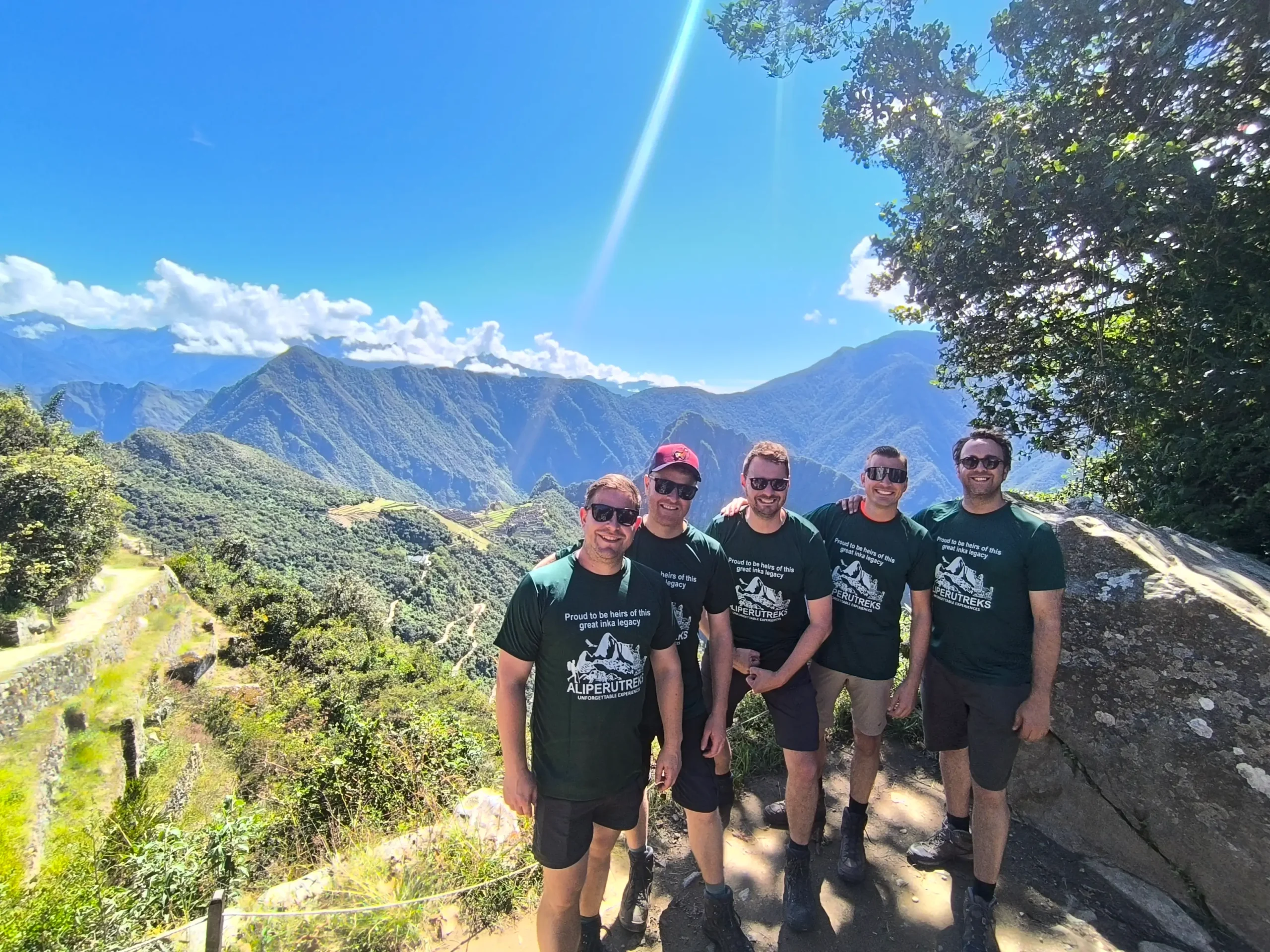
Below you, wrapped in mist and framed by green peaks, lies the Lost City of the Incas — and you’re seeing it before almost anyone else does today.
This is why thousands of travelers choose the classic Inca Trail over the train-and-bus route: to arrive at Machu Picchu the way it was meant to be seen, through Inti Punku, the ancient “Gateway of the Sun.”
In this guide, we’ll walk you through exactly what to expect, the practical details you need to plan your trip, and the insider tips our local guides at Ali Peru Treks share with every group before dawn.
What Is the Sun Gate (Inti Punku)?
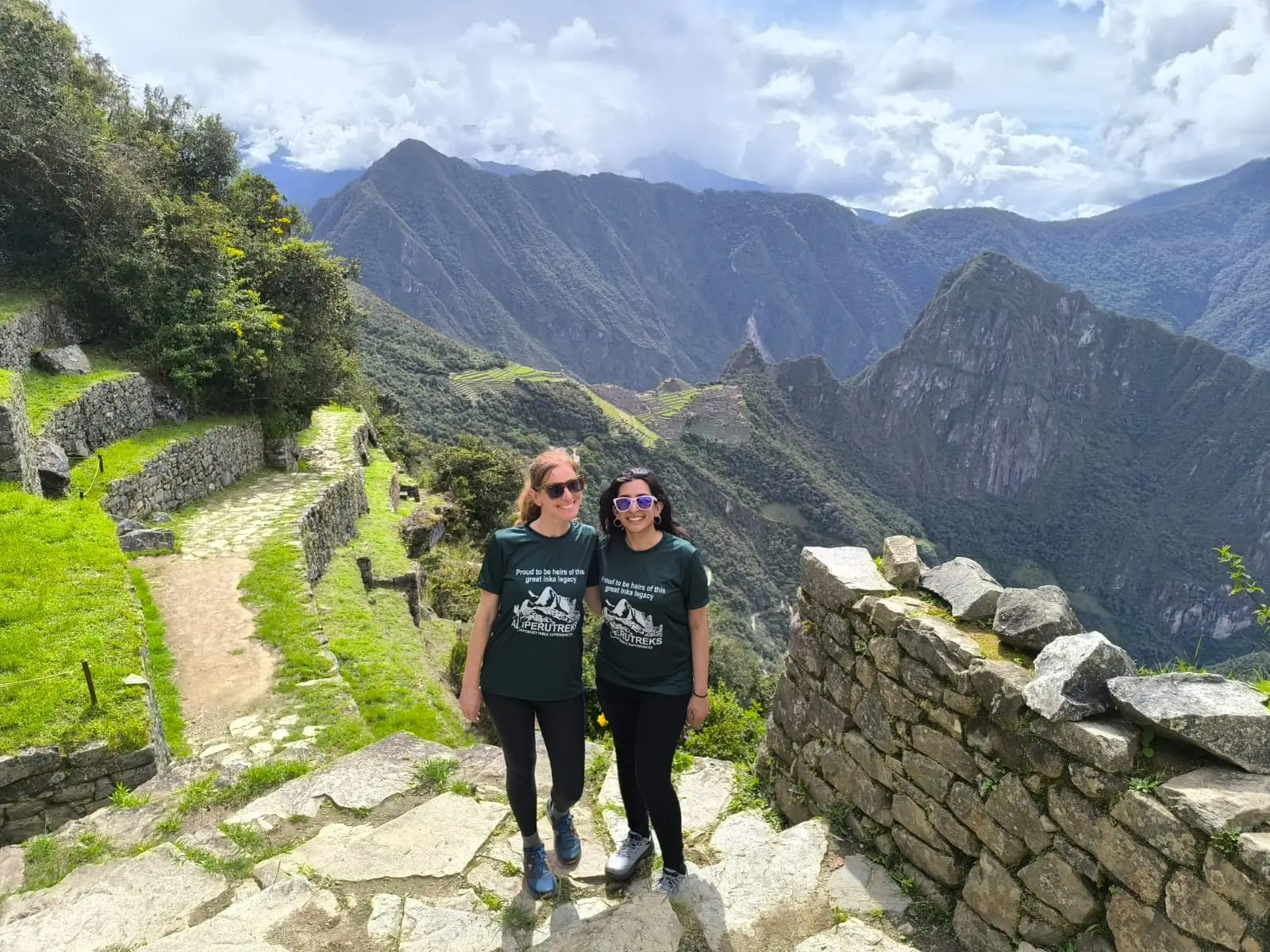
The Sun Gate, known in Quechua as Inti Punku, is a stone structure perched on the ridge of Machu Picchu Mountain, roughly 8,922 feet (2,720 meters) above sea level. It served as the main ceremonial entrance to Machu Picchu for travelers arriving on foot from Cusco along the royal Inca road system.
During the June solstice, the rising sun aligns directly with this gateway, illuminating the citadel below — a detail the Incas designed with remarkable astronomical precision. Even outside the solstice, the Sun Gate remains the first place from which Machu Picchu comes fully into view, which is exactly why it’s the emotional high point of the trek.
Today, it’s the final checkpoint on the classic 4-day Inca Trail before descending into the ruins themselves.
The Machu Picchu Sunrise Inca Trail Experience
Here’s what a typical Sun Gate sunrise morning looks like for trekkers:
- 3:30–4:00 AM: Wake-up call at the final campsite (Wiñay Wayna).
- 4:30–5:00 AM: Trail checkpoint opens; hikers set out with headlamps in the dark.
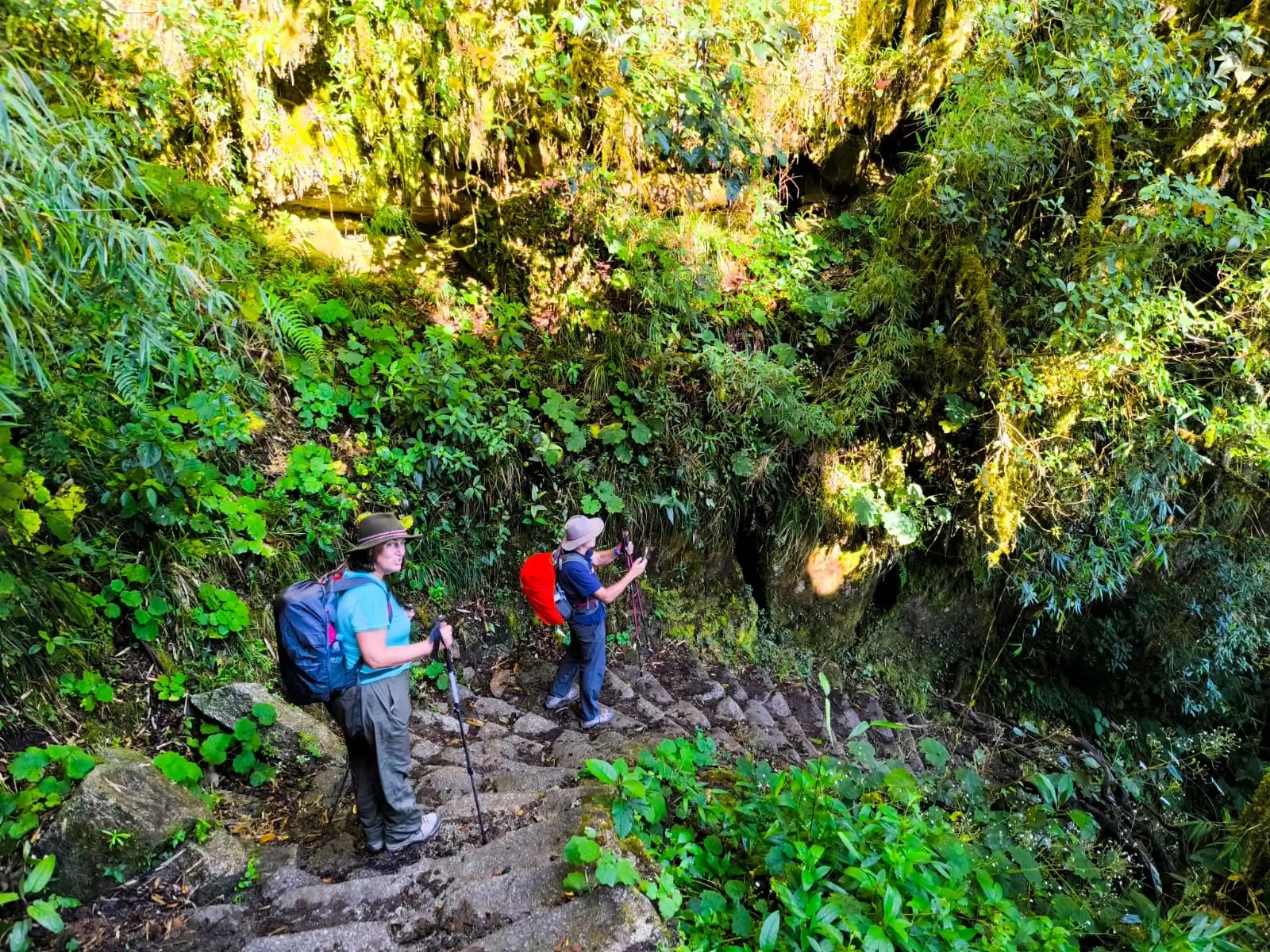
- ~5:30–6:00 AM: The last uphill push — steep, narrow steps nicknamed “the gringo killer” by guides (affectionately).
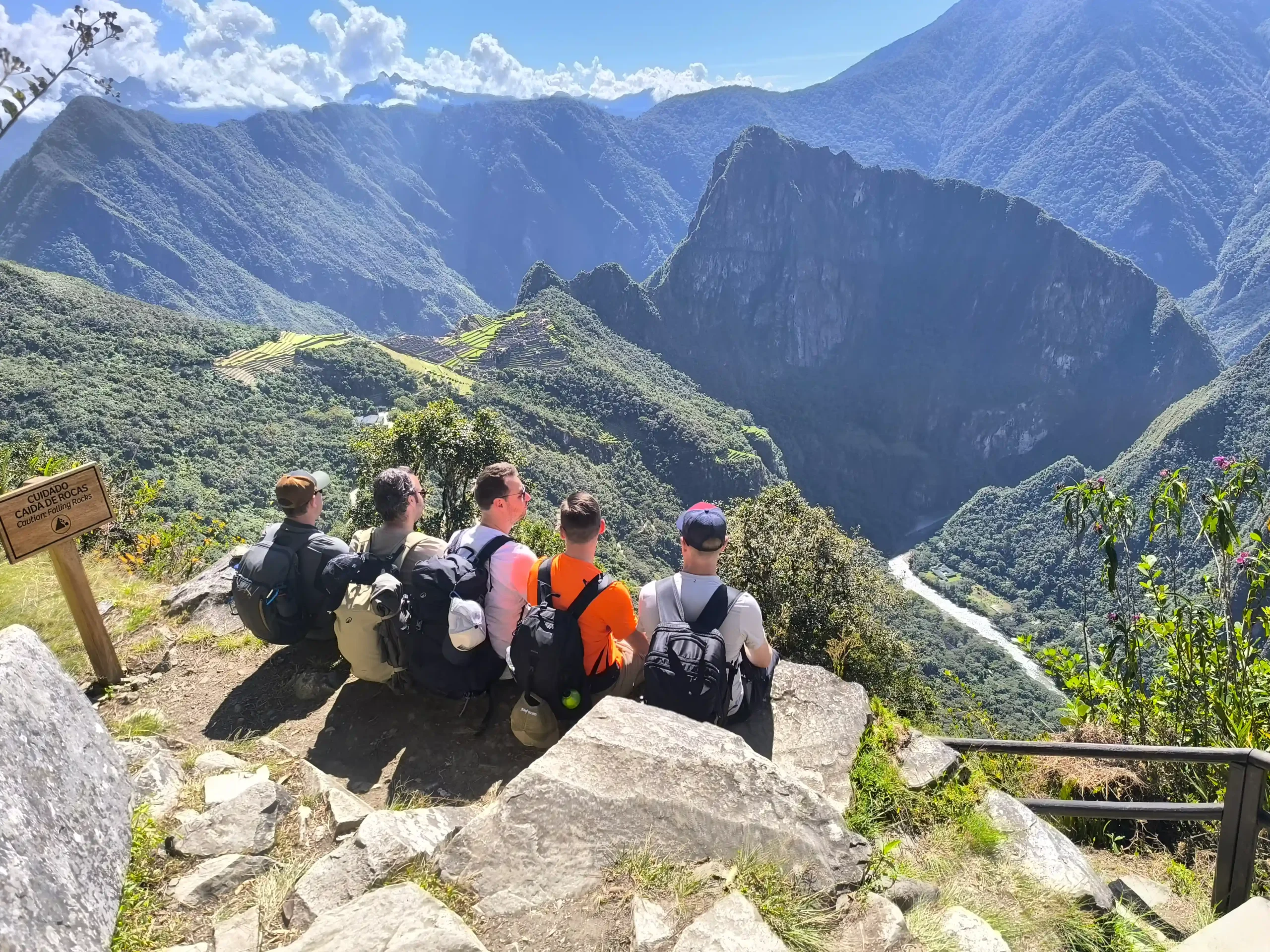
- 6:00–6:30 AM: Arrival at the Sun Gate, just as the sky begins to lighten over the Andes.
- 6:30–7:30 AM: The descent into Machu Picchu itself, watching the citadel emerge from the clouds.
The whole payoff is timing. Trekkers who reach Inti Punku right as the sun crests the mountains often describe it as one of the most emotional travel moments of their lives — equal parts physical relief and pure awe.
Important reality check: cloud cover is common in the Andes, especially in the wet season. Some mornings deliver a fiery, golden sunrise; others offer a slow reveal through drifting fog, which many travelers find just as magical. Either way, no two sunrises at the Sun Gate are the same.
Key Travel Facts You Need to Know
Before lacing up your boots, here’s the practical information every U.S. traveler should have on hand.
Altitude and Climate
- Sun Gate altitude: 8,922 ft (2,720 m)
- Machu Picchu altitude: 7,970 ft (2,430 m) — lower than Cusco
- Cusco altitude (trek starting point): 11,152 ft (3,400 m)
Because Cusco sits higher than Machu Picchu itself, most travelers actually acclimatize before the hardest part of the hike. Mornings at the Sun Gate are cold (34–45°F / 1–7°C), while afternoons on the trail can feel warm under direct sun. Layers are essential.
Best Season to Visit
- Dry season (May–September): Clearer skies, better sunrise odds, but busier trails and colder nights.
- Shoulder months (April, October): A sweet spot — fewer crowds, decent weather.
- Wet season (November–March): Lush scenery and lower prices, but higher chance of rain and mist (note: the Inca Trail closes entirely every February for maintenance).
Difficulty Level
The classic Inca Trail is rated moderate to challenging. The final morning to the Sun Gate involves a steep, sustained climb at altitude, which is why physical prep and proper acclimatization matter more than raw fitness.
What to Pack for Sunrise
- Headlamp with extra batteries (the trail starts in total darkness)
- Warm layers: fleece or down jacket for the pre-dawn cold
- Rain jacket, even in dry season
- Trekking poles for the steep descent afterward
- Water and energy snacks — you won’t want to stop once you’re close
- Camera or phone with a charged battery (cold weather drains batteries fast)
Expert Tips From a Local Guide
This is the kind of insight you won’t find in a generic travel guide — the details our Ali Peru Treks guides share with every group.
- Acclimatize in Cusco for at least 2 days before starting. Altitude sickness is the #1 reason travelers struggle on the final climb — not fitness level.
- Start the last stretch early and steady, not fast. Racing other groups to the Sun Gate at 12,000+ feet only leads to burnout before the best part.
- Book the classic Inca Trail months in advance. Peru’s government limits permits to 500 people per day (including staff), and permits sell out fast for June–August.
- Bring cash in small soles for the checkpoint bathrooms and snacks — cards aren’t accepted on the trail.
- Manage your expectations around weather. A misty Sun Gate is still unforgettable; the Andes rarely disappoint, they just surprise you.
- If mobility or time is limited, the Sun Gate is also reachable via a shorter day hike from Machu Picchu itself — a great alternative if you’re not doing the full 4-day trek.
Is Reaching the Sun Gate Worth the Effort?
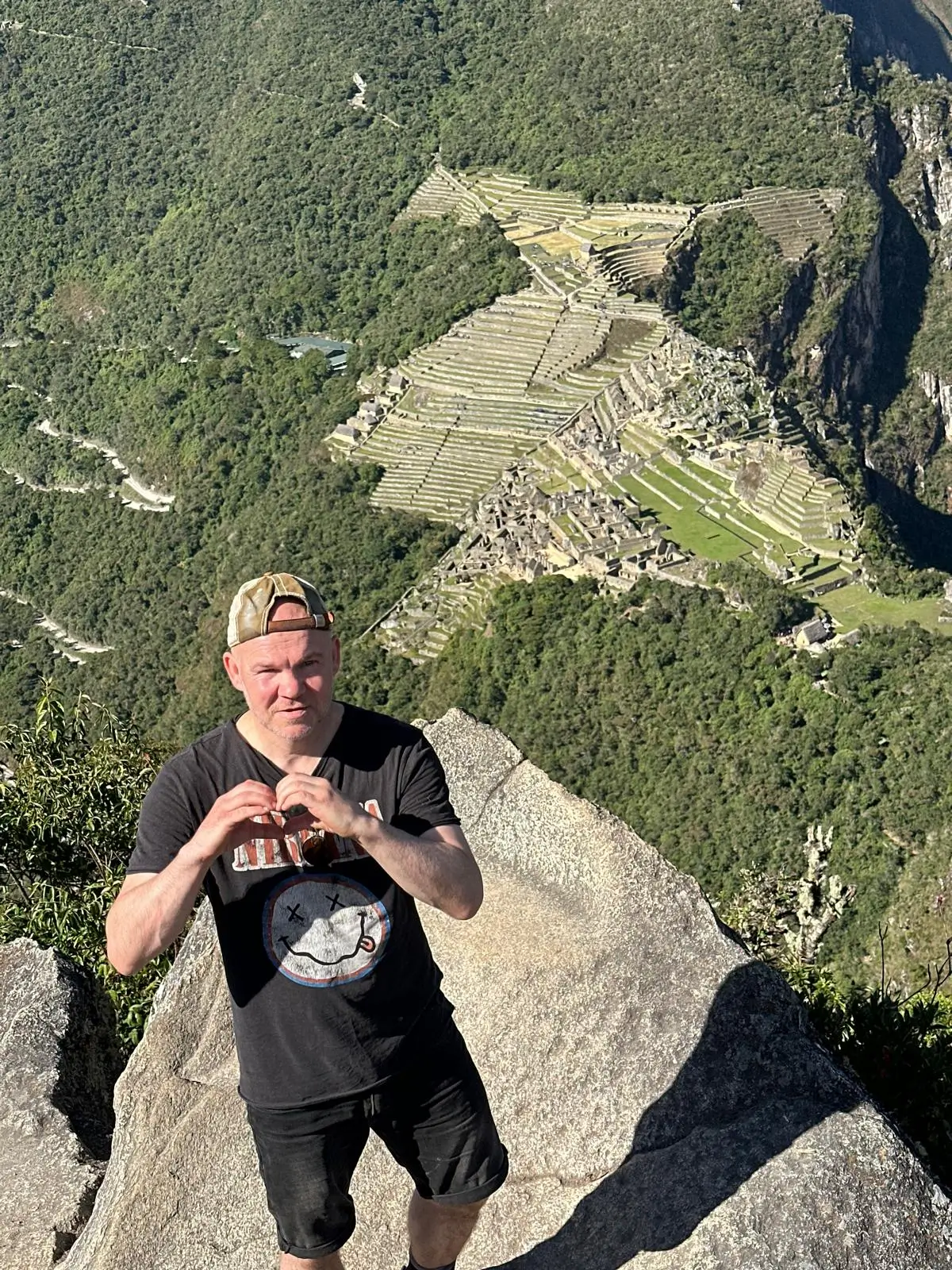
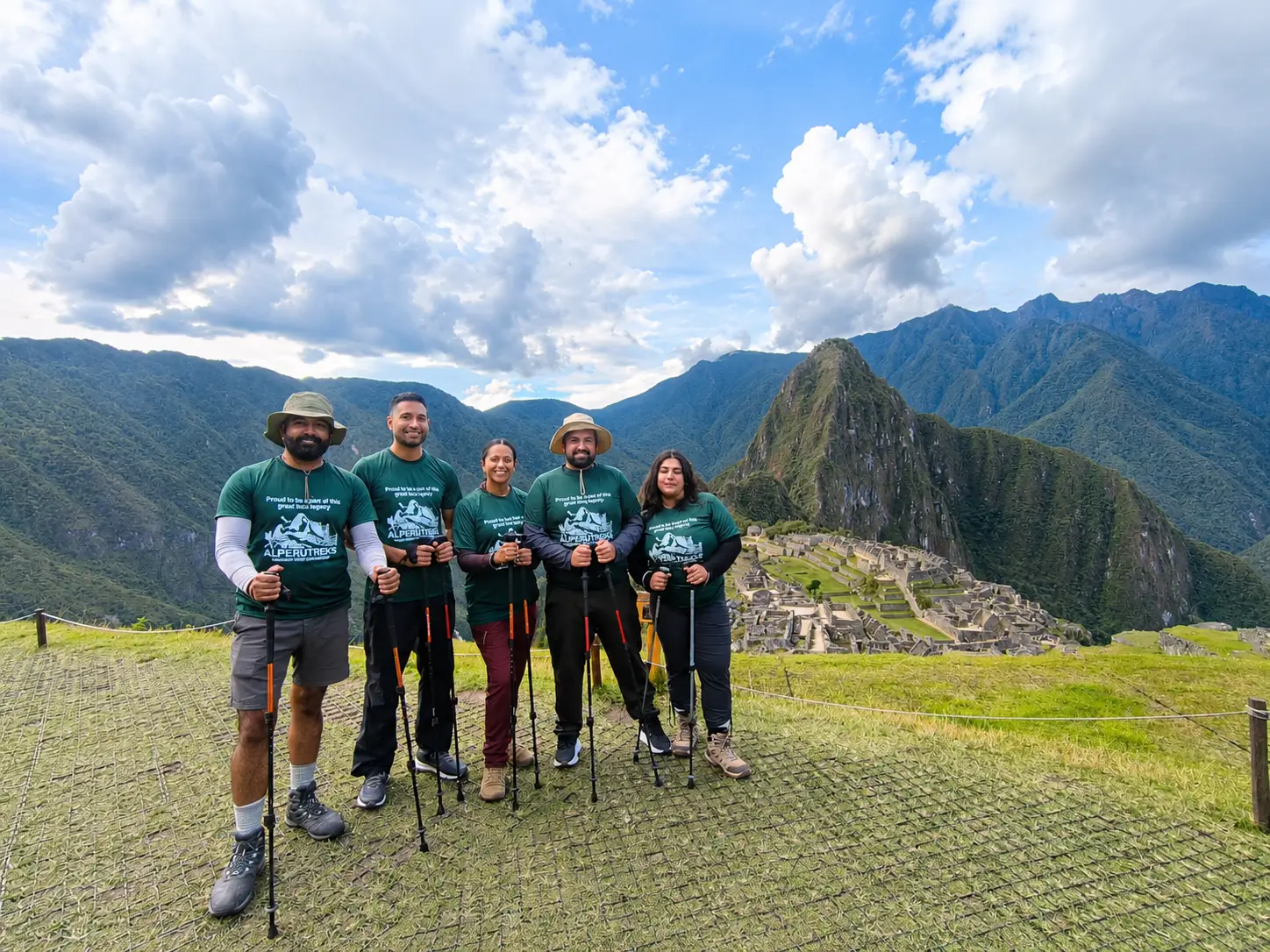
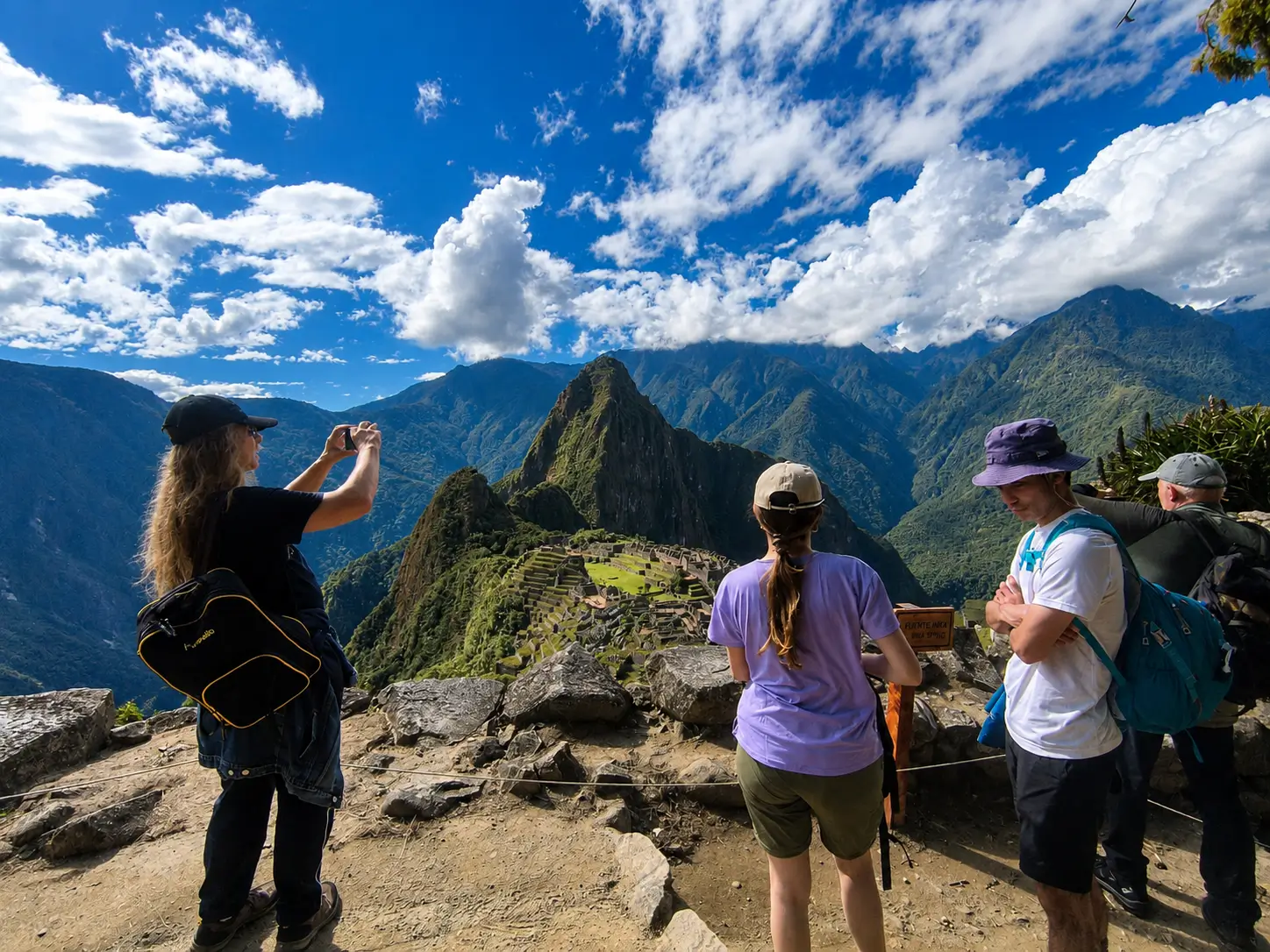
Absolutely. The sun gate Machu Picchu experience isn’t just a photo opportunity — it’s the moment the entire trek makes sense. You’ve walked the same stone paths as Inca messengers and pilgrims centuries ago, and you arrive at the citadel exactly as they intended: from above, through Inti Punku, with the sun rising over the sacred valley.
It’s physically demanding, occasionally unpredictable with weather, and completely worth every step.
Ready to Watch the Sunrise From the Sun Gate Yourself?
At Ali Peru Treks, our local, Cusco-based guides have led this sunrise hundreds of times — we know the pacing, the permits, and the small details that turn a hard morning hike into the highlight of your trip.
Explore our Inca Trail packages and secure your permits today — spots fill up months in advance, especially for the dry season. Contact us for a free, no-obligation quote and let’s start planning your Machu Picchu sunrise.