
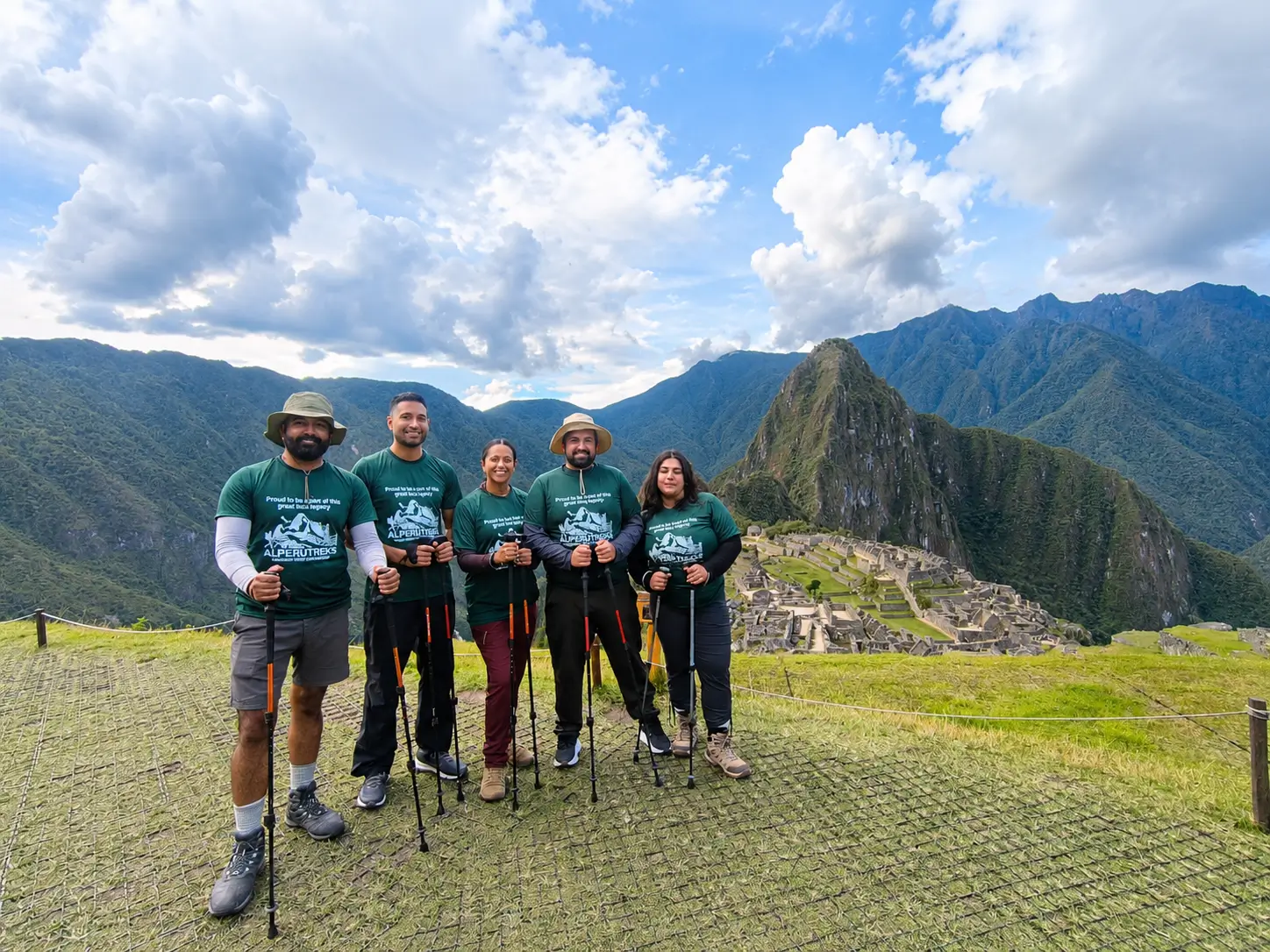
Planning a trip to Peru and wondering how you’ll stay connected once you land in Lima or Cusco? You’re not alone. One of the most common questions we get from travelers heading to Machu Picchu, the Sacred Valley, or the Amazon is: what’s the best way to get mobile data without paying outrageous roaming fees?
The answer, for most international visitors today, is an eSIM for Peru. It’s fast, it’s cheap, and in most cases you can activate it before you even board your flight. In this guide, we’ll break down exactly how eSIMs work in Peru, compare them to a traditional Peru SIM card for tourists, and answer the question everyone asks us: is there internet in Machu Picchu?
What Is an eSIM and Why It Matters for Your Peru Trip
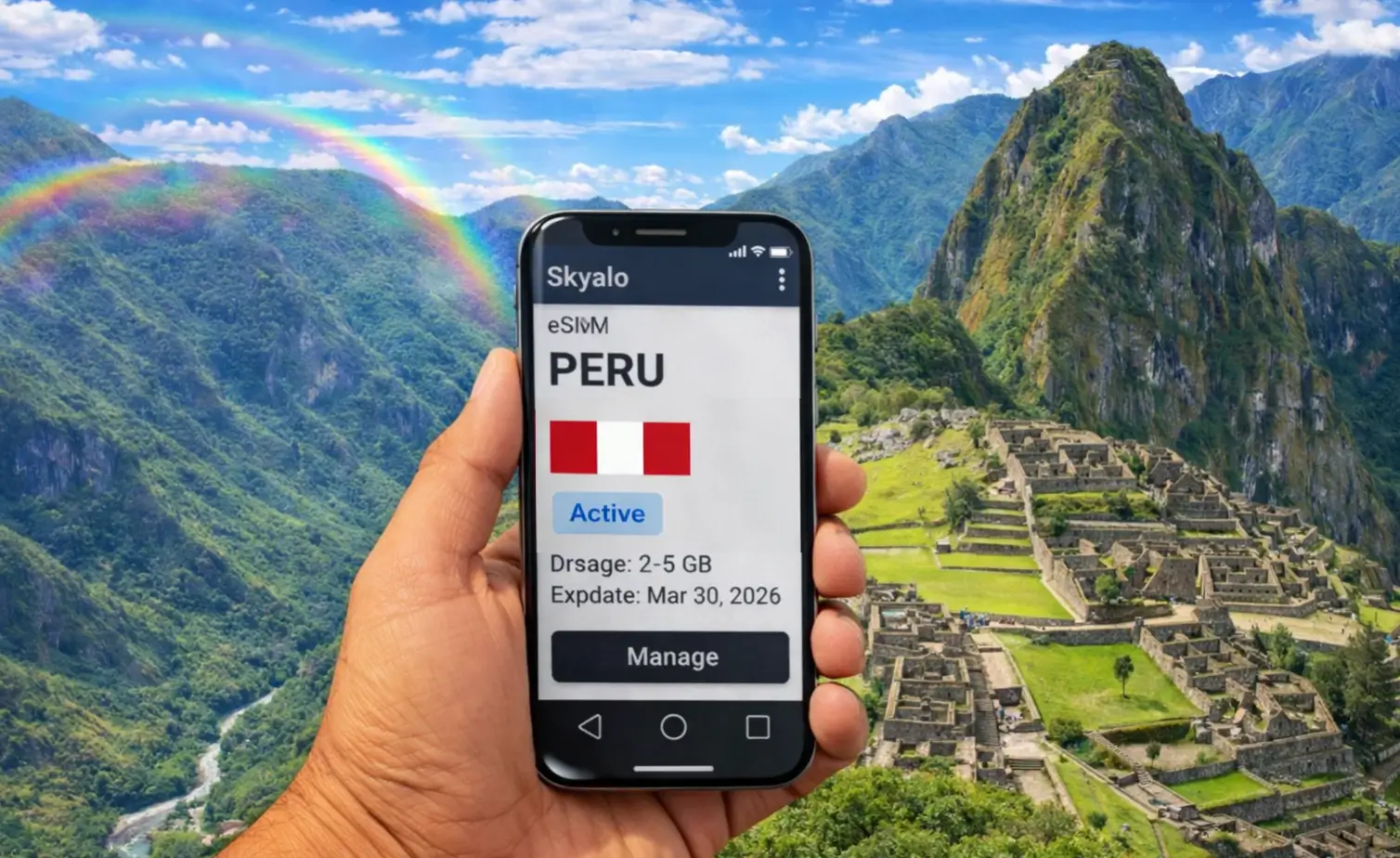
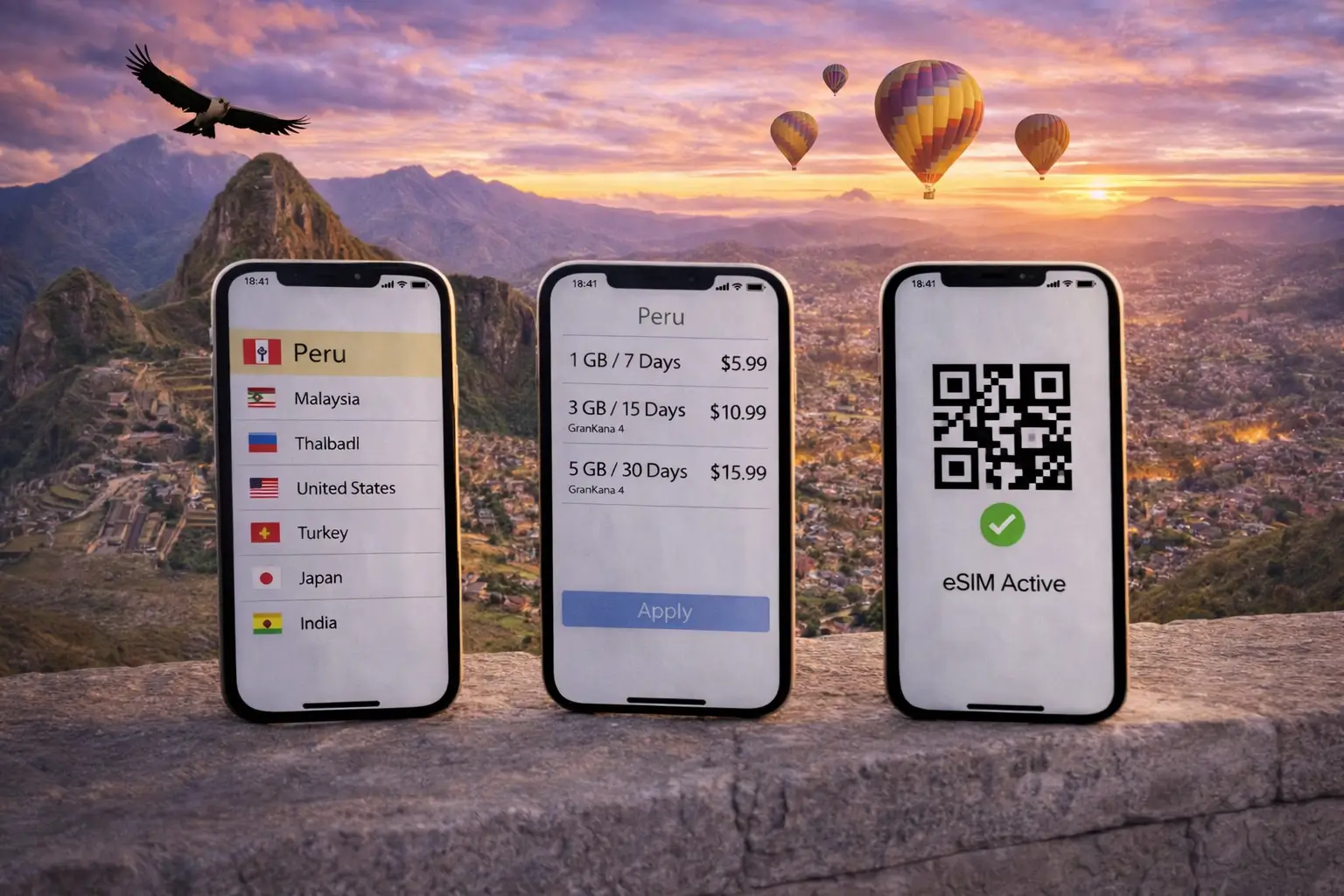
An eSIM (embedded SIM) is a digital SIM card built into most modern smartphones (iPhone XS and newer, and most Android flagships from the last few years). Instead of inserting a physical plastic card, you simply scan a QR code or install an app, and your phone connects to a local network.
For travelers, this means:
- No hunting for a SIM card kiosk at Jorge Chávez International Airport in Lima.
- No losing your home SIM while it sits in a tiny plastic baggie in your backpack.
- Instant activation, often while you’re still on the plane.
- Keep your US number active for calls and texts while using data on the Peru eSIM.
This is why an esim for peru has become the go-to solution for American travelers who want reliable connectivity without the hassle of local paperwork or long airport lines.
eSIM vs. Physical SIM Card: Which Is Right for You?
If you’ve traveled internationally before, you might be used to buying a Peru SIM card tourist package at the airport. Both options work, but they serve slightly different needs.
When an eSIM Makes More Sense
- Your phone is unlocked and eSIM-compatible (check under Settings before you fly).
- You want to activate your plan before arrival, ideal if you’re landing late at night in Lima.
- You prefer not to swap out your physical SIM (and risk losing it).
When a Physical SIM Card Might Be Better
- You’re traveling with an older phone or a locked device.
- You want unlimited local data for a longer stay (some local carrier plans, like those from Claro or Movistar, offer generous long-term packages).
- You need a Peruvian phone number for local bookings or WhatsApp verification with a Peru-based number.
Our recommendation: for trips of 1–3 weeks, especially for hikers heading to Machu Picchu, Rainbow Mountain, or the Inca Trail, an eSIM is simpler and more cost-effective.
Best eSIM Providers for Peru
There are several reliable eSIM providers that work well across Peru, including Lima, Cusco, Arequipa, and the Sacred Valley:
- Airalo – One of the most popular choices among US travelers, with regional South America plans and Peru-specific packages starting around 1GB.
- Holafly – Offers unlimited data plans, popular with travelers who stream or work remotely during their trip.
- Nomad – Competitive pricing with flexible data tiers, easy app-based management.
- Saily – A newer option with straightforward country-specific plans.
Coverage in Peru mainly runs through three carriers: Claro, Movistar, and Entel. Most eSIM providers route through Claro or Movistar, both of which have the widest coverage across the Andes and popular tourist routes.
Internet in Machu Picchu: What to Realistically Expect
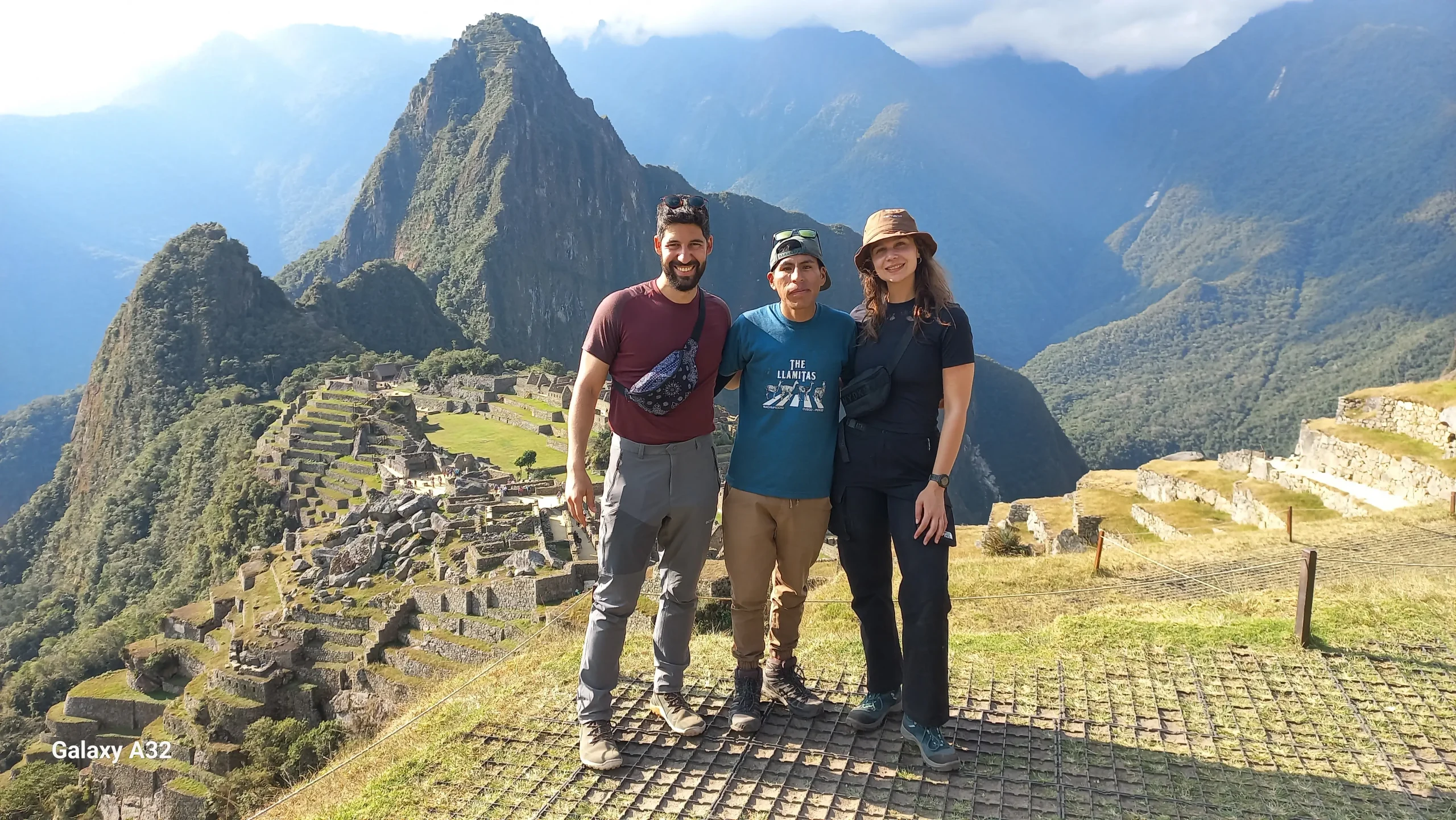
This is the question we hear most often, so let’s be direct: internet in Machu Picchu itself is limited and unreliable.
Here’s what you need to know:
- Aguas Calientes (the town at the base of Machu Picchu, also called Machu Picchu Pueblo) has decent 4G coverage and WiFi in most hotels and restaurants.
- Inside the archaeological site, signal is spotty at best. The citadel sits at 2,430 meters (7,970 feet) above sea level, surrounded by mountains that block signal in many areas.
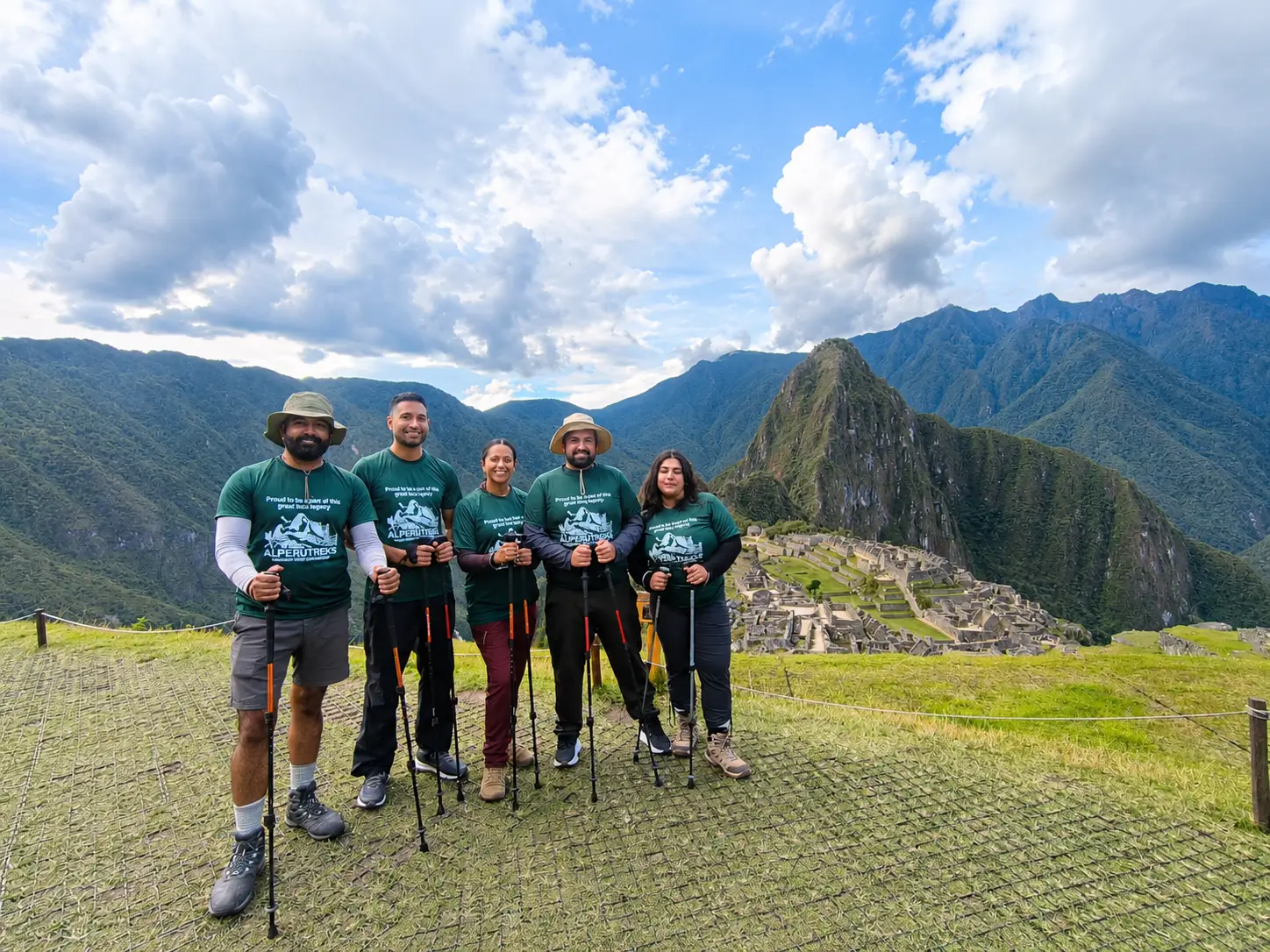
- The Inca Trail has almost no connectivity for most of the 4-day trek, which is honestly part of the experience for many hikers.
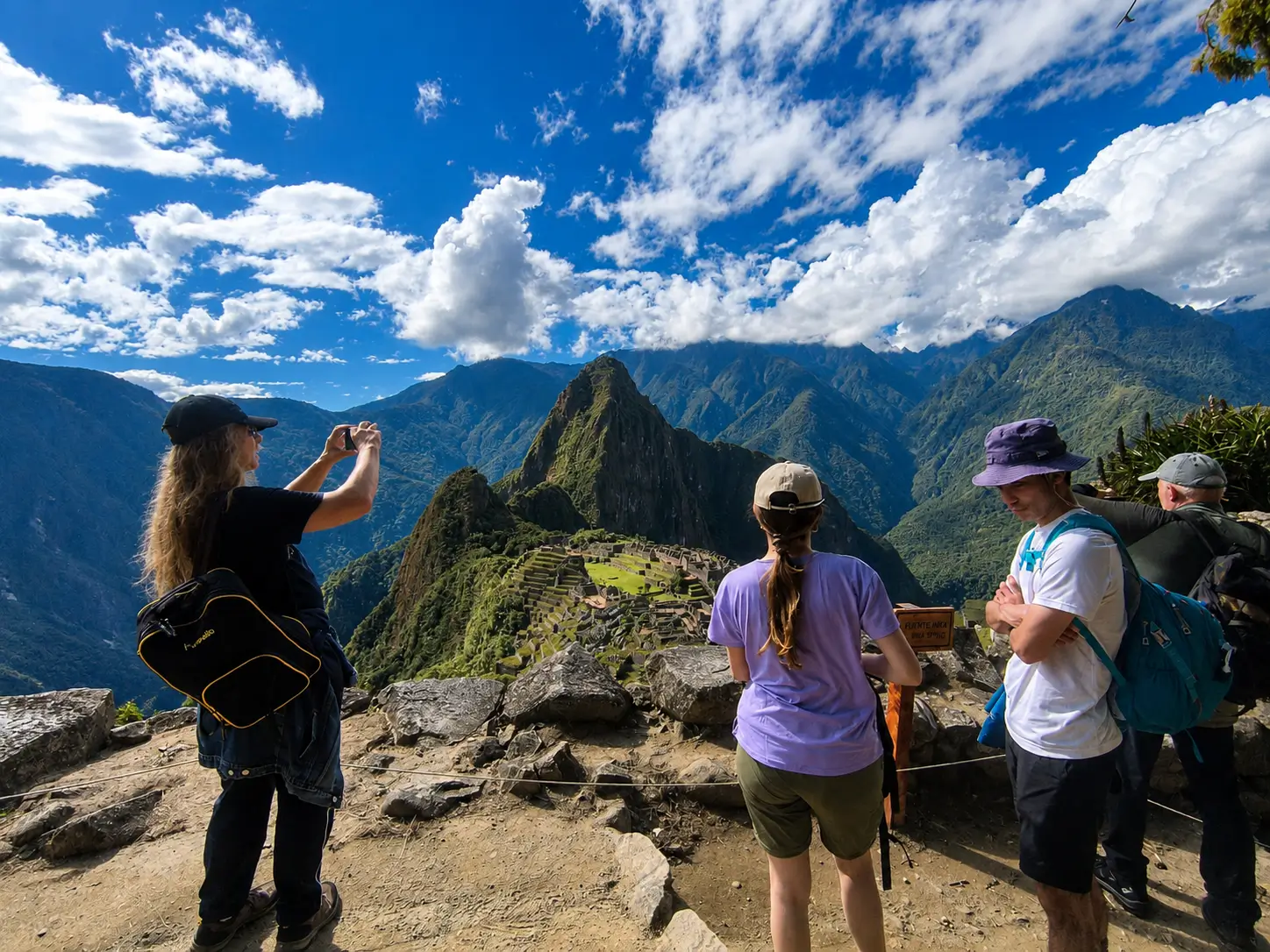
Practical tip: Download offline maps (Google Maps offline or Maps.me), your tickets, and any documents you need before you leave Cusco or Ollantaytambo. Don’t count on uploading that perfect sunrise photo to Instagram in real time from the Sun Gate.
Key Travel Data: Altitude, Climate, and Best Time to Visit
Since connectivity often ties directly into your itinerary and physical preparation, here are a few essential facts for planning your trip:
- Altitude: Cusco sits at 3,399 meters (11,152 feet), while Machu Picchu is lower, at 2,430 meters (7,970 feet). Altitude sickness is a real consideration.
- Climate: Dry season runs from May to September, with sunny days and cold nights. Rainy season is November to March.
- Best time to visit: April, May, September, and October offer a great balance of good weather and fewer crowds.
- Difficulty level: Machu Picchu itself is moderate walking; the Inca Trail is a challenging multi-day trek requiring good fitness and prior acclimatization.
- What to pack: Layers, a light rain jacket, sunscreen, a reusable water bottle, and a portable power bank (essential if you’re relying on your phone for offline maps and photos).
Expert Tips from a Local Peru Travel Agency
As a Peru-based tour operator, we’ve guided thousands of travelers through Cusco, the Sacred Valley, and Machu Picchu. Here’s what we tell our guests about staying connected:
- Activate your eSIM 24–48 hours before landing in Lima or Cusco so it’s ready the moment you touch down.
- Buy a physical backup SIM in Cusco if you’re staying more than two weeks; local shops near the Plaza de Armas sell Claro and Movistar SIMs at fair prices.
- Tell your family your itinerary in advance, since you may be unreachable for hours during the Inca Trail or in remote parts of the Sacred Valley.
- Carry a printed copy of your entrance tickets and passport info, in case your phone battery dies or signal drops right when you need it.
- Acclimatize in Cusco for at least 1–2 days before any trek. This isn’t about internet, but it’s the single most important tip for enjoying your trip without altitude sickness.
Final Thoughts: Stay Connected, Travel Smarter
Choosing the right esim for peru can make the difference between a stressful arrival and a smooth, well-connected start to your Peruvian adventure. Whether you go with an eSIM provider or a traditional Peru SIM card for tourist use, the key is planning ahead, especially since internet in Machu Picchu is limited once you’re on the trail or inside the citadel.
At Ali Peru Treks, we help travelers plan every logistical detail of their trip, from permits and acclimatization days to the best times to visit Machu Picchu. If you’re ready to start planning your adventure, check out our Machu Picchu and Inca Trail packages and let our local experts take care of the details, so you can focus on the experience of a lifetime.