
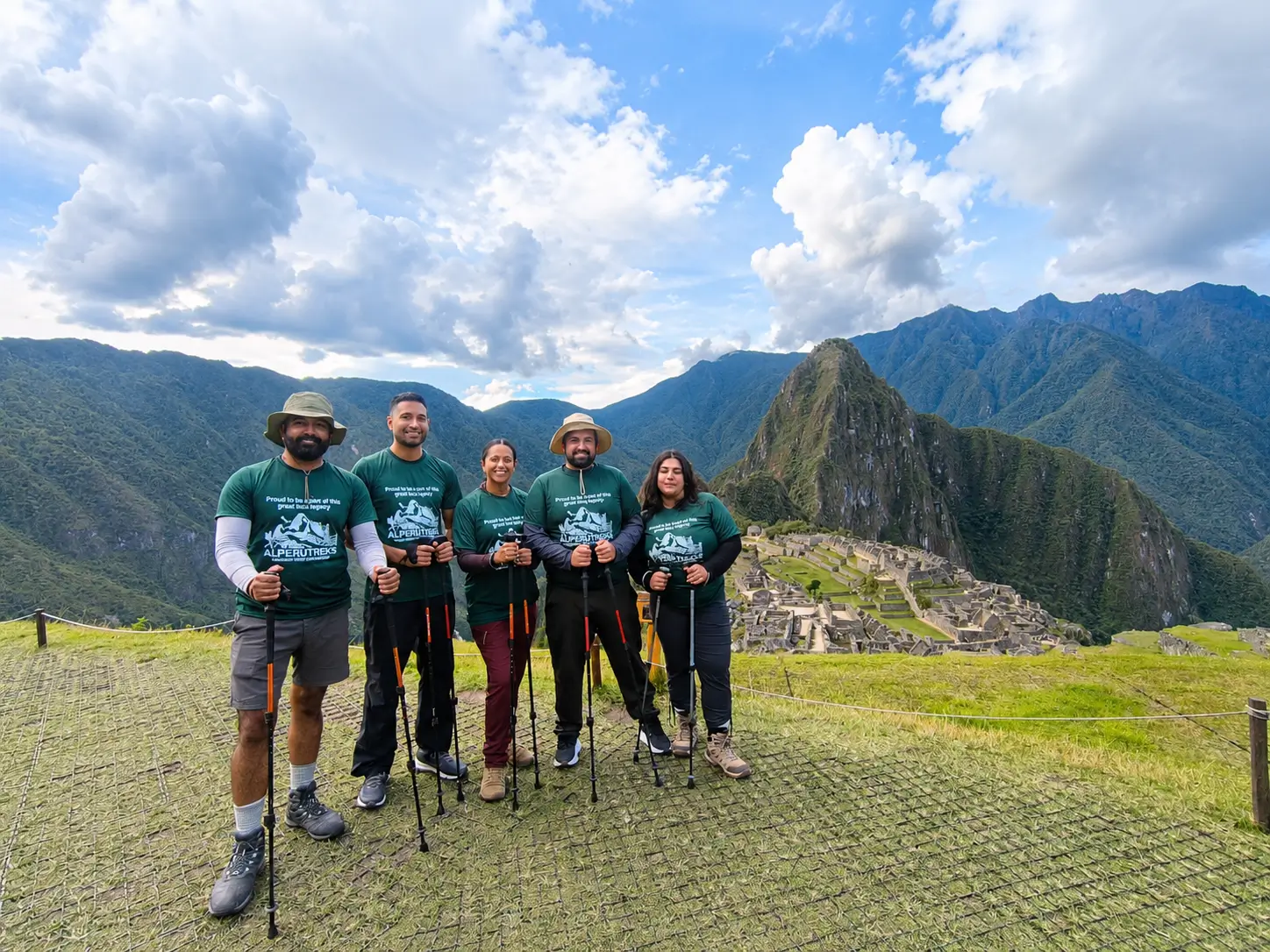
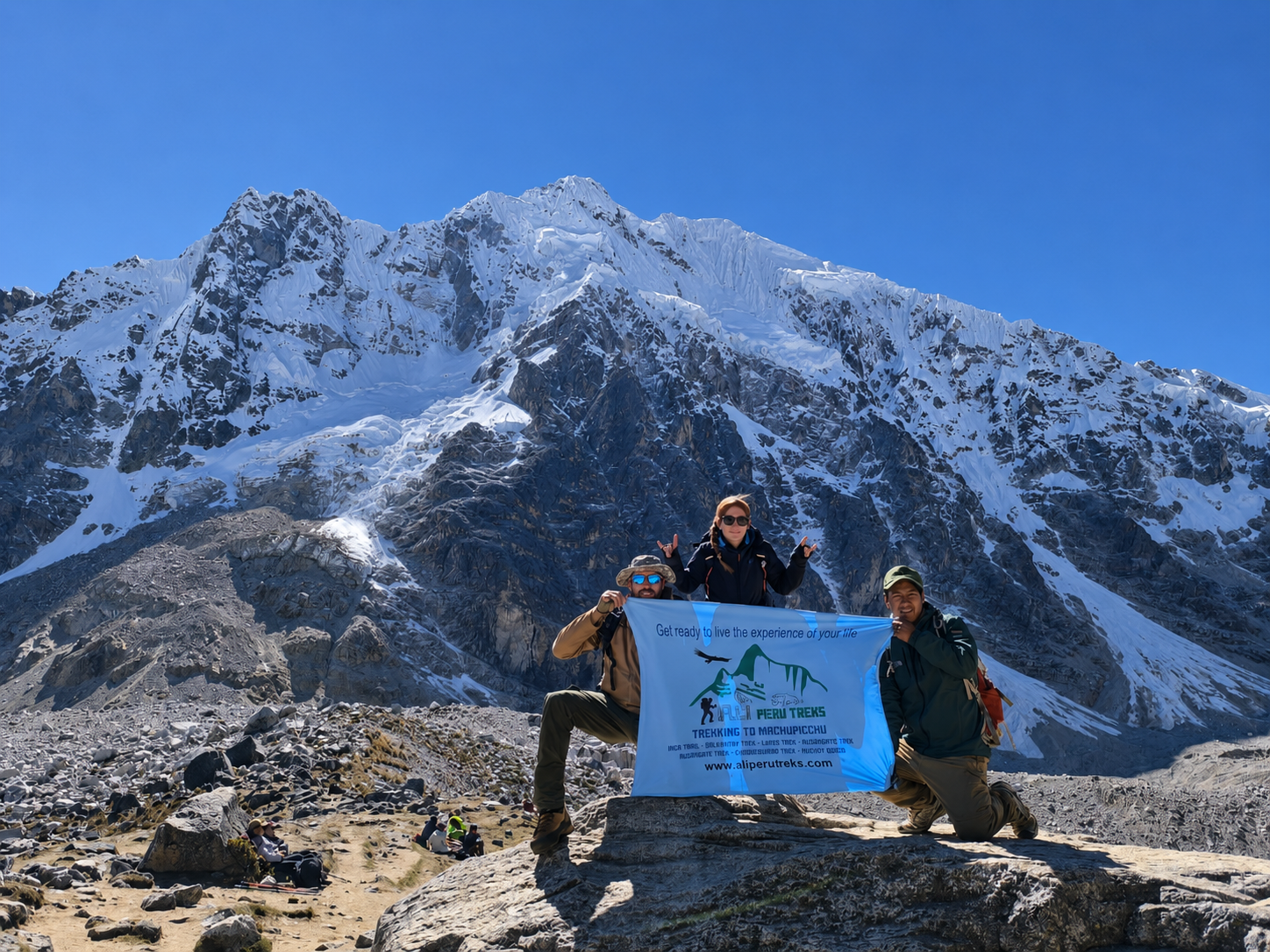
You’ve seen the photos: a turquoise glacial lake, a snow-draped Andean giant, and finally that first sunrise glimpse of Machu Picchu. The dream is clear. The confusing part is the money. If you’ve been searching for the real Salkantay Trek price, you’ve probably found everything from $235 backpacker deals to $1,500 luxury packages, with no clear explanation of why.
At Ali Peru Treks, we’re a local Cusco-based team, and we hear this question every single day. So instead of giving you a vague number, this guide breaks down exactly what you’ll pay in 2026 and 2027, what’s included, where the hidden costs hide, and how to avoid overpaying without putting your safety at risk.
Let’s plan a trip you can actually afford — and trust.
How Much Does the Salkantay Trek Cost? (Quick Overview)
Here’s the honest answer first: the Salkantay Trek price 2026 depends almost entirely on how you travel, not where you go. Everyone ends up at the same Machu Picchu — the difference is comfort, safety margins, and logistics.
These are realistic 2026 ranges per person for the classic 5-day route:
- Budget group tours: $280 – $400 — large groups, basic gear, shared dorms/domes.
- Mid-range all-inclusive: $450 – $700 — the sweet spot for most travelers.
- Premium / luxury treks: $1,000 – $1,500+ — private tents, gourmet meals, upgraded train.
- Self-guided (no agency): $200 – $400 total — you arrange everything yourself.
Quick reality check: A price under $250 almost always means something has been removed — your Machu Picchu ticket, the return train, a real guide, or proper safety equipment. Always ask for the full inclusion list before comparing.
The Salkantay Trek cost 2026 has crept up slightly from previous years, mostly because of higher Machu Picchu entrance fees and Cusco transport costs — more on that below.
What’s Included in an All-Inclusive Salkantay Trek Price?
When you book a Salkantay Trek all-inclusive package with a serious operator, your price should already cover the parts that are stressful to arrange alone.
A proper all-inclusive 5-day package typically includes:
- Round-trip transport from Cusco to the trailhead (Mollepata / Soraypampa).
- A licensed bilingual guide for the full trek.
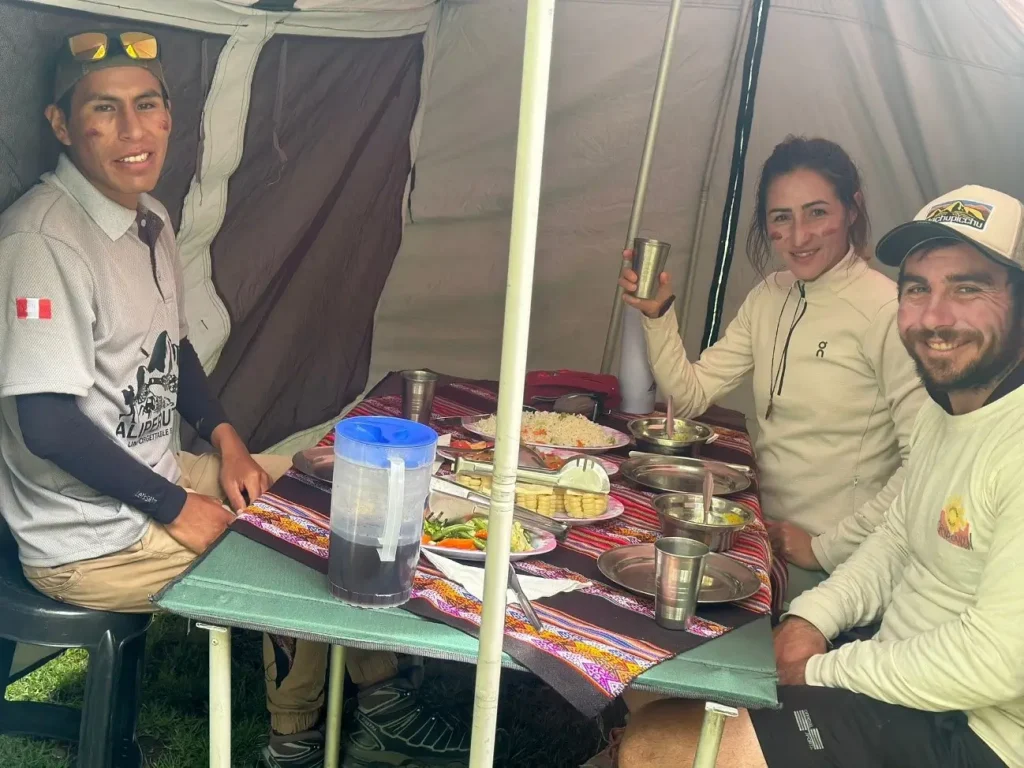
- All meals on the trail (usually 3 per day plus snacks and tea time).
- Accommodation — a mix of camping, glamping domes, or basic lodges.
- Camping/cooking equipment and a support crew (cook, horsemen).
- Your Machu Picchu entrance ticket (confirm the circuit).
- The return train + bus from Aguas Calientes back toward Cusco.
What’s usually not included — and what catches people off guard:
- Sleeping bag rental (around $20 – $30).
- Trekking pole rental (a few dollars).
- Tips for your guide and crew.
- Personal snacks, extra drinks, and souvenirs.
- Travel insurance (non-negotiable for high altitude).
Knowing this list is the single best way to compare two quotes fairly. A “cheaper” trek that excludes your train and entrance ticket is often more expensive once you add it all up.
Salkantay Trek 5 Days: Detailed Cost Breakdown
The Salkantay Trek 5 days itinerary is the classic, and understanding its individual costs helps you see where your money goes — whether you book a package or go alone.
Machu Picchu Entrance Fee 2026
This is a fixed, government-set cost that no agency can discount. The Machu Picchu entrance fee 2026 for foreign adults is 152 soles (about $40) for a standard circuit.
Two important updates for your budget:
- A new conservation surcharge of 11 soles (around $3) for foreign visitors was added in 2026, bringing the realistic total to roughly 163 soles ($43–44).
- Students under 25 and children pay a reduced rate (around 77 soles / $20) with valid ID.
- Circuits with Huayna Picchu or Machu Picchu Mountain access cost more (around 200 soles / $53) and sell out months ahead.
Always buy through the official Ministry of Culture platform or a trusted agency — never an unverified reseller.
Train, Bus & Transport
After the trek, transport is the second-biggest expense:
- Return train (Aguas Calientes → Ollantaytambo): roughly $60 – $120+, depending on standard vs. panoramic service.
- Bus up to Machu Picchu from Aguas Calientes: around $24 round trip for foreigners.
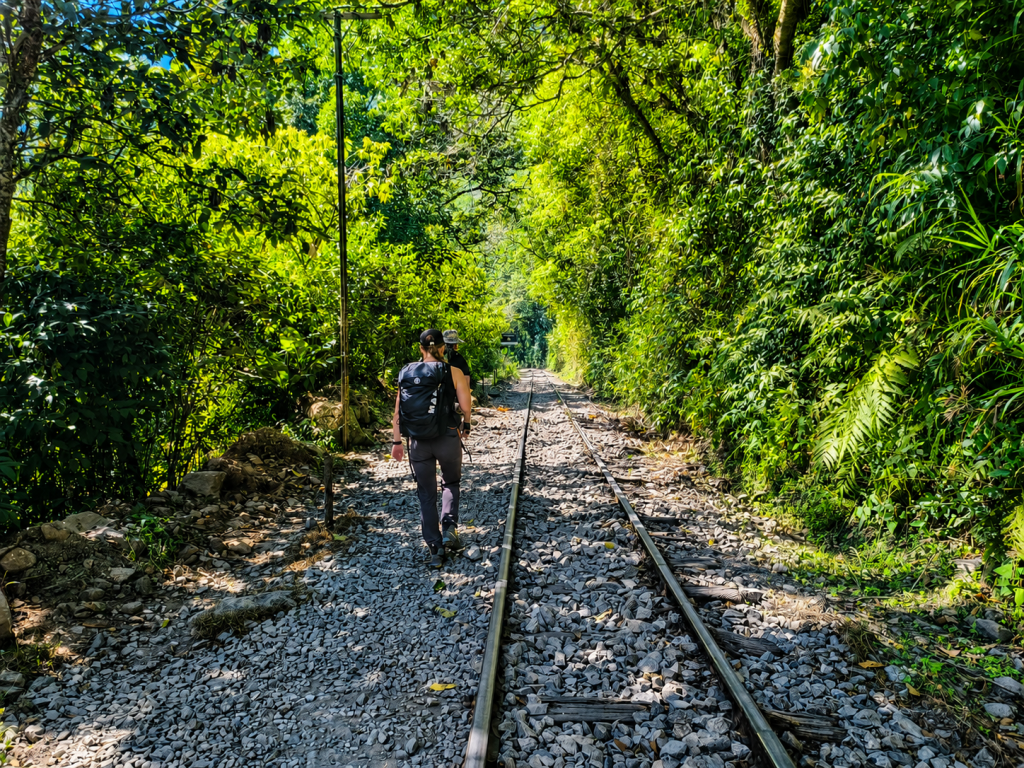
- Budget alternative: the Hidroeléctrica route lets you skip the pricey train, saving money but adding several hours of walking/van time.
Meals, Accommodation & Extras
On the trail with an agency, food and lodging are bundled. If you go independently, expect:
- Basic lodge with dinner + breakfast: roughly $30 – $50 per night for two people.
- Local set menus in Aguas Calientes: from 10 soles upward.
- A horse for tough sections (if you struggle): around 80 soles.
Self-Guided Salkantay Trek: Can You Save Money?
Yes — and no. A self-guided Salkantay Trek is absolutely possible, and committed budget travelers have completed the route for under $250 total by arranging their own transport, lodges, and tickets.
The upside: maximum flexibility and the lowest possible trekking expenses Peru offers.
The honest downside: you take on every risk yourself. The route crosses a 4,650 m pass with real altitude danger, remote sections with no signal, and weather that turns fast. There’s no guide to read symptoms of altitude sickness, no support crew, and no backup if something goes wrong.
Our local advice: go self-guided only if you’re an experienced trekker, well-acclimatized, and comfortable with Andean logistics. For most travelers, a small group with a certified trekking agency Peru offers far better safety for a modest extra cost.
Sample Cusco Travel Budget for the Salkantay Trek
Your trek is only part of the picture. Here’s a realistic Cusco travel budget for a mid-range traveler doing the Salkantay Trek to Machu Picchu, on top of the trek itself:
- Pre-trek nights in Cusco (2–3 nights): $60 – $150 for acclimatization.
- Meals & coffee in Cusco: $10 – $30 per day.
- Sleeping bag + pole rental: $25 – $35.
- Tips for crew: $40 – $60 (recommended, not required).
- Souvenirs & incidentals: flexible.
A complete Salkantay Trek budget for a mid-range traveler — trek + extras, excluding international flights — usually lands around $650 – $1,000 all in. Budget travelers can do it for less; comfort-seekers will spend more.
Key Trek Facts: Altitude, Climate & What to Pack
Numbers matter, but so does knowing what your body and your gear will face. These are the facts every traveler should have before booking.
Salkantay Pass Altitude
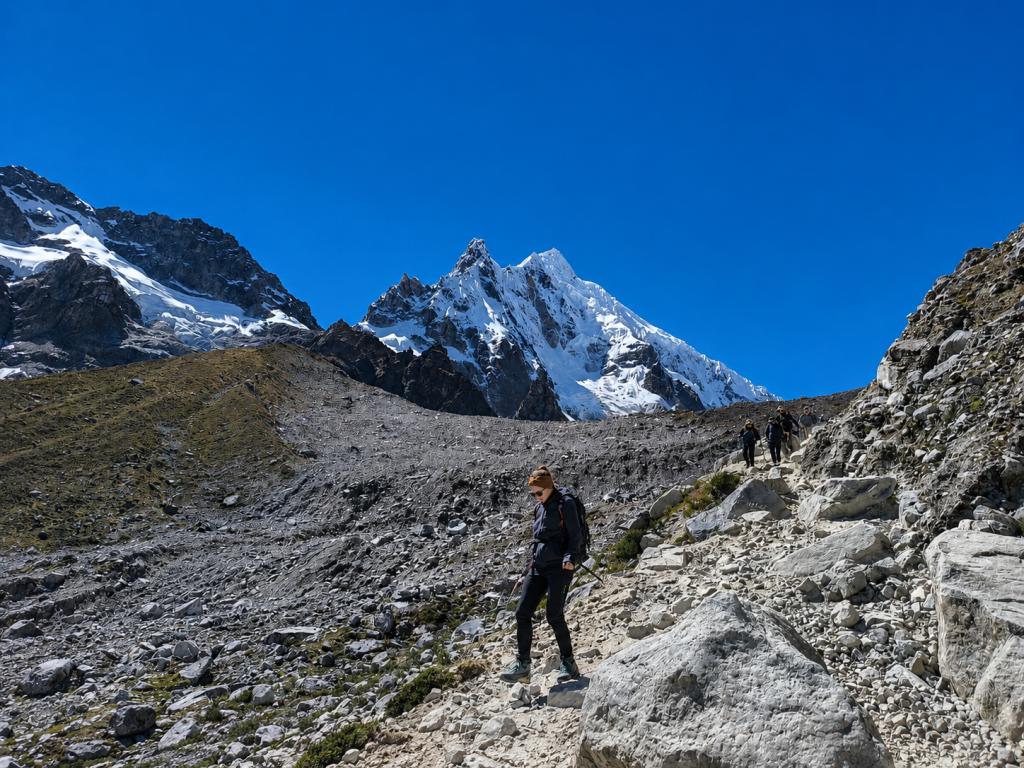
The headline figure: the Salkantay Pass altitude is 4,650 meters (15,255 ft) — higher than the Inca Trail’s highest point. The trek starts lower (around 3,300 m), climbs past Humantay Lake (4,200 m), and then descends through cloud forest toward subtropical valleys. That dramatic altitude swing is exactly what makes the route so spectacular — and so physically demanding on day two.
Best Season for the Salkantay Trek
The best season Salkantay Trek conditions fall in the dry season, roughly late April to early October.
- Dry season (May – September): clearer skies, firmer trails, cold nights. Peak months are June–August.
- Shoulder months (April, October): fewer crowds, lower prices, occasional rain.
- Rainy season (November – March): trails get muddy and views can be hidden; some operators reduce departures.
Difficulty & What to Pack
The Salkantay is moderate to challenging — no technical climbing, but long days at altitude. Pack smart:
- Warm layers + a waterproof jacket (mountain weather changes fast).
- Broken-in hiking boots and a good daypack.
- Sun protection: high-SPF sunscreen, hat, sunglasses (UV is intense at altitude).
- Reusable water bottle, headlamp, and a small first-aid kit.
- Cash in soles for tips, snacks, and emergencies.
Expert Tips from a Local Cusco Agency
This is the part you won’t find on a price comparison page — the small things that protect your money, your health, and your trip.
- Acclimatize first — always. Spend at least 2–3 days in Cusco (3,400 m) before the trek. Proper acclimatization in Cusco is the single biggest factor in whether you enjoy the pass or suffer through it. Hydrate, go easy, and skip alcohol the first night.
- Book the entrance ticket early. Machu Picchu has daily visitor caps. In high season, popular circuits and dates sell out weeks ahead — don’t leave it to the last minute.
- Verify the agency, not just the price. Choose a certified trekking agency Peru with proper licensing, real reviews, and transparent inclusions. A suspiciously cheap quote often hides cut corners on guides or safety.
- Carry small cash. Card payments are unreliable on the trail. Keep soles in small denominations for snacks, horses, and tips.
- Watch the weather, not just the calendar. Even in dry season, afternoons can turn. Start early, layer up, and trust your guide’s pacing on the pass.
- Don’t overpack. Horsemen carry a limited weight per trekker — bring only what you’ll use, and leave the rest safely in Cusco.
Salkantay Trek Price 2026 vs. 2027: What to Expect
Prices rarely move down. Looking ahead to 2027, expect the Salkantay Trek price to stay broadly similar to 2026, with gentle increases driven by a few factors: ongoing Machu Picchu entrance and conservation fee adjustments, Cusco transport costs, and steady global demand for alternative-route treks.
Our practical advice: if you’re planning for late 2026 or 2027, lock in your dates and entrance tickets early. You’ll secure better availability, avoid peak-season scrambles, and protect yourself from last-minute price jumps.
Conclusion: Plan Smart, Trek Confidently
The truth about the Salkantay Trek price is that there’s no single right number — only the right choice for your budget, comfort, and safety. A well-chosen all-inclusive package removes the stress and hidden costs, while a self-guided route rewards experienced trekkers willing to manage the risks themselves.
Whatever you choose, plan around three non-negotiables: acclimatize properly, book your Machu Picchu ticket early, and travel with a team you trust.
Ready to put real numbers to your dream? Ali Peru Treks offers transparent, all-inclusive Salkantay packages led by licensed local guides who know every step of this trail.