
Do you have only a few days available in your Cusco travel itinerary, but refuse to miss out on the legendary experience of hiking the ancient paths of the Incas? The short inca trail 2 days itinerary has established itself as the perfect alternative for travelers looking to optimize their time, connect deeply with Andean history, and avoid spending cold nights camping out on the mountain.
However, before you click that book button, the most natural and crucial question arises: How challenging is this short route, really?
As 100% local operators at Ali Perú Treks, we hike these trails every single week of the year. In this definitive guide, we break down the short inca trail difficulty from a technical, professional, and honest perspective, so you know exactly what to expect and how to prepare properly.
The Technical Breakdown: Miles, Altitudes, and Hiking Hours
To truly understand the 2 day inca trail miles and physical demands, we first need to look at the hard data of the route. The physical effort is not distributed evenly; in fact, nearly 95% of the strenuous physical challenge is concentrated exclusively during the first hours of day one.
| Technical Parameter | Day 1: The Mountain Challenge | Day 2: The Machu Picchu Reward |
| Hiking Distance | Approx. 12 kilometers (7.4 miles) | 0 to 2 kilometers (Citadel exploration) |
| Estimated Time | 6 to 7 hours of active hiking | 2 to 3 hours of guided tour |
| Highest Point | Intipunku (Sun Gate) – 2,720 m (8,923 ft) | Machu Picchu Citadel – 2,430 m (7,972 ft) |
| Terrain Type | Dirt paths, Inca stone paving, and steep stairs | Standard tourist gravel paths and stone steps |
Day 1: The True Andean Challenge
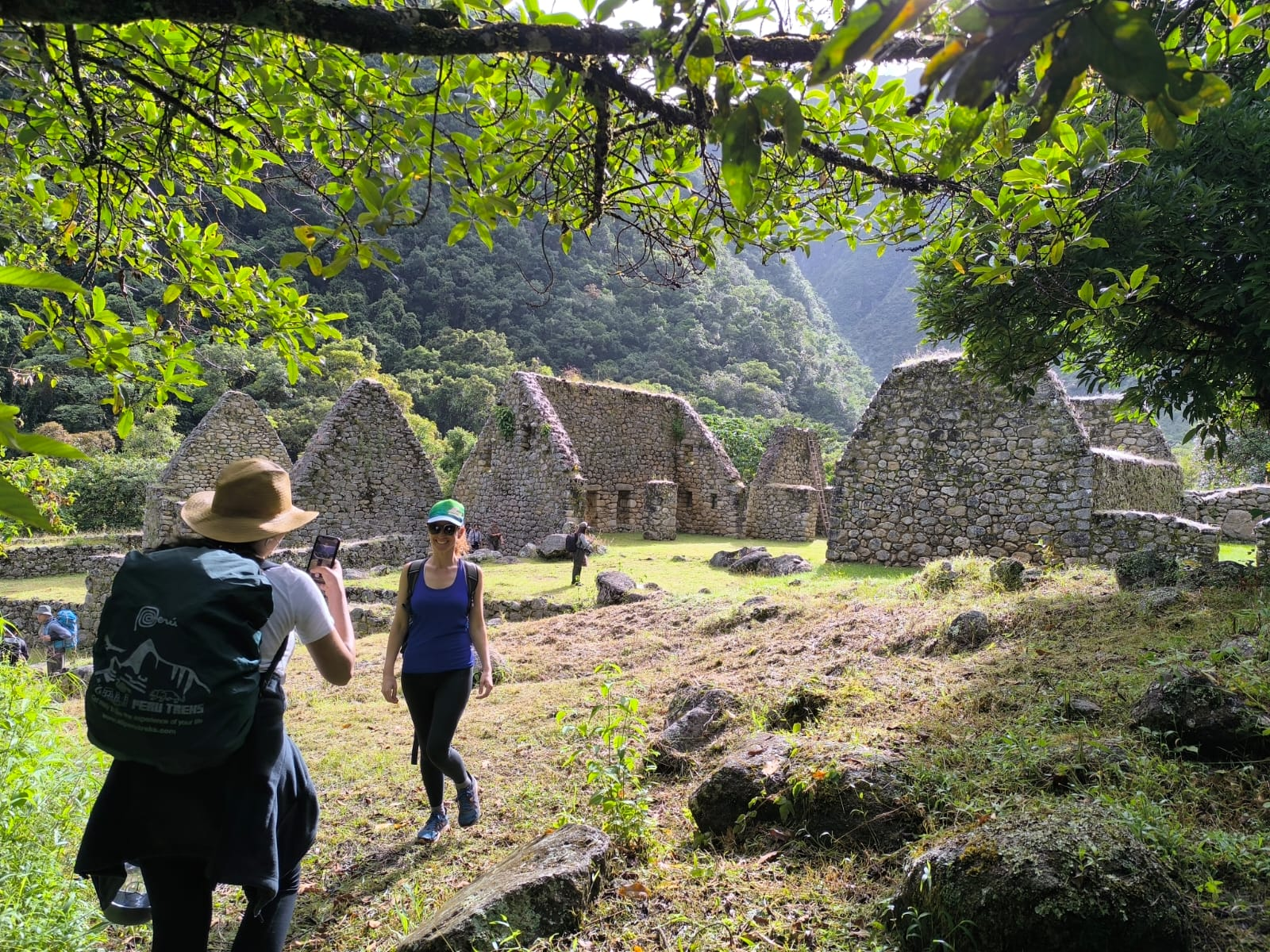
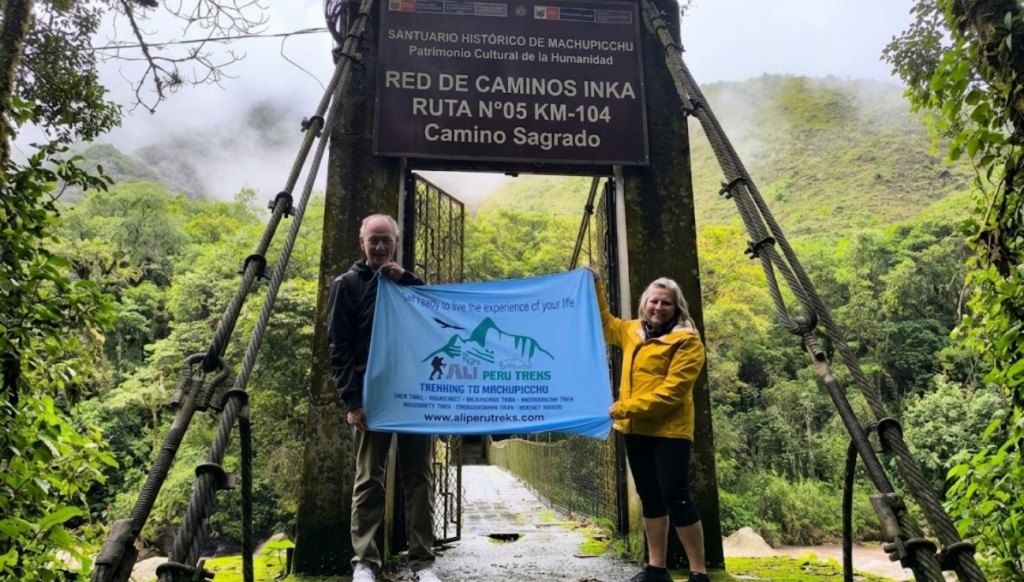
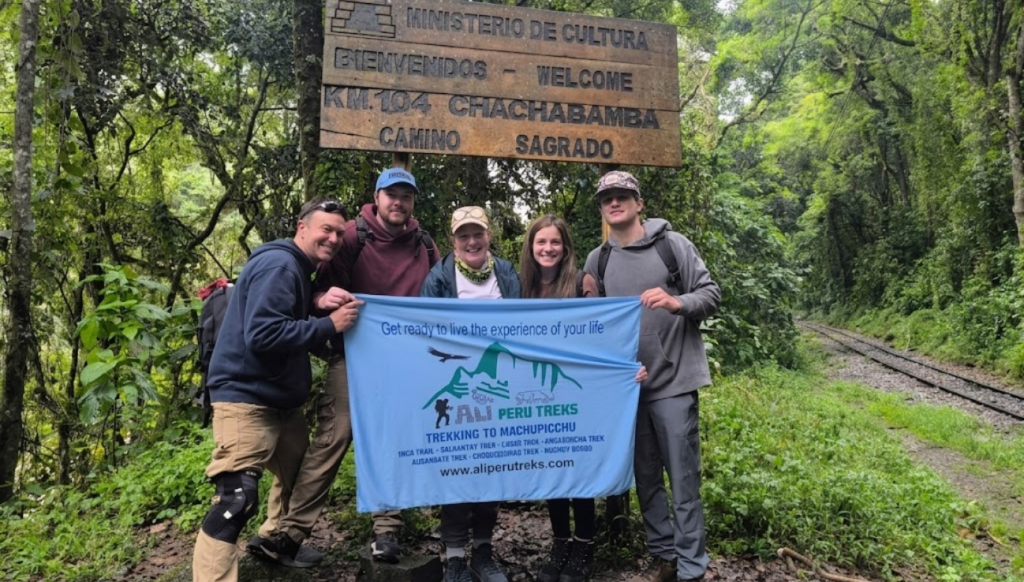
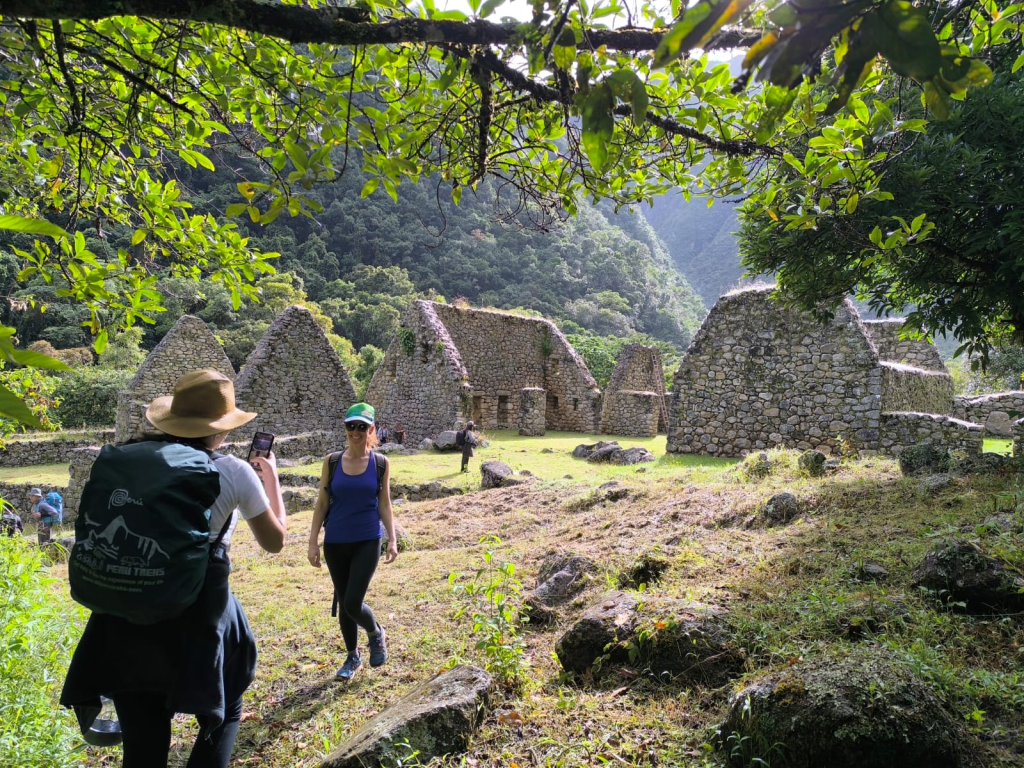
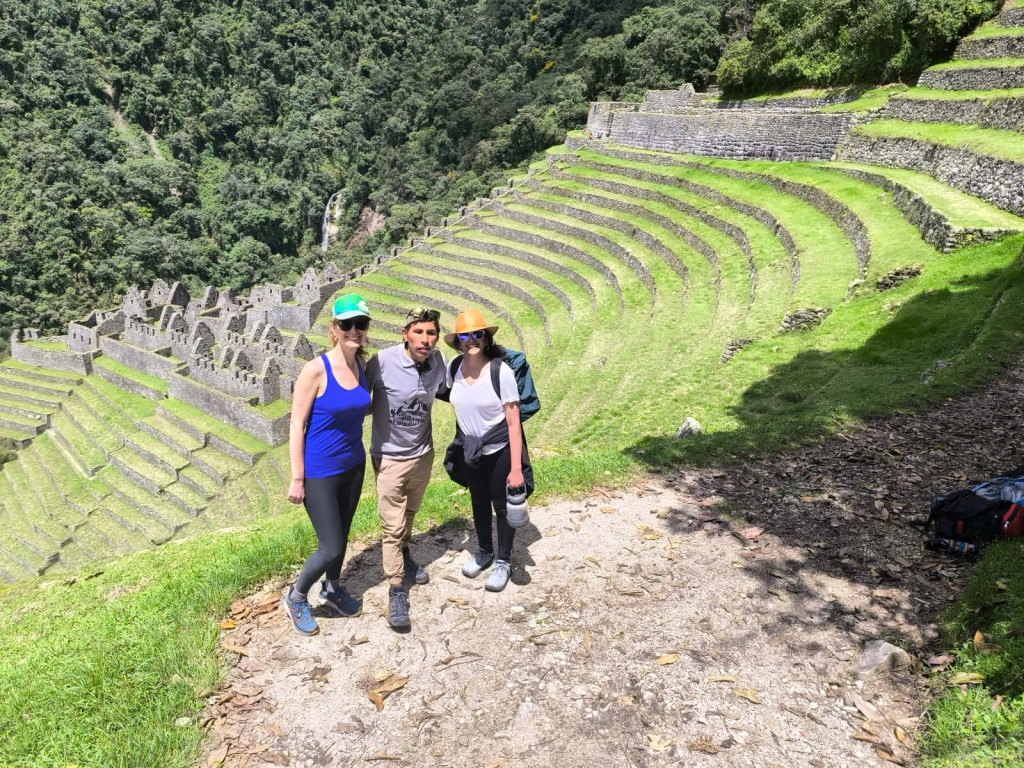
The adventure begins early in the morning with a train ride from Ollantaytambo to Kilometer 104. As you step off the train, you will cross the Urubamba River and pass through the official government checkpoint. From this very point, you begin a continuous, steady uphill climb of approximately 4 hours until you reach the breathtaking archaeological site of Wiñay Wayna.
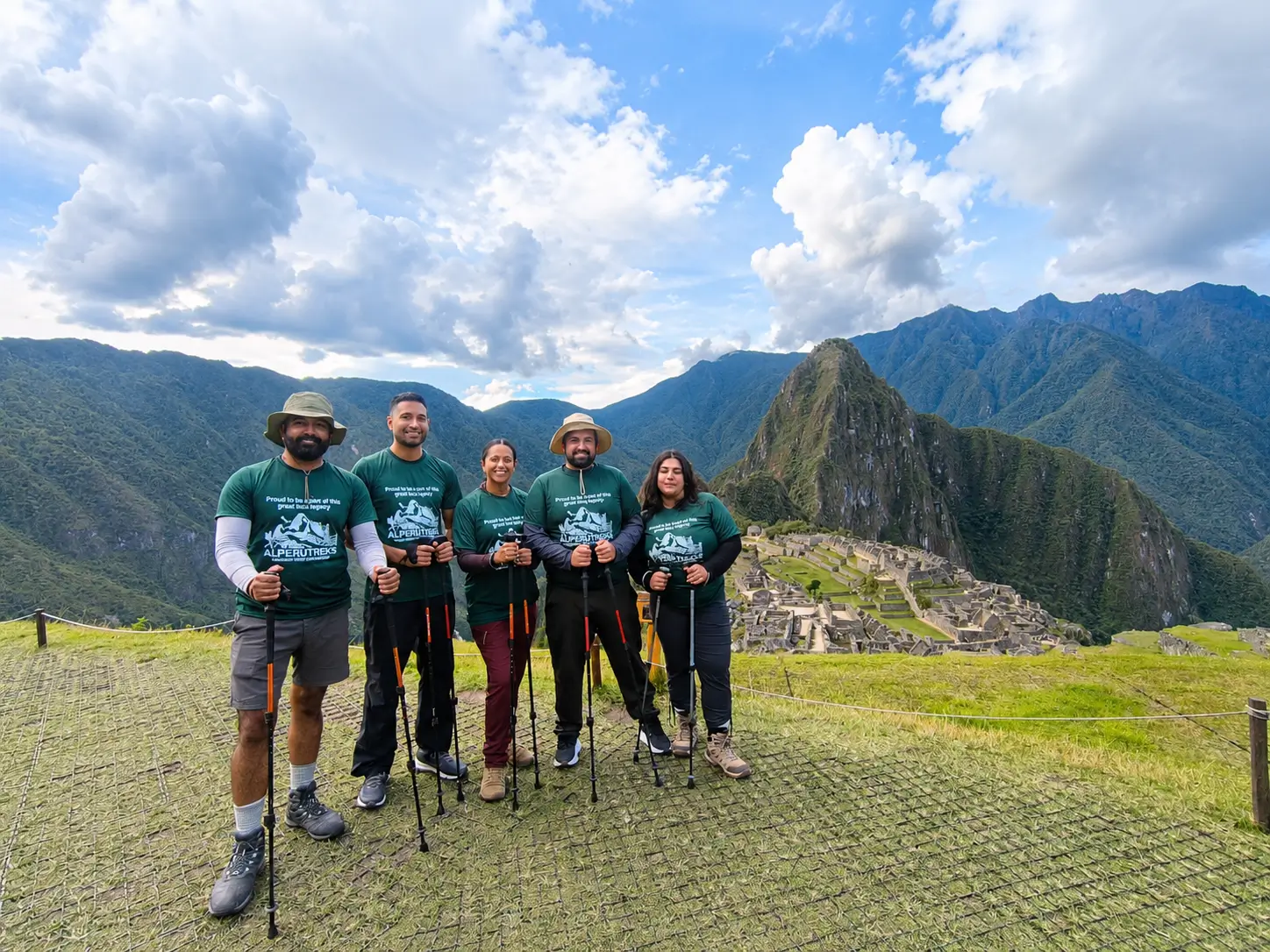
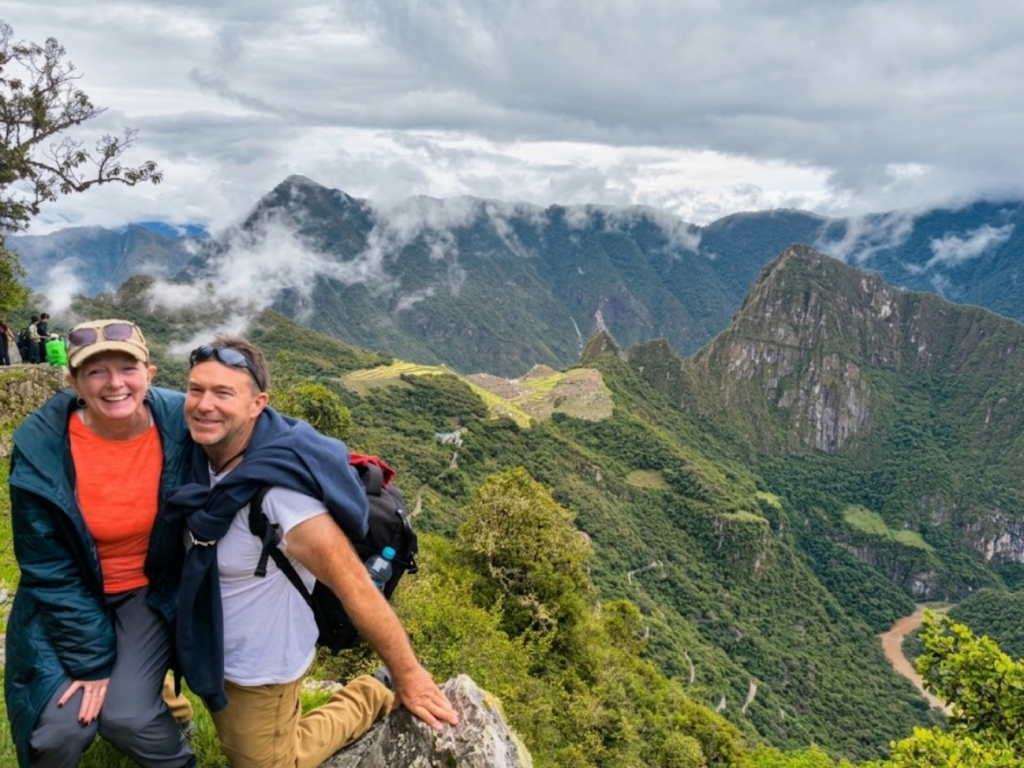
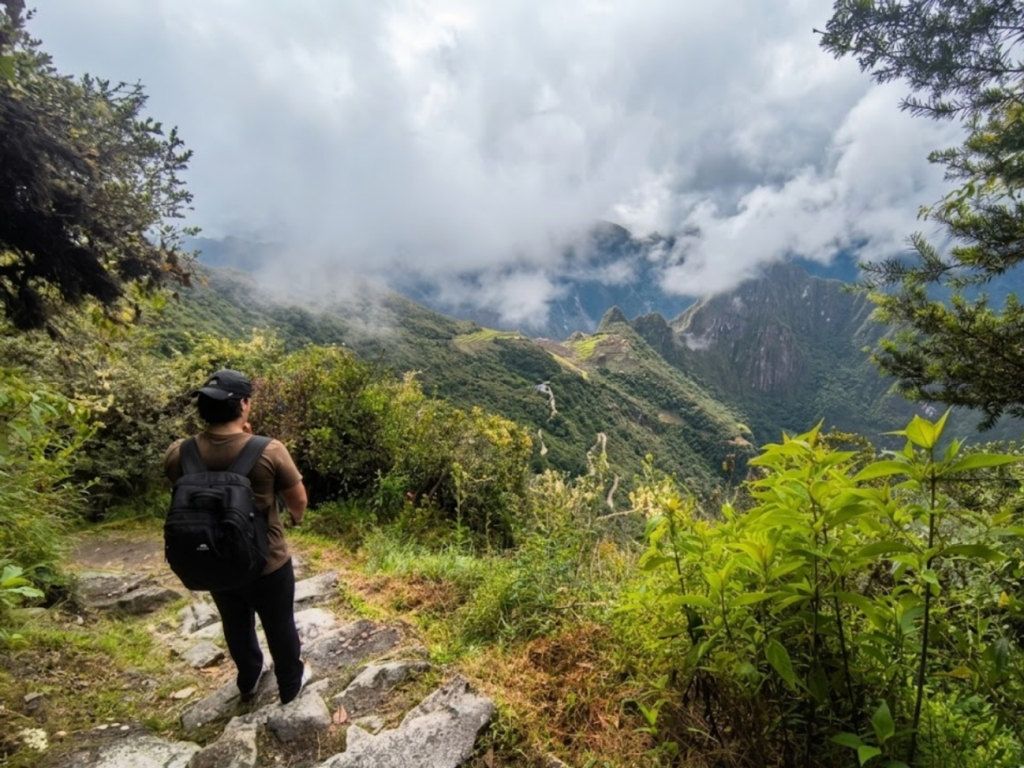
This first section defines the overall difficulty of the trek due to its constant incline and exposure to the sun. After a replenishing lunch at our designated rest area, the trail levels out significantly, winding through lush cloud forest vegetation. It culminates with one final, steep push up to Intipunku (the Sun Gate), your first and most spectacular viewpoint overlooking Machu Picchu.
Day 2: The Ultimate Reward and Cultural Immersion
On this day, physical exertion is minimal. After spending the night resting comfortably in a hotel in Aguas Calientes (Machu Picchu Pueblo), we board the tourist shuttle bus up to the citadel. There are no long endurance hikes today; we focus 100% on enjoying the archaeological circuits alongside your expert guide, capturing the best photographs, and uncovering the history of this ancient sanctuary before returning to Cusco by train.
Critical Factors That Determine Difficulty
Classifying a trek as “moderate” can be highly subjective. For a mountain athlete, it might feel like a walk in the park, while for someone with a sedentary lifestyle, it can be a major milestone. Because of this, we break down the real factors that will test your legs and lungs:
1. The Inca Stairs of Wiñay Wayna
Inca architectural design heavily prioritized vertical functionality. On the final stretch toward Wiñay Wayna and just before reaching the Sun Gate, you will face sections of original, historic stone staircases. The final flight of stairs is popularly known as the “monkey gringo” steps—a series of roughly 50 incredibly steep stone steps where many hikers choose to use both hands and feet to climb safely. It requires solid quad strength and good knee stability.
2. The Weather and the Cloud Forest Environment
Unlike Cusco, which features a very dry high-Andean climate, the short Inca Trail dips down into the cloud forest (high jungle). This introduces two tricky variables: high humidity and drastic temperature shifts. You might start the morning under an intense sun that accelerates dehydration fatigue, and within minutes face a sudden mist or light rain that makes the stone steps slippery.
3. The Altitude Factor
One major competitive advantage of this specific itinerary is that its altitude is significantly lower than the city of Cusco. While Cusco sits at an elevated 3,400 meters (11,152 feet) above sea level, the highest point of this trek (Sun Gate) barely reaches 2,720 meters (8,923 feet). However, if you have not acclimated properly in Cusco for a couple of days prior, your body will still feel the lower oxygen levels on steep inclines, resulting in an elevated heart rate and quicker breathing.
Efficient Physical Preparation for the Inca Trail
You do not need to be a professional marathon runner to successfully complete this route, but a basic routine of physical preparation for inca trail will completely transform your experience, allowing you to appreciate the jaw-dropping scenery rather than struggling through the steps. We highly recommend starting your training 3 to 4 weeks before your trip:
- Cardiovascular Training: Engage in 45-minute sessions on an inclined treadmill, elliptical machine, or outdoor cycling three times a week to build up your lung capacity.
- Leg Strengthening: Incorporate squats, lunges, and—most importantly—stair climbing. Climbing the stairs in your apartment building or a local park is the absolute best simulator for the steep Inca stone steps.
- Break In Your Footwear: Never wear brand-new hiking boots or trekking shoes on the day of your tour. Wear them during your preparatory training sessions so they mold perfectly to your feet, preventing painful blisters on the mountain.
Why the Ali Perú Treks Experience Makes All the Difference
Booking your short inca trail with ali peru treks is the ultimate way to eliminate the difficulty factors on the route. As a local tour operator with deep roots in the Andean communities, we believe your safety and comfort are absolutely non-negotiable.
Our official tour guides are not just history and archaeology experts; they are professionals extensively trained in pace management (pacing). They know exactly when to suggest a strategic break, how to help you regulate your breathing on steep slopes, and how to guide you safely over historic stone paths. Furthermore, our dedicated office team flawlessly coordinates train tickets, mandatory government permits, bus transfers, and high-quality meals, allowing you to focus all of your mental and physical energy entirely on enjoying the journey.
Are You Ready to Conquer the Trails of the Incas?
The short route is an exhilarating journey that proves a tight schedule is no barrier to experiencing a genuinely epic adventure in the Andes. The physical effort required melts away entirely the exact moment you step through the Sun Gate and behold Machu Picchu in all its magnificent glory.
Do not let the stone steps intimidate you! With the right preparation and the backing of our professional team, this bucket-list goal is completely within your reach. Explore the full details of our itinerary, resolve your logistical questions, and secure your official government permits early, as daily permits are strictly limited by law.
The team at Ali Perú Treks is ready to guide you step-by-step to the wonder of the world!