
Hiking the legendary Classic Inca Trail to Machu Picchu is a bucket-list adventure that checks every box: breathtaking Andean scenery, ancient archaeological sites, and a profound sense of accomplishment. However, standing at the Sun Gate after days of trekking requires more than just booking a ticket. If you are wondering how to prepare for the inca trail to ensure your trip is memorable for the right reasons, you have come to the right place.
Understanding the Challenge: How Hard Is the Inca Trail?
Before lace-up day, it helps to realistic about what lies ahead. Exactly how hard is the inca trail? While you do not need to be an elite marathoner, you should not underestimate it either.
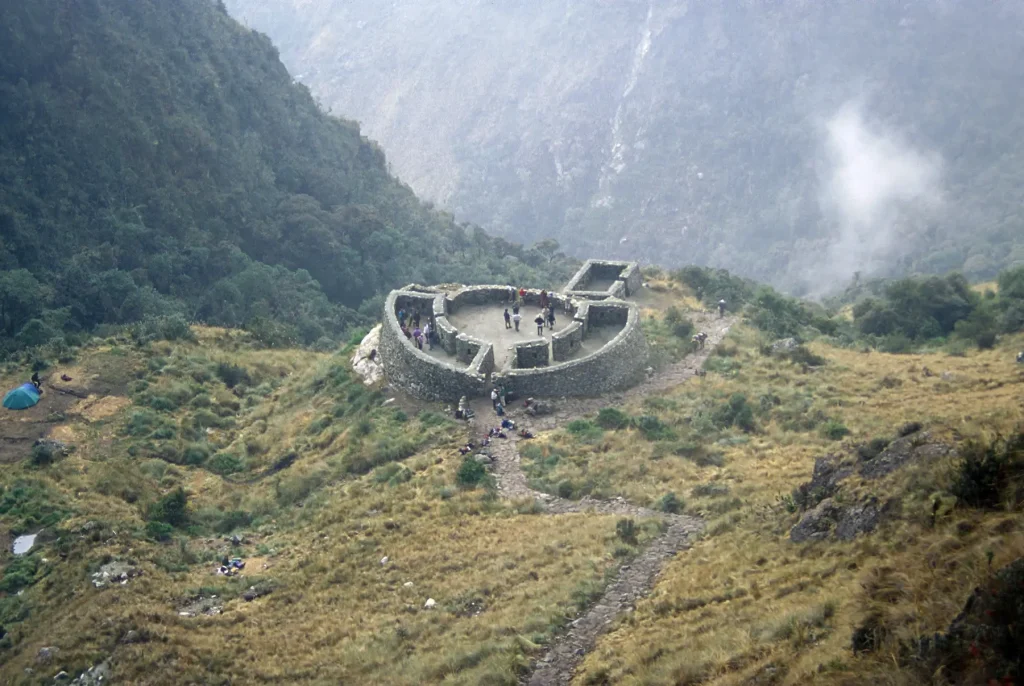
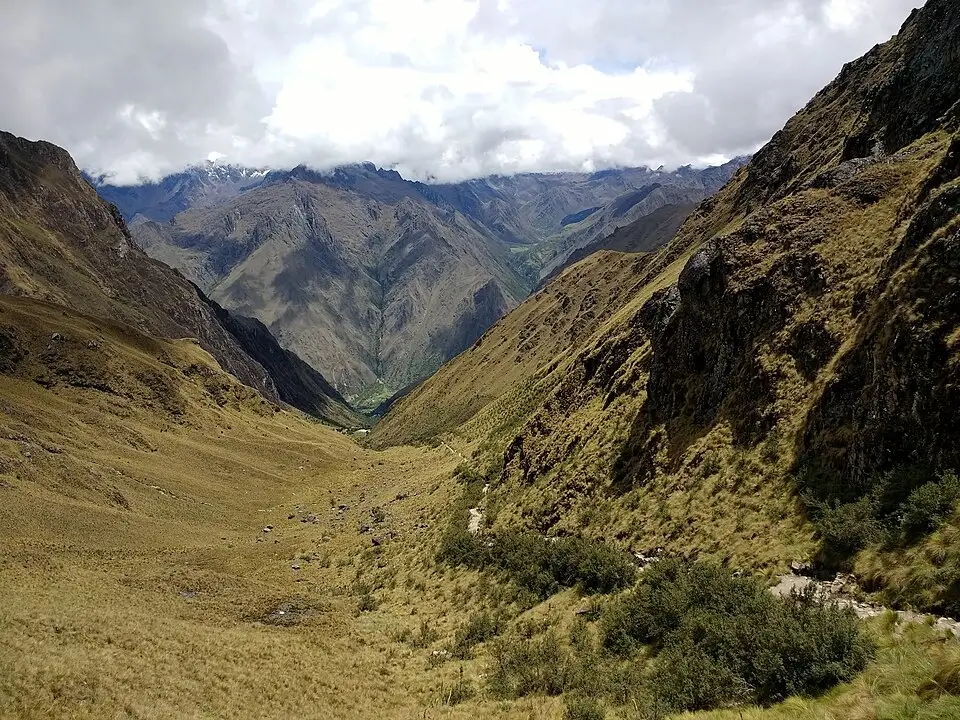
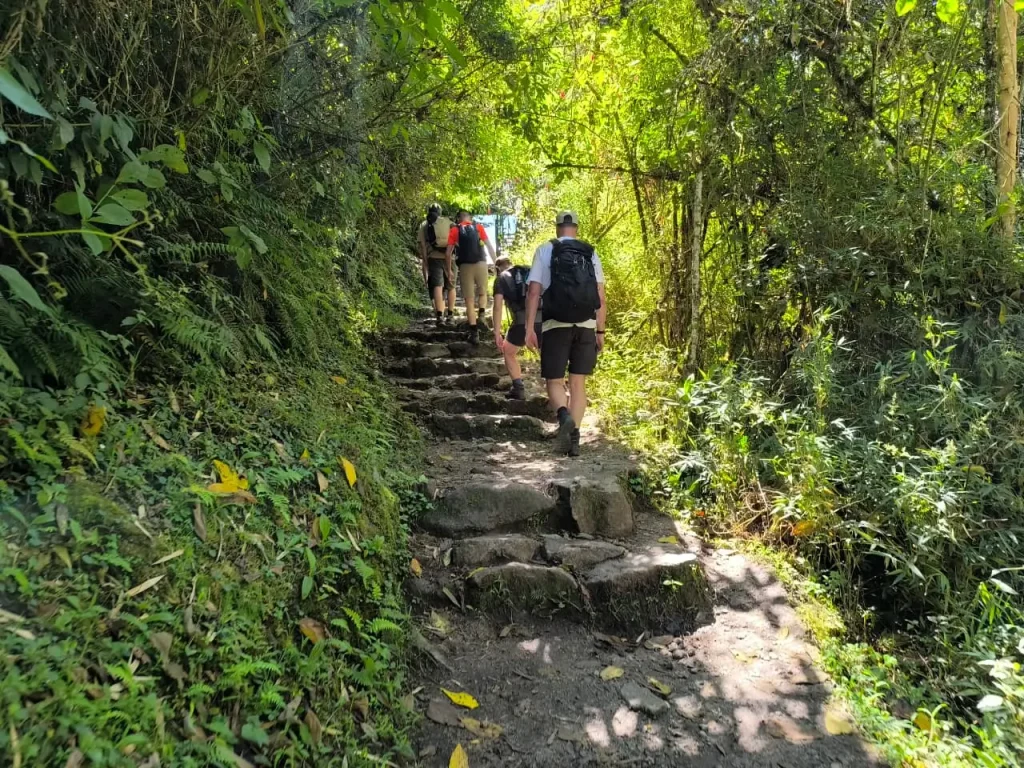
The classic trek spans 26 miles (42 km) over four days. You will navigate thousands of steep, uneven stone steps built by the Incas centuries ago. The physical exertion is real, especially on Day 2, when you ascend to the highest point of the trek: Dead Woman’s Pass (Warmiwañusqa), sitting at a towering 13,828 feet (4,215 meters) above sea level.
Your Weekly Inca Trail Training Plan
To conquer the stone staircases comfortably, you should start a dedicated inca trail training plan at least 8 to 12 weeks before your departure. Your focus should be on building cardiovascular endurance and strengthening your lower body.
1. Cardio Conditioning: Weeks 1-4.
Focus on 30-45 minutes of aerobic exercise 3 times a week. Stairmasters, incline treadmill walks, and cycling are excellent for building lung capacity.
2. Strength & Resistance: Weeks 5-8.
Incorporate lunges, squats, step-ups, and calf raises into your routine. This builds the quad and glute strength needed to handle steep downhill sections.
3. Real-World Simulation: Weeks 9-12.
Go on weekend hikes wearing the actual hiking boots and daypack you plan to use in Peru. Gradually increase your pack weight up to 15 lbs (7 kg).
Beating Inca Trail Altitude Sickness
High altitude is the great equalizer on this trek. It does not care how fit you are. Navigating inca trail altitude sickness (known locally as soroche) is mostly about patience and hydration.
Because the air is thinner up there, your body needs time to produce more red blood cells to carry oxygen.
- The Golden Rule: Spend at least 2 to 3 days acclimating in Cusco (11,152 ft / 3,400 m) or the Sacred Valley before starting your trek.
- Stay Hydrated: Drink 3 to 4 liters of water daily. Electrolyte packets help immensely.
- Try Coca Tea: This traditional Andean herbal tea is offered everywhere in Cusco and works wonders for mild headaches and nausea.
- Medication: Consult your physician back home about prescription options like Diamox (Acetazolamide) before traveling.
Quick Logistics & Packing Reference
Weather in the Andes can shift from warm sunshine to freezing downpours within an hour. Here is a quick snapshot of what to expect and what to pack.
| Category | Detail / Recommendation |
| Best Time to Hike | May to September (Dry season, clear skies, cold nights) |
| Dificulty Level | Moderate to Challenging |
| Footwear | Broken-in, waterproof hiking boots with solid ankle support |
| Clothing Strategy | Smart layers (moisture-wicking base layer, fleece jacket, waterproof shell) |
| Daypack Essentials | Passport (mandatory for trail checkpoints), headlamp, insect repellent, sunscreen |
Expert Tips from a Local Agency
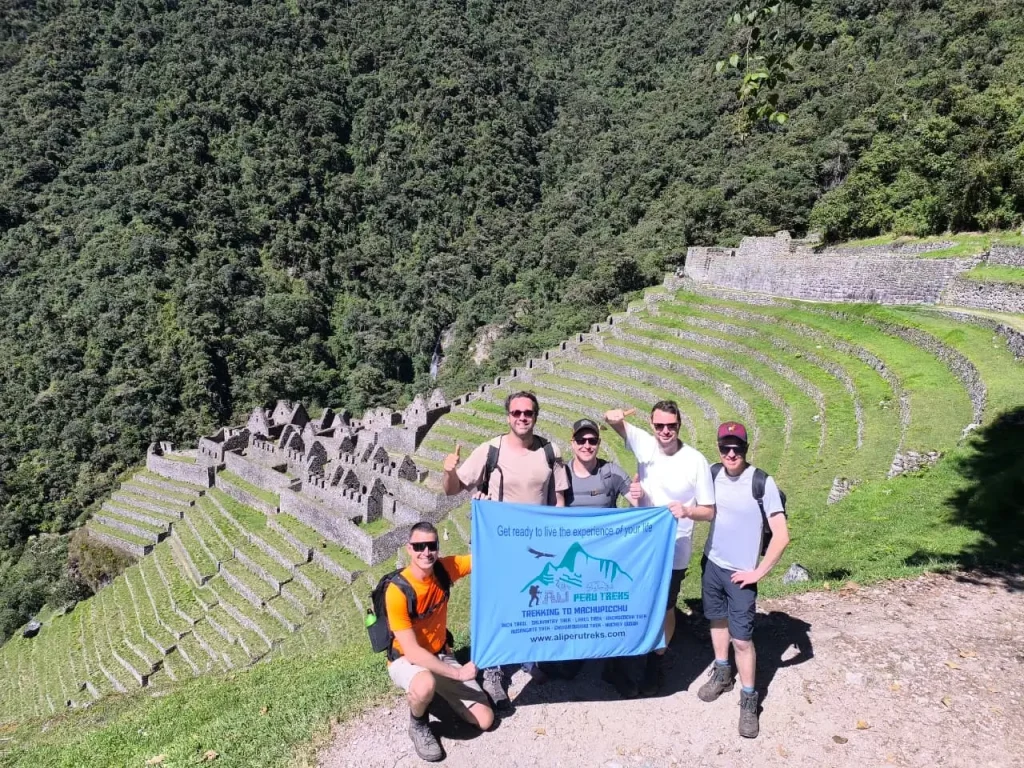
At Ali Peru Treks, we have guided thousands of international travelers through these mountains. Here are a few insider tips most tourist guides skip:
Protect the Trails: Trekking poles are highly recommended to save your knees, but they must have rubber tips. Bare metal tips are strictly banned by the Peruvian government to protect the ancient Inca stonework.
- Book 6+ Months in Advance: The Peruvian Ministry of Culture strictly limits Inca Trail permits to 500 per day (which includes guides, porters, and cooks). They sell out fast, especially for the peak US summer travel months.
- Embrace the Porters: Our Quechua porters are the true heroes of the trail. They carry the heavy tents and cooking gear ahead of the group. Pack light so you only carry your daily essentials in your own daypack.
Conclusion: Ready for the Adventure?
Learning how to prepare for the inca trail is the best investment you can make for your Peruvian vacation. By focusing on a solid fitness routine, respecting the altitude, and choosing an experienced, sustainable local operator, you set yourself up for a safe and deeply inspiring journey.
Are you ready to walk the path of the Incas? Let our expert local team handle all the logistics, permits, and heavy lifting.