

The Choquequirao Cable Car: What We Know So Far
The Choquequirao cable car is a planned public-private project that would link the Inca site of Choquequirao with the Apurímac and Cusco sides of the canyon, cutting a journey that now takes about two days on foot to roughly 20 minutes. As of November 2026, it has not been built. The project is still in the bidding stage, no company has been awarded the contract, and construction is not expected to start before 2027. For now, and for several years to come, the only way to reach Choquequirao is to hike.
Choquequirao Cable Car: Key Facts
| Item | What has been announced |
|---|---|
| Route | Kiuñalla (Apurímac) and Yanama (Cusco) to Choquequirao |
| Length | About 10.6 km, in three cable car lines |
| River crossing | About 800 m above the Apurímac River |
| Travel time | About 20 minutes, compared with about two days of hiking |
| Estimated investment | About USD 261 million for the cable car component |
| Model | Public-private partnership (APP), managed by ProInversión |
| Concession | About 25 years, covering design, construction, operation, and maintenance |
| Current stage | Bidding; no concessionaire awarded |
| Award date | Expected for late 2026, now reported for the first quarter of 2027 |
| Construction | Not started; expected from 2027 at the earliest |
These figures come from Peruvian government agencies and press reports, and they have changed several times. Treat dates as estimates.
Where Would the Cable Car Go?
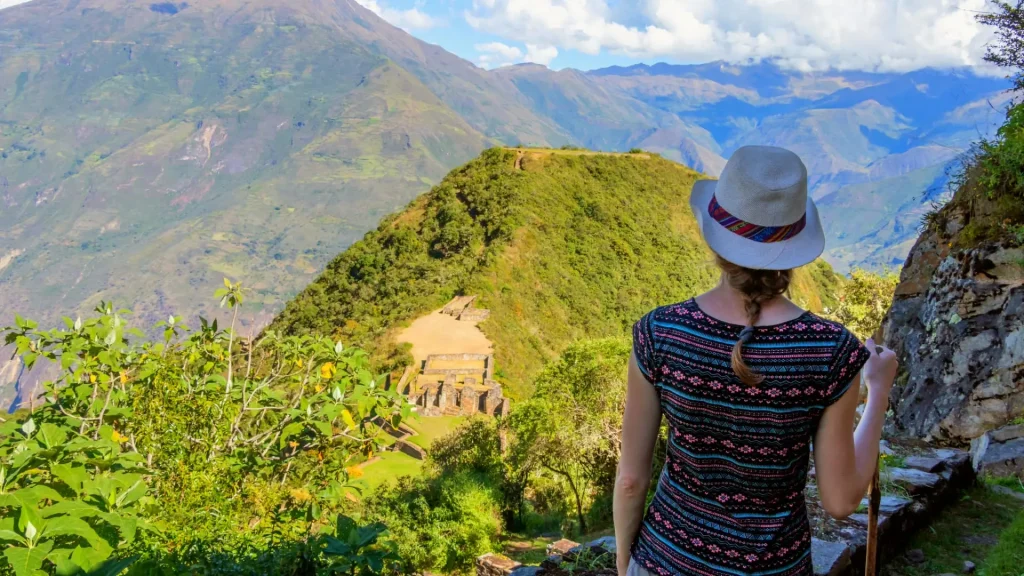
The project would connect two departure points on opposite sides of the Apurímac and Vilcabamba areas with a station near the Choquequirao archaeological park. On the Apurímac side, the base would be at Kiuñalla, in the province of Abancay. On the Cusco side, the base would be near Yanama, in La Convención.
The design includes three lines with a total length of about 10.6 km, plus access roads and a bus fleet to move visitors to and from the stations. Earlier versions of the route were revised, and the current alignment was presented in 2025.
Why Is Peru Building It?
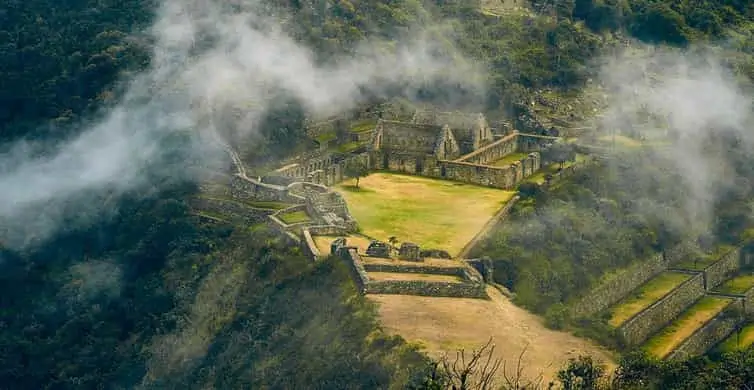
Choquequirao receives a small fraction of the visitors that Machu Picchu does. Press reports put annual visits at around 8,000 to 10,000, mainly because the site requires a multi-day trek through the Apurímac Canyon. The government’s stated goal is to raise that number to more than one million visitors a year, spread tourism beyond Machu Picchu, and bring income to the Apurímac and Cusco regions.
Alongside the cable car, the government is funding public works to improve tourist services at the archaeological park. In October 2026, the Ministry of Foreign Trade and Tourism (Mincetur) approved a transfer of S/9.5 million for that separate component. That money does not fund the cable car itself.
Timeline: How We Got Here
| Year | Milestone |
|---|---|
| 2011 | Regional governments of Apurímac and Cusco announce the idea of a cable car to Choquequirao. |
| 2023 | The project is declared viable. |
| 2025 | ProInversión presents the corrected route; award is expected by late 2025, then pushed to 2026. |
| April 2026 | Five national and international bidders are prequalified. |
| October 2026 | The project is still in bidding, with no concessionaire. Award is reported to have moved to the first quarter of 2027, after changes to the bidding terms and investor concerns about risk, land, and complementary works. |
| 2027 or later | Construction could begin, with several years of work expected. |
The project has missed several target dates, so further delays would not be surprising.
What the Cable Car Means for Trekkers
Nothing Changes in the Short Term
Even if the contract is awarded in early 2027, construction will take several years. If you plan to visit Choquequirao in 2027 or 2028, you will be hiking.
The Trek Will Not Disappear
The trail through the Apurímac Canyon is a historic route, and there is no announcement that it will close once the cable car opens. However, the experience of arriving at Choquequirao will likely change. Today, you may share the site with only a handful of other visitors. With a cable car and much larger daily numbers, the site would feel very different, and visitor management would have to change with it.
Many Travelers Want to Go Before It Opens
A common reason trekkers choose Choquequirao now is to see it while it is still quiet and only reachable on foot. That is a reasonable motivation, but it should not rush you into a trek you are not ready for. The route is physically demanding.

The Debate Around the Project
Supporters argue that the cable car would make Choquequirao accessible to travelers who cannot do a multi-day trek, including older visitors and families, and that it would bring jobs and income to remote communities.
Critics raise several concerns: the effect of mass tourism on a site that is only partly excavated, the impact on the canyon landscape, the future of the muleteers, guides, and campsite owners who depend on the current trekking route, and whether the project’s cost and risk are justified. Investors have also asked for clearer rules on land, risk sharing, and complementary works.
Both sides agree on one thing: once the cable car opens, Choquequirao will not be the same experience it is today.
How to Visit Choquequirao Now
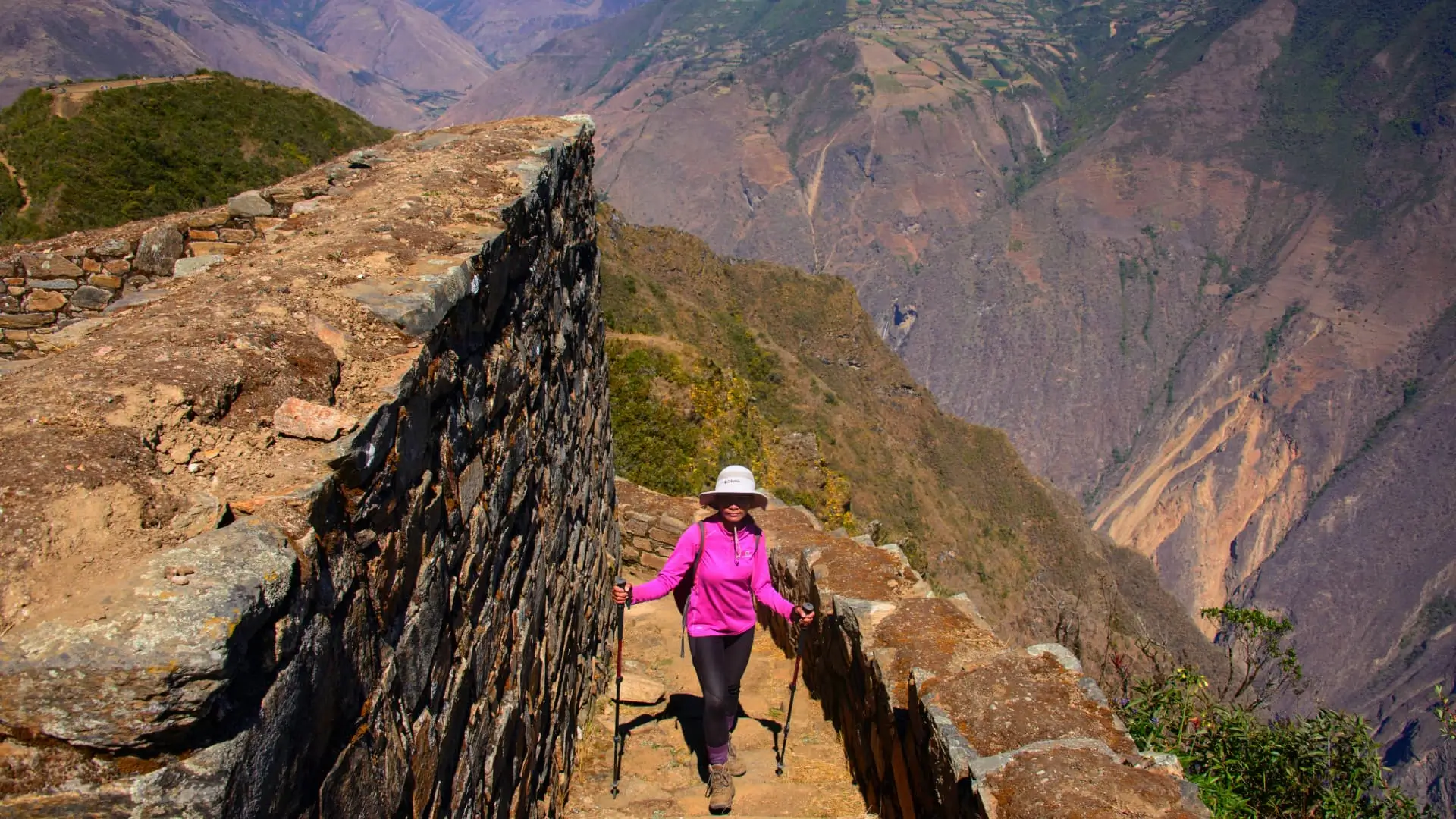
Today, you reach Choquequirao on foot from Capuliyoc, above the village of Cachora. The trail drops to the Apurímac River at about 1,550 m and climbs back up to the ruins at about 3,050 m.
| Trek | Route | Ends at |
|---|---|---|
| Choquequirao to Machu Picchu Trek 6 Days | Out-and-back to Choquequirao, then road and train | Machu Picchu |
| Choquequirao Trek 8 Days to Machu Picchu | Traverse on foot via Yanama Pass (4,660 m) | Machu Picchu |
Our Choquequirao trek difficulty guide explains what the canyon descent and climb involve. If you want a quieter alternative to the Inca Trail with a different profile, see our guide to alternatives to the Inca Trail.
Check the Season
From December to March, rain can trigger landslides along the trail, and the site has been closed during heavy rains in recent years, including from February 1, 2026, until a reopening in April. The dry season, roughly May to September, is the most reliable time to go.
Acclimatize in Cusco First
Although Choquequirao sits lower than Cusco, the longer traverse to Machu Picchu crosses passes above 4,000 m. Spend at least two to three days in Cusco before you start. Our acclimatization guide explains how.
Frequently Asked Questions
Not yet. The Choquequirao cable car is a planned project that is still in the bidding stage. As of November 2026, no company has been awarded the contract, and construction has not started.
There is no confirmed opening date. The contract award has been reported for early 2027, and construction is expected to take several years after that. Opening before the end of the decade is uncertain.
The project would cut the trip from about two days of hiking to around 20 minutes, according to government estimates.
ProInversión estimates an investment of about USD 261 million for the cable car component. Ticket prices for visitors have not been announced.
Yes. Hiking is currently the only way to reach Choquequirao. Treks start at Capuliyoc, near Cachora, and take at least four days round trip, or six to eight days if you continue to Machu Picchu.