
Inca Sites of the Ancascocha Trek: Perolniyoc, Rayan Pata, Paucarcancha and Patallacta
The Ancascocha Trek passes four main Inca sites on its way to Machu Picchu. Perolniyoc (also called Raqaypata) sits on a cliff above a waterfall at about 3,550 m, Rayan Pata is a ceremonial site at about 3,800 m, Paucarcancha guards the junction of two valleys at about 3,100 m, and Patallacta (also called Llactapata) is a large terraced settlement at the start of the Classic Inca Trail. None of them is as large as Machu Picchu, but you will often have them almost to yourself.
Ancascocha Inca Sites at a Glance
| Site | Approximate altitude | What it was | When you visit |
|---|---|---|---|
| Perolniyoc (Raqaypata) | About 3,550 m | Ceremonial and residential checkpoint above a waterfall | Day 1 |
| Rayan Pata | About 3,800 m | Ceremonial and administrative site on a cliff | Day 1 |
| Paucarcancha | About 3,100 m | Control point, with terraces and stonework at a valley junction | End of Day 2 or 3 |
| Patallacta (Llactapata) | About 2,700 to 2,750 m | Agricultural and administrative center on the Cusichaca River | Following day |
| Willkarakay | Above Patallacta | Small hilltop site overlooking Patallacta | Same day as Patallacta |
Day numbers depend on the itinerary. On our Ancascocha Trek in 4 days, you reach Paucarcancha on Day 2. On the 5-day Ancascocha Trek to Machu Picchu, you reach it on Day 3.
Perolniyoc (Raqaypata): The Site Above the Waterfall
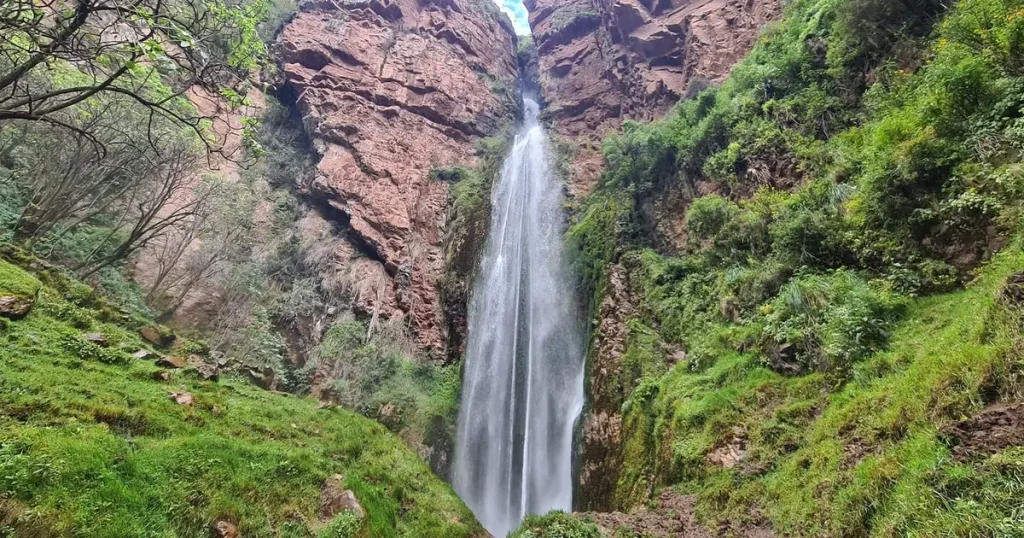
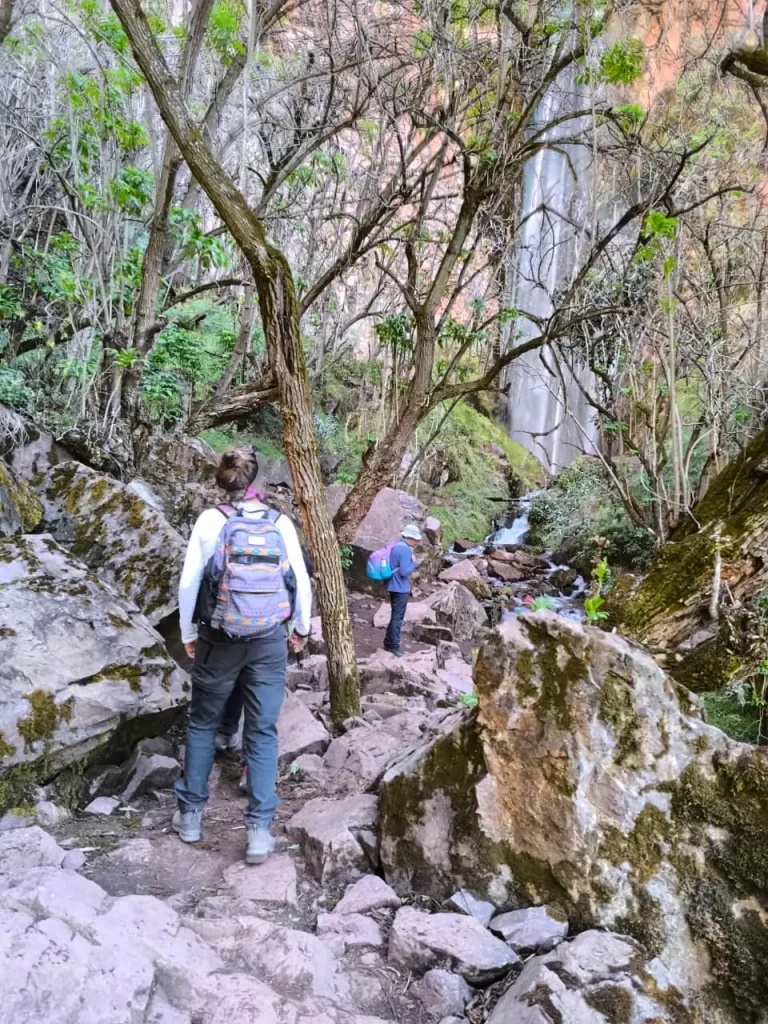
The trek starts at Soqma (about 3,205 m), a farming village about 2.5 hours from Cusco. From there, it is roughly a two-hour climb to the Perolniyoc Waterfall, a cascade of about 25 m that local communities consider sacred.
Above the waterfall, on top of the cliff, sits the Inca site of Perolniyoc, also known as Raqaypata. It is usually described as a ceremonial and residential checkpoint. The setting is the main draw: stone structures on a narrow ledge with the valley and the waterfall below.
What to expect: A short visit, often with lunch or a rest nearby. It is the first Inca site of the trek and a good introduction to how the Incas built along this route.
Spelling note: You will see this site written as Raqaypata, Racay Pata, or simply Perolniyoc. They refer to the same place.
Rayan Pata: A Ceremonial Site on a Cliff
About an hour beyond the waterfall, at around 3,800 m, the trail reaches Rayan Pata. Our trek pages describe it as an Inca site built over a cliff and used as a ceremonial and administrative center. The first night’s camp is nearby, at about 3,900 m, on the 5-day itinerary.
What to expect: Rayan Pata is smaller and less restored than the sites at the end of the trek. Its value lies in the location, high above the Soqma valley, and in the feeling of arriving somewhere few trekkers visit.
Don’t confuse it with Raqaypata. The names Rayan Pata and Raqaypata sound similar, and some sources mix them up. On our route, Raqaypata is the site above the waterfall, and Rayan Pata is the higher site reached afterward.
Between the Sites: Passes and Ancascocha Lake
After Rayan Pata, the trek leaves Inca sites behind for a day or two and crosses the high country of the Vilcabamba range. You cross Kuychiccasa Pass (about 4,450 to 4,500 m), with views of Mount Verónica, and camp near Ancascocha Lake (about 4,090 m). The next day, you climb to Huayanay Pass at 4,650 m, the highest point of the trek, before descending into cloud forest.
On the 5-day route, the descent from Huayanay follows a stretch of original Inca trail. This is also where altitude matters most. Our acclimatization guide explains how to prepare, and our altitude sickness guide covers symptoms to watch for at the passes.
Paucarcancha: Where Two Valleys Meet
The long descent from Huayanay Pass ends at Paucarcancha, at about 3,100 m. Here, the Ancascocha route meets the Classic Inca Trail, and the camp sits beside the ruins.
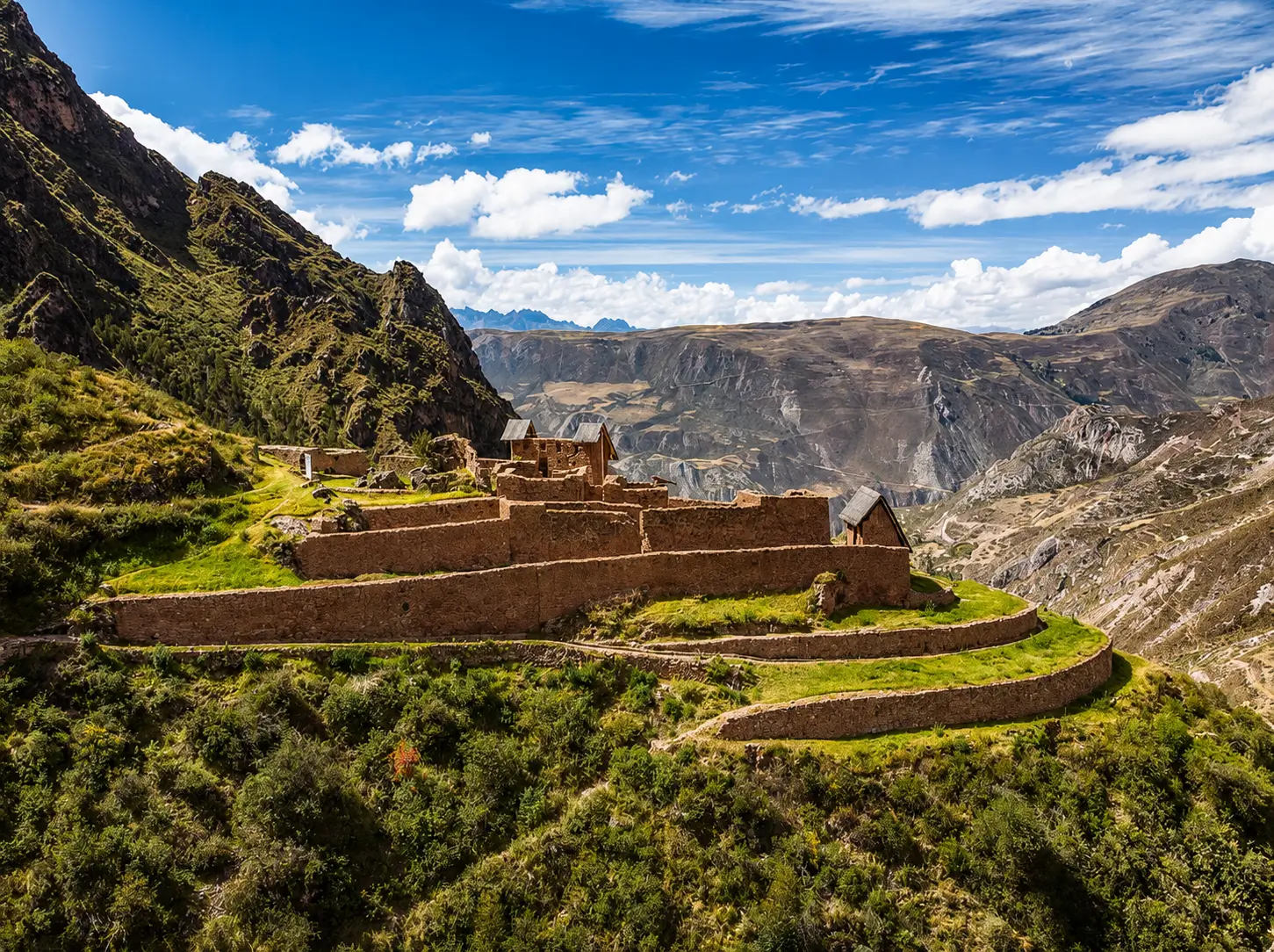
Paucarcancha is described as an agricultural and defensive outpost, and it is usually interpreted as a control point on the Inca road network. It has terraces, plazas, and well-built Inca walls, set where two valleys come together. That position would have allowed the Incas to monitor travelers moving between the high passes and the Cusichaca valley.
Why few people see it: Most Classic Inca Trail hikers pass below Paucarcancha without visiting, because it requires a detour from the main trail near Wayllabamba. On the Ancascocha Trek, you camp right next to it, so you can explore in the evening or early morning.
What to expect: Paucarcancha is one of the better-preserved sites on the route, and the camp setting makes it easy to spend time there. Ask your guide about the structures and the original water channels.
Patallacta (Llactapata): Gateway to the Inca Trail
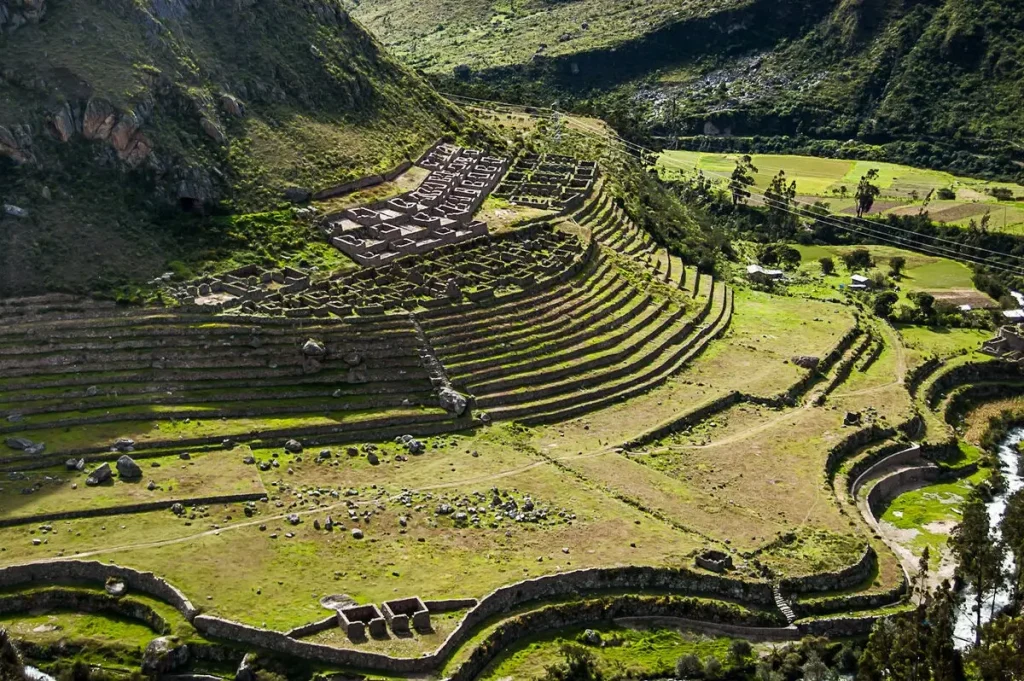
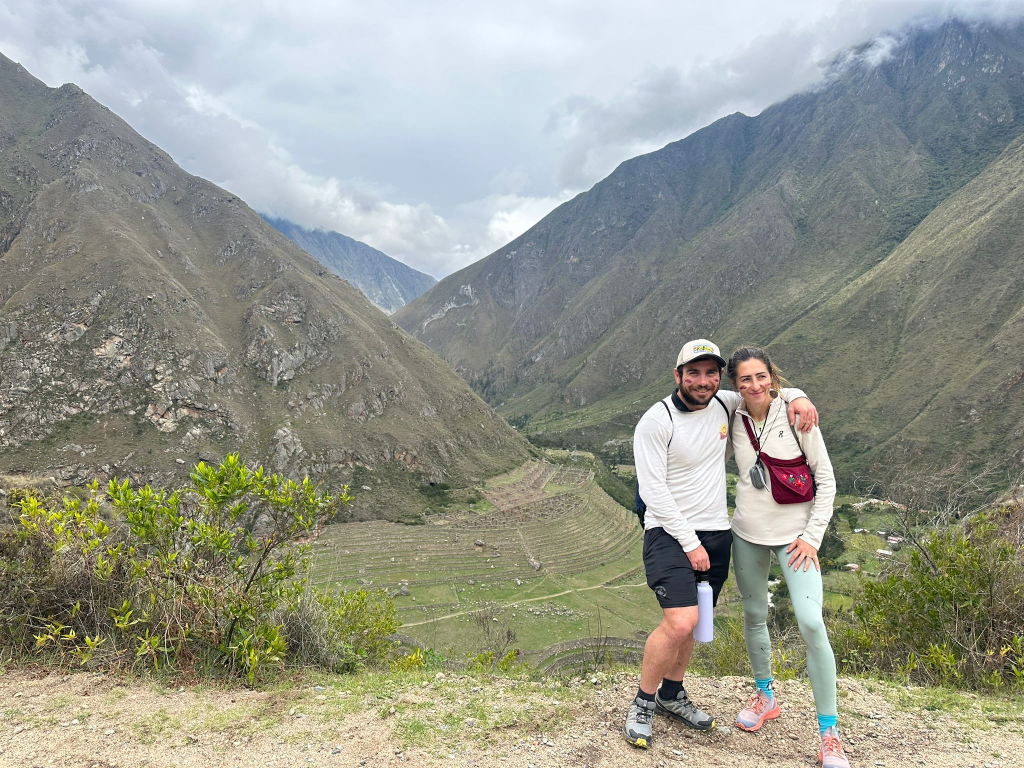
From Paucarcancha, the trail follows the Cusichaca River down to Patallacta, also known as Llactapata, at about 2,700 to 2,750 m. It is a large Inca settlement with extensive agricultural terraces, houses, and storage structures, near the point where the Cusichaca joins the Urubamba River.
Patallacta is generally linked to the reign of Pachacuti in the 15th century. It is described as an agricultural and administrative hub that supplied travelers heading toward Machu Picchu, with irrigation water drawn from the Cusichaca River. For Classic Inca Trail hikers, it is the first major site of the trek.
Above Patallacta, on a hill, is the small site of Willkarakay, which offers a view down over the terraces. You pass it on the way to Kilometer 82 (Piscacucho), the official start of the Classic Inca Trail.
The Two Llactapatas
There are two Inca sites called Llactapata near Machu Picchu, and they are often confused. The Llactapata on the Ancascocha and Inca Trail routes, more precisely called Patallacta, sits on the Cusichaca River. The other Llactapata stands on a ridge above the Aobamba valley, on the Salkantay route, facing Machu Picchu across the valley. If you see “Llactapata” in a trek description, check which one it means.
How Each Ancascocha Itinerary Visits the Sites
| Itinerary | Perolniyoc and Rayan Pata | Paucarcancha | Patallacta | Ends at Machu Picchu |
|---|---|---|---|---|
| Ancascocha Trek 4 Days | Day 1 | Day 2 (camp) | Day 3 | Day 4, by train from Ollantaytambo |
| Ancascocha Trek 5 Days | Day 1 | Day 3 (camp) | Day 4 | Day 5, by train from Ollantaytambo |
| Ancascocha and Short Inca Trail 5 Days | Day 1 | Day 2 (camp) | Day 3 | Day 4, on foot via the Sun Gate |
| Ancascocha and Classic Inca Trail 7 Days | Day 1 | Day 3 (camp) | Continues on the Inca Trail | Day 7, on foot via the Sun Gate |
The Short Inca Trail and Classic Inca Trail versions add more sites, such as Wiñay Wayna, and require an Inca Trail permit. Those permits are limited and sell out in high season.
If you want to see Perolniyoc and Rayan Pata on a different route, our Inca Quarry Trek in 4 days also starts from Soqma and visits both on Day 1.
Ancascocha Sites vs. Inca Trail Sites
| Ancascocha Trek | Classic Inca Trail | |
|---|---|---|
| Number of major Inca sites | Four, plus smaller sites | Several, including Wiñay Wayna and the Sun Gate |
| Crowds at the sites | Very few visitors | More visitors, under the daily permit limit |
| Restoration | Mostly partly restored | Several heavily restored sites |
| Permit needed | No (unless combined with the Inca Trail) | Yes |
| Arrival at Machu Picchu | By train, or on foot if combined with the Inca Trail | On foot via the Sun Gate |
Pros of the Ancascocha sites: Quiet, remote settings, often with no other groups, and a good sense of how the Incas controlled routes through the mountains.
Cons: The sites are smaller and less restored than those on the Classic Inca Trail, and the walk between them includes two high passes. If Inca architecture is your main reason for trekking, the Classic Inca Trail has more of it.
Our comparison of the Ancascocha Trek vs. the Classic Inca Trail goes into more detail. For a general overview of the route, see our Ancascocha Trek guide.
Tips for Visiting the Sites
- Ask your guide for time at Paucarcancha. Because you camp beside it, it is the easiest site to explore properly.
- Respect the structures. Do not climb on walls or terraces.
- Bring sun protection. Patallacta and the lower sites are warm and exposed by midday.
- Pick the right month. Our Ancascocha Trek by month guide explains how weather changes through the year.
Frequently Asked Questions
The main sites are Perolniyoc (Raqaypata), Rayan Pata, Paucarcancha, and Patallacta (Llactapata), along with the smaller site of Willkarakay. Versions combined with the Inca Trail add sites such as Wiñay Wayna.
Yes, on the Ancascocha and Classic Inca Trail routes, Patallacta and Llactapata refer to the same site on the Cusichaca River. A different site called Llactapata sits on the Salkantay route, above the Aobamba valley.
The campsite is beside the ruins, at about 3,100 m, where the Ancascocha route joins the Classic Inca Trail. You reach it after descending from Huayanay Pass.
The standard Ancascocha Trek does not need an Inca Trail permit. Itineraries that continue on the Short or Classic Inca Trail do need one, and those permits are limited.
Both. Perolniyoc is the name of a waterfall of about 25 m, and the Inca site of Raqaypata, often called Perolniyoc, sits on the cliff above it.