
Inca Trail Flora and Fauna: What Wildlife and Plants You’ll Actually See
The Machu Picchu Historic Sanctuary, which the Inca Trail passes through, is home to more than 370 bird species, 47 mammal species, and over 700 species of butterfly, plus roughly 300 orchid varieties. That’s the official biodiversity count for the protected area — but what you’ll actually see on a 4-day hike depends heavily on luck, timing, and which of those species are commonly encountered versus rarely glimpsed.
This guide separates the wildlife you’re likely to see from the species that show up in marketing copy far more often than they show up on the trail.
Why This Corridor Is So Biodiverse
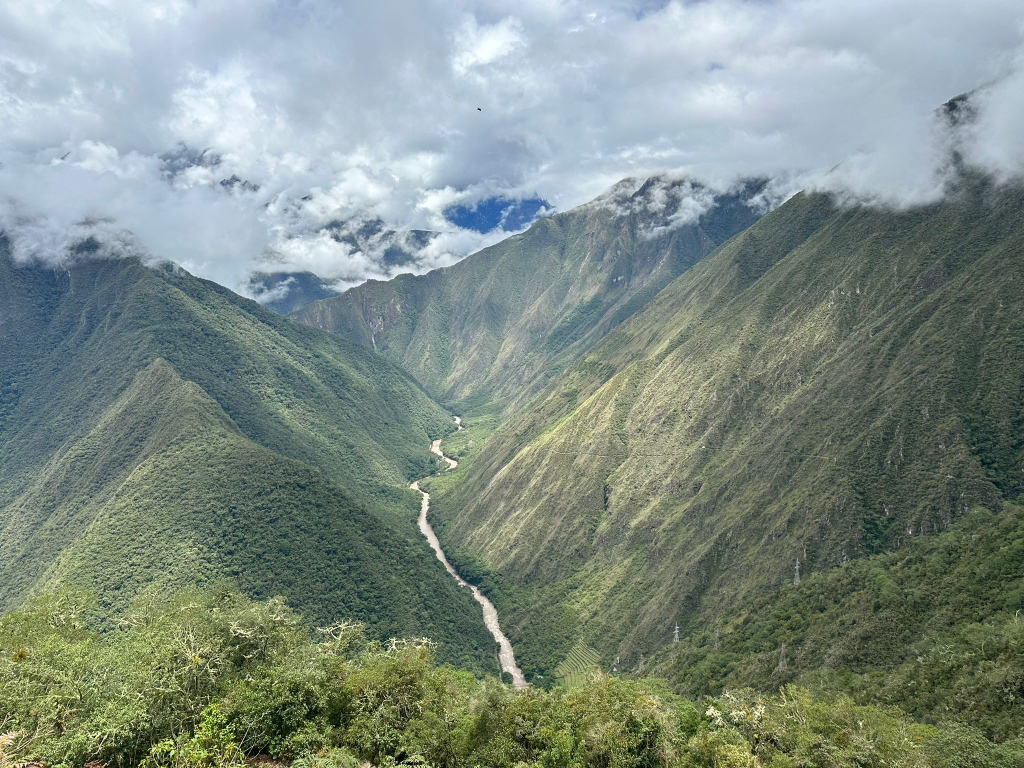
The Inca Trail crosses a genuine ecological transition zone — a bio-corridor connecting the high Andes, the Sacred Valley, and the edge of the Amazon lowland forest. Over four days, the trail descends through several distinct ecosystems, and each one supports different species. That’s the underlying reason the biodiversity numbers are so high for a relatively short trekking route: you’re not hiking through one habitat, you’re crossing several.
Ecosystem Zones Along the Trail
| Zone | Elevation Range | Typical Vegetation | Typical Wildlife |
|---|---|---|---|
| High-altitude grassland (puna) | Above 3,800 m (12,500 ft), near Dead Woman’s Pass | Ichu grass, hardy shrubs, cushion plants | Andean foxes, occasional viscacha, high-altitude birds like the Andean goose |
| Andean valley / scrubland | 3,000–3,800 m (9,850–12,500 ft) | Queuña trees, agave, native shrubs | Llamas, alpacas, hummingbirds, occasional deer |
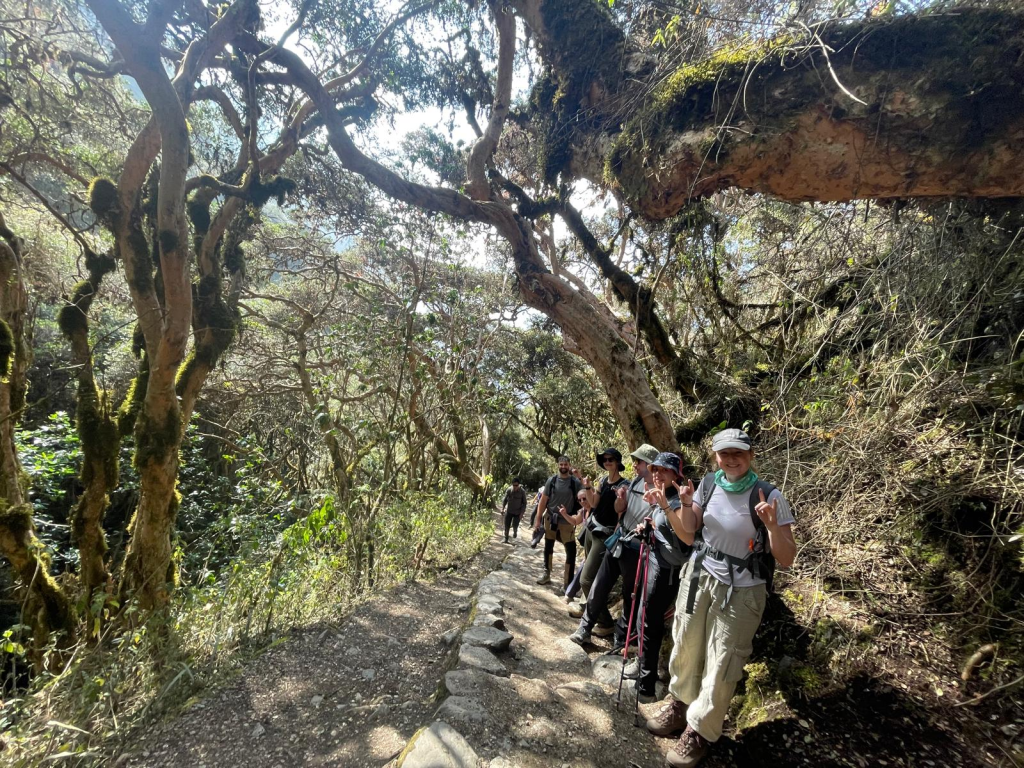
| Cloud forest | 2,000–3,000 m (6,560–9,850 ft), toward Wiñay Wayna and Aguas Calientes | Orchids, mosses, ferns, bromeliads | Andean cock-of-the-rock, hummingbirds, spectacled bear (rare), a wide range of insects and butterflies |
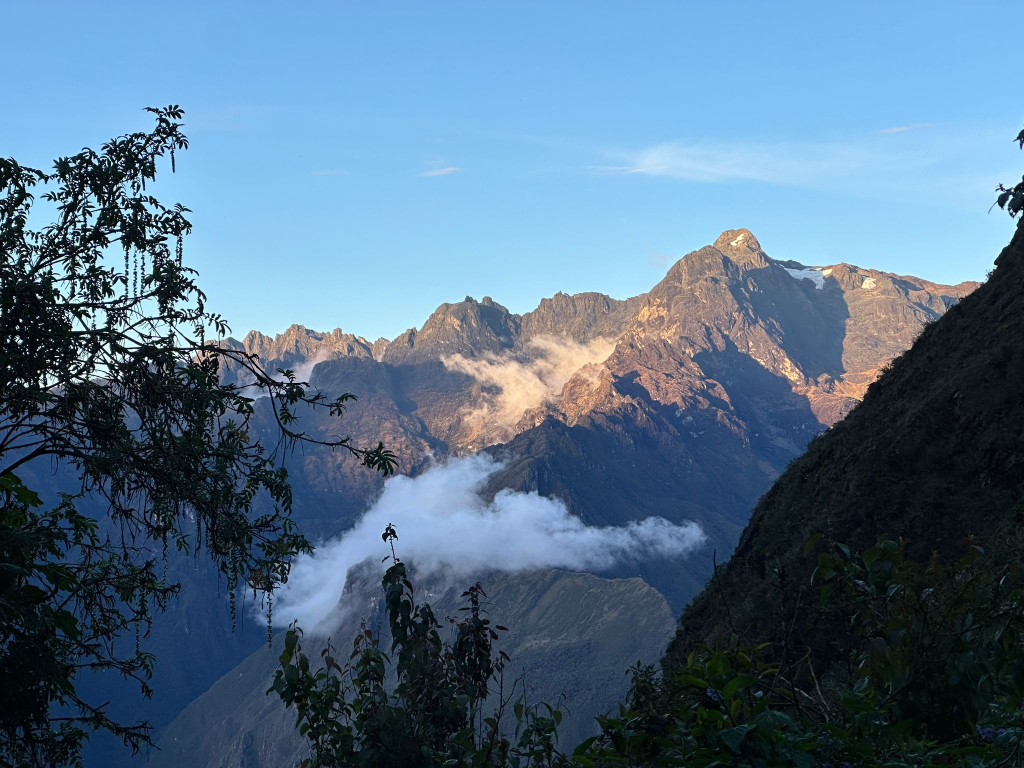
The single biggest shift happens after Dead Woman’s Pass (4,215 m), where the trail begins its long descent into cloud forest — this is where most of the orchid diversity and colorful bird sightings tend to concentrate, not the exposed high-altitude sections most photos of the trek show.
Birds: What You’re Actually Likely to See
With over 370 recorded species in the sanctuary, birds are the most consistently visible category of wildlife on the trail.
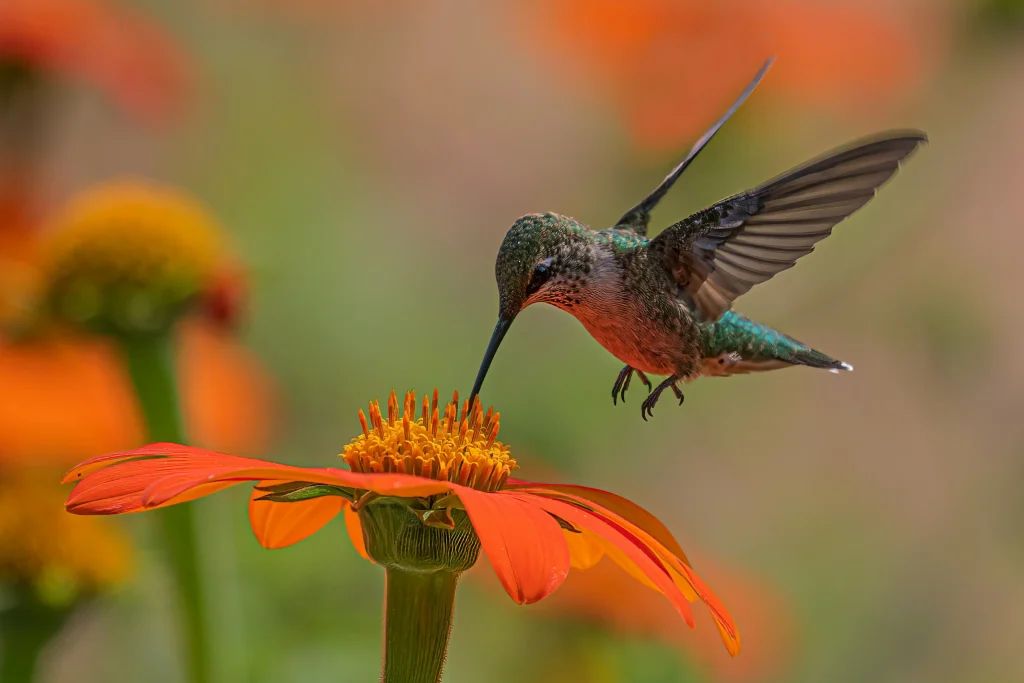
- Hummingbirds — genuinely common, especially in the cloud forest sections. Multiple species are present, and sightings are frequent rather than lucky.
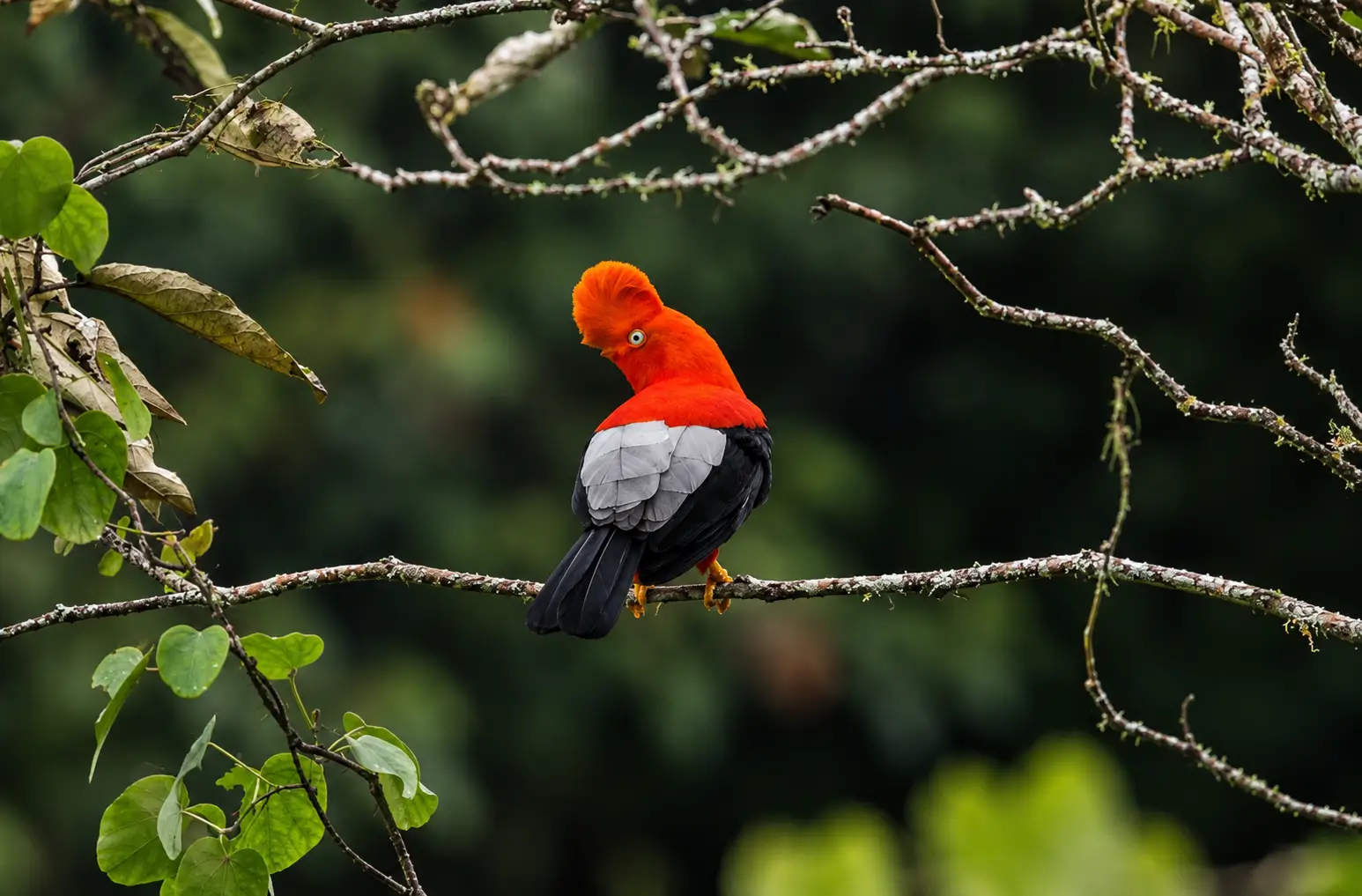
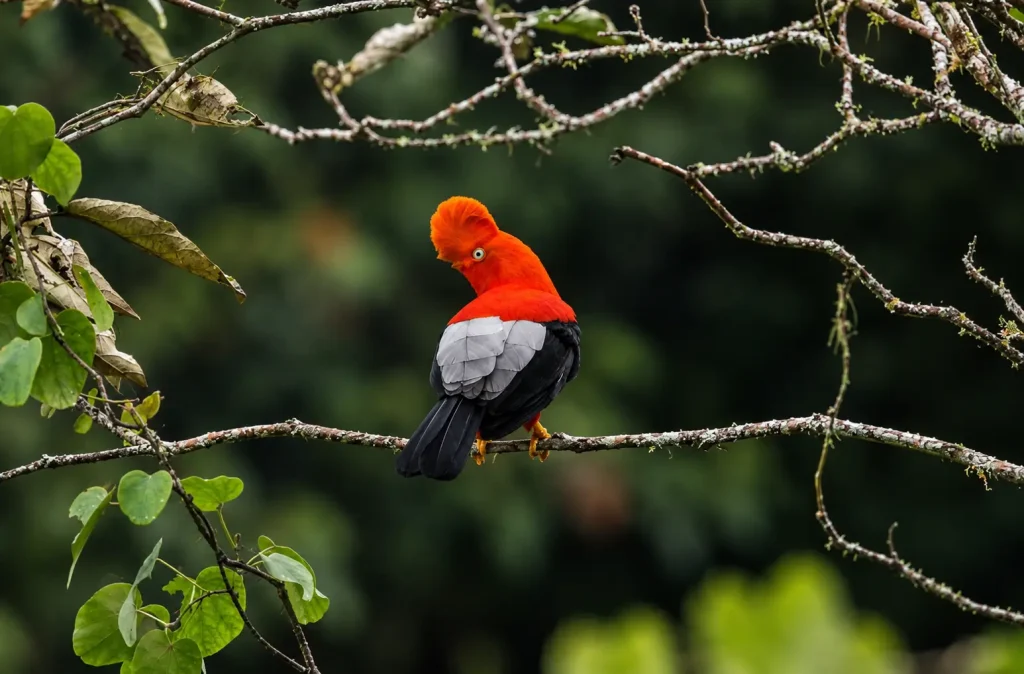
- Andean cock-of-the-rock (Peru’s national bird) — present in cloud forest zones, but seeing one well is still a matter of timing and a bit of luck; it’s not guaranteed on every trek.
- Andean condor — technically within the sanctuary’s range, but genuinely uncommon on the trail itself. Condor sightings are far more reliable at dedicated viewpoints like Colca Canyon than on the Inca Trail; don’t book this trek specifically expecting to see one.
- Andean goose and other high-altitude waterfowl — occasionally spotted near the puna sections and high lakes.
Mammals: Guaranteed vs. Rare
This is where marketing copy for the trail tends to blur an important distinction, so it’s worth being direct:
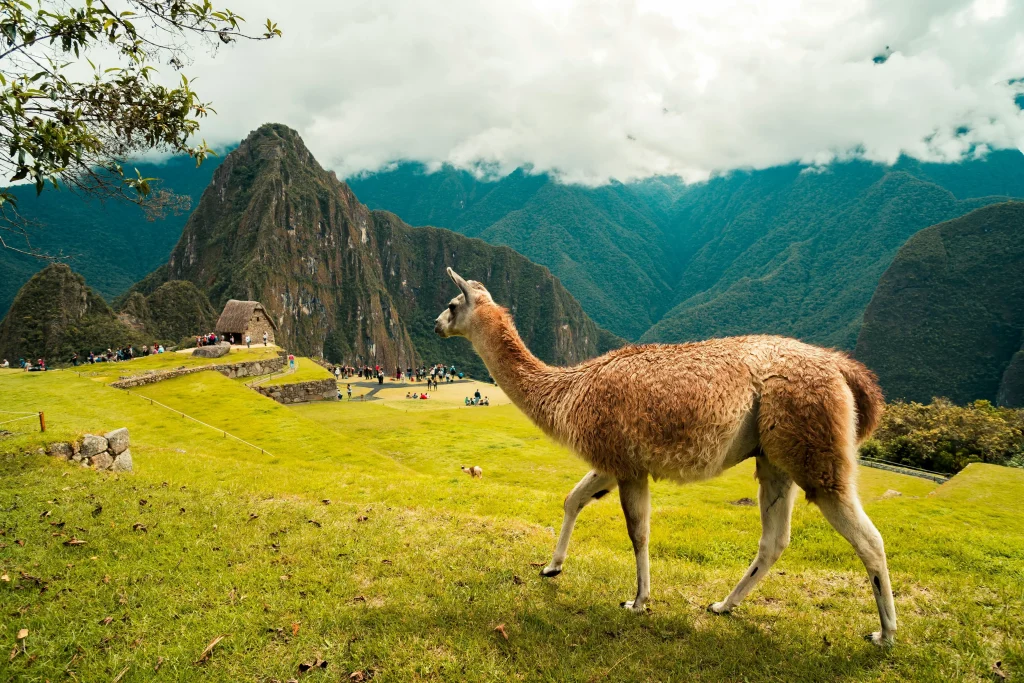
You will almost certainly see: llamas and alpacas. Both are domesticated, common throughout the Sacred Valley and along the trail, and essentially guaranteed — especially once you reach Machu Picchu itself, where they’re commonly seen grazing among the ruins.
You might see, with some luck: vicuñas (the wild, undomesticated relative of the alpaca and Peru’s national animal), Andean deer (taruka), and Andean foxes, particularly in quieter high-altitude stretches away from the busiest sections of trail.
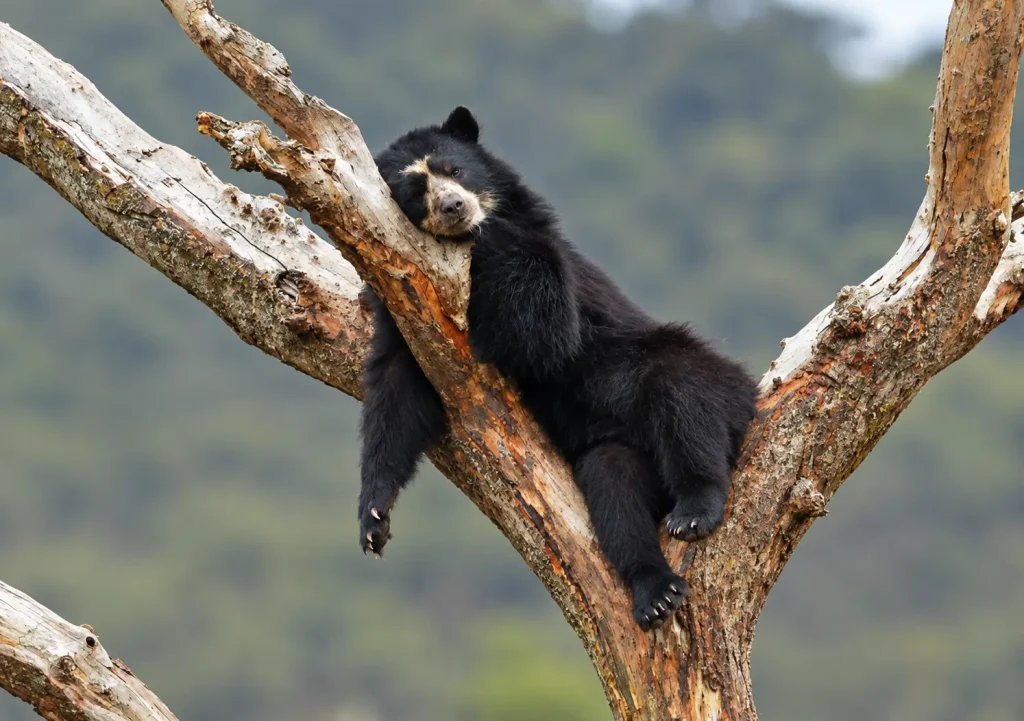
You are unlikely to see, despite frequent mentions in trek marketing: the spectacled bear. It’s real, it does live within the sanctuary’s cloud forest zones, and it is the region’s signature mammal — but it’s also shy, largely nocturnal, and its total population is small.
Genuine wild sightings on a standard multi-day trek are rare. If a spectacled bear sighting is something you’re specifically hoping for, a specialized wildlife-focused trip with a naturalist guide (rather than a standard trekking itinerary) gives meaningfully better odds.
Orchids and Other Flora
Around 300 orchid species have been documented within the sanctuary, concentrated mostly in the humid cloud forest sections rather than the drier high-altitude stretches. Alongside orchids, expect mosses, ferns, bromeliads, and — at slightly lower elevations near Machu Picchu — trees like queuña, cedar, and pisonay.
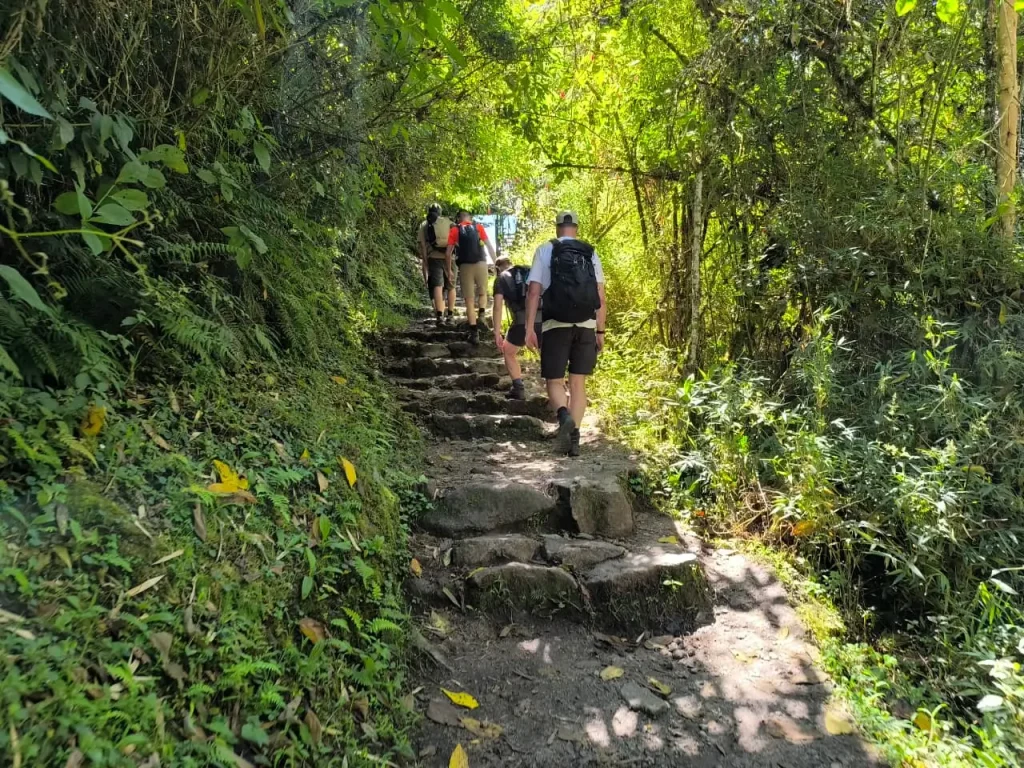
The variety and density of plant life increases noticeably as you descend from the puna into cloud forest, which is part of why the final approach to Machu Picchu feels so different, ecologically, from the trail’s higher sections.
Realistic Expectations by Trek Day
| Trek Stage | Elevation Zone | What to Realistically Expect |
|---|---|---|
| Day 1 (lower valley start) | Andean valley/scrubland | Llamas, alpacas, hummingbirds, agricultural terraces |
| Day 2 (Dead Woman’s Pass) | High puna | Sparse vegetation, possible Andean fox or viscacha, dramatic scenery over wildlife density |
| Day 3 (descent through cloud forest) | Cloud forest | Best day for orchids, cock-of-the-rock possibility, richest biodiversity of the trek |
| Day 4 (Machu Picchu) | Transition zone | Llamas/alpacas at the ruins are close to guaranteed; broader wildlife sightings are secondary to the site itself |
Tips for Better Wildlife and Plant Spotting
- Early morning and late afternoon are the most active periods for birds and mammals; midday heat tends to reduce visible activity.
- Slow down on Day 3. The cloud forest descent is where most of the flora diversity is concentrated, and it’s easy to rush through it focused on reaching camp.
- A pair of compact binoculars makes a real difference for bird spotting, particularly for hummingbirds and cock-of-the-rock, which are often seen at a distance or partially obscured by foliage.
- Ask your guide directly. Local guides typically know current nesting areas, recent sightings, and which sections have been active — information that changes trek to trek and isn’t something a blog post can predict for your specific dates.
How This Compares to Other Trekking Routes
If biodiversity and cloud forest scenery are a priority for you specifically, it’s worth knowing that not every route through the region passes through the same ecosystems.
The Salkantay Trek also transitions from high alpine terrain into cloud forest and shares much of the same flora and fauna profile in its lower sections.
The Ancascocha Trek spends more time in higher, drier puna terrain with less cloud forest exposure, meaning a different — generally sparser — wildlife profile.
The Choquequirao Trek descends into a much deeper subtropical canyon and covers an even wider range of ecological zones over its longer duration. None of these differences make one route objectively “better” for wildlife — they’re simply different ecosystems with different odds.
FAQ: Inca Trail Flora and Fauna
You’ll almost certainly see llamas and alpacas, and birds (especially hummingbirds) are common in the cloud forest sections. Rarer species like the spectacled bear or Andean condor are possible but should not be an expectation you build your trip around.
Day 3, during the descent through cloud forest after Dead Woman’s Pass, generally offers the richest combination of birds, orchids, and general biodiversity.
No large predatory animals pose a realistic threat to trekkers. The spectacled bear, the region’s largest mammal, is shy and avoids human contact; snake and insect encounters are possible but not a significant concern for most hikers staying on the marked trail.
Not dramatically — orchids are present year-round in the cloud forest zones, though blooming intensity can vary seasonally. The trail’s dry-season hiking window (roughly May–September) remains the most practical time to visit for weather reasons regardless of orchid timing.
Partially. Llamas and alpacas are commonly seen directly at the Machu Picchu site, so travelers who visit by train rather than trekking will still encounter them. However, the cloud forest bird and orchid diversity concentrated along the trail itself is largely missed if you skip the multi-day hike.