
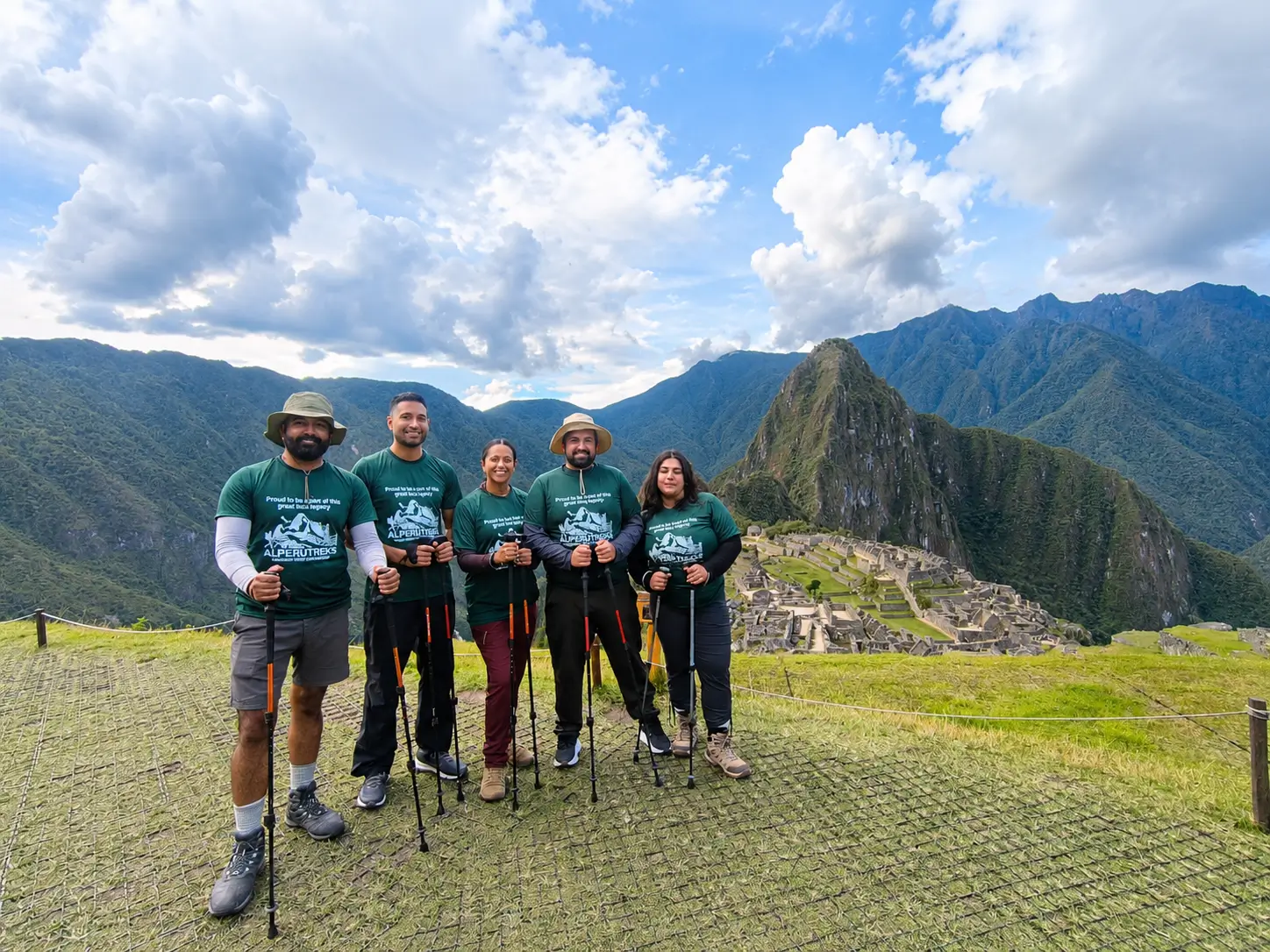
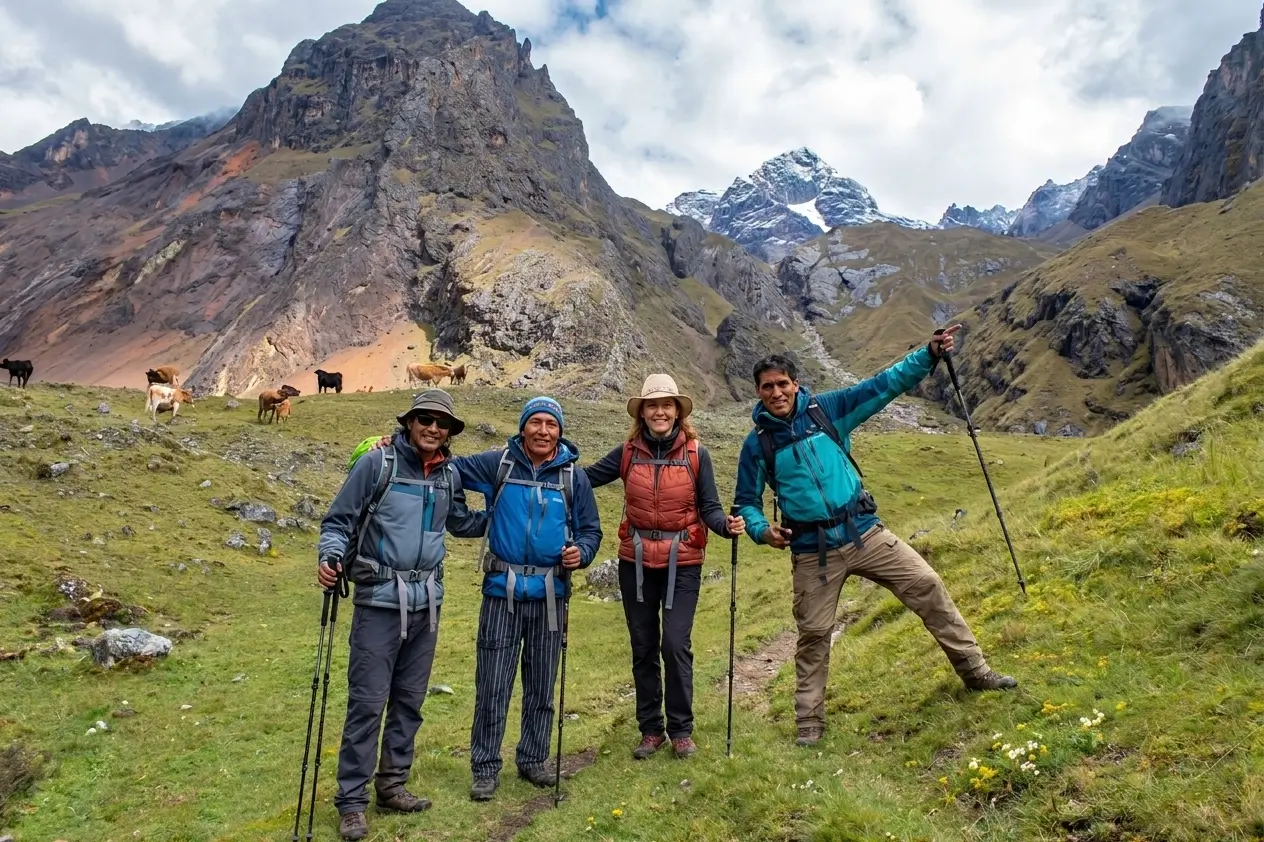
The Luxury Ancascocha Trek and the standard Ancascocha Trek cover the same route, cross the same two mountain passes, and reach the same maximum altitude of 4,650 m (15,255 ft) at Huayanay Pass. The difference isn’t the hike — it’s what happens at camp each night. Upgraded tents, better food service, and more staff support come at a higher price, but the physical trek itself doesn’t get any easier.
Here’s what actually changes between the two, and what stays exactly the same.
Quick Comparison
| Factor | Standard Ancascocha Trek (5D/4N) | Luxury Ancascocha Trek (5D/4N) |
|---|---|---|
| Route and itinerary | Identical | Identical |
| Max altitude | 4,650 m (15,255 ft) | 4,650 m (15,255 ft) |
| Difficulty | Moderate to Challenging | Moderate to Challenging (unchanged) |
| Total distance | 56 km (34.8 mi), per industry-standard figures for this route | Same route, same distance |
| Base price (Ali Peru Treks standard) | From $730 per person | Not publicly listed — confirm directly with the operator |
| Accommodation style | Standard trekking tents, shared basic facilities | Upgraded glamping-style tents, typically with more comfortable bedding and amenities |
| Meal service | Trekking-standard meals prepared by camp cooks | Typically elevated meal service, sometimes with more variety or presentation |
| Group size | Small group | Often smaller or private-leaning group sizes, depending on the specific departure |
| Porter/staff support | Standard support ratio | Typically higher staff-to-trekker ratio for camp setup and service |
What “Luxury” Actually Means on a Trek Like This
It’s worth being precise here, because “luxury trekking” in the Andes means something different than a luxury hotel stay — you’re still camping in a remote, high-altitude environment with no roads, so there’s a ceiling on how much comfort is physically possible each night. In practice, “luxury” on treks like this typically means:
- Upgraded tents — often taller, more spacious, and with better sleeping pads or proper cots instead of standard ground mats
- Enhanced dining — a proper dining tent, more elaborate meal preparation, and sometimes wine or extra amenities with dinner
- Private or higher-quality sanitation — a private toilet tent rather than shared basic facilities, which is one of the more meaningfully appreciated upgrades on multi-day treks
- More staff per trekker — generally translating to faster camp setup, more attentive service, and sometimes a slightly more personalized pace
What it does not mean: a shorter route, an easier ascent to Huayanay Pass, or transportation that skips any of the physically demanding sections. The mountain doesn’t get smaller because the tent gets nicer.

What Doesn’t Change
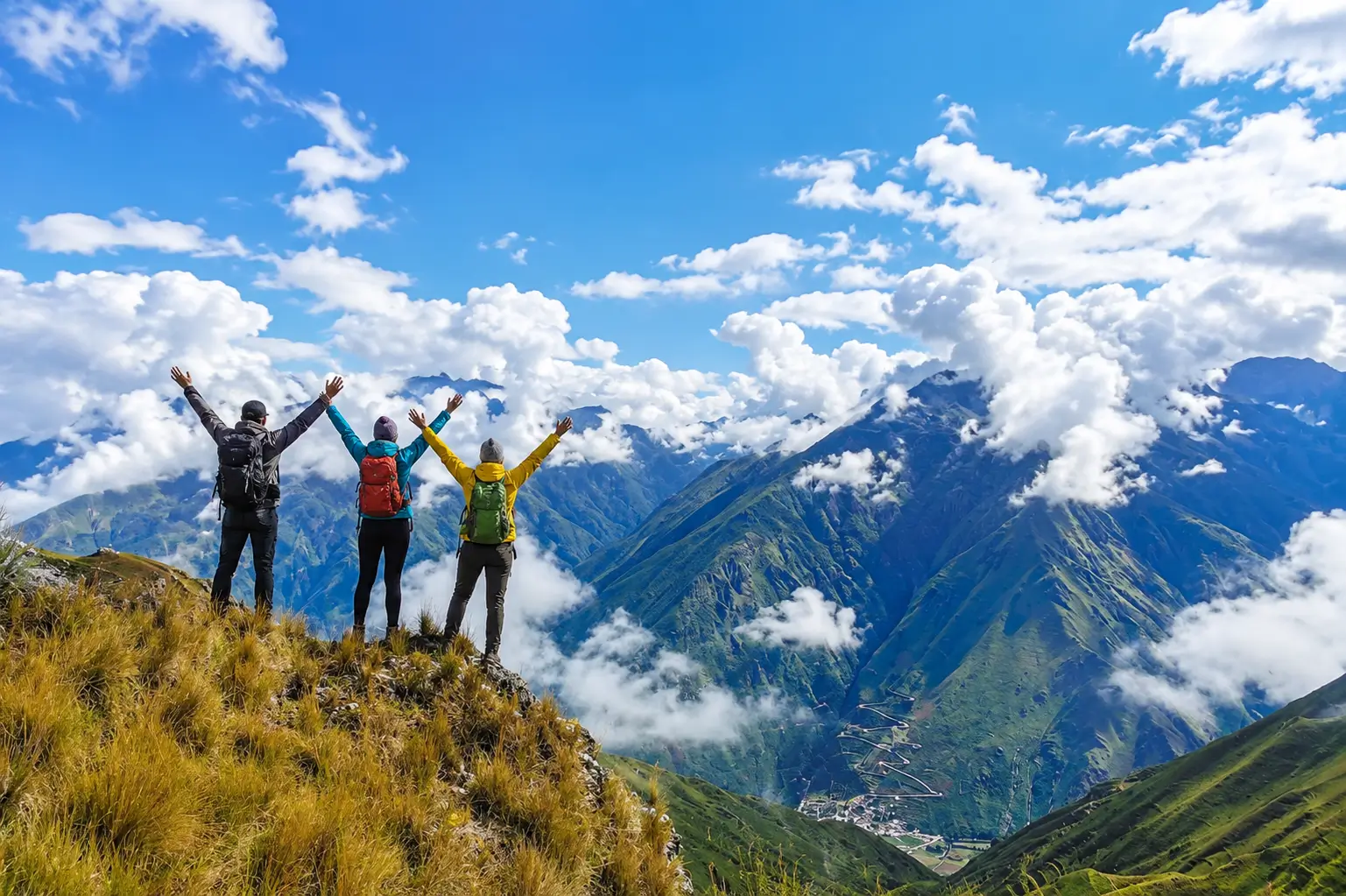
This is the most important thing to understand before paying more for the luxury version: the trek itself — the two high passes (Kuychiccasa at 4,500 m and Huayanay at 4,650 m), the daily walking distances, and the overall difficulty rating — stays identical. If you’re hoping the luxury version is somehow gentler on your body or shorter in distance, it isn’t. You’re paying for comfort at the end of each hiking day, not for an easier version of the hike itself.
This matters for realistic expectations: someone considering the luxury version specifically to make the trek “easier” should instead look at comparing the 4-day and 5-day standard itineraries, where pacing genuinely differs, rather than assuming the luxury tier changes the physical demand.
Is the Upgrade Worth the Extra Cost?
That depends entirely on what you value at the end of a demanding hiking day. For travelers who find that sleep quality and camp comfort meaningfully affect how they recover for the next day’s climb — particularly relevant here, since this trek has back-to-back challenging days — the luxury tier can be a genuine quality-of-life improvement, not just a status upgrade. A better night’s sleep before crossing a 4,650 m pass is a real, practical benefit, not a purely cosmetic one.
For travelers who are primarily focused on the trekking experience itself, don’t mind basic camping conditions, and would rather put the price difference toward other parts of their Peru trip, the standard version delivers the identical route, views, and Machu Picchu finish for a lower cost.
A note on pricing transparency: Ali Peru Treks’ standard 5-day Ancascocha Trek is listed from $730 per person on their own booking platform. The luxury version’s pricing isn’t published in a way we could independently confirm at the time of writing — if cost comparison matters to your decision, it’s worth requesting a direct quote from the operator rather than assuming a fixed markup, since luxury trek pricing often varies by group size and specific departure dates.
Who Should Choose Which Version
Choose the standard version if:
- Budget is a meaningful factor in your trip planning
- You’re comfortable with basic camping conditions and shared facilities
- The trekking experience itself matters more to you than camp-side comfort
Choose the luxury version if:
- Sleep quality and recovery genuinely affect your physical performance day to day
- You’re celebrating a specific occasion and want the experience elevated throughout, not just at the finish
- You’ve done standard multi-day camping treks before and know specifically which comfort trade-offs bothered you
How This Fits Into Ancascocha’s Broader Options
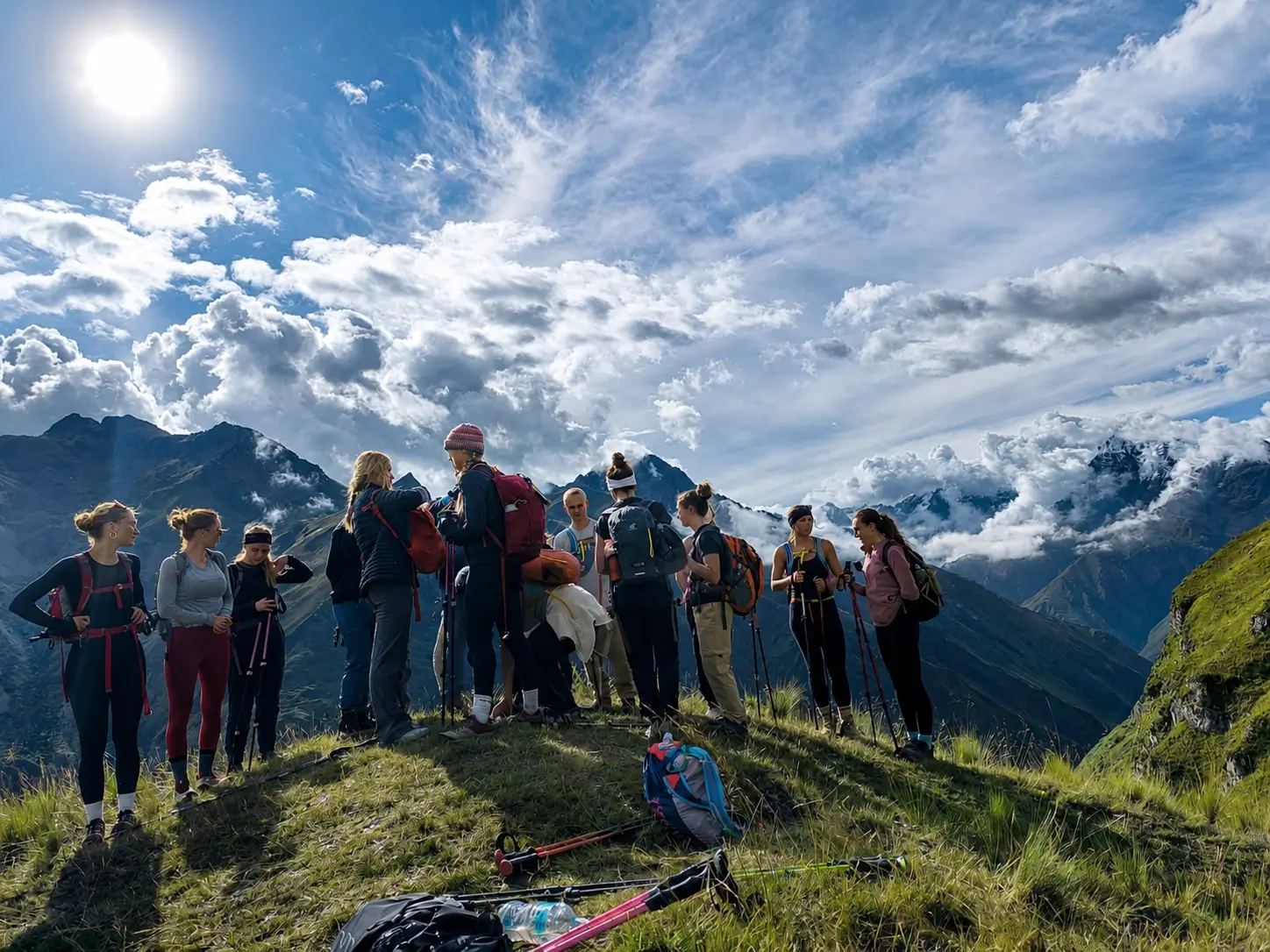
The luxury tier is one of several ways to customize this route. Travelers on a tighter schedule can look at the 4-day standard version, while those who want to combine Ancascocha’s remoteness with a stretch of the actual Inca Trail have the Ancascocha & Short Inca Trail 5-day combo or the longer 7-day combo with the Classic Inca Trail — both of which are separate customizations from the comfort-tier question this article covers.
If you’re still deciding on Ancascocha as a route at all, the existing comparisons against Salkantay and the Classic Inca Trail address permits, crowd levels, and overall trek character in more depth. Because both the standard and luxury versions reach the same 4,650 m maximum altitude, it’s also worth reading up on altitude sickness regardless of which comfort tier you choose — no amount of tent upgrade changes your body’s need to acclimatize.
FAQ: Ancascocha Trek vs. Luxury Ancascocha Trek
No. Both versions follow the identical route, cross the same two mountain passes, and reach the same 4,650 m maximum altitude. The difference is entirely in camp comfort and service level, not the physical difficulty of the hike.
The standard 5-day version starts at $730 per person based on Ali Peru Treks’ published pricing. The luxury version’s exact pricing isn’t publicly listed in a way we could confirm — request a direct quote from the operator for accurate current pricing.
Typically tent quality and sleeping comfort, meal service and presentation, sanitation facilities (often a private toilet tent), and staff-to-trekker ratio. The route, distances, and altitude gains remain unchanged.
Not specifically for that reason — the luxury tier doesn’t reduce the physical demand of the trek. If difficulty is your main concern, comparing the 4-day and 5-day standard pacing options, or reviewing the trek’s overall difficulty profile, is more directly useful than upgrading comfort tier.
That depends on the operator’s logistics for a given departure, since luxury and standard groups typically run as separate camp setups. Confirm directly with Ali Peru Treks if you’re traveling with a mixed group wanting different comfort levels.