
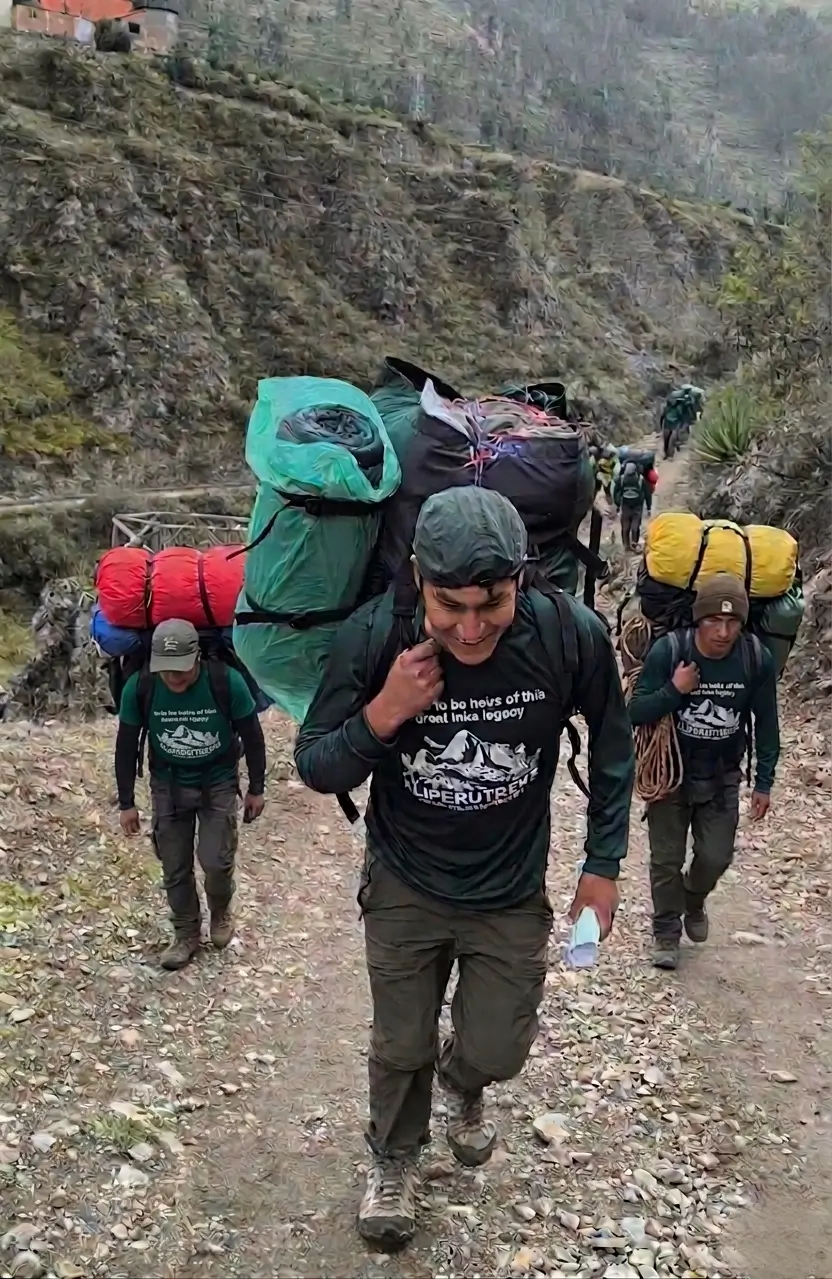
Inca Trail porters are local workers, mostly from Quechua communities in the Cusco region, who carry camping and kitchen equipment along the trail so trekkers don’t have to. Peruvian law caps what they can carry at 25 kg (55 lbs) per porter, and separately, most operators provide trekkers a duffel bag limited to 5–7 kg (11–15 lbs) for personal items. Tipping porters is a standard, expected part of the trek, typically in the range of $8–30 USD per porter depending on trek length and operator.
Here’s a fuller picture of who they are, what the regulations actually say, and how to tip and treat them appropriately.
Who Are the Inca Trail Porters?
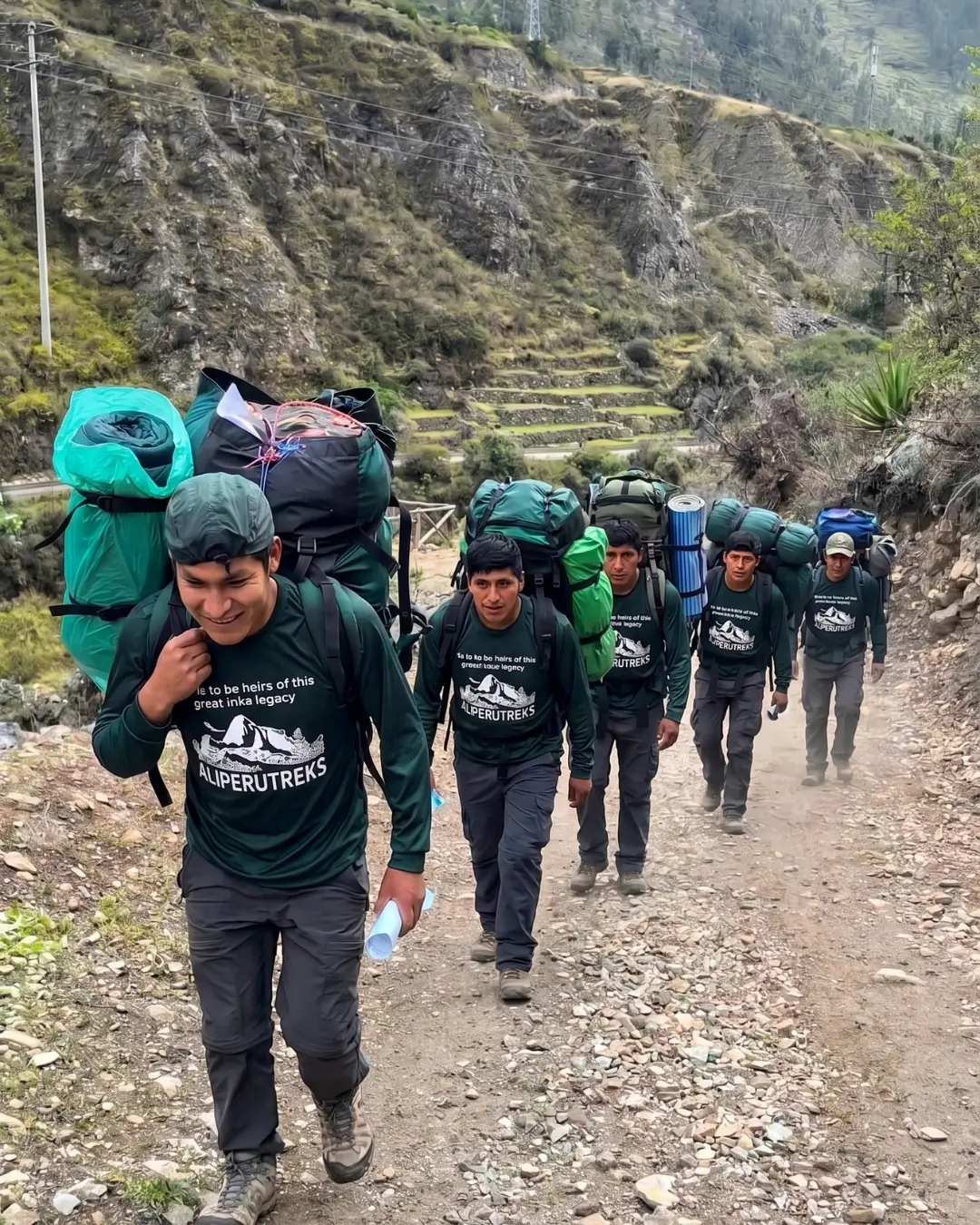
Porters come primarily from rural communities in the Cusco region, many of them Quechua-speaking, and the work is physically demanding: carrying heavy loads at altitudes often above 3,000–4,200 m, across multiple consecutive days, frequently faster than the trekking groups themselves, so camp is ready on arrival.
For many communities along the route, portering work is a meaningful part of the local economy, which is part of why how operators treat their porter teams is a genuine ethical question for travelers to consider, not just a logistics detail.
Porter Weight Limits: What the Law Actually Says
Peru’s regulations, enforced through the Ministry of Culture’s permit system, cap porter loads at 25 kg (55 lbs). This is a legal maximum, not necessarily what every porter carries on every day—actual loads vary by group size and how equipment is distributed among the porter team.
Separately, most operators give trekkers a duffel bag with its own, smaller weight allowance for personal items carried by a porter, distinct from the 25 kg group-equipment limit:
| Item | Typical Weight Allowance |
|---|---|
| Porter’s total carrying limit (by law) | 25 kg (55 lbs) |
| Trekker’s personal duffel bag (carried by porter) | 5–7 kg (11–15 lbs); must include your sleeping bag and pad. |
| What you carry yourself (daypack) | No fixed limit, but typically water, snacks, a camera, and a rain layer |
If you’re packing for the trek, the Inca Trail Packing List and the Short Inca Trail Packing List go into the duffel weight system in more detail—worth checking before you pack, since exceeding your allowance usually means either leaving items behind or paying for an extra porter.
What Porters Actually Carry
The 25 kg limit covers shared group equipment, not personal items for any one trekker. That generally includes:
- Tents (sleeping and dining)
- Kitchen equipment and food supplies
- Tables, chairs, and cooking gas
- Trekkers’ duffel bags (within the personal allowance)
On shorter routes like the Short Inca Trail 2 Days, porter service is typically more limited in scope—for example, carrying the day’s lunch and cooking equipment to a specific point along the trail, since there’s no multi-night camp to set up.
Porter Working Conditions: What Ethical Treatment Looks Like
This matters for anyone choosing between operators, and it’s worth being direct about it rather than vague. Responsible treatment of porters generally includes:
- Respecting the legal 25 kg carrying limit rather than overloading porters to cut costs
- Providing adequate food and shelter on the trail, not just for trekkers but for the support team
- Suitable clothing and equipment appropriate for high-altitude conditions
- Accident insurance covering the porter team during the trek
- Fair wages, ideally above the legal minimum rather than at it
Porter welfare has historically been a real concern in the Inca Trail industry—overloading and underpayment were documented problems in past decades before stricter enforcement and industry pressure pushed standards up. It’s a legitimate question to ask any operator directly: how much do your porters carry, what’s included in their pay, and are they insured? A credible operator should answer specifically rather than deflecting.
Our guide to choosing an Inca Trail operator goes into these evaluation questions in more depth.
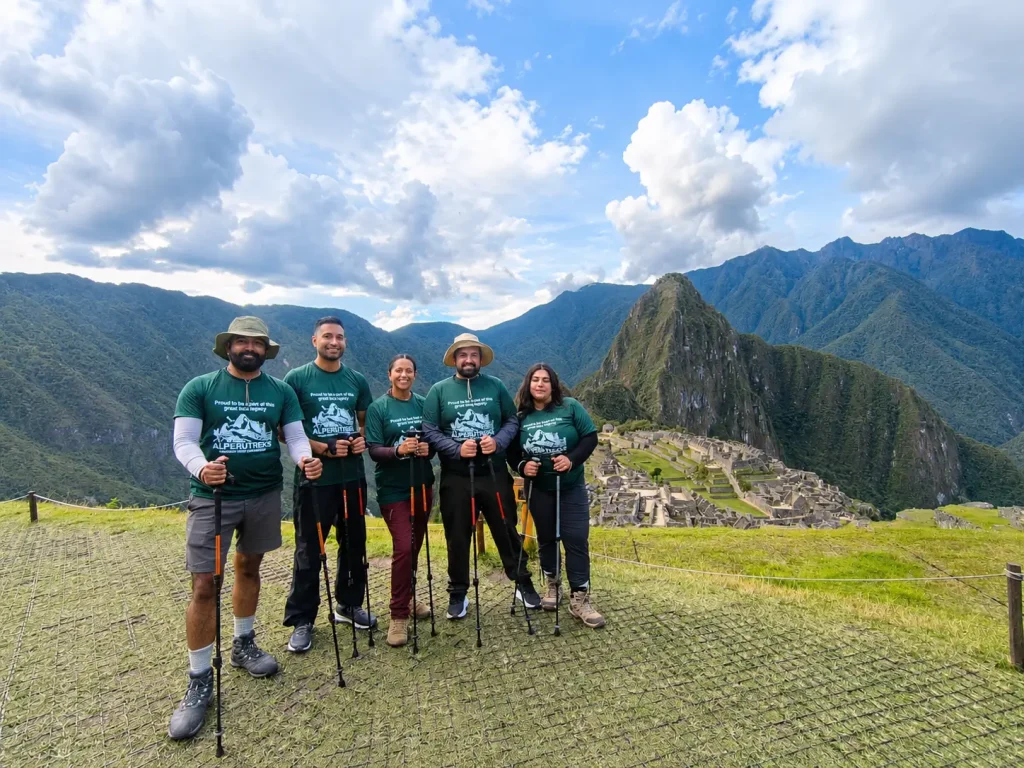

How Much to Tip Inca Trail Porters
Tipping is a standard and genuinely expected part of the trek—it’s not included in the advertised trek price by any operator, and porters, cooks, and guides depend on it as a real part of their income. Published guidance varies somewhat depending on the source and trek length:
| Role | Typical Tip Range |
|---|---|
| Each porter | Roughly $8–12 per day, or $20–30 total for a shorter trek, per operator guidance |
| Chef | Generally tipped at a similar or slightly higher rate than individual porters |
| Guide | Often tipped at a higher rate than porters and chefs combined, reflecting their role |
These ranges aren’t identical across every source—exact amounts depend on group size, trek length, and service level, and operators sometimes phrase recommendations as a daily rate or a trip total. For a fuller breakdown of tipping alongside other trek costs, see the Inca Trail Cost guide. Bring small bills in Peruvian soles, since porters and crew are rarely in a position to make change from large denominations or foreign currency.
Porters vs. Guides vs. Chefs: Who Does What
It’s a common point of confusion for first-time trekkers, so worth laying out plainly:
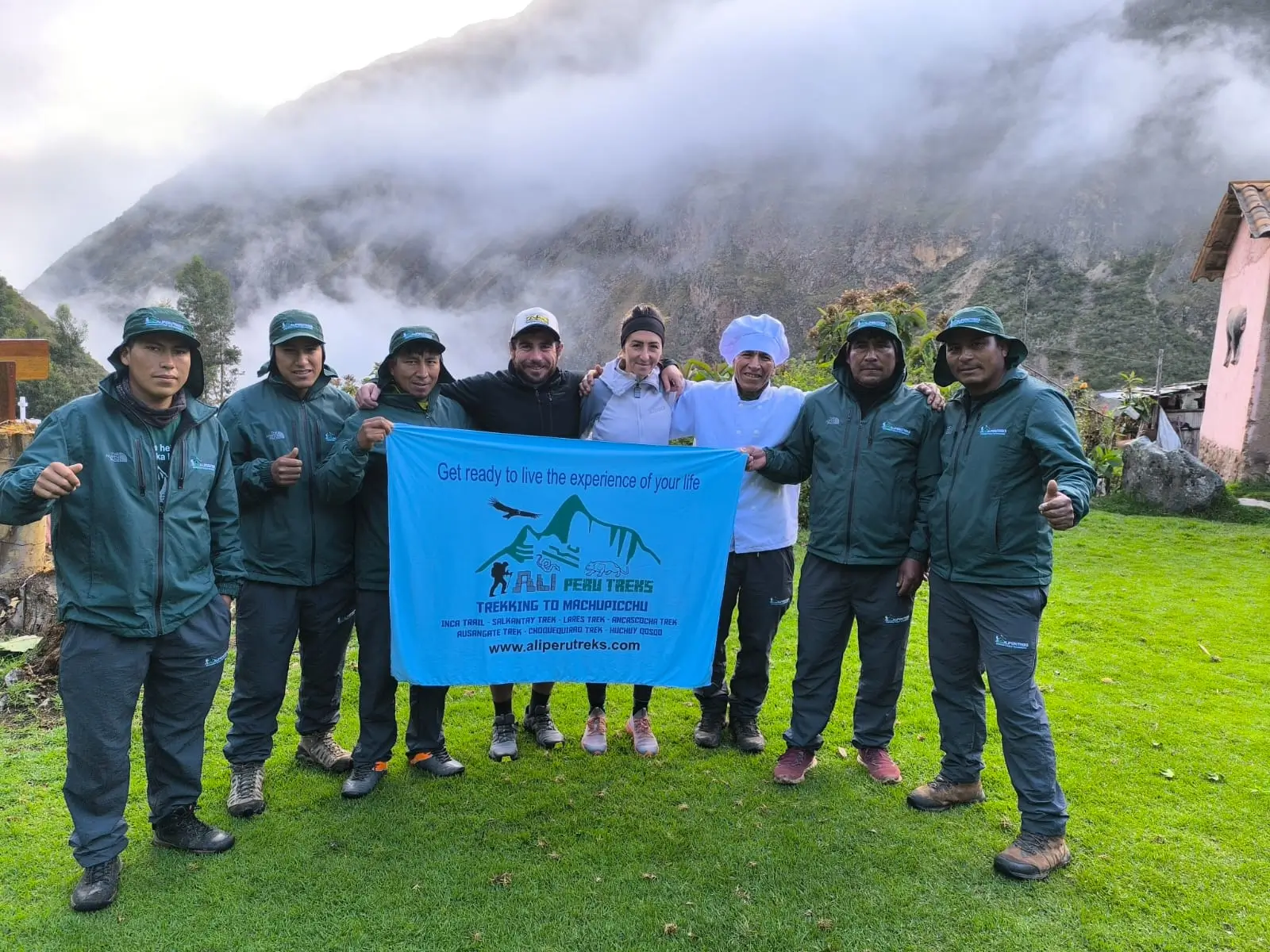
- Porters carry group equipment (and your duffel, within its weight allowance) between campsites, generally moving ahead of the group to have camp ready on arrival.
- The chef prepares meals at each campsite, typically assisted by porters with food transport and setup.
- The guide leads the group, manages pacing, explains the archaeological sites along the way, and handles permits and logistics—they don’t carry group equipment.
On the Classic Inca Trail and most alternative routes, all three roles work as a coordinated team, and the size of that team scales with your group size.
Choosing an Operator That Treats Its Porters Well
Since the Inca Trail permit system requires booking through a licensed operator, the operator you choose directly determines how the porter team on your trek is treated—this isn’t something you can verify independently once you’re on the trail. Asking direct questions before booking (carrying limits, insurance, wages, equipment provided) is a reasonable and increasingly common practice, and a transparent operator should have straightforward answers ready.
FAQ: Inca Trail Porters
Peruvian law caps porter loads at 25 kg (55 lbs). This covers shared group equipment, separate from the smaller personal duffel allowance given to trekkers.
Guidance varies by operator and trek length but commonly falls in the range of roughly $8–12 per porter per day, or $20–30 total for shorter treks. Bring small bills in Peruvian soles.
Only the portion you check into your duffel bag, typically limited to 5–7 kg (11–15 lbs) and including your sleeping bag. What you carry in your daypack during the day’s hike is your own responsibility.
Most come from rural Quechua-speaking communities in the Cusco region, for whom portering work is a meaningful part of the local economy.
Ask directly: what’s their maximum carrying load, are porters insured, and what wages and equipment are provided? A transparent, licensed operator should be able to answer specifically rather than vaguely.