
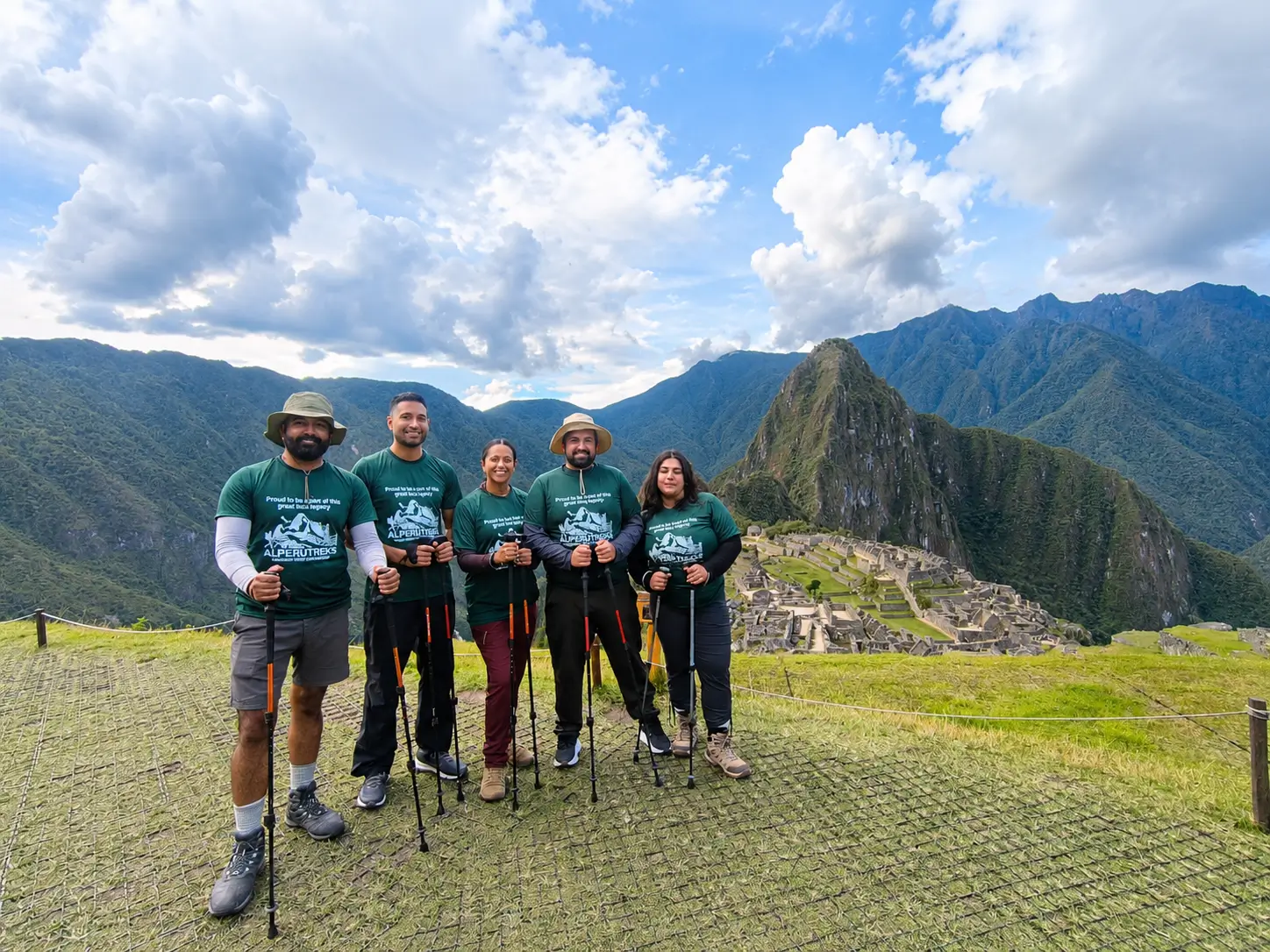
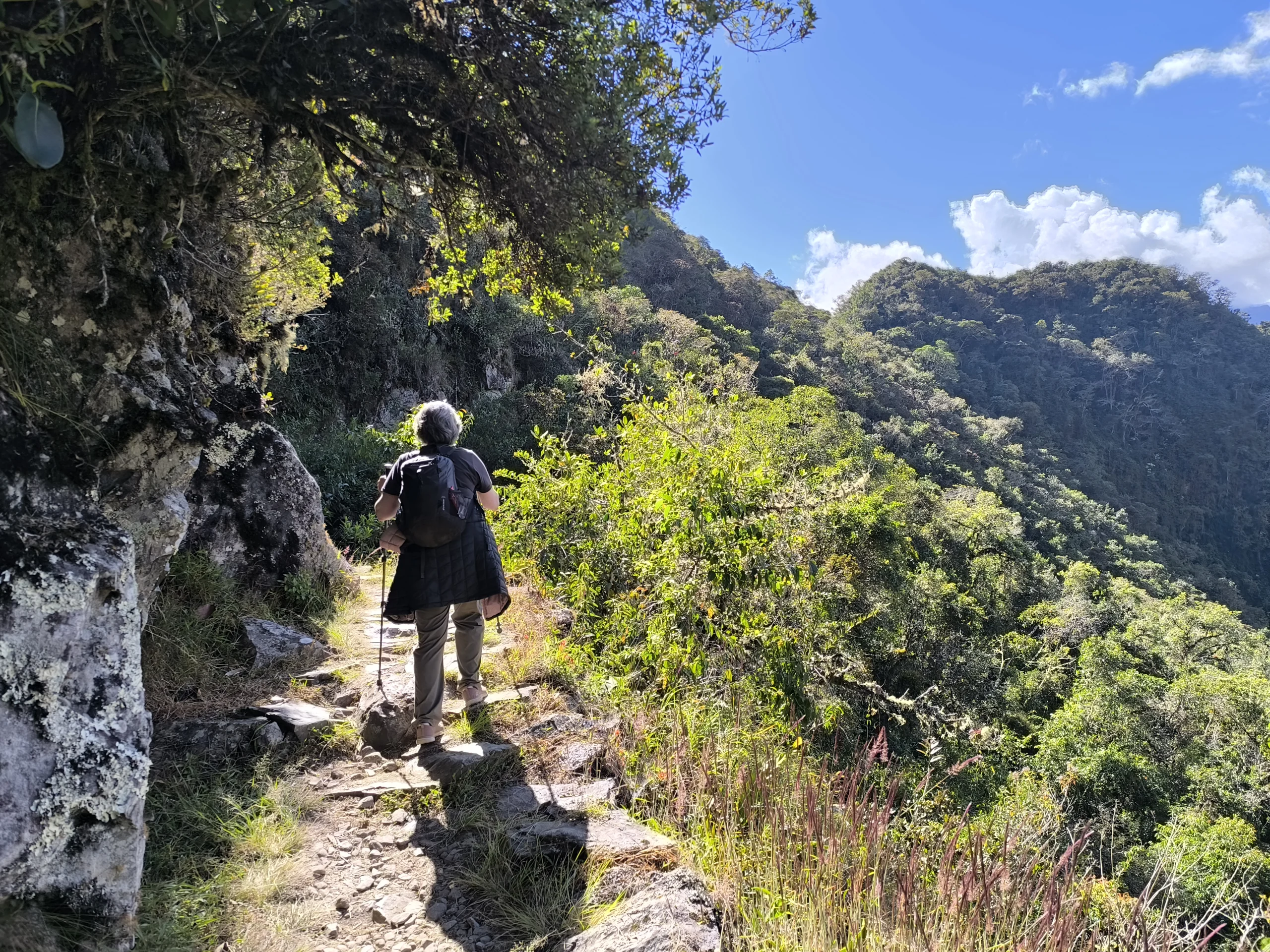
The Inca Trail is a protected archaeological route, so it runs under rules most trails don’t have. The Peruvian Ministry of Culture caps entry at 500 people per day (guides, cooks, and porters included, which leaves roughly 200 spots for trekkers). Every permit is tied to one passport and cannot be transferred. You can only hike with a licensed operator. Poles must have rubber tips, and the trail closes every February.
Below is each rule in plain terms, what it means for your packing and planning, and where rules differ between sources.
Access and Permit Rules
| Rule | What it means |
|---|---|
| Daily cap of 500 people | Includes trekkers, guides, cooks, and porters, so only about 200 permits per day go to travelers. |
| Licensed operators only | Independent hiking on the classic trail is not allowed. |
| Permit tied to one passport | Non-transferable; dates cannot be changed, and cancellations are not refundable. |
| Passport checked on the trail | Rangers compare your physical passport against the official permit database at checkpoints. |
| February closure | The classic trail closes every year for maintenance and heavy rain. |
| Short Inca Trail quota | Runs on a separate quota of 250 permits per day |
Because permits sell out months ahead, our Inca Trail availability and permits guide and the 2027 permit calendar cover booking windows. This article focuses on what the rules require once you’re booked.
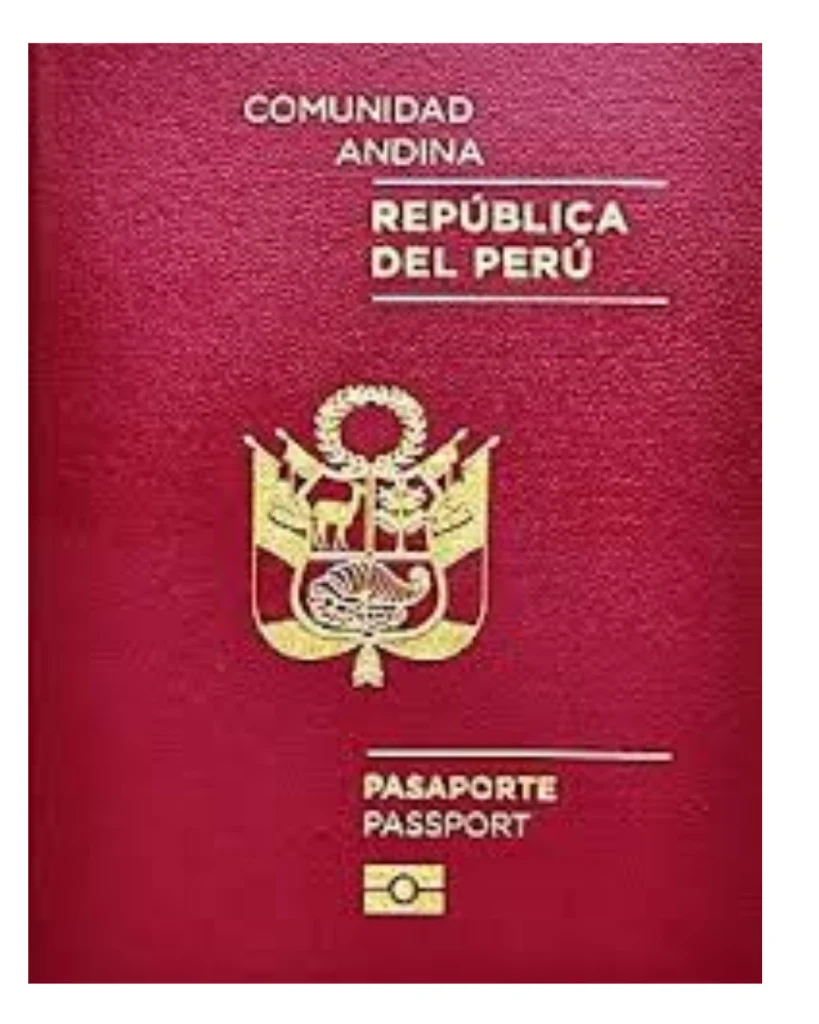
Passport rules deserve extra attention.
A typo in your passport number or birthdate can invalidate a permit at a checkpoint. Book with the exact passport you will travel with. If it is close to expiring, book with the current one and carry both on the trek. Passports are checked at the trailhead and stamped at Machu Picchu, and travelers without one are turned away at the Km 82 checkpoint.
Rules on the Trail
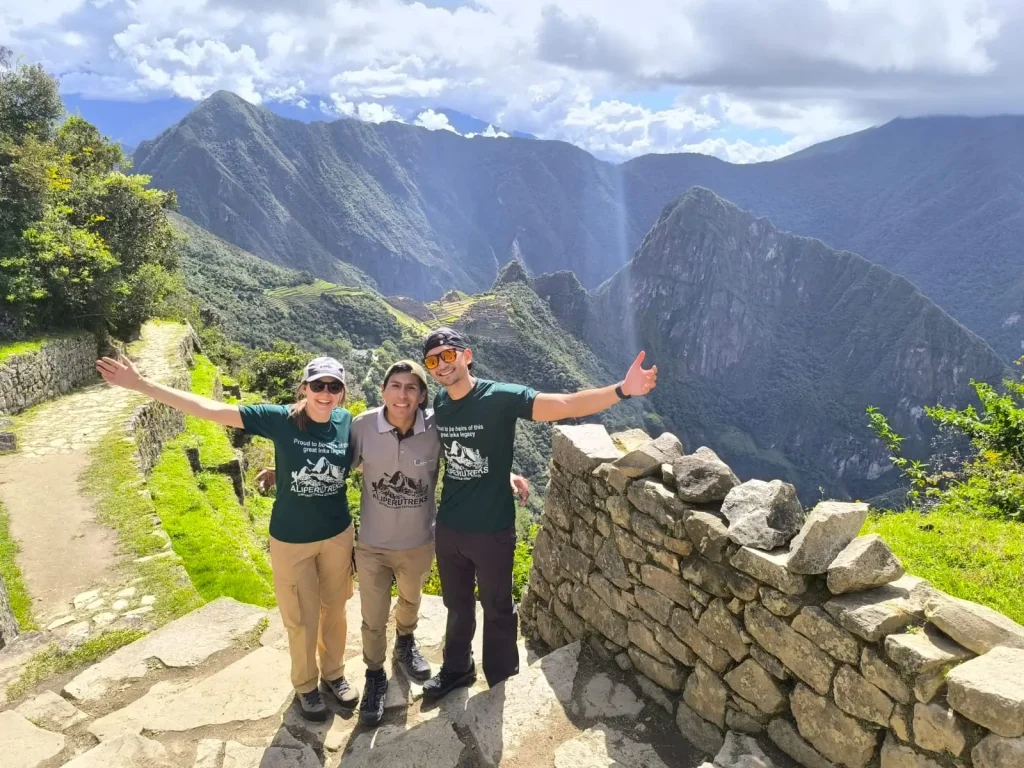
Sources describing the Ministry of Culture’s regulations agree on the following conduct rules. One of the most detailed public summaries dates from 2020, so treat specifics as a guide and confirm current details with your operator.
- Stay on the trail and in assigned camps. Camping or overnighting outside designated campsites is prohibited.
- Trail hours. Use of the trail is prohibited roughly from 7:00 pm to 5:00 am, except in exceptional cases.
- Don’t touch the heritage. Climbing walls, scratching or marking monuments, graffiti, and altering the landscape are all banned.
- No fires near monuments or natural areas.
- Protect wildlife and plants. Disturbing animals or plants is prohibited.
- No motorized vehicles or bicycles.
- No hiking while intoxicated or under the influence of drugs.
- Groups stay with their guide. Guides cannot abandon a group, and travelers cannot be moved between groups.
If you want to know what you will really see while hiking within these limits, see the Dead Woman’s Pass guide for the toughest day.
What You Can and Can’t Bring
| Item | Status |
|---|---|
| Trekking poles with rubber tips | Allowed (required) |
| Trekking poles with bare metal tips | Prohibited, to protect the Inca stone paving |
| Single-use plastic water bottles | Prohibited; bring a reusable bottle. |
| Drones | Prohibited across the trail network and Machu Picchu without authorization |
| Glass containers | Prohibited |
| Sound equipment and musical instruments | Prohibited |
| Alcohol and drugs | Prohibited on the trail |
| Weapons, hunting gear, axes, machetes, and tools | Prohibited |
| Backpacks over 40 L | Not allowed inside Machu Picchu |
Poles are the item that catches people most often. Pack rubber tips or confirm your operator can supply them. For the full packing system, including the duffel allowance that porters carry, use the Inca Trail packing list.
Rules That Protect Porters
Peruvian law limits the load a porter may carry. Our Inca Trail porters guide explains the limits and tipping. Your duffel allowance is typically 5-7 kg (11-15 lbs), including your sleeping bag and pad, and exceeding it usually means leaving items behind or paying for extra support. Note that sources differ slightly on the exact porter limit, so ask your operator which figure they follow.
Leave No Trace: Waste Rules
Operators must separate waste into organic and inorganic, carry it out, and dispose of it outside the Historic Sanctuary of Machu Picchu. In practice this means the support team packs out trash, and you should pack out your own wrappers and tissue. A reusable bottle, which the plastic ban effectively requires, is the single easiest way to comply.
Machu Picchu Entry Rules
Reaching Machu Picchu doesn’t end the rules:
- Visitors choose one of the official circuits before entering, and entry times are fixed.
- Re-entry after leaving is not permitted.
- Machu Picchu’s maximum capacity is 4,500 visitors per day.
- Bags over 40 L and poles without rubber tips are not allowed inside.
Our new Machu Picchu circuits guide explains how to choose your route.
Common Rule Mistakes First-Timers Make
- Booking with wrong passport details. Permit data is checked against your physical passport, so a mismatch can mean being turned back at Km 82.
- Packing metal-tipped poles without rubber covers.
- Arriving without the passport you booked with or with one near expiry and no backup.
- Overpacking the duffel. The weight allowance exists to protect porters.
- Bringing disposable plastic bottles instead of a reusable one.
- Assuming the permit includes Machu Picchu entry. It no longer does, so confirm with your operator that your site ticket and circuit are booked separately.
None of these is hard to avoid, but each one is far easier to fix at home than at a checkpoint.
Do the Rules Apply to Other Treks?
Not equally. The 500-person cap and February closure are specific to the classic corridor. The Short Inca Trail has its own quota, and routes like the Ancascocha Trek have no permit cap. Machu Picchu entry rules apply to all of them. To compare routes by cost, see Inca Trail cost.
Choosing an Operator That Follows the Rules
Since a licensed operator is mandatory, their compliance becomes yours: porter loads, waste handling, group handling, and permit data accuracy. Ask how they handle each, and see our guide to choosing an Inca Trail operator. If you’re ready to book, the 4-day Classic Inca Trail includes permits handled by your operator.
FAQ: Inca Trail Rules and Regulations
No. The classic trail requires booking through a government-licensed operator, and independent hiking isn’t allowed.
500 per day, including guides, cooks, and porters, which leaves roughly 200 spots for trekkers.
Permits are tied to your passport and are non-transferable. Dates cannot be changed, and cancellations are not refundable.
Yes, but only with rubber tips. Bare metal tips are forbidden to protect the ancient stone paving.
No. Drones are prohibited across the trail network and at Machu Picchu without authorization.