
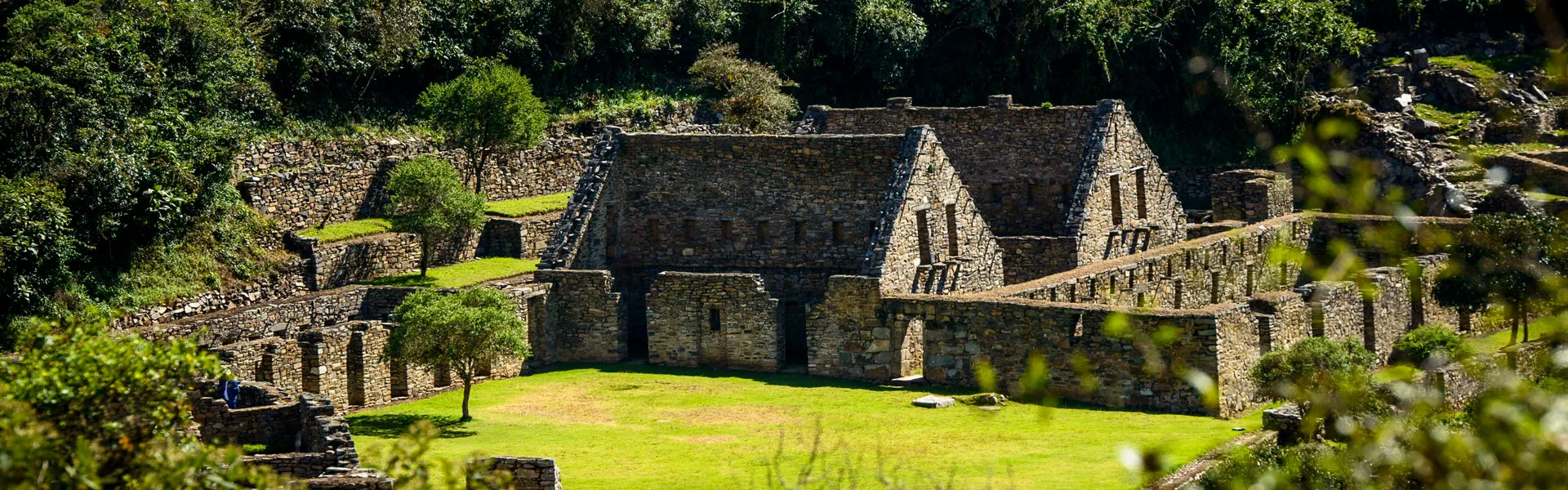
Is Choquequirao Open? Rainy-Season Closures and Trail Conditions
Yes, Choquequirao is open. The archaeological park reopened in the second half of April 2026, after a rainy-season closure that began on February 1, 2026. However, Peru’s Ministry of Culture has closed the site during heavy rains in several recent years, so if you plan to visit between December and April, expect the possibility of a closure and check the status shortly before you travel.
Choquequirao Status Right Now
As of November 2026, the main access route from Cachora via Capuliyoc is open and treks are running. We have not seen an official announcement of a closure for the 2026–2027 rainy season.
That can change quickly. Closures in recent years were announced only a few weeks in advance, once regional authorities assessed the risk of landslides and rockfall along the trail. If your trek falls between December and April, keep your plans flexible and confirm the status with your operator before you go.
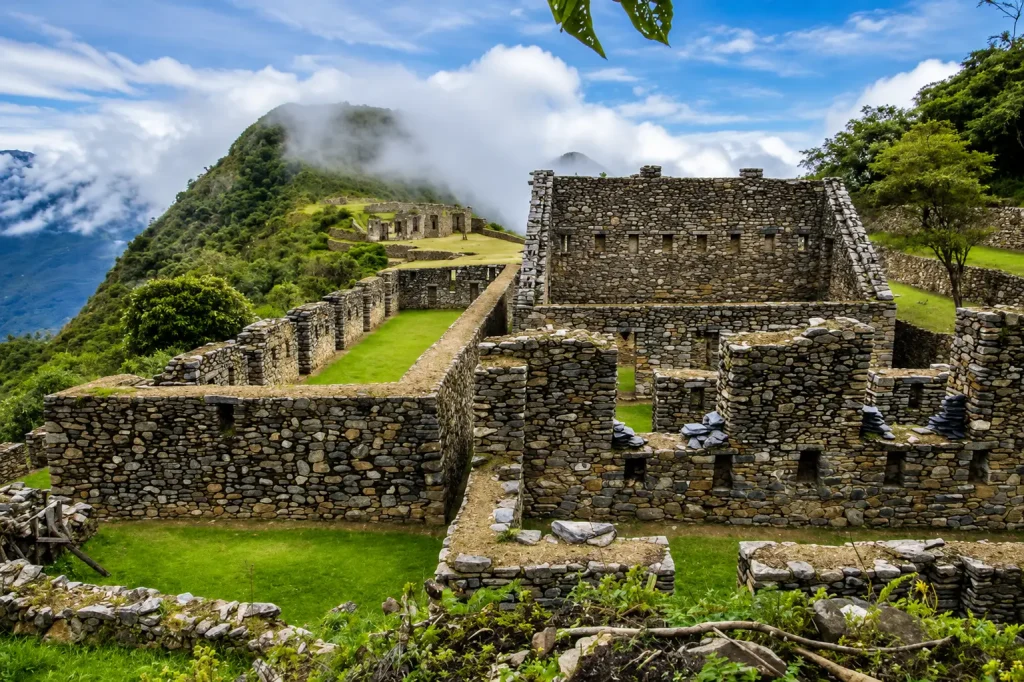
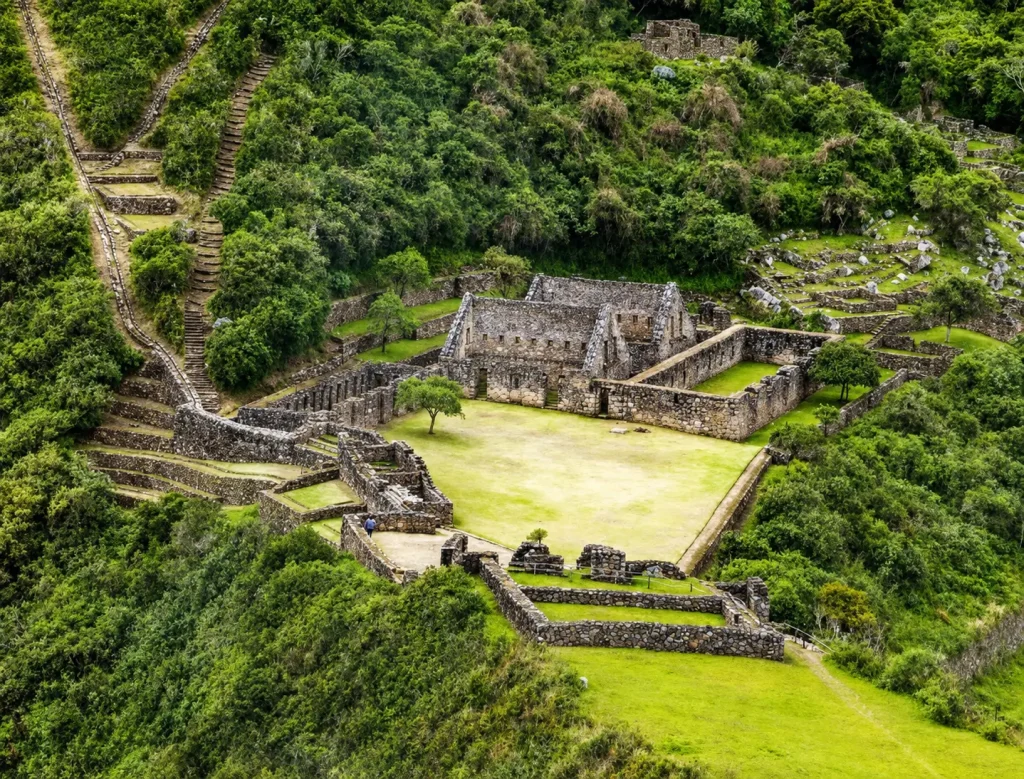
Recent Closures at Choquequirao
| Season | What happened |
|---|---|
| 2022–2023 | Visits to the archaeological site were suspended from December 1, 2022, as a preventive measure against landslides and rockfall. |
| 2025 | The site was closed from March 10 to April 17, 2025. |
| 2026 | Access was suspended from February 1, 2026, covering all routes into the park, including Cachora, Santa Teresa, and Mollepata. The suspension was first set for about 30 days but lasted longer while the main trail was repaired. |
| April 2026 | Authorities announced the reopening of the Capuliyoc–Cachora route from April 15, 2026, and visitors returned in the second half of April. |
The pattern is clear: closures, when they happen, fall between December and April, and they usually last weeks to a couple of months rather than days.
Why Choquequirao Closes in the Rainy Season
The site itself is not the problem. The risk lies on the access trails. The main route from Capuliyoc drops more than 1,000 m into the Apurímac Canyon, crosses the river at Playa Rosalina, and climbs about 1,500 m back up to the ruins. Much of that trail is cut into steep, unstable slopes.
During heavy rain, these slopes can produce landslides and falling rocks. In past seasons, rockfall has damaged the bridge area at Playa Rosalina, which is the only river crossing on the main route. Ravines along the trail can also flood. When the risk becomes too high, the Ministry of Culture, together with regional tourism and disaster-risk offices, suspends access to protect visitors, guides, muleteers, and the communities along the route.
Trail Conditions by Season
| Months | Season | What to expect |
|---|---|---|
| May to September | Dry | Most reliable conditions. Hot in the canyon by day, cool at night at Choquequirao. Main trekking season. |
| April and October | Transition | Usually trekkable. Showers are possible, and April can follow a closure. |
| November | Early rains | Rain increases; trails start to get muddy. Closures are less common but possible. |
| December to March | Rainy | Slippery trails, mud, and real landslide risk. Highest chance of a closure. |
Even in the dry season, the canyon floor at around 1,550 m can be very hot in the middle of the day, so most groups start early. Our Choquequirao trek difficulty guide explains what the descent and climb feel like.
How to Check Whether Choquequirao Is Open
Official closures are announced by Peru’s Ministry of Culture through its regional office in Cusco (the Dirección Desconcentrada de Cultura), usually in coordination with the regional tourism office and disaster-risk authorities. Announcements are published in Spanish on the Ministry’s channels and are widely covered by Peruvian news outlets such as Andina, the state news agency.
In practice, the simplest way to check is to ask your trekking operator a few days before departure. Local operators follow these announcements closely, because a closure affects their muleteers, cooks, and campsites as well as their clients. Be careful with older news stories: closure notices from previous years are still online and are easy to mistake for current ones. Always check the year on any announcement you find.
What the Trail Is Like When It Reopens
After a closure, the main trail is cleared and repaired before visitors return, but expect some signs of the rainy season. Sections may be muddy or narrowed by small slides, and work crews can still be active in April and May. The dry months that follow are usually the most comfortable time on the trail, with firm footing and clear views across the Apurímac Canyon.
Planning a Trek Between December and April
You can still plan a trek in the rainy season, but go in with your eyes open.
- Book with flexibility. Ask your operator what happens if the site closes before your trek. A good operator will offer a different date or an alternative route.
- Have a backup route. If Choquequirao closes, the Salkantay Trek and the Lares Trek are common alternatives that also finish at Machu Picchu. Our guide to alternatives to the Inca Trail compares several routes.
- Check close to departure. Closures have been announced in mid-January for February 1, so status in December does not guarantee access in February.
- Pack for rain. A waterproof jacket, pack cover, quick-dry layers, and boots with good grip matter more than usual. Our trekking gear list covers what we provide.
- Remember Machu Picchu. Your Machu Picchu ticket is tied to a date. If the trek changes, the ticket may need to change too.
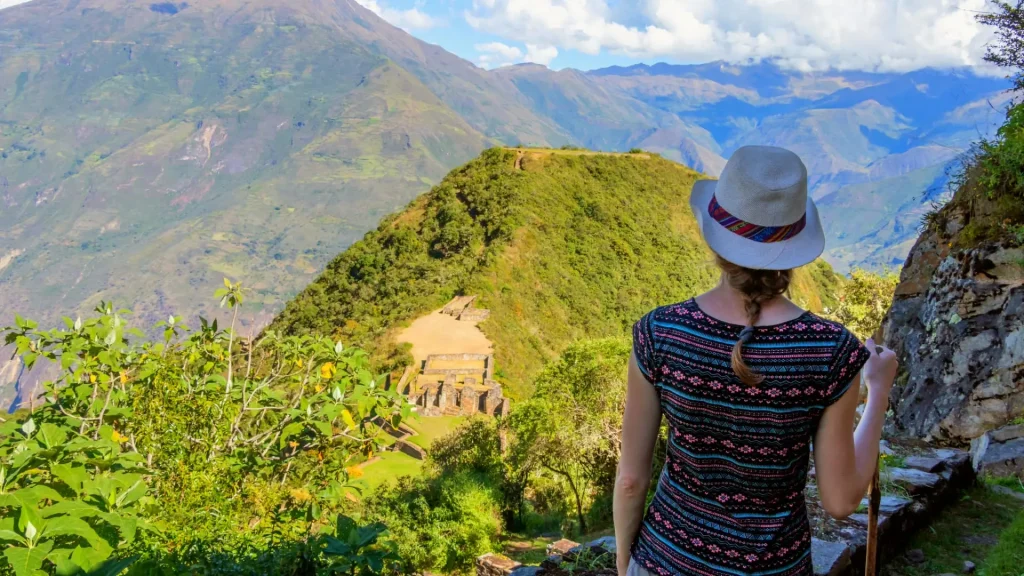

Which Choquequirao Treks Are Affected?
A closure affects every route into the park, because the ruins themselves are closed. That includes:
- The 6-day Choquequirao to Machu Picchu trek, which hikes in and out from Capuliyoc.
- The 8-day Choquequirao trek to Machu Picchu, which continues over the Vilcabamba range to Aguas Calientes.
- Shorter out-and-back treks from Cachora.
In 2026, the closure also covered the access sectors from Santa Teresa and Mollepata, so longer routes that reach Choquequirao from the Salkantay side were affected too.
What About the Inca Trail and Humantay?
Choquequirao is not the only site affected by rain. The Classic Inca Trail closes every February for maintenance. In 2026, authorities also suspended access to Humantay Lake during the heaviest rains. If you are planning several activities in the rainy season, check each one separately.
Will the Cable Car Change This?
A cable car to Choquequirao has been proposed for years and is still in the bidding stage. Even if it moves forward, construction is expected to take several years, so for the foreseeable future the trail remains the only way in, and rainy-season closures will remain possible.
Frequently Asked Questions
Yes. Choquequirao reopened in the second half of April 2026 after a rainy-season closure that began on February 1, 2026. As of November 2026, no closure has been announced for the 2026–2027 rainy season, but check before traveling between December and April.
There is no fixed closing date. In recent years, closures have been announced during heavy rains, from December 1 in 2022, from March 10 in 2025, and from February 1 in 2026. They have lasted from several weeks to about two and a half months.
May to September is the most reliable period, with dry trails and the lowest risk of closures. April and October usually work but are less predictable.
It depends on your operator’s policy. Ask before you book. The usual options are moving to a different date or switching to another route to Machu Picchu, such as Salkantay or Lares.
The main trail crosses the steep Apurímac Canyon, where heavy rain can trigger landslides and rockfall, and the Playa Rosalina river crossing is exposed. Closures are preventive measures to protect visitors and local workers.