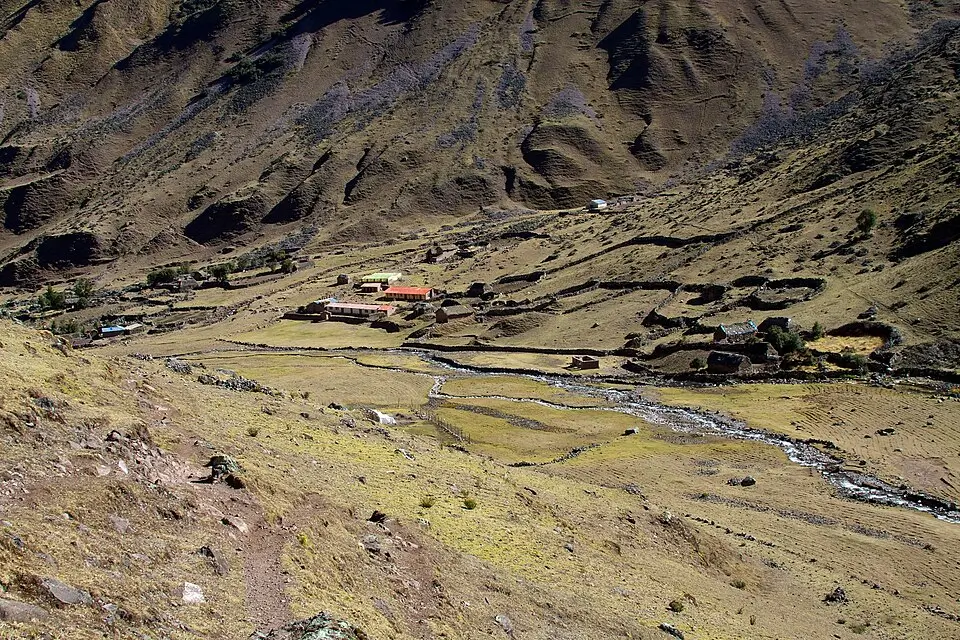
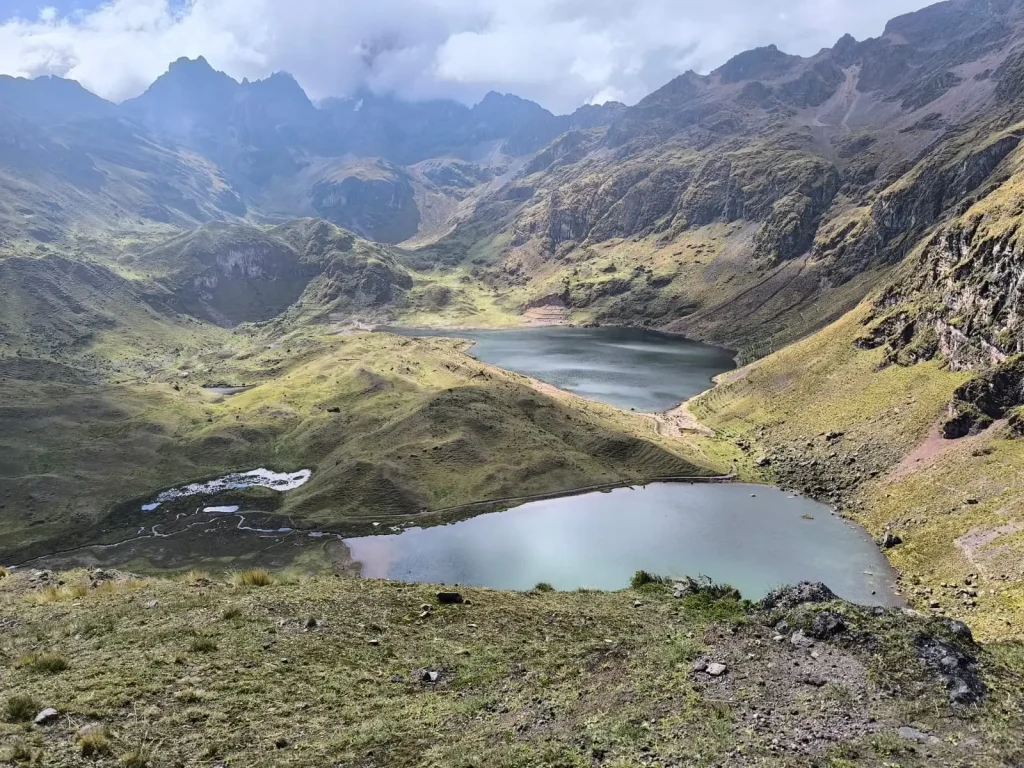
If you are planning an adventure in Peru, you might be wondering if you have what it takes to conquer the Andes. The Lares route is famous for its cultural immersion and stunning alpine lakes, but understanding the true lares trek difficulty is crucial before you book.
While it lacks the steep, original Inca stone steps of the classic trail, the sheer altitude makes this a moderate to challenging endeavor for the average traveler.
Let’s break down exactly what to expect so you can train properly and enjoy every mile of your journey.
Contents
Breaking Down the Lares Trek Difficulty
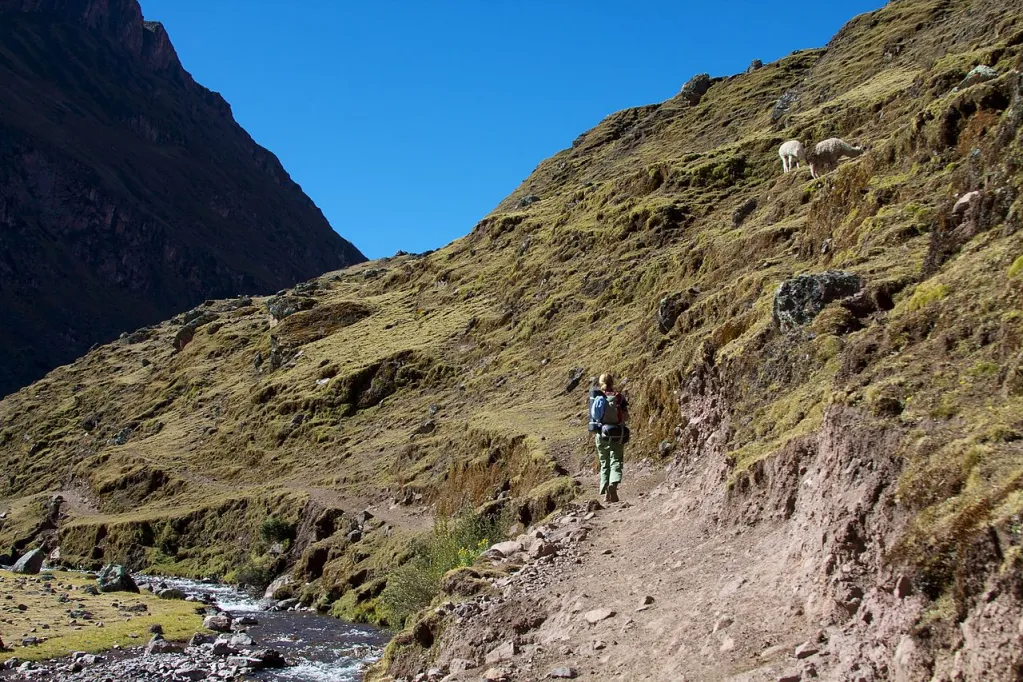
The most important thing to know is that the terrain itself is not highly technical. You won’t need climbing gear, and there are no terrifying, narrow cliff drops.
The primary factor determining the lares trek difficulty is the high elevation. Hiking at over 14,000 feet means less oxygen, which makes even a gentle incline feel like a strenuous workout.
Because of this, building a solid lares trek fitness level is highly recommended. You don’t need to be an Olympic athlete, but regular cardiovascular exercise (like running, cycling, or using the stair-stepper) for a few months before your trip will make a massive difference.
Trail Stats: Distance and Elevation
A common question we hear from American travelers is: how many miles is lares trek?
While the exact itinerary can vary slightly depending on the campsites used, the standard lares trek distance is approximately 21 miles (34 kilometers). This distance is typically spread out over three days of hiking, with the fourth day dedicated to exploring Machu Picchu.
To truly understand the physical demand, you have to look at the climbs. Explore the interactive lares trek elevation profile below to see exactly how much altitude you will gain and lose each day:
Essential Trek Details
Before you pack your bags, here are the core facts you need to prepare for the elements:
- Maximum Altitude: You will reach elevations up to 15,400 feet (4,700 meters) at the highest pass (Sicllaccasa or Pachacutec pass, depending on the exact route).
- Climate: Expect dramatic temperature swings. Daytime temperatures under the intense Andean sun can reach 65°F (18°C), while nights often drop below freezing (20°F / -6°C).
- Best Season: The dry season, from May to October, offers the safest trail conditions and the clearest views of the snow-capped peaks.
- What to Bring: Focus on layers. You will need a moisture-wicking base layer, an insulating fleece, a windproof/waterproof shell, and a zero-degree sleeping bag for the cold nights.
Expert Tips for a Safe Hike
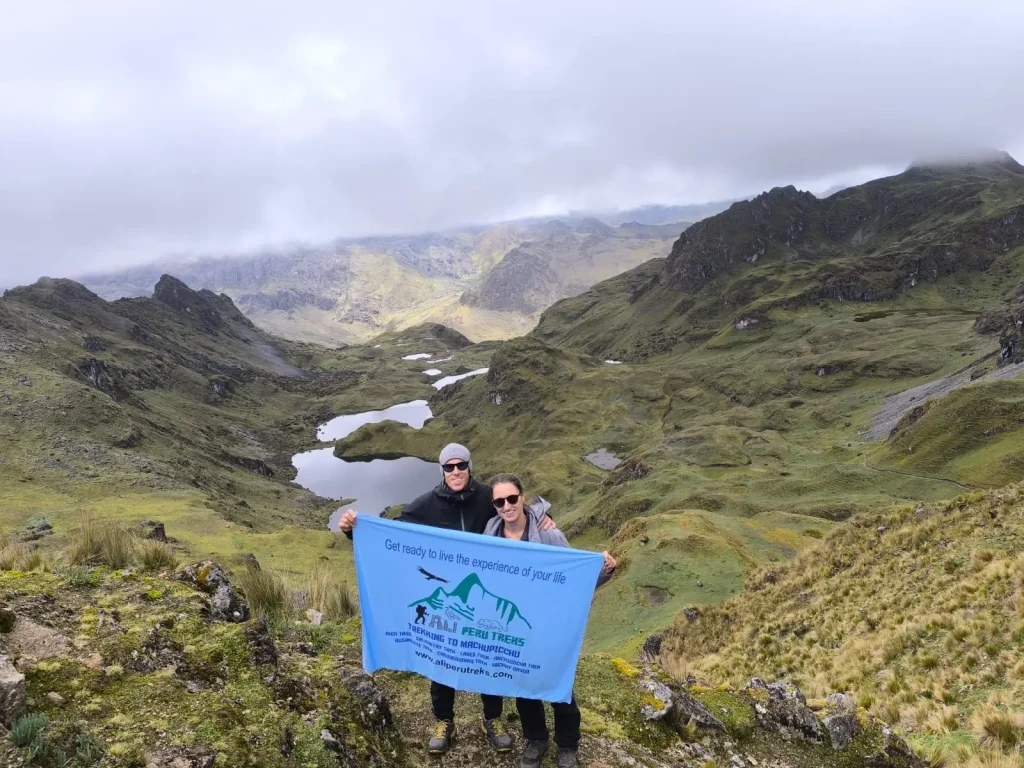
As local experts at Ali Peru Treks, we’ve guided countless international travelers through these mountains. Here are our top tips for conquering the trail safely:
- Take Acclimatization Seriously: This is non-negotiable. Plan to spend at least 2 to 3 days in Cusco (11,150 feet) or the Sacred Valley before you start trekking. Your body needs time to produce more red blood cells.
- Pace Yourself: The Andes are not a race. Walk slower than your normal pace, take small steps on the inclines, and practice deep, rhythmic breathing.
- Stay Hydrated: At high altitudes, you lose moisture quickly through respiration. Drink at least 3 liters of water a day to help stave off altitude sickness.
Ready to Conquer the Andes?
In summary, the lares trek difficulty is absolutely manageable for active travelers who prepare correctly and respect the altitude. By training ahead of time and pacing yourself on the trail, you will be rewarded with one of the most culturally rich and visually stunning experiences in Peru.
Are you ready to step off the beaten path? At Ali Peru Treks, our local guides are experts in high-altitude pacing and safety. Check out our fully guided Lares Trek itineraries today, and let us help you turn this challenging climb into the triumph of a lifetime!