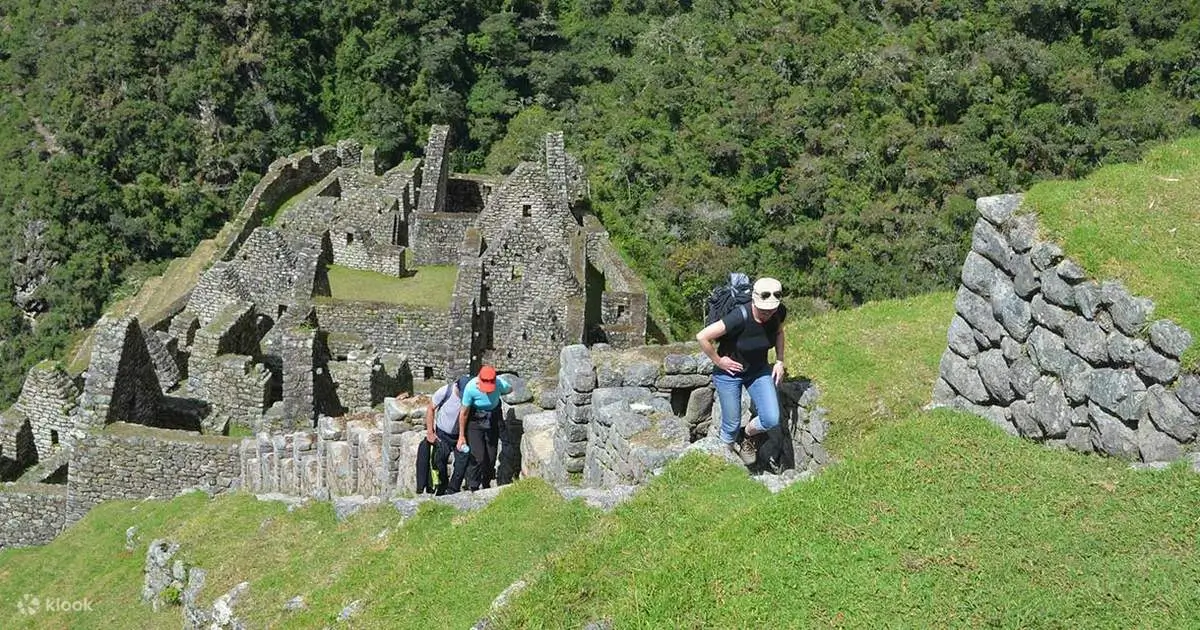
You’ve dreamed of walking the ancient stone paths of the Inca Empire and arriving at Machu Picchu through the legendary Sun Gate — but you’re stuck on one crucial decision: short Inca Trail vs classic 4-day route. Both lead to the same breathtaking destination. Both cross some of the most dramatic Andean landscapes on Earth. But they offer very different journeys, and choosing the wrong one could mean missing the experience you really came for.
In this guide, the expert team at Ali Peru Treks breaks down everything you need to know — from distance and altitude to difficulty, permits, and the best season to go — so you can make the right call with confidence.
Contents
- 1 Inca Trail 2 Days vs 4 Days: At a Glance
- 2 The Route Breakdown: What You Actually Experience on Each Trek
- 3 Inca Trail Altitude: What You Need to Know Before You Go
- 4 Inca Trail Difficulty: How Hard Is Each Route, Really?
- 5 Who Should Choose Which? A Practical Decision Guide
- 6 Best Season for the Inca Trail: When to Go
- 7 What to Pack: Essential Gear for Both Routes
- 8 Expert Tips from Ali Peru Treks Guides
- 9 Short Inca Trail vs Classic: The Honest Verdict
- 10 Ready to Walk the Inca Trail? Ali Peru Treks Is Your Local Expert
Inca Trail 2 Days vs 4 Days: At a Glance
Before diving deep, here’s your fast-reference side-by-side comparison of both routes:
| Feature | 2-Day Short Inca Trail | Classic Inca Trail 4 Days |
|---|---|---|
| Duration | 2 days / 1 night | 4 days / 3 nights |
| Distance | 12 km (7.5 miles) | 43 km (26.7 miles) |
| Max Altitude | 3,700 m / 12,139 ft | 4,215 m / 13,828 ft |
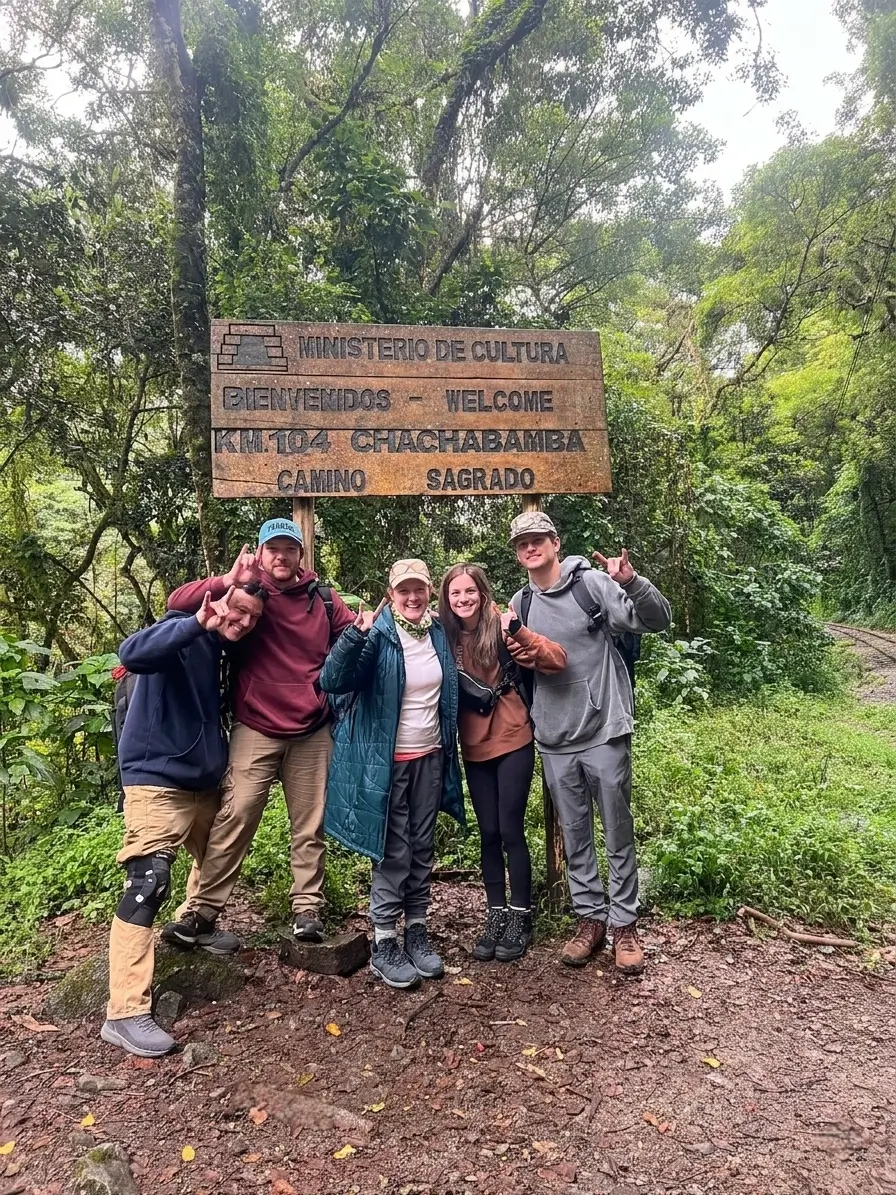
| Trailhead | Km 104 (Chachabamba) | Km 82 (Ollantaytambo area) |
| Campsites | 1 (Chachabamba) | 3 (Wayllabamba, Pacaymayu, Wiñay Wayna) |
| Permit Demand | Lower — easier to book | 500/day quota — sells out months ahead |
| Difficulty | Moderate | Moderate to Challenging |
| Arrives at Sun Gate | Yes | Yes |
| Ruins Along the Route | Chachabamba, Phuyupatamarca | Llaqtapata, Runkurakay, Sayacmarca, Phuyupatamarca, Wiñay Wayna + more |
| Best For | Tight schedules, altitude-sensitive travelers | Full Andean immersion, bucket-list trekkers |
The Route Breakdown: What You Actually Experience on Each Trek
The 2-Day Inca Trail to Machu Picchu
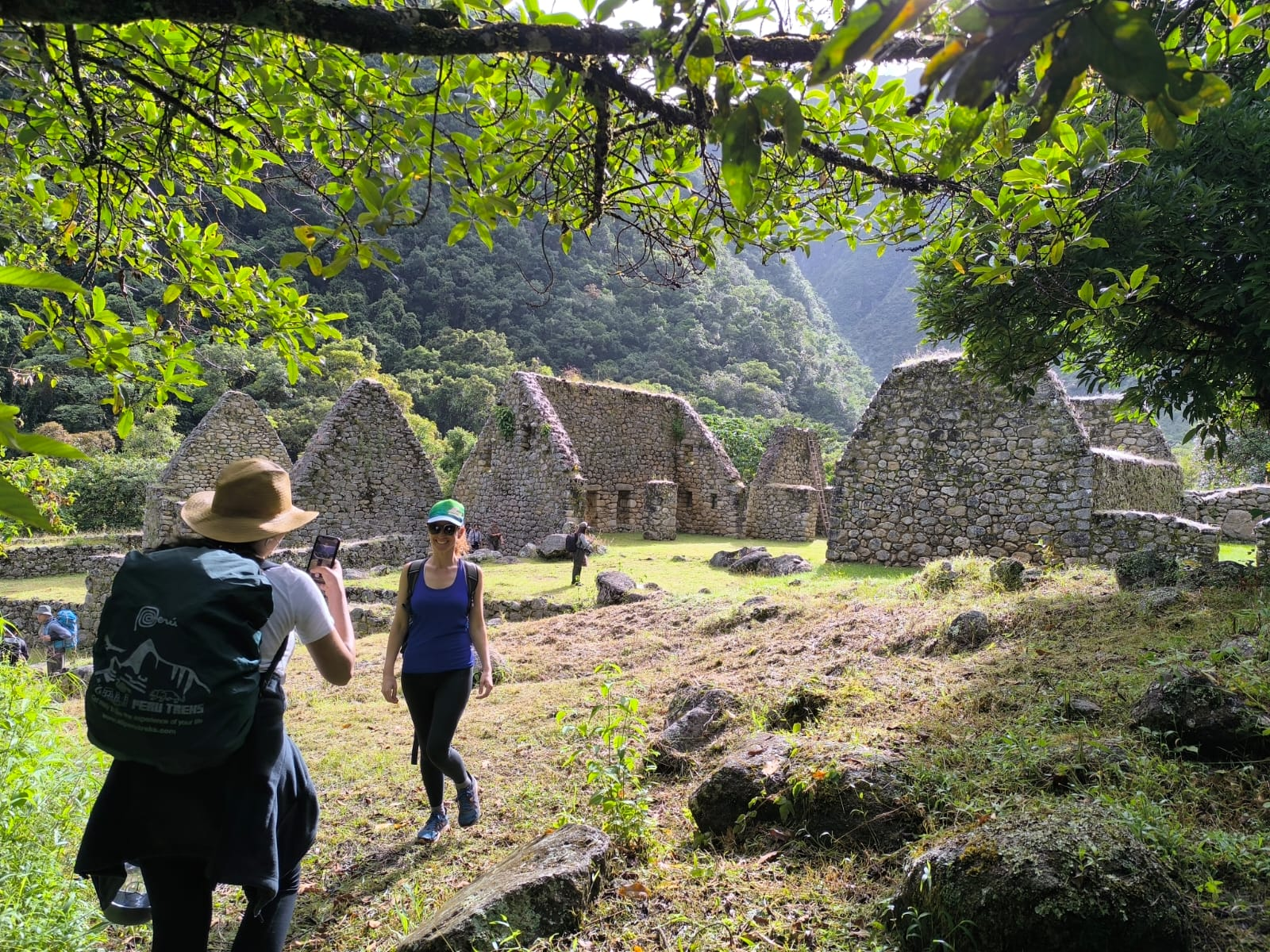
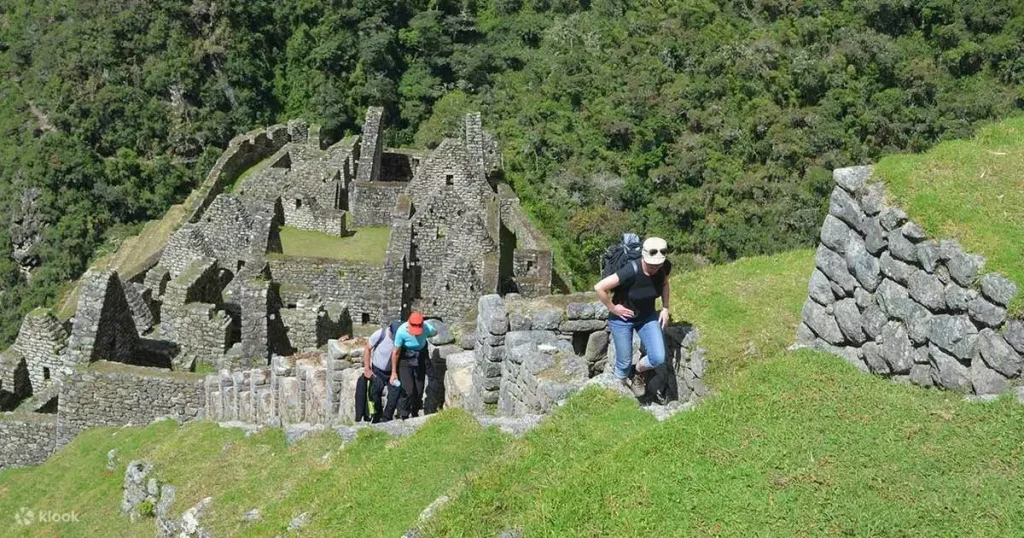
The short Inca Trail Peru starts at the km 104 trailhead along the Urubamba River — picking up where the classic route has already spent two full days. You’ll trek through cloud forest, past the ruins of Chachabamba and Phuyupatamarca, reach the famous Inca Drawbridge, and arrive at Machu Picchu through the Sun Gate on day two.
It’s a genuine Inca Trail experience: original cobblestone paths, real archaeological sites, jungle canopy, and mountain views — compressed into two powerful days. Perfect if your schedule is tight or if altitude concerns make a shorter exposure preferable.
Important: Even on the 2-day option, you enter Machu Picchu through the legendary Sun Gate at sunrise. That moment — mist rising over the citadel — is identical whether you walked 12 km or 43 km to get there.
The Classic Inca Trail 4 Days 3 Nights
The Inca trail 4 days 3 nights begins at km 82 near Ollantaytambo and takes you through the full spectrum of Andean ecosystems: high-altitude puna grasslands, cloud forest, subtropical jungle, and more than a dozen Inca ruins — many only accessible on this trail.
Day 2 is the most physically demanding: crossing Dead Woman’s Pass (Warmiwañusca) at 4,215 m (13,828 ft) — the highest point on the route. By Day 3, as you descend into the lush Aguas Calientes valley, you’ll pass Wiñay Wayna, one of the finest Inca complexes in existence. Day 4 starts before dawn for the iconic Sun Gate sunrise arrival.
Inca Trail Altitude: What You Need to Know Before You Go
Altitude is the single biggest physical variable on both routes. Acute Mountain Sickness (AMS) is real and affects even fit, experienced hikers. Here’s a clear breakdown of key elevation points:
| Location | Altitude (meters) | Altitude (feet) | Route |
|---|---|---|---|
| Cusco (starting city) | 3,400 m | 11,155 ft | Both |
| Km 82 Trailhead | 2,800 m | 9,186 ft | Classic only |
| Km 104 Trailhead (Short Trail) | 2,100 m | 6,890 ft | Short only |
| Wayllabamba Camp (Night 1) | 3,000 m | 9,843 ft | Classic only |
| Dead Woman’s Pass | 4,215 m | 13,828 ft | Classic only |
| Wiñay Wayna Camp | 2,650 m | 8,694 ft | Both (end of classic Day 3) |
| Sun Gate (Inti Punku) | 2,720 m | 8,924 ft | Both |
| Machu Picchu Citadel | 2,430 m | 7,972 ft | Both |
The 2-day route keeps you mostly below 3,700 m, making altitude sickness significantly less likely. The classic 4-day route pushes you past 4,200 m on Day 2 — the most critical range for AMS. Spending at least 2 full days acclimatizing in Cusco before either trek is non-negotiable.
Inca Trail Difficulty: How Hard Is Each Route, Really?
Short Inca Trail Difficulty
- Rated moderate — suitable for most healthy adults with basic fitness.
- Day 1 involves approximately 5–6 hours of uphill and downhill hiking.
- Stone steps can be steep and uneven — trekking poles are strongly recommended.
- Day 2 is shorter (2–3 hours) with a gradual descent to the Sun Gate.
- Total elevation gain: approximately 600 m over the two days.
Classic 4-Day Inca Trail Difficulty
- Rated moderate to challenging. Day 2 (Dead Woman’s Pass) is the hardest single day.
- Total elevation gain across the 4 days exceeds 1,200 m.
- Days 1 and 3 are considered moderate. Day 4 (Sun Gate) is an easy 2-hour walk.
- Required fitness level: comfortable hiking 8–10 miles with elevation gain before the trip.
- Previous multi-day trekking experience is highly recommended but not mandatory.
Who Should Choose Which? A Practical Decision Guide
| Choose the 2-Day Short Trail If You… | Choose the Classic 4-Day If You… |
|---|---|
| Have only 2–3 days available in Cusco | Have 5+ days and solid physical fitness |
| Are sensitive to high altitude (above 4,000 m) | Want the full, unfiltered Andean experience |
| Have limited multi-day trekking experience | Love archaeology and want to visit ruins along the way |
| Are traveling with older adults or teenagers | Want to say you completed the legendary full route |
| Couldn’t secure a classic Inca Trail permit | Are comfortable sleeping in tents at altitude |
| Are combining Peru with other destinations (tight itinerary) | Can book permits 6–8 months in advance |
Best Season for the Inca Trail: When to Go
Both routes follow the same Andean climate. Here’s what you need to know about timing your trek:
| Season | Months | Conditions | Recommended? |
|---|---|---|---|
| Dry Season | May – September | Clear skies, dry trails, best views from Sun Gate | Best time to go |
| Shoulder Season | April & October | Some rain, fewer crowds, lush green scenery | Good option |
| Rainy Season | November – January | Heavy rain, slippery stones, reduced visibility | Not ideal |
| Trail Closed | February | Full maintenance closure — no exceptions | Not possible |
Pro tip from our guides: June and July are peak season — classic 4-day permits sell out 6 to 8 months in advance. If you’re planning summer travel, book by January. The short Inca Trail has less permit pressure, but should still be reserved 2–3 months ahead.
What to Pack: Essential Gear for Both Routes
- Hiking boots: Waterproof, ankle-support, fully broken in before the trek. New boots = guaranteed blisters on Inca stonework.
- Trekking poles: Essential for steep descents, especially on the classic route after Dead Woman’s Pass.
- Daypack (30–40L): Rain cover, 2–3L water bladder, sunscreen SPF 50+, lip balm, trail snacks.
- Clothing layers: Temperatures swing from 25°C (77°F) at valley level to near-freezing at night on the classic route. Moisture-wicking base layer + fleece + waterproof shell.
- Sleeping bag: Classic trail only. Rated to at least -5°C (23°F) for Pacaymayu camp on Night 2.
- Altitude medication: Consult your doctor about Acetazolamide (Diamox). Carry ibuprofen, blister kit, oral rehydration salts, and electrolytes.
- Headlamp with spare batteries: No electricity at campsites. You’ll start the Sun Gate climb at 4–5 AM in complete darkness.
- Original passport (mandatory): Required at every checkpoint. Copies are not accepted — no exceptions under any circumstances.
- Cash in Peruvian Soles (PEN): Tip for porters and guides, toilet facilities along the route, and snacks in Aguas Calientes.
Expert Tips from Ali Peru Treks Guides
Things only a local team — one that has walked every stone of both routes — would tell you:
- Arrive in Cusco at least 2 full days before the trek. Acclimatization is the single most important preparation step. Sleep in Cusco (3,400 m), eat light, drink plenty of water, and absolutely avoid alcohol the first two nights.
- Drink coca leaf tea. Locals have used it for centuries to manage altitude sickness. Our guides provide it at camp. It’s traditional, legal in Peru, and genuinely effective.
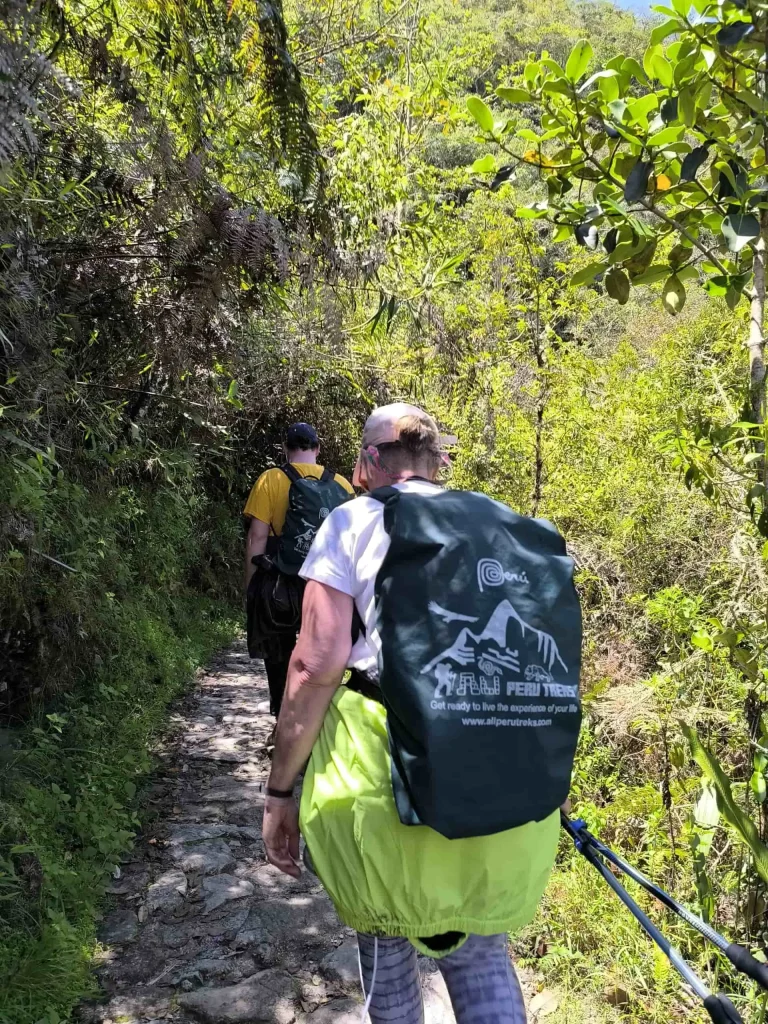
- The stone steps are the real challenge — not the distance. You’ll climb and descend thousands of hand-carved Inca steps. Poles protect your knees on the sharp descents after Dead Woman’s Pass.
- Night temperatures at Pacaymayu camp (classic, Night 2) drop below freezing. Rent or bring a sleeping bag rated to -5°C minimum. Ali Peru Treks provides tents; sleeping bags are personal gear.
- The best Machu Picchu photos are taken before 9 AM. On the classic trail you arrive at the Sun Gate around 6–7 AM — before day-trippers arrive by bus. This is your single biggest advantage over every other visitor.
- Permits are tied to your passport and are non-transferable. There is no secondary market. If you see permits being sold online — it is a scam. Book only through a licensed, government-registered operator like Ali Peru Treks.
- Tip your porters generously. They carry up to 25 kg over mountain passes at altitude. The recommended tip is $20–30 USD per porter for a 4-day trek. This is a meaningful contribution to local Andean communities.
Short Inca Trail vs Classic: The Honest Verdict
If time is your main constraint, the 2-day Inca Trail to Machu Picchu is a legitimate, beautiful, and deeply rewarding trek. You’ll walk authentic Inca paths, visit real ruins, and arrive at Machu Picchu through the Sun Gate — the same moment every classic trekker experiences.
But if you have the time, the fitness, and the permits, the classic Inca trail 4 days is a life-changing journey. Dead Woman’s Pass, the ruins of Wiñay Wayna, three nights sleeping under the Andean sky — these are the moments that separate a sightseeing trip from a true adventure.
Our honest recommendation: If you can only do one trek in your lifetime, walk the full classic 4-day route. If you’re combining it with other Peru highlights — the Sacred Valley, Rainbow Mountain, Lake Titicaca — and your schedule is tight, the 2-day option is an excellent alternative, not a consolation prize. It earns its place on any serious Peru itinerary.
Ready to Walk the Inca Trail? Ali Peru Treks Is Your Local Expert
Ali Peru Treks is a fully licensed, locally owned operator based in Cusco, Peru. Our certified guides have walked every stone of both routes and will ensure your experience is safe, authentic, and unforgettable — from permit booking to your first step through the Sun Gate.
- Official government-licensed Inca Trail operator
- Private and group treks available on both routes
- All permits, equipment, meals, and bilingual guides included
- Flexible departures throughout the dry season (May–September)
- Small groups — maximum 8 trekkers for a personal experience