
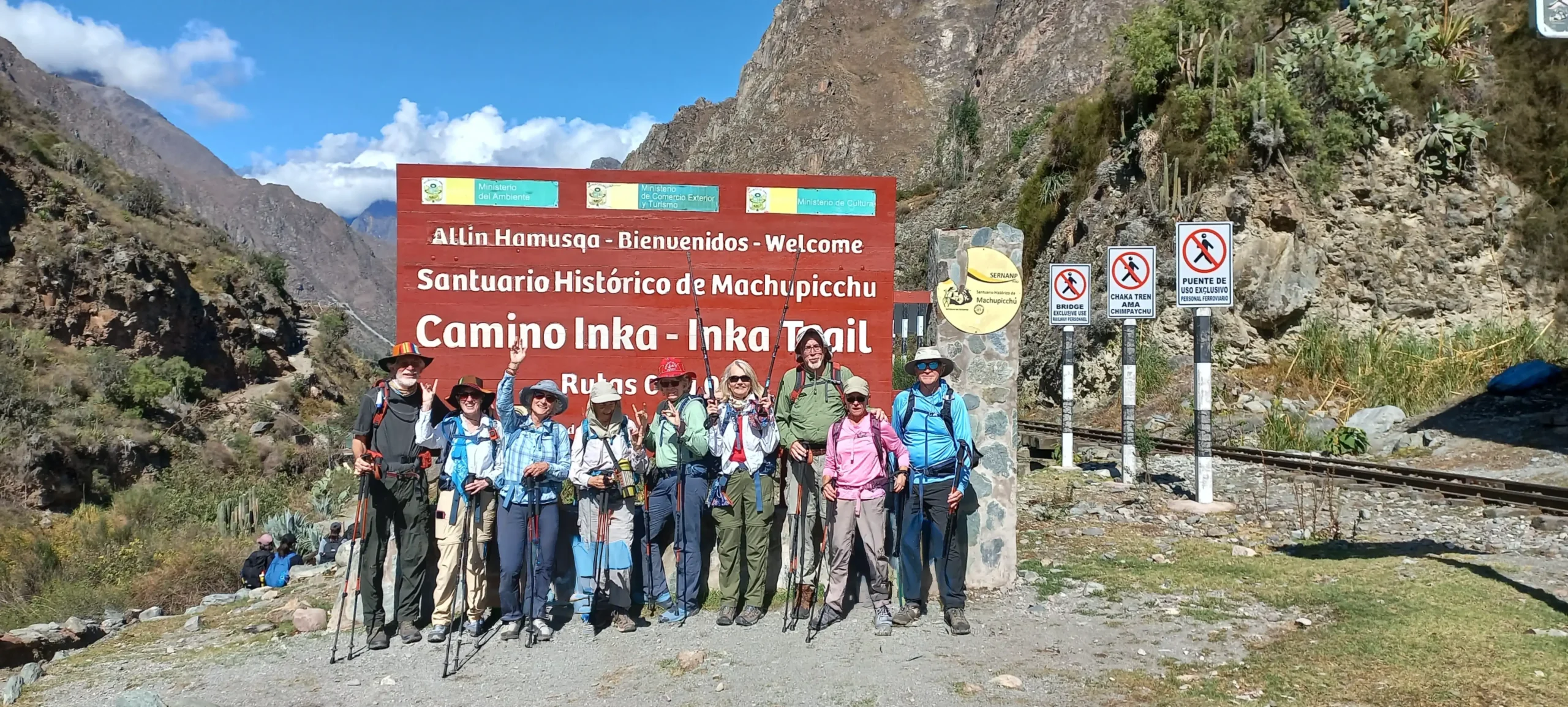
The Classic Inca Trail begins at Km 82, a trailhead also known as Piscacucho, located along the railway line in the Sacred Valley at roughly 2,700 m (8,923 ft). It ends at the Sun Gate (Inti Punku), the mountain pass overlooking Machu Picchu, after which trekkers descend into the citadel itself. The full trek covers approximately 42 km (26 miles) over four days.
Here’s a more detailed look at both ends of the trail, and why some sources give slightly different numbers.
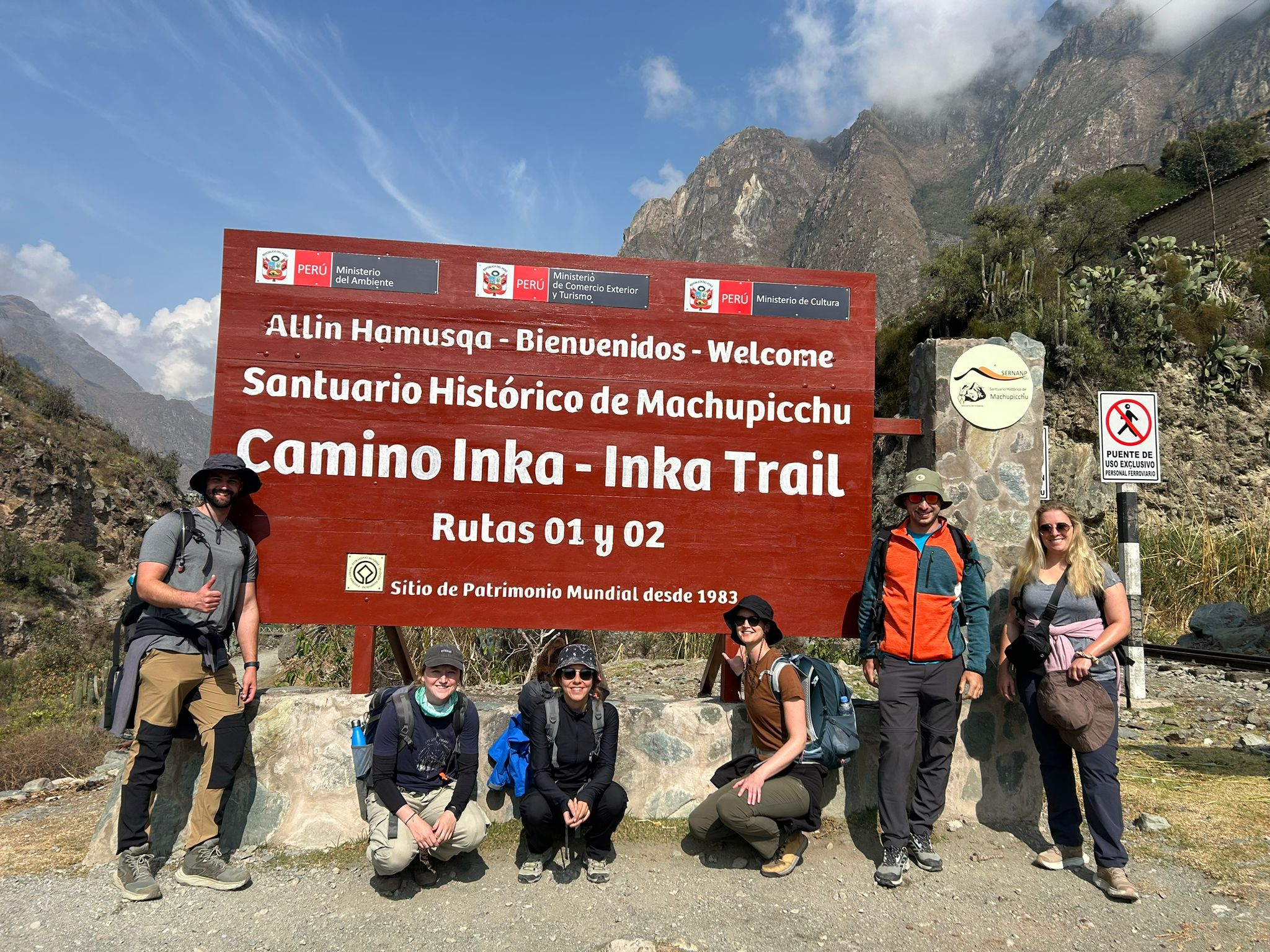
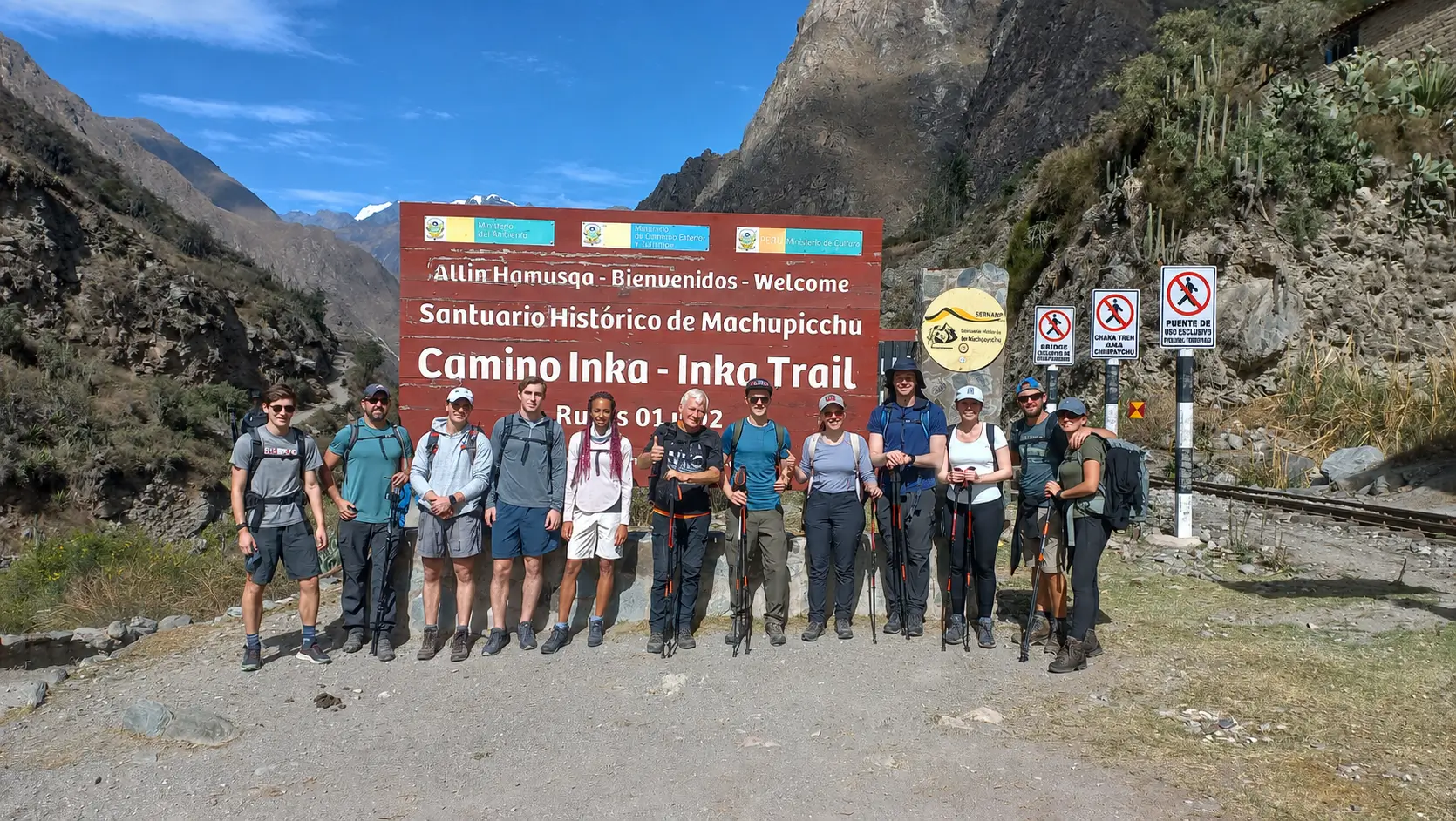
The Starting Point: Km 82 (Piscacucho)
Km 82 refers to the distance marker along the railway line that runs from Cusco toward Machu Picchu — the trailhead sits at kilometer 82 of that line, in the small community of Piscacucho, part of the Ollantaytambo district in the Urubamba province. Most Classic Inca Trail itineraries begin here after an early-morning drive from Cusco, typically with a stop in Ollantaytambo for breakfast along the way.
At the trailhead, trekkers cross a bridge over the Urubamba (also called the Vilcanota) River before officially starting the hike. This is also where trek staff check permits and passports, since access beyond this point requires the government-issued Inca Trail permit tied to your specific entry date.
Trailhead Variations: Km 82 vs. Other Starting Points
Not every Inca Trail departure uses the exact same entry point, which is a common source of confusion when researching the trek:
| Starting Point | Used By | Notes |
|---|---|---|
| Km 82 (Piscacucho) | Most Classic 4-day Inca Trail departures | The standard, most commonly used trailhead |
| Km 88 | Some Classic 4-day departures | A nearby alternate entry point; the practical difference in distance and experience is minimal |
| Km 104 | 2-day / Short Inca Trail departures | A separate, shorter itinerary that skips the first two days of the classic route entirely |
If you’re specifically comparing quoted trek distances between operators, checking which kilometer marker they start from explains most of the small discrepancies you’ll see.
The Ending Point: The Sun Gate and Machu Picchu
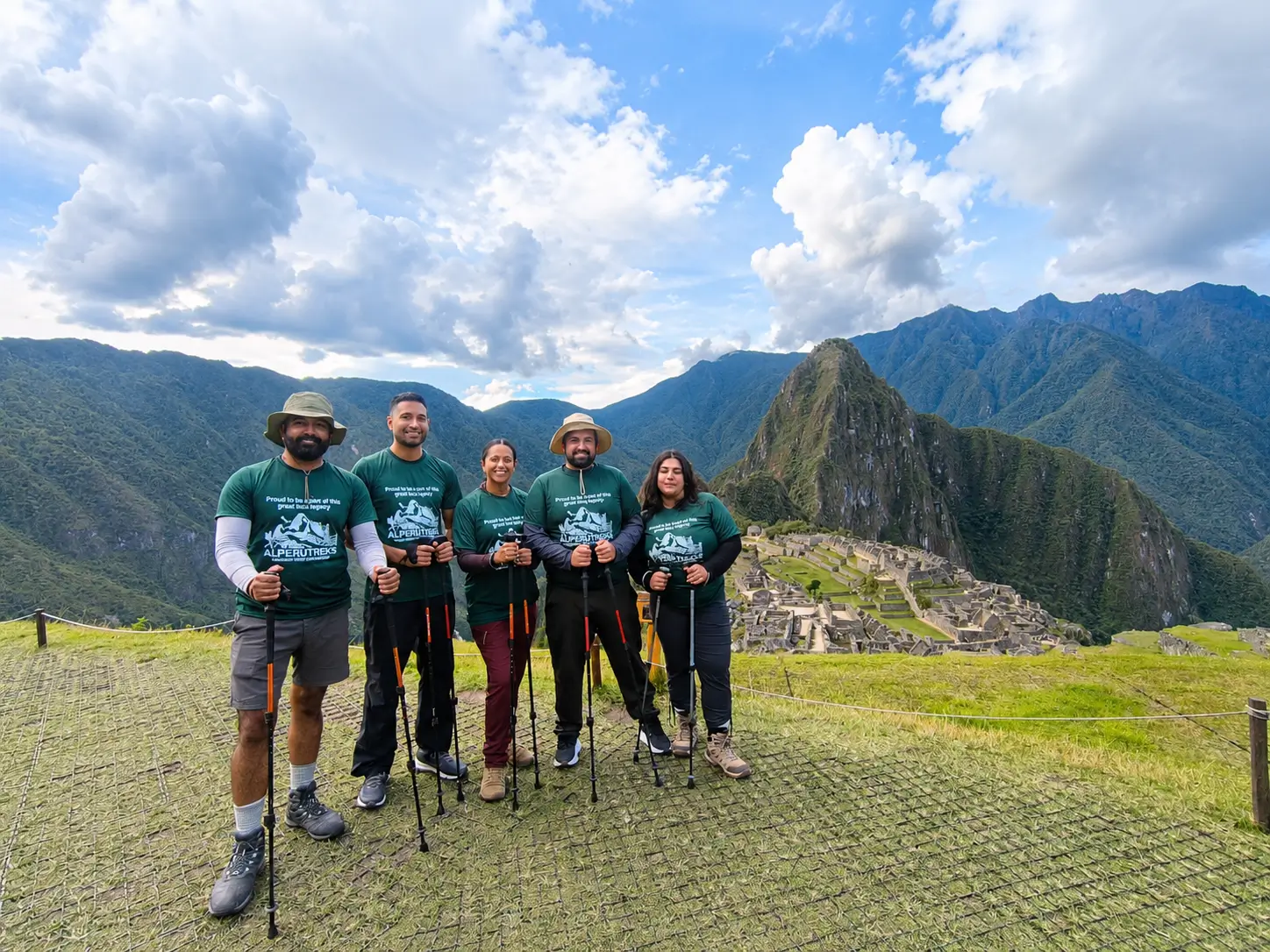
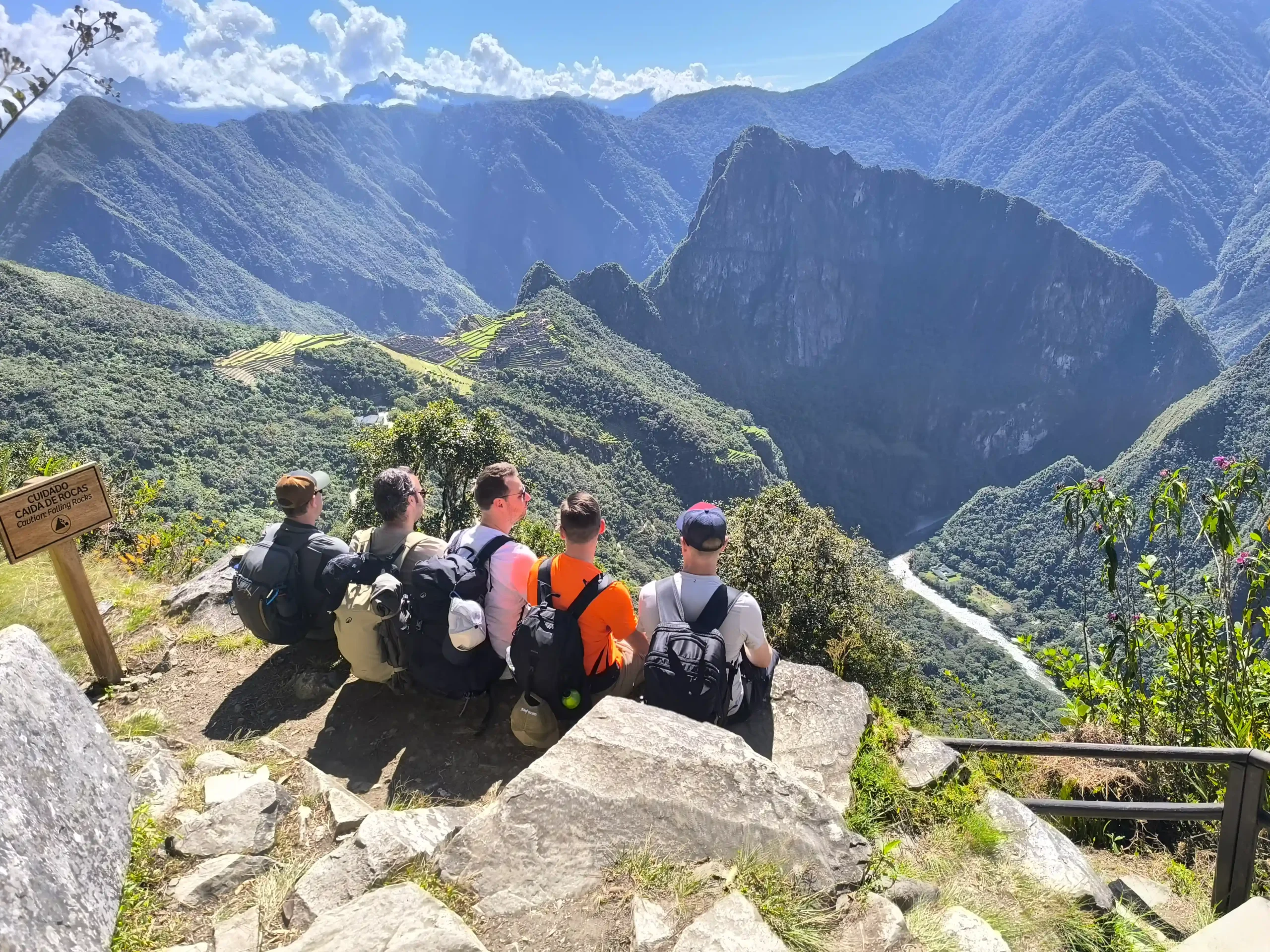
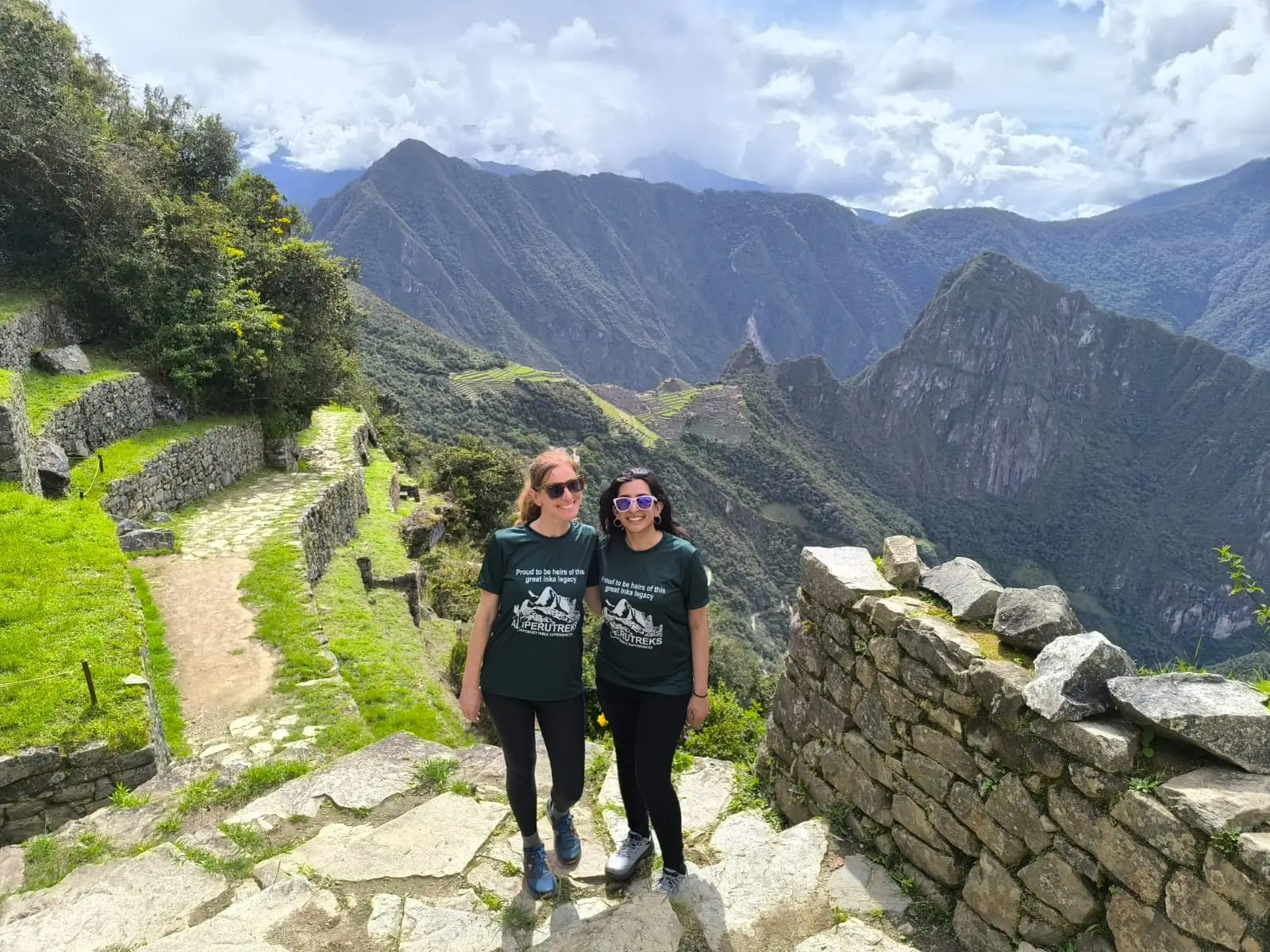
The trek’s endpoint is the Sun Gate (Inti Punku), a mountain pass that offers the trail’s classic first view down into Machu Picchu. Reaching it on foot, typically on the morning of Day 4, is one of the most-cited reasons trekkers choose the Inca Trail over alternative routes that arrive at Machu Picchu by train instead. From the Sun Gate, the trail descends roughly 45 minutes to an hour into the citadel itself, where a guided tour of the ruins follows.
Technically, the hiking portion of the trek ends at the Sun Gate — Machu Picchu itself is the destination, but the last stretch into the ruins is a gentle downhill walk rather than trail terrain in the same sense as the preceding days.
Total Distance and Why the Numbers Vary
Published figures for the Inca Trail’s total distance range from about 39.6 km to 43 km (roughly 25–27 miles), and you’ll see different exact numbers depending on the source. This isn’t inconsistency so much as measurement variation — whether an operator starts counting from Km 82 or Km 88, how precisely a given map traces the trail’s switchbacks, and whether the final descent from the Sun Gate to the citadel is included all shift the total slightly.
For practical trip planning, treating the trek as “approximately 42 km (26 miles)” is accurate enough regardless of which specific figure a given operator publishes.
Elevation at Each End
| Point | Elevation |
|---|---|
| Km 82 (starting point) | 2,700 m (8,923 ft) |
| Dead Woman’s Pass (highest point, Day 2) | 4,215 m (13,828 ft) |
| Sun Gate (Inti Punku) | 2,720 m (8,924 ft) |
| Machu Picchu | 2,430 m (7,972 ft) |
Worth noting: the trail’s start and the Sun Gate sit at roughly similar elevations, which can be surprising given how much climbing happens in between — the middle two days do the real elevation work, cresting at Dead Woman’s Pass before the trail descends again toward the Sun Gate.
Getting To and From Each End
Reaching Km 82 requires a private or shared vehicle transfer from Cusco, typically 2–3 hours including a stop in Ollantaytambo. There’s no public train service to the trailhead itself — it’s road access only. Leaving from Machu Picchu at the end of the trek works differently: most itineraries include a bus down to Aguas Calientes followed by a train back toward Cusco or Ollantaytambo, since there’s no walking route back out the way you came (the trail is one-directional, not a there-and-back hike).
What About Alternative Routes?
It’s worth being clear that not every trek to Machu Picchu starts at Km 82 — that trailhead is specific to the Classic Inca Trail corridor. Alternative routes like the Ancascocha Trek begin from an entirely different starting community (Soqma, in the Sacred Valley) and only join the Inca Trail corridor later in the itinerary, near Paucarcancha, for combined versions that include a Sun Gate finish.
If your goal is specifically to start at Km 82 and walk the traditional route in full, the Classic Inca Trail is the only itinerary that does that from beginning to end.
Since every version of the trek that reaches the Sun Gate crosses substantial altitude along the way, it’s also worth reviewing altitude sickness prevention regardless of which specific route or trailhead you’re considering, and checking the Inca Trail by month breakdown if your travel dates are still flexible.
FAQ: Inca Trail Start and End Points
At Km 82, also known as Piscacucho, a trailhead in the Ollantaytambo district of the Sacred Valley, at roughly 2,700 m (8,923 ft) elevation.
Technically both — the hiking trail itself ends at the Sun Gate (Inti Punku), from which trekkers descend on foot into Machu Picchu, the trek’s overall destination.
The discrepancy usually comes down to which exact kilometer marker (Km 82 vs. Km 88) a given itinerary starts from, and how precisely different sources measure the trail’s distance. Both figures describe essentially the same trek.
Some departures use Km 88 instead, with minimal practical difference. The 2-day Short Inca Trail uses a separate starting point at Km 104. Routes like the Ancascocha Trek start from a different community entirely and only join the Inca Trail corridor later on.
After descending into Machu Picchu, trekkers take a bus down to Aguas Calientes, then a train back toward Ollantaytambo or Cusco — there’s no walking route back out, since the trail is one-directional.