
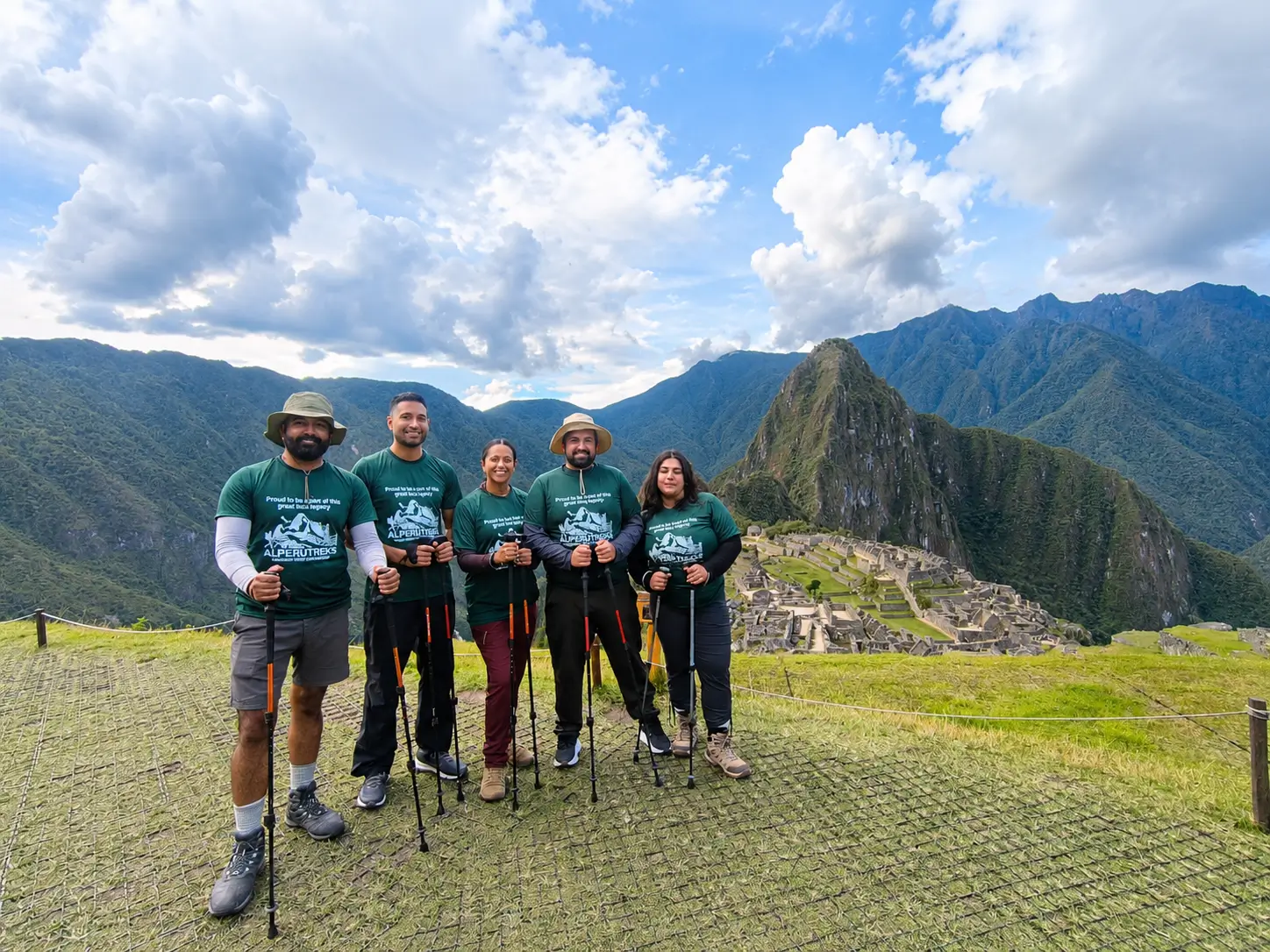
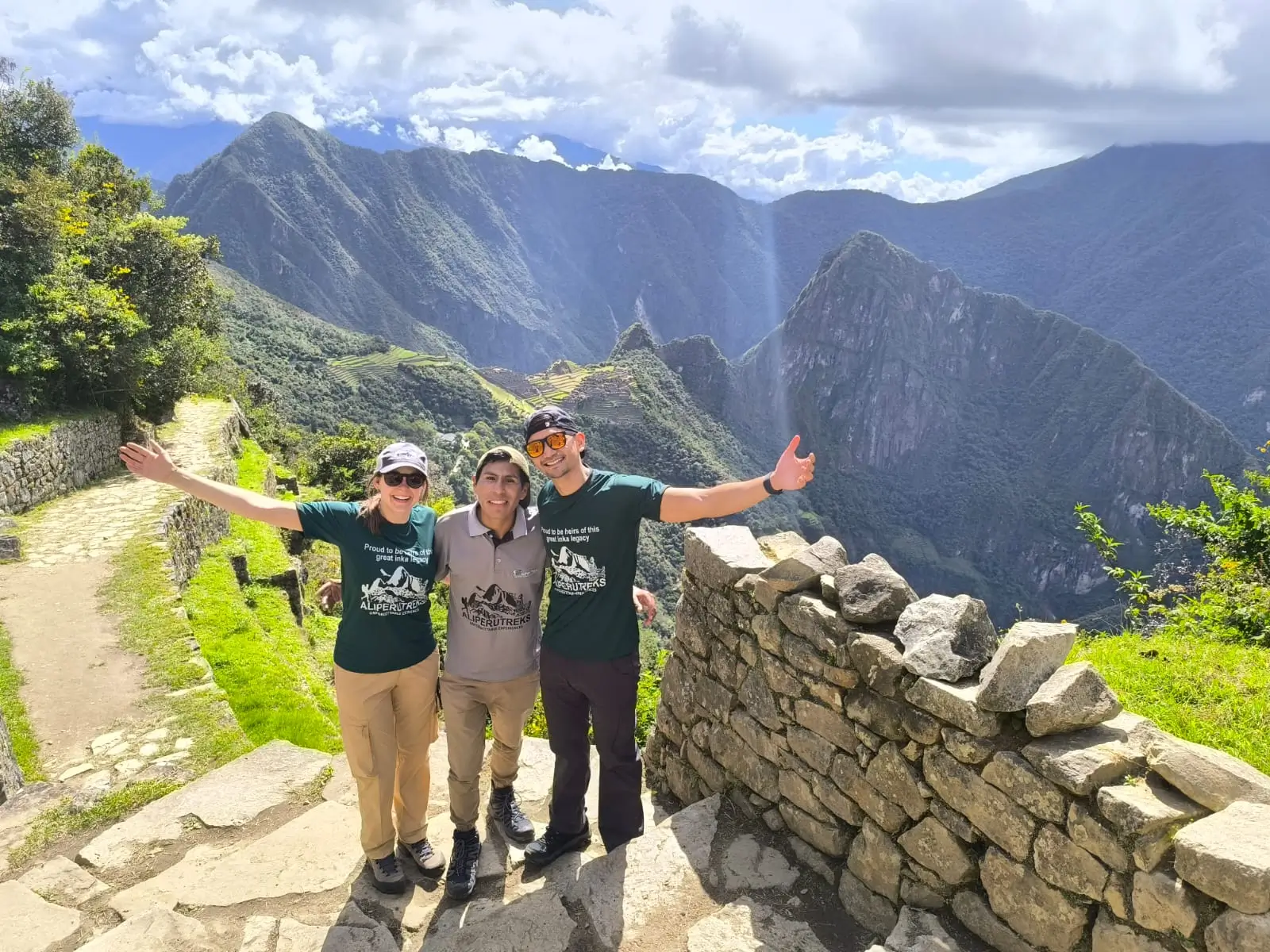
The Inca Trail is located in the Andes Mountains of southern Peru, in the Cusco region, within the Machu Picchu Historic Sanctuary — a protected area roughly 80 km (50 mi) northwest of Cusco city. It’s not accessible directly from Lima; reaching it requires first flying or traveling overland to Cusco, then continuing by road into the Sacred Valley.
Here’s the broader geography, and what getting there actually involves.
Where in Peru Is the Inca Trail?
Peru’s Cusco region sits in the southern Andes, and the Inca Trail corridor runs through the Sacred Valley of the Incas toward Machu Picchu. The trail itself falls within the Machu Picchu Historic Sanctuary, a UNESCO-recognized protected area that combines both the archaeological zone and its surrounding cloud forest ecosystem.
Cusco city, the main gateway for the region, sits at roughly 3,399 m (11,152 ft), while Machu Picchu itself, at the trail’s far end, sits considerably lower at 2,430 m (7,972 ft).
For context relative to Peru’s capital: Cusco is roughly 1,100 km (about 685 miles) southeast of Lima as the crow flies, though the practical route — by air — is a direct flight rather than any overland connection most travelers would use.

Key Distances and Travel Times
| Segment | Distance / Time |
|---|---|
| Lima to Cusco (flight) | Roughly 1 hour 20 minutes by air |
| Cusco to Ollantaytambo (road) | Roughly 1.5–2 hours by vehicle |
| Ollantaytambo to Km 82 trailhead (road) | A short additional drive from Ollantaytambo |
| Cusco to Aguas Calientes (train, for non-trekking visitors) | Roughly 3.5–4 hours by train from the Cusco area |
| Aguas Calientes to Machu Picchu (bus) | About 25–30 minutes by shuttle bus |
There’s no direct road connecting Cusco city to Machu Picchu itself — access to the citadel is either on foot (via a multi-day trek) or by train followed by a short bus ride, which is part of what makes the region’s geography distinctive compared to more road-accessible tourist destinations.
The Machu Picchu Historic Sanctuary
The Inca Trail doesn’t exist in isolation — it runs through a specifically protected area, the Machu Picchu Historic Sanctuary, which spans roughly 32,592 hectares of Andean and cloud forest terrain. This protected status is precisely why trail access is regulated through a permit system rather than open hiking: the Inca Trail permit system limits daily entrants to preserve both the archaeological sites and the surrounding ecosystem. The sanctuary was designated a UNESCO World Heritage Site in 1983, recognized for both its cultural and natural significance — one of the relatively small number of sites worldwide to hold that dual designation.
How to Get to the Region
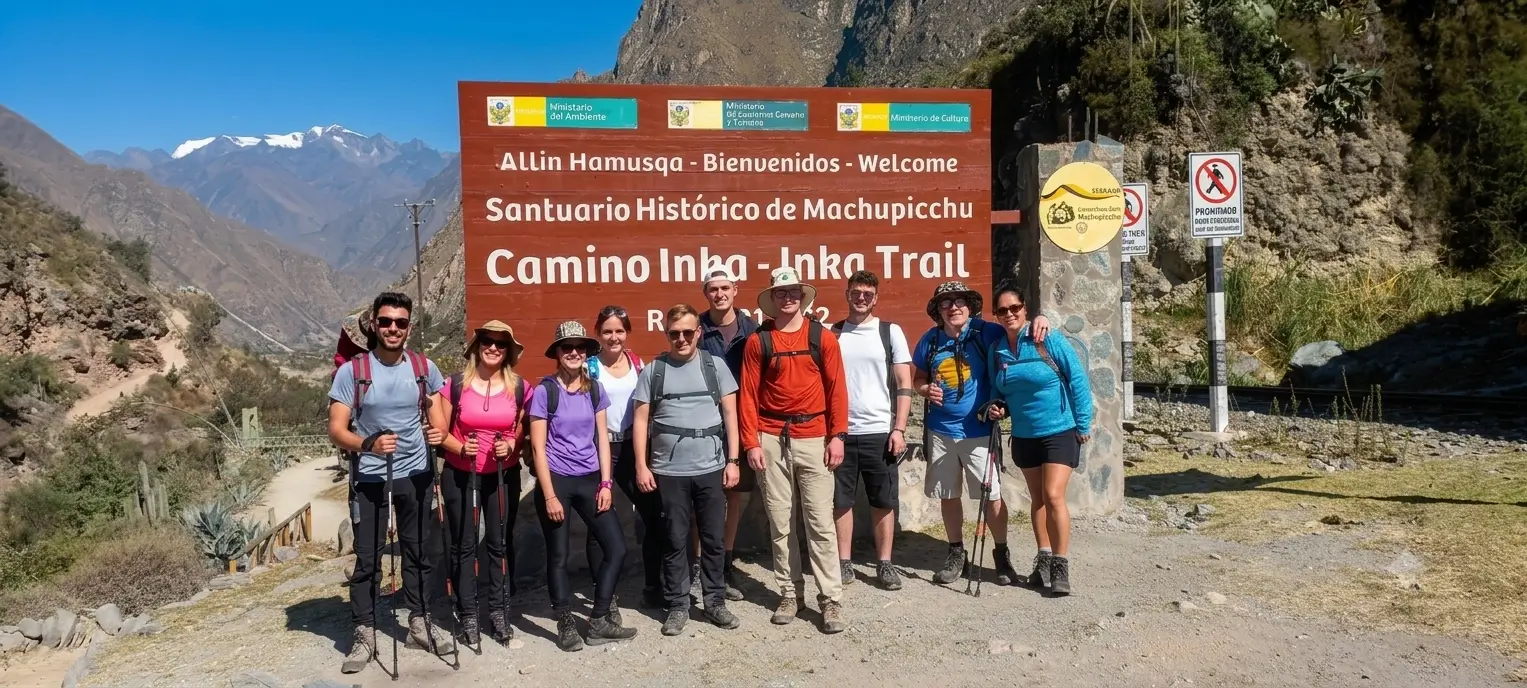
Most international travelers reach the Inca Trail’s starting area in a fairly standard sequence: fly into Lima’s Jorge Chávez International Airport, then take a connecting domestic flight to Cusco’s Alejandro Velasco Astete International Airport. From Cusco, reaching the trailhead itself involves a road transfer — typically arranged as part of a guided Classic Inca Trail booking — through the Sacred Valley to Km 82.
It’s worth planning for acclimatization time in this sequence rather than treating it as a same-day connection. Cusco’s elevation (3,399 m) is high enough that most travelers benefit from 2–3 days there or in a lower-elevation Sacred Valley town before attempting strenuous activity, and it’s genuinely worth reading up on altitude sickness before this leg of the trip regardless of which specific trek or tour you’re doing.
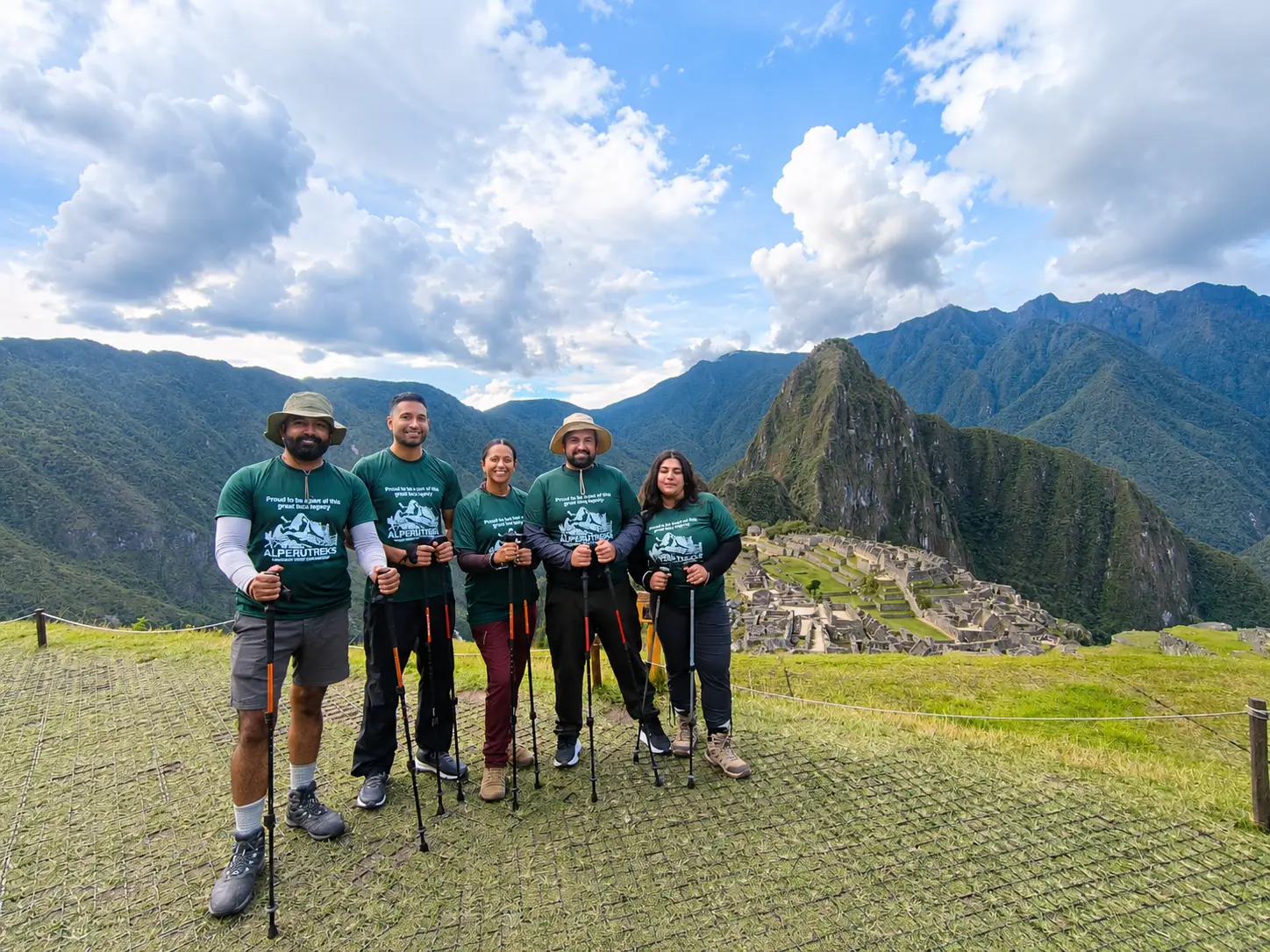
Orientation: What’s Around the Trail
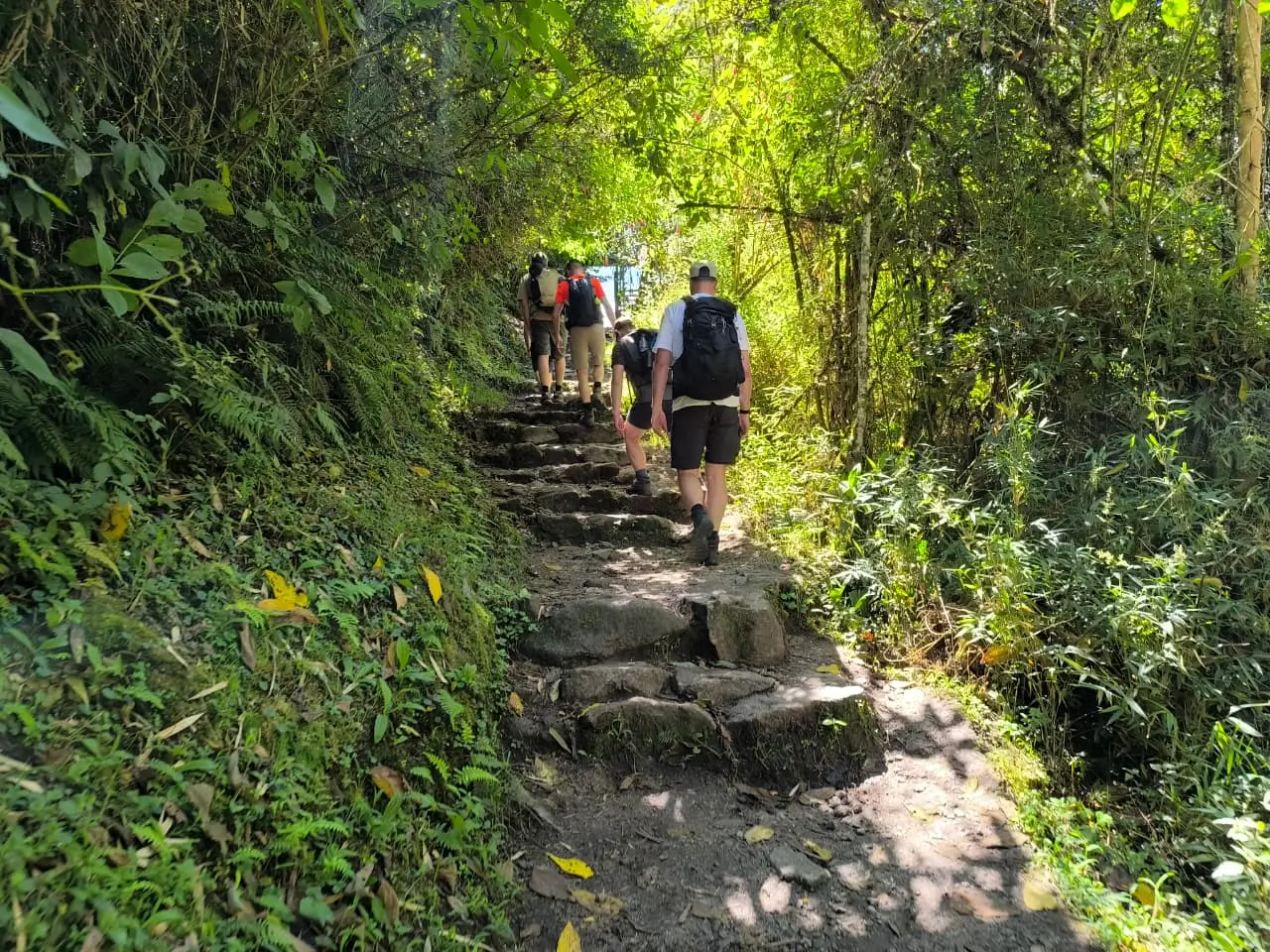
A few landmarks help place the Inca Trail’s location in context if you’re new to the region:
- The Sacred Valley of the Incas — the broader valley the trail corridor runs through, home to towns like Ollantaytambo, Pisac, and Urubamba, all sitting at lower elevation than Cusco and commonly used as acclimatization bases or standalone day-trip destinations via a Sacred Valley tour.
- The Urubamba River — runs roughly parallel to much of the Inca Trail corridor and through the valley toward Machu Picchu; the trail crosses it near the Km 82 trailhead.
- Aguas Calientes (Machu Picchu Pueblo) — the town at the base of Machu Picchu mountain, reachable by train, and the final overnight stop for trekkers before visiting the citadel.
- Alternative trekking corridors — routes like the Ancascocha Trek start from different points within the same broader region (in Ancascocha’s case, the community of Soqma) and eventually connect into a similar geographic corridor toward Machu Picchu.
Why Location Affects Trip Planning
Understanding where the trail actually sits within Peru affects more than just curiosity — it shapes real planning decisions. Because there’s no direct overland route from Lima, every itinerary requires a Cusco stopover, which is also why acclimatization time gets built into most trek schedules rather than treated as optional.
And because the trail runs through a legally protected sanctuary rather than open public land, its location is directly tied to why permits are capped and must be booked well in advance, unlike some alternative routes in the wider region. For a season-by-season view of what to expect once you’re there, the Inca Trail by month guide and general Inca Trail weather overview cover that separately from location itself.
FAQ: The Inca Trail’s Location
The Inca Trail is in Peru, specifically in the Cusco region of the southern Andes, within the Machu Picchu Historic Sanctuary.
Roughly 1,100 km (685 miles) southeast of Lima, though there’s no direct overland travel most visitors use — reaching the region requires a domestic flight from Lima to Cusco.
The trail leads directly to Machu Picchu — it’s the final destination, reached via the Sun Gate on the last day of the classic 4-day trek. They’re part of the same protected sanctuary, not separate locations.
No. There’s no road connecting Cusco directly to Machu Picchu. Access is either on foot via a multi-day trek or by train to Aguas Calientes followed by a short bus ride up to the citadel.
It’s strongly recommended, mainly for altitude acclimatization rather than logistics alone. Most operators recommend at least 2–3 nights in Cusco or the Sacred Valley before starting a multi-day trek, given the city’s elevation of roughly 3,400 m.