
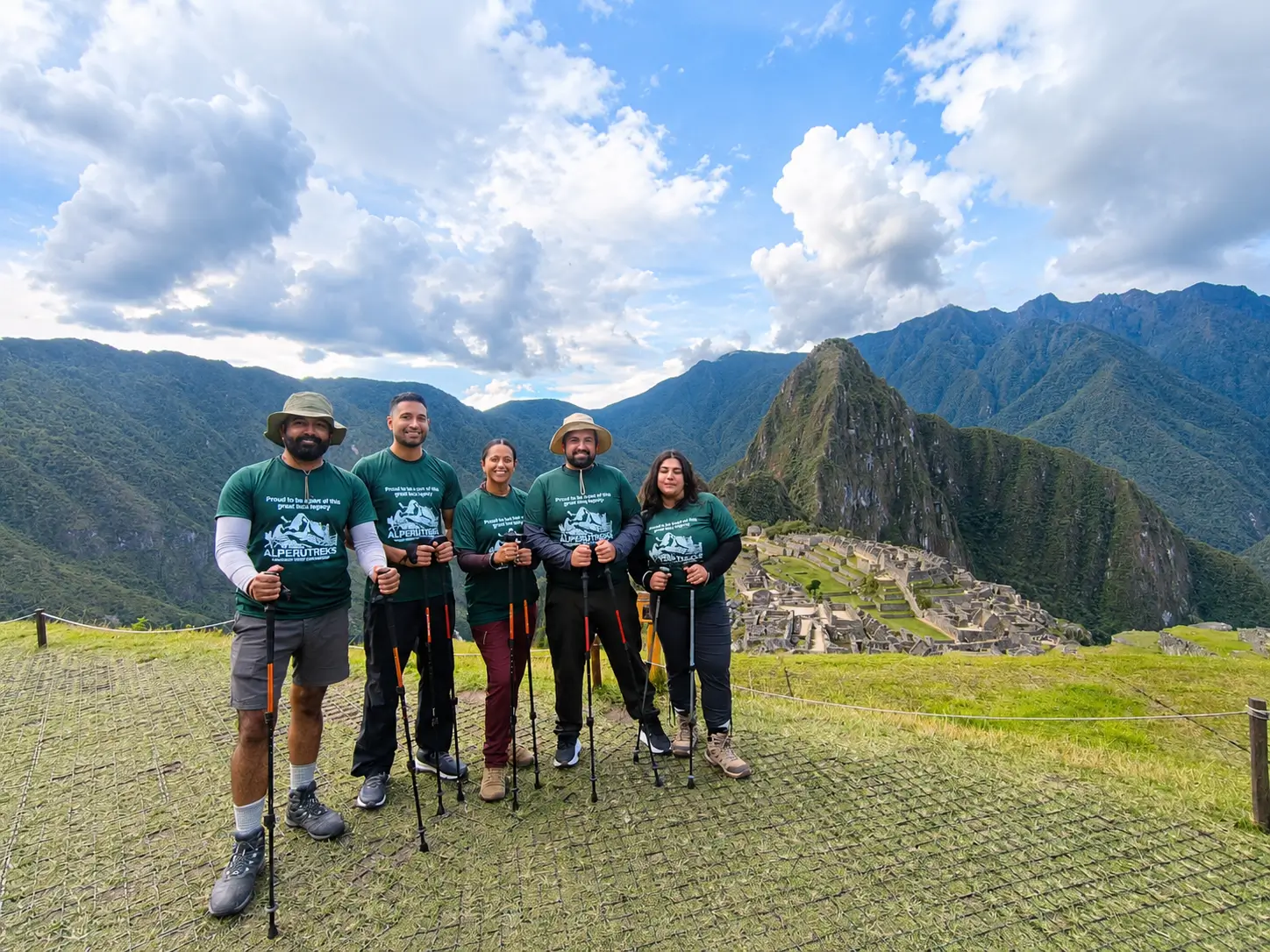

The Inca Trail is a 4-day, permit-controlled trek along original Inca stonework that ends at the Sun Gate. Choquequirao is a longer, tougher trek to a remote Inca site that has no permit cap and far fewer visitors. The Inca Trail climbs higher at its pass (4,215 m), but Choquequirao involves much larger daily ups and downs through the Apurímac canyon, and our 8-day version also crosses Yanama Pass at 4,660 m. Choose the Inca Trail for a shorter, classic route. Choose Choquequirao for solitude and a bigger physical challenge.
Below is a side-by-side comparison, then the honest pros and cons of each route and who each one suits.
First: Two Different Choquequirao Treks
Before comparing, it helps to know that “Choquequirao trek” can mean two quite different things:
- Out-and-back to the ruins. A shorter trek (about 4 days) that descends into the canyon, visits Choquequirao and returns the same way. It does not reach Machu Picchu. Our Choquequirao trek difficulty guide covers this version in detail.
- Choquequirao to Machu Picchu. A one-way route that continues over Yanama Pass and on toward Machu Picchu. This is the version in our 8-day Choquequirao trek.
The Inca Trail can be compared with either, so we cover both below.
Inca Trail vs. Choquequirao at a Glance
Figures are from our own tour pages and are approximate.
| Classic Inca Trail | Choquequirao to Machu Picchu (8 days) | |
|---|---|---|
| Duration | 4 days / 3 nights | 8 days / 7 nights |
| Distance | About 43 km (27 mi) | Listed as 80-105 km (see note below) |
| Highest point | Dead Woman’s Pass, 4,215 m (13,828 ft) | Yanama Pass, 4,660 m (15,288 ft) |
| Difficulty | Challenging (moderate to challenging) | Challenging, with some very long days |
| Government permit | Required: about 500 people per day, including staff | No advance permit; the Choquequirao entrance fee is included. |
| Group size | 2 to 12 | Up to 12 |
| Price (group) | $775 per person | $1,100 per person |
| Booking lead time | Months ahead | Much more flexible |
| Closed in February | Yes. | No |
| Ending | On foot through the Sun Gate | Hike to Aguas Calientes, then Machu Picchu Circuit 2 |
A note on distance: our Choquequirao page gives 105 km in one place and 80-89 km in another. Other operators quote different numbers too, so confirm the exact route with whoever you book.
Difficulty: Higher Passes vs. Bigger Swings
Both treks are demanding, but in different ways.
| Inca Trail | Choquequirao | |
|---|---|---|
| Hardest day | Day 2: about 15 km, 9-10 hours, +915 m to Dead Woman’s Pass | Long days of 8-9 hours; Day 5 is about 22 km over Yanama Pass (4,660 m) |
| Terrain | Many stone steps | Steep canyon descents and climbs, plus long distances |
| Altitude | Spends time above 4,000 m | Ruins sit at about 3,050 m, but the 8-day route crosses a pass higher than Dead Woman’s Pass. |
| Heat | Mostly cool | Canyon floors can be significantly warmer |
On the out-and-back version, the main challenge is not altitude but the vertical change. According to our difficulty guide, you descend more than 1,300 m on the first day and climb about 1,500 m on the second to reach the ruins, so knees and legs take a beating. See our Dead Woman’s Pass guide for the Inca Trail’s hardest day, and our altitude sickness guide for either route.
In short: if you are comfortable with 8-9 hour days on consecutive days, Choquequirao is manageable. If you have not trained for long, steep sections, the Inca Trail is shorter and more forgiving.
The Ruins: Choquequirao vs. Machu Picchu
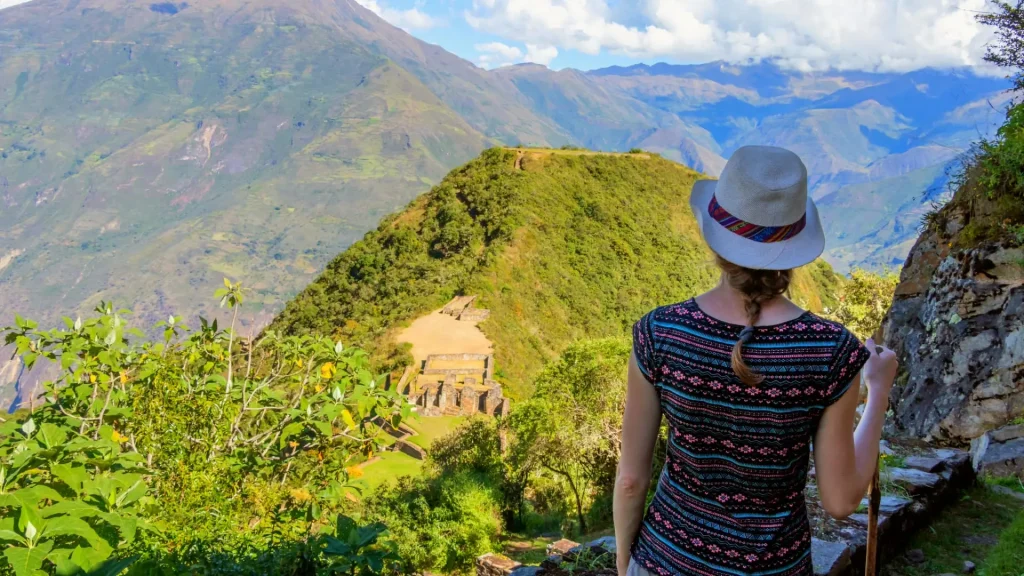
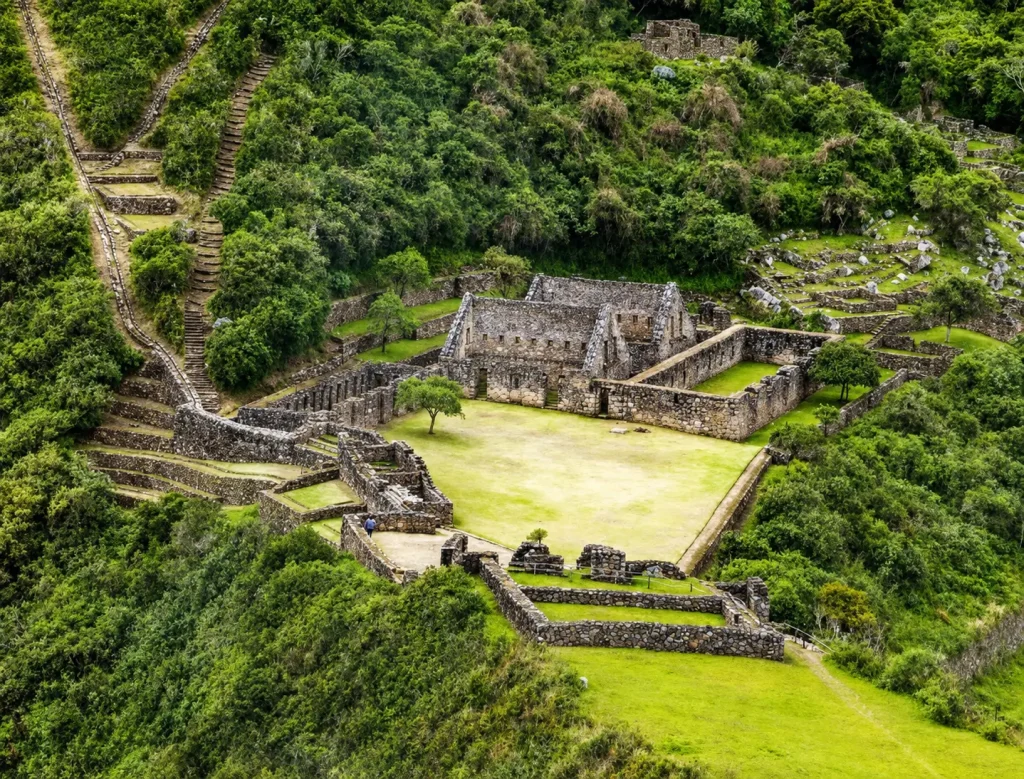
Choquequirao is often called a “sister” site to Machu Picchu. Our difficulty guide says only about 30-40% of it has been excavated, and visitors can find very few other people there, in contrast with the crowds at Machu Picchu. That is a real advantage if you want solitude.
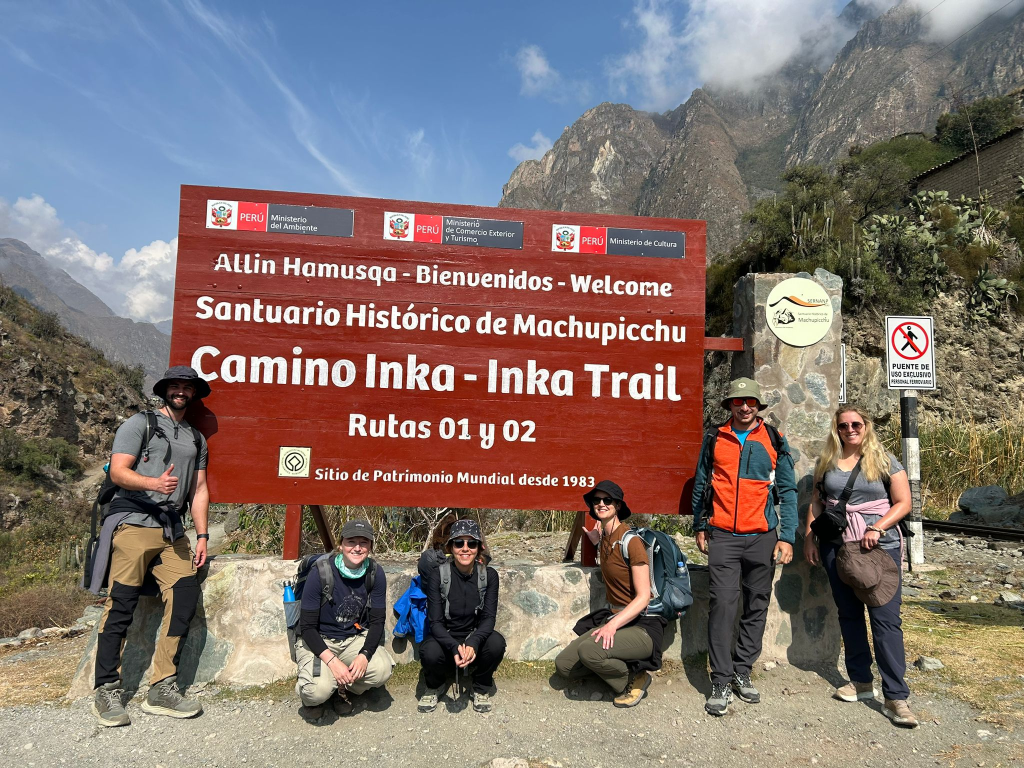
The trade-off is that Choquequirao is a destination in itself, not a stepping-stone on a famous road. The Inca Trail, by contrast, passes several sites along the way, including Runkurakay, Sayacmarca, Phuyupatamarca, and Wiñay Wayna, and ends at the Sun Gate with the classic view of Machu Picchu. See where the Inca Trail begins and ends for the details.
Permits and Booking
- Inca Trail: you need a permit; only about 500 people (including guides, cooks, and porters) are allowed per day; permits are tied to your passport; and popular dates sell out months ahead. The trail also closes every February. See Inca Trail availability and our Inca Trail permits 2027 guide.
- Choquequirao: No advance-booking trekking permit is required. Access is through the site’s daily entrance fee, which is included in our package. Machu Picchu entry on the 8-day trek is a guaranteed Circuit 2 ticket, and your passport must match the booking.
If your Inca Trail date is sold out, Choquequirao is a workable alternative, but it needs more time and fitness.
Cost and What You Get
| Inca Trail (4 days) | Choquequirao to Machu Picchu (8 days) | |
|---|---|---|
| Group price | $775 per person | $1,100 per person |
| Approximate price per day (our calculation) | About $194 | About $138 |
| Machu Picchu entrance | Included | Included (Circuit 2) |
| Hotel night in Aguas Calientes | No | Yes, 3-star |
| Choquequirao entrance | n/a | Included |
| Sleeping bag and pole rental | Extra | Extra |
Tips, insurance, and Huayna Picchu or Machu Picchu Mountain tickets are extra on both. For the Inca Trail budget, see our Inca Trail cost guide.
The Choquequirao trek costs more in total but less per day, and it includes far more time on the trail. Whether that is better value depends on how many days you want to spend hiking.
Pros and Cons
| Pros | Cons | |
|---|---|---|
| Inca Trail | Original Inca road with ruins along the way; arrival through the Sun Gate; short at 4 days; controlled numbers | Permit needed months ahead; closed in February; steep stone stairs; more people near the end |
| Choquequirao | Very few visitors; no permit cap; a large, partly excavated site; flexible booking | Long, hard days; large elevation swings; hot canyon floors; 8 days is a big time commitment; higher total price |
Which One Should You Choose?
- Choose the Inca Trail if you have about a week in Peru, want the traditional route and the Sun Gate arrival, and can book far ahead.
- Choose Choquequirao if you want solitude, are an experienced hiker, have 8 days or more, and are flexible on dates.
- Consider alternatives if neither fits: the Short Inca Trail for limited time, the Salkantay Trek for mountain scenery, or the Classic Inca Trail page for full details.
FAQ: Inca Trail vs. Choquequirao
Most guides consider it harder. The Inca Trail is shorter and has controlled campsites, while Choquequirao has steeper, longer days and larger elevation changes. Our 8-day version also crosses a higher pass (4,660 m vs. 4,215 m).
No advance trekking permit is required. You pay the site’s entrance fee, which is included in our package.
Yes. Choquequirao sees far fewer visitors, and the Inca Trail is capped at about 500 people per day including staff.
Yes, on the longer route. Our 8-day trek continues over Yanama Pass to Aguas Calientes and visits Machu Picchu.
On our tours, the Inca Trail costs $775 per person, and the 8-day Choquequirao trek costs $1,100. Choquequirao is cheaper per day but costs more overall.