Home » Blog » Qorikancha: The Temple of the Sun in Cusco
Qorikancha: The Temple of the Sun in Cusco
Ali Peru Treks
4 min read
Mar 03, 2025
921 views
Cusco is a city rich in traditions, history, and culture. Among its many architectural jewels, one place stands out for its splendor, significance, and unique history: Qorikancha, the ancient Incan Temple of the Sun. This impressive sacred site was not only the spiritual epicenter of Tawantinsuyu, but it also represents Incan resistance and the fusion of cultures over time, especially after the arrival of the Spanish invaders. Ready to uncover its fascinating history and plan your visit? Join us on this journey!
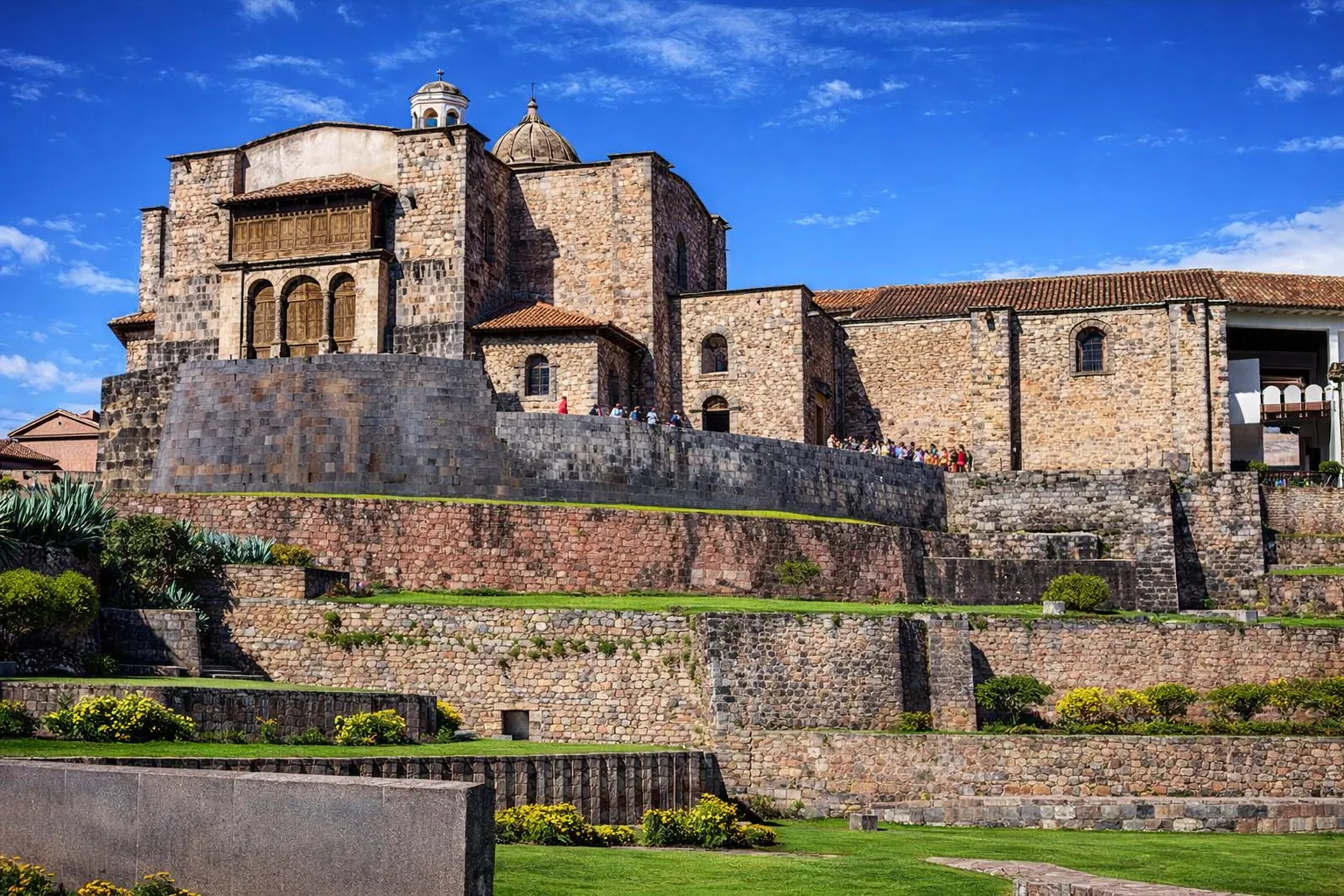
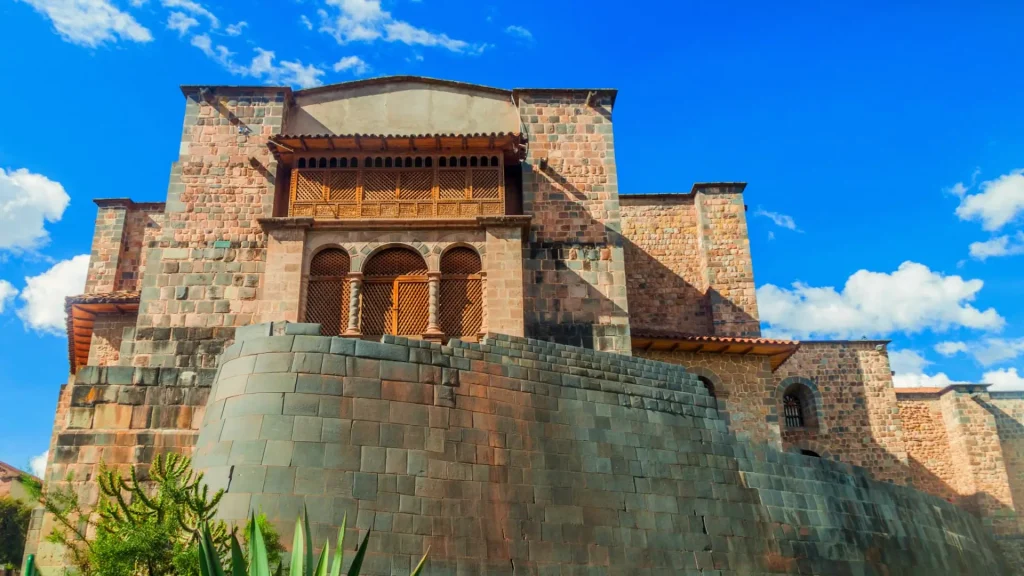
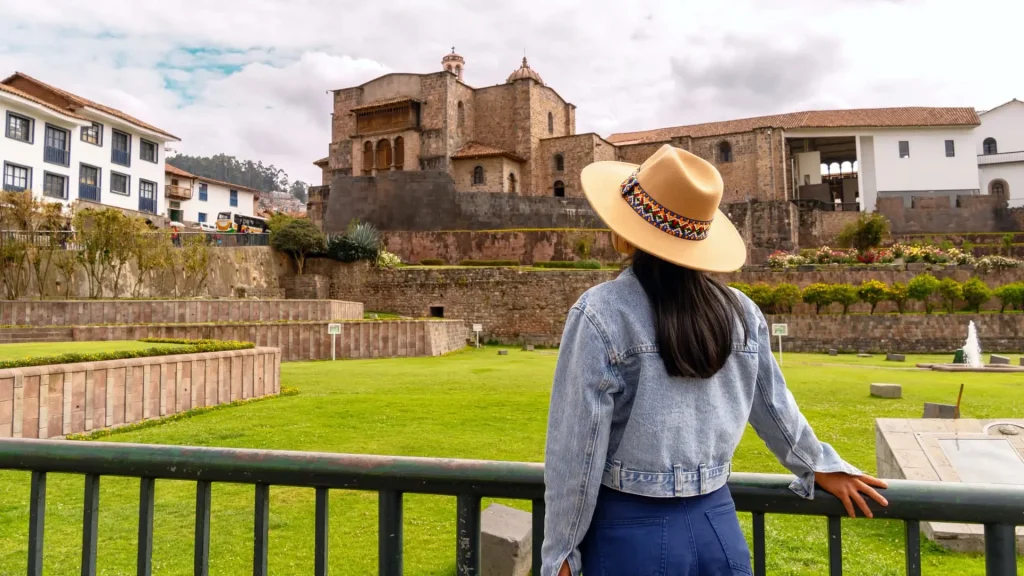
Qorikancha Cusco Inca Temple
Etymology: What Does Qorikancha Mean?
Qorikancha is a compound Quechua name, meaning it is made up of two Quechua words: “Qori“, which means gold, and “Kancha“, which translates to enclosure or temple. Thus, it was known as the “Golden Enclosure,” a name that perfectly matches the descriptions of Spanish chroniclers, who were amazed by its solid gold-covered walls and unmatched splendor.
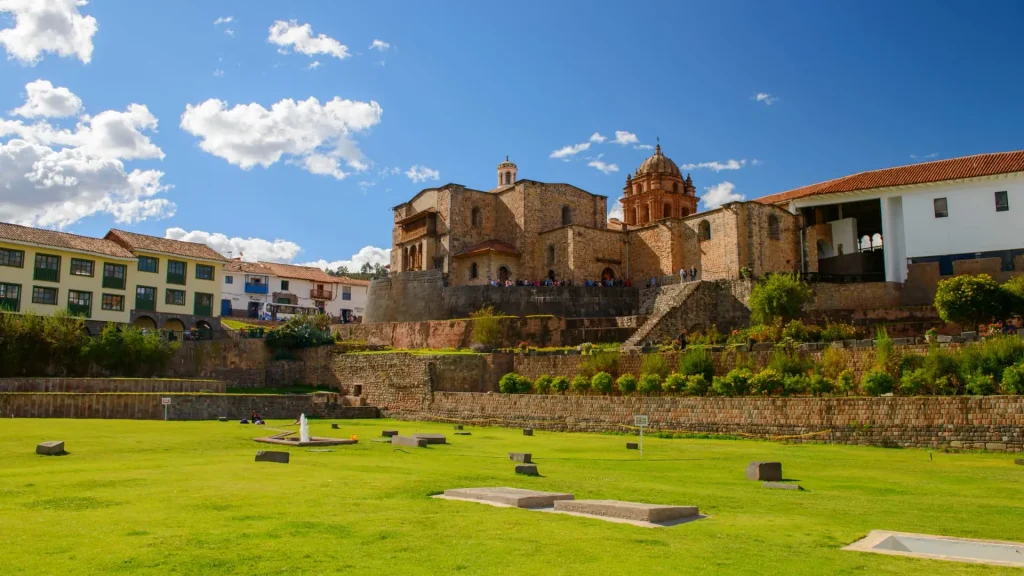
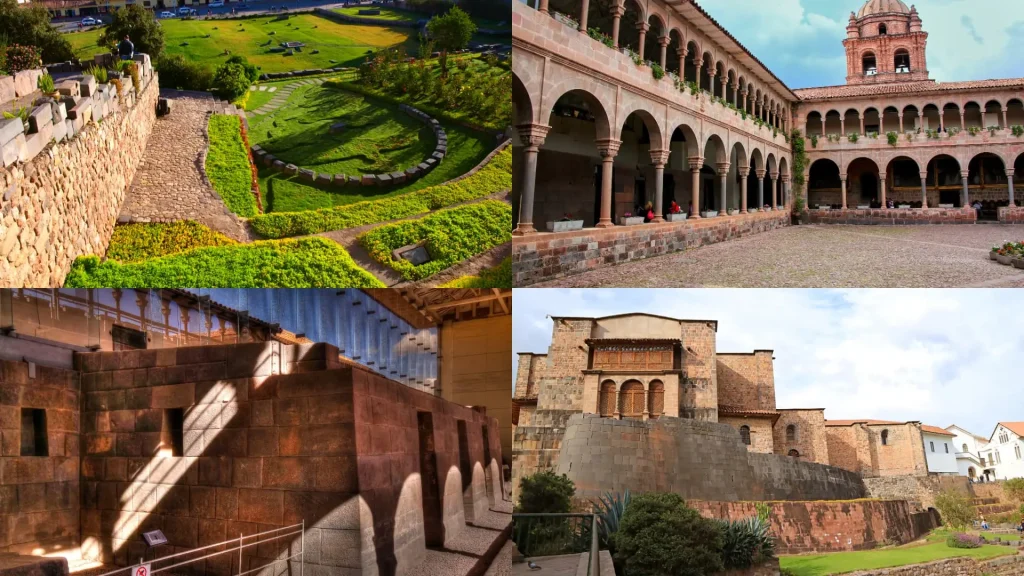
Qorikancha Gardens Cusco Peru
Qorikancha in the Inca Era: The Spiritual Center of the Empire
During the Inca Empire, Qorikancha was the most important temple dedicated to the god Inti (the Sun). Religious ceremonies, sacrifices, and festivals were held here in honor of this deity.
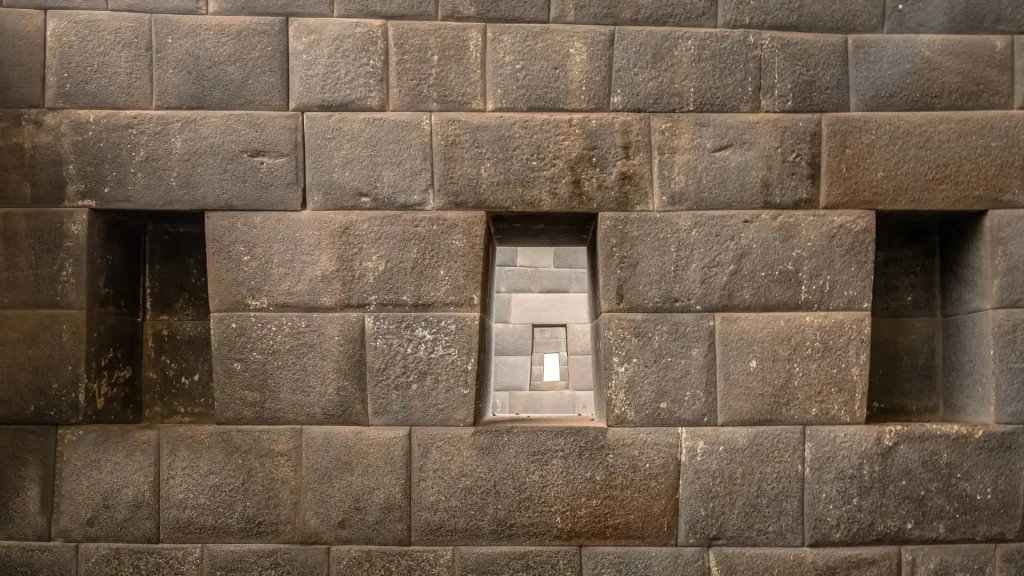
Qorikancha Inca Stone Walls Cusco
Qorikancha and the Andean Worldview
This was one of the temples that most impressed the Spanish upon their arrival, not only because its walls were covered in gold but also because of the incredible representations of the Andean worldview found inside. According to records, it housed a golden garden with maize, llamas, and trees entirely made of precious metals. Additionally, the mummies of Incan rulers were kept here, venerated and taken out in processions during major festivities.
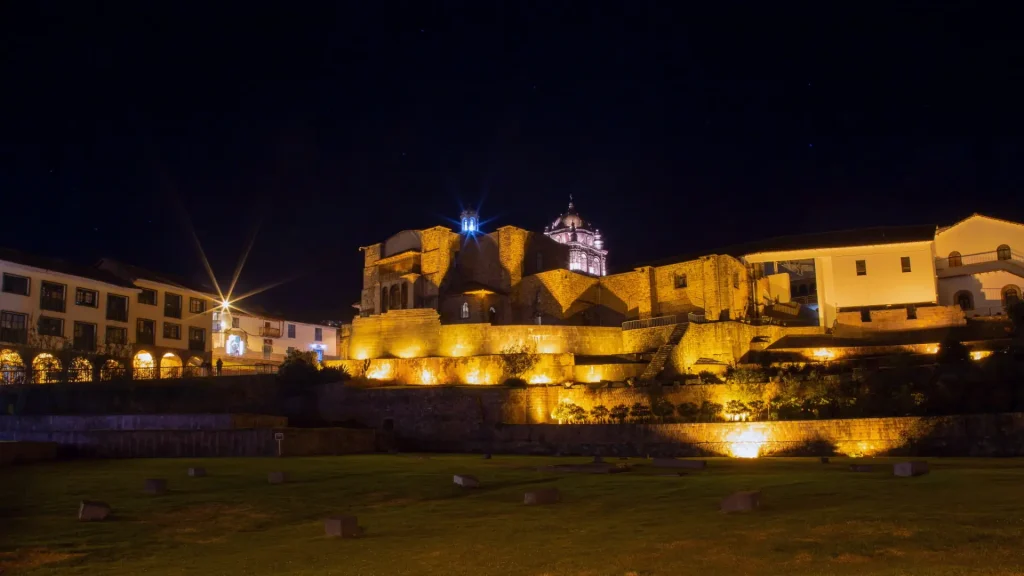
Qorikancha Night View Cusco Peru
Beyond its material and cultural wealth, Qorikancha was an important center for astronomical and spiritual studies. From this site, the sacred lines or ceques extended, connecting the entire empire, and astronomical observations were conducted to regulate the agricultural calendar.
From Temple to Convent: How Was Qorikancha Transformed?
With the arrival of the Spanish in the 16th century, this significant Incan temple was looted of its treasures and mummies, and it was repurposed as the foundation of the Convent of Santo Domingo. The Spanish invaders, amazed by Incan engineering, did not completely destroy the temple but instead built over it. Thus, the fusion of two worlds became embodied in this emblematic structure, where Incan stone walls coexist with Spanish colonial architecture.
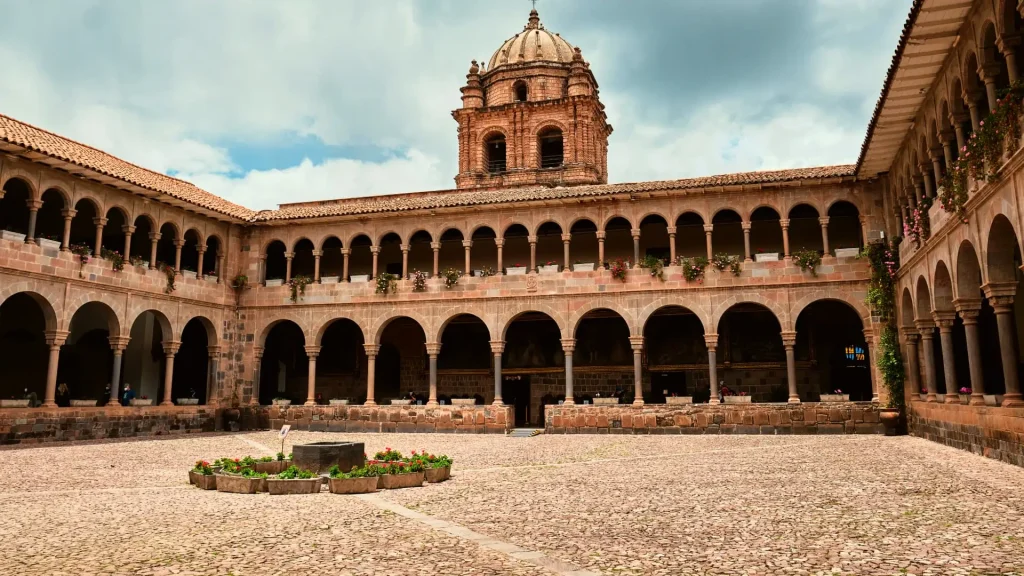
Qorikancha Inca Colonial Architecture Cusco
Over the years, despite drastic climate changes, natural disasters such as earthquakes, and of course, human activity that has left its mark on Cusco, Incan ingenuity has proven its extraordinary construction techniques, these walls have proudly stood the test of time. Today, as you walk through Qorikancha, you can witness this blend of styles, telling a story of resistance and adaptation of an ancient culture.
Must-See Attractions at Qorikancha
If you plan to visit this astonishing temple, here’s a list of the most important and interesting highlights to help you prepare and enrich your visit:
The Incan walls: Observe the perfection of the carved stone, fitted together without mortar.
The Temple of the Sun: Imagine how its golden walls gleamed in the morning light.
The Convent of Santo Domingo: Explore its colonial architecture and religious paintings.
Aligned windows and niches: Used by the Incas for astronomical observations.
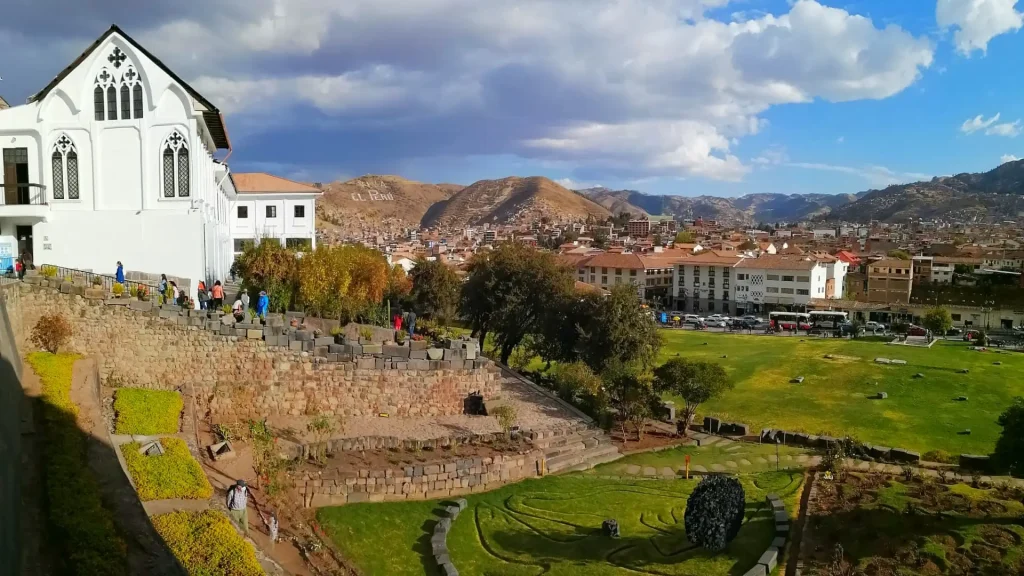
The gardens of Qorikancha: A green space that evokes the temple’s former splendor.
Qorikancha Historical Sites Cusco Peru
News and Requirements for Visiting in 2026
For 2026, new updates and requirements have been implemented for visiting Qorikancha:
Online reservations: It is now recommended to purchase tickets in advance through official digital platforms.
New conservation measures: To preserve the Incan walls, new access restrictions have been introduced. However, these areas are clearly marked, so just follow your guide’s instructions.
Special schedules: During important festivities like Inti Raymi, opening hours may vary, so it’s best to check in advance.
Interactive guided tours: Audio guides and augmented reality experiences have been incorporated to enhance visitors experiences.
Qorikancha Tourist View Cusco
Tickets and Tips for Your Visit
Hours: Open Monday to Saturday from 8:30 AM to 5:30 PM and Sundays from 2:00 PM to 5:00 PM.
Admission: Approximately S/.15 for adults and S/.8 for students.
Tip: Visit early to avoid crowds and enjoy the tour better.
Location: In the heart of Cusco historic center, on Av. El Sol, just a few minutes from the Plaza de Armas.
Qorikancha Colonial Courtyard Cusco Peru
Qorikancha Temple of Sun in Cusco is a living testament to Andean history and culture. Its blend of cultures, astronomical significance, and architectural majesty make it an unmissable destination on any trip to Cusco. Exploring its Incan walls is an opportunity to immerse yourself in centuries of history and admire the greatness of the Incan legacy in Peru.
No, not automatically. We know of no official upper age limit for the Inca Trail, and the oldest reported finisher was 86. What decides whether the trek is realistic is your fitness, how your body handles 4,215 m (13,828 ft), the condition of your knees, and any heart or lung condition. The hardest stretches are…
The best weather for the Salkantay Trek falls between May and September, when the dry season brings clear skies, stable trails, and the clearest views of Nevado Salkantay — at the cost of freezing nights at high camp. April and October are solid shoulder-season picks, while November through March brings rain, mud, and occasional closures.…
Most first-time visitors end up choosing between two plans. You can leave Cusco before dawn, see Machu Picchu and be back in your hotel the same night. Or you can sleep in Aguas Calientes (the town at the foot of the citadel) and visit the next morning. Neither plan is better in every case. The…
For most trekkers, the 5-day Salkantay trek is the safest choice: it spreads the Salkantay Pass over a full day, adds a gentler first day, and costs $650. Pick the 4-day trek ($580) if you are fit, well acclimatized and short on time. Pick the 6-day ($900) or 7-day ($1,000) if you want to walk…
Choose Huayna Picchu if you are comfortable on narrow, exposed stone steps and want a shorter, steeper climb (roughly 2 to 3 hours round trip) that looks straight down on the ruins. Choose Machu Picchu Mountain if you want a longer, steadier climb (roughly 3 to 4 hours round trip), more height gain and a…
The Ancascocha Trek passes four main Inca sites on its way to Machu Picchu. Perolniyoc (also called Raqaypata) sits on a cliff above a waterfall at about 3,550 m, Rayan Pata is a ceremonial site at about 3,800 m, Paucarcancha guards the junction of two valleys at about 3,100 m, and Patallacta (also called Llactapata)…
Moray and the Maras Salt Mines are two neighboring sites on the high plateau above the Sacred Valley, about 50 km from Cusco, and most travelers visit them together in half a day. Moray is a set of circular Inca terraces, and Maras is a hillside of thousands of salt pans still worked by local…
Plan at least three days in Cusco if you want to see the city and visit Machu Picchu, and four to five days if you also want the Sacred Valley or a high-altitude hike like Rainbow Mountain. Three days is the practical minimum because Cusco sits at 3,399 m (11,152 ft), and your first day…
Yanama Pass, at about 4,660 m (15,290 ft), is the highest point on the trek from Choquequirao to Machu Picchu. It sits in the Vilcabamba range, between the village of Yanama (about 3,500 m) and the Totora valley, and crossing it is usually the longest day of the route: 8 to 10 hours, with a…
The Choquequirao cable car is a planned public-private project that would link the Inca site of Choquequirao with the Apurímac and Cusco sides of the canyon, cutting a journey that now takes about two days on foot to roughly 20 minutes. As of November 2026, it has not been built. The project is still in…