Home » Blog » Huayna Picchu vs Machu Picchu Mountain: Which Climb Should You Add?
Huayna Picchu vs Machu Picchu Mountain: Which Climb Should You Add?
Ali Peru Treks
8 min read
Nov 18, 2026
6 views
Choose Huayna Picchu if you are comfortable on narrow, exposed stone steps and want a shorter, steeper climb (roughly 2 to 3 hours round trip) that looks straight down on the ruins. Choose Machu Picchu Mountain if you want a longer, steadier climb (roughly 3 to 4 hours round trip), more height gain and a wider panorama, with fewer exposed edges. Both need a separate ticket, and neither is included in a standard Machu Picchu entry or in an Inca Trail permit.
This guide compares the two climbs side by side, with the numbers, the trade-offs and the booking rules that decide which one fits your trip.
Huayna Picchu vs Machu Picchu Mountain at a Glance
Both mountains rise from Machu Picchu itself, which sits at about 2,430 m (7,972 ft). Summit altitudes vary by a few tens of meters between surveys, so treat the figures below as approximate.
Huayna Picchu (Route 3-A)
Machu Picchu Mountain (Route 1-A)
Summit altitude
About 2,690–2,720 m (8,830–8,920 ft)
About 3,060–3,080 m (10,040–10,100 ft)
Height gain from the citadel
About 260–290 m
About 630–650 m
Round-trip distance
About 2.4 km
About 3.8 km
Time on the mountain
2–3 hours round trip
3–4 hours round trip
Character
Short, steep, narrow stairs with exposed sections
Long, steady staircase through cloud forest
Entry hours on sale (fall 2026)
7:00 and 10:00
7:00 and 9:00
Maximum time on your ticket
6 hours
7 hours
Ticket includes
Lower citadel sector (Circuit 3)
Classic viewpoint and upper terraces (Circuit 1)
Best for
Hikers who like steep scrambles and are fine with heights
Hikers who want distance and views without as much exposure
Our own tour pages give slightly different climb times, such as 45 minutes up and 45 down for Huayna Picchu and about 1.5 hours up and 1 hour down for Machu Picchu Mountain. Fit hikers can beat the ranges above, so plan for the longer end.
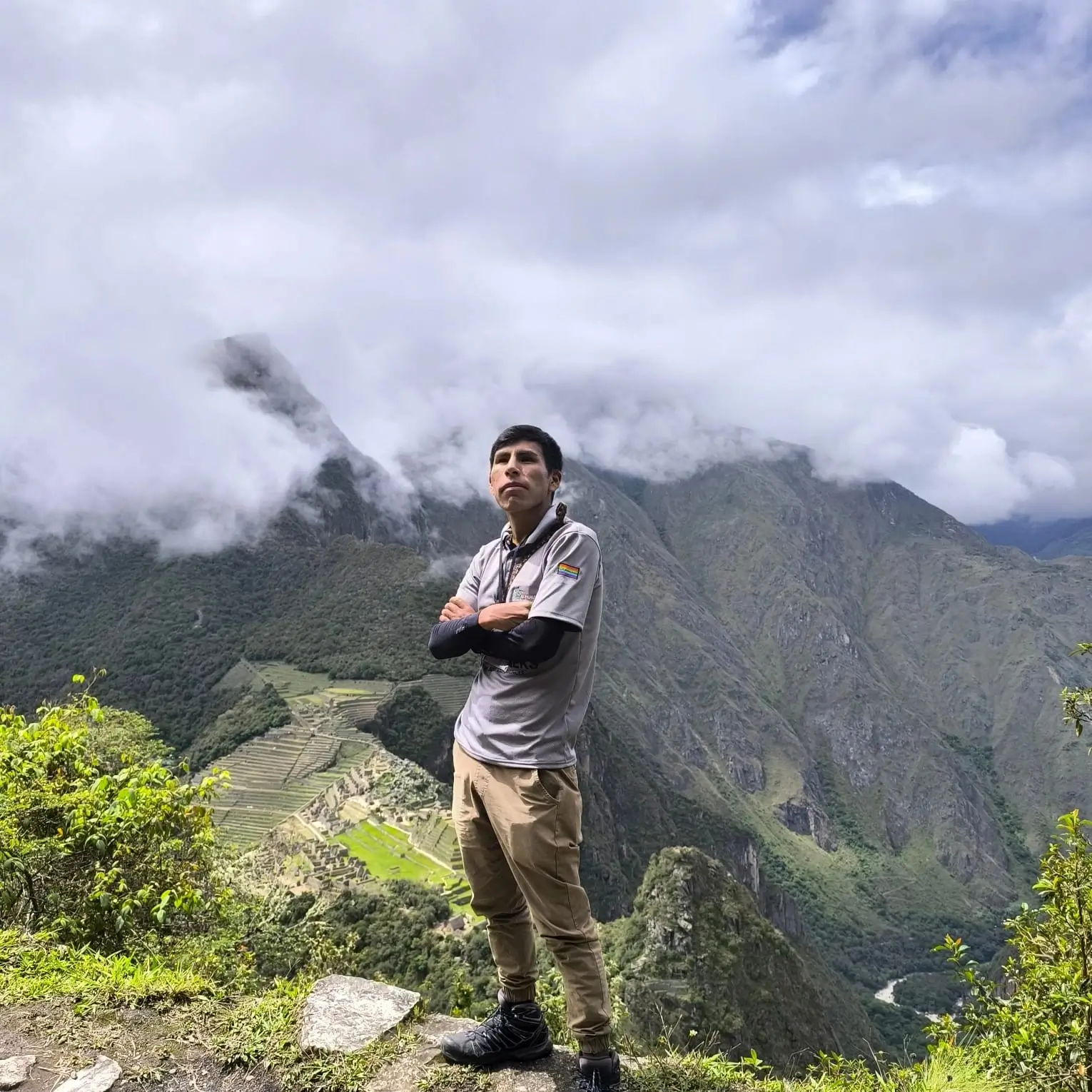
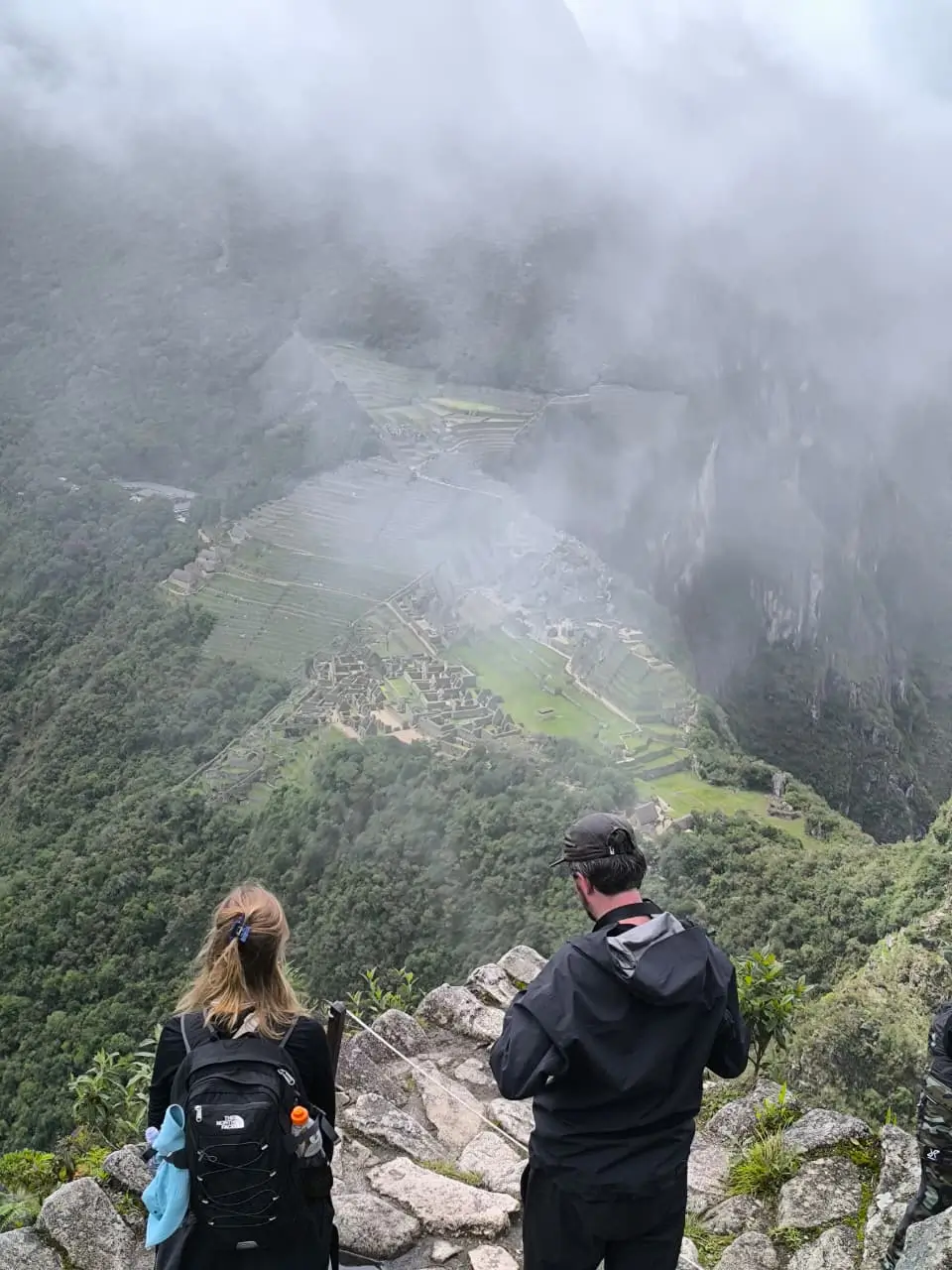
Huayna Picchu MountainMachu Picchu Mountain
The Huayna Picchu Climb
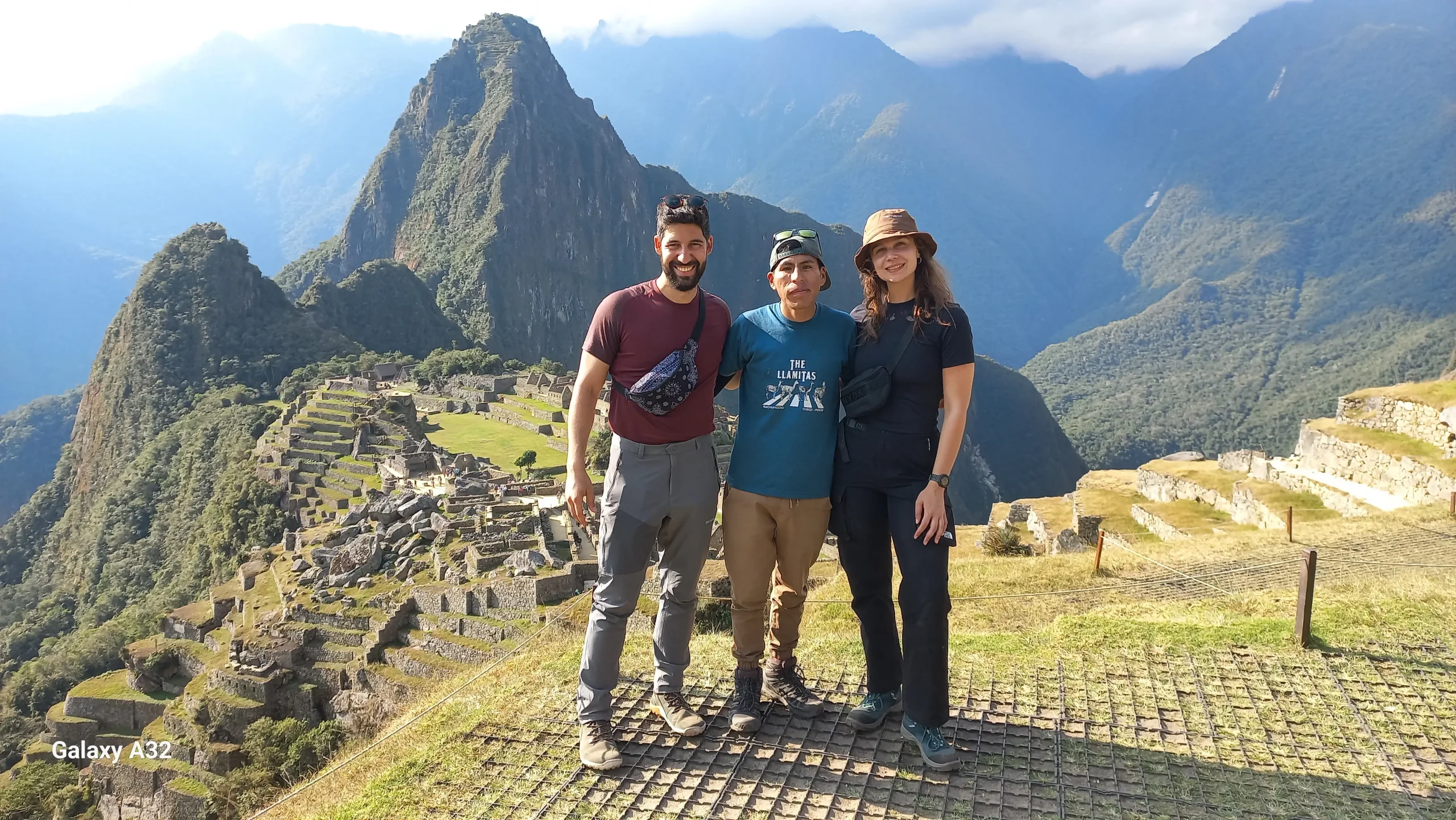
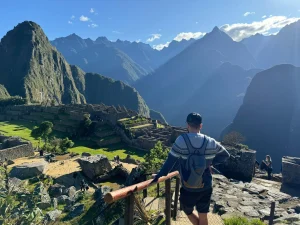
Huayna Picchu is the peak behind the citadel in most Machu Picchu photos. It is the shorter climb, but it is the one most likely to rattle someone with a fear of heights.
What to expect
Narrow Inca stairs, often steeper than modern stairs, with drops of several hundred meters beside them and only a cable or the rock face to hold.
A few upper sections where you use your hands.
A descent that many hikers find harder than the ascent.
Pros
Shorter and quicker, so it fits into a tight schedule.
Close-up views down onto the terraces and plazas.
The least height gain of the two.
Cons
Exposure. If you freeze on narrow ledges, this is not the climb for you.
Tickets sell out first, especially from May through September.
The ticket covers the lower citadel sector, not the classic upper viewpoint.
The Machu Picchu Mountain Climb
Machu Picchu Mountain sits south of the citadel and is higher and longer. It is a long staircase through cloud forest rather than a scramble.
What to expect
About twice the height gain of Huayna Picchu, which you will feel at this altitude.
A steady, sustained ascent of roughly 1.5 to 2 hours.
A wide view over the sanctuary and the Urubamba valley from the top.
Pros
Fewer exposed edges, so it suits people who dislike heights.
Tickets are generally easier to get than Huayna Picchu, though still limited.
The ticket includes the classic viewpoint of the citadel, so you do not give up the postcard photo.
Cons
Longer and more tiring, with a bigger total effort.
It takes up most of a morning, which is hard to fit around a train schedule.
On a cloudy day, the summit view can be limited.
Which Climb Fits You?
If you…
Pick
Are afraid of heights or dislike exposed steps
Machu Picchu Mountain
Have only a few hours at the site
Huayna Picchu
Want the most height and distance for your effort
Machu Picchu Mountain
Are traveling with someone less steady on stairs
Machu Picchu Mountain
Want the iconic peak behind the ruins
Huayna Picchu
Want the classic upper viewpoint on the same ticket
Machu Picchu Mountain
You can’t switch between the two on the day. Each ticket is for one route, the paths run one way, and walking onto a route your ticket does not cover can get you removed from the site. Doing both means two tickets, and most visitors choose one.
Tickets, Prices and Booking
Both climbs require a separate combined ticket, bought through the official platform or a licensed operator. Tickets are tied to a date, an entry hour and your passport number.
Official price (foreign adult): S/200 for either mountain, plus an S/11 conservation fee, about US$61 in total. A standard citadel ticket is S/152. Students and children pay less with proof on the day.
Our trek add-on: on our treks, the Huayna Picchu or Machu Picchu Mountain ticket is $80 per person, subject to availability, and is never included in the trek price.
Daily caps: the Ministry does not publish a per-mountain figure. Our Machu Picchu tickets guide cites 400 permits a day for Huayna Picchu, while other sources say 200 or 350, so treat these as estimates.
Lead time: Huayna Picchu permits can sell out 4 to 6 months ahead in June through August, according to our Machu Picchu cost guide. Book the mountain first, then build the rest of the trip around that date.
No changes: names and dates generally cannot be changed after purchase, and re-entry is not allowed.
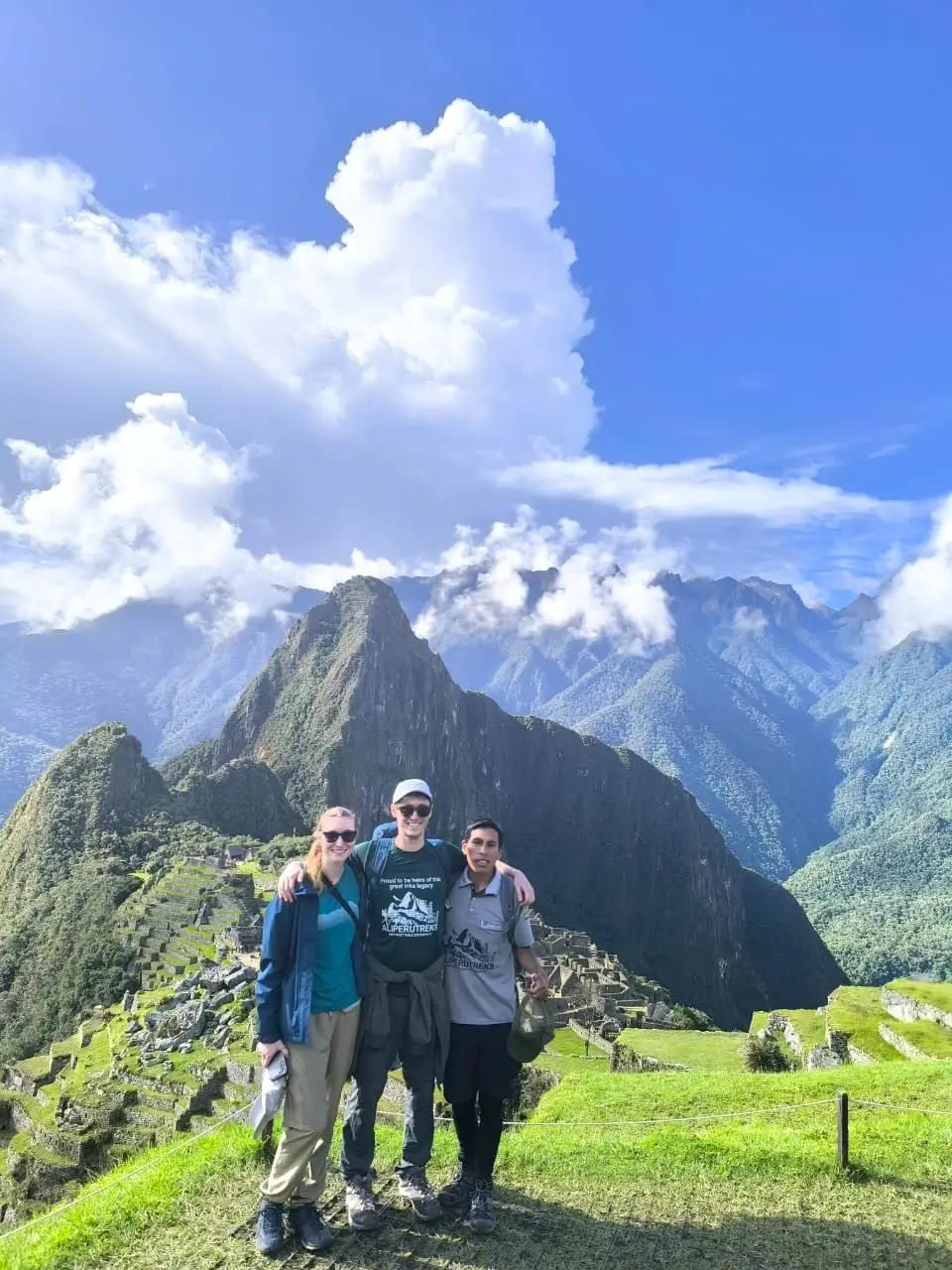
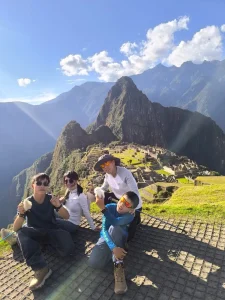
Machu PicchuA classic photo of the Inca citadel of Machu Picchu with Huayna Picchu in the background
Rules That Catch Visitors Out
No grace period at the mountain gate. The main gate allows a 30 to 45 minute tolerance, but the mountain checkpoints allow none. Go straight to the trail control post on a climbing ticket.
Time limits. Your ticket allows a maximum stay of 6 hours (Huayna Picchu) or 7 hours (Machu Picchu Mountain) from entry.
Closures. The mountains close for maintenance and for rain by ministerial resolution. In 2025, Huayna Picchu was closed from March 5 to April 11 and Machu Picchu Mountain from March 8 to April 26. Huayna Picchu was also closed for all of June 2026.
2027 hours. A resolution reported for January 1, 2027 closes entry to both routes at 10:00, with climbers off the summits by 12:00. Confirm before you book a late slot.
Age limits. Children 3 to 17 have their own ticket rate, but sources disagree on a minimum age for the mountains. Check before you book if a child is joining.
Inca Trail hikers. Inca Trail tickets enter through Route 3-B, which does not include a mountain, so a climb requires a second ticket.
How It Fits With Your Trek or Tour
Day trip from Cusco: a mountain climb plus the citadel makes for a long day. Our Machu Picchu full-day tour works best if you book the earliest entry slot and keep the train time in mind.
Classic Inca Trail: you arrive at the Sun Gate on the last morning, often tired. Our 4-day Inca Trail can add a mountain only if you buy the extra ticket in advance, and the 7:00 slot may be hard to reach after a sunrise arrival.
Salkantay or other treks: our 5-day Salkantay trek finishes with a guided visit to Machu Picchu, and the mountain is an optional add-on after the tour. After several days on the trail, be honest about your energy before you add a climb.
Short Inca Trail: the 2-day Short Inca Trailcovers less distance than a longer trek, so you may arrive with more energy to spare.
Preparing for Either Climb
Both climbs start at about 2,430 m, but you will be higher on Machu Picchu Mountain, and you will usually arrive after days at altitude in Cusco. Our guide on how to acclimatize in Cusco explains how many days to allow, and our page on altitude sickness in Cusco covers the warning signs.
Wear shoes with real grip. Stone steps can be slick when wet.
Carry water and a light rain layer. Our guide to Machu Picchu weatherexplains when showers and fog are most likely.
Leave trekking poles at your hotel. They are not allowed inside Machu Picchu, and the steep sections need your hands.
Take your original passport. It is checked against your ticket.
Which is harder, Huayna Picchu or Machu Picchu Mountain?
Machu Picchu Mountain is harder on your legs and lungs because it has about twice the height gain and takes longer. Huayna Picchu is harder on your nerves, because the steps are narrow and exposed. Both are rated high effort by the Ministry of Culture.
Can I do Huayna Picchu and Machu Picchu Mountain in the same day?
Not on one ticket. Each ticket covers one route, and you cannot switch on the day. Doing both means two tickets, and most visitors choose one.
How far ahead should I book?
Book as early as your Machu Picchu date is confirmed. Huayna Picchu can sell out 4 to 6 months ahead in the dry season. Machu Picchu Mountain is usually easier to get, but morning slots still fill.
Are Huayna Picchu or Machu Picchu Mountain tickets included in a trek?
No. On our treks, the mountain ticket is an optional extra at $80 per person, subject to availability, and it must be booked months in advance.
Which one has the better view?
Huayna Picchu gives a close view down onto the citadel. Machu Picchu Mountain is higher and gives a wider panorama of the sanctuary and the valley. Clouds can hide either summit, so neither view is guaranteed.
No, not automatically. We know of no official upper age limit for the Inca Trail, and the oldest reported finisher was 86. What decides whether the trek is realistic is your fitness, how your body handles 4,215 m (13,828 ft), the condition of your knees, and any heart or lung condition. The hardest stretches are…
The best weather for the Salkantay Trek falls between May and September, when the dry season brings clear skies, stable trails, and the clearest views of Nevado Salkantay — at the cost of freezing nights at high camp. April and October are solid shoulder-season picks, while November through March brings rain, mud, and occasional closures.…
Most first-time visitors end up choosing between two plans. You can leave Cusco before dawn, see Machu Picchu and be back in your hotel the same night. Or you can sleep in Aguas Calientes (the town at the foot of the citadel) and visit the next morning. Neither plan is better in every case. The…
For most trekkers, the 5-day Salkantay trek is the safest choice: it spreads the Salkantay Pass over a full day, adds a gentler first day, and costs $650. Pick the 4-day trek ($580) if you are fit, well acclimatized and short on time. Pick the 6-day ($900) or 7-day ($1,000) if you want to walk…
The Ancascocha Trek passes four main Inca sites on its way to Machu Picchu. Perolniyoc (also called Raqaypata) sits on a cliff above a waterfall at about 3,550 m, Rayan Pata is a ceremonial site at about 3,800 m, Paucarcancha guards the junction of two valleys at about 3,100 m, and Patallacta (also called Llactapata)…
Moray and the Maras Salt Mines are two neighboring sites on the high plateau above the Sacred Valley, about 50 km from Cusco, and most travelers visit them together in half a day. Moray is a set of circular Inca terraces, and Maras is a hillside of thousands of salt pans still worked by local…
Plan at least three days in Cusco if you want to see the city and visit Machu Picchu, and four to five days if you also want the Sacred Valley or a high-altitude hike like Rainbow Mountain. Three days is the practical minimum because Cusco sits at 3,399 m (11,152 ft), and your first day…
Yanama Pass, at about 4,660 m (15,290 ft), is the highest point on the trek from Choquequirao to Machu Picchu. It sits in the Vilcabamba range, between the village of Yanama (about 3,500 m) and the Totora valley, and crossing it is usually the longest day of the route: 8 to 10 hours, with a…
The Choquequirao cable car is a planned public-private project that would link the Inca site of Choquequirao with the Apurímac and Cusco sides of the canyon, cutting a journey that now takes about two days on foot to roughly 20 minutes. As of November 2026, it has not been built. The project is still in…
The Choquequirao trek starts at Capuliyoc (about 2,950 m), drops to the Apurímac River at Playa Rosalina (about 1,550 m), and climbs back up through Santa Rosa and Marampata to the ruins at about 3,050 m. That means a descent of roughly 1,400 m followed by a climb of about 1,500 m, each way. This…