
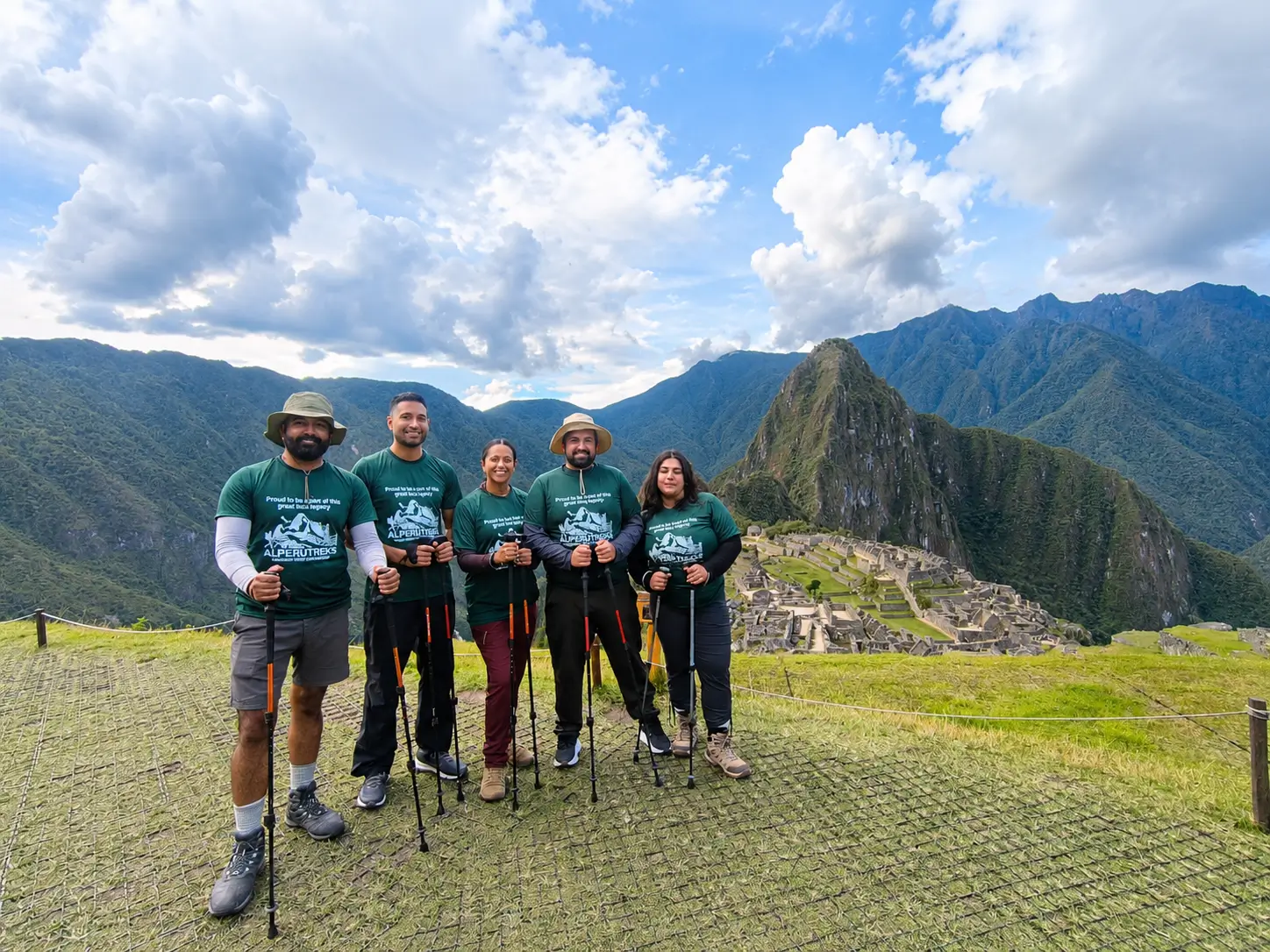
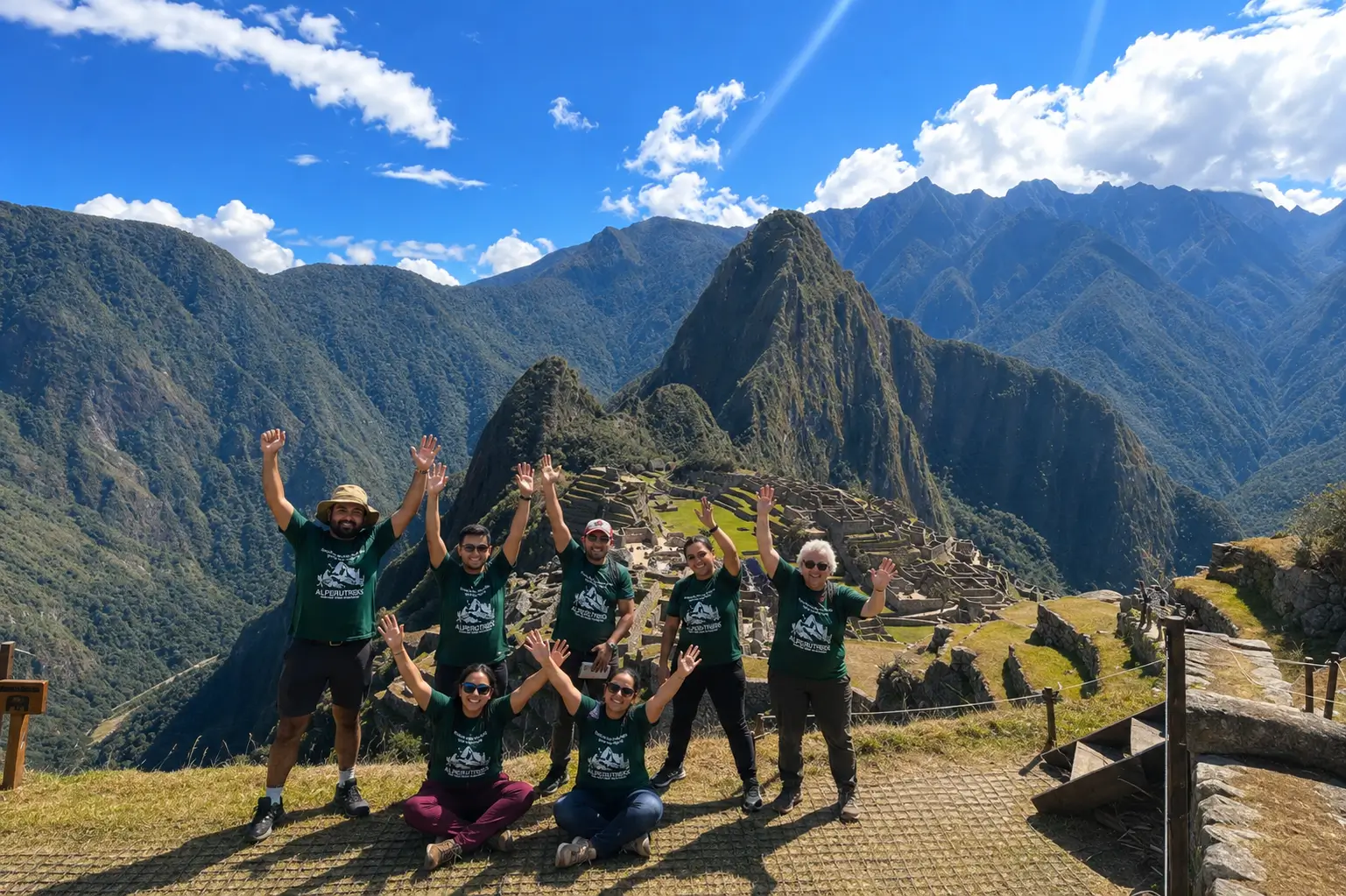
The main difference is what you’re hiking through. The Classic Inca Trail follows original Inca stonework and ruins, needs a government permit booked months ahead, and ends with a walk through the Sun Gate. The Lares Trek crosses higher, quieter Andean terrain and farming villages, needs no trekking permit, and ends with a train to Aguas Calientes and a bus up to Machu Picchu. Both take four days. Lares reaches a higher pass (4,700 m vs. 4,215 m) but is rated easier on distance and stairs.
Below is a side-by-side comparison, followed by honest pros and cons and who each route suits.
Inca Trail vs. Lares Trek at a Glance
The figures for our two tours:
| Classic Inca Trail | Lares Trek | |
|---|---|---|
| Duration | 4 days / 3 nights | 4 days / 3 nights |
| Distance | About 43 km (27 mi) | About 42 km (listed as 38-42 km) |
| Highest point | Dead Woman’s Pass, 4,215 m (13,828 ft) | Pachacutec Pass, 4,700 m (15,420 ft) |
| Difficulty | Challenging / moderate to challenging | Moderate |
| Government permit | Required: About 500 people per Inca Trail vs. Lares Trek: Which Machu Picchu Hike Should You Choose? day, including staff | None required |
| Booking lead time | Months ahead | Much more flexible |
| Group size | 2 to 12 | Up to 12 |
| Price (group) | $775 per person | From $640 per person |
| Camping nights | 3 | 2, plus 1 hotel night in Aguas Calientes |
| Closed in February | Yes. | No, it runs year-round. |
| Entry to Machu Picchu | On foot via the Sun Gate | By train and bus from Aguas Calientes |
Distances differ between sources. Some operators list Lares as shorter than 40 km, so ask exactly which route and distance your operator uses. Our Classic Inca Trail and Lares Trek pages list the daily details.
Scenery and Culture: Ruins vs. Villages
Inca Trail. You walk on original Inca paving, through cloud forest, and past sites like Runkurakay, Sayacmarca, Phuyupatamarca, and Wiñay Wayna. The focus is archaeology and the engineering of the road itself.
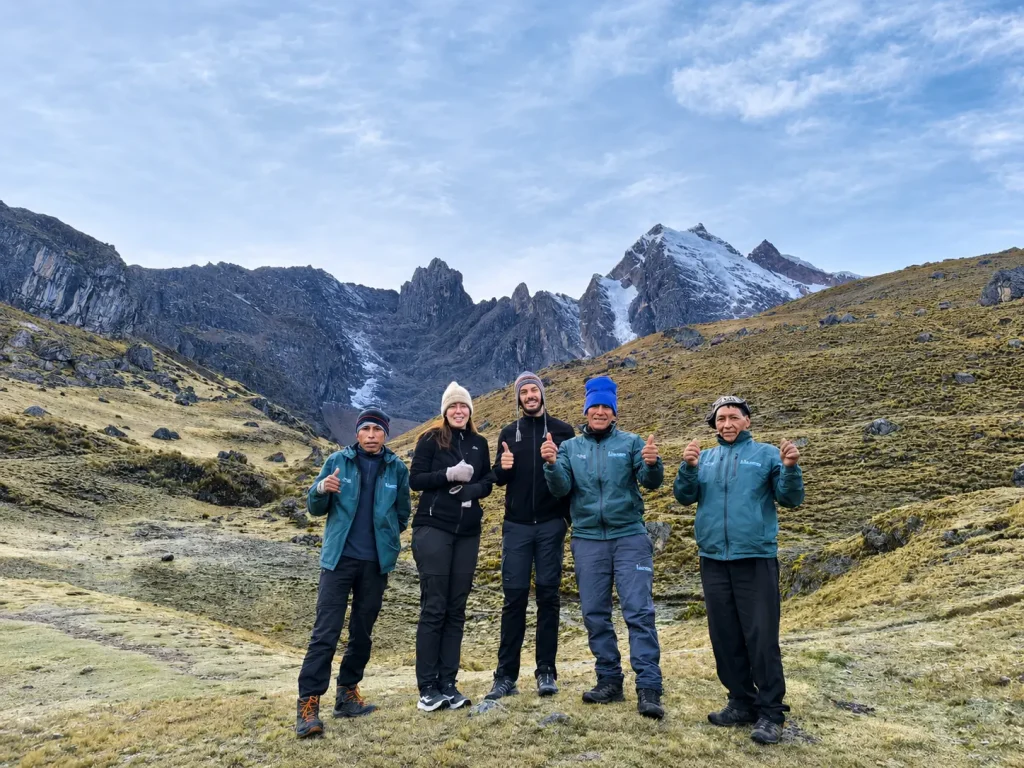
Lares Trek. The focus is high Andean landscapes: lagoons, passes, and Quechua farming communities. Our itinerary includes a village and school visit near Cancha Cancha, Qoyalayccocha Lagoon, and the Lares hot springs on Day 3. There are fewer archaeological sites than on the Inca Trail.
Neither is objectively more scenic. It depends on whether you would rather see stonework or living communities.
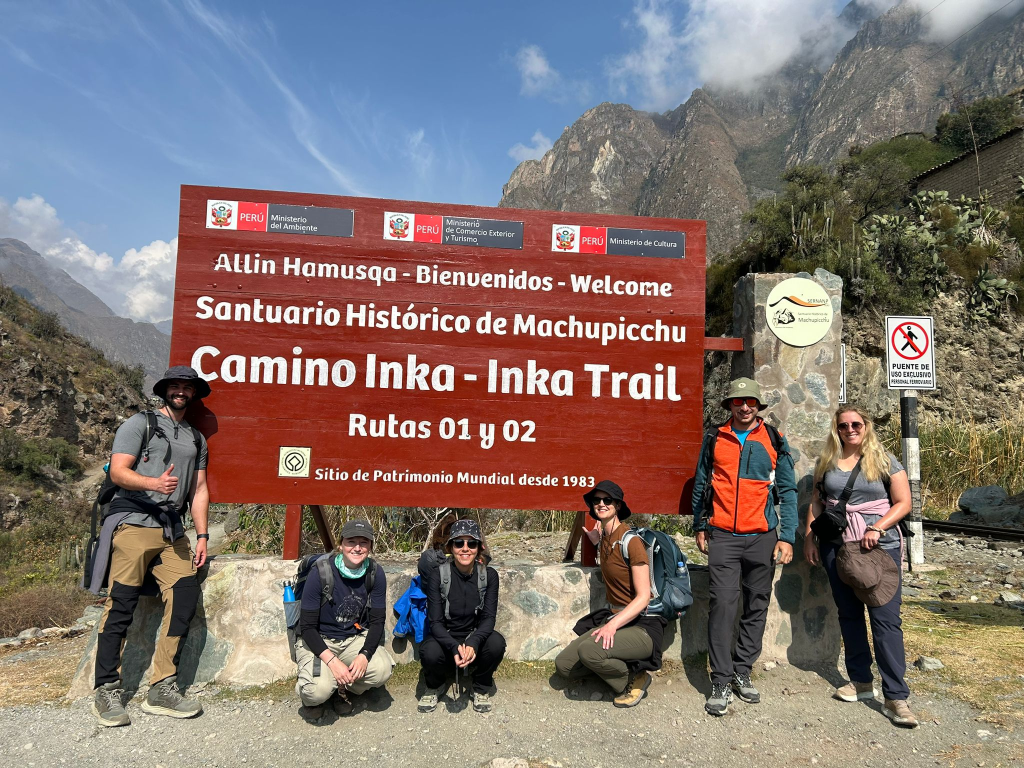
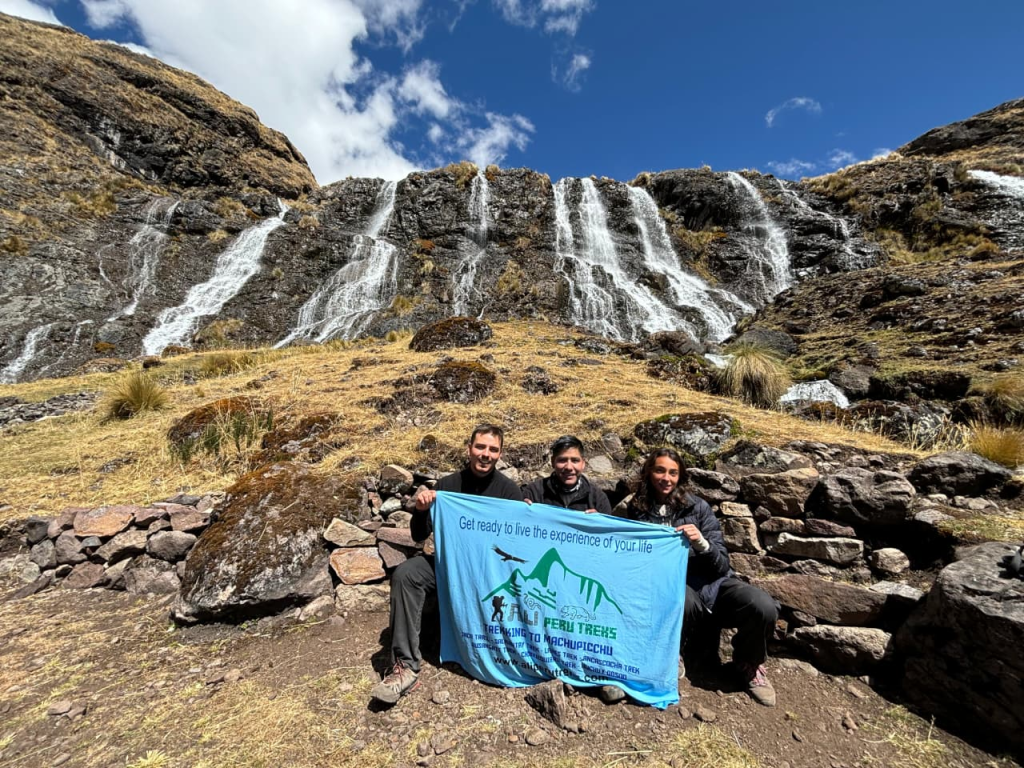
Permits and Booking: The Biggest Practical Difference
This is often what decides it.
- Inca Trail: you need a permit; only about 500 people are allowed per day (including guides, cooks, and porters), and permits are tied to your passport and can’t be transferred. Popular dates sell out months ahead. See Inca Trail availability and our Inca Trail permits 2027 guide.
- Lares Trek: no special government trekking permit is required. Machu Picchu entrance tickets are arranged by the operator, and you present your original passport. That makes late planning realistic.
The Inca Trail also closes every February. Lares runs year-round, though February is the wettest part of the rainy season.
Difficulty: Higher Pass or Harder Days?
The two treks are hard in different ways.
| Inca Trail | Lares Trek | |
|---|---|---|
| Hardest day | Day 2: about 15 km, 9-10 hours, +915 m to the pass | Day 2: about 14 km, roughly 7 hours, pass at 4,700 m |
| Terrain | Many stone steps, often steep | Fewer stairs, more time at high altitude |
| Highest camp | About 3,600 m | Cancha Cancha at 3,850 m |
The Inca Trail’s Day 2 is longer, and the stairs are hard on knees; read our Dead Woman’s Pass guide. Lares crosses a higher pass and spends more time at altitude. Either way, plan to acclimatize in Cusco first, and see our altitude sickness guide.
Cost: What Do You Actually Pay?
On our tours, the Lares Trek starts from $640 per person, and the Classic Inca Trail is $775 for group departures. The gap is smaller than the headline suggests once you compare inclusions:
| Included | Inca Trail | Lares Trek |
|---|---|---|
| Machu Picchu entrance ticket | Yes | Yes |
| Guide, cook and porters | Yes | Yes (plus muleteers) |
| Hotel night in Aguas Calientes | No (you camp, then return by train) | Yes, 3-star |
| Hot springs entry | n/a | Yes |
| Sleeping bag/pole rental | $20 / $15 | $20 / $15 |
Tips, insurance, and Huayna Picchu or Machu Picchu Mountain tickets are extra on both. Our Inca Trail cost guide has the full budget.
Weather and Best Season
Both are best in the dry season, roughly May to October. The rainy season is quieter but wetter, and the Lares passes can be cold and foggy. See the Inca Trail weather and the Inca Trail by Month guide.
How Each Trek Ends at Machu Picchu
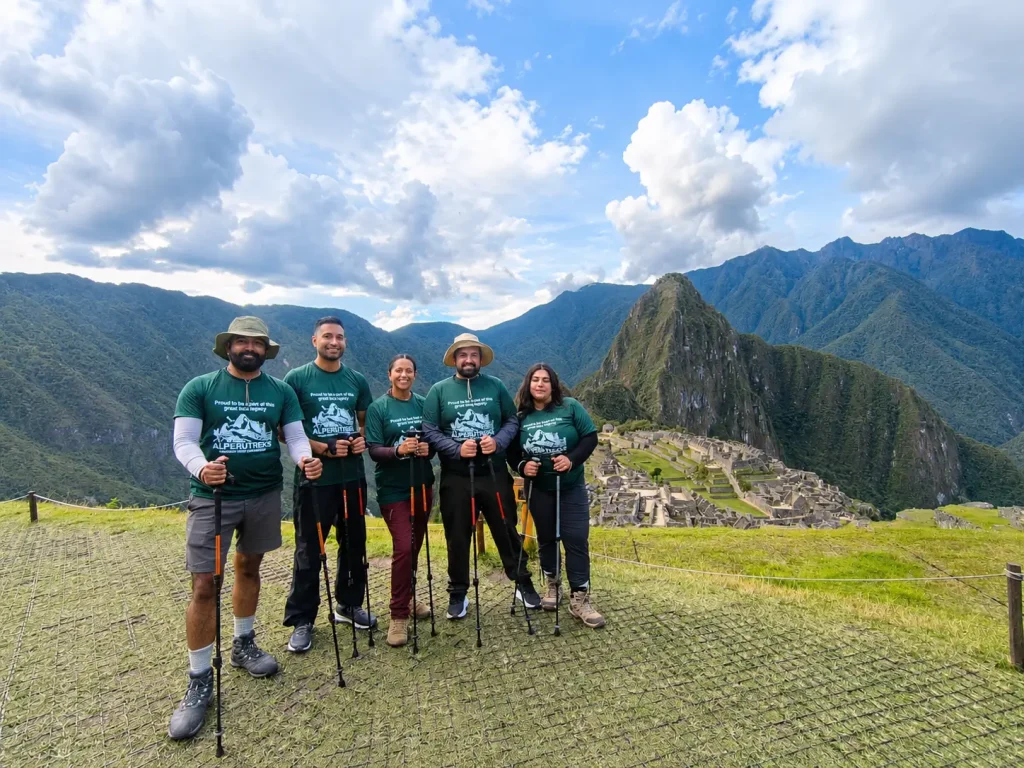
On the Inca Trail you reach the Sun Gate at about 6:30 am on Day 4 and walk down into the citadel. On Lares, you take a van to Ollantaytambo, a train to Aguas Calientes, and a bus up the next morning, followed by a guided tour. If arriving on foot matters to you, that favors the Inca Trail. If you’d rather have a hotel night and a calmer final day, Lares fits. See the new Machu Picchu circuits guide for how entry works.
Pros and Cons
| Pros | Cons | |
|---|---|---|
| Inca Trail | Original Inca trail and ruins; arrival via Sun Gate; controlled numbers | Needs permit months ahead; closed in February; harder stairs; more people near the end |
| Lares Trek | No permit; flexible booking; village contact; hot springs; hotel night | Fewer ruins; higher altitude exposure; arrival by train, not on foot |
Which Should You Choose?
- Choose the Inca Trail if you care most about the archaeology and walking into Machu Picchu, and you can book far ahead.
- Choose Lares if your dates are flexible or short notice, you want more cultural contact, or the permit is sold out.
- Consider alternatives if neither fits: the Short Inca Trail (two days), the Salkantay Trek, or the Ancascocha Trek, which has no permit cap.
Whichever you pick, our Inca Trail packing list covers the gear, and our guide on Inca Trail porters explains how to choose a responsible operator.
FAQ: Inca Trail vs. Lares Trek
Our Lares Trek is rated moderate and has fewer stairs, but it crosses a higher pass (4,700 m vs. 4,215 m). Many hikers find it easier overall, though altitude affects people differently.
No special government trekking permit is required. Your operator arranges Machu Picchu tickets, and you need your original passport.
On our tours, Lares starts from $640 per person, and the Classic Inca Trail is $775 per person. Lares also includes a hotel night in Aguas Calientes.
Yes, but you reach it by train to Aguas Calientes and a bus, rather than on foot through the Sun Gate.
Yes. Unlike the Inca Trail, Lares runs year-round, but February is deep in the rainy season.