
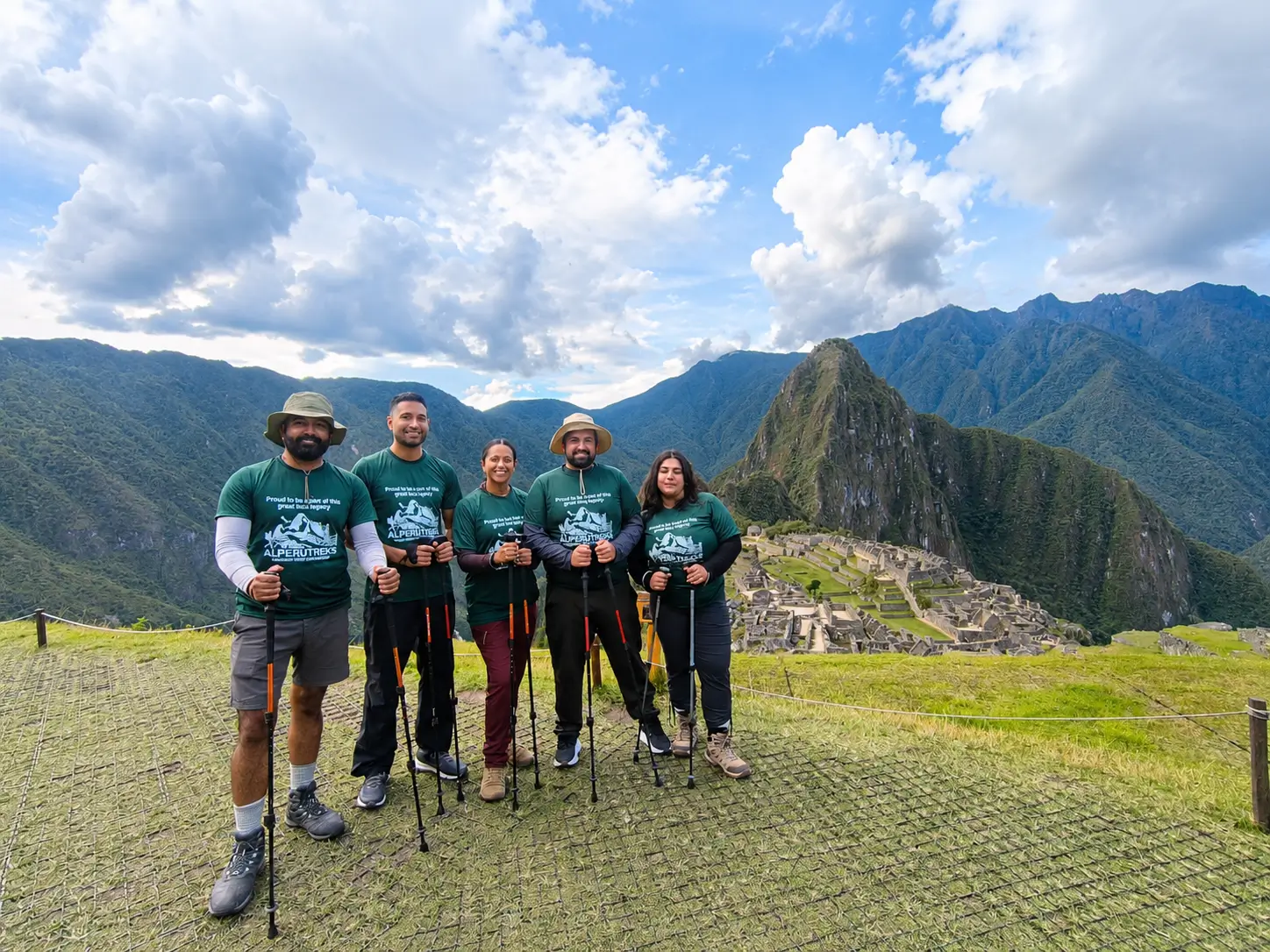
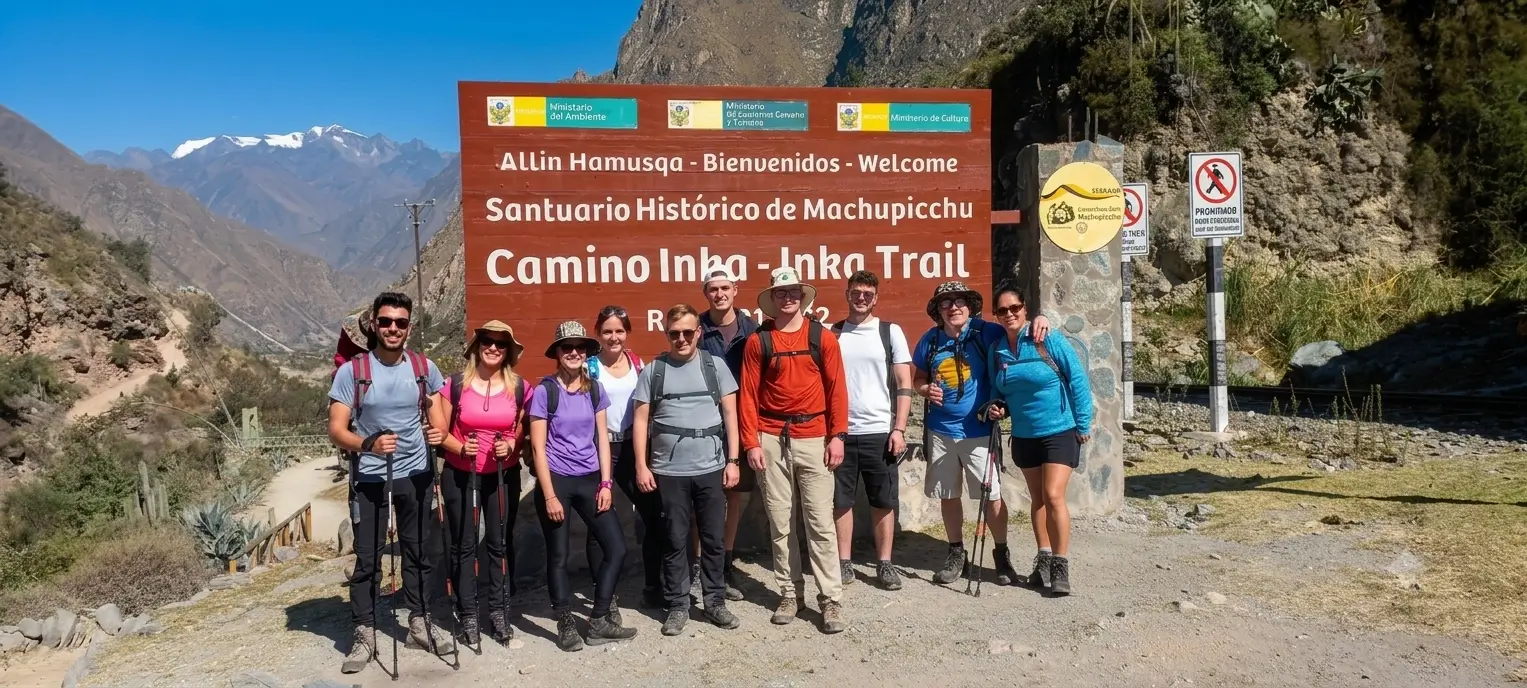
For many hikers, yes, but not for everyone. The 4-day Classic Inca Trail covers about 43 km, crosses Dead Woman’s Pass at 4,215 m, walks original Inca stonework, and ends at the Sun Gate at sunrise. It costs roughly $775 per person for a group departure with a licensed operator, needs booking months ahead because of the permit cap, and is physically demanding. It’s worth it if you value the history, the arrival on foot, and the structure of a fully supported camping trek. If you mainly want mountain scenery, flexibility, or a lower cost, another route may suit you better.
Below are the real pros and cons, what the trail costs, and who should look elsewhere.
What You Actually Get on the Inca Trail
The Classic Inca Trail runs from Km 82 to Machu Picchu over four days and three nights of camping. According to our 4-day itinerary, the daily breakdown looks like this:
| Day | Route | Distance | Hiking time | Notes |
|---|---|---|---|---|
| 1 | Km 82 to Ayapata | 12 km | About 6 hours | Starts at 2,720 m; camp at 3,300 m |
| 2 | Ayapata to Chaquicocha | 15 km | 9-10 hours | Dead Woman’s Pass (4,215 m) and Runkurakay Pass (4,000 m) |
| 3 | Chaquicocha to Wiñay Wayna | 10 km | 5-6 hours | Mostly downhill through cloud forest; Phuyupatamarca, Inca tunnel, Intipata |
| 4 | Wiñay Wayna to Sun Gate to Machu Picchu | 6 km | About 1 hour to the Sun Gate | Sun Gate arrival around 6:30 am; guided visit of the citadel |
For exact start and end points, see where the Inca Trail begins and ends.
The Case For: Why Many People Say It’s Worth It
- You arrive on foot. The Sun Gate view of Machu Picchu is the main reason people choose this route over a train ride.
- It passes real archaeology. Sites like Runkurakay, Sayacmarca, Phuyupatamarca, Intipata, and Wiñay Wayna are only reachable on this trail.
- Controlled numbers. Only about 500 people per day are allowed on the trail, including porters and guides, which leaves roughly 200 trekker spots. The trail is quieter than most.
- Full logistics handled. Porters carry the camping gear, a cook prepares meals, and your group sets off with tents, toilets, and meals arranged.
- The ecosystem changes. You walk from high puna through cloud forest, which one trekker’s account describes as including almost 30 orchid varieties.
The Case Against: Honest Downsides
- Day 2 is hard. It is 15 km, 9-10 hours of hiking, and a gain of about 915 m to the pass, followed by steep Inca stairs that wear on knees.
- It sells out. Permits are limited and tied to your passport. Popular dates can fill many months ahead, so spontaneous planning rarely works. See our Inca Trail permits 2027 guide for release timing.
- It is not remote the whole way. Trekkers report more people near Wiñay Wayna and the final stretch as groups converge, plus an early start on the last morning.
- Camping is basic. Even with comfortable tents, you spend three nights camping at altitude, with cold nights.
- Fixed dates, strict rules. Permits can’t be transferred or refunded, and the classic trail closes every February.
- Weather can limit views. Rain is common in the wet season; see Inca Trail weather and the Inca Trail by month breakdown.
How Much Does the Inca Trail Cost?
Prices vary by operator, but these figures give a realistic picture. Our Inca Trail cost guide breaks them down further.
| Item | Typical cost |
|---|---|
| 4-day group tour (our Classic Inca Trail) | $775 per person; private groups $775-$900 depending on size |
| Government permit (already inside package prices) | Roughly $200-$250 |
| Sleeping bag rental | $20 |
| Trekking poles rental | $15 per pair |
| Tips for guides, cook and porters | Roughly $80-$150 per traveler |
| Huayna Picchu or Machu Picchu Mountain add-on | $80 (subject to availability) |
| Trail cost excluding flights | About $1,500-$2,000 |
| All-in cost from the US | About $2,500-$3,000 |
A standard package typically includes the permit, Machu Picchu entrance ticket, guide, cook, porters, meals, tents, and the return train. It usually excludes tips, insurance, flights, hotels, and rentals. Ask any operator for an itemized list, because “all-inclusive” can mean different things.
Is It Worth the Money Compared with Other Routes?
Here’s how it compares with the main alternatives at a high level:
| Classic Inca Trail | Short Inca Trail | Ancascocha Trek | Salkantay / Lares | |
|---|---|---|---|---|
| Duration | 4 days | 2 days | 4-5 days | 4-5 days |
| Permit cap | Yes (about 500/day) | Yes (separate quota) | No | No Inca Trail-style cap |
| Highest point | 4,215 m | Lower | 4,650 m | Varies by route |
| Arrives via Sun Gate | Yes | Yes | Only combined versions | No |
| Main appeal | Inca stonework and ruins | Sun Gate in limited time | Quiet trail, high passes | Scenery and flexibility |
- The Short Inca Trail suits people with limited time or lower fitness who still want the Sun Gate arrival.
- The Ancascocha Trek has no permit cap and fewer people but crosses higher passes (Huayanay Pass at 4,650 m) and has less trail infrastructure.
- The Salkantay Trek and Lares Trek offer different scenery and can be easier to book at short notice, but you won’t walk the Inca-built trail to the Sun Gate.
- If you want extra time at the citadel, the 5-day Inca Trail is an option.
Who Should Do It, and Who Shouldn’t
| It’s probably worth it if you… | Consider an alternative if you… |
|---|---|
| Care about archaeology and arriving at the Sun Gate | Mostly want snow peaks and big mountain views |
| Can plan 6+ months ahead | Decide your dates a few weeks out. |
| Are comfortable hiking 9-10 hours on Day 2 | Have knee problems or low tolerance for altitude |
| Prefer a fully supported trip | Want a solo or flexible itinerary |
Altitude matters on every route, so read our altitude sickness guide and spend a couple of days acclimatizing in Cusco. The Dead Woman’s Pass guide describes the hardest day in detail.
How to Make It Worth It
- Book early. Confirm your date first, then flights.
- Spend a few days in Cusco before the trek.
- Pack smart. Use our Inca Trail packing list and keep within the duffel allowance.
- Choose your operator carefully. Ask about porter welfare; see our Inca Trail porters guide.
- Ready to book? The 4-day Classic Inca Trail page has dates and details.
FAQ: Is the Inca Trail Worth It?
For hikers who value the archaeology, the Sun Gate arrival, and a supported camping trek, most find it good value at around $775 per person. If you mostly want scenery or flexibility, cheaper or more flexible routes exist.
It’s rated moderate to challenging. Day 2 is the hardest: 15 km and 9-10 hours, with a climb to 4,215 m.
They’re different. The Inca Trail has controlled numbers and Inca ruins; Salkantay has bigger mountain scenery and is easier to book late. The right choice depends on your priorities.
Yes. Permits are capped at about 500 people per day, including staff, and are non-transferable, so book as early as possible.
With training, many people can, but the altitude and long Day 2 are real challenges. The Short Inca Trail is a gentler option.