Home » Blog » Inca Astronomy: The Dark-Cloud Constellations of the Andes
Inca Astronomy: The Dark-Cloud Constellations of the Andes
Ali Peru Treks
7 min read
Nov 23, 2026
3 views
Inca astronomy is best known for something unusual: instead of connecting bright stars, the Incas and their Andean neighbors saw animals in the dark patches of the Milky Way, which they called yana phuyu, or “dark clouds.” The most important was a mother llama with her nursing baby, followed by a fox, a toad, a tinamou (a ground bird) and a snake. These shapes helped communities track the rainy season, planting and harvest. Alongside them, the Incas watched the sun’s solstice sunrises and the Pleiades, and some of their buildings appear to line up with those events.
Below is what is documented, what is still debated, and where you can see traces of Inca skywatching on a trip to Peru.
What Are Dark-Cloud Constellations?
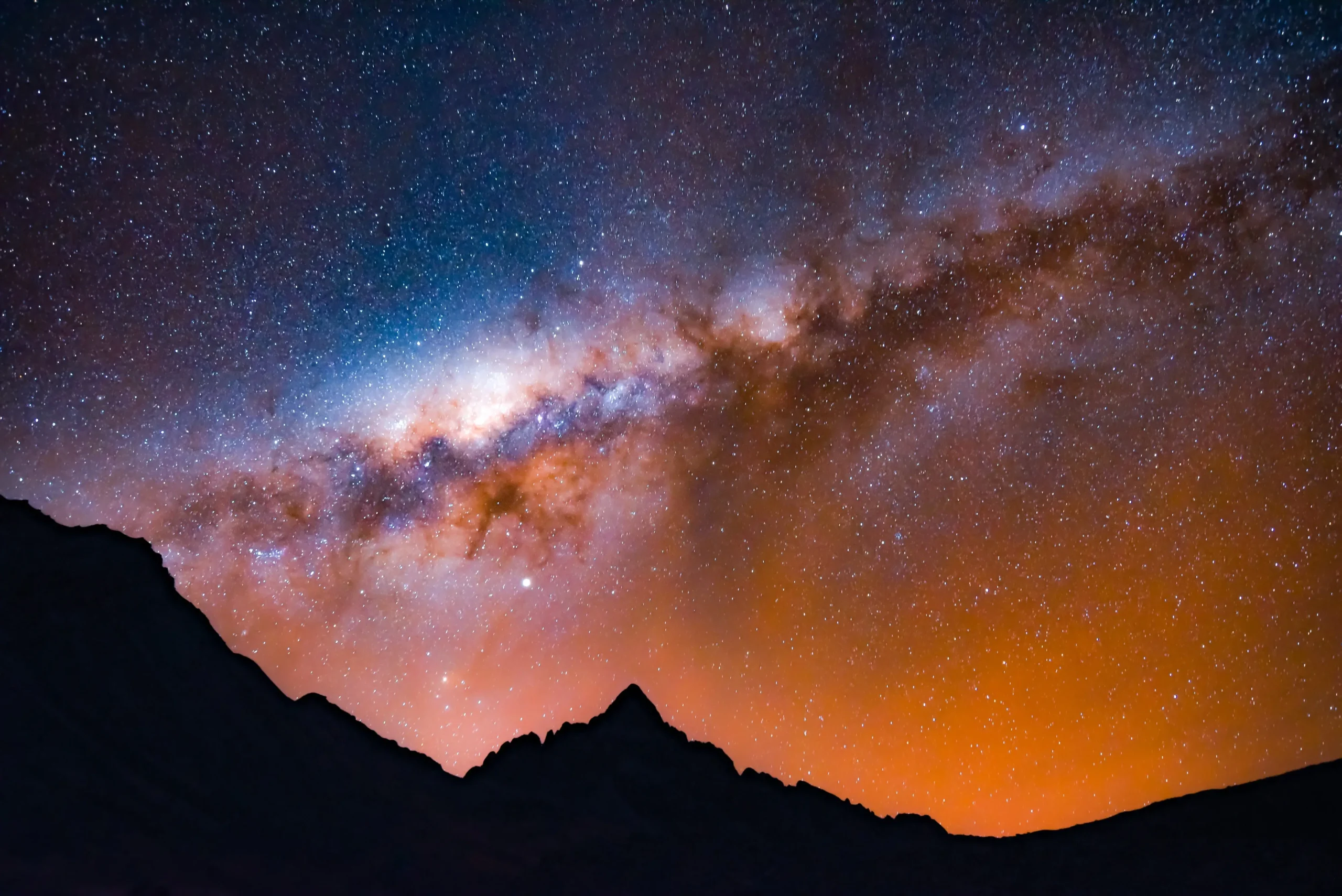
Most Western constellations are drawn by connecting bright stars. Andean skywatchers did something different. They looked at the dark lanes in the Milky Way, where clouds of interstellar gas and dust block the starlight, and read those silhouettes as animals. These are called dark-cloud constellations.
On a clear night at high altitude, the Milky Way stands out strongly, so the dark lanes are easy to pick out. The Smithsonian’s Inka Road exhibit describes the Milky Way as a celestial river, Mayu, that was seen as the source of all water on earth and as a mirror of the Inca road system.
The Main Dark Constellations
Names and details vary by community and by source, so treat this table as a general guide rather than a fixed list. The information comes from the Smithsonian’s National Museum of the American Indian and from research papers based on Andean ethnography.
Constellation
Quechua name
What the Incas associated it with
Llama
Yacana or Llamacñawin
The most important dark constellation; Alpha and Beta Centauri form its eyes
Baby llama
Unallamacha
Seen nursing beneath the mother llama; easy to spot when it rises in November
Fox
Atoq
At the llama’s feet, appearing to chase her; the sun passes through it in December, when fox pups are born
Toad
Hanp’atu
Linked to rain and planting; more croaking meant rain was close
Tinamou (ground bird)
Yutu (also Lluthu in some sources)
Visible from about October to July; its disappearance marked the end of the potato harvest
Snake
Mach’acuay
Said to watch over all snakes; rises head-first around August and begins setting in February
How the Sky Guided Farming
For Andean farmers, the sky worked like a calendar. According to the sources above:
The toad and the rains. The toad’s appearance signaled planting time, and its association with croaking tied it to the coming rains.
The tinamou and the harvest. Its disappearance marked the end of the potato harvest.
The snake and the seasons. Its rising and setting were matched to the activity of real Andean snakes.
The Pleiades. The star cluster, known as Qollqa (“storehouse”), is part of the Andean sky alongside the dark constellations, and researchers link its rising to the site of Llactapata (see below).
One research paper points out that some bright-star constellations also existed alongside the dark ones, including the Southern Cross, known as Chakana (“cross”).
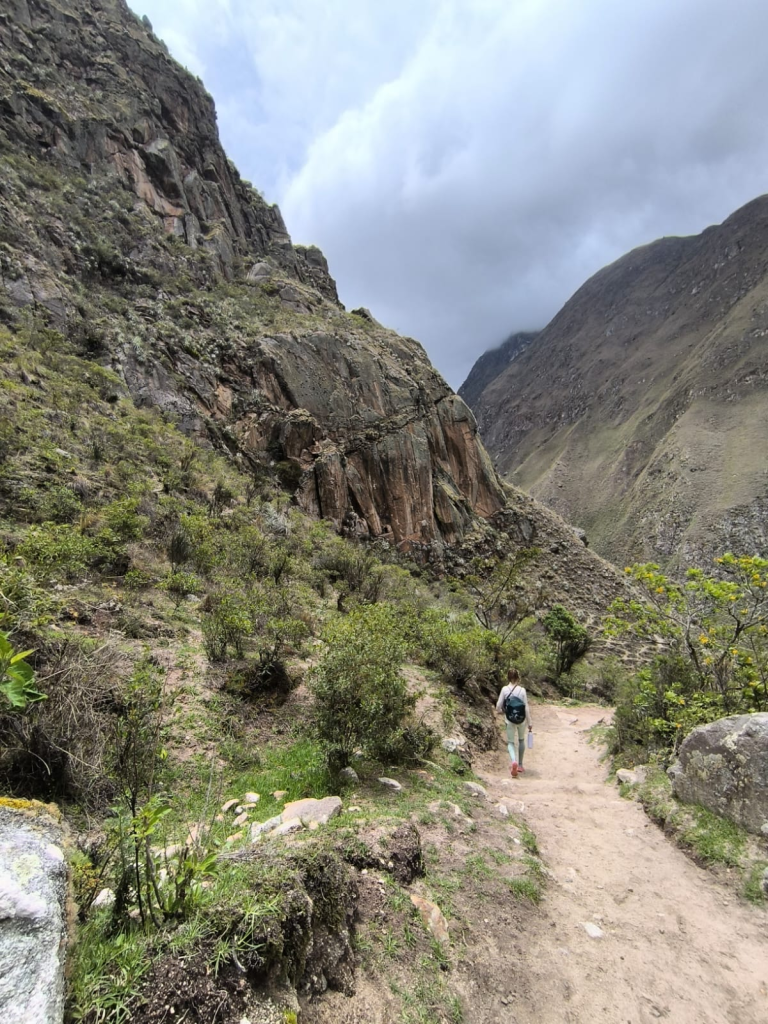
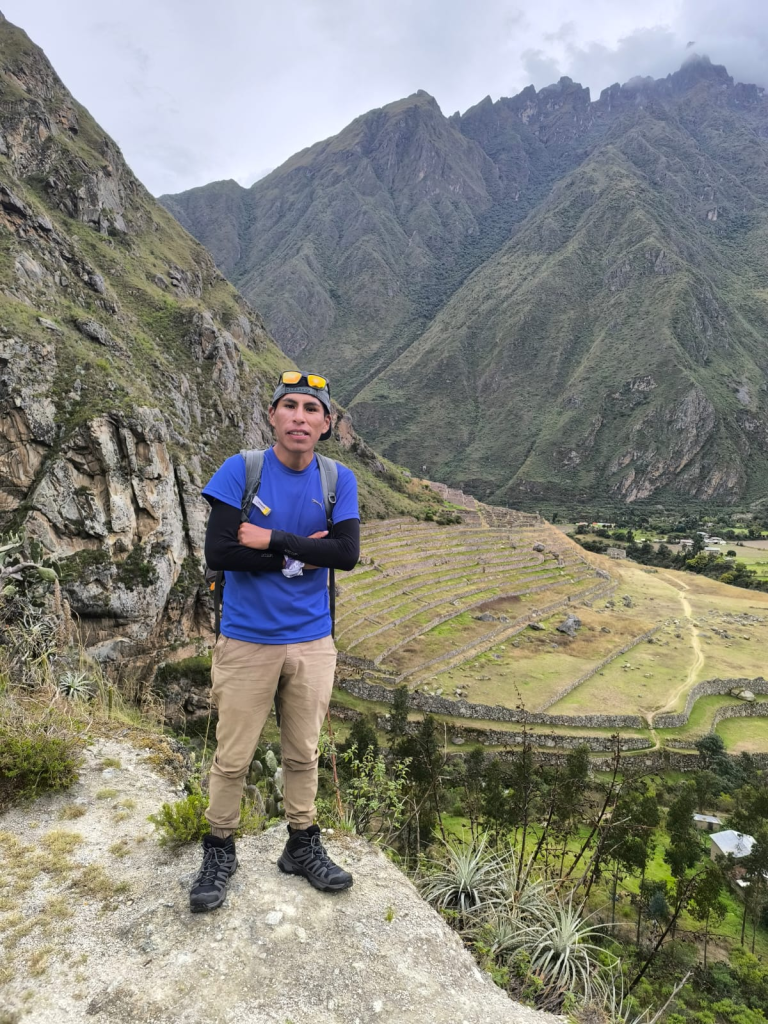
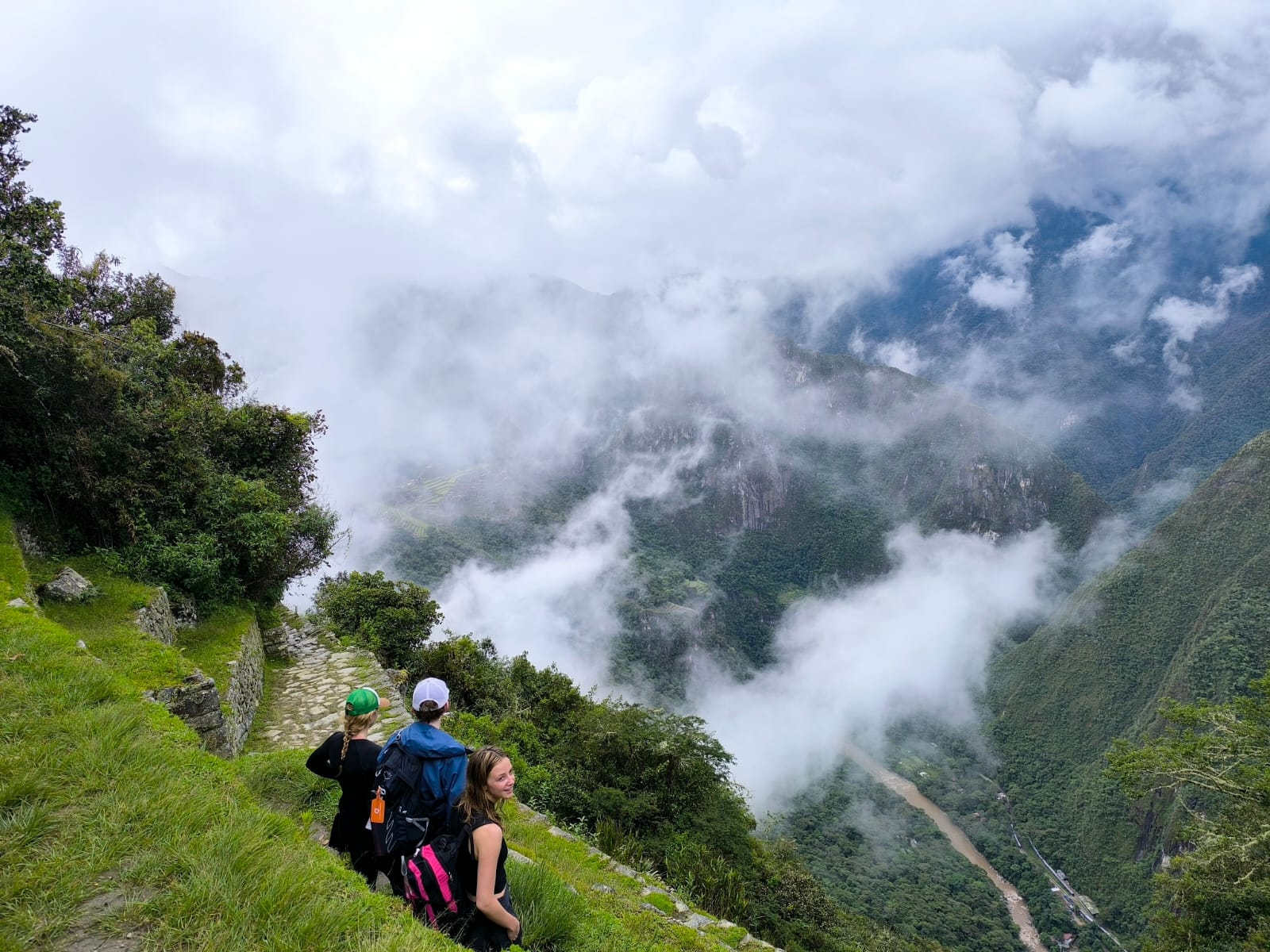
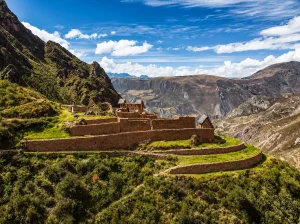
The Inca Trail to Machu Picchu, a famous hiking route in Peru known for its mountainous landscapes and archaeological ruinsThe Inca ruins of Llactapata on the Inca Trail to Machu Picchu
Sun Watching: Solstices and Sacred Sites
Inca astronomy was not only about animals in the Milky Way. The sun mattered most. According to a summary of research on Inca astronomy, solstice sunrises were the most prominent solar events, with the June solstice sunrise used most often and the December solstice close behind. Two of the Incas’ main annual festivals fell at the two solstices.
Researchers have also suggested that several sites were built with the sky in mind:
Intihuatanas. Often translated as “hitching posts of the sun,” these carved stones appear at Machu Picchu, Pisac and Tipón. At Pisac, a stone gnomon is reported to line up with the direction of the June solstice sunrise.
Llactapata. This site, about 5 km from Machu Picchu across a gorge, is described as oriented to the June solstice sunrise and the rising of the Pleiades.
Intimachay. A cave near Machu Picchu has a narrow light opening that some researchers link to the December solstice sunrise.
The same research notes that some claims are expressed with caution. For example, it has been said that Intimachay was built for the December solstice, and researchers such as R. Tom Zuidema have proposed Inca tracking of other sun events that are not universally accepted.
What We Know and What Is Still Uncertain
It is worth being clear about the evidence, because many articles repeat these ideas as settled fact:
Most dark-constellation knowledge comes from modern fieldwork. The best-known study is anthropologist Gary Urton’s 1981 research in the Quechua community of Misminay, and related ethnographic work. That tells us how Andean communities read the sky in the 20th century, which may preserve older traditions but is not the same as a documented Inca-era chart.
Names and meanings differ. One research paper notes that each town or informant gave different interpretations, and that traditions have blended over time. It also describes the research as far from exhaustive.
Site alignments are interpretations. Whether a building was designed to catch a particular sunrise is often argued from geometry and has been questioned.
That does not make Inca astronomy less interesting. It means the honest version is a mix of documented practice and educated interpretation.
Where to See Inca Astronomy on a Trip to Peru
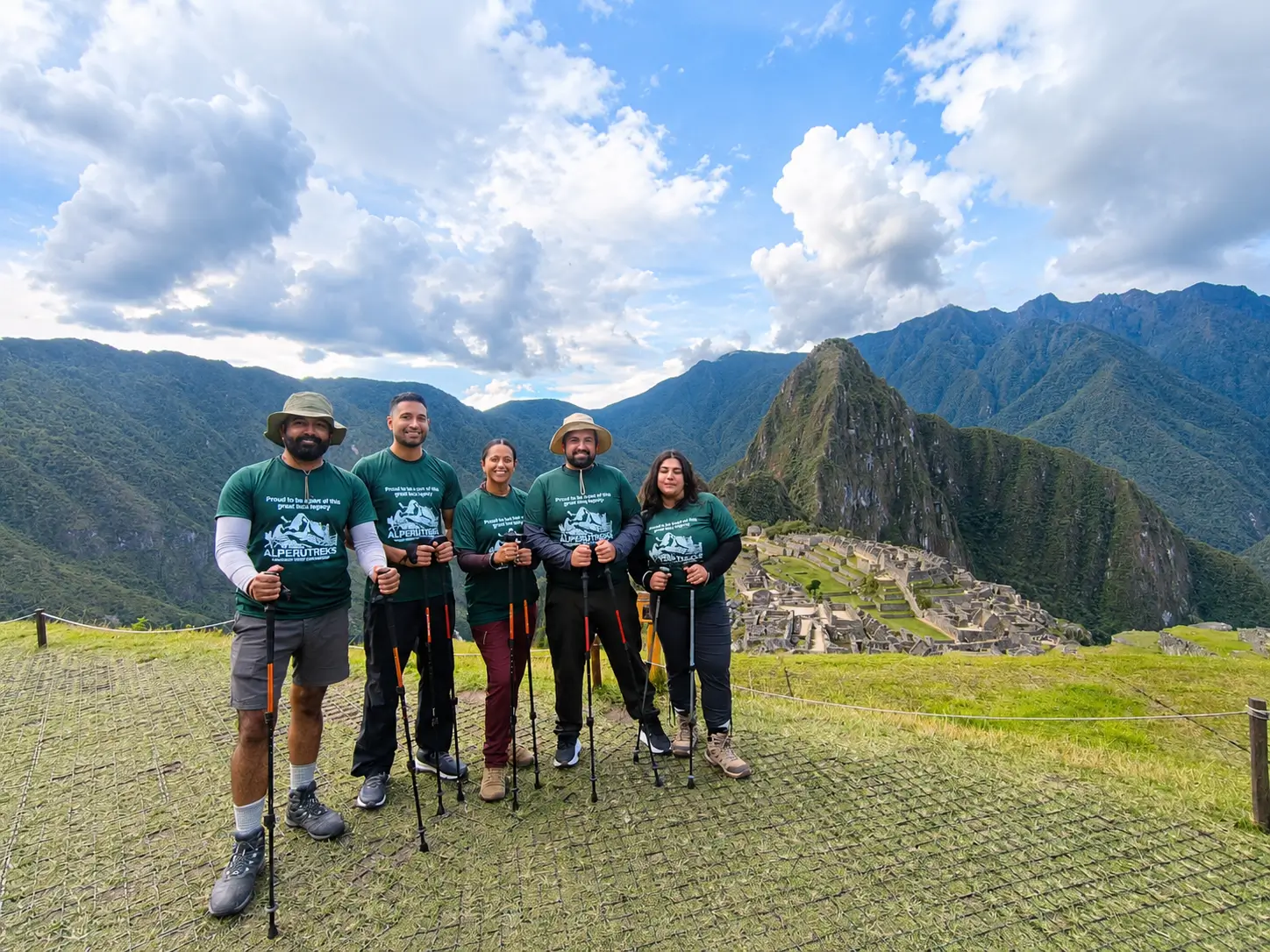
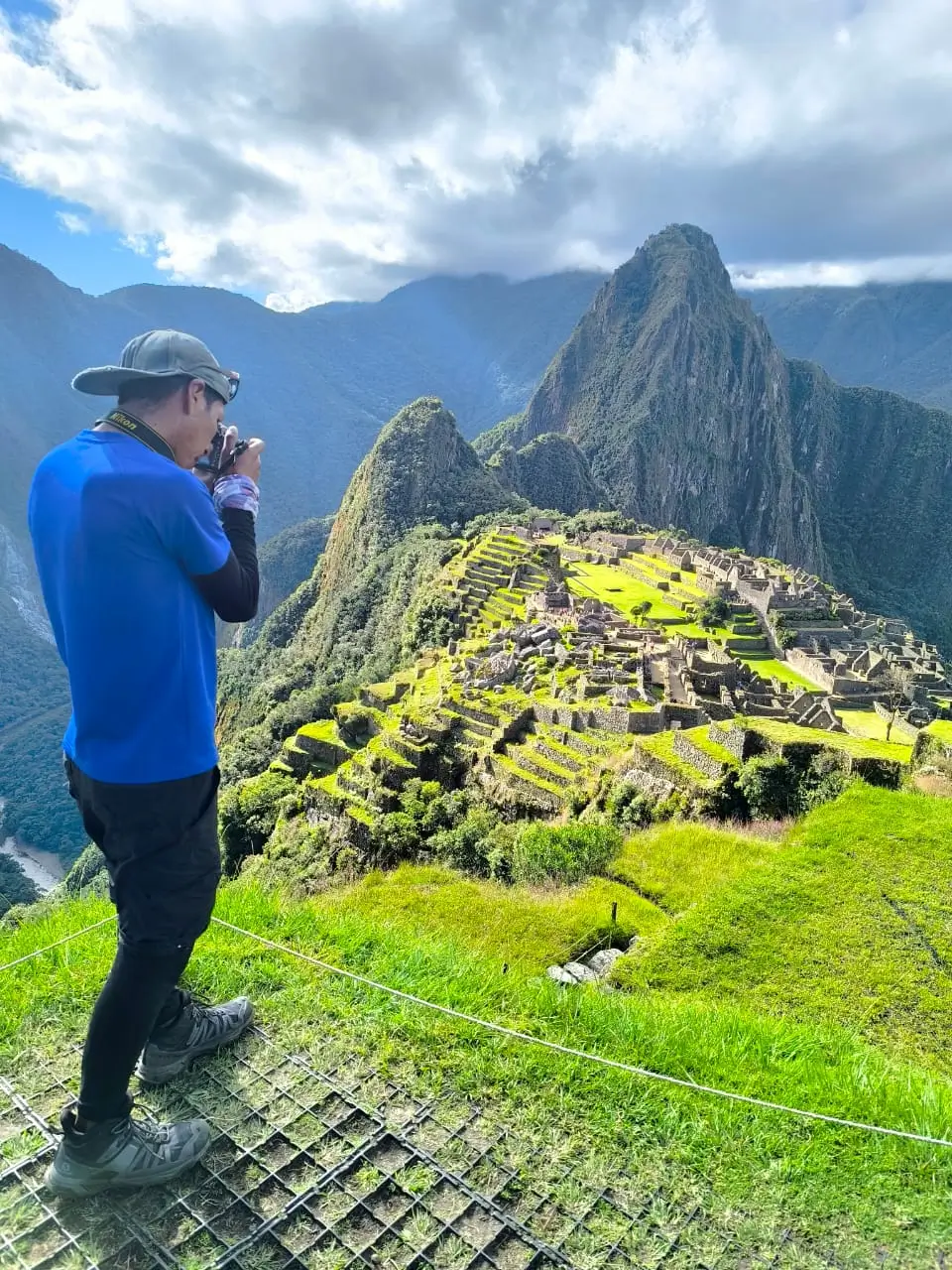
On the Inca Trail. Our Classic Inca Trail ends at the Sun Gate (Inti Punku), which looks down on Machu Picchu. See where the Inca Trail begins and ends for the route. You also spend three nights camping at altitude, away from city lights, which makes the Milky Way easier to see on clear nights.
In the Sacred Valley. The Sacred Valley tour includes Pisac, where an Intihuatana is also found.
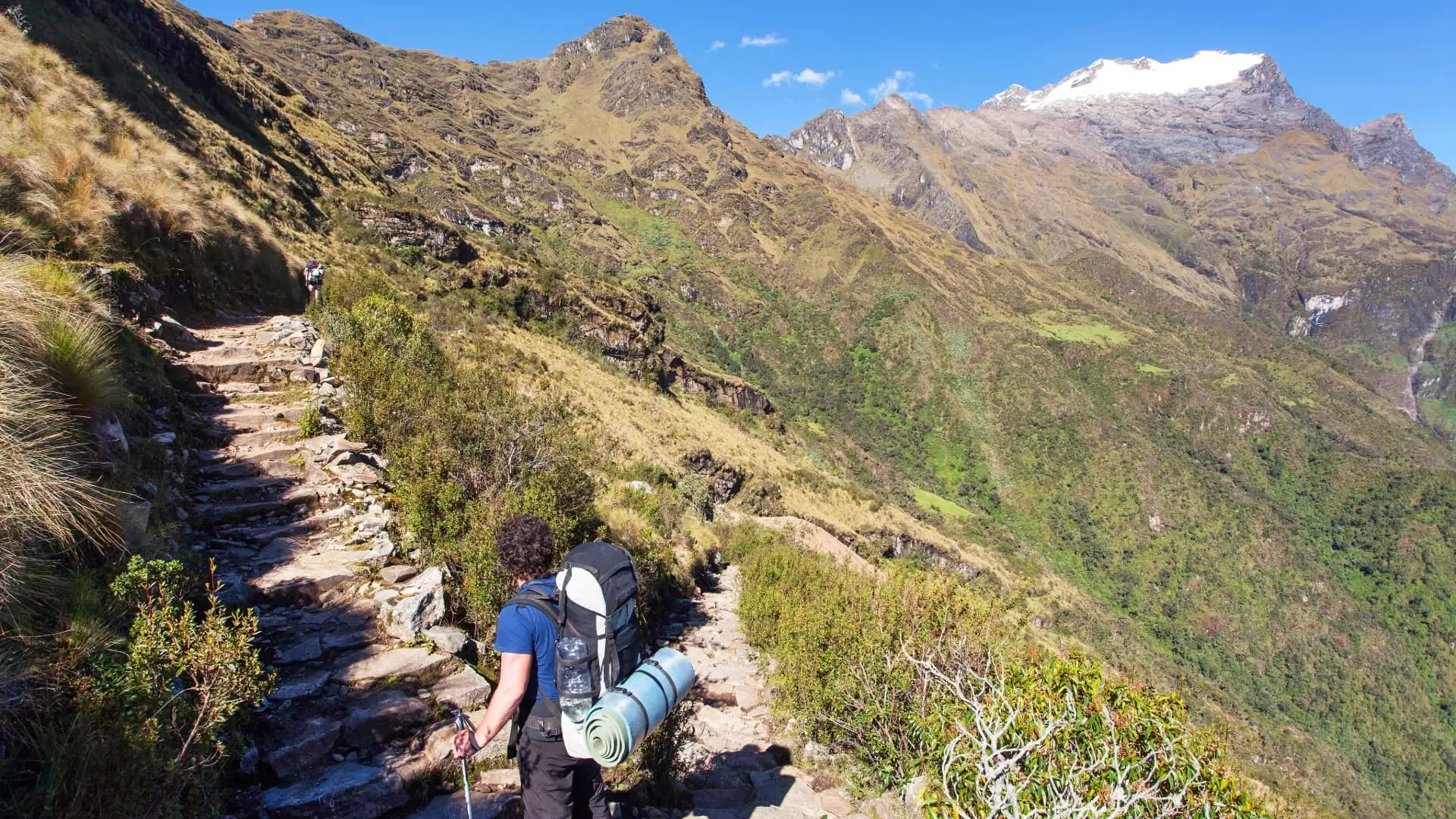
Tourists walking along a narrow, cobblestone path surrounded by lush vegetation and mountains. This is the Inca Trail near Machu Picchu.Hikers trekking the Classic Inca Trail 4-Day route through Andean cloud forestSun gate route Machu Picchu
When Is the Best Time to Look Up?
The dry season, roughly May to October, brings clearer skies and colder nights. A Smithsonian caption notes that most Inca constellations are easy to see in Cusco’s July and August skies. Use ourInca Trail by month andInca Trail weatherguides to plan, and remember that clouds can block the view on any night.
A few practical tips:
Bring warm layers, since stargazing at camp means standing still in cold air.
Give your eyes about 20 minutes to adjust, and avoid your phone screen.
Ask your guide, who may know local names and stories for the constellations.
Pack a headlamp with a red-light setting. See our packing list.
What are the dark-cloud constellations of the Incas?
They are shapes seen in the dark lanes of the Milky Way, called yana phuyu in Quechua. They include a llama and her baby, a fox, a toad, a tinamou and a snake.
What was the most important Inca constellation?
Sources identify the llama (Yacana), with its baby (Unallamacha), as the most important dark constellation.
How did the Incas use the stars?
They tied star and sun events to planting, harvest and rainy seasons, and held major festivals around the solstices.
Is Intihuatana an astronomical instrument?
It is often described that way, as a “hitching post of the sun,” and some examples appear to line up with solstice sunrises. Researchers describe this as likely rather than proven.
Can you see the Inca constellations today?
Yes. On a clear night in the Andes, the dark lanes of the Milky Way are visible. July and August skies in Cusco are noted as particularly good for spotting them.
A trek + Short Inca Trail route pairs a multi-day mountain trek with the last stretch of the Inca Trail, so you arrive at Machu Picchu on foot through the Sun Gate. We run four versions, based on Salkantay, Ancascocha, Lares and the Inca Quarry Trail. They last 5 to 6 days, cost $850 to…
The Incachiriasca Pass is a high-altitude mountain crossing on the combined Salkantay and Classic Inca Trail route to Machu Picchu. At approximately 5,000 meters (16,404 feet), it is one of the most physically demanding sections of this expedition. Preparing for the crossing requires more than good cardiovascular fitness. Proper acclimatization, endurance training, cold-weather clothing, and…
No, not automatically. We know of no official upper age limit for the Inca Trail, and the oldest reported finisher was 86. What decides whether the trek is realistic is your fitness, how your body handles 4,215 m (13,828 ft), the condition of your knees, and any heart or lung condition. The hardest stretches are…
The best weather for the Salkantay Trek falls between May and September, when the dry season brings clear skies, stable trails, and the clearest views of Nevado Salkantay — at the cost of freezing nights at high camp. April and October are solid shoulder-season picks, while November through March brings rain, mud, and occasional closures.…
Most first-time visitors end up choosing between two plans. You can leave Cusco before dawn, see Machu Picchu and be back in your hotel the same night. Or you can sleep in Aguas Calientes (the town at the foot of the citadel) and visit the next morning. Neither plan is better in every case. The…
For most trekkers, the 5-day Salkantay trek is the safest choice: it spreads the Salkantay Pass over a full day, adds a gentler first day, and costs $650. Pick the 4-day trek ($580) if you are fit, well acclimatized and short on time. Pick the 6-day ($900) or 7-day ($1,000) if you want to walk…
Choose Huayna Picchu if you are comfortable on narrow, exposed stone steps and want a shorter, steeper climb (roughly 2 to 3 hours round trip) that looks straight down on the ruins. Choose Machu Picchu Mountain if you want a longer, steadier climb (roughly 3 to 4 hours round trip), more height gain and a…
The Ancascocha Trek passes four main Inca sites on its way to Machu Picchu. Perolniyoc (also called Raqaypata) sits on a cliff above a waterfall at about 3,550 m, Rayan Pata is a ceremonial site at about 3,800 m, Paucarcancha guards the junction of two valleys at about 3,100 m, and Patallacta (also called Llactapata)…
Moray and the Maras Salt Mines are two neighboring sites on the high plateau above the Sacred Valley, about 50 km from Cusco, and most travelers visit them together in half a day. Moray is a set of circular Inca terraces, and Maras is a hillside of thousands of salt pans still worked by local…
Plan at least three days in Cusco if you want to see the city and visit Machu Picchu, and four to five days if you also want the Sacred Valley or a high-altitude hike like Rainbow Mountain. Three days is the practical minimum because Cusco sits at 3,399 m (11,152 ft), and your first day…